
How does length shape the look of a baroque pearl strand necklace or an irregular pearl strand necklace? | Flint Jewelry
Want to compare a neckline position or the balance of irregular shapes? Discuss pearl necklace styling with Flint Jewelry on WhatsApp at +85260106207. Describe your favorite tops and whether you want a subtle line or a sculptural focal point. Your own wardrobe is a useful starting point for a more focused conversation.
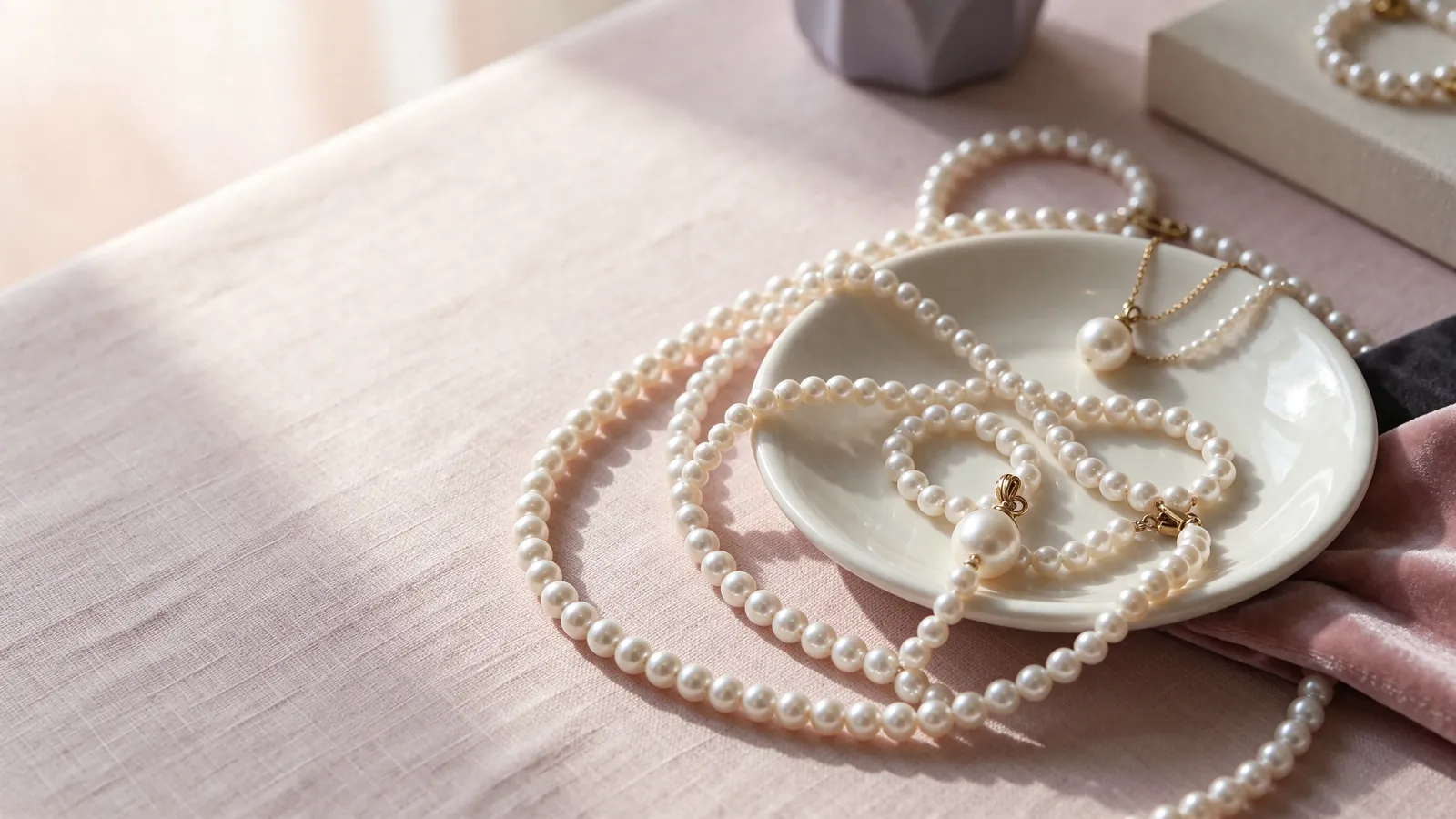
When choosing a baroque pearl strand necklace, picture the outline you want on your body before focusing on a length measurement. Irregular pearls can project above, below or to the side of the string, so the visible edge is not simply a smooth arc. Start with a favorite T-shirt, blouse or dress and identify where the strand could sit clearly. A single strand pearl necklace comparison helps explain the basic continuous line; baroque shapes add changes in width and direction along that line.
With a crew neck, decide whether you want a distinct gap above the fabric or a deliberate outline on top of it. With an open blouse, check that the front pearls are not half concealed by the opening. A lower resting position may give the shapes more space on a plain top, but pockets, embroidery or a busy print can compete with them. Compare the necklace against the complete outfit rather than treating longer as automatically more flattering.
Where should a baroque pearl strand necklace or an irregular pearl strand necklace sit against your neckline? | Flint Jewelry
The right place is the one that looks intentional and feels comfortable during ordinary movement. Sit in a chair, turn to each side and put on an outer layer. Check whether the pearls roll toward a different face or a projecting contour touches the neckline. Front and side photographs can help compare positions, but avoid holding the strand in place for each shot. You want to see how it rests, not only how it can be arranged.
Look for a Deliberate Rhythm in the Irregular Shapes
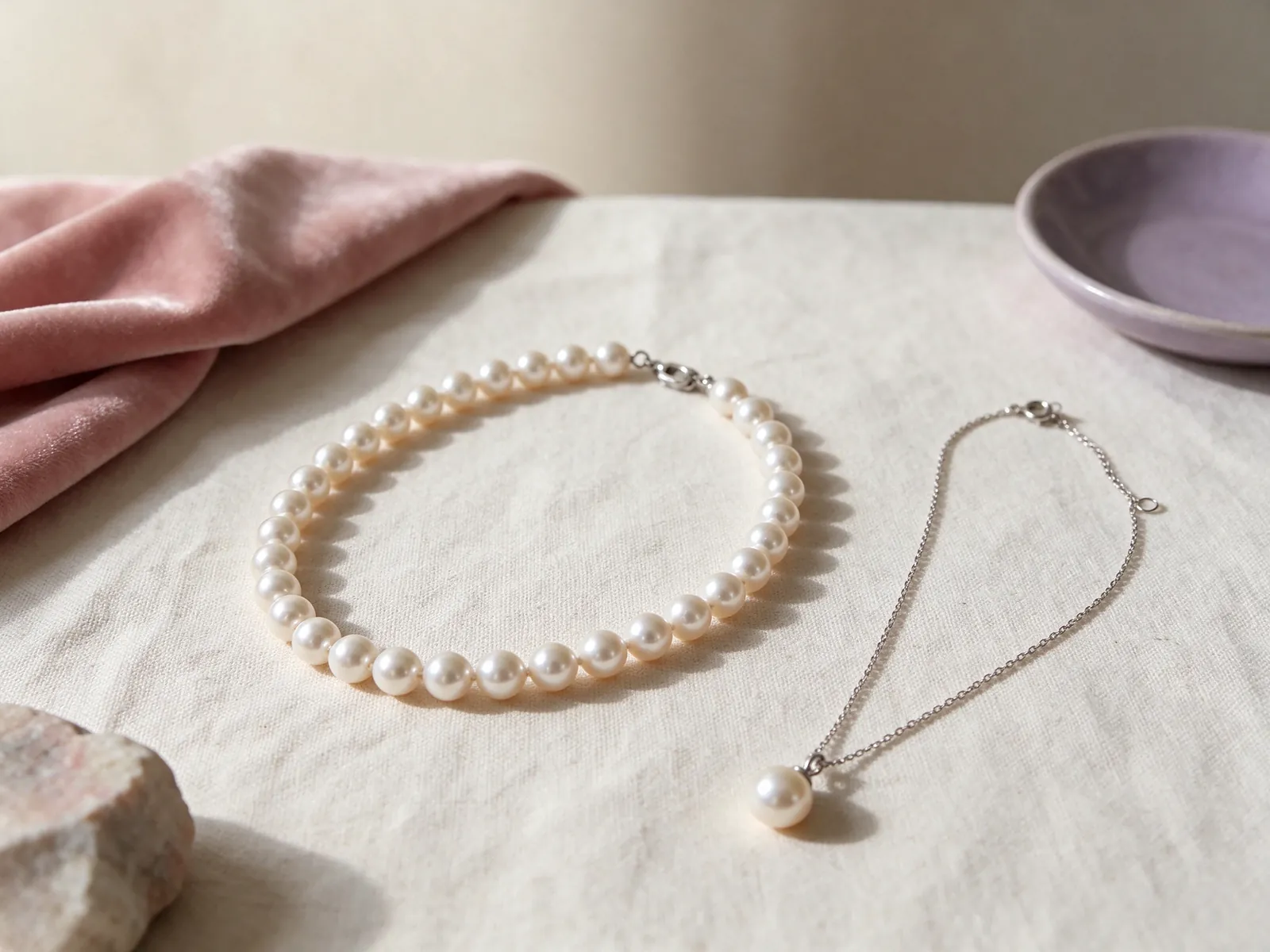
A necklace of baroque pearls can feel composed even when no two outlines are identical. Look at the whole strand from a little distance and notice where your eye goes first. A strongly shaped front pearl may create a focal point, while evenly distributed variations can produce a more relaxed flow. Neither arrangement is inherently better. Choose the visual direction you enjoy, then examine whether the neighboring pearls support that effect.
Think about balance rather than exact symmetry. One side might contain a broad pearl and the other several narrower forms that carry a similar visual weight. A deliberately uneven arrangement can also be appealing if you want an off-center look. The useful question is whether the transition between shapes seems considered. A dramatic pearl shown on its own does not reveal whether the entire necklace feels harmonious when worn.
Why Does Pearl Orientation Matter in Photographs?
An irregular pearl has more than one visible profile. Its widest surface may face the camera in a flat photograph but rotate away on the neck. Notice how successive pearls are connected and whether side views show a different lower edge. Full-strand images and views near the clasp provide context that a cropped close-up cannot. They remain visual aids, however, rather than a substitute for checking movement and feel.
Evaluate Luster and Color Without Letting Shape Dominate
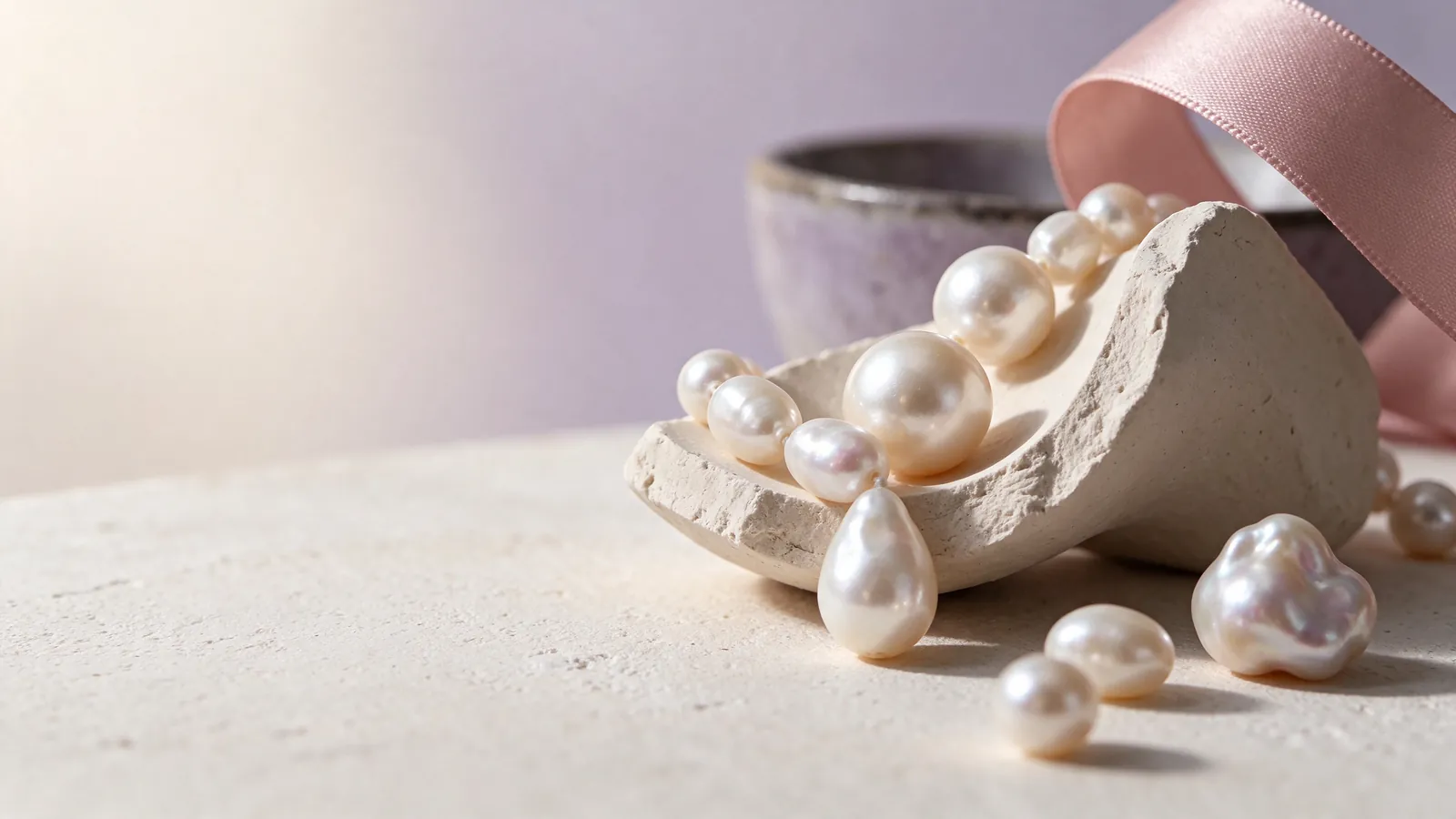
GIA identifies seven pearl value factors: size, shape, color, luster, surface quality, nacre quality and matching. For a full strand, that framework encourages you to look beyond a memorable silhouette. Compare the appearance of reflections and how neighboring pearls relate in color. An irregular arrangement can still have a coherent overall character. The shape term baroque does not establish the condition or assessment of the other factors.
Use similar, gentle lighting when comparing strands, and rotate each slowly. First observe the outline, then consider the surface and reflections as separate questions. Do not treat every indentation as identical, or allow a bright highlight on one pearl to stand in for the appearance of the entire necklace. Check pearls at the sides as well as the center. Comparing unrelated images under very different lights can make color relationships harder to judge.
Is Sculptural Shape a Quality Grade?
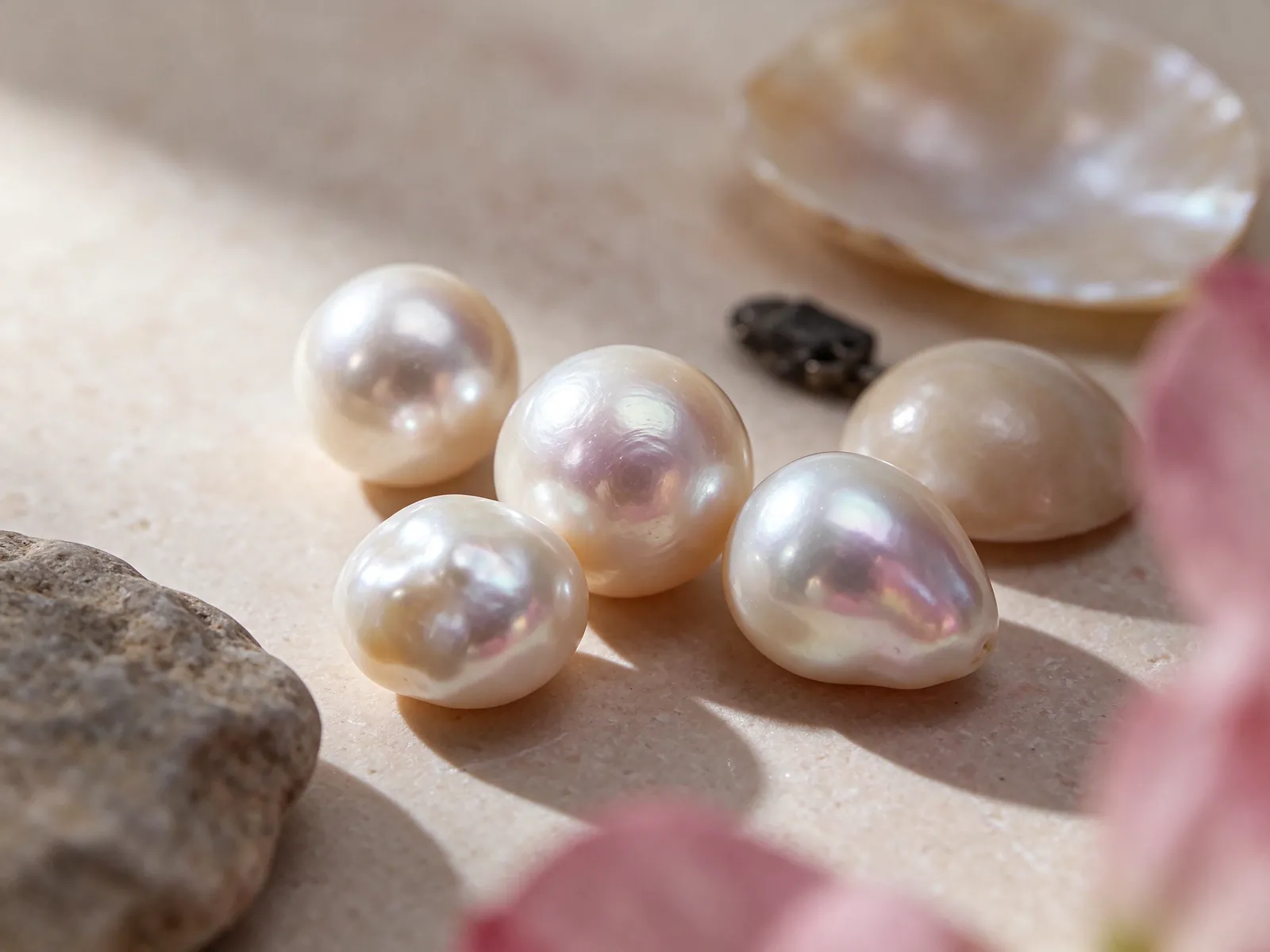
No. A strongly irregular contour can be a style preference, but it is not a complete quality conclusion. Someone who likes minimal clothing may want a pronounced shape; another wearer may prefer gentler variations for a quieter look. Compare luster, surface appearance, color and matching under comparable conditions, then decide which combination you appreciate. This separates your taste from an unsupported assumption that irregularity means superior or inferior quality.
Match the Strand's Visual Presence to Your Wardrobe
Smooth, solid-color fabric makes a varied pearl outline easier to read. A cable-knit sweater, patterned blouse or ruffled neckline introduces another set of shapes, so decide which element should lead. A small pearl necklace offers a useful comparison for a lighter visual presence; a large pearl necklace helps you think about a more assertive focal line. These are proportion references, not evidence of the dimensions or pearl identity of a particular baroque strand.
For casual clothing, try the necklace with an uncluttered neckline before adding other accessories. For a blazer, look at the space between the lapels and whether the strand remains visible when the jacket moves. With a dress for a formal event, consider earrings and fabric decoration at the same time. A pronounced necklace does not require equally elaborate pieces everywhere else. Leaving some areas quiet can make the irregular shapes feel more purposeful.
When Does Layering Add Clarity Rather Than Clutter?
Establish the strand's resting line on its own first. Then add a second necklace and check whether each remains visually distinct as you walk and sit. Pay attention to crossed strings, tangled clasps or metal parts repeatedly rubbing a pearl surface. If both necklaces gather at the same point, try a different arrangement or remove one. Layering works when the spacing is readable and the pieces move comfortably together.
Separate Irregular Shape from Pearl Identity
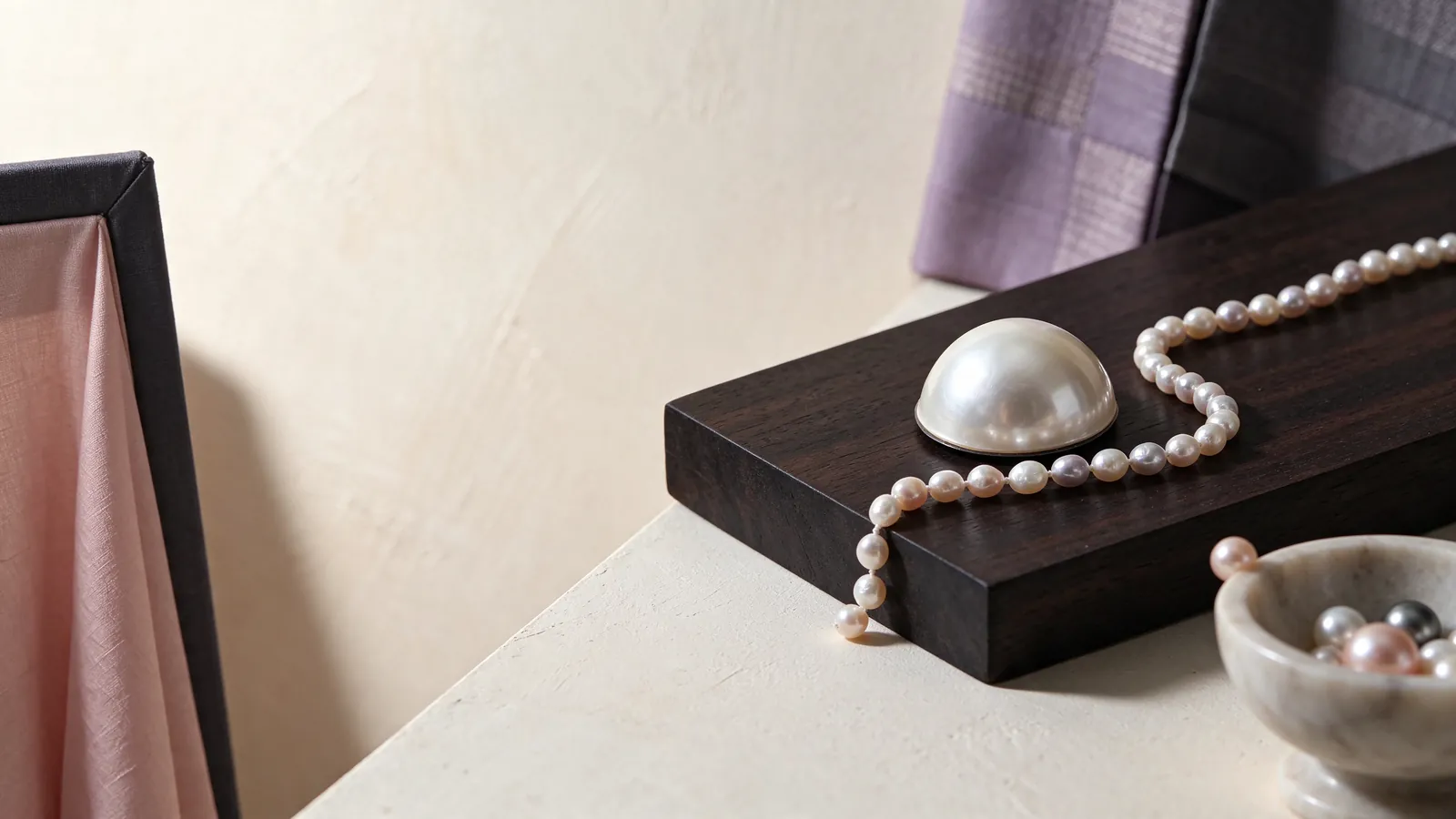
Baroque is a description of shape, not a statement of species, origin or whether a pearl is natural or cultured. When reading about a necklace, sort appearance words from identity statements. GIA describes recording external features and testing identity as separate parts of pearl analysis. For questions about identity, use the stated information and relevant examination results for the actual necklace. An uneven outline in a photograph is not enough to establish how a pearl formed or where it came from.
Comparing a South Sea pearl necklace with a freshwater pearl necklace may help you understand other descriptions, but those details belong to the pearls actually described. They should not be transferred to an irregular strand just because it shares a color or broad outline. Instead, compare each necklace's stated information, then identify your design preference. You may discover that the arrangement or color matters more to your wardrobe than the dramatic shape that first caught your attention.
How Should You Read a Gemological Report?
Read the conclusions that are actually present and identify the item the report describes. GIA explains that report contents depend on the service requested, so not every document should be assumed to include the same quality assessment. A report concerning a particular pearl should not automatically be treated as describing a whole strand. A jewelry description answers design and stated-detail questions, while a report addresses the examinations within its scope. Neither chooses your preferred wearing position. Keeping these roles separate makes both identity information and practical fitting observations more useful.
Check the Clasp and Connections as Part of the Fitting
A comfortable strand should be assessed around the sides of the neck as well as at the front. Turn your head and notice whether a particular contour presses against you or changes orientation under a collar. Sit down with your usual outer layer and check whether the fabric lifts the necklace. These small movements can reveal a different arrangement from the one seen while standing still, especially when the front contains projecting shapes.
Examine the string, knots if present, and connections near the clasp for visible looseness or wear. Knotted stringing is not a promise that breakage cannot occur. Open and close the clasp using your normal dressing routine, then inspect how it joins. Consider whether you can operate it comfortably and whether its weight or position changes the way the strand sits. Attractive hardware and convenient daily handling are separate qualities worth comparing.
Should the Clasp Be Hidden or Part of the Look?
That depends on the intended composition and your preference. A visible clasp can be a deliberate focal element, while another arrangement may place it behind the neck. Watch what happens during movement rather than deciding from a flat image alone. If rotation brings the clasp forwards and moves the central pearls aside, consider the changed look as a whole. Continually straightening the front does not show how the necklace naturally behaves.
Use Gentle Care and Storage for Uneven Contours
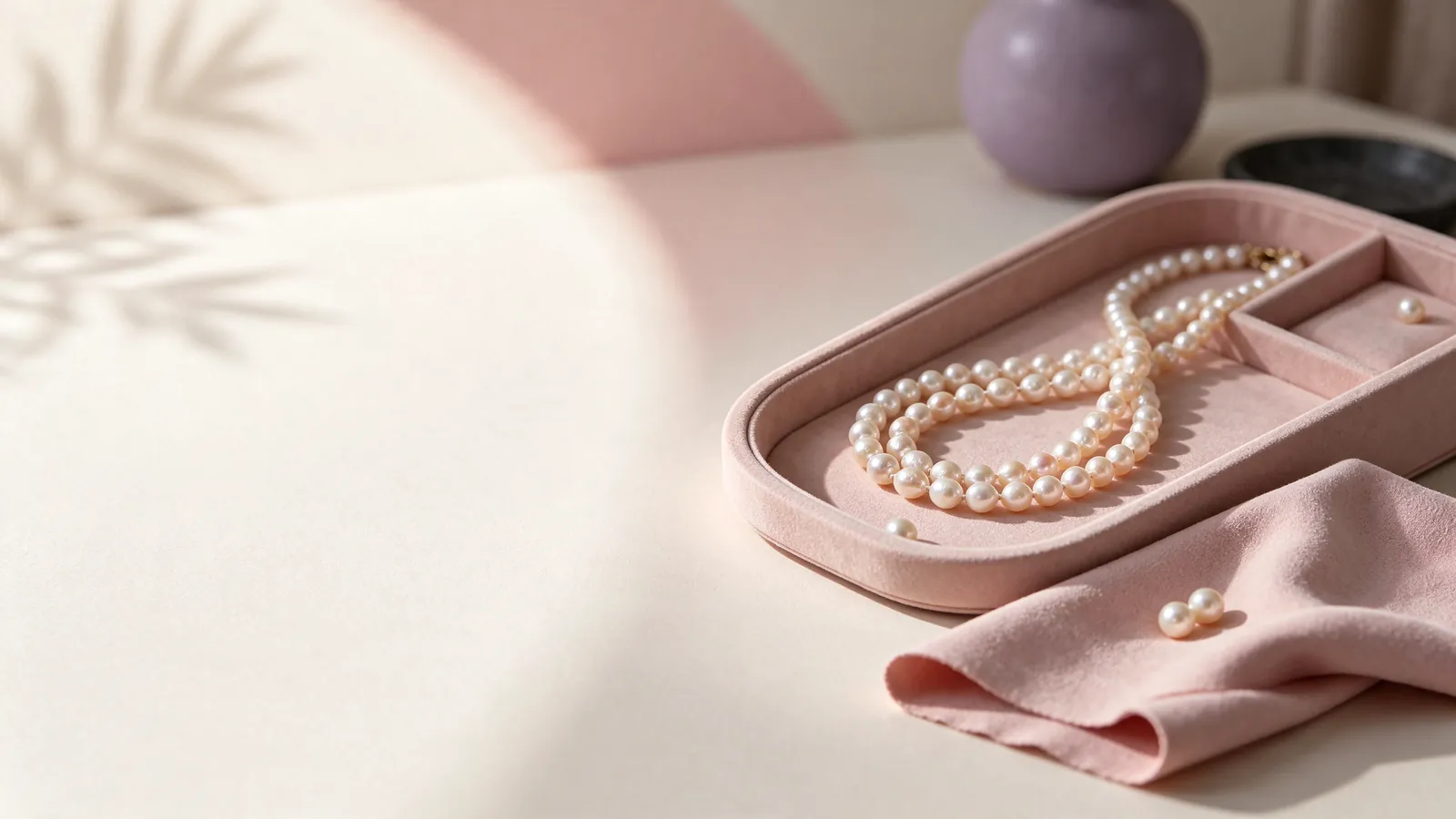
GIA places pearl at 2.5 on the Mohs hardness scale and states that pearls should never be cleaned in ultrasonic or steam cleaners. After wearing, gently wipe accessible surfaces with a very soft, clean cloth. Avoid tugging on the string as you move around projecting contours, and do not force a cloth or sharp object into small recesses. Keep the pearls away from acids, perfume, hair spray and excessive heat.
Store the necklace away from other jewelry that could scratch its surface, with no heavy objects pressing on projecting pearls. If cleaning involves water, the string must be completely dry before the strand is worn again, as GIA advises. The pearl surfaces may look dry while the string still needs time. Support the full strand when lifting it out of storage instead of pulling only on the clasp, and notice any changes around its connections.
What Is a Useful Last Check Before Wearing It Out?
Put on the full outfit, including your outer layer, and check the neckline from the front and side. Confirm that the clasp is connected, the strand is not balanced awkwardly on a fabric edge, and other accessories leave the desired outline visible. Turn gently to see whether it remains where expected. If the look depends on constant repositioning, another top may be the simpler solution. Aim for a necklace that works in motion, not just in a posed image.
If you are deciding between two arrangements or resting positions, discuss your styling ideas with Flint Jewelry on WhatsApp at +85260106207. You can share neckline photos without including your face and explain whether you prefer the strand near the collarbone or over fabric. Bring the details that matter to your own clothes and daily movement, rather than trying to reproduce a posed photograph.
| Comparison | Practical check | Styling choice | What not to assume |
|---|---|---|---|
| Resting position | Sit and stand with your chosen neckline | Keep a clear gap or an intentional line over fabric | A flat measurement predicts the complete outline |
| Shape balance | Read the center and both sides together | Choose a focal point or a distributed rhythm | Every pearl must have an identical counterpart |
| Luster and color | Turn the strand under comparable soft light | Look for compatible adjacent pearls | An unusual contour establishes overall quality |
| Clasp behavior | Operate it and observe the strand in motion | Choose visible hardware or a hidden position | The arrangement stays as shown in a flat image |
| Outfit texture | Compare solid fabric with patterns and knitwear | Decide whether necklace or clothing leads | More layers always make the look clearer |
Pearl knowledge and authoritative references
GIA identifies seven pearl value factors: size, shape, color, luster, surface quality, nacre quality and matching. A baroque strand should be considered through these factors rather than through irregular shape alone.
Read the reference for this factFrequently asked questions
Will a baroque strand create the same focal point as a pendant?
Not usually. A pendant centers attention on one pearl or element, while a strand uses multiple shapes to form a continuous outline. Compare the amount of visible pearl surface, the arrangement and the way each option frames your clothing rather than assuming the looks are interchangeable.
Can differently shaped pearls still make a cohesive necklace?
Yes. Compatible color, luster and visual weight can connect varied contours. Look for a readable rhythm across the strand, whether the design is balanced or intentionally off-center. Exact repetition of every irregular feature is not necessary for a coherent arrangement.
What is missing from a single close-up product photo?
It may not show the overall balance, pearl orientation at the sides, clasp placement or how the strand moves. Full views and different angles provide more context. A fitting adds the ability to assess contact with your neck and clothing, which photographs cannot fully communicate.
Is an exposed clasp always undesirable?
No. It can be part of the design. Decide whether you want it visible, then observe whether the strand stays in that arrangement during normal movement. If you prefer it hidden, watch whether rotation also displaces the intended front pearls.
Can ultrasonic cleaning reach irregular areas more safely?
No. GIA states that pearls should never be cleaned in ultrasonic or steam cleaners. A very soft, clean cloth is appropriate for routine wiping. Avoid sharp tools in recesses, and make sure a string exposed to water is completely dry before wearing the necklace.
Updated: