Flint Jewelry: How should you read a silver pearl strand necklace description alongside sterling silver pearl necklace and SV925 pearl necklace labels?
When you search for a silver pearl strand necklace, decide whether you mean a strand with a silver clasp, a design with visible chain, or simply a pale-metal look. A sterling silver pearl necklace description and an SV925 pearl necklace label can appear alongside different constructions. Read the material wording with the component it describes.
Make a simple distinction between the fastening, chain sections, connecting rings and pearls. A description that identifies one component does not necessarily identify the others. Likewise, silver-colored is a visual description rather than proof of metal identity. Asking which parts a material statement covers produces a more useful comparison than asking only whether the necklace as a whole is silver.
Flint Jewelry: Which fittings are identified when a silver pearl strand necklace is labeled a sterling silver pearl necklace or SV925 pearl necklace?
Pair close-up pictures with the written component details. A clasp picture can help you understand the opening direction, while an overall picture shows the position of chain segments. Pictures cannot replace metal information. Read the pearl description separately, too: a metal mark does not establish pearl type, natural or cultured identity, origin, or whether the pearls have a corresponding report.
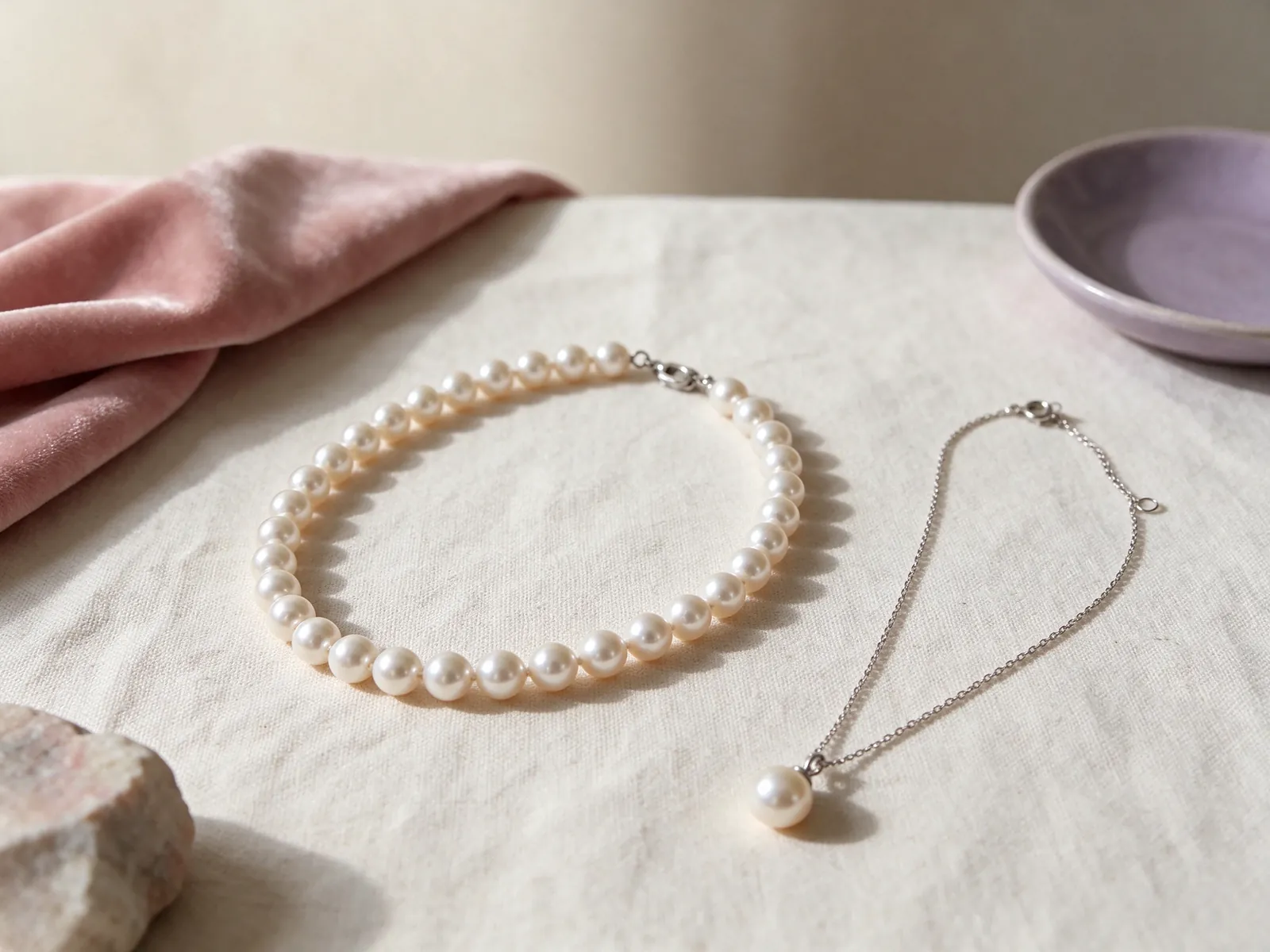
Start with a clasp you can understand and operate
Consider how you normally put jewelry on. If you fasten a necklace at the front before rotating it, inspect the clasp in that position. If you work behind your neck, try the movement with your usual hairstyle and shirt. Notice whether your fingers can reach the opening and whether you can tell that it is closed. A small or discreet-looking clasp is not automatically easier to use.
Look at the transition from the last pearl to the fitting. It can affect the visual balance if the clasp moves toward the side of your neck. For a large pearl necklace, compare that transition with the presence of the pearls across the front. Do not infer weight, strength or capacity from pearl size in a picture. The details of the actual construction and the wearing experience matter more than visual guesses.
Observe what happens when you move
After fastening, turn your head, sit down and adjust your collar normally. Does the connection settle against a shirt edge or require frequent repositioning? If it catches, do not pull the strand or bend the clasp. Note the specific position and movement involved. That information makes a discussion about fit and construction more concrete than a general statement that the necklace does not feel right.
Compare the necklace's lines before comparing its metal name
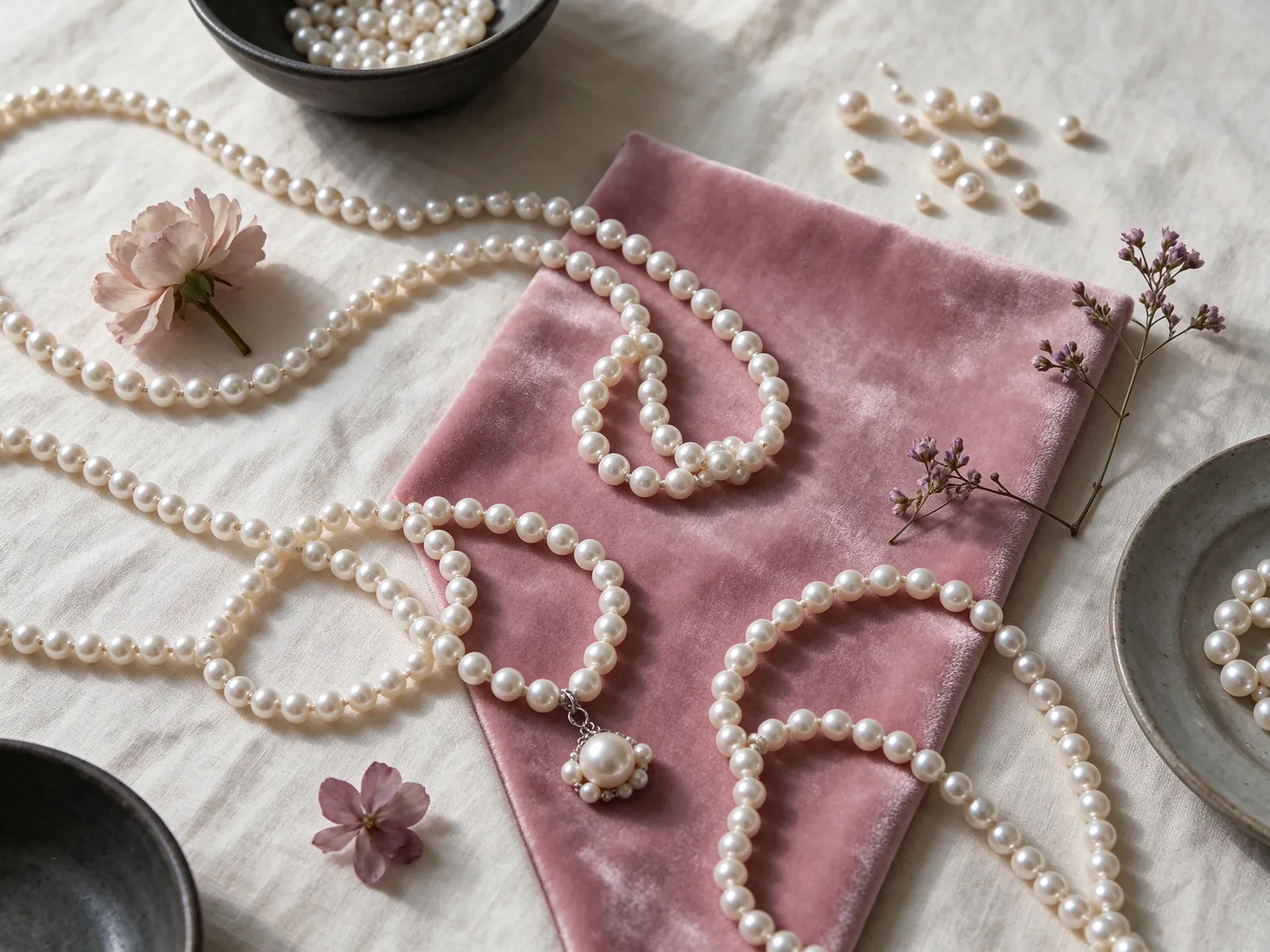
A continuous strand creates a line through the sequence of pearls. Visible chain introduces spaces and metal segments, changing what you see against a shirt or dress. For a single strand pearl necklace, inspect the curve and how the pearls distribute around the neckline. For a segmented necklace, consider where the spaces fall. These are structural differences that a silver label alone cannot explain.
A multi strand pearl necklace calls for a different comparison: spacing between rows, overlap when worn and the way the rows join the fastening. An arrangement that looks orderly on a table may gather differently around your neck. Look from the side as well as the front, checking whether inner rows remain visible. The number of rows is a styling choice, not evidence of a higher pearl quality grade.
Consider whether the fastening will be hidden or visible
If the clasp is intended to stay at the back, watch its position after normal movement. If you like a clasp showing at the side, compare it with earrings, collar buttons and other details near the face. Also inspect how the strand sections meet at the back. Understanding that junction helps you handle and store the necklace without treating several rows as one tightly twisted bundle.
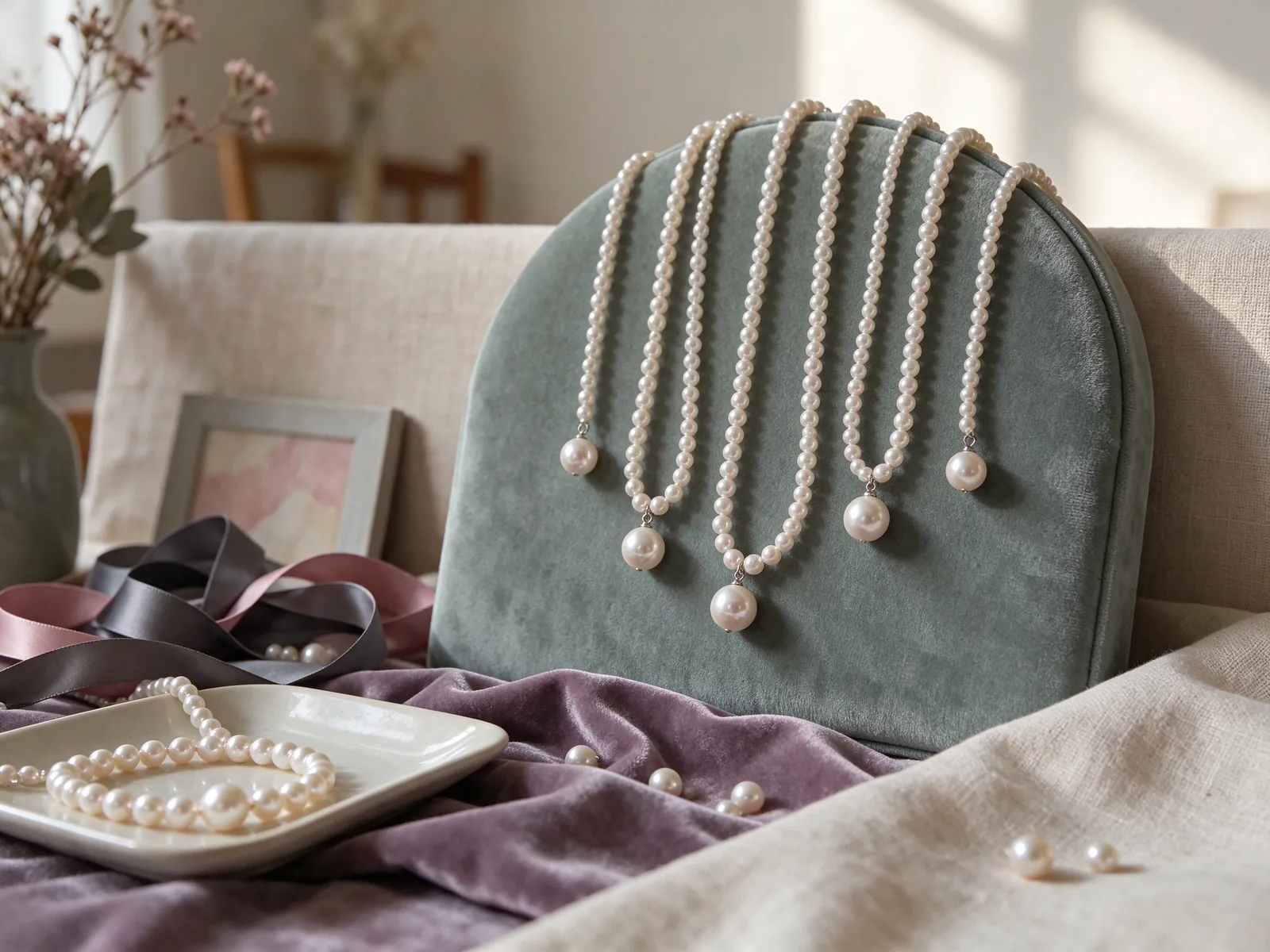
Use your everyday neckline to judge length and drape
Choose the position you want to see before relying on a length figure. With a crew neck, the strand might sit above the edge, follow it or rest on fabric. With an open shirt, collar points may hide part of the necklace. Your neck shape, shoulders and the thickness of the clothing influence the result. An existing necklace with a comfortable drop can provide a useful starting point when worn with the same clothes. Use the pearl necklace length guide to organize your preferred neckline position, and record whether a reference measurement includes the clasp.
Ask whether the stated length includes the clasp, and assess the whole structure rather than expecting the number to predict an exact drop. Try plain fabric to see the outline clearly, then the patterned or textured clothes you actually plan to wear. Fine chain sections can become less noticeable against a busy background. Add your usual earrings or glasses so you can decide whether the necklace should be the focus or a supporting detail.
Check a seated position before planning layers
For regular wear at a desk or table, see whether the strand meets the shirt opening, a button or a jacket edge when you sit. If you plan to layer necklaces, put each on separately before combining them. Their crossing points depend on construction as well as length. A scarf can also change the visible drop or contact the fastening, so include it gently in the trial rather than pulling it away from a caught clasp.
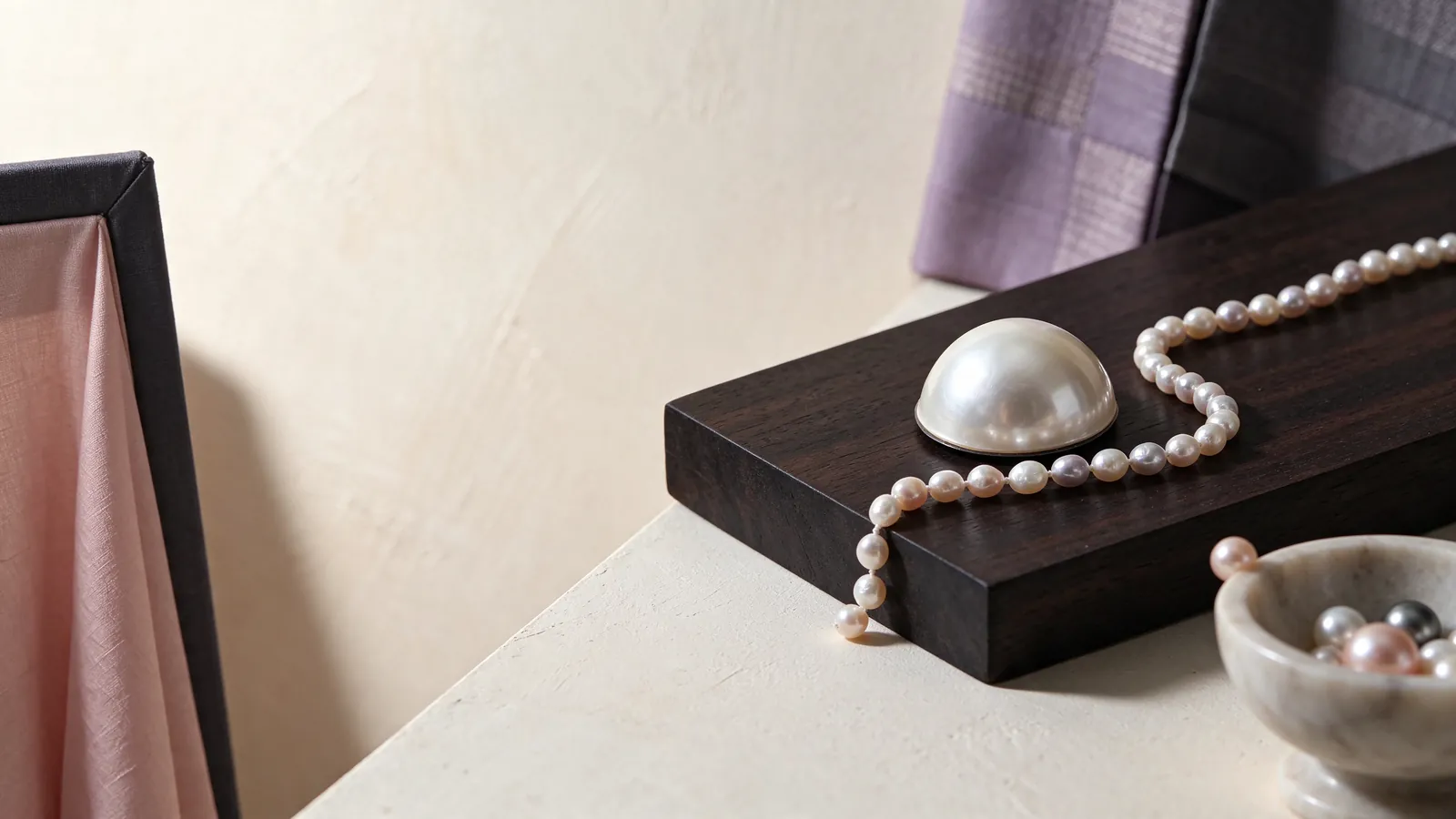
Keep pearl quality and identity separate from the clasp label
The wording 925 or SV925 does not grade the pearls. GIA describes seven pearl value factors: size, shape, color, luster, surface quality, nacre quality and matching. Matching gives a useful perspective on a strand because you are considering how pearls relate to one another. The framework shows why a metal description cannot answer every selection question. It does not authorize a quality assessment from a photograph alone.
When looking at photos, consider differences in lighting, reflections and background before comparing color or surface appearance. A bright highlight is not a substitute for detailed pearl information. If identity documentation is part of your decision, read the pearl necklace with GIA report guide to understand that separate topic. A report should be read for the pearls it describes, not assumed to exist because a clasp has a familiar metal mark.
Ask one question about appearance and another about documentation
A preference for consistent color, varied shapes or a particular visual rhythm is different from a question about pearl identity. Express those needs separately. Neither roundness nor whiteness establishes a pearl type or origin, and a brand name does not replace the relevant pearl information. This distinction lets you describe what appeals to you while keeping factual questions grounded in the necklace's actual documentation.
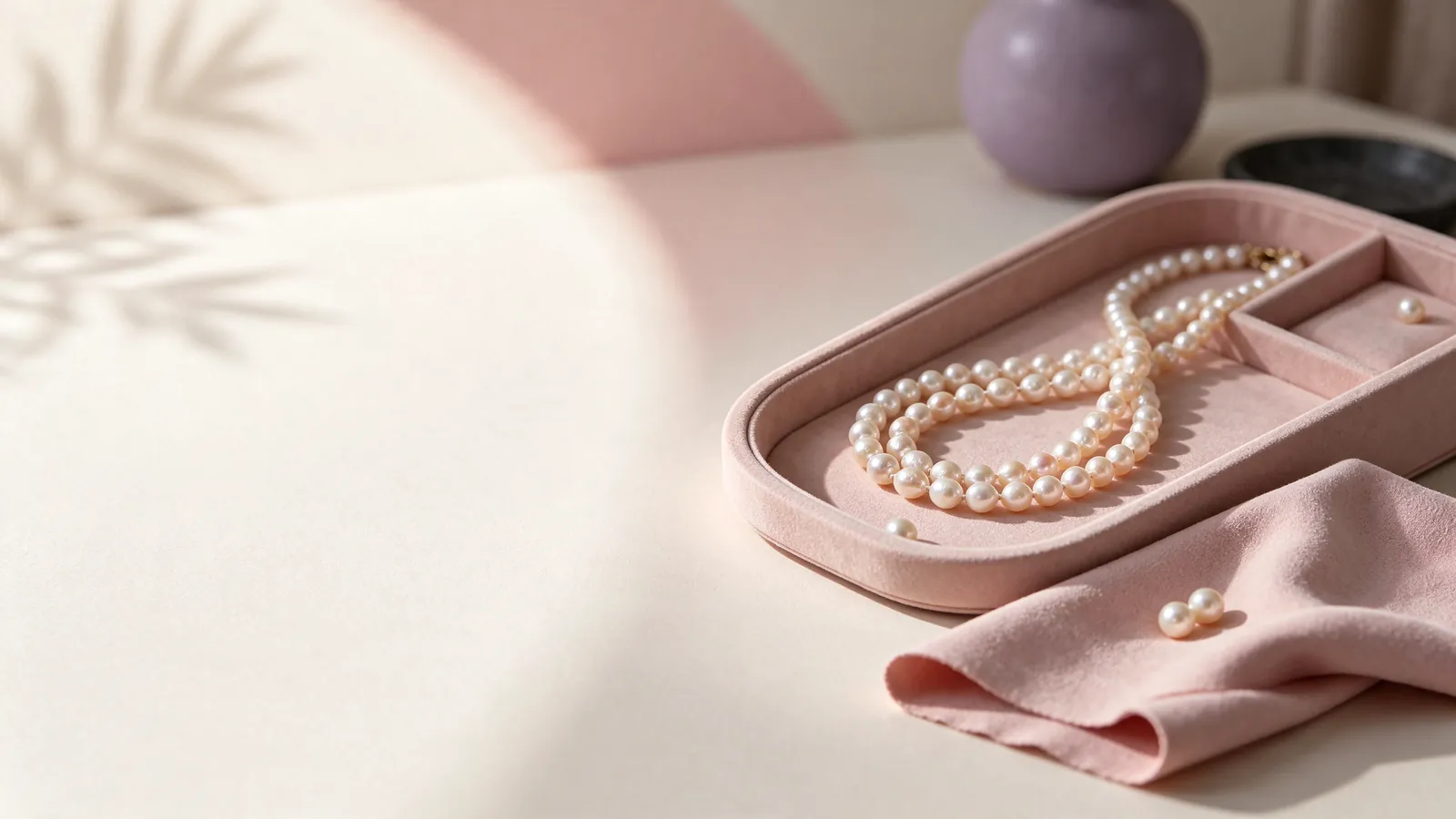
Turn a pale-metal preference into a practical design brief
If a pale clasp is what drew you to silver, explain that look separately from any request for a specific metal. An 18K gold clasp pearl necklace and a platinum clasp pearl necklace offer additional subjects for comparison. Read their own fitting and construction descriptions. A different metal name does not mean that every opening detail, connection or proportion from another necklace will remain unchanged.
For a pearl design discussion with Flint Jewelry, explore 18K 750 white gold, 18K 750 yellow gold, 18K 750 rose gold, PT950 platinum and PT900 platinum. Describe the result you want: a fitting that stays visually quiet, a color that works with earrings or an opening you can operate in your preferred position. Start with those visual and handling preferences, then consider the fastening and pearl strand as one design.
Bring the neckline and handling details into the conversation
A photo of a frequently worn top, a preferred drop and a description of any clasp difficulty help explain the request. If discussing a necklace you own, keep the known pearl details separate from the known fitting details. You can begin through the page's WhatsApp inquiry route. The eventual design direction should follow the actual discussion, without assuming availability or a particular construction from a search phrase.
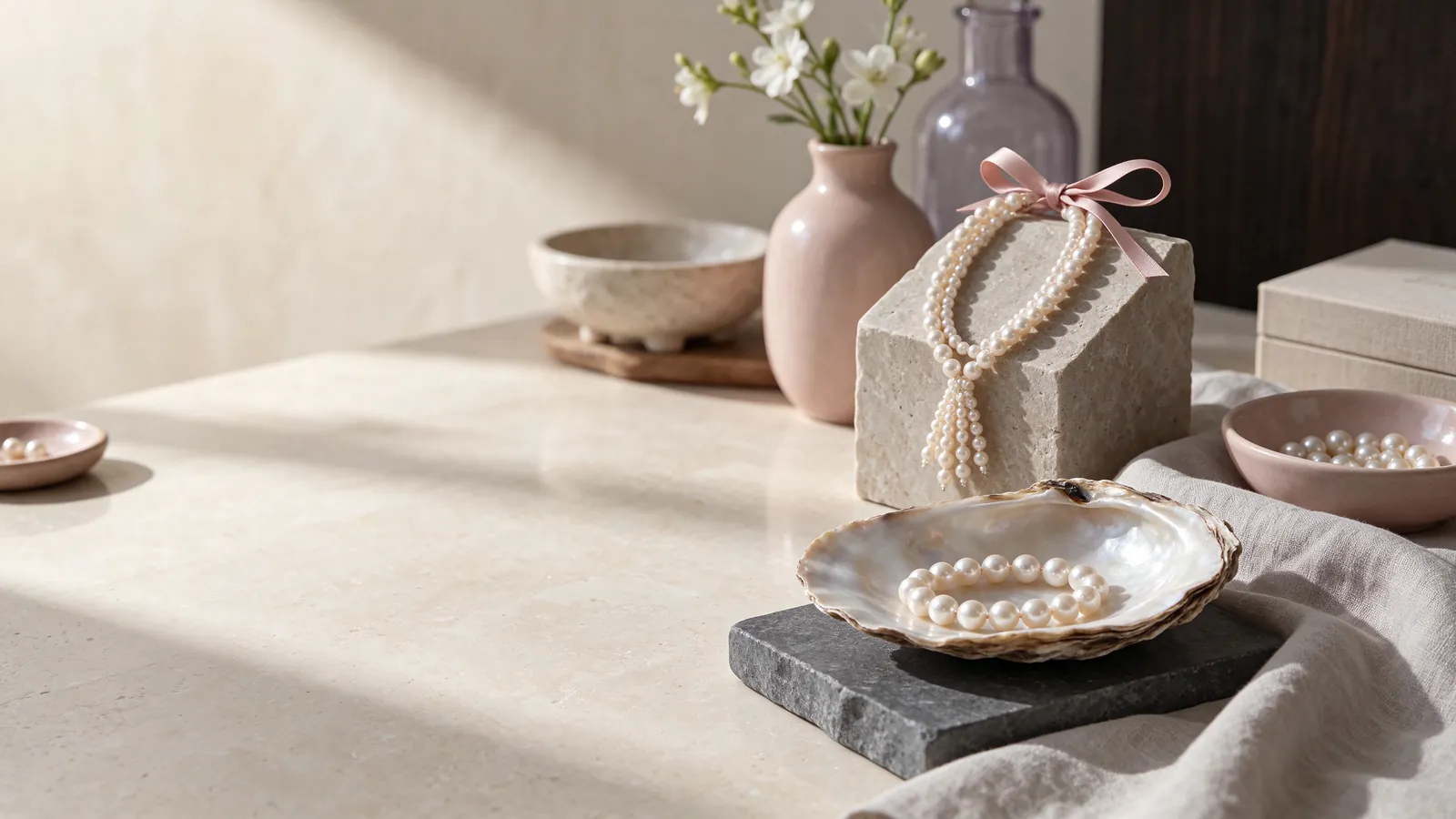
Choose care for the complete pearl necklace, not just its metal
A necklace containing pearls cannot be treated like a separate metal object. GIA ranks pearl at 2.5 on the Mohs hardness scale and says pearls should never be cleaned in ultrasonic or steam cleaners. The word silver therefore does not provide a cleaning instruction for the complete necklace. After wearing, a very soft, clean cloth can be used gently without pulling the pearls apart to reach the fitting.
Avoid acids, perfume, hair spray and excessive heat around pearls. Keep metal cleaning products away from the pearls and string. If strung pearls are cleaned with water, GIA advises that the string must be completely dry before wearing; dry-looking pearl surfaces are not enough to establish that. Store the necklace without tight twisting, and consider the pearl sections, connecting points and fastening together before choosing further cleaning.
Stop rather than force a changed fastening
If a clasp needs unusual force, a connection seems loose or the string looks different, avoid continued pulling and household-tool adjustments. Photograph the area clearly and describe when the change became noticeable. That gives a better starting point for discussing handling. The goal is to avoid an action aimed at the metal that inadvertently affects the pearls, string or arrangement of the necklace.
Want to turn a pale-clasp preference into a pearl design conversation? Message Flint Jewelry on WhatsApp with a photo of a shirt or dress you wear often, the drop you enjoy and any fastening difficulty you want to address. Discuss 18K 750 white gold, 18K 750 yellow gold, 18K 750 rose gold, PT950 platinum or PT900 platinum directions around those everyday needs.
| Description cue | Part to inspect | Useful question | Wardrobe or handling check | Unsupported inference |
|---|---|---|---|---|
| Silver clasp name | Fastening and end connection | Does the wording identify the clasp material? | Finger access and collar contact | Every fitting is the same metal |
| 925 or SV925 | The part identified by the text | Which component does the label cover? | Location of visible metal sections | Pearl identity or a quality grade |
| Silver chain wording | Chain segments and pearl positions | How are spaces and pearl sections arranged? | Visibility against patterns or texture | Clasp and chain materials necessarily match |
| Continuous strand | Pearl sequence and overall curve | Where does the strand sit on the neckline? | Standing and seated drop | An assumed weight or strength |
| Multiple rows | Spacing and common connections | How do rows overlap when worn? | Visibility of inner rows near the collar | Row count proves higher pearl quality |
Pearl knowledge and authoritative references
GIA lists pearl at 2.5 on the Mohs hardness scale and states that pearls should not be cleaned with ultrasonic or steam cleaners. Care for a pearl necklace must therefore consider more than the metal label.
Read the reference for this factFrequently asked questions
Does sterling silver in a necklace name identify the chain and clasp separately?
Not always. Read the written component descriptions to see which parts are identified. A broad name can emphasize the overall style or one fitting. Ask what the wording covers rather than assuming that all connecting parts use the same metal.
Is an SV925 label evidence of pearl quality or a pearl report?
No. It belongs to the metal description, not a pearl grading or identity statement. Pearl quality factors and any corresponding report need to be read separately. A mark on a fitting does not establish that the pearls have documentation.
How can I compare length without assuming a standard fit?
Use a neckline you wear regularly and a drop you already find comfortable. Check whether the stated length includes the clasp, then look at the necklace while standing and sitting. Collar shape and strand construction can change the result even when a length figure seems familiar.
Should I clean the clasp first and treat the pearls afterward?
Consider the entire necklace before choosing any method. A cleaning product or process aimed at the clasp can reach pearls, string or connections. GIA advises against ultrasonic and steam cleaning for pearls; avoid treating the complete item as if it were only metal.
What is a useful first question for Flint Jewelry if I searched for silver?
Explain whether your priority is a pale-metal appearance, coordination with other jewelry or a particular fastening habit. Then discuss the listed Flint metal directions and the desired neckline position. This keeps the conversation practical without assuming a silver product or an already available design.
Updated: