
How do length and neckline shape the look of a keshi pearl necklace, including a freshwater keshi pearl strand necklace? | Flint Jewelry
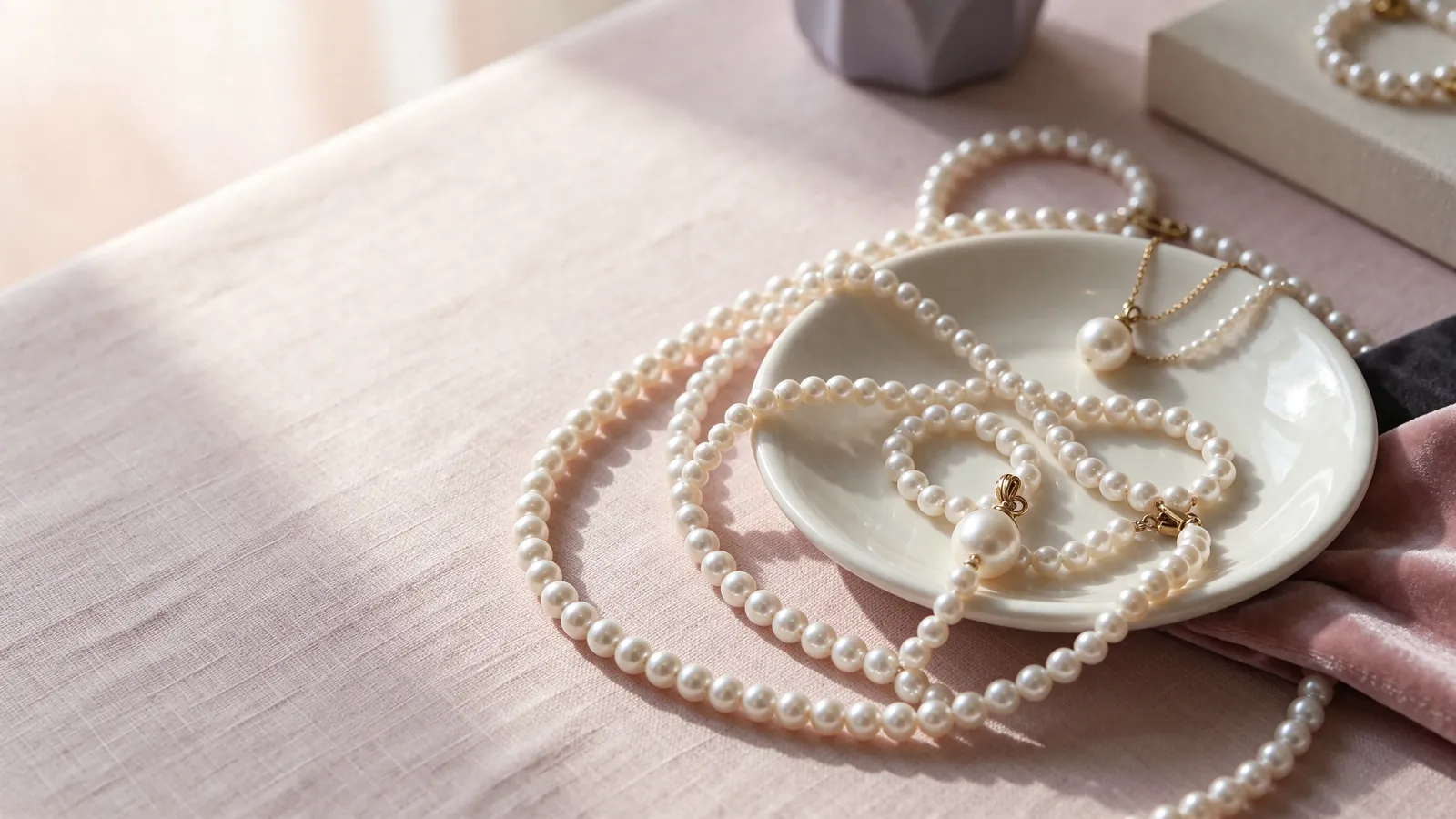
Start with your everyday neckline and preferred necklace position, and discuss general necklace styling with Flint Jewelry on WhatsApp at +85260106207 if you would like to organize those preferences. Think first about the clothes that will frame the necklace. An open shirt leaves a different space from a crew neck or a low V-neck. Place the strand where you want its outline to be read: directly against skin or clearly over the fabric. If the lower edge disappears behind the collar, the arrangement you admired in a photograph may not be visible in your outfit.
Treat length as a starting measurement rather than a promise about fit. Body proportions and the volume of the strand change where it rests. The pearl necklace length guide can help you compare placement ideas, but an actual fitting is more informative than a number. A piece of cord can suggest a curve; it cannot duplicate the way pearls occupy space or move against a collar.
What should you check about drape and fastening on a keshi pearl necklace, including a freshwater keshi pearl strand necklace? | Flint Jewelry
Wear the necklace without holding it in place, then sit, turn your head, and try your normal jacket. Look for a shifting focal point, pearls that rotate out of view, or a clasp that meets the collar awkwardly. Operate the fastening without pulling on the strand. Decide whether the necklace still looks right after ordinary movement, rather than choosing only the pose that photographs most neatly.
Know what the name can and cannot tell you
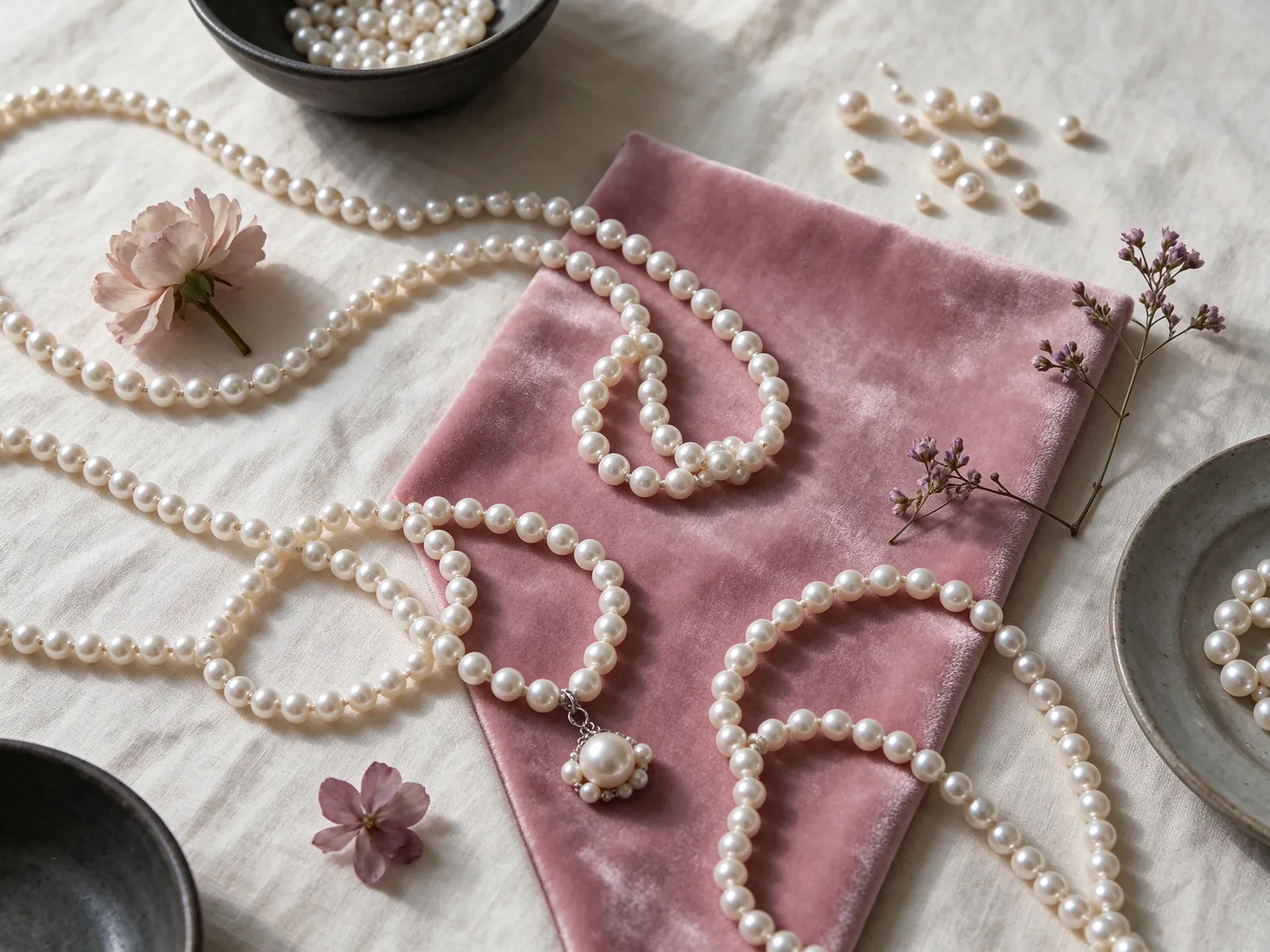
An uneven outline is not enough to identify a pearl as keshi. Baroque refers to an irregular shape, and seed pearl is not a substitute term for keshi. Separate the listing into pearl information, shape description, and jewelry construction. That distinction matters because a visual preference can be satisfied by different outlines, while a question about pearl identity needs information specific to the object being considered.
When a necklace is described as a freshwater keshi pearl strand, read the pearl details for that specific piece rather than assuming all keshi-labeled necklaces share its origin or structure. If the uneven contour is what attracts you, also explore a baroque pearl strand necklace for its styling possibilities. Compare the visible rhythm without merging the names. Let a specific item description answer identity questions and let the fitting answer questions about your preferred look.
Turn a broad preference into a useful description
Instead of asking only for a name, describe the features you enjoy: a wider visible face, a gentle uneven edge, open spacing, or a stronger center. These are appearance preferences, not claims about how pearls formed. You can then evaluate whether a candidate achieves that effect. If identity is also important, address it as a separate part of the decision rather than inferring it from shape.
Read the necklace as a complete composition
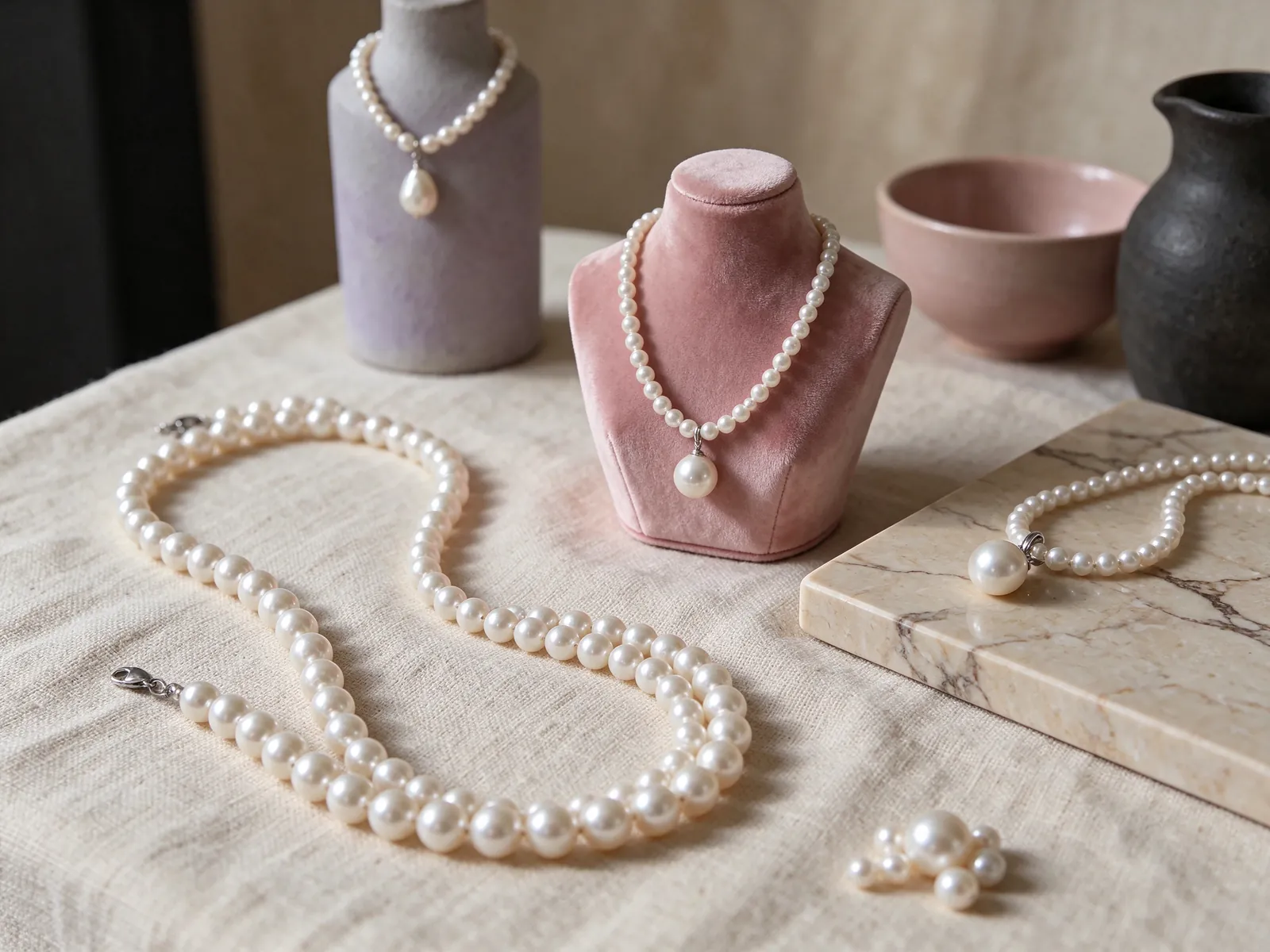
Step back before zooming in. The complete strand reveals whether the center feels too heavy, whether the sides flow together, and whether a sudden change in contour looks intentional. Close-ups then help explain individual details. A necklace can include different pearl outlines and still feel composed, but one striking pearl should not become the only basis for evaluating the balance of the whole piece.
GIA names seven pearl quality factors: size, shape, color, luster, surface quality, nacre quality, and matching. Use them to make observations more precise rather than treating a style name as a grade. For visual comparisons, seek similar lighting and backgrounds. A bright spotlight can strengthen local reflections, and a contrasting background can make color differences more obvious than they appear in an everyday setting.
Matching does not require identical silhouettes
Compare the flowing line of a single strand pearl necklace with the rhythm of an irregular arrangement. Consider color transitions, reflection strength, and the apparent weight on either side. Deliberate asymmetry can work if its focal point remains attractive when worn. The useful question is not whether every pearl looks the same, but whether their differences create the overall effect you want against your clothing.
Make movement and clasp operation part of the comparison
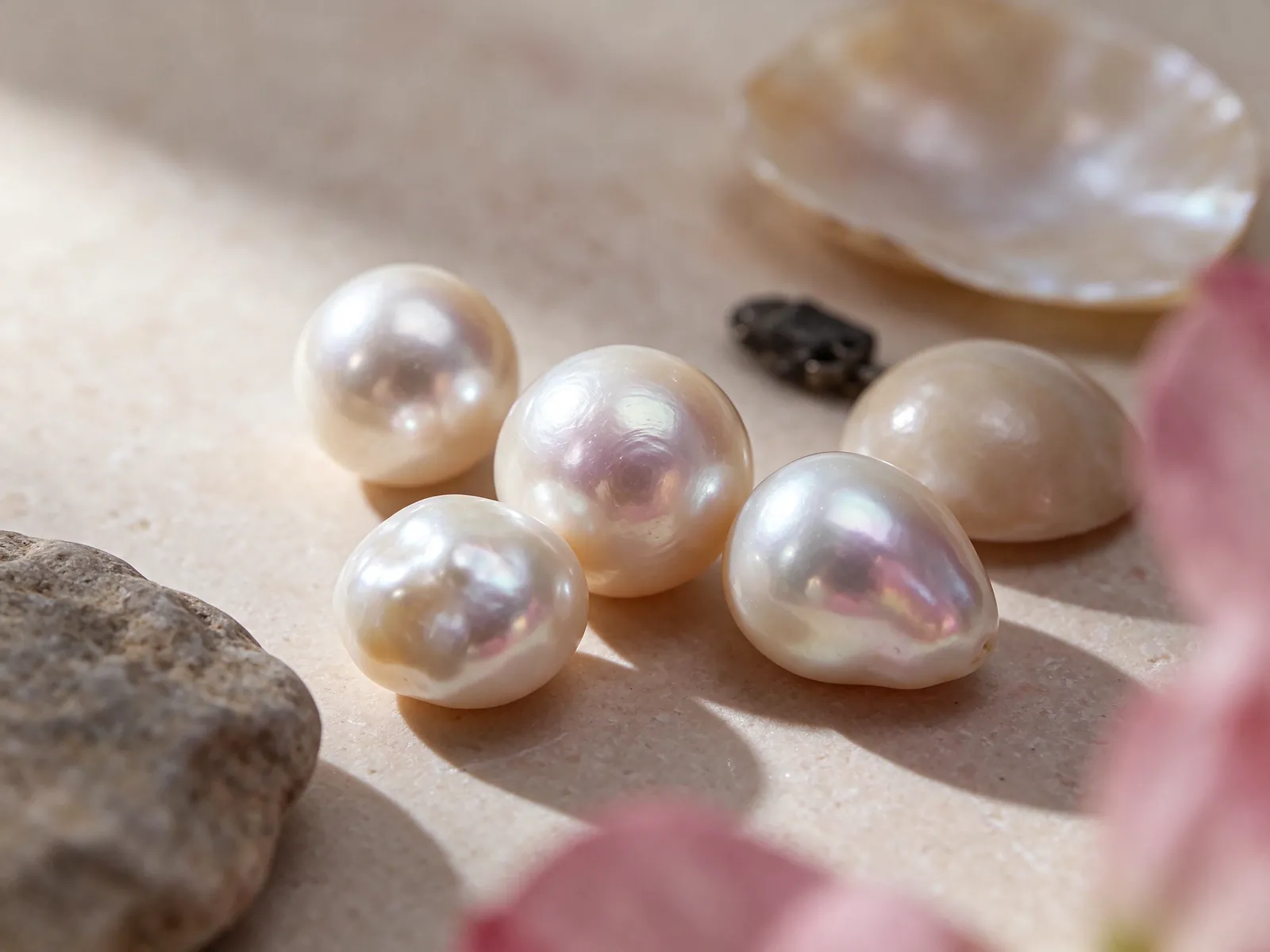
Some pearl outlines present a broad face from one angle and a much narrower profile from another. Watch how that changes while the strand settles naturally. Check whether adjacent pearls overlap or whether an edge turns inward and disappears. A changing contour may be exactly what you enjoy, but if you want a stable outline, frequent hand adjustments could make the necklace less practical for daily wear.
Test the clasp with your hair moved aside so you can distinguish a hair snag from the opening action itself. Ask which position the fastening is designed to occupy. A decorative-looking clasp is not automatically intended to be worn at the front. Being able to operate it comfortably matters as much as how it appears, especially if you usually put on jewelry without assistance.
Check the interaction with a real collar
Try a representative shirt, sweater, or jacket rather than relying only on a bare-neck image. Notice whether the collar pushes the strand upward or whether textured fabric repeatedly touches its edges. If you prefer a close-fitting visual line, compare a pearl choker necklace for that direction, then test the actual freedom of movement. Collar shape and strand shape should work together rather than occupying competing positions.
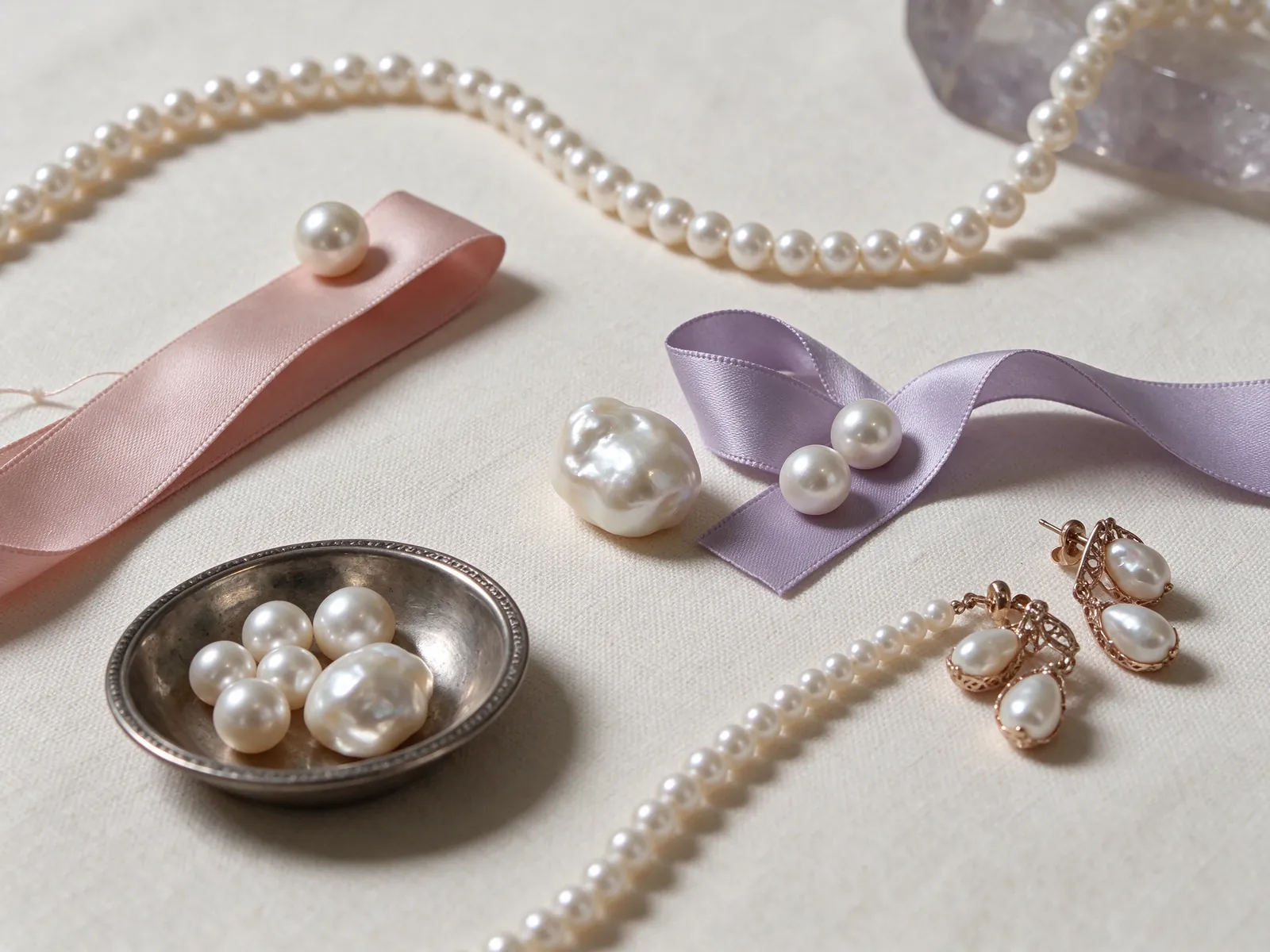
Build an outfit around one clear focal point
An irregular strand can lead an outfit without needing several other statement accessories. With a plain blouse, its contour remains easy to see; with a printed top, it may compete with the pattern. For a work setting, simplify another element if the necklace already has a strong edge. For an evening look, a clear area around the neckline can give the strand more presence without changing the pearls themselves.
Use a small pearl necklace to explore a quieter visual line, and a large pearl necklace to explore a more prominent one. These comparisons concern proportion, not a fixed size category for keshi. Ask whether you want the necklace to blend into the outfit or stand apart from it. The relationship between collar, visible skin, and pearl arrangement often matters more than choosing the boldest-looking detail in isolation.
Evaluate layering after you move, not just before
Put on the pearl strand first and add a second necklace only after its position is settled. Walk and turn to check for crossing, bunching, or repeated contact. Two lines that look separate in a still image may meet during wear. If that happens, keep the pearl necklace as the sole line and build interest with earrings or clothing rather than allowing a metal chain to rub repeatedly against pearls.
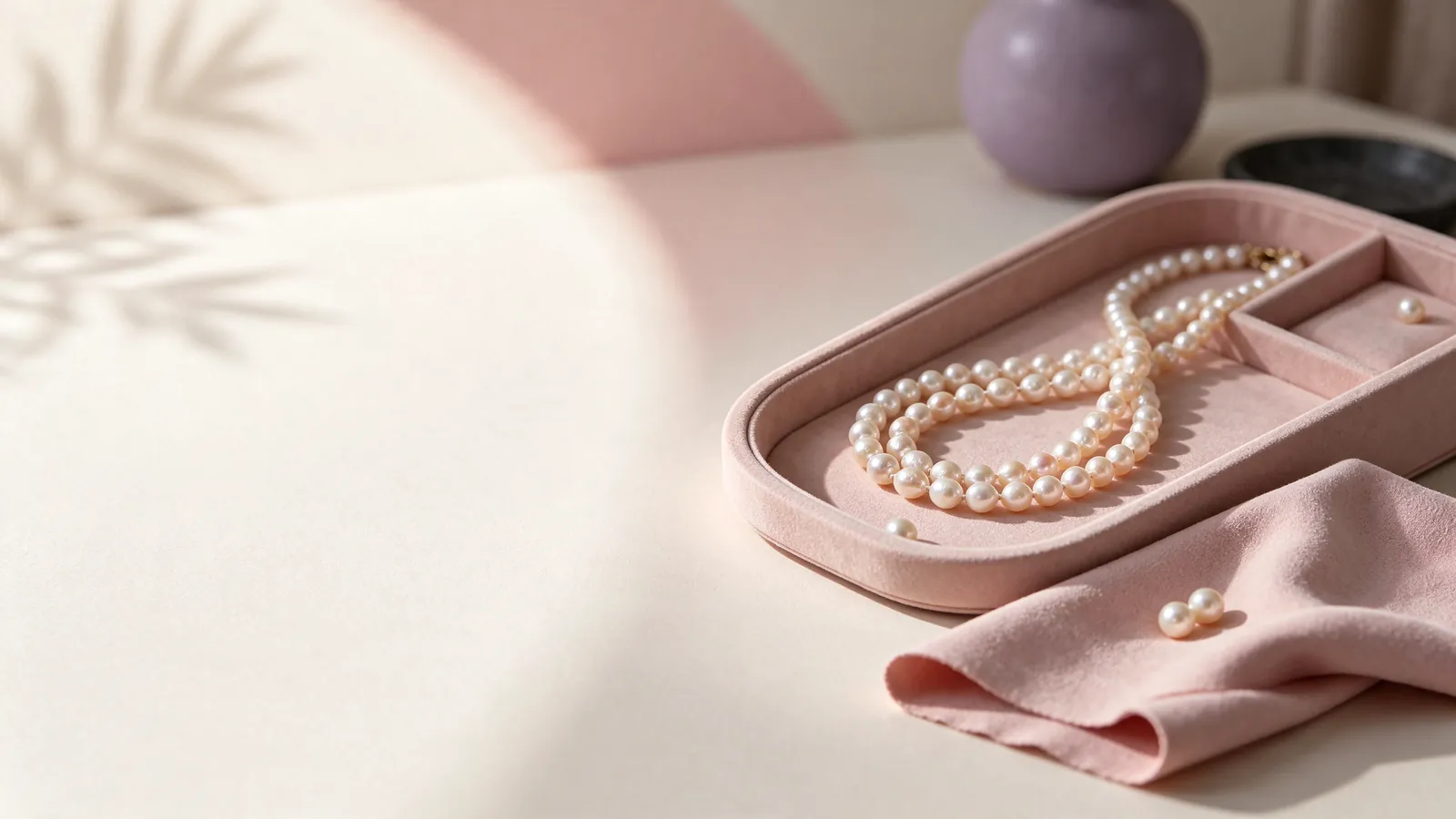
Ask for the views and details that answer your questions
Request an overall view for arrangement, a side view for profile, and close-ups for local details. Include the clasp in that comparison. A single pearl photograph cannot show how well the entire strand works together. In a worn image, check whether hair or clothing conceals part of the necklace. Hidden areas may affect your chosen styling position even when the visible center looks exactly right.
Read pearl details and construction details independently. Find out what the name refers to, whether the stated length includes the clasp, and where the fastening is meant to sit. If a laboratory document is provided, check the object it describes and its identifying information. A document about one pearl or another item should not be treated as a description of the whole necklace merely because it is shown nearby.
Give the styling conversation a clear starting point
For a general necklace styling conversation with Flint Jewelry, share the neckline you wear most often, the position you want, and how you normally fasten jewelry. Explain whether you prefer a stable line or a freely changing contour. Put those needs in order: easy collar pairing may outweigh layering potential. That practical brief is more useful than expecting one pearl name to communicate every design preference.
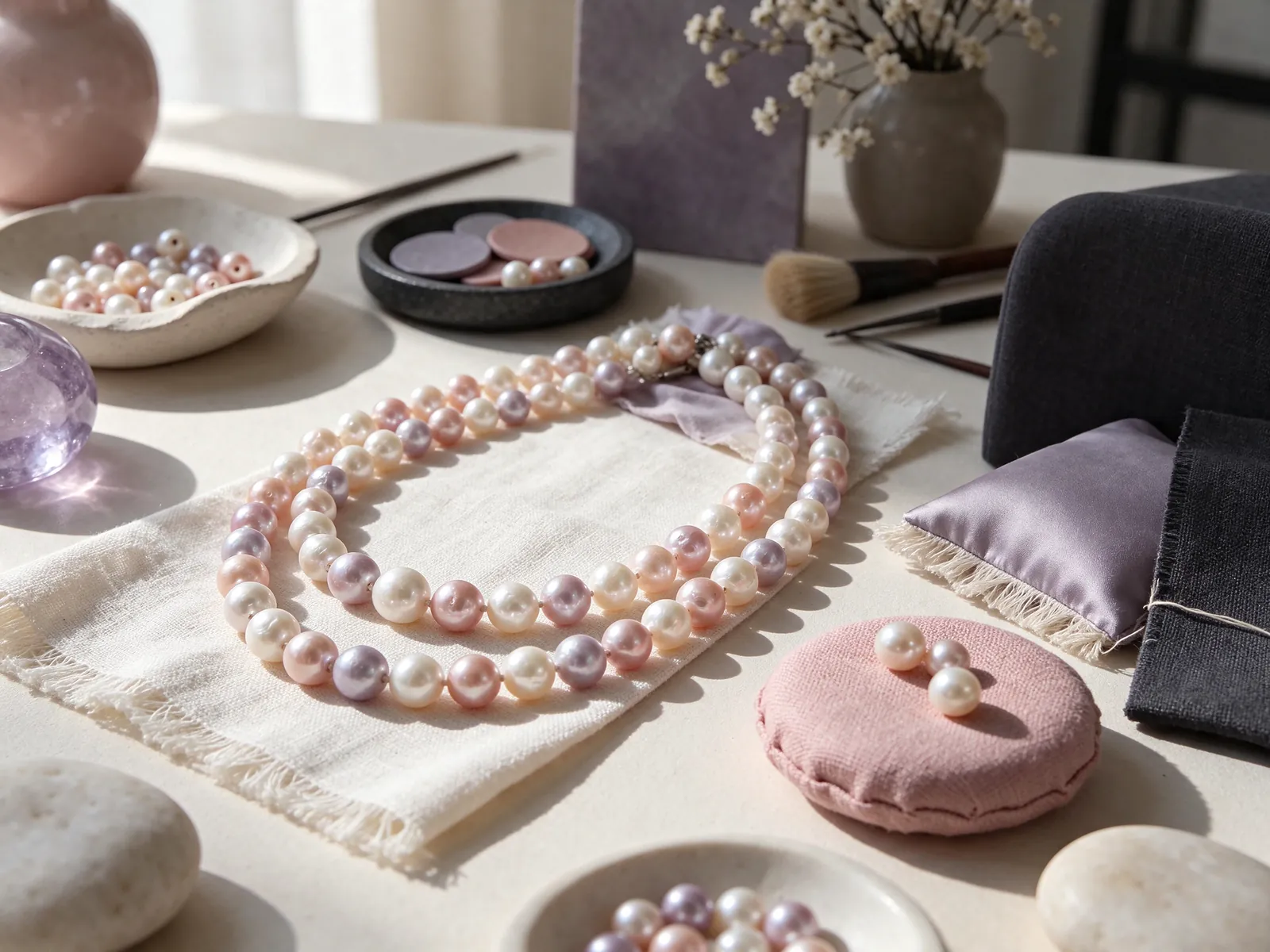
Include gentle care in the decision to wear it regularly
GIA lists pearl at 2.5 on the Mohs hardness scale, so avoid storage that lets harder objects rub against a strand. After wearing, wipe pearls with a very soft, clean cloth. Keep them away from acids, perfume, hair spray, and excessive heat. Completing grooming before putting on the necklace helps limit direct contact, while separate storage reduces unnecessary rubbing with other jewelry.
Lay the necklace down without bunching its pearls and clasp together. Do not use ultrasonic or steam cleaners; GIA specifically advises against both for pearls. If water cleaning wets the string, wait until it is completely dry before wearing. Avoid sharp tools between pearls. A loose string, an altered clasp action, or an uncomfortable contact point is a reason to stop wearing the piece and obtain an appropriate inspection.
Choose for your routine as well as your reflection
Before settling on a keshi pearl strand necklace, return to ordinary clothing and movement. Does it stay visible where you want it? Are its changes in orientation appealing rather than distracting? Can you comfortably use the clasp and follow gentle care habits? The strongest choice brings together clear item information, a convincing outline, and a wearing experience that works beyond a single occasion or photograph. Once you have a neckline photograph and your priorities in mind, contact Flint Jewelry on WhatsApp at +85260106207 to discuss general pearl necklace styling that considers your clothing and how you normally use a clasp.
| Comparison | Best viewing approach | Outfit question | Detail to clarify | Practical choice |
|---|---|---|---|---|
| Neckline placement | Wear a typical top and check the side view | Will the collar hide the focal area? | Whether length includes the clasp | Choose a useful resting position |
| Strand composition | Compare the center with both sides | Should the outline be quiet or prominent? | How pearls look when they rotate | Accept its appearance after movement |
| Luster and color | Use comparable light and backgrounds | Should the strand contrast with the fabric? | Availability of whole-strand and close views | Do not rely on one bright pearl |
| Clasp function | Open and close without stretching the strand | Is the clasp hidden or a visual feature? | Its intended wearing position | Prioritize comfortable operation |
| Care and contact | Inspect string, clasp, and fabric interaction | Will layering cause repeated rubbing? | Complete string drying after water cleaning | Avoid ultrasonic and steam cleaning |
Pearl knowledge and authoritative references
GIA describes seven pearl quality factors: size, shape, color, luster, surface quality, nacre quality, and matching. An irregular shape is only one factor in evaluating a necklace as a whole.
Read the reference for this factFrequently asked questions
Are keshi and baroque interchangeable search terms?
They should not be treated as synonyms. Baroque describes an irregular shape, while a keshi label needs to be understood alongside the specific pearl information. You can compare both for styling, but a similar outline does not make their names or identities equivalent.
How can I tell whether a necklace will disappear behind a crew neck?
Wear a top with the collar shape you normally use and observe the strand after sitting and turning. A length number alone cannot predict the result for every wearer. Check whether the visible section still shows the arrangement you want, rather than relying on a bare-neck photograph.
Can I wear the clasp at the front for a different look?
Ask whether that is an intended wearing position for the specific construction. The clasp's appearance alone does not establish suitability. Check how the necklace settles and whether the fastening operates comfortably in that position without pulling or twisting the strand.
Does an uneven outline mean the strand is poorly matched?
Not necessarily. Matching can involve color, luster, and overall visual relationships as well as shape. A deliberate irregular arrangement may be coherent without identical pearls. Look at the complete strand and how its focal point behaves in wear before judging from one close-up.
What should I do if the string is damp after cleaning?
Allow it to dry completely before wearing, following GIA's pearl care guidance. Do not use steam or an ultrasonic cleaner as a shortcut. Store the strand without compressing pearls and clasp together, and avoid sharp tools when addressing dirt between pearls.
Updated: