
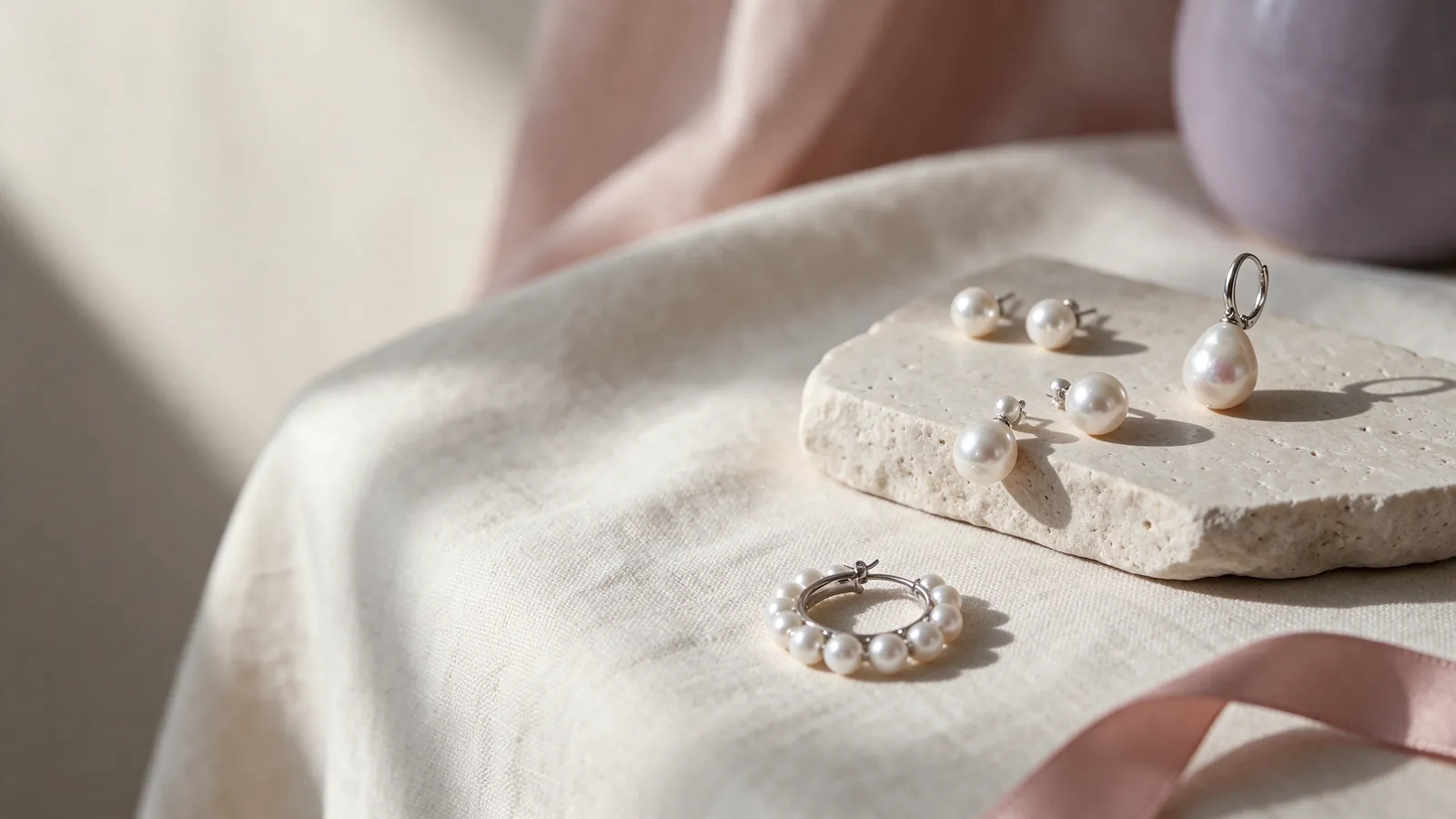
How pearl size and border width shape diamond halo pearl earrings and pearl halo stud earrings
Start by separating the centre pearl from the outline of the whole earring. A narrow frame tends to keep attention close to the pearl, while a broader border makes the surrounding design more prominent. Neither approach is automatically more elegant. When comparing pearl earrings Hong Kong, look at the total face-on silhouette rather than allowing the pearl diameter alone to stand in for the size of the finished piece. To discuss your preferred pearl-to-frame balance, contact Flint Jewellery on WhatsApp at +85260106207 and share your pearl earring design preferences.
The space between pearl and border also changes the impression. A close frame can feel compact; visible gaps can introduce a more open rhythm. Compare photographs taken from similar angles and at similar scales, so that a heavily enlarged close-up does not seem more substantial merely because it fills the screen. Decide whether you want the pearl to dominate or prefer the pearl and outer frame to share attention.
Why setting height also matters in diamond halo pearl earrings and pearl halo stud earrings
A side view shows how far the pearl rises above the border, how the base is layered and where the post sits behind the design. These details affect the profile even when two front views seem alike. A low-looking setting is not a promise of comfort, and a taller one is not necessarily heavier. Consider actual weight, fastening and how the earring rests on your own ear alongside the visible shape.
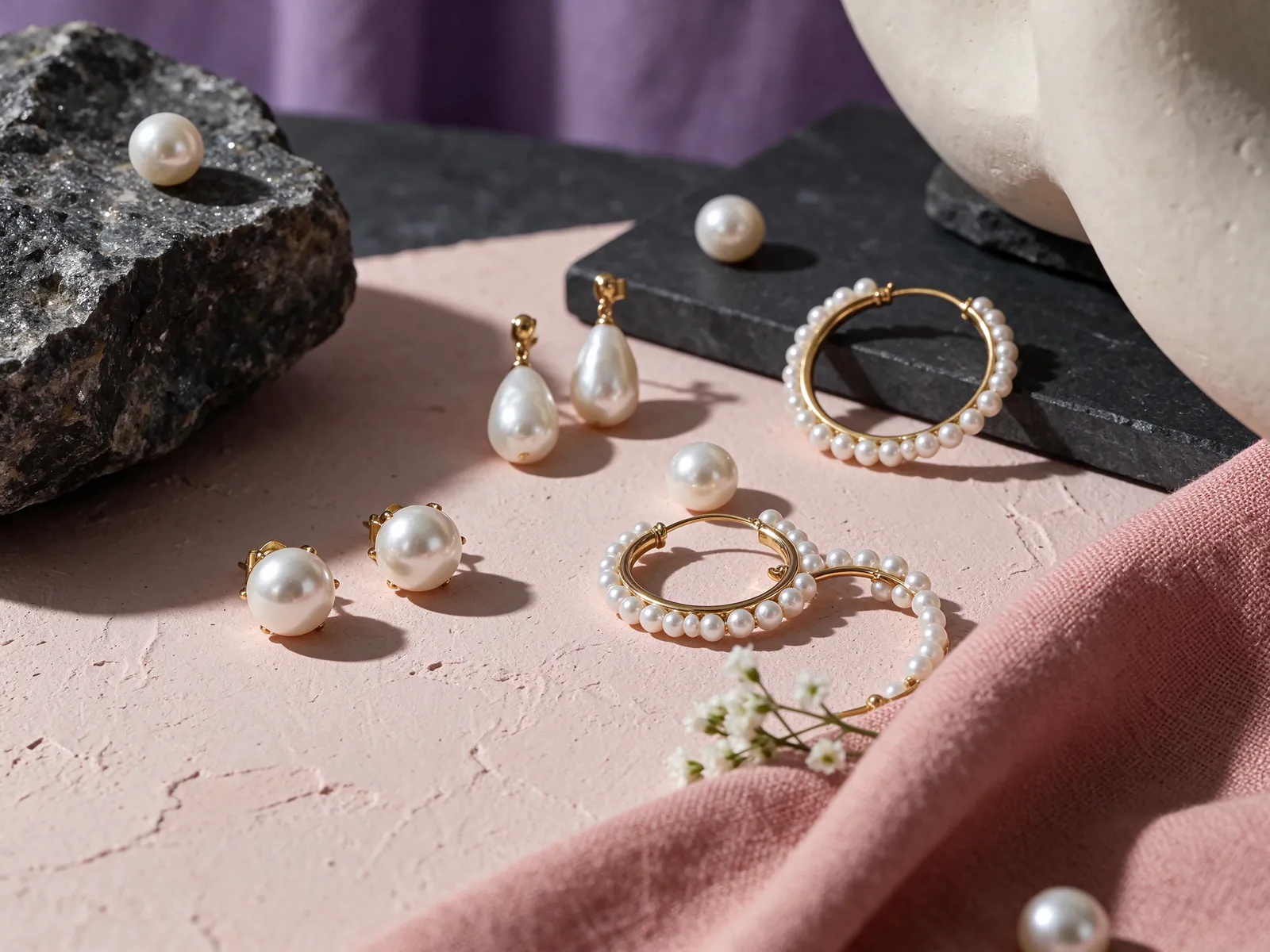
Recognising a surrounding halo rather than scattered accents
Follow the edge of the central pearl with your eye. Is there a recognisable frame around it, or are the bright details concentrated above, below or to one side? The category of pearl and diamond earrings is wider than halos: diamonds may decorate a connector, a separate drop or a small portion of a stud. Naming the arrangement you prefer is more useful than describing every sparkling pearl design as a halo.
The border need not look like a smooth drawn circle. Repeated decorative elements can create a surrounding outline, but photographs alone do not identify every material. A bright round point may be a reflection from metal rather than a gemstone. Keep the visible layout separate from the written description of diamonds and metal details; this avoids turning a visual impression into an unsupported claim about the setting.
Petals can surround a pearl without making every floral design a halo
In floral pearl earrings, petals may radiate away from the centre or form an enclosing shape. Look at how the petals relate to the pearl, not just at the floral name. If you enjoy a softer outline, compare the tips and spaces between petals. If a clear surrounding boundary matters most, examine the continuity of the frame. A few flower-like diamond accents are a different arrangement from a full surrounding border.
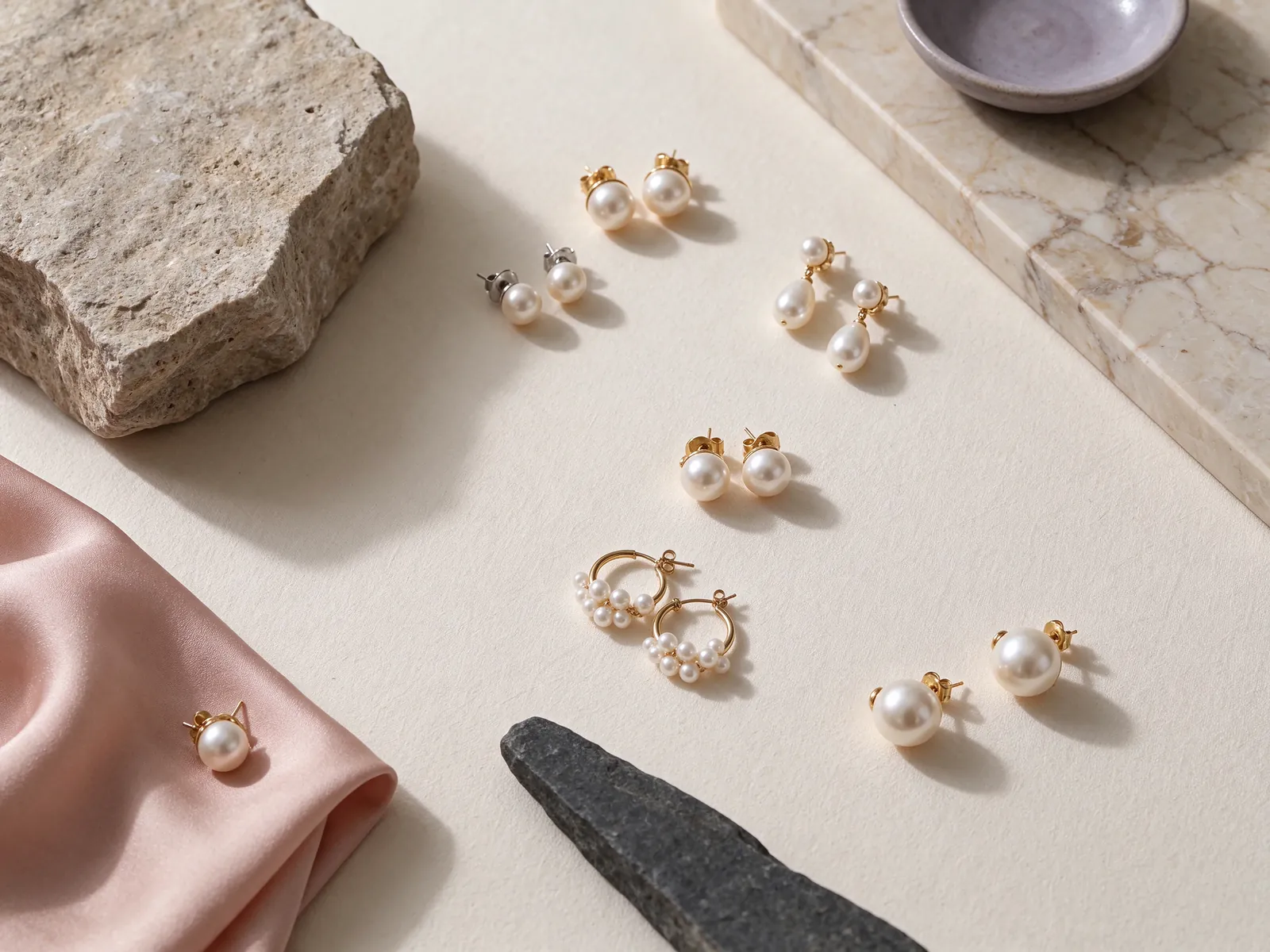
Assessing the pearls as a pair, beyond the sparkle
GIA identifies seven pearl value factors: size, shape, colour, lustre, surface quality, nacre quality and matching. The surrounding frame does not replace these considerations. For earrings, view both pearls together and ask whether their outlines, colour impressions and reflected highlights feel balanced. Matching is particularly relevant because the jewellery is worn as a pair, while an individual close-up can conceal differences between the two centres.
Gentle light helps you attend to the pearls before the bright border takes over. Look at the clarity of reflections and the position of visible surface features, rather than treating every small feature as equally noticeable. A feature near the setting can affect the appearance differently from one in the centre of the front view. Shape, colour and a halo setting do not establish pearl species, geographic origin or natural-versus-cultured identity.
Separate pearl colour from reflections off the frame
Bodycolour, overtone and orient are distinct colour components, and not every pearl displays all three. First consider the overall colour impression, then change the viewing angle gently. Reflections from clothing or the setting should not automatically be read as the pearl's own colour. For styling, you can still decide whether you enjoy a quiet relationship between centre and border or a stronger contrast without drawing conclusions about pearl identity.
Checking how the stud sits during an ordinary day
A halo extends beyond the central pearl, so judge the coverage of your earlobe using the whole outline. Notice how much of the border sits below the piercing and whether the face of the earring leans forward. Earlobe shape and piercing position vary, which is why a model photograph cannot predict your exact result. Pearl halo stud earrings should be assessed from a side angle as well as straight ahead.
Think about fastening the earring, turning your head and moving hair away from it. A larger face does not necessarily mean greater weight, and a small-looking design is not automatically effortless to wear. The post position, backing and overall construction work together. If the earring feels uncomfortable or droops noticeably, pushing the backing tighter is not a substitute for understanding how the piece is supported.
Include glasses, hair and mask straps in your comparison
If you wear glasses, check the relationship between the spectacle arm and the side of the setting. Compare the outline with hair loose and with your usual tied-back style, rather than assuming you will always use a special hairstyle. When adjusting a mask strap, avoid catching the frame or backing. These practical observations help you judge suitability for your habits without expecting any design to suit every wearer.
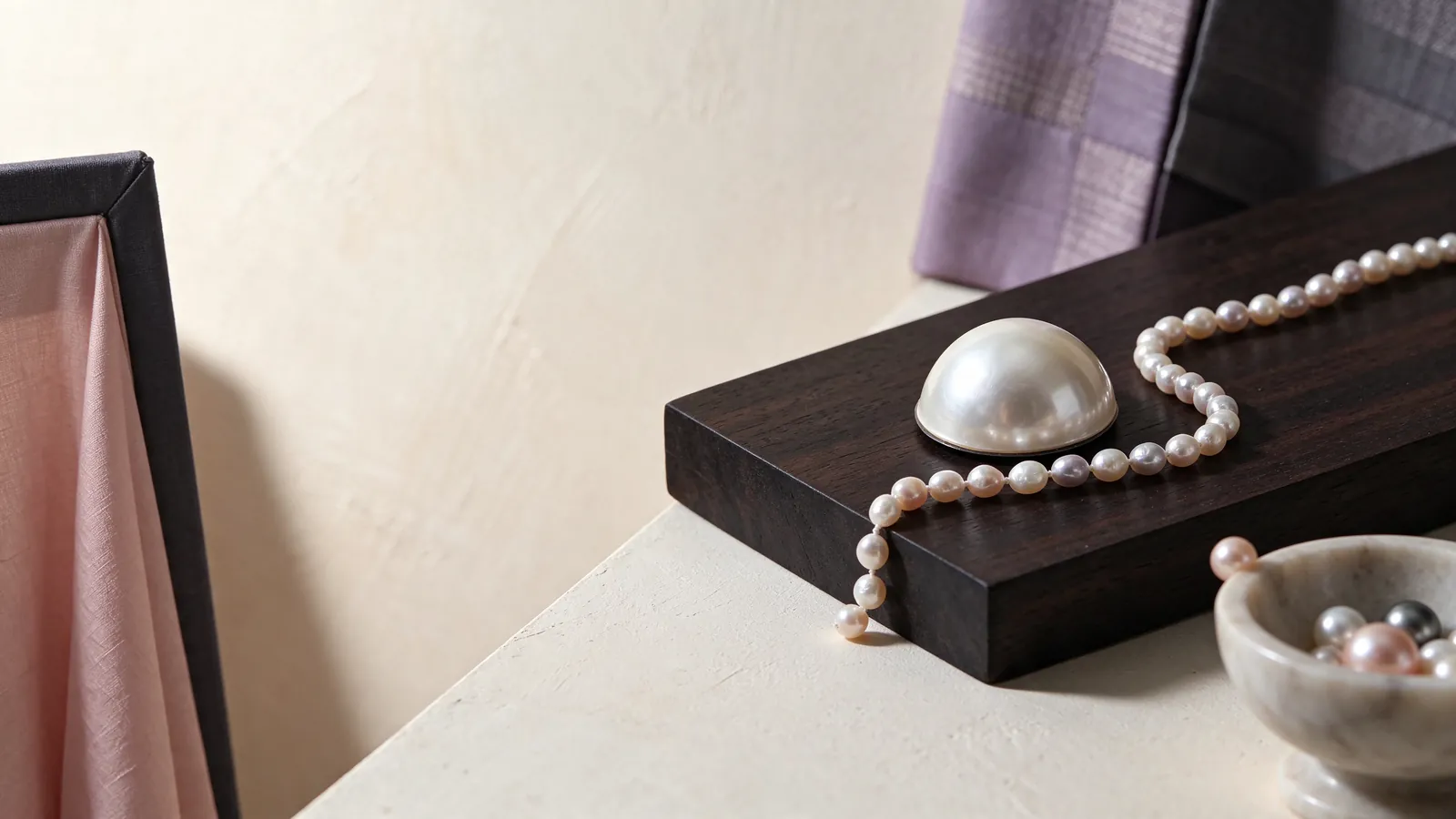
Balancing a bright frame with workwear and evening clothes
With a crisp shirt, simple knit or tailored jacket, a halo can be the main decorative detail close to the face. Try a clean neckline and restrained necklace before adding other bright pieces. The useful distinction is not simply small for work and large for evening: a fine border can still catch attention, while a broader shape can look composed against plain fabric. Consider the amount of detail already present in your outfit.
For dinner or a formal event, decide whether you want a contained outline near the ear or jewellery that creates length and movement. Designs such as pearl fringe earrings offer a useful contrast because their interest extends vertically, whereas a halo stud concentrates the design around the pearl. Compare each approach with your collar and hairstyle. Beading, sequins and busy embroidery may already provide enough sparkle without another competing focal point.
Use a shoulder-level view as well as an earring close-up
A close-up reveals setting details, but a photograph including your shoulders and neckline shows how the earrings contribute to the outfit. Look at both distances. A side part, loose hair and an updo reveal different amounts of the border, so use the styles you genuinely wear. The aim is a pleasing overall balance, not to maximise how much detail is visible in every photograph.
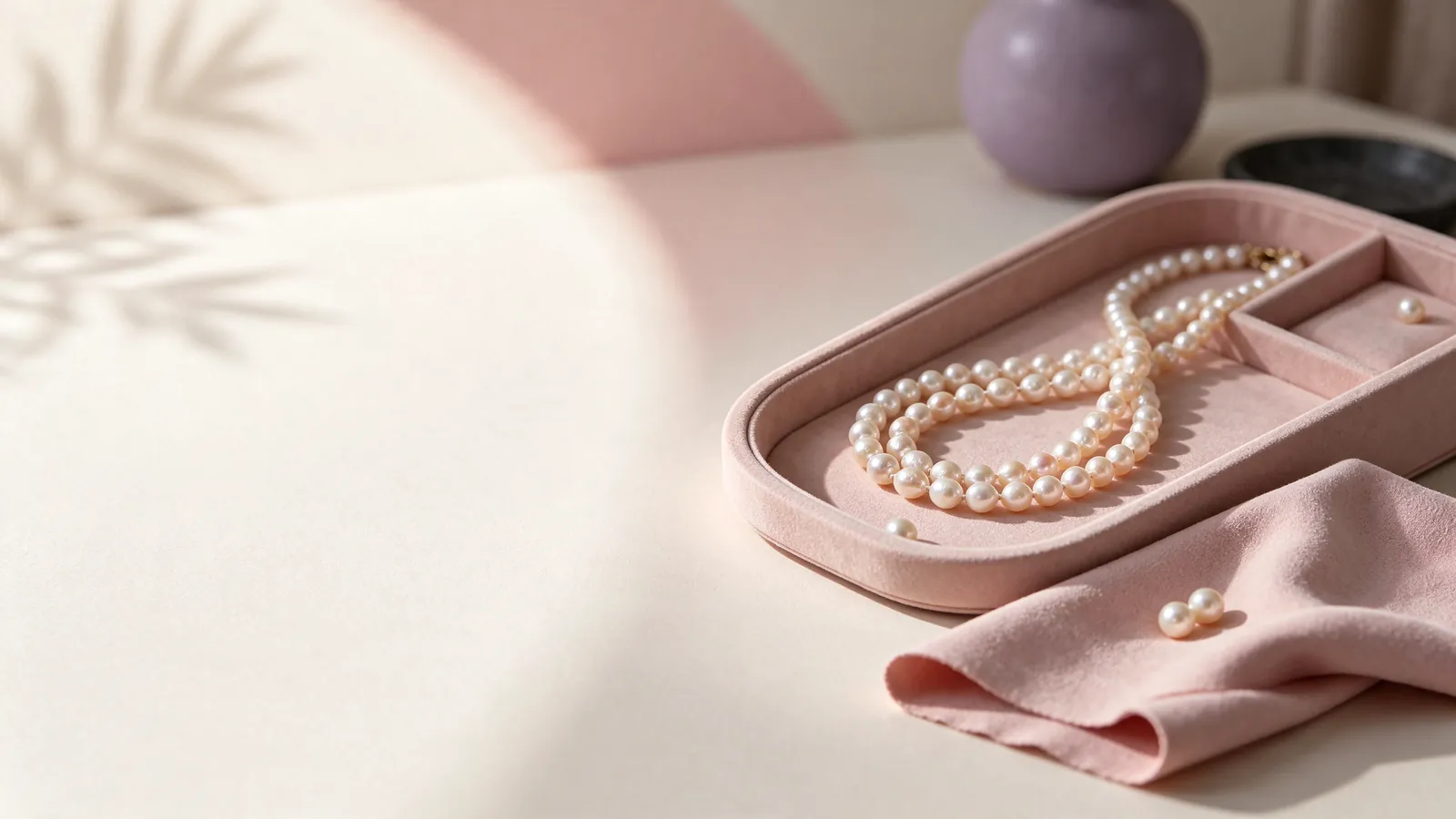
Comparing enclosed outlines with directional motifs
If symmetry draws you to a halo, examine how its outer shape relates to the centre. If you prefer a design that reaches upwards or sideways, butterfly pearl earrings offer another way to think about direction. Compare the spread of the wings with the contained halo outline. This helps identify whether your preference is for enclosure, horizontal extension or an animated motif, rather than using halo as a general term for decoration.
Designs described as ribbon pearl earrings bring a different arrangement of curves, loops and ends. Someone who enjoys soft ribbon lines may not want a complete circular border; someone who likes a focused halo may prefer not to add a dangling element. Compare silhouettes at similar angles and think about your usual collars, prints and hair accessories. A motif name can suggest a mood, but the visible structure is what you actually combine with an outfit.
Describe preferences through visible features
Useful notes include whether the pearl should remain prominent, whether the border should be continuous, whether the outline should be smooth and where decorative elements should extend. A description such as a pearl-led design with a fine, close frame is clearer than elegant alone. These observations support a conversation about design preferences without treating another maker's complete piece as something that has to be copied.
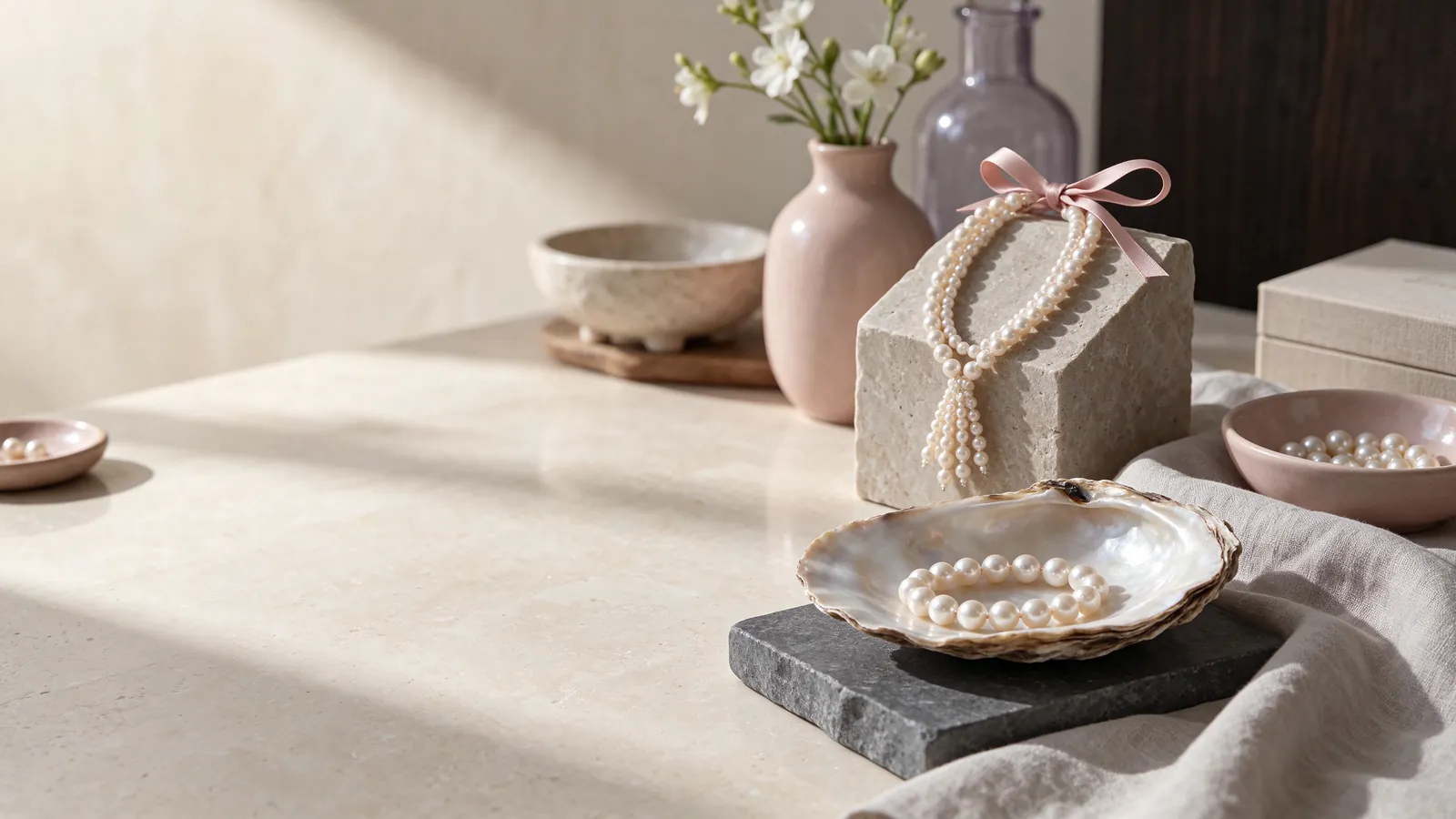
Caring for a pearl inside a detailed setting
GIA lists pearl hardness as 2.5 on the Mohs scale and states that pearls should never be cleaned with ultrasonic or steam cleaners. A sparkling surrounding setting does not make those methods suitable for the assembled earring. After wearing, wipe gently with a very soft, clean cloth. Do not use a sharp tool to scrape the space between pearl and border; cleaning must take account of the pearl as well as the setting.
Keep perfume, hair spray, acids and excessive heat away from pearls. Finish spraying and arranging hair before putting on the earrings to reduce direct exposure. Store them apart from jewellery that could scratch them, and avoid allowing the two frames to rub against each other. A halo is not a complete protective shell: the pearl remains exposed, and the sides and base can still meet other objects.
Pause wearing if the frame snags or a component moves
Before putting the earrings on, look for obvious distortion, check that the backing engages and notice any part that catches fabric. If hair becomes trapped, remove the earring carefully rather than pulling it away from the ear by the hair. A loose pearl or decorative element calls for a professional jewellery inspection, not an improvised glue repair. Avoid adjustments with household tools that could disturb neighbouring parts of the setting. If you would like to talk through the outline, occasion and everyday habits that matter to you, contact Flint Jewellery on WhatsApp at +85260106207 to discuss your pearl earring design preferences.
| Checkpoint | Front view | Side or on-ear view | Preference to consider | Common oversight |
|---|---|---|---|---|
| Centre pearl | Balance between pearl and outer border | How far the pearl rises | Pearl-led or frame-led appearance | Pearl diameter is not the whole outline |
| Surrounding frame | Enclosure versus isolated accents | Layers and open spaces | Compact or more open composition | Bright dots do not identify diamonds |
| Earlobe coverage | Position of the outer edge | Tilt, post position and backing | Your own piercing and daily habits | A model photograph cannot predict fit |
| Pair matching | Shape, colour and reflected highlights | Balance as the viewing angle changes | Consider GIA's seven value factors | Matching frames do not establish matching pearls |
| Care | Visible snagging or surface dirt | Gaps and exposed pearl surfaces | Soft cloth and separate storage | Pearl hardness is 2.5; no ultrasonic or steam cleaning |
Pearl knowledge and authoritative references
GIA identifies seven pearl value factors: size, shape, colour, lustre, surface quality, nacre quality and matching. For halo earrings, these remain relevant to the centre pearls independently of the surrounding design.
Read the reference for this factFrequently asked questions
Can a halo border include decorative metal details?
A halo describes the surrounding arrangement, not a guarantee that every bright point is a diamond. Read the description of gemstones and metal decoration separately, and assess whether the visible frame actually surrounds the pearl.
Which photograph is most helpful when comparing halo studs?
Use a straight-on view for pearl-to-border proportions, a side view for height and post position, and an on-ear view for coverage. Comparable camera angles are more useful than a single dramatically enlarged image.
Does a broad halo need to be reserved for formal dress?
Not necessarily. A broad outline can work against a plain shirt or knit if it is the main detail near the face. Consider the collar, other jewellery and hairstyle rather than assigning occasions solely by apparent size.
Should I judge the pair by the diamonds first?
Look at the two pearls together in gentle light before examining the border. Their shape, colour impression and lustre remain important even when the surrounding frame is bright; the setting does not replace pearl matching.
What should I do if the border catches a strand of hair?
Avoid pulling the strand while the earring is attached to your ear. Remove the earring carefully, then address the tangle. If snagging recurs or a component looks distorted, pause wearing and seek a professional jewellery inspection.
Updated: