
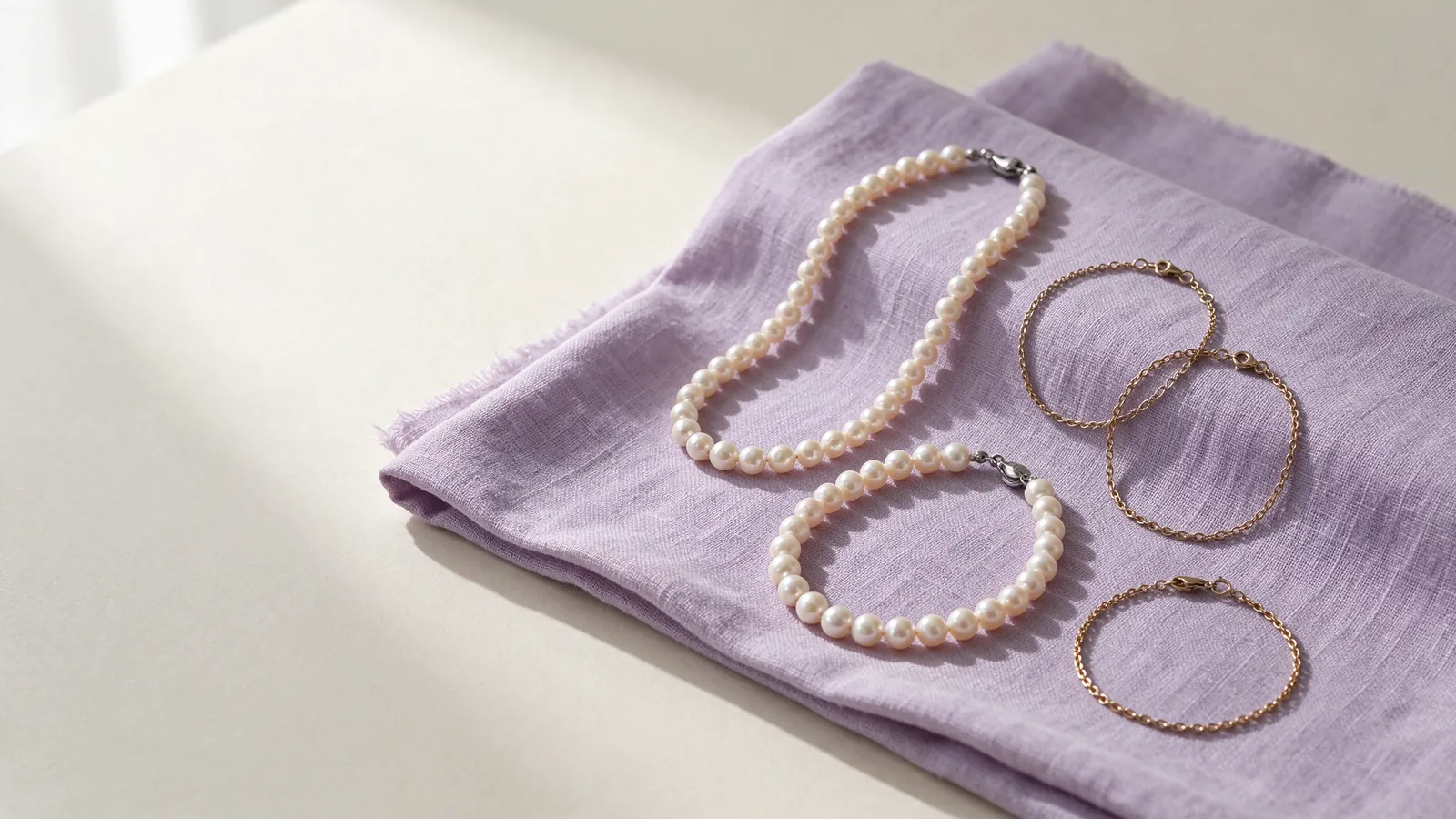
What affects multi strand pearl bracelet fit when comparing a double strand pearl bracelet with another multi row pearl bracelet design?
Measure around the place where you intend to wear the bracelet, keeping a flexible tape close to the skin without pulling it tight. Record that position as well as the measurement. The length of a bracelet laid flat is not the same thing as the space available inside it when fastened. Pearl thickness, the shape of the clasp and the arrangement of the rows all affect that space. The pearl bracelet guide offers a wider comparison of styles before you focus on a layered silhouette.
A double strand pearl bracelet helps you see how parallel lines sit beside the wrist bone. With a wider design, consider both edges: the row nearest the hand may meet a different contour from the row nearer the forearm. Bend the wrist gently, rest your hand on a desk and raise your arm. There is no single allowance to add to every wrist measurement; judge ease of movement alongside the actual construction rather than borrowing the length of a fine chain.
Checking a multi strand pearl bracelet on the wrist: movement and fastening for a double strand pearl bracelet or another multi row pearl bracelet design
Turn your palm upwards and downwards, noting whether the fastening moves onto a pressure point or the rows bunch together. Then imitate carrying a bag or typing. If one strand becomes taut while another hangs loosely, simply making the whole bracelet longer may not address the uneven tension. Describe which row changes and during which movement.
Separate row count from spacing and drape
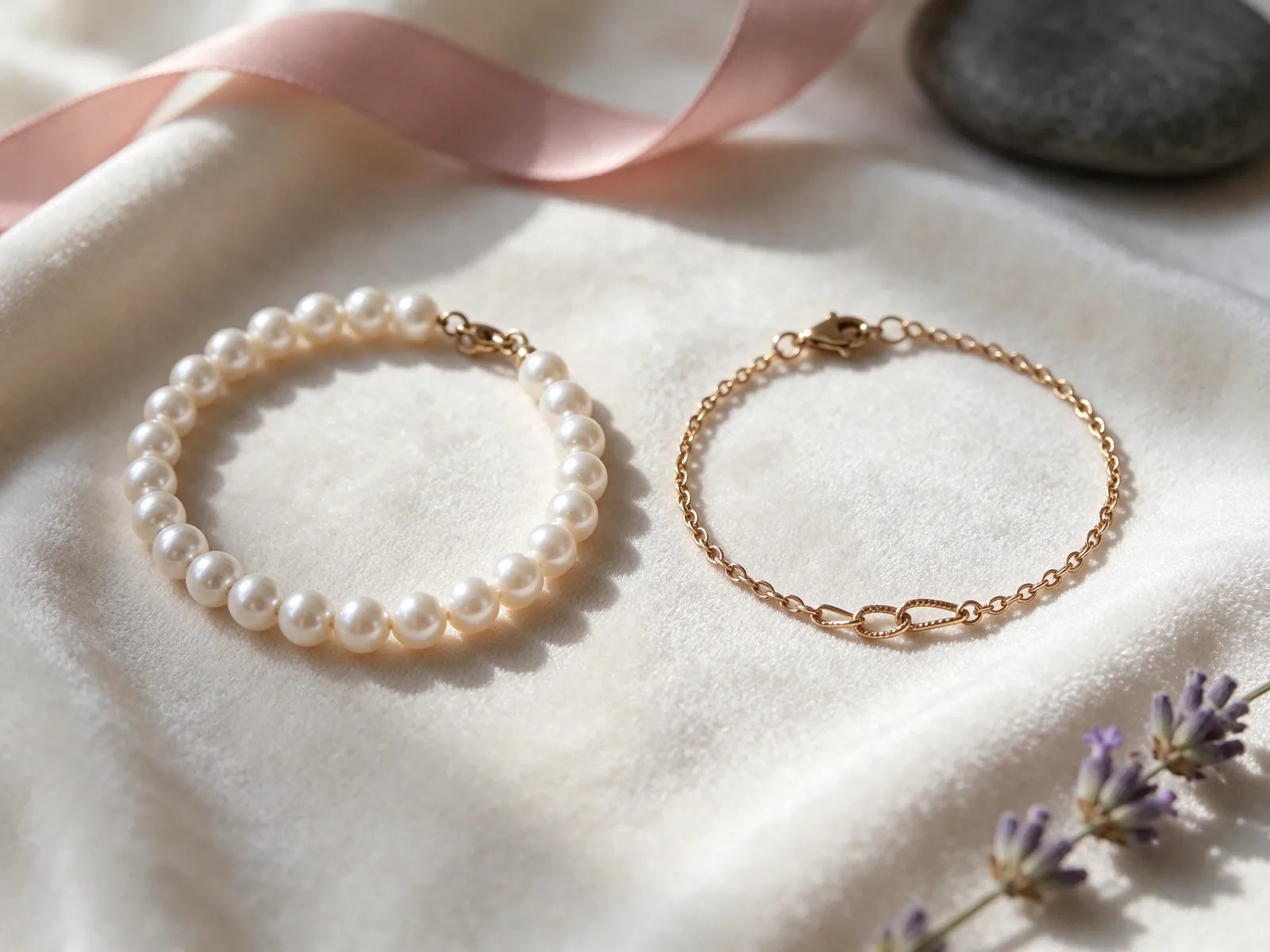
Two designs with the same number of rows can produce quite different outlines. Closely arranged strands read as a band, while visible spacing creates a lighter rhythm. Connection points and the width of the fastening help shape that arrangement. Compare a pearl strand bracelet with a layered option from the front and side; the useful question is how much of the wrist each frames, not whether more strands must look more impressive.
A single multi row pearl bracelet is also different from several separate bracelets worn together. Shared connections organise the rows of one piece, whereas a stack has independent fastenings and movement. Lay the strands out naturally before comparing their outline so that accidental twisting does not become the basis of your decision. If you enjoy visible gaps rather than a continuous band, a pearl station bracelet provides another way to think about space and rhythm.
Keep one comparison condition constant
Use the same sleeve and intended wrist position when comparing different arrangements. Changing pearl size, colour and spacing at the same time makes it difficult to identify what appeals to you. Notice the visible skin at each edge and the width across the front. Those observations give a clearer description of proportion than row count alone.
Treat the fastening as part of the structure
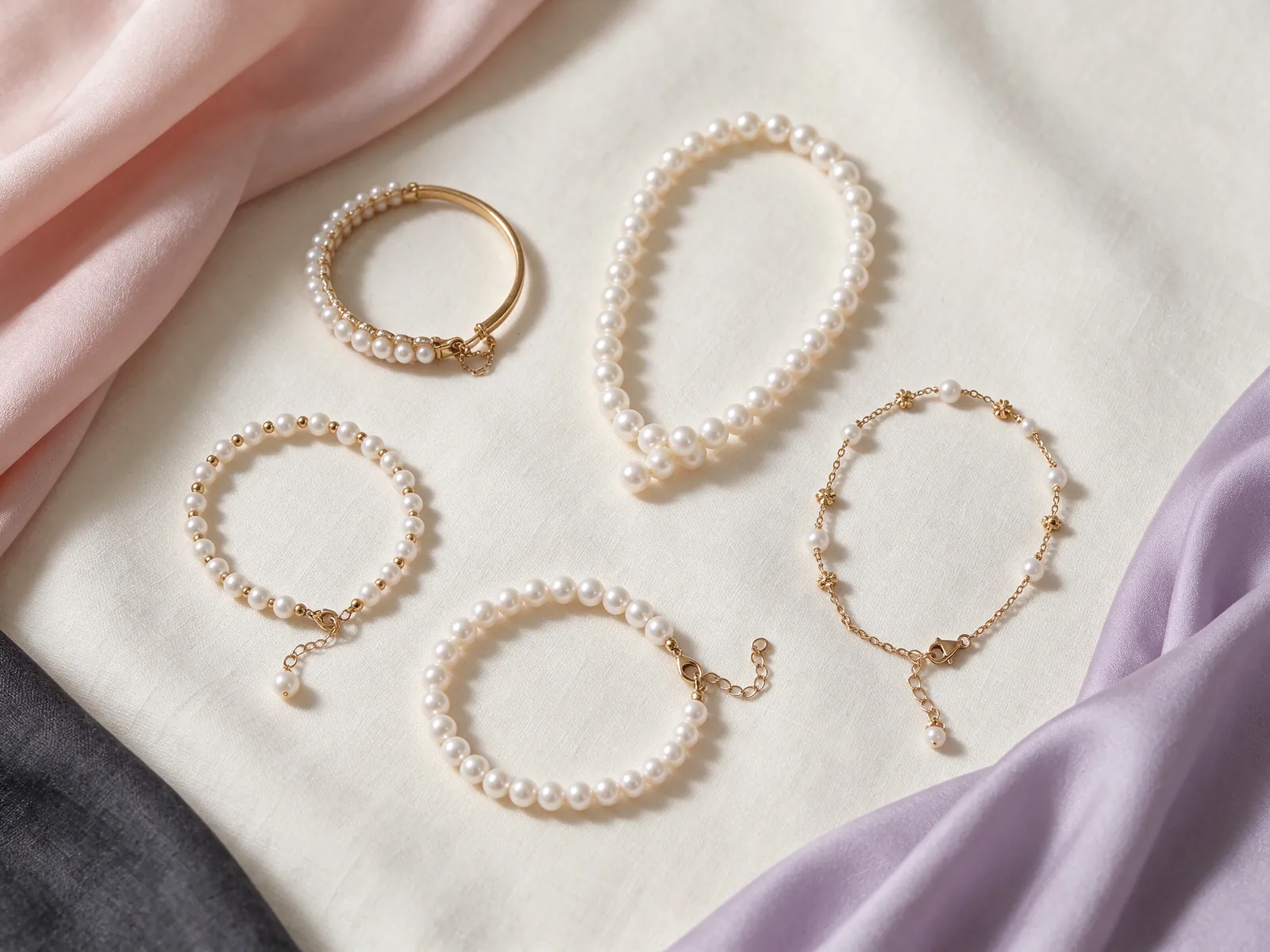
Look at the bracelet after fastening, not just at an isolated clasp photograph. Do both ends align naturally? Do the rows narrow abruptly beside the connection, or lift away from the wrist? A small clasp is not automatically easier to use, and a broad one is not automatically more secure. What matters during comparison is whether you can identify the opening direction, hold the mechanism comfortably and close it without pulling on a strand.
Before putting the bracelet on, arrange its rows so the ends face the right way. Hold the fastening when removing it rather than using one strand as a handle. If you usually dress without help, make independent operation part of your preference list. Explain any particular finger movement that is difficult instead of assuming a decorative shape will solve it. This keeps the conversation grounded in how you actually put on jewellery.
Distinguish slipping from twisting or tightness
A shifting front does not always mean the total length is excessive. Weight distribution, crossed strands and a change in wearing position can also affect it. Straighten the arrangement and try again, then record where it moves. If the bracelet already pulls when closed, do not force it around the wrist to find a more attractive position.
Look for a coherent rhythm across the pearls
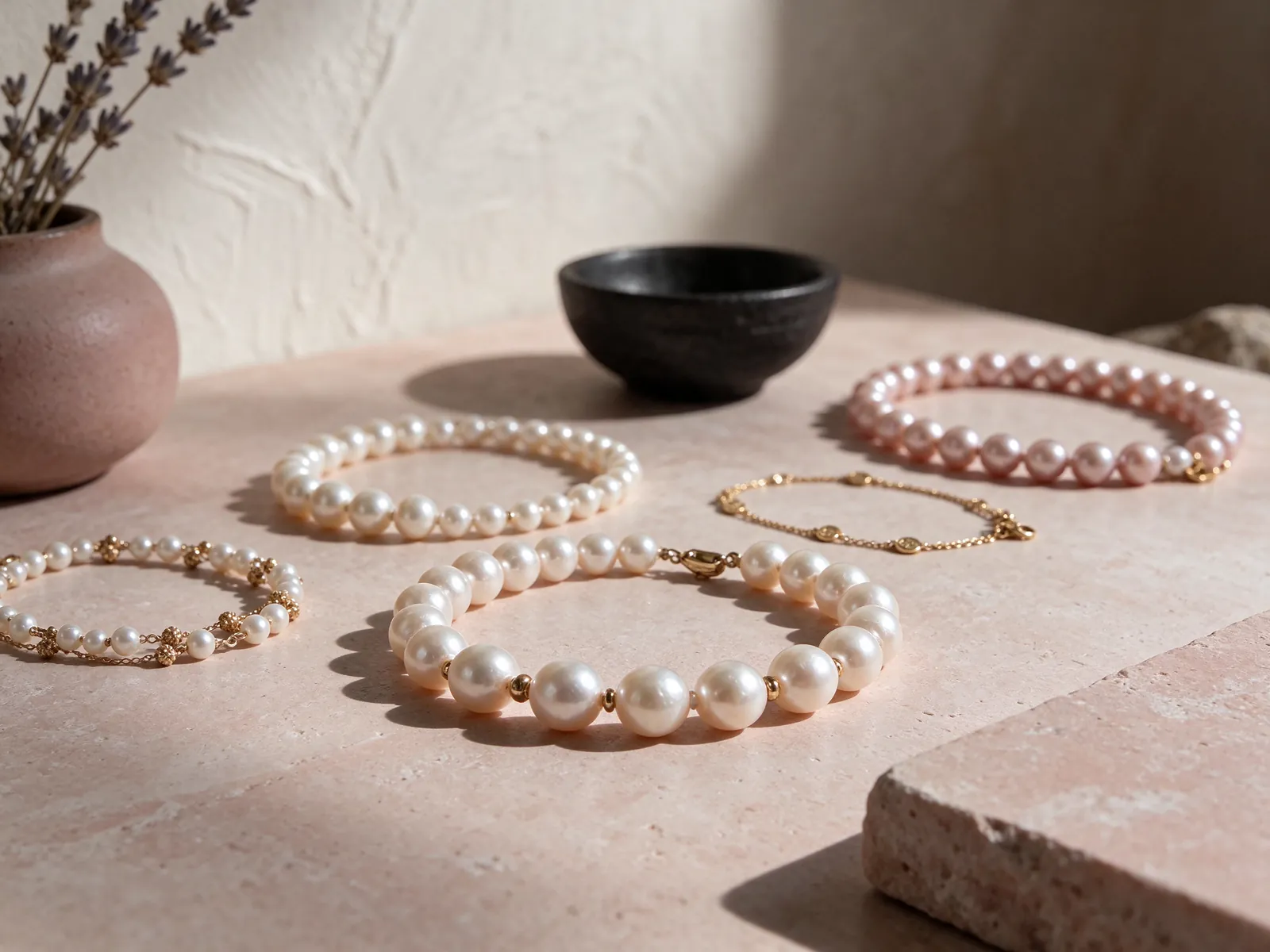
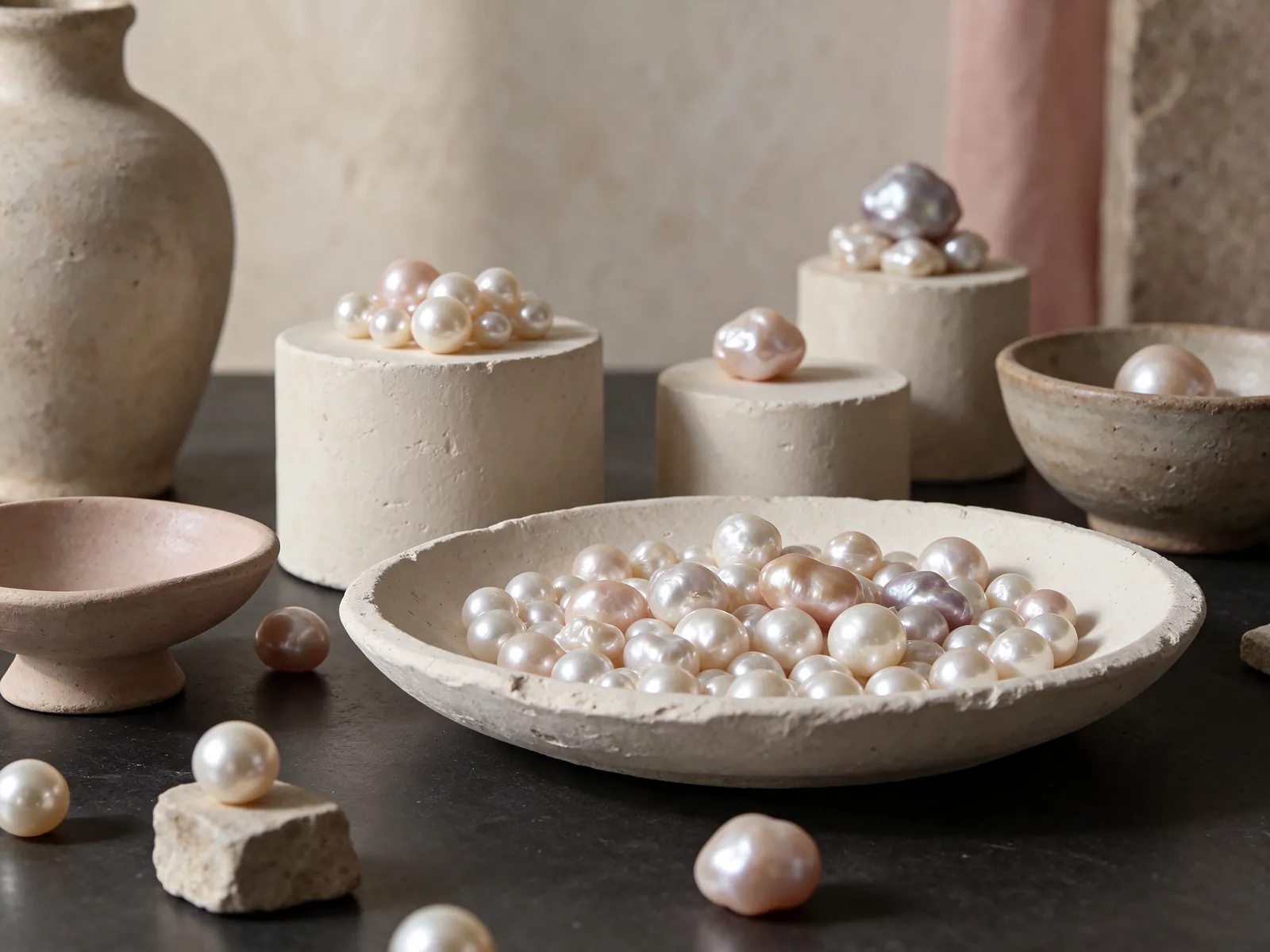
Parallel rows make differences between neighbouring pearls easier to notice. GIA describes seven pearl value factors: size, shape, colour, lustre, surface quality, nacre quality and matching. Matching is particularly relevant to the appearance of a layered bracelet because your eye reads several pearls together. An even appearance and a deliberately varied one are different aesthetic choices; neither preference can be understood merely by selecting the brightest pearl in a photograph.
Examine the whole arrangement and then smaller groups under gentle light. Bodycolour, overtone and orient are distinct components, and not every pearl displays all three. Warm lighting or reflections from clothing can affect the colour you see. Describe whether you prefer consistency, graduation or soft contrast across the rows. Shape and colour alone cannot establish origin or natural-versus-cultured identity, so an attractive styling image should not stand in for that information.
Read the rows lengthways and across
Follow each strand from the fastening towards the centre, then compare adjacent rows. Notice whether one pearl abruptly takes attention away from the overall rhythm. Someone who likes variation may enjoy differences distributed gently; someone seeking symmetry may value continuity of shape and lustre. These concrete preferences are more useful for a design discussion than an unexplained grade label.
Give sleeves and a watch their own space
Try the bracelet with a sleeve you actually wear. A buttoned shirt cuff can push a broad arrangement towards the hand, while a knitted cuff may meet a projecting fastening. Check what happens when you reach forward, not only when your arm is still. If a narrow cuff repeatedly crowds the rows, consider a different sleeve or wearing position rather than assuming the bracelet must fit beneath every garment.
Wearing a watch on the opposite wrist can reduce direct contact and leave the layered outline unobstructed. If you prefer both together, inspect whether the watch edge touches the pearls or the fastenings press against each other. Keep earrings or a necklace quieter if the wrist is the main focus. A flower pearl bracelet offers a different visual emphasis: compare a concentrated motif with the continuous rhythm of rows before choosing your preferred focal point.
Adjust the outfit rather than adding every accessory
For daytime, an exposed wrist and simple earrings can give the strands room to stand out. For an evening outfit, start with the fabric and cuff detail. An embellished sleeve may already provide enough visual activity. A layered bracelet need not mean a formal or mature look; the surrounding shapes and the amount of visible wrist change its character.
Care for the spaces between strands as well as the surface
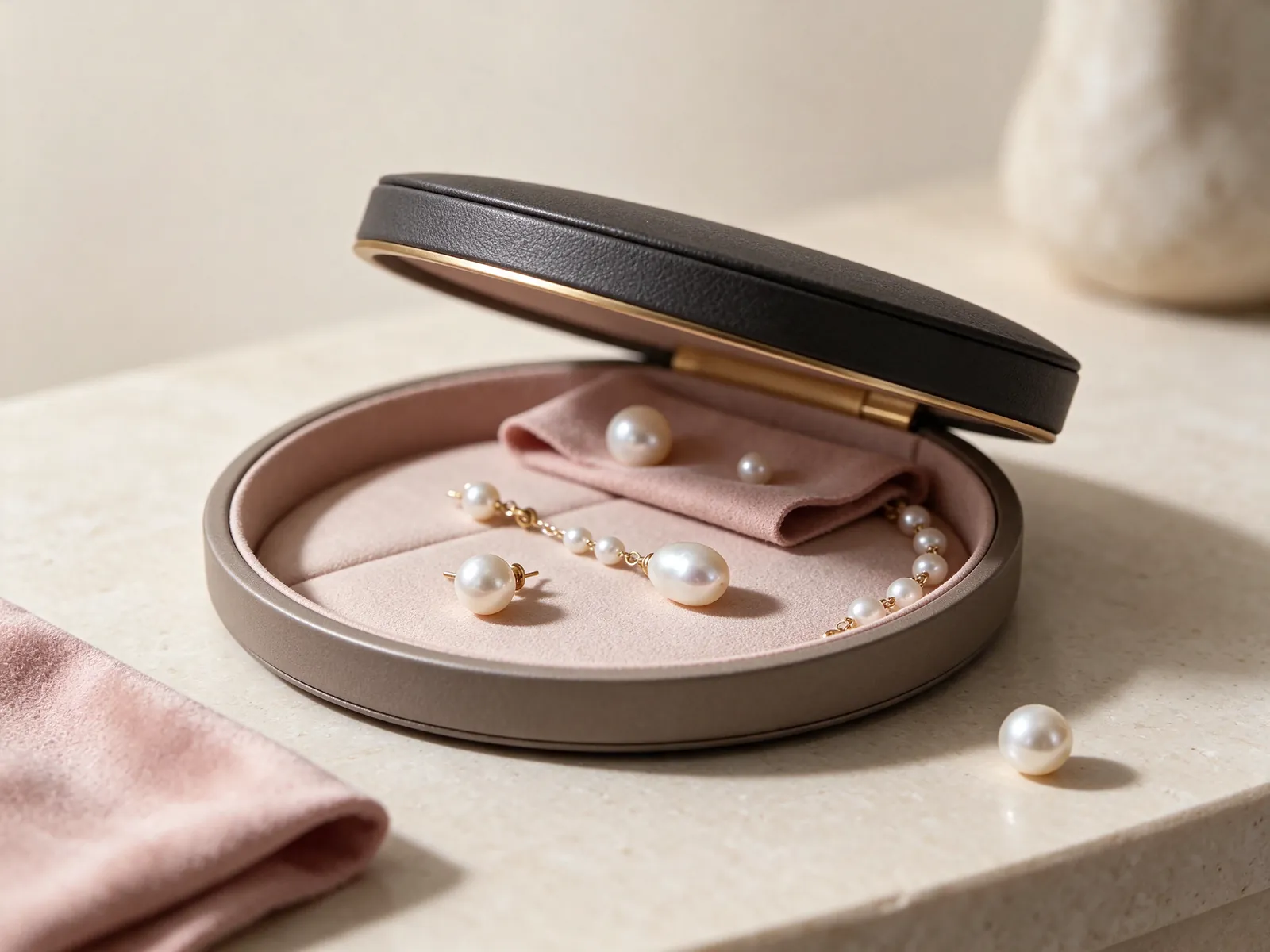
GIA places pearl at 2.5 on the Mohs hardness scale and advises against ultrasonic and steam cleaners. This is not a prediction of a bracelet's lifespan or a measure of the impact it can withstand. For practical wear, reduce rubbing against hard objects and remove the bracelet before household tasks or exercise that could repeatedly press or pull the strands. Several rows deserve careful handling, not stronger cleaning.
After wearing, use a very soft, clean cloth and gently wipe each row, including areas partly hidden by neighbouring strands. Do not pull connection points apart to reach a gap. Avoid acids, perfume, hair spray and excessive heat, and store the bracelet separately from jewellery that could scratch it. If strung pearls are cleaned with water, GIA says the string must be completely dry before wearing; a dry pearl surface does not establish that the string has dried.
Notice changes before continuing to wear it
Stop wearing a bracelet if you notice loose string, a sudden change in alignment or a fastening that no longer closes normally. Record whether the change affects one row or the whole arrangement. Avoid pulling, twisting or applying glue to hide a loose connection. A clear description of the change is a better starting point for discussing what to do next.
Turn everyday habits into clear design preferences
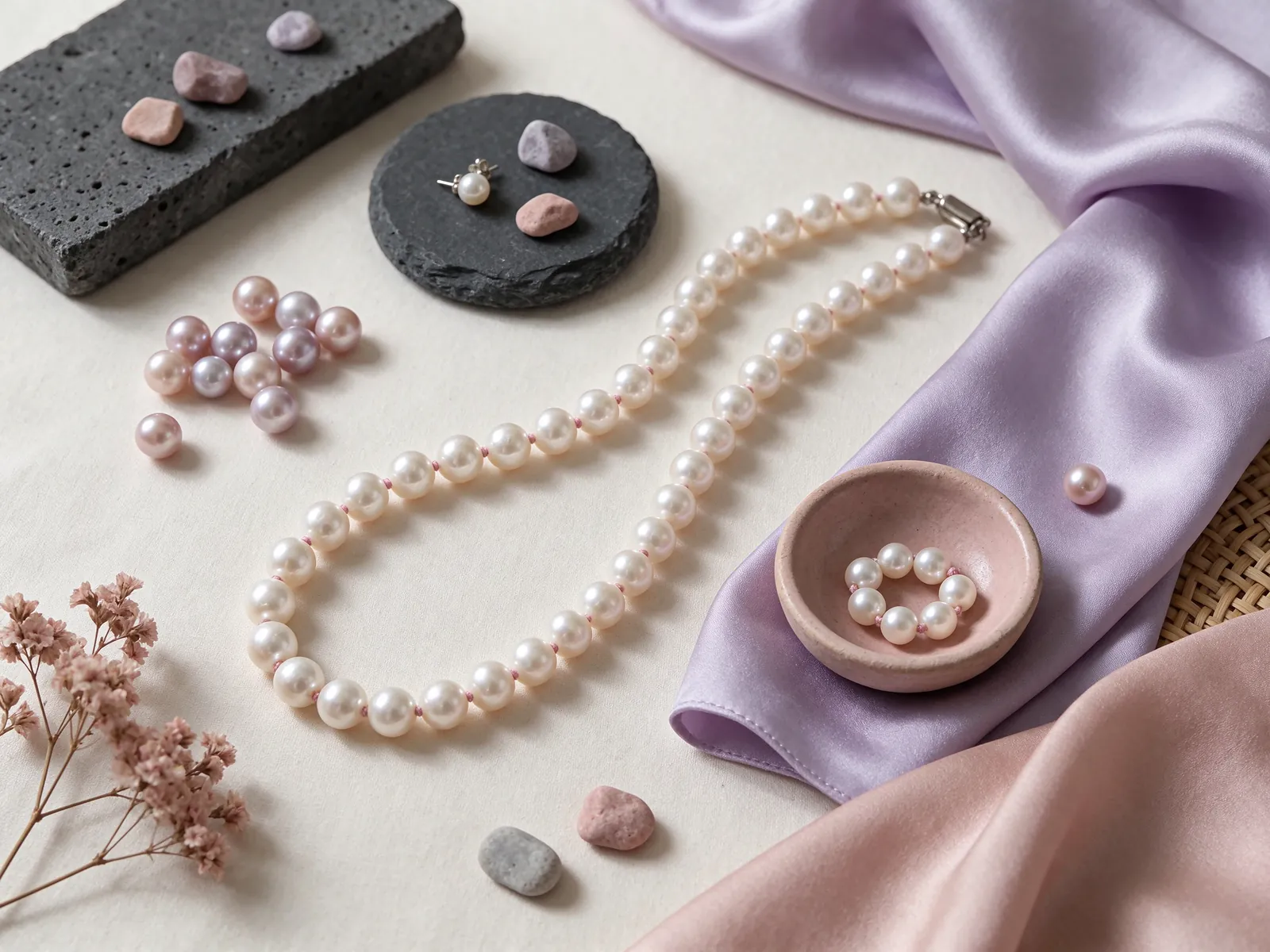
Bring together your wrist measurement, the place you measured and the sleeves you wear most often. Add a short description of the arrangement you enjoy: distinct parallel lines, a softer drape or a discreet fastening. If your interest is really in the balance between pearls and open space, compare a half chain pearl bracelet rather than assuming additional rows are the only route to a more expressive design.
Consider the colours and proportions of jewellery you already wear. The Pearl Jewellery guide can help place a bracelet within that wider outfit rather than viewing it in isolation. You do not need to assign a pearl type or grade to explain a look you enjoy. When discussing preferences with Flint Jewellery on WhatsApp, start with your measurement method, preferred rhythm and everyday movements, then work through the details of the design conversation.
Keep a short fitting record
Record front proportion, side width, wrist movement and independent fastening separately, then identify which matters most. An arrangement may look appealing yet crowd your usual sleeve. Separating appearance from practical observations helps you recognise that trade-off without dismissing all layered bracelets because one particular fitting did not suit your routine. To turn these observations into design preferences, contact Flint Jewellery on WhatsApp or call +85260106207 to discuss wrist fit, strand arrangement and sleeve balance.
| Area | Structural detail | Movement to try | Outfit consideration | Useful observation |
|---|---|---|---|---|
| Wrist edges | Coverage of the outer rows | Bend and straighten the wrist | Clearance beside the cuff | Any edge pressing into skin |
| Centre of the strands | Spacing and overlap | Turn the palm | Band-like or softer outline | Whether the rows settle naturally |
| Fastening | Alignment of the connections | Open and close independently | Visual emphasis of the clasp | Ease of identifying and holding it |
| Adjacent pearls | Matching of colour, shape and lustre | Change angle under gentle light | Consistency or deliberate variation | Rhythm across the arrangement |
| Desk contact point | Contact with hard edges | Imitate typing or carrying a bag | Consider a watch on the other wrist | Pressure, rubbing or shifting |
Pearl knowledge and authoritative references
GIA identifies seven pearl value factors, including matching. In a layered bracelet, matching helps describe the visual relationship between neighbouring pearls and rows.
Read the reference for this factFrequently asked questions
Is a double row always the best choice for a slender wrist?
No. Overall width, pearl spacing, the fastening and wearing position all affect proportion. Compare front coverage and side movement rather than using wrist appearance or row count as a rule.
Can I use the length of my single-strand bracelet?
It is a starting reference, not an automatic fit. Pearl thickness and clasp geometry change the inner space when fastened. Measure at the intended position and check whether the rows move comfortably together.
Does occasional overlap mean the bracelet is too long?
Not necessarily. Straighten the rows first and observe whether overlap follows a particular movement or clasp orientation. Uneven tension between rows needs a different assessment from general looseness.
What should I check if I wear a watch beside it?
Look for a hard watch edge touching pearls, fastenings pressing together and a cuff pushing both pieces towards the hand. Try ordinary movements. Wearing them on opposite wrists can reduce direct contact.
Are the pearls ready to wear once their surface feels dry?
Not if strung pearls have been cleaned with water. GIA advises waiting until the string is completely dry. Use gentle care, and never use ultrasonic or steam cleaners for pearls.
Updated: