
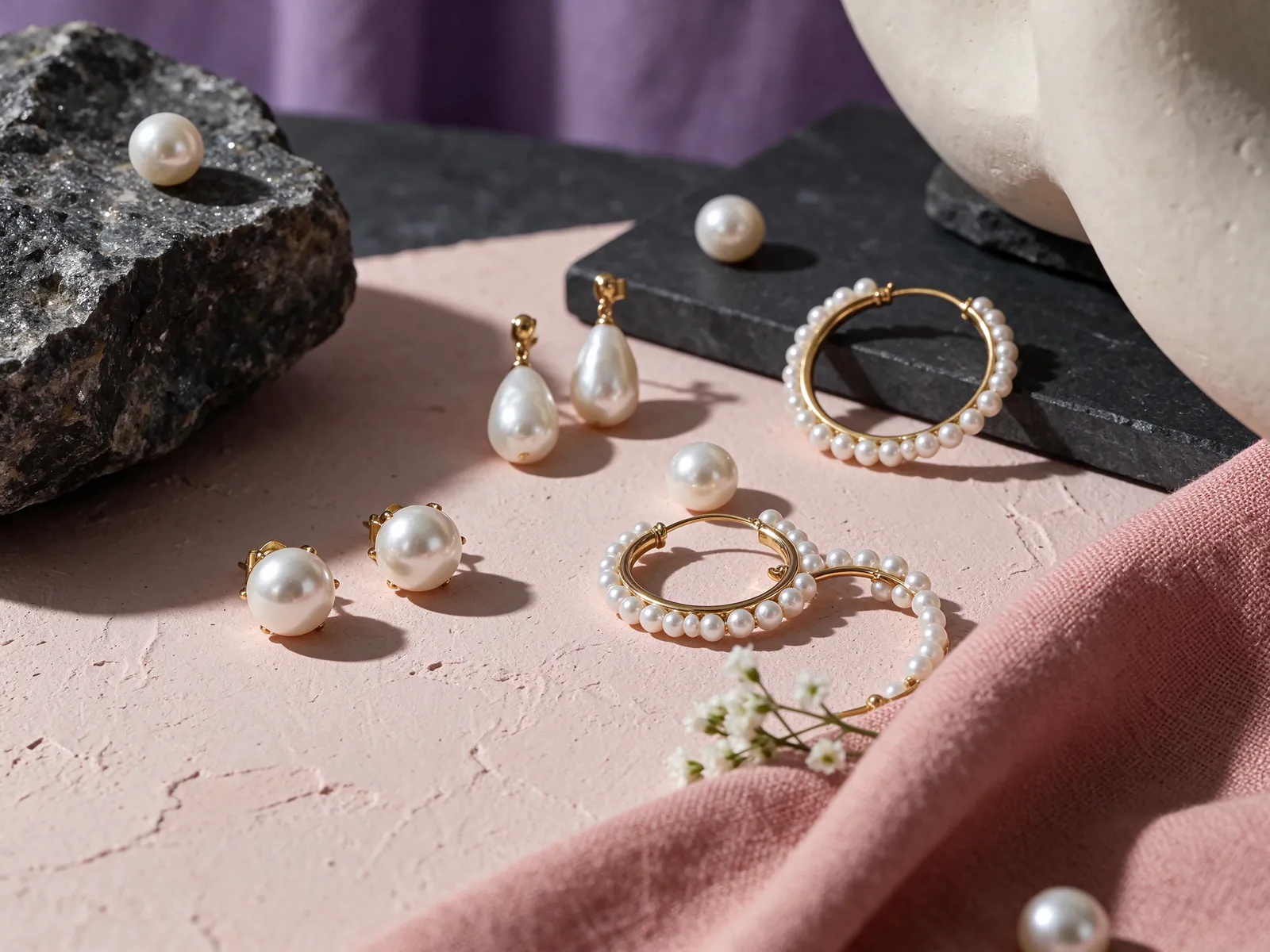
How do short pearl drop earrings shape the proportions of pearl drops below the earlobe?
The defining visual feature of a pearl drop is the extension below the lobe. To understand that extension, distinguish the piercing position, the connecting metal and the lowest point of the pearl. The distance from the piercing to the bottom is not the same as the visible distance below the lobe. A compact design can therefore look different on two people, even when its construction is unchanged. Start with where you want the pearl to appear on your own ear.
A front view shows the relationship between the width of the pearl and the metal above it. A side view helps reveal projection and the space between the pearl and the lobe. If you want a point of light on the ear rather than a downward line, compare pearl stud earrings before settling on a drop. This comparison identifies the effect you actually prefer, rather than treating a short style as an automatic compromise between every other shape.
How do length and connections affect short pearl drop earrings and the movement of pearl drops?
Follow the construction downwards and look for a ring, joint or continuous fixed outline between the upper fitting and the pearl. These details help explain which parts can move independently. A short outline does not mean complete stillness. During a fitting, look ahead and then turn your head slowly, noticing whether the whole earring changes direction or only the lower component swings.
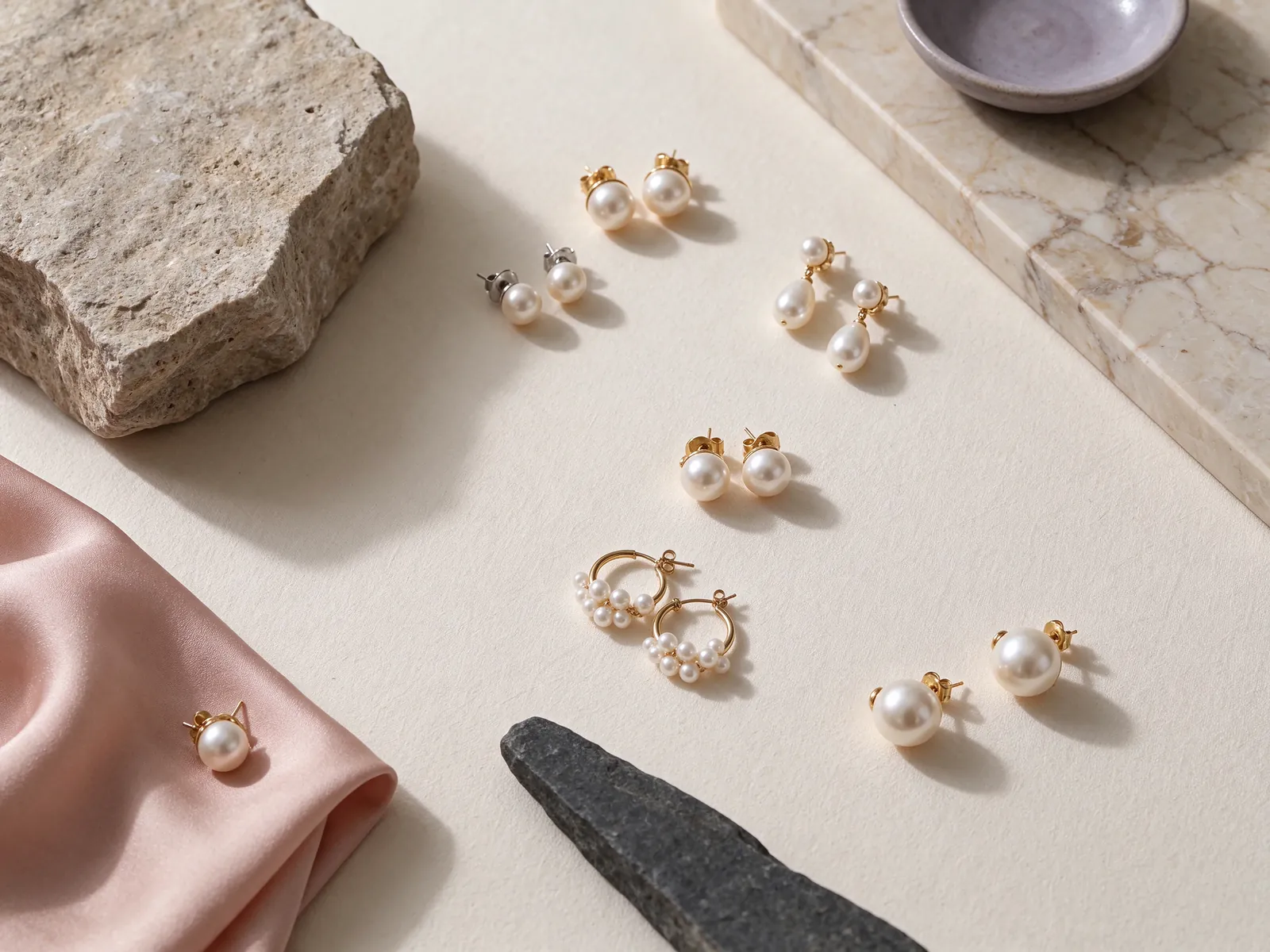
Use your piercing position to judge the visible drop
A piercing close to the lower edge of the lobe may expose more of the connection than a higher piercing. Instead of asking only for a shorter earring, describe whether you want the pearl to begin immediately below the lobe or with a visible gap. This makes your preference easier to compare across designs. The aim is a useful visual reference, not a universal length that everyone should wear.
Try both earrings together because ears and piercing positions may not be perfectly symmetrical. Look at the lower edges of the pearls in your normal standing posture, then check the upper fittings. A small difference visible in a close photograph might be less important to you at an ordinary viewing distance. Conversely, a similar pair on a display may sit differently once worn. Evaluate the complete balance rather than one isolated measurement.
Check the side profile without forcing the backing tighter
Observe the direction of the post, the position of the backing and how the front component faces outwards. Use the fastening as intended for its construction; pressing a backing against the lobe to raise the pearl is not a substitute for a preferred fit. If you notice pressure or pulling, record that separately from whether you like the appearance. Comfort should be part of the comparison, not something dismissed because a photograph looks appealing.
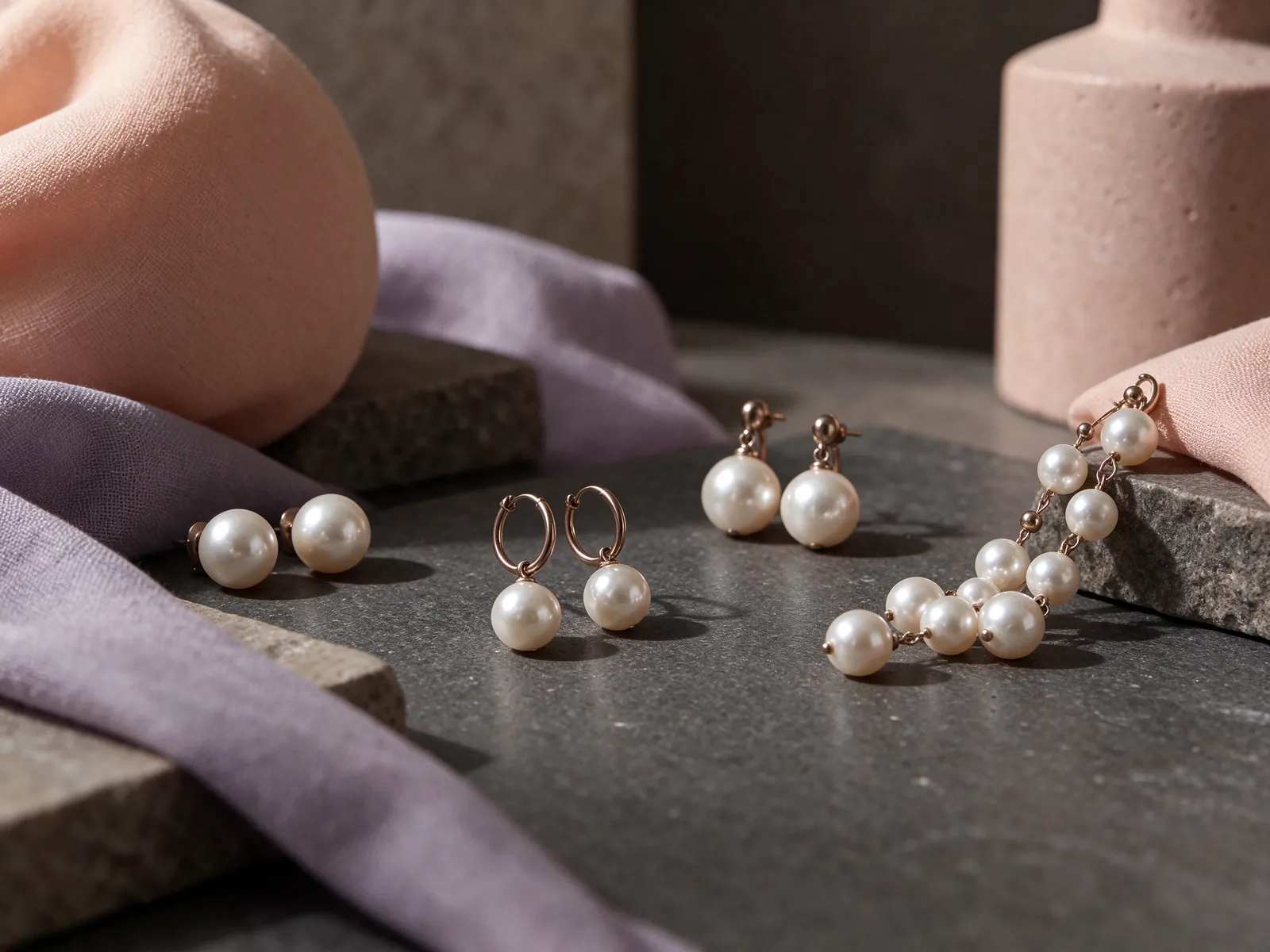
Compare silhouettes instead of choosing by face-shape rules
Short drops keep the focal point near the ear, while a longer line can extend attention towards the neck. Compare the lowest point with your jaw and neckline rather than assuming one face shape requires one earring category. Explore long pearl dangle earrings if an extended vertical outline interests you. If you prefer a small detail that appears beneath the lobe without reaching towards your collar, a shorter outline may better express that preference.
Width matters as well as length. A short drop with a broad upper component can have a stronger front-facing presence than a slender longer outline. The useful questions in pearl studs vs drops vs dangles are where the design sits, how far it extends and which components move. Separate those questions before choosing. Neither a short label nor a long label tells you that an earring is necessarily understated, dramatic or reserved for a particular occasion.
Decide whether you prefer a curve or a downward line
For a different framing shape, compare pearl hoop earrings with a drop outline. A curve can create width around the upper part of the design, while a straighter connection directs the eye downwards. The position of the pearl within or below that curve changes the emphasis again. Decide whether your priority is the pearl, the metal shape or the relationship between them; that is more informative than asking which style universally makes a face look smaller.
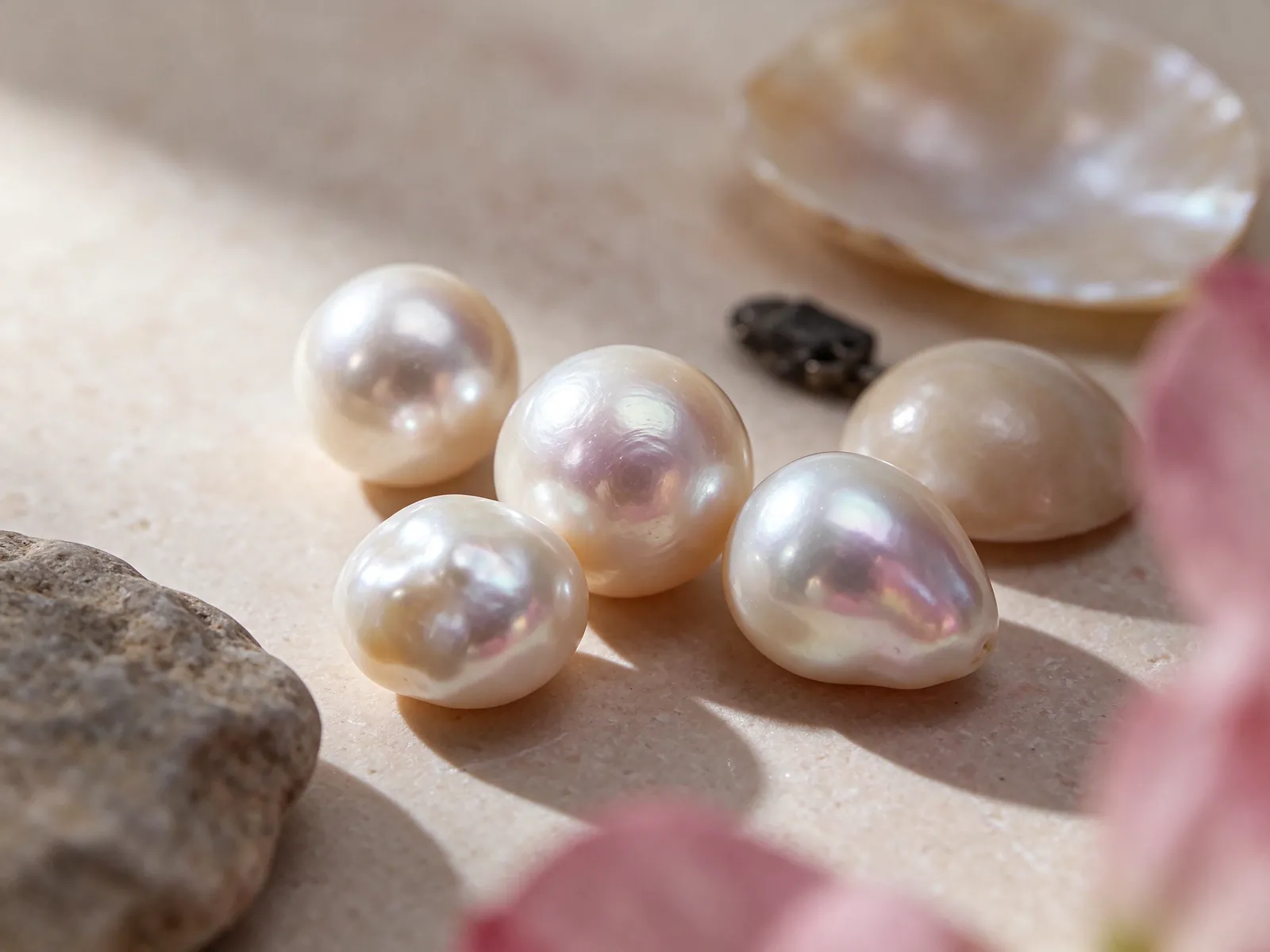
Try the hairstyle and collar you actually wear
Hair worn down may conceal the upper fitting and leave only part of the pearl visible. Tucking one side behind the ear reveals a different balance, so compare both views instead of fitting only with your hair fully tied back. With a short haircut, the entire connection may become a noticeable design feature. With longer hair, you may prefer an occasional glimpse of lustre. Neither effect is inherently better; choose the visibility you want in everyday use.
A shirt collar introduces a practical point of comparison: turn your head and see how close its raised edge comes to the drop. A high neckline or scarf creates a different area of fabric near the neck. An open neckline can leave enough visual space for a compact earring without requiring a longer design. If you add a necklace, consider how the two pieces divide attention rather than assuming they must repeat the same outline or apparent size.
Include glasses, your phone and ordinary movements
Wear your usual glasses during a fitting and examine the space around the arms and upper earring components. Bring your phone towards your ear in your normal position, then notice any contact. Adjusting your hair and putting on an outer layer can reveal interactions missed while sitting still. These checks help you understand your routine; they are not a promise that any design will avoid every possible contact.
Separate the fastening from the movement below it
Movement may come from a lower joint or from the whole earring shifting on the lobe. Identify those possibilities separately. When you prefer an orderly outline, describe the result you want, such as a clear front-facing line after turning your head, instead of demanding zero movement. That description focuses on appearance while recognising that a worn object is not a static image. A shorter connection alone cannot answer every question about how a design behaves.
The upper fitting also affects how you put an earring on. When comparing pearl hook earrings, look at the hook's outline and its relationship to the suspended pearl, as well as the actual method of wearing that construction. A post with a backing involves a different routine. Try whether you can identify the orientation and handle the fitting naturally. Convenience depends on the particular construction and your habits, not simply on the word drop.
Assess comfort through the complete earring
The pearl is only one part of the structure. Metal components, balance and contact with the lobe also matter when you judge wearing comfort. Do not estimate weight from a photograph or assume a compact outline must feel light. During a fitting, notice pulling, local pressure or a repeated need to adjust the position. Record these observations alongside, rather than underneath, your preference for the shape.
Look closely at lustre, shape and the paired appearance
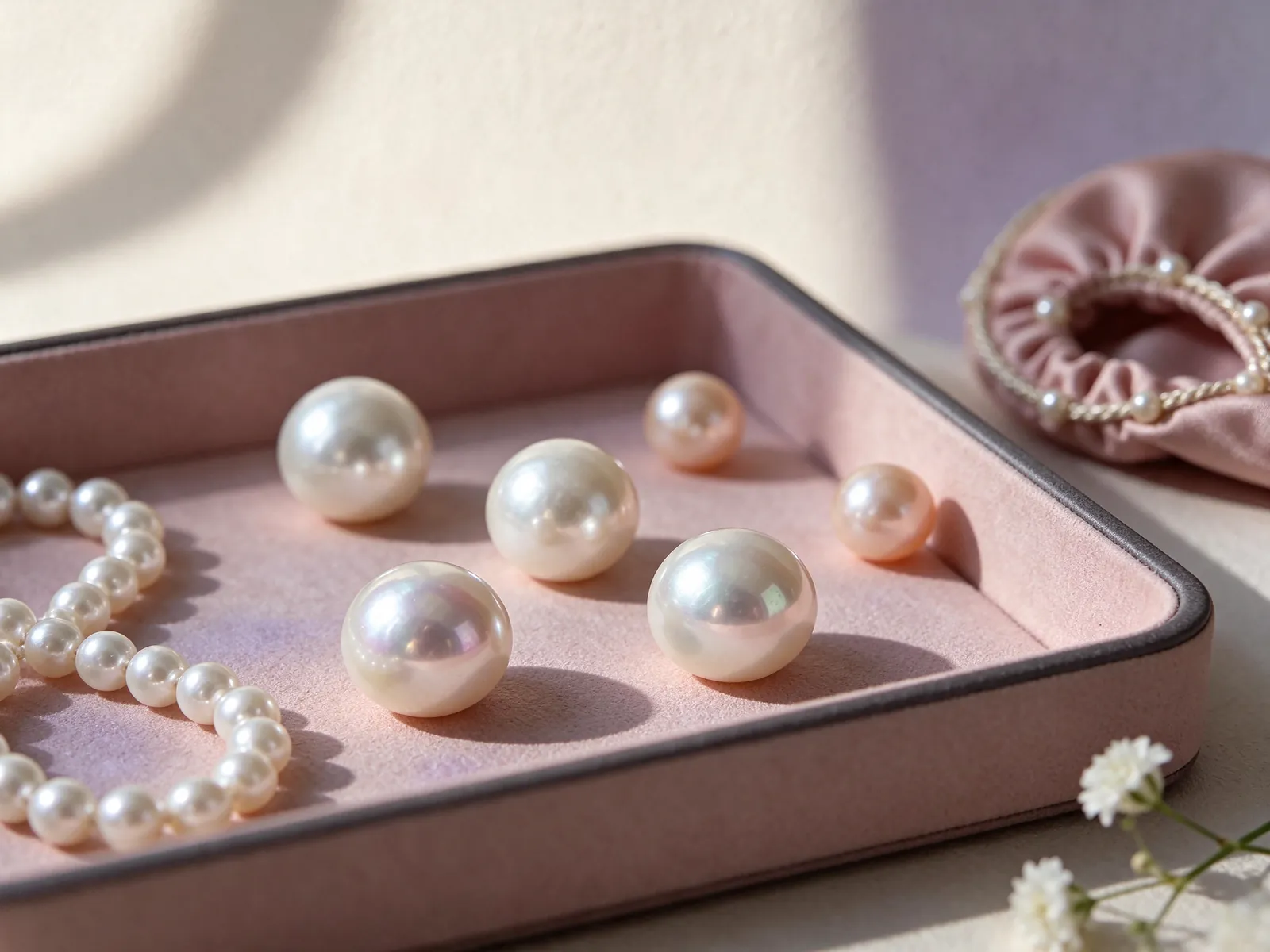
Because short drops sit near the face, compare the two pearls together under the same lighting. Look at the way light appears on the surface, the outline you enjoy and the overall harmony at a normal viewing distance. Photographs taken under different lamps are not an equal colour comparison. A regular shape and a more individual outline can each be an aesthetic choice; shape alone does not establish pearl origin, species or natural-versus-cultured identity.
GIA describes seven pearl value factors: size, shape, colour, lustre, surface quality, nacre quality and matching. For earrings, this framework is useful because it keeps matching and surface appearance in the discussion rather than allowing size to dominate. Metal colour can also be compared with your wardrobe, glasses and other jewellery, but that styling preference is separate from pearl quality. Close inspection answers detail questions; stepping back answers whether you like the pair as part of your look.
Matching includes the hanging outline, not only apparent size
The upper components and the direction of each pearl contribute to the paired silhouette. Look at the whole pair before concentrating on individual details. Read a design description for its stated information, and use a fitting to judge position and proportion. Do not fill gaps in a description by interpreting roundness, photographic colour or a quality letter as proof of a certificate. Visual appeal and documented identity answer different questions.
Turn observations into a practical brief and a care routine
Summarise your preference in three parts: the desired position below the lobe, the connecting outline and your usual hairstyle or neckline. Add what you noticed about movement and comfort. For example, wanting the pearl just visible below the ear, with an unobtrusive connection that works with your usual shirt, is more informative than asking for something elegant. A clear brief does not require a universal length or an assumed pearl specification.
If you are still comparing compact drops with other silhouettes, use the pearl earrings Hong Kong guide to organise the alternatives by position and construction. For routine care, GIA recommends a very soft clean cloth after wearing and avoiding acids, perfume, hair spray and excessive heat. Pearls should not be cleaned in ultrasonic or steam cleaners. Notice where your earrings are when applying fragrance or styling products, so your routine reflects the details you valued when choosing them.
What to bring to a conversation about your preferences
Describe your piercing position, preferred front and side views, and the clothing you wear most often. If an existing pair feels comfortable or awkward, explain the particular feature rather than only its style name. You can discuss these preferences with Flint Jewellery through the page's WhatsApp contact. Keep the conversation centred on visible proportions and wearing habits instead of assuming a pearl identity, dimension or price from an image.
| Comparison | What to observe | Useful fitting or styling check |
|---|---|---|
| Position below the lobe | Where the pearl begins relative to the lower edge | Wear both earrings and compare their lower outlines |
| Complete silhouette | Metal, pearl and the space between them | Compare width from the front and projection from the side |
| Connection movement | Whole-earring movement versus a lower moving joint | Turn your head slowly and observe direction changes |
| Hair and neckline | The exposed part of the drop and nearby fabric | Use your usual hairstyle and a frequently worn collar |
| Paired appearance | Lustre, colour, shape and hanging outline | Compare together in the same light, close up and at a distance |
Pearl knowledge and authoritative references
GIA identifies seven pearl value factors: size, shape, colour, lustre, surface quality, nacre quality and matching. Matching is particularly relevant when considering the coordinated appearance of a pair of pearl drops.
Read the reference for this factFrequently asked questions
Must pearl drops use a teardrop-shaped pearl?
No. Drop describes a hanging outline below the lobe, not a required pearl shape. A rounded or more irregular pearl can also form part of a drop design. Consider the pearl outline and the connecting structure separately; the name does not establish pearl identity.
Is there one length that defines a short pearl drop?
This guide does not set a universal numerical boundary. Check where a stated length begins, then compare the pearl's position below your own lobe. The same overall length may have different visible proportions when piercing positions differ.
How should I compare drops if my piercings sit at different heights?
Wear the pair together and look at the lower pearl outlines, upper fittings and overall balance in a normal posture. A display comparison alone cannot show how they sit on your ears. Do not force the backings tighter simply to align the lower edges.
Does a high neckline rule out short drops?
Not automatically. Try the actual garment and turn your head to observe the relationship between fabric and earring. Choose according to contact, visibility and your preferred silhouette rather than deciding from the name of the neckline alone.
Can a pearl drop be cleaned ultrasonically because it has metal parts?
The metal does not make ultrasonic cleaning suitable for the pearl. GIA states that pearls should never be cleaned in ultrasonic or steam cleaners. A very soft clean cloth after wearing is part of routine care, alongside avoiding perfume, hair spray, acids and excessive heat.
Updated: