
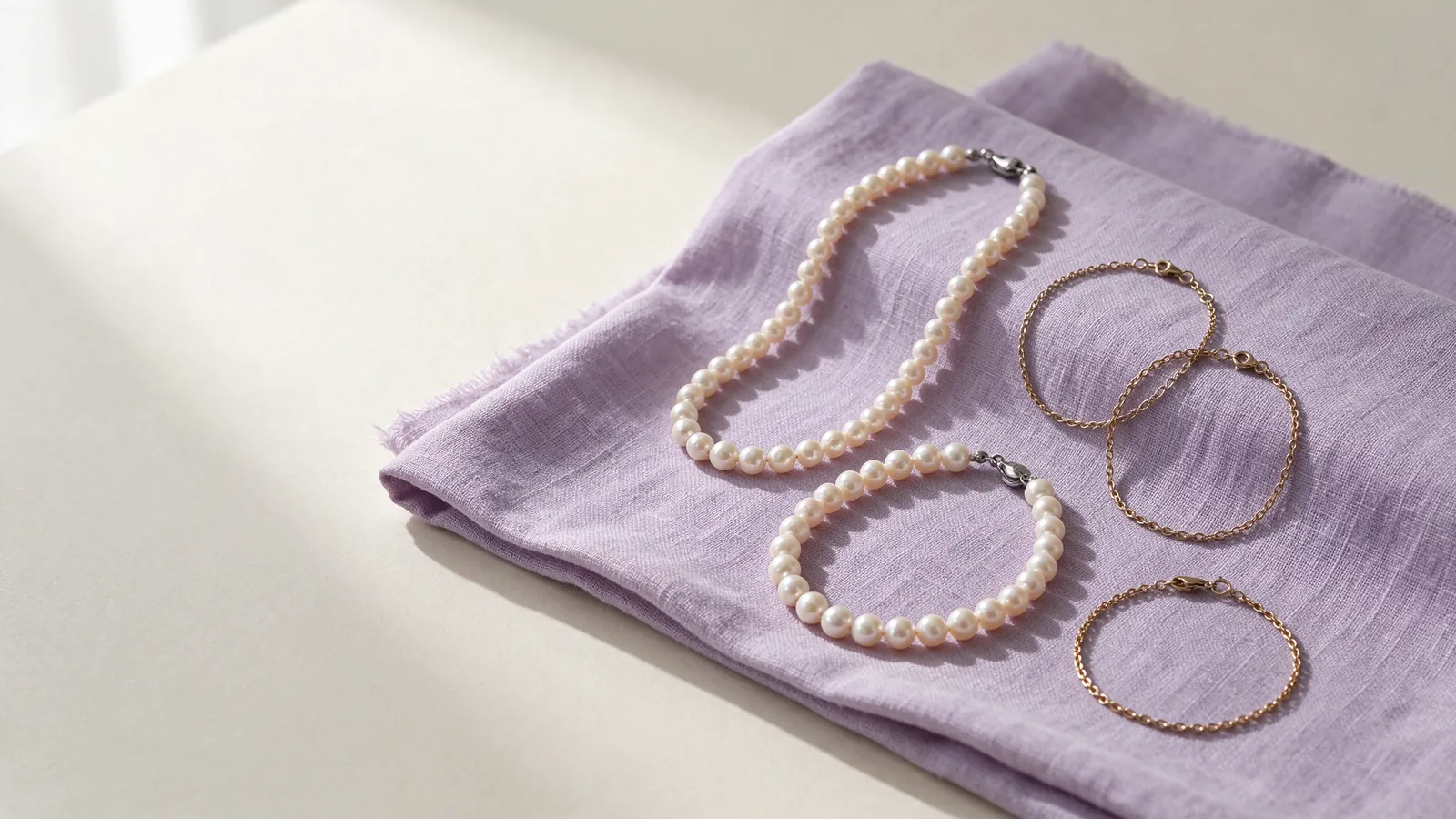
A comfortable pearl strand bracelet: fitting a single strand pearl bracelet for a classic pearl bracelet look
Measure around the position where you intend to wear the bracelet with a flexible tape resting against the skin, without pulling it tight. Note both the reading and the position. A wrist circumference is not the same as a finished bracelet length: the pearls occupy space around the wrist, and the clasp affects the usable inner fit. The pearl bracelet size guide helps separate the measurement you can record from the comfort you need to assess by trying a bracelet on.
Let your arm hang naturally, bend your wrist and repeat an everyday movement such as holding a bag or turning a page. A single strand pearl bracelet need not remain completely still, but you should notice if it repeatedly reaches the base of your palm or needs pushing back. Try it with a shirt you actually wear. A comfortable fit on a bare wrist may feel quite different when a narrow cuff presses against the row of pearls.
Checking the clasp of a pearl strand bracelet: practical details for a single strand pearl bracelet with a classic pearl bracelet feel
Use the hand you would normally use to fasten jewellery, and check whether you can grip and align the operating parts without awkward twisting. Understand the opening method before applying pressure. After fastening, move the clasp towards the underside of the wrist and notice any pressure against skin or a desk. Describe a difficulty precisely: a small grip, uncertain alignment and an uncomfortable position are different problems, even when the clasp looks attractive from above.
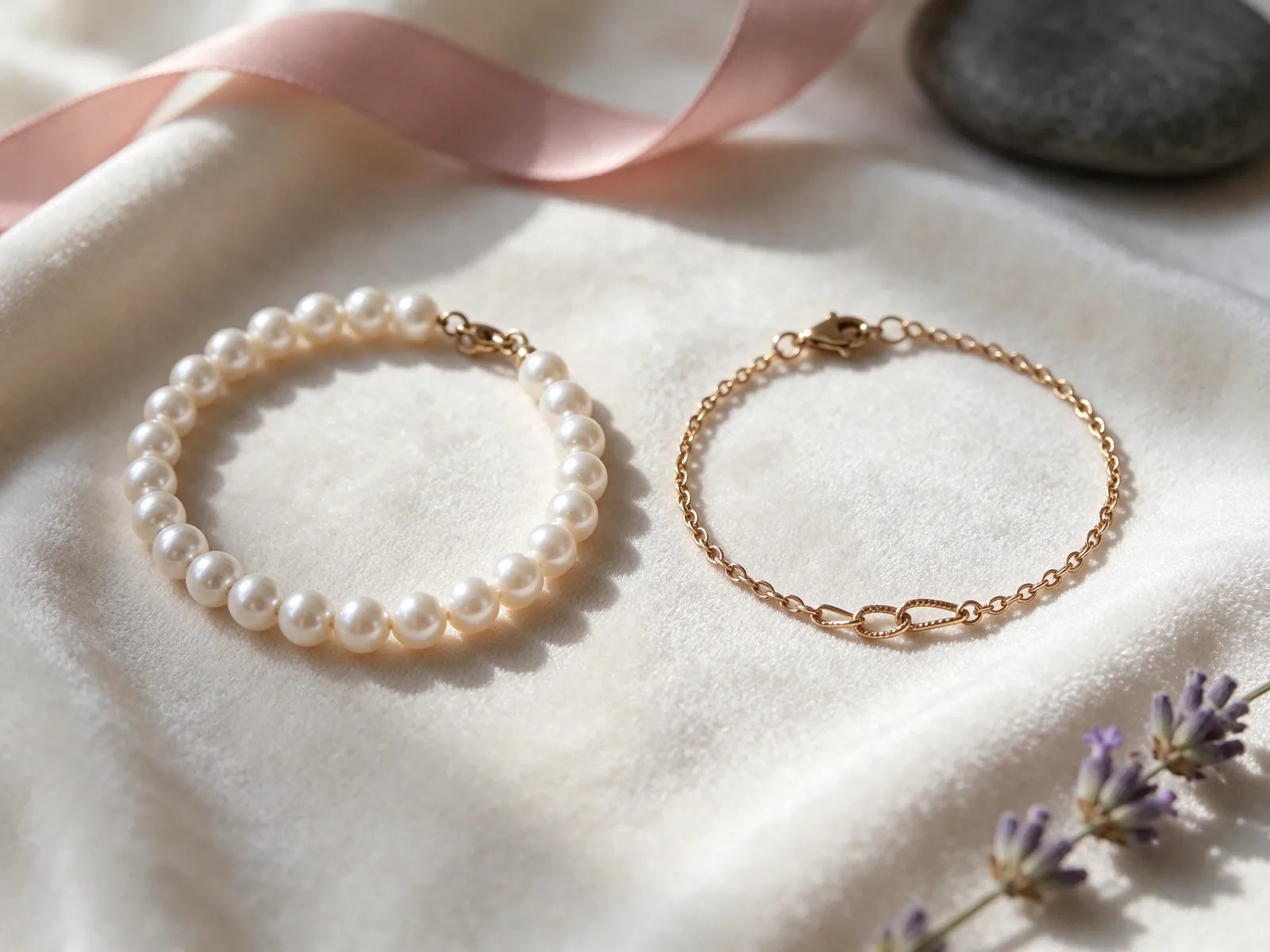
Read the continuous line, not just the brightest pearl
The appeal of a classic pearl bracelet often comes from the way the entire row reads at a normal viewing distance. First look at the full outline, then compare neighbouring pearls for continuity of lustre, colour and shape. You might enjoy a closely matched appearance, or prefer small variations that give the strand character. Neither preference is explained by choosing one striking pearl and assuming that the rest of the bracelet will create the same effect.
GIA describes seven pearl quality factors: size, shape, colour, lustre, surface quality, nacre quality and matching. Matching is particularly useful to consider in a row of pearls, but it should not replace the other factors. Look at how adjacent pearls relate and whether the transitions suit your taste. A general pearl bracelet overview can help you compare structures; here, the focus is the uninterrupted line of a single row rather than a wider arrangement or separated accents.
Keep the viewing conditions comparable
When comparing strands, use a similar background, distance and lighting before looking at finer details. Bright reflections in a photograph can be affected by camera angle and exposure, while a screen can alter colour. Photographs remain useful for explaining a preferred visual rhythm, but differently lit images are not a precise quality comparison. Look again at the whole strand on the wrist so that close-up details do not distract from the overall appearance you will actually wear.
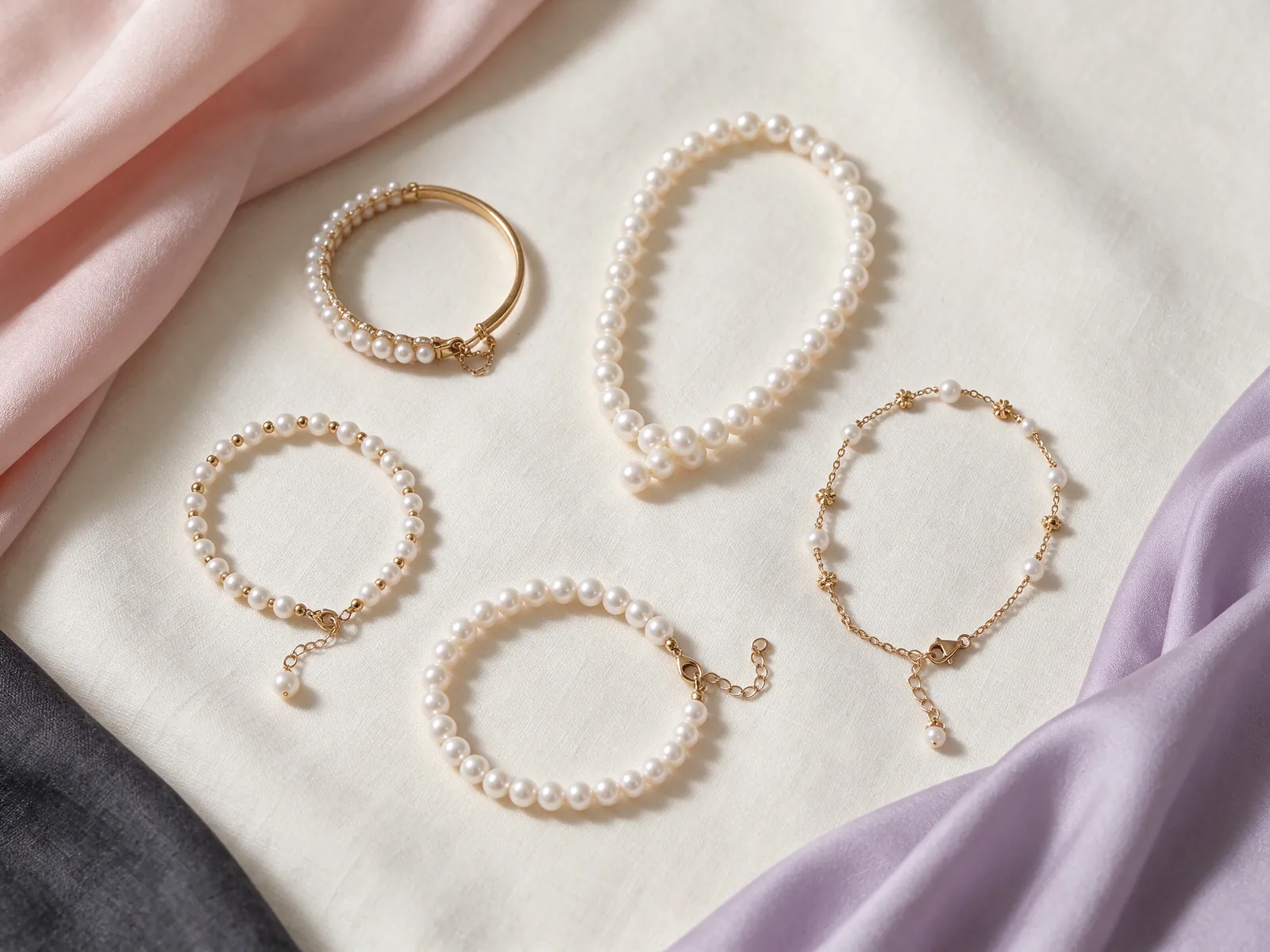
Choose between an even outline and an irregular rhythm
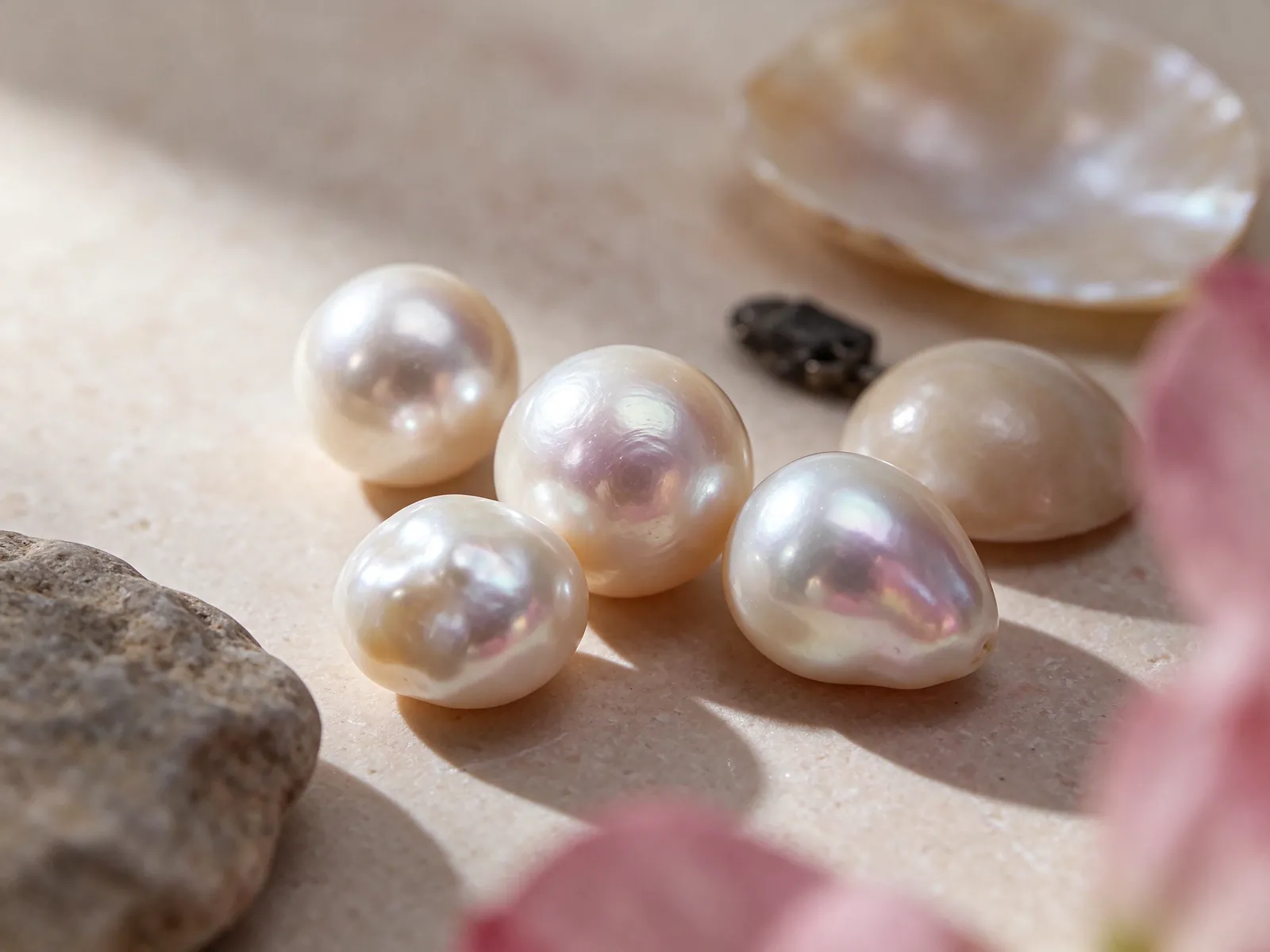
A rounded, relatively even outline can feel quiet and ordered, particularly beside a tailored cuff. Irregular contours introduce changes of height and direction along the same row. Rather than treating one shape as automatically better, decide whether you want the bracelet to blend into an outfit or become a more noticeable detail. Rotate the wrist as you compare: a shape that looks balanced when laid flat can present a different outline in motion.
If you are drawn to a baroque pearl bracelet, pay attention to the direction of individual contours and how they sit against your sleeve. A projecting shape may catch the eye but may also meet a cuff differently from a rounded one. Shape and colour describe appearance; they cannot, on their own, establish origin or natural-versus-cultured identity. Keep questions about pearl identity separate from the visual decisions you can make by looking at the strand.
Translate style words into visible preferences
Instead of asking only for something classic or distinctive, explain whether you prefer a consistent outline, gentle colour changes or deliberately irregular direction. Notice whether the pearls beside the clasp change the visual balance. These descriptions make a design discussion more useful because they identify details you can compare. They also help you stay consistent when an appealing close-up image has a different character from the complete strand you would wear.
Plan around sleeves, watches and working habits
With a shirt, check how the row sits when the cuff is fastened, rather than rolling the sleeve up for every trial. If the cuff traps the pearls, consider a different sleeve arrangement or wearing occasion instead of pushing the bracelet towards your hand. Knitwear brings another question: do the clasp connections catch the fabric? A bracelet can be partly hidden by a long sleeve and still contribute to an outfit without remaining visible at every moment.
Wearing a watch on the opposite wrist is one way to reduce repeated contact between its case and the pearls. If you prefer both on one wrist, check movement rather than judging only a still arrangement. Typing, lifting a bag and resting your arm on a desk can bring the pieces together. The goal is a combination that works with your routine, not a layered photograph that requires frequent adjustment or leaves the pearls repeatedly rubbing against another surface.
Give the wrist a clear focal point
A patterned outfit may benefit from the simpler continuous line of one strand, while plain fabric allows the pearls' outline and lustre to stand out. When adding rings, decide which piece should lead rather than demanding an exact colour match across all jewellery. Try the combination with your usual coat and bag. Fastening a sleeve, carrying handles and reaching into a pocket are useful checks because they reveal interactions that a straight-on mirror view misses.
Compare other structures before adding another bracelet
If a single row feels visually too restrained, a multi strand pearl bracelet is worth considering before you stack separate pieces. Multiple rows change the width and distribution of the design around the wrist. Check whether the rows keep the arrangement you like during movement and whether the area near the clasp feels crowded. The distinction is about visual coverage and handling; more rows do not automatically make a bracelet appropriate for every formal outfit.
A pearl station bracelet offers spacing between pearl accents, while a half chain pearl bracelet brings a chain line and a pearl section into the same composition. For spaced accents, notice the rhythm and where the pearls settle on the wrist. For a divided structure, look at the transition between the sections and whether its balance changes as it turns. Do not assume that a lighter-looking layout is necessarily more comfortable; test the movement and sleeve contact that matter to you.
Repeat the same movements for a fair comparison
Use the same cuff and repeat the same bend, reach and bag-holding movements for each structure. Note what you like visually and what you would change practically. A clear line with more movement and a wider design with less cuff space are different trade-offs, not simply good and bad outcomes. If the single strand remains your favourite, it can be the complete wrist detail on its own; layering is not a requirement for a considered outfit.
Care for the pearl surface and the string separately
GIA places pearl at 2.5 on the Mohs hardness scale. That figure is relevant to care of the pearl surface, not a measure of the pulling force a finished bracelet can withstand. After wearing, wipe with a very soft, clean cloth and store away from jewellery that could rub or scratch it. Apply perfume and hair spray before putting on the bracelet, and avoid acids and excessive heat rather than treating everyday wear as permission for every activity.
Never use ultrasonic or steam cleaners for pearls. If a strung bracelet has been cleaned with water, the string must be completely dry before you wear it; a dry-feeling pearl surface is not enough. Also watch for changes near the clasp, visible fraying or a new gap in the arrangement. A clasp that still opens and closes does not tell you that every part of the string is sound. Stop wearing a bracelet with an unusual change instead of pulling it to test the connection.
Inspect gently before putting the bracelet away
Lay the strand on a stable, soft surface and look at the connections beside the clasp and the spacing between pearls. Avoid hanging it under tension to make the line straight. If something has changed, describe the location and appearance of the change when seeking a professional assessment. Regular care is about reducing avoidable rubbing and chemical contact; it is not a way to infer the condition of hidden thread from the appearance of the pearls alone.
Prepare a practical brief for a fit discussion
Before discussing a strand bracelet with Flint Jewellery, gather your wrist measurement, the measuring position and the sleeves you wear most often. Explain which hand you use to fasten jewellery and how much movement you prefer. If an existing bracelet is uncomfortable, say whether it slides too far, presses under the wrist or is awkward to close. These observations are more informative than a flat length alone, because they connect the design to the situations in which you will use it.
Choose a few priorities, such as independent clasp handling, clearance under a shirt cuff and a coherent colour impression across the row. A photograph can illustrate an outline or an outfit, but it cannot supply your preferred fit or establish pearl identity. For a customisation discussion, start with the result you want to wear rather than combining every attractive feature into one request. This gives you a clearer way to weigh visual preferences against practical needs.
Separate a preference from a daily requirement
An even silhouette or irregular rhythm may be a preference; being able to operate the clasp and work comfortably at a desk may be requirements. List them separately so you can see which details are flexible. Return to that short brief when comparing alternatives. A successful choice is not the one with the longest list of descriptions, but one whose line, fit and handling make sense together in the routine you have described.
To discuss wrist fit and wearing preferences, contact Flint Jewellery on WhatsApp or call +85260106207. Share your measuring position, usual sleeves and the clasp details that matter most to you, so the conversation starts with your practical needs.
| Check | How to compare | What to aim for | Possible trade-off | Useful movement |
|---|---|---|---|---|
| Inner fit | Record wrist position, then assess the bracelet on the wrist | Natural movement without constant repositioning | A close fit and excessive sliding can both hinder use | Let the arm hang, then bend the wrist |
| Clasp handling | Fasten with the hand you normally use | A grip and closing method you understand | A discreet appearance may not be easiest to operate | Put it on and take it off yourself |
| Whole-strand matching | Compare neighbouring pearls in similar light | Consistency or variation that suits your taste | One striking pearl may not define the whole row | Rotate the wrist and view the full line |
| Sleeve and watch contact | Wear a usual cuff and check where pieces meet | Room for the sleeve and less repeated rubbing | Layering can introduce extra contact | Lift a bag and adjust a sleeve |
| String and storage | Look for changes near the clasp and between pearls | Gentle wiping and separate storage | Dry pearl surfaces do not prove dry thread | Lay flat for inspection without pulling |
Pearl knowledge and authoritative references
GIA identifies seven pearl quality factors: size, shape, colour, lustre, surface quality, nacre quality and matching. Whole-strand matching should be considered alongside the other factors when comparing a single-row bracelet.
Read the reference for this factFrequently asked questions
Why does a bracelet with the same flat length as another feel different?
Pearl thickness, the clasp and the arrangement affect the inner space around your wrist. A flat length alone does not describe that space. Compare both bracelets at the same wearing position, with the same sleeve and everyday movements, before deciding which fit you prefer.
Can gentle colour differences still suit a classic strand?
Yes. A classic impression can come from a coherent overall line rather than identical appearance in every pearl. Look at adjacent pearls in comparable light and decide whether their variation feels intentional to you. Colour alone does not establish pearl identity or origin.
What should I notice if a clasp looks elegant but feels awkward?
Identify whether the problem is gripping the operating part, aligning it or feeling pressure when it rests under the wrist. Try the opening method you have been shown without forcing it. A precise description makes it easier to discuss handling separately from appearance.
Should I add a second bracelet if one row looks too subtle?
Not necessarily. First compare a wider multi-row structure or a layout with spaced accents, and consider whether you want more coverage or more open space. Repeat your usual movements. A single strand can also remain the only wrist detail if that suits your clothing and routine.
Does a working clasp mean the string is ready to wear?
No. Clasp operation and string condition are separate checks. Look for visible changes near connections or between pearls, and do not pull to test strength. If the bracelet was cleaned with water, GIA advises waiting until the string is completely dry before wearing it.
Updated: