Understanding material details in pearl earrings for sensitive ears: pearl earring metal allergies and the limits of “hypoallergenic pearl earrings”
A useful search for pearl earrings for sensitive ears begins with a description of your own experience. Was the discomfort around the post, directly under the back, or associated with an earring pulling forwards? Record what you noticed without using that observation to diagnose an allergy. If a healthcare professional has already identified a contact allergy, bring that information into the discussion. When comparing pearl stud earrings, ask where the post, back and front setting touch the ear, keeping skin-contact questions separate from appearance.
Flint Jewellery's metal options for design discussions are 18K 750 white gold, 18K 750 yellow gold, 18K 750 rose gold, PT950 platinum and PT900 platinum. Compare 18K gold pearl earrings and platinum pearl earrings for their visual direction and proposed construction, not as competing promises of universal suitability. Neither a metal name nor the phrase hypoallergenic pearl earrings establishes how every wearer will react. Pearl earring metal allergies require more specific questions than choosing whichever finish looks familiar.
What should you ask about posts and backs when pearl earring metal allergies shape your search for pearl earrings for sensitive ears or hypoallergenic pearl earrings?
Ask separately about the post, the back and any setting that may sit against the lobe. Explain whether you intend to use an existing back, because that changes the contact combination. A white or yellow appearance does not establish nickel content, and a photograph cannot confirm personal suitability. Specific component questions are more useful than asking for an overall yes-or-no low-allergy label.
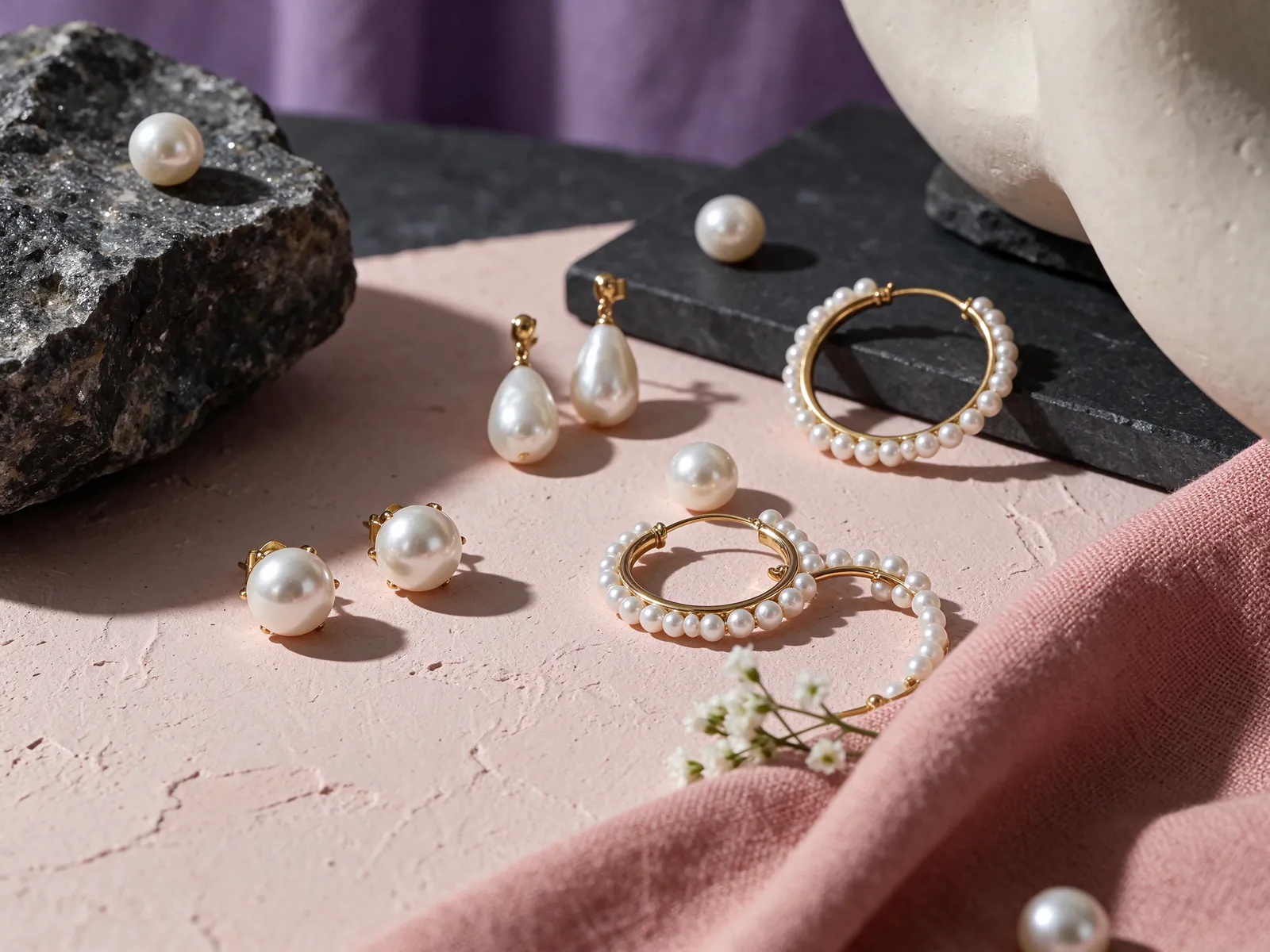
A secure back should not depend on excessive pressure
The back holds an earring in place, but its position also affects the wearing experience. Consider whether the fastening allows appropriate space around the lobe and whether an edge presses into it. Do not assume that similar-looking backs are interchangeable with every post. Comparing pearl earring back types means considering the fastening mechanism, contact area and how comfortably you can put the pair on and take it off.
Pressure, pulling and itching are different descriptions. Note which you experience rather than grouping all discomfort under allergy. A tilted front or a tightly positioned back may help explain a fit question, but these observations are not a medical test. If wearing causes redness, pain, swelling or persistent discomfort, do not keep experimenting through the reaction; stop forcing the fit and seek advice from a healthcare professional.
Support backs address balance, not allergy treatment
If you are interested in earlobe support backs for pearl earrings, ask how the proposed back matches the post and how its contact area sits behind your lobe. State whether your priority is reducing a forward tilt, controlling movement or easier handling. A broader support structure is not an allergy remedy, and greater contact area is not automatically more comfortable for every wearer.
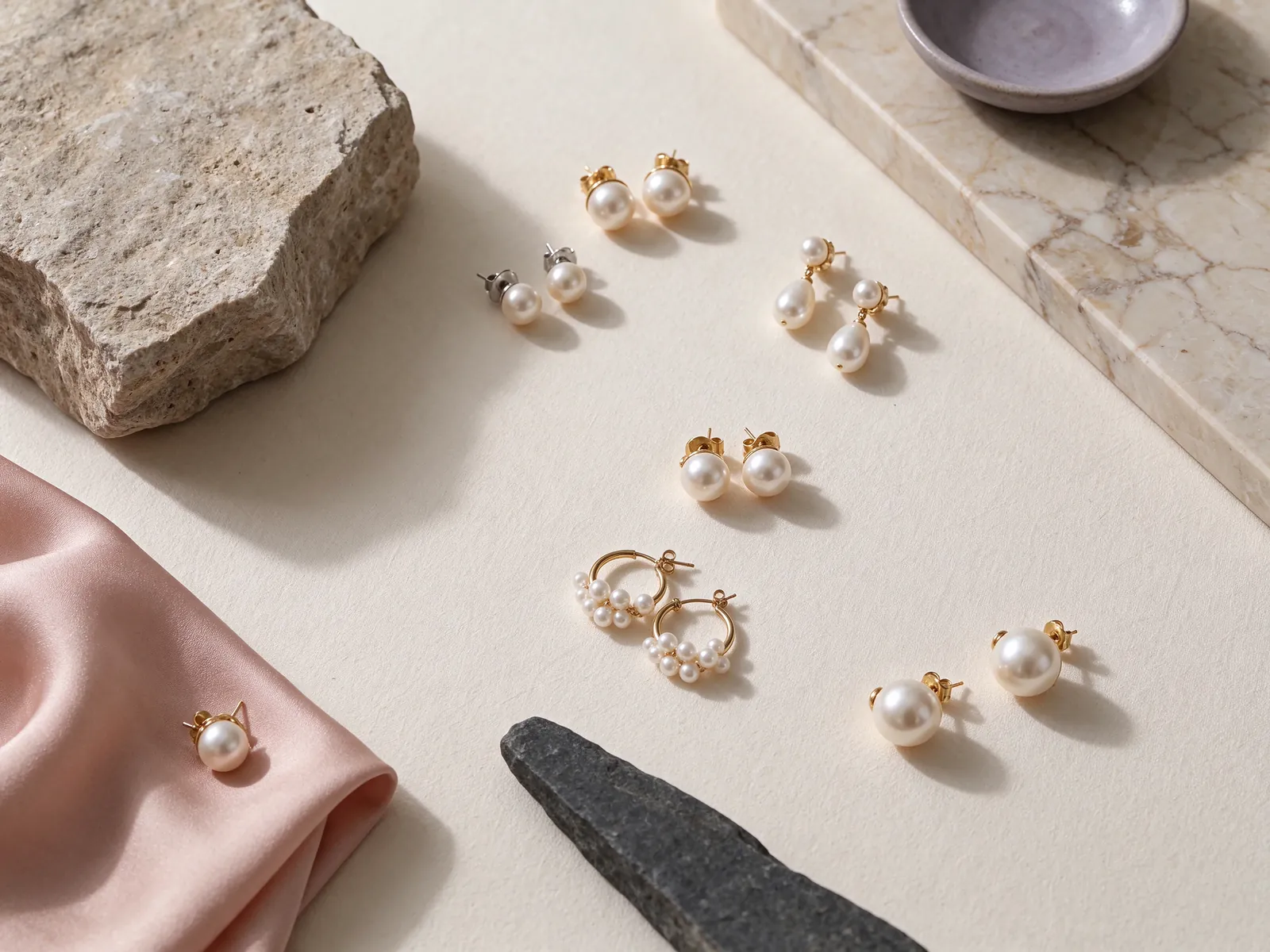
Compare the whole earring, not pearl size alone
A smaller-looking pearl does not necessarily mean a lighter complete earring. Settings, decorative elements and suspended parts all affect the design. Equally, a prominent appearance in a photograph does not prove that a pair will feel heavy. Use the pearl earring size guide to explore visual proportion, then consider the position of the pearl, the structure behind it and the way the whole earring moves.
A close-to-lobe silhouette makes the relationship between the pearl and ear easy to see. A drop adds movement, so consider turning your head, commuting with a scarf and moving hair away from your face. These are practical styling comparisons rather than prescribed safe dimensions. Describe the activities that matter to you instead of requesting a supposedly ideal pearl size for all sensitive ears.
Pearl quality and contact suitability answer different questions
GIA describes seven pearl value factors: size, shape, colour, lustre, surface quality, nacre quality and matching. They help explain visual choices, including how harmoniously a pair appears together. They do not establish whether a post suits your skin. Keep questions about pearl appearance separate from metal contact, and do not infer species, origin or a certificate from roundness or colour.
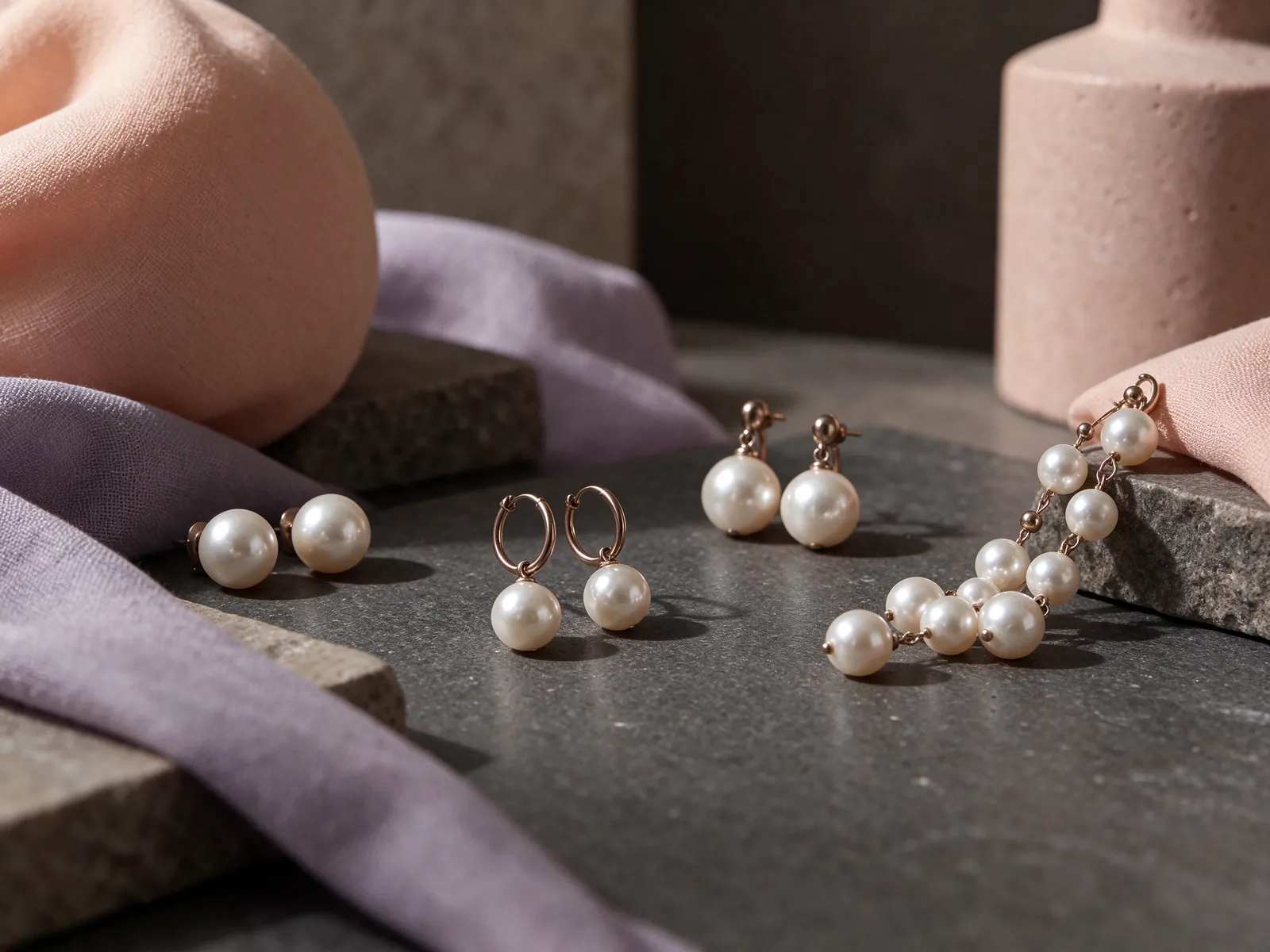
Let collars, hair and glasses guide your everyday silhouette
For a working wardrobe of shirts, jackets or high necklines, think about the space between the earring and collar. A pearl can be a gentle focal point without a long drop. Hair tied back reveals the setting more clearly; loose hair may move around suspended components. When exploring pearl earrings Hong Kong, select a useful silhouette first, then return to the questions about posts, backs and contact.
For a dinner or wedding, consider the neckline, hair accessories and glasses together rather than equating formal dressing with larger earrings. If a necklace is also prominent, a simpler earring outline can give the look breathing room. Explain whether your main need is easy removal, less interference with clothing or a tidy arrangement around glasses. Those practical priorities are more informative than a general request for comfort.
Avoid making an important event the first extended wearing experience
Become familiar with the fastening and the interaction with your outfit before the occasion. There is no fixed trial duration that establishes suitability for everyone. Do not endure discomfort to complete a photograph or outfit. If you change the earrings, back, hairstyle and collar at once, it can also become harder to explain precisely which contact or movement bothered you.
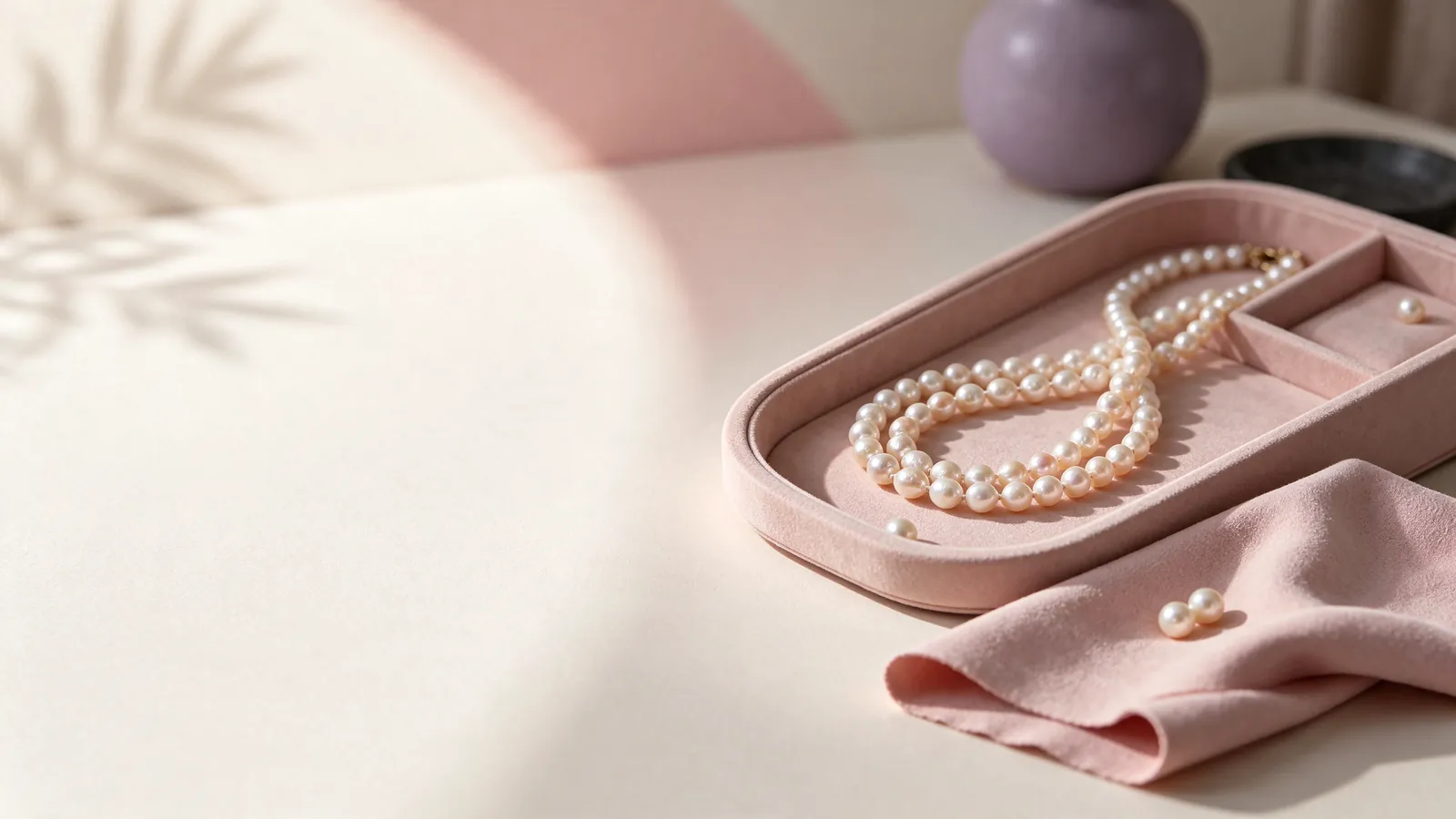
A non-pierced design still involves contact and fastening
A pearl ear cuff offers a different way to position an ornament without using a post through the piercing. It still has surfaces touching the ear and a fastening that can create pressure. Treat it as an alternative structure, not a guaranteed solution for sensitive ears. Explain where you hope to wear it, whether you use headphones and whether other ear jewellery will share the space.
Layering can create a different visual balance, but adding several pieces also adds contact points and more handling. Understand each fastening and removal method before deciding to combine designs. Tightening a cuff repeatedly is not a reliable way to establish a good fit. If keeping it in place requires continual adjustment, reconsider whether that position and structure suit your usual routine.
Map the space used by headphones and spectacle arms
Describe where your headphones, spectacle arms and hair clips sit. They may not touch the pearl itself, yet they can crowd the surrounding area or catch the earring during removal. If convenient headphone use is the priority, consider the movement needed to put them on, rather than choosing a cuff solely because it looks compact.
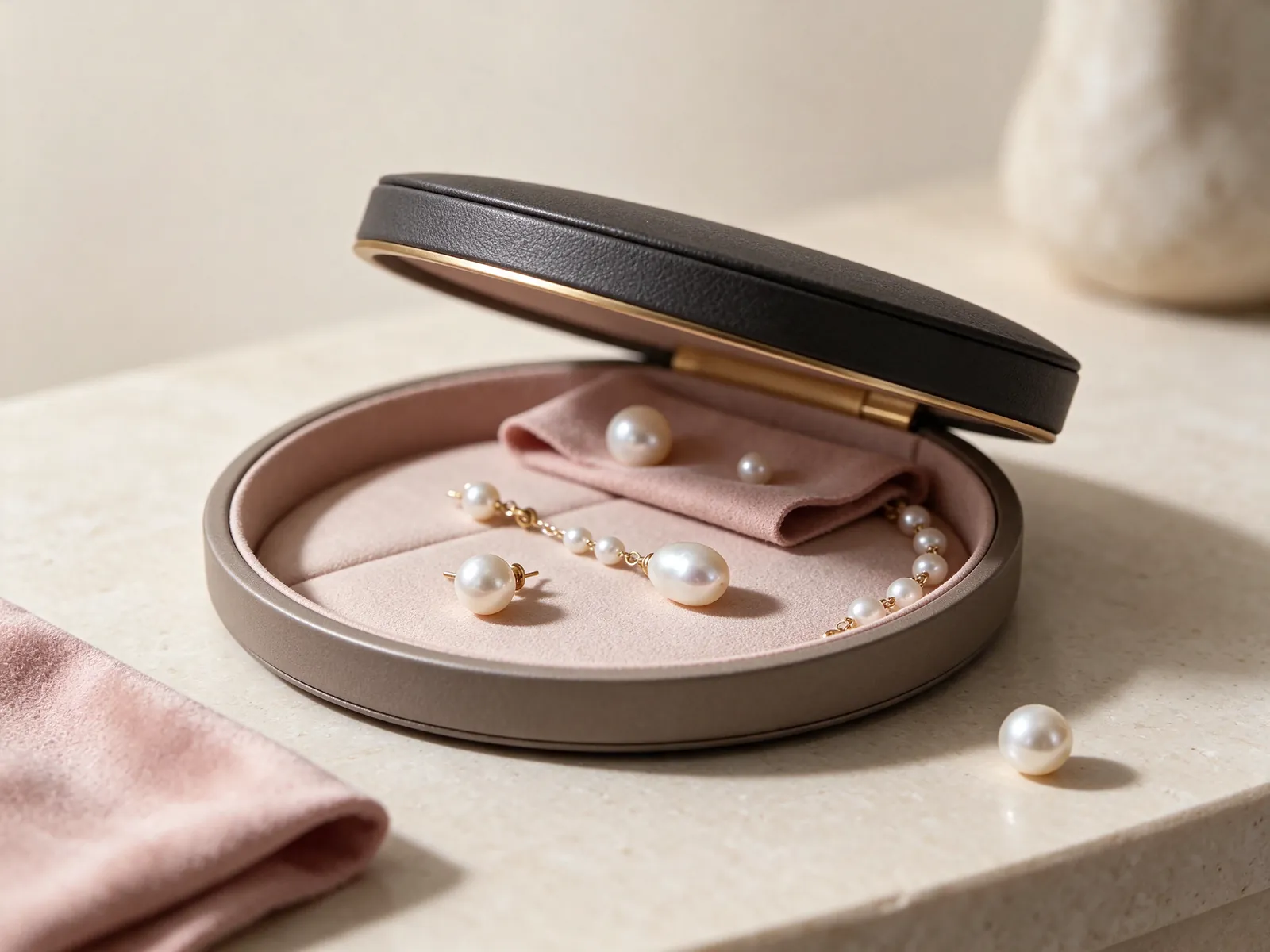
Care for the pearl gently without treating cleaning as an allergy remedy
GIA recommends a very soft, clean cloth for routine wiping after wear and advises avoiding acids, perfume, hair spray and excessive heat. Keep pearl earrings away while applying fragrance or arranging hair with styling products. Cleaning preserves jewellery; a freshly polished appearance does not establish that a metal is suitable for your skin. Ask about the care of the particular post, back and setting separately.
GIA lists pearl at 2.5 on the Mohs hardness scale and states that pearls should never be cleaned with ultrasonic or steam cleaners. This is a care fact, not a measure of allergy risk. Store the pair away from harder objects, including exposed posts or other jewellery that could rub against the pearls. After removal, organise the backs so the components are ready for the next use.
Do not soak the entire pair to clean one component
A pearl, its metal setting and its connecting structure may need different care. Do not immerse the whole earring in alcohol or a homemade cleaning mixture simply to clean the post. For difficult residue, ask about a method appropriate to the actual construction. Jewellery cleaning is also separate from caring for a healing or irritated piercing; follow healthcare guidance for the ear itself.
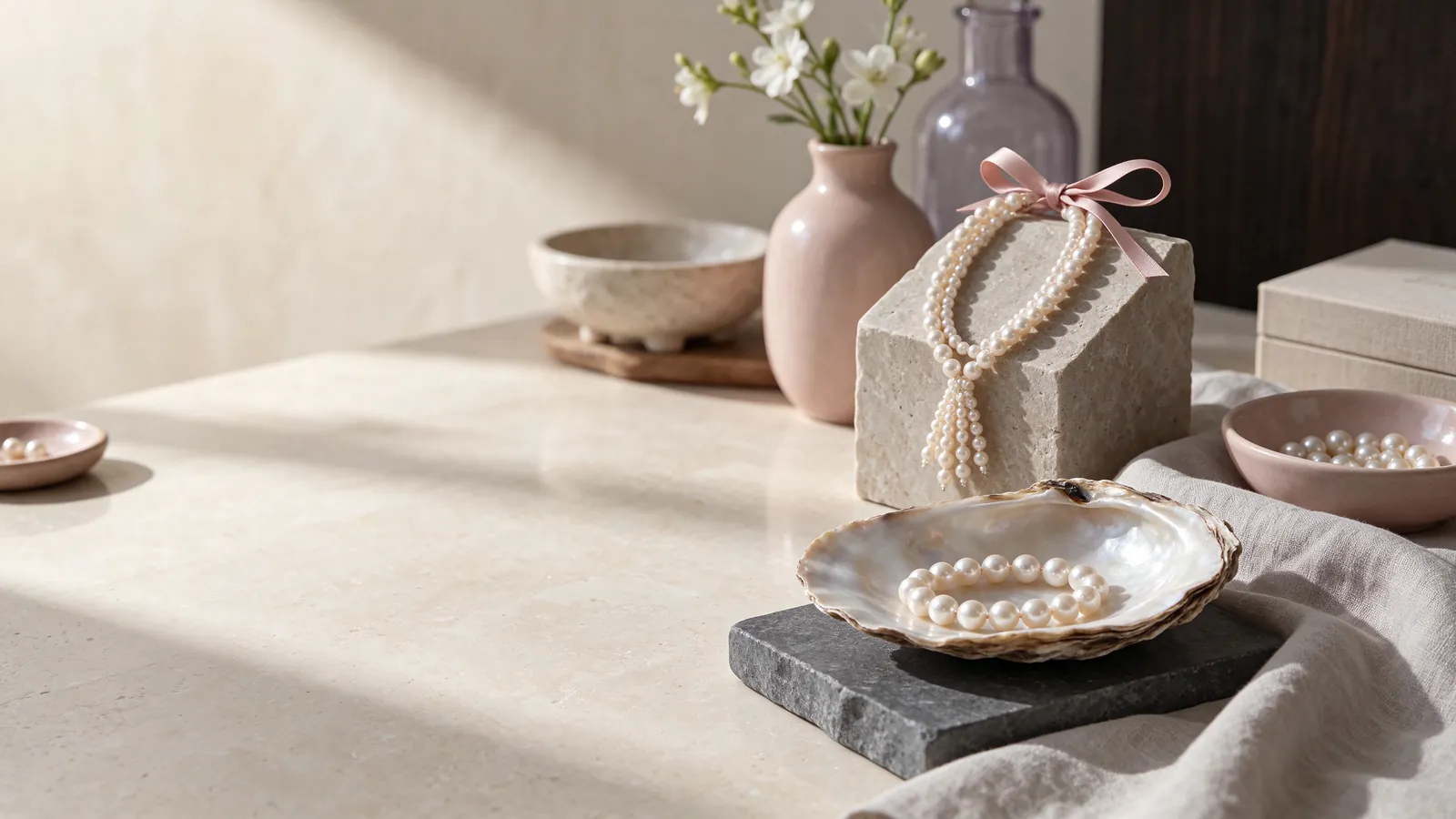
Turn your wearing history into useful design questions
Prepare three kinds of information: previous wearing experiences, the clothing and accessories you use regularly, and the pearl silhouette you enjoy. An older comfortable pair can help explain a fastening or position, but similar appearance does not establish identical materials. Saying that a back presses against the lobe or a drop catches a collar gives a clearer design brief than asking for the most comfortable earrings.
For a gift, first find out whether the recipient uses piercings, which fastening they prefer and whether they wish to share any established contact needs. Clothing colour does not reveal personal metal suitability. If those details are unknown, discuss the visual direction first and allow the wearer to participate in component choices. Do not present jewellery as something that will improve sensitive ears.
Discuss style and component details together
For customisation discussions with Flint Jewellery, describe a close-to-lobe or drop preference, the desired metal colour, your back-handling habits and any known contact requirements. Then ask about posts and backs individually. That keeps the conversation grounded in everyday use and design, rather than allowing a single hypoallergenic adjective to stand in for the whole selection process. Contact Flint Jewellery on WhatsApp at +85260106207 to discuss earring designs and the metal options above, starting with your preferred silhouette and everyday wearing needs.
| Feature | Question to ask | Wearing observation | Styling consideration | What it cannot establish |
|---|---|---|---|---|
| Post and front setting | Materials of each contact component | Where the front sits against the lobe | Outline with hair tied back | Metal colour does not establish suitability |
| Back | Fastening method and post compatibility | Pressure or an edge against the lobe | Ease of putting on and removing | Tighter does not automatically mean better |
| Balance and proportion | Construction of the complete pair | Forward tilt or movement | Space around collars and glasses | Size is not an allergy rating |
| Non-pierced structure | Position and contact surfaces | Fastening pressure and headphone clearance | Worn alone or lightly layered | No piercing does not mean no contact risk |
| Care | Appropriate methods for each component | Gentle wiping and separate storage | Avoid fragrance and hair spray contact | Cleaning is not allergy treatment |
Pearl knowledge and authoritative references
GIA lists pearl at 2.5 on the Mohs hardness scale and advises against ultrasonic or steam cleaning. The number informs pearl care, not the likelihood of an ear reaction.
Read the reference for this factFrequently asked questions
Does discomfort in only one ear rule out a metal allergy?
No. A difference between ears does not confirm or exclude an allergy. Back position, tilt and everyday contact may also differ. Describe the location of discomfort and seek healthcare advice for persistent or significant symptoms rather than using the two ears as a self-test.
Can I rely on a metal colour I have worn comfortably before?
Your experience is useful for discussion, but matching colour does not establish matching posts, backs or settings. Ask about the new pair's individual contact components instead of selecting solely by its appearance.
Can this guide tell me when to change earrings after a new piercing?
No. It covers design selection and jewellery contact, not healing schedules. Follow healthcare guidance for a new or healing piercing; ordinary pearl earrings should not be treated as piercing-care equipment.
Can a photograph confirm whether a back will suit sensitive ears?
It can show shape and approximate placement, but not personal suitability or all material details. Ask separately about components that are unclear. Pearl lustre and surface appearance do not establish a low-allergy property.
Should I choose a gift's metal before its style?
Start with the recipient's known contact needs and whether they use piercings, then explore style together. If they prefer not to share health information, discuss outlines and fastening preferences and leave component decisions to the wearer.
Updated: