
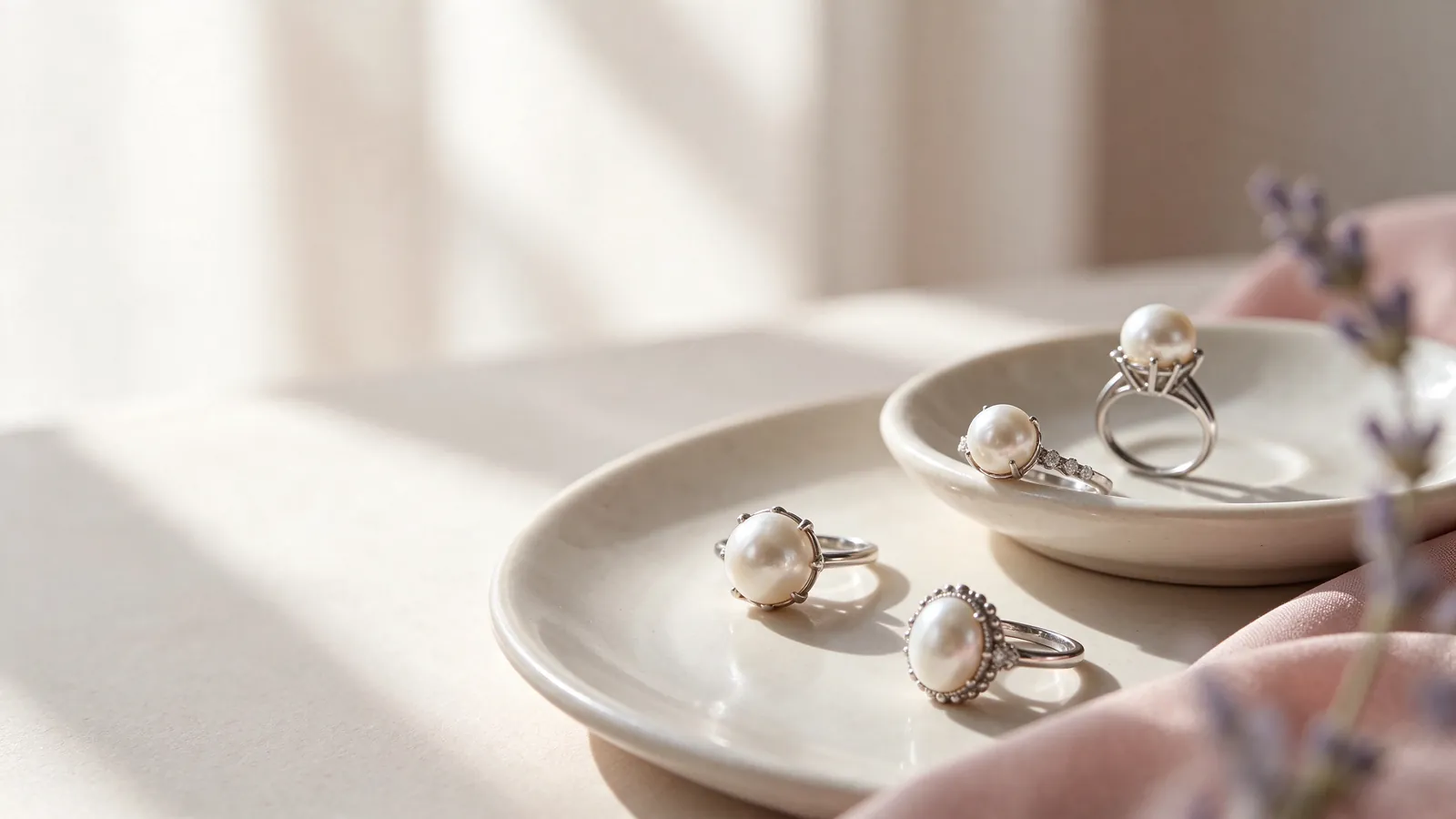
How should a pearl charm ring, dangling pearl ring or dangle pearl ring fit into your daily routine?
A suspended pearl changes position as your hand changes direction. That moving accent is the point of this style, but it also makes a still photograph an incomplete guide to wearing it. Start by deciding when you would enjoy the movement: at dinner, during social occasions or through part of a working day. When comparing pearl rings Hong Kong, distinguish an interest in the pearl itself from an interest in a ring's moving silhouette.
Think about ordinary gestures rather than a general promise of everyday suitability. Holding a phone, reaching into a handbag and turning a page place your fingers in different positions. Notice whether the charm shifts towards the gap between fingers or touches a desk when your hand rests. A design that feels pleasant with an open hand may behave differently when you grip something, so give both positions attention.
When trying a pearl charm ring, dangling pearl ring or dangle pearl ring, what should you check for clearance?
Let your arm hang naturally, then slowly bend and straighten your fingers. Look for repeated contact with the neighbouring finger, band or cuff, and notice any pinching. Do not shake your hand forcefully to demonstrate the swing. Comfortable clearance matters more than creating the largest possible movement for a photograph.
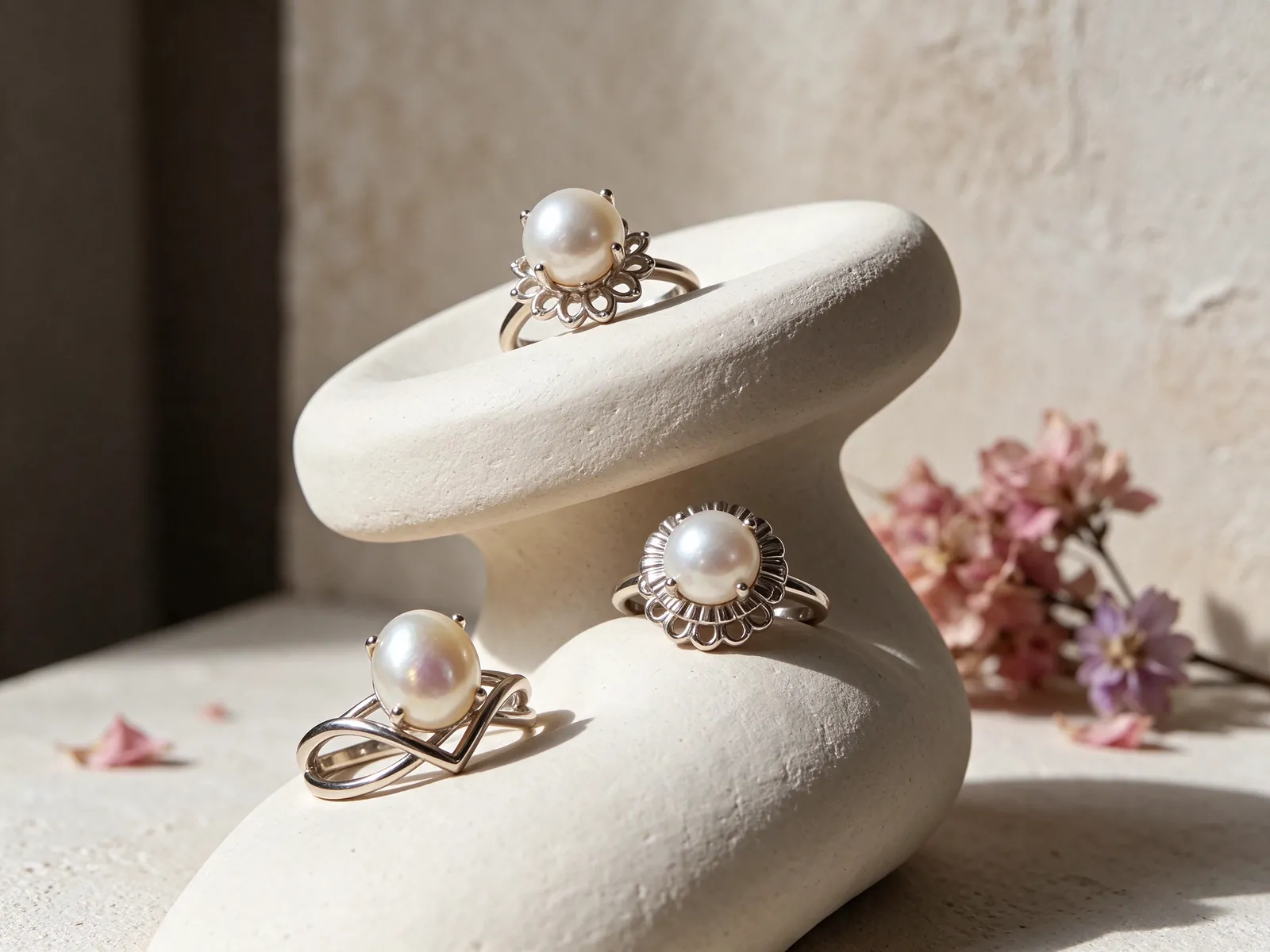
Understand where movement happens in the connection
Follow the design visually from the band to the suspended detail and then to the pearl's support. Identify which elements appear fixed and where the intended movement takes place. The connection's position can affect how the charm rests against your hand. A side view may explain this more clearly than a front view, especially when the fingers are bent rather than extended for display.
Length alone does not explain behaviour. A shorter drop positioned near a finger gap can still touch skin, while a different attachment position may change the direction of movement. Observe the actual ring rather than assigning comfort from a style name. If the pearl repeatedly meets another metal part, note the gesture that causes it; do not twist a connecting loop to redirect the charm yourself.
Separate an intended swing from a new change in stability
A moving joint and unexpected looseness at the pearl's support are not the same thing. If you notice a new gap, distortion or unfamiliar movement, stop wearing the piece and seek a jewellery professional's assessment. Pulling the pearl or levering a small component with a fingernail is not a useful home test.
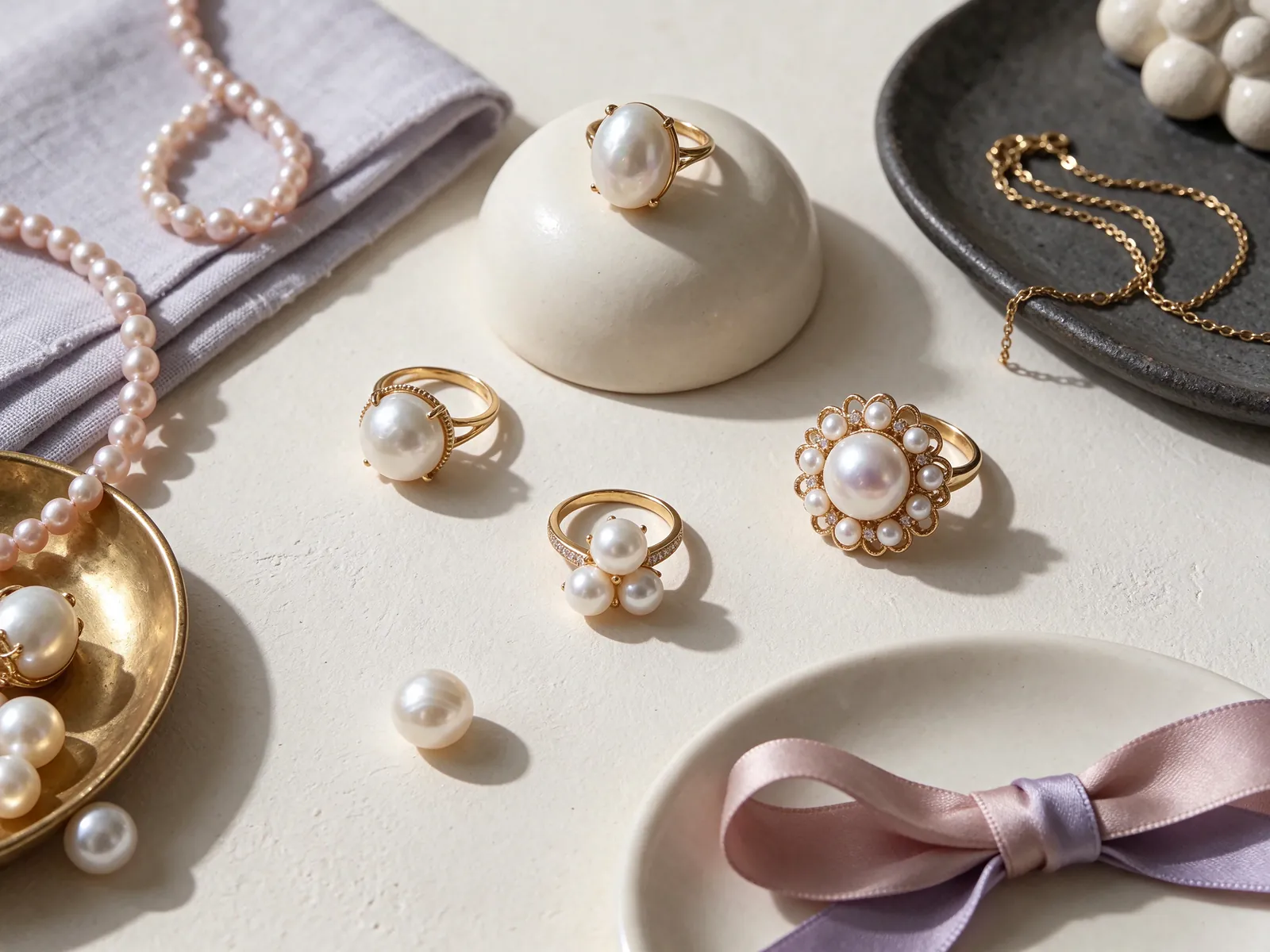
Assess the band fit before judging the drop
If the band rotates continually, the charm's resting position also changes, making a fitting difficult to interpret. First check whether the band stays where you expect it to sit without uncomfortable pressure. Then assess the moving detail. A tighter ring is not automatically a better solution: restricting the finger to control rotation can replace one discomfort with another rather than resolve the design's clearance.
Comparing an open pearl ring can help you think about different outlines, but an open appearance does not establish that a ring can be adjusted at home. Likewise, a pearl pinky ring should be assessed on the intended little finger rather than treated as a smaller version of a fitting on another finger. The neighbouring space, outer hand position and your usual grip all change.
Describe fit with gestures as well as a size
Record the hand and finger you intend to use, whether the band turns sideways, and what happens while holding a pen. Mention if your fingers feel different from their usual state. A size alone cannot describe band width, inner shape and charm position; these observations make a discussion of preferences much more precise.
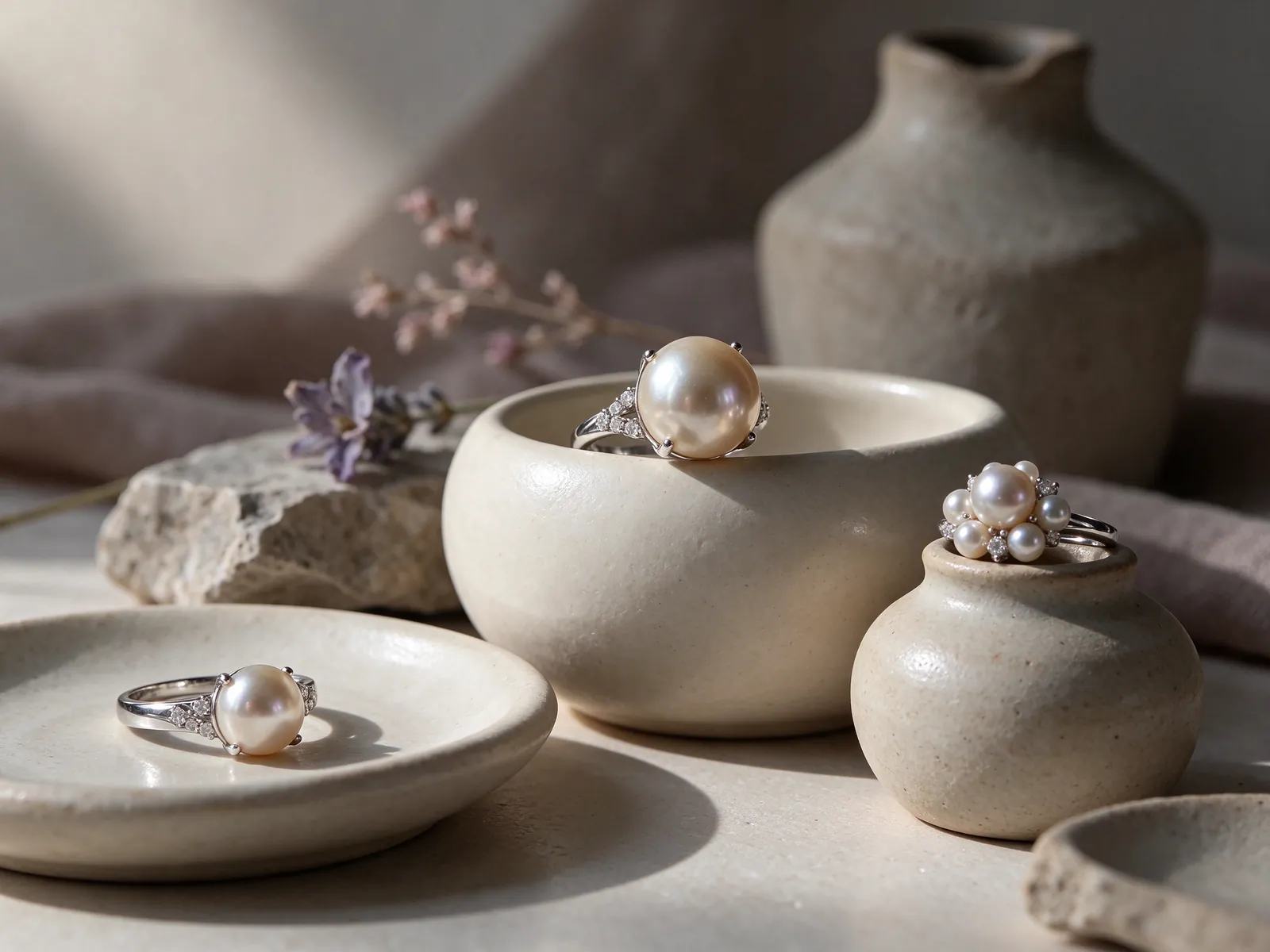
Look at the pearl at rest as well as in changing light
Movement makes reflected light change, but the brightest instant should not be your only basis for comparing pearls. Begin with a still view in gentle light, then turn your hand slowly. Observe the clarity of reflections and visible surface features from more than the upward-facing side. A suspended detail may rotate, so the less prominent side deserves attention too.
GIA describes seven pearl value factors: size, shape, colour, lustre, surface quality, nacre quality and, for multi-pearl jewellery, matching. They provide a useful vocabulary for discussing appearance without reducing a pearl to a single label. Neither shape nor colour alone establishes origin or natural-versus-cultured identity. For a single charm, consider its individual appearance; when wearing other pearl jewellery, consider how the pieces relate without expecting identical colour in every light.
Use shape to discuss style, not to infer pearl identity
A rounded, elongated or irregular outline can suggest a different visual rhythm. Decide whether you prefer balance, a flowing line or a more individual silhouette, then check how it rests on your hand. Questions about pearl identity or treatment should be answered through the description and relevant documentation for that pearl, not through an assumption based on its outline.
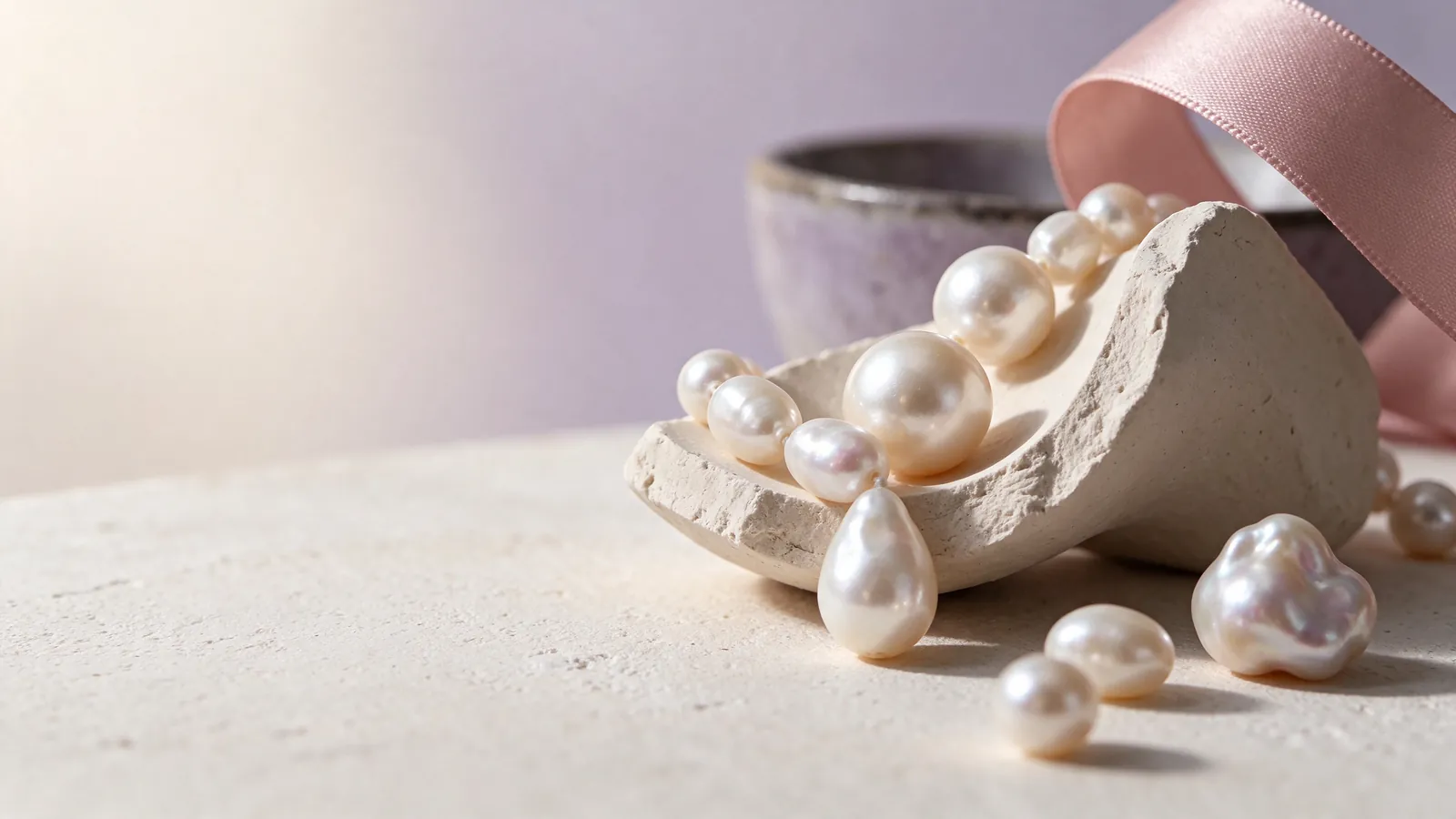
Give the moving detail room within your jewellery styling
Try the ring on its own before adding neighbouring rings. This helps you see the charm's normal path rather than confusing contact with another piece for a feature of the design. Even slender bands can meet a pearl when the fingers curl. Leaving an uncluttered space can support both the visual focus and the practical movement; matching metal colours is not enough to establish that pieces work together.
A pearl flower ring offers another way to explore decorative outlines, while a pearl tiara ring invites a comparison of an upward-reaching silhouette. Consider where each style places its focal point and how that relates to your clothing. These are comparisons of design preferences, not reasons to assume every ring can be stacked with a moving charm. Test the actual combination with relaxed and bent fingers.
Bring your usual cuff into the fitting
Try the movements of putting on a jacket and reaching past a shirt cuff. Knitwear, lace and looped fabrics deserve close observation for catching. If a sleeve catches, pause and gently release the fabric rather than pulling your hand away. An outfit test is more informative than imagining the ring only with bare arms.
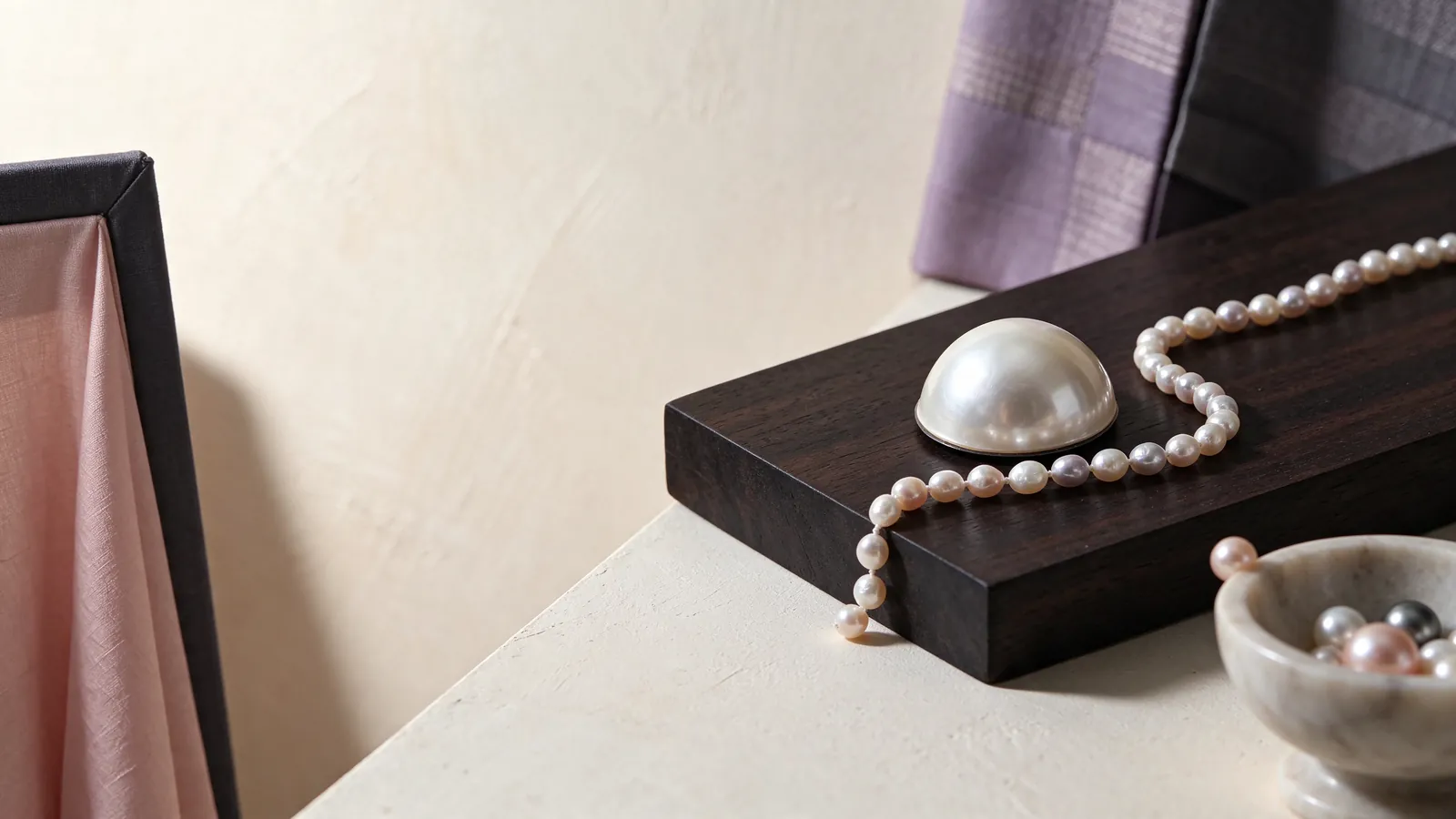
Choose wearing occasions around contact and hand use
The demands of typing, lifting bags, exercising and housework differ from those of sitting at a meal. Plan to remove a pearl ring for activities involving repeated hard contact, cleaning substances or forceful gripping. A substantial-looking band does not remove the need to care for the pearl and small connections. The practical question is what the piece will touch during your activity, not whether it looks delicate or bold.
If you prefer a visually steady focal point, the design ideas behind a pearl signet ring may be worth comparing. Its name alone still cannot establish durability; the actual construction matters. A charm ring's appeal is movement, which asks you to pay attention to the surrounding space. Choosing occasions that suit this characteristic is more realistic than expecting one outline to accommodate every task.
Read the hardness figure as a care reminder
GIA lists pearl at 2.5 on the Mohs hardness scale. This concerns resistance to scratching; it does not specify safe wearing hours or guarantee the impact resistance of a whole ring. For a suspended pearl, avoid repeated rubbing against other jewellery, metal details or a hard table edge.
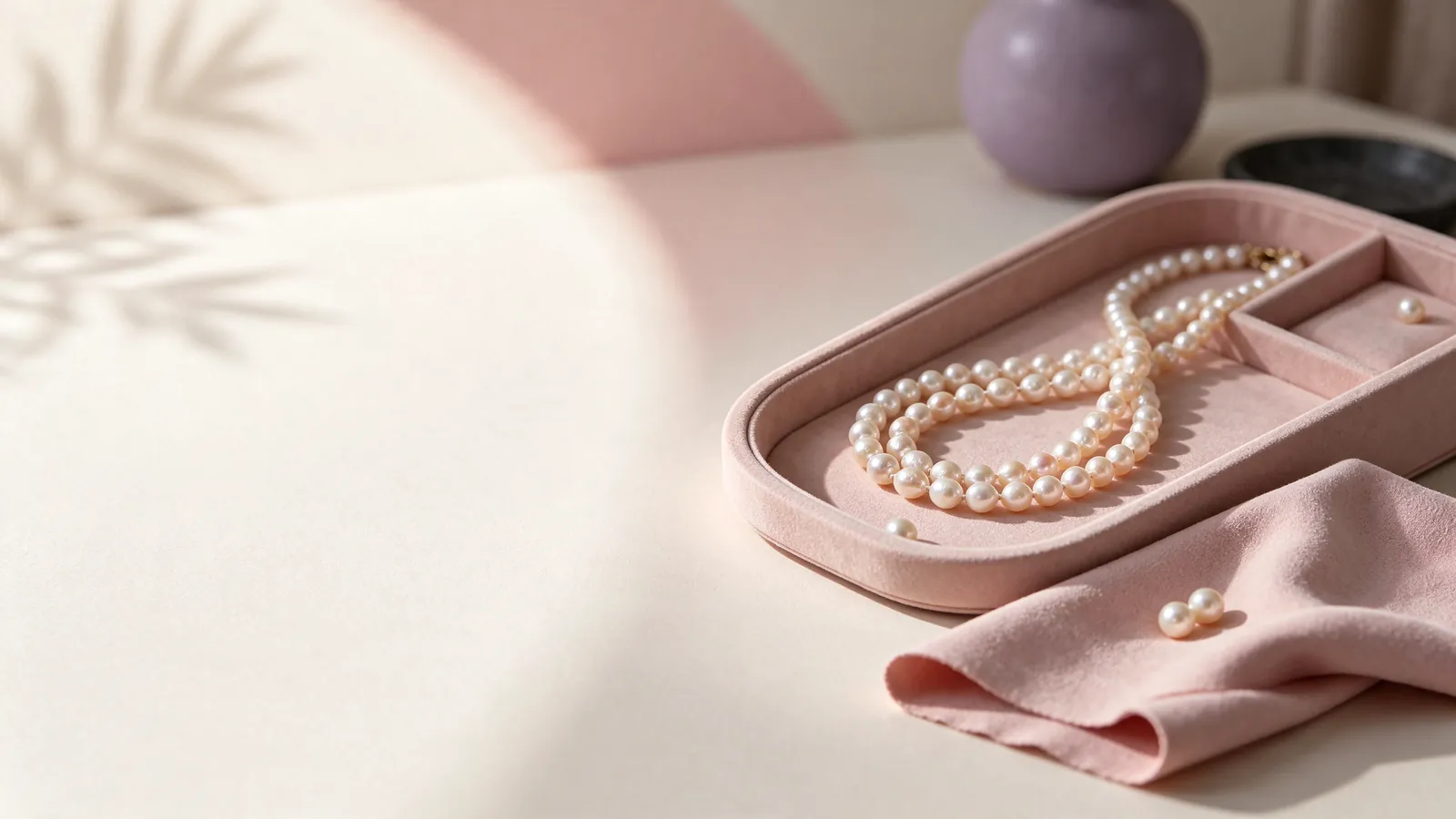
Care gently and explain your preferences clearly
After wearing, use a very soft, clean cloth gently on the pearl. GIA advises avoiding acids, perfume, hair spray and excessive heat, and says pearls should never be cleaned with ultrasonic or steam cleaners. Do not hook the cloth through a moving connection and pull it back and forth. If dirt is trapped in a narrow space, ask a jewellery professional about care for the complete piece.
Store the ring separately from other jewellery so that the pearl is not pressed against harder objects. Let the charm rest naturally rather than trapping it beneath a heavy item. Before wearing, notice changes in the pearl's support or connecting parts. A freshly wiped surface can look bright without telling you whether the attachment is secure; appearance and structural condition are different questions.
Turn a style discussion into specific wearing preferences
When discussing preferences with Flint Jewellery, explain your intended finger, usual sleeves and whether you wear another ring nearby. Describe a gesture that caused contact during a fitting, or whether you prefer a concentrated accent or a freer moving line. These details bring style and practical use into the same conversation without relying only on words such as light or playful. Discuss the movement you enjoy and your wearing routine with Flint Jewellery on WhatsApp, or call +85260106207.
| Check | What to try | Comfort focus | Styling consideration | Avoid at home |
|---|---|---|---|---|
| Natural drop | Relax the arm, then turn the hand | No repeated pinching beside the finger | Notice front and side positions | Pulling the charm longer |
| Band position | Bend fingers and hold a pen | Stability without pressure | Use the intended finger | Forcing a tight fit to stop rotation |
| Connection | Observe during gentle movement | Distinguish swing from new looseness | Keep other rings clear of the joint | Twisting connecting loops |
| Cuff contact | Reach past a usual sleeve | No repeated catching | Check knitwear and lace | Pulling away from caught fabric |
| Pearl care | Wipe gently after wearing | Reduce rubbing against hard objects | Store separately from other jewellery | Ultrasonic or steam cleaning |
Pearl knowledge and authoritative references
GIA lists pearl at 2.5 on the Mohs hardness scale. This helps explain surface-care needs, not a guarantee of impact resistance or a permitted number of wearing hours.
Read the reference for this factFrequently asked questions
Does a dangling pearl ring mean a necklace pendant?
Here it means a moving pearl detail attached to a ring worn on a finger. A necklace pendant rests elsewhere on the body and requires a different assessment of length, movement and clothing contact.
Is a larger swing always more comfortable?
No. Comfort depends on the charm's path, the space beside neighbouring fingers and the band position. A large swing that repeatedly touches skin or catches a cuff may be less suitable for your routine.
Can I choose the size using a fixed-pearl ring I already own?
It can inform a discussion, but it does not replace fitting this design. Band shape and width, your chosen finger and the moving detail's resting position all influence the wearing experience.
Can I wear the charm ring beside a wedding band?
Assess the actual pair with relaxed and bent fingers. Check whether the pearl or its connection rubs against the other band. Similar colours or a slim appearance do not establish enough clearance.
What should I do after the charm catches on a sleeve?
Pause and gently free the fabric. Look for a new gap, distortion or unfamiliar looseness, and stop wearing the ring if anything seems changed. Seek professional assessment rather than pulling or tightening components yourself.
Updated: