
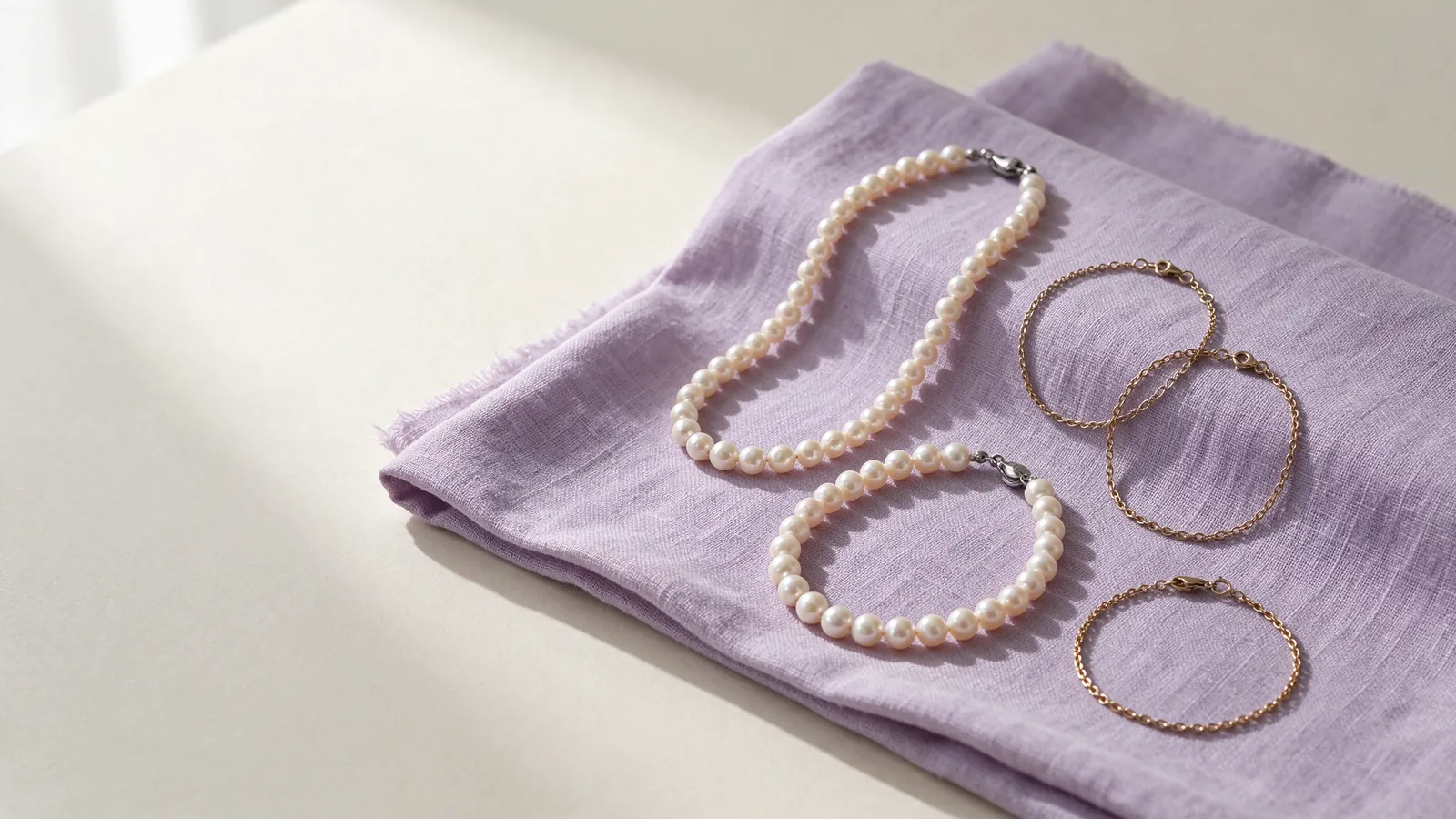
How should a multi strand pearl bracelet fit when you compare a double strand pearl bracelet with another multi row pearl bracelet design?
Begin with the intended wearing position. A wrist narrows and widens along its contour, so the spot beside the wrist bone may feel different from a position farther up the arm. Use a flexible tape without squeezing the skin and note exactly where you measured. A bracelet's end-to-end length does not describe its closed inner space. Explore the pearl bracelet guide if you want to compare broader style categories before concentrating on a layered fit.
When you try a double strand pearl bracelet, check where each row lands rather than treating the pair as one line. A broader arrangement may span areas with different contours. Pearl thickness and clasp shape also influence the space available. Avoid choosing a universal amount to add to your measurement: the better test is whether the actual bracelet allows your usual movements without an edge pressing into the hand or forearm.
Trying a multi strand pearl bracelet: checking clasp position and wrist movement in a double strand pearl bracelet or another multi row pearl bracelet design
Rotate your hand, rest it on a desk and imitate reaching for a bag. Watch the clasp as well as the front of the bracelet. Does it settle on a pressure point? Does one strand tighten while the others droop? These observations separate uneven row behavior from a simple overall length issue, which matters before deciding what fit change might help.
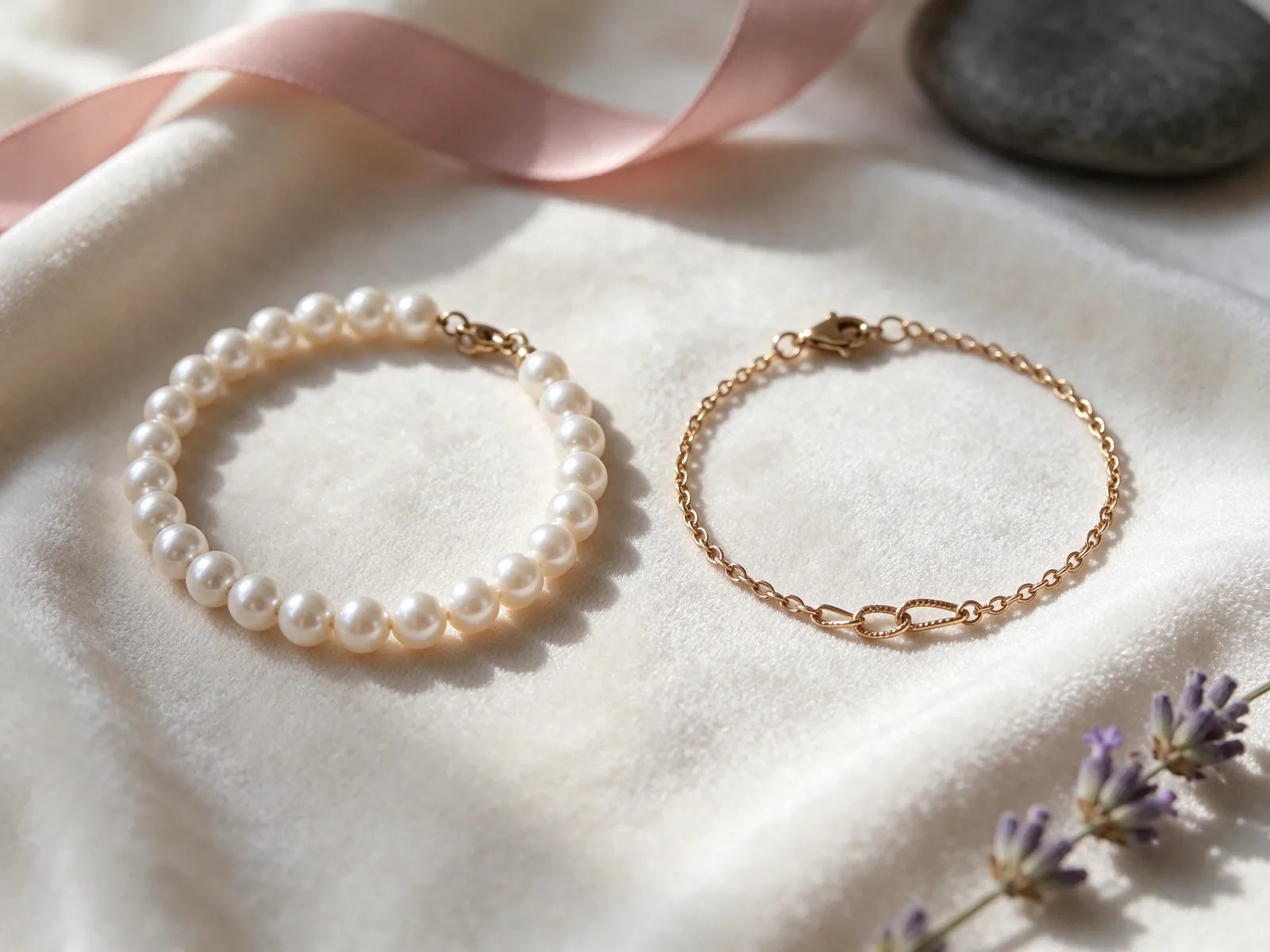
Understand the difference between rows, drape and a stack
The row count tells you only part of the story. Close spacing may create a continuous band, while a more open arrangement leaves visible skin between the strands. Their connections influence whether the outline stays organized or falls softly. Compare a pearl strand bracelet with a layered silhouette at the same angle. That comparison helps you identify whether you prefer a delicate line, broader coverage or a noticeable rhythm across the wrist.
Several independent bracelets are not the same construction as one multi row pearl bracelet. In a stack, each piece has its own clasp and can move separately. In a layered piece, the connections organize the strands together. Before judging the look, untwist and lay out the rows naturally. If your favorite feature is open space rather than a pearl band, consider how a pearl station bracelet uses intervals to create a different kind of visual movement.
Compare one design variable at a time
Hold the sleeve, wrist position or viewing angle constant while comparing arrangements. If pearl size, color and row spacing all change at once, it becomes harder to explain what you like. Note the front coverage and the open area along each edge. A description such as a light outline with clear separation is more informative than asking for more rows.
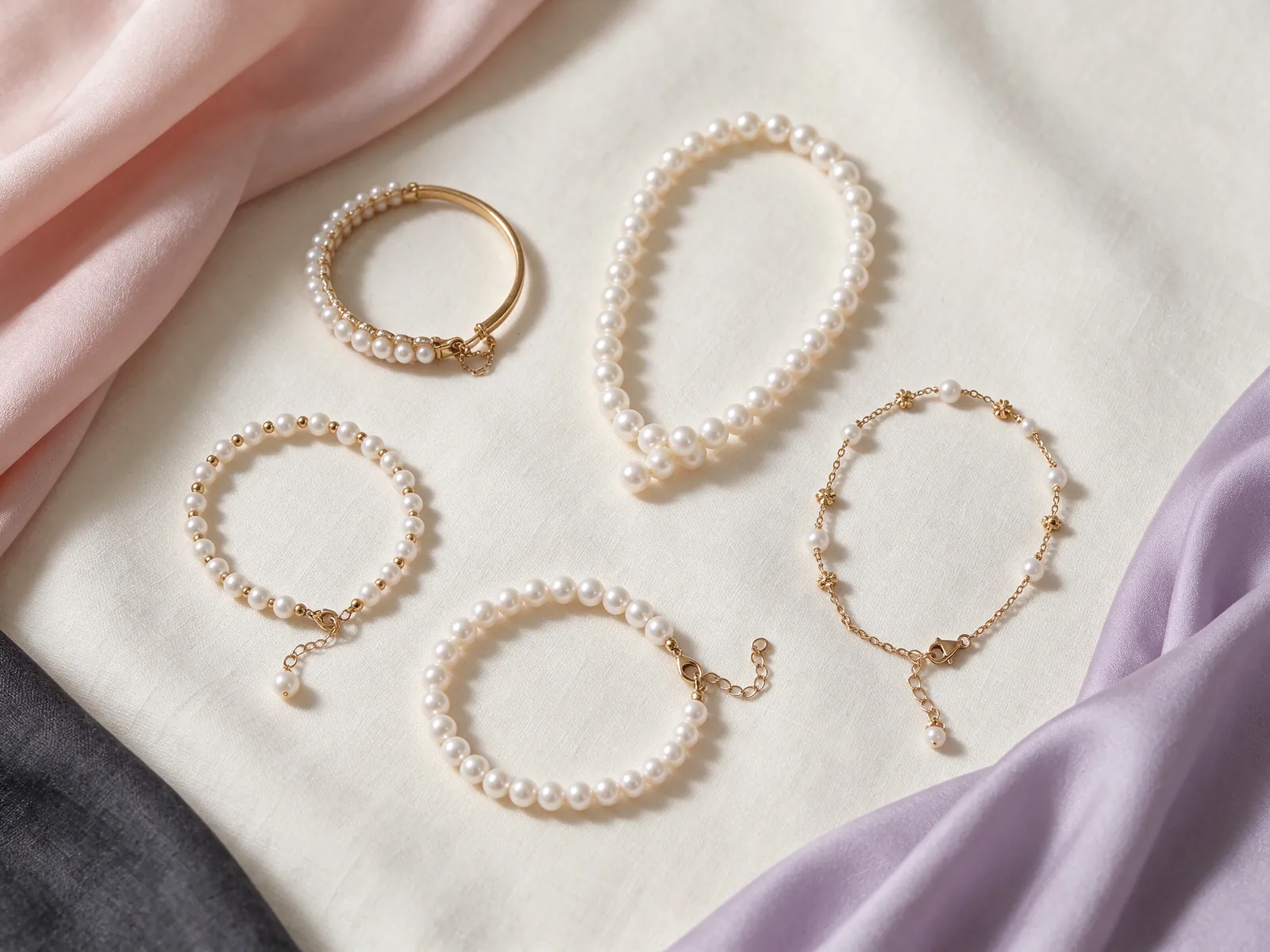
Check the clasp in the way you will actually use it
A clasp joins the rows as well as closing the bracelet. Look for how naturally the ends meet and whether the strands gather sharply or lift beside the connection. Then consider where the clasp sits when your wrist rests on a surface. Neither a smaller decorative clasp nor a wider one guarantees easier operation. Test whether you can see the opening direction and hold it with your own fingers without pulling on the pearls.
Put the bracelet on with its rows arranged and the ends facing correctly. When removing it, handle the clasp rather than tugging one strand. If you routinely get dressed on your own, the ability to operate the fastening independently deserves attention alongside its appearance. Describe any difficult finger action directly during a design conversation; an attractive clasp shape is not a substitute for understanding how you need to use it.
Identify what causes the front to shift
Movement around the wrist can involve weight distribution, crossed rows or the chosen wearing position, not just excessive length. Arrange the strands again and observe whether the same shift returns. Record its direction and the activity that prompts it. If a bracelet already feels tight when closed, do not force it around your wrist merely to reposition the decorative front.
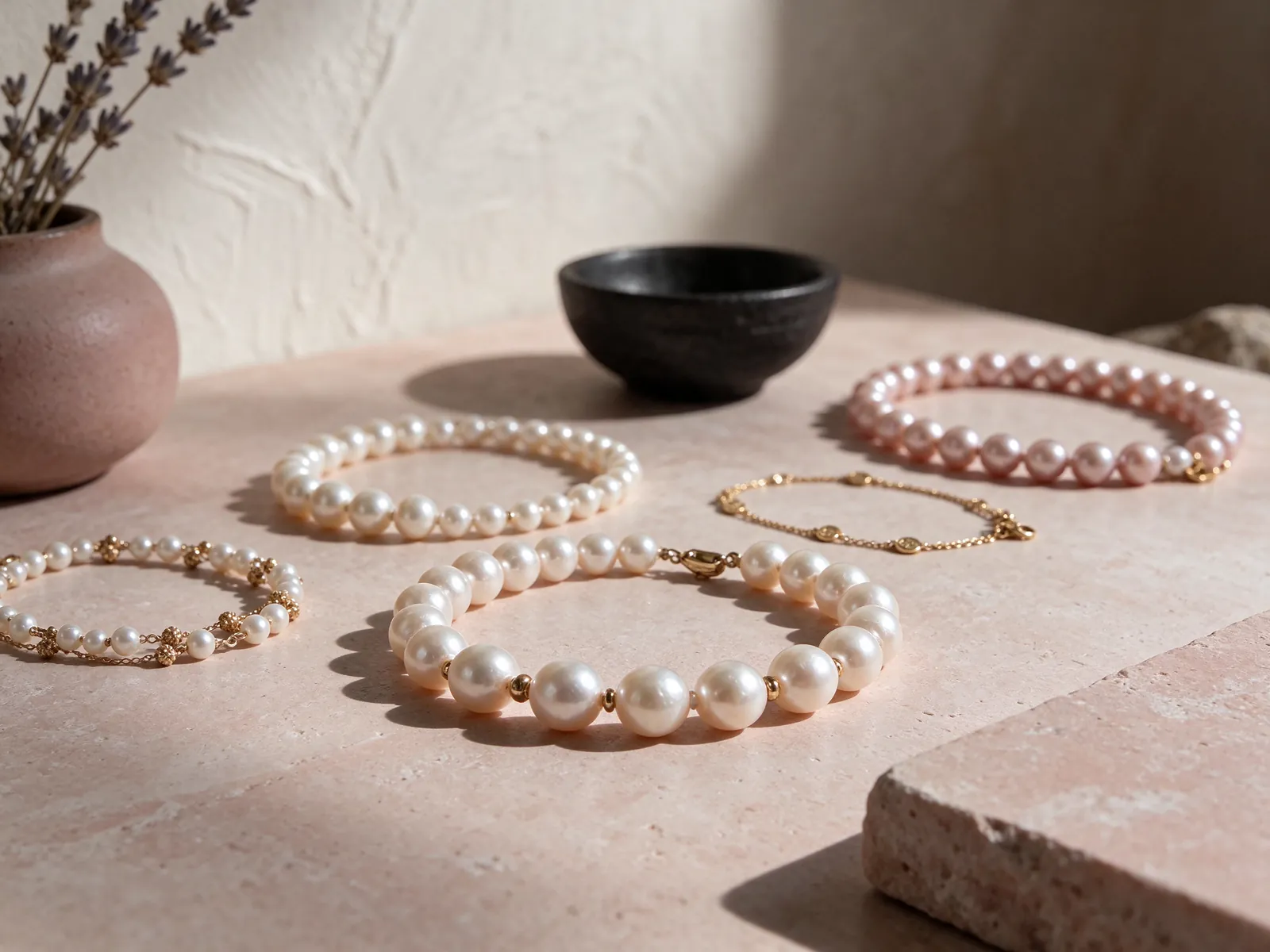
Evaluate the pearls together, not as isolated highlights
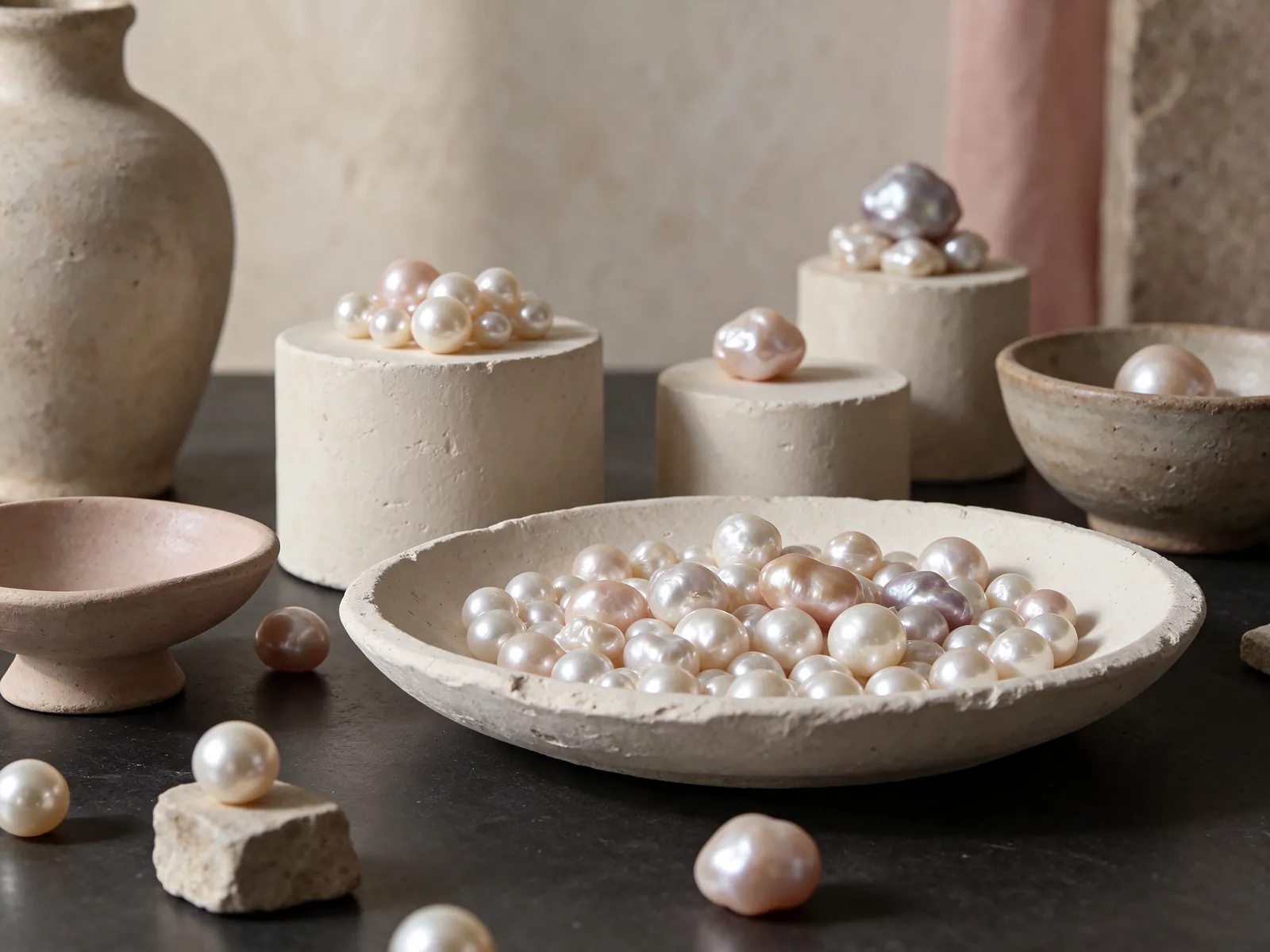
A layered design puts neighboring pearls into immediate comparison. GIA lists seven pearl value factors: size, shape, color, luster, surface quality, nacre quality and matching. Matching is useful for understanding how a collection of pearls works visually. You might prefer consistent lines or intentional variation, but either choice requires looking across the arrangement. The most reflective pearl in a close-up cannot tell you whether the rows create the overall effect you enjoy.
View the entire bracelet, then examine smaller groups in gentle light. Bodycolor, overtone and orient are separate color components; not every pearl has all three. Clothing reflections and warm lighting can also alter the impression in a picture. Explain whether you want even color, gradual change or a soft contrast between strands. Appearance alone does not establish a pearl's origin or natural-versus-cultured identity, so keep styling preferences separate from those questions.
Follow the rhythm in both directions
Look along each row from the clasp toward the center, then move your attention across neighboring strands. Notice any pearl that abruptly interrupts the rhythm. A preference for variation may focus on how differences are distributed; a preference for uniformity may emphasize continuity of shape and luster. Those observations explain your taste more clearly than an undefined grade.
Style the wrist around real sleeves and accessories
Bring a familiar shirt or jacket into the comparison. A fitted cuff can push broad rows toward the hand, and a knit sleeve may touch a projecting clasp. Reach forward and bend your elbow to see what changes. If the cuff continually crowds the bracelet, consider the outfit and wearing position together. A piece that looks balanced with an exposed wrist may behave quite differently underneath a sleeve.
A watch on the other wrist gives the pearl arrangement more uninterrupted space and reduces direct contact between the pieces. If you like them together, check whether hard edges touch the pearls and whether the clasps compete for the same position. For a different wrist focal point, compare a flower pearl bracelet: a concentrated motif and a continuous set of rows can lead to quite different choices for accompanying earrings or a necklace.
Let the outfit determine the amount of detail
A simple daytime outfit can give a layered wrist piece room to stand out without additional bracelets. With evening clothing, first assess the fabric and sleeve decoration. A detailed cuff may already supply visual texture. Rows do not automatically make an outfit formal; exposed skin, garment shape and the scale of the other accessories all change the result.
Handle each strand gently during wear and cleaning
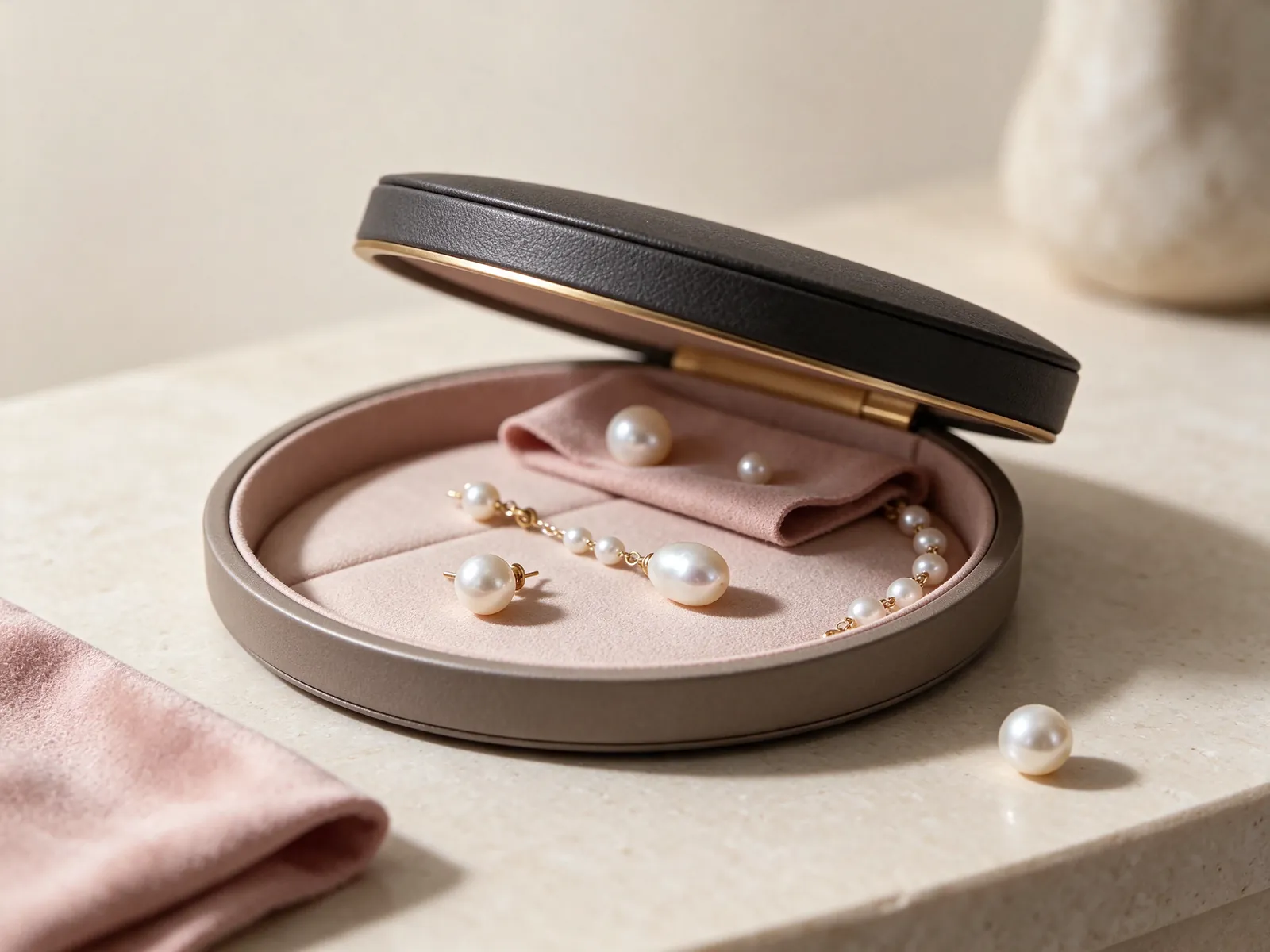
Pearls spend time near sleeves, desks and everyday objects. GIA gives pearl a Mohs hardness of 2.5 and states that ultrasonic and steam cleaners should never be used. The hardness figure is not a lifespan estimate or an impact limit for a finished bracelet. In everyday terms, avoid rubbing the pearls against hard surfaces and remove the piece for chores or exercise that could repeatedly pull or press the strands.
Use a very soft, clean cloth after wearing and wipe each row gently, including areas partly covered by another strand. Do not stretch the connections to reach a narrow space. Keep pearls away from acids, perfume, hair spray and excessive heat, and store them apart from jewelry that could scratch them. When strung pearls are cleaned with water, GIA advises allowing the string to become completely dry before wearing again; surface dryness alone is not enough.
Respond to a change in alignment or closure
Take the bracelet off if a string becomes visibly loose, rows suddenly sit differently or the clasp no longer closes normally. Note whether the issue concerns one strand or the whole piece. Do not use glue, twisting or extra pulling to disguise it. Recording what changed and when you noticed it helps make the next conversation more specific.
Prepare preferences that describe both the look and your routine
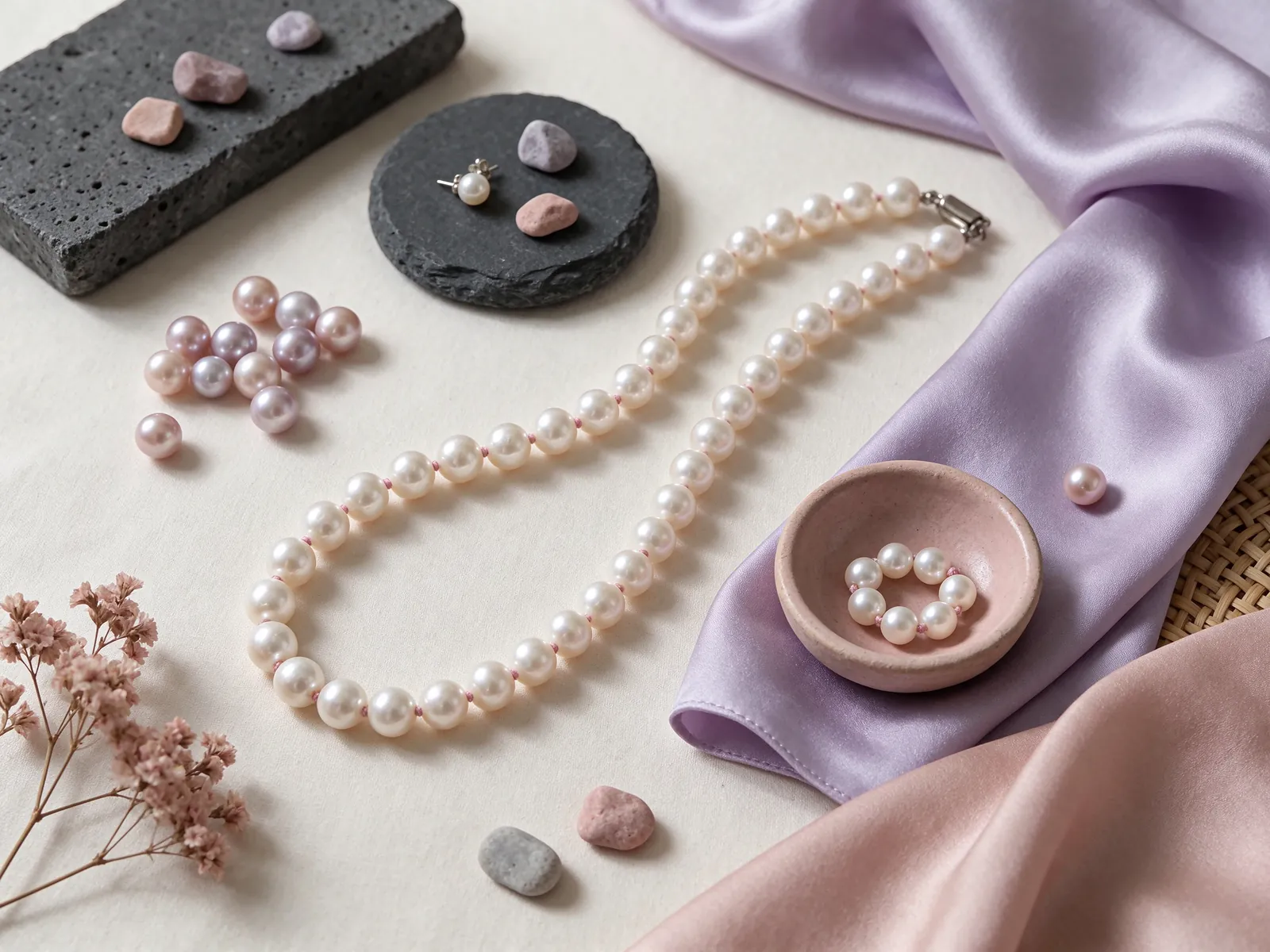
Write down your measurement method, intended wrist position and usual sleeve styles. Add the outline you prefer: clearly separated rows, a softer fall or an understated clasp. If your interest is a contrast between pearl areas and open space, a half chain pearl bracelet is a useful comparison. It can help distinguish a wish for varied texture from a wish for wider, continuous pearl coverage.
Review the earrings, rings and necklaces you already enjoy wearing. The Pearl Jewelry guide offers a broader context for considering how a bracelet fits into an outfit. You can describe your preferred luster, shape and color without assigning a pearl type or grade. In a WhatsApp discussion with Flint Jewelry, those observations and your normal hand movements provide a practical starting point for exploring design preferences rather than relying on one image alone.
Keep appearance and fitting observations separate
Make brief notes on front proportion, side width, wrist movement and clasp operation, then rank your priorities. A look you admire may interfere with a favorite sleeve. Seeing that trade-off clearly helps you decide what matters most without assuming all layered designs behave alike or choosing extra rows only because they appear more substantial. To explore those preferences further, contact Flint Jewelry on WhatsApp or call +85260106207 to discuss wrist fit, row arrangement and the sleeves you wear most.
| Where to look | Design feature | Fitting action | Styling question | What to note |
|---|---|---|---|---|
| Outer rows | Width across the wrist contour | Flex and straighten the wrist | Does the cuff have room? | Pressure at either edge |
| Strand arrangement | Spacing and crossed rows | Rotate the palm | Continuous band or open rhythm? | How naturally the rows settle |
| Clasp ends | Connection alignment | Fasten it independently | Quiet or prominent clasp? | Direction and ease of operation |
| Pearl groups | Color, shape and luster matching | View from another angle | Uniform or varied appearance? | Consistency of the visual rhythm |
| Surface contact | Proximity to hard edges | Imitate typing and reaching | Would the watch suit the other wrist? | Rubbing, compression or shifting |
Pearl knowledge and authoritative references
GIA names seven pearl value factors, including matching. Matching is particularly useful when considering the combined appearance of neighboring pearls in several rows.
Read the reference for this factFrequently asked questions
Do more rows necessarily create a wider bracelet?
Row count contributes to the outline, but pearl size, spacing and the way the strands gather also matter. Compare the overall width on the wrist rather than treating the number of rows as a complete dimension.
Why can a bracelet with the same flat length feel different?
The closed inner space depends on pearl thickness, clasp geometry and the arrangement of the rows. Measuring at the intended wrist position and testing actual movement is more useful than comparing end-to-end length alone.
Should all the pearls look identical across the rows?
That depends on the intended appearance. Uniformity and deliberate variation are different preferences. Look for a coherent rhythm across the whole arrangement and describe the color, shape and luster balance you enjoy.
Can a layered bracelet work with casual clothes?
Yes, the surrounding outfit changes its character. An exposed wrist and simple accessories can keep the focus clear. Check cuff contact and ordinary movement rather than assuming several rows are reserved for formal clothing.
What if just one strand becomes loose?
Stop wearing the bracelet and note the affected row and any change near its connection. Avoid pulling other strands, twisting the arrangement or applying glue. A localized change should not be treated automatically as an overall length problem.
Updated: