
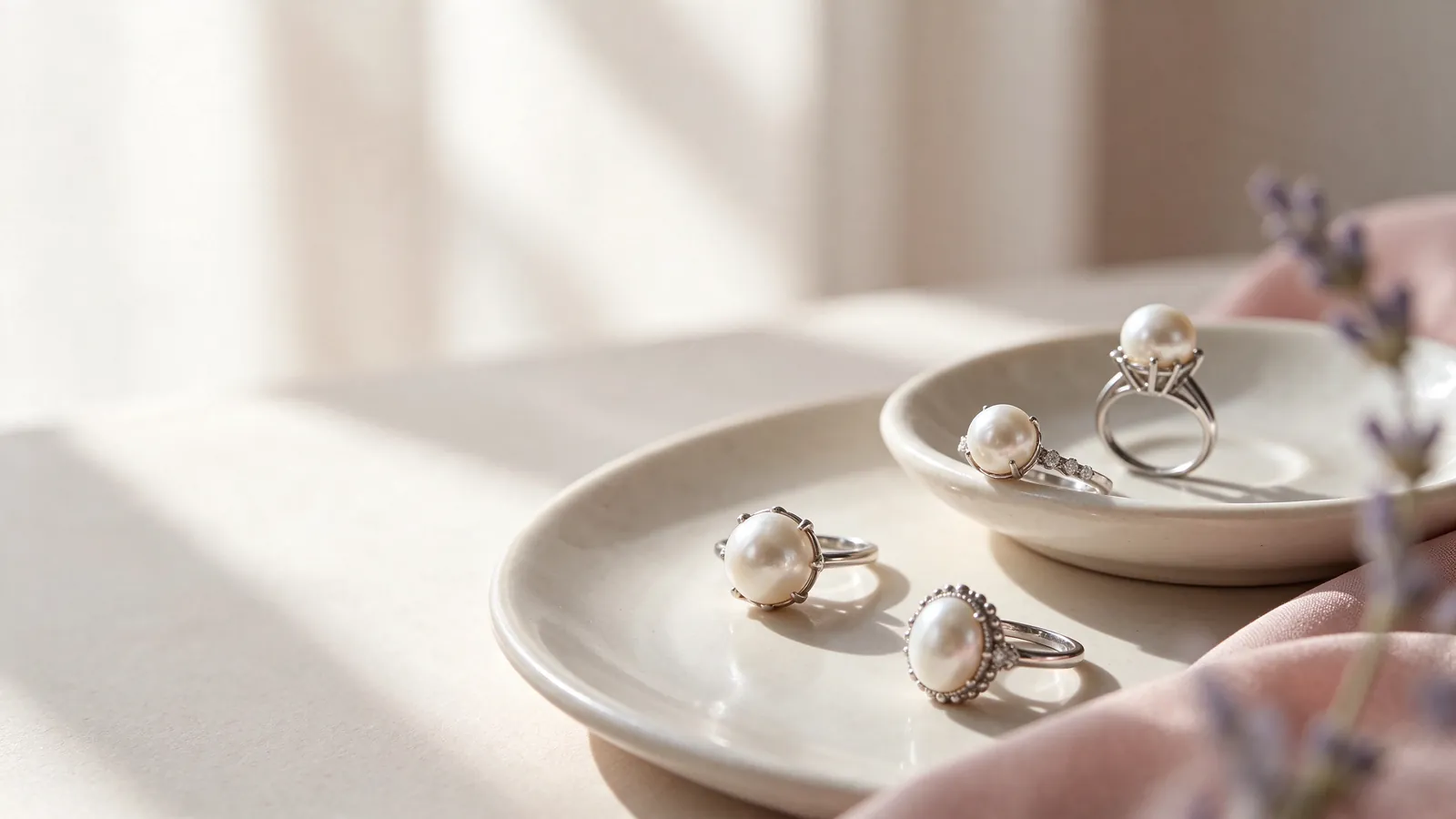
How do hand proportions and ring size shape the choice of a pearl cocktail ring, statement pearl ring or bold pearl ring?
Begin by looking at your entire hand, not an enlarged picture of the pearl. A design that spreads sideways creates a different emphasis from one that follows the finger length. Notice the visible space at the finger base and along each side of the setting. The broader pearl rings guide is a useful starting point for comparing structures before deciding how much visual presence you want from a focal ring.
A pearl cocktail ring can bring a deliberate accent to jeans and a plain top as well as an evening dress. The setting's lines and proportions help determine that mood. Decide which hand and finger you intend to use, then compare the outline there rather than relying on a rule about long or short fingers. A statement pearl ring or bold pearl ring is a personal styling choice, not a requirement to choose the largest-looking pearl.
When trying on a pearl cocktail ring, how can you assess movement and finger clearance in a statement pearl ring or bold pearl ring?
Relax your hand at your side, then gently bend and straighten the fingers. Watch for repeated turning and feel whether an edge presses into the next finger. Fit involves more than stopping all movement: the band must also pass the knuckle without creating persistent pressure. The weight distribution of the head and the band shape may influence rotation, so tightening alone is not always the right response.
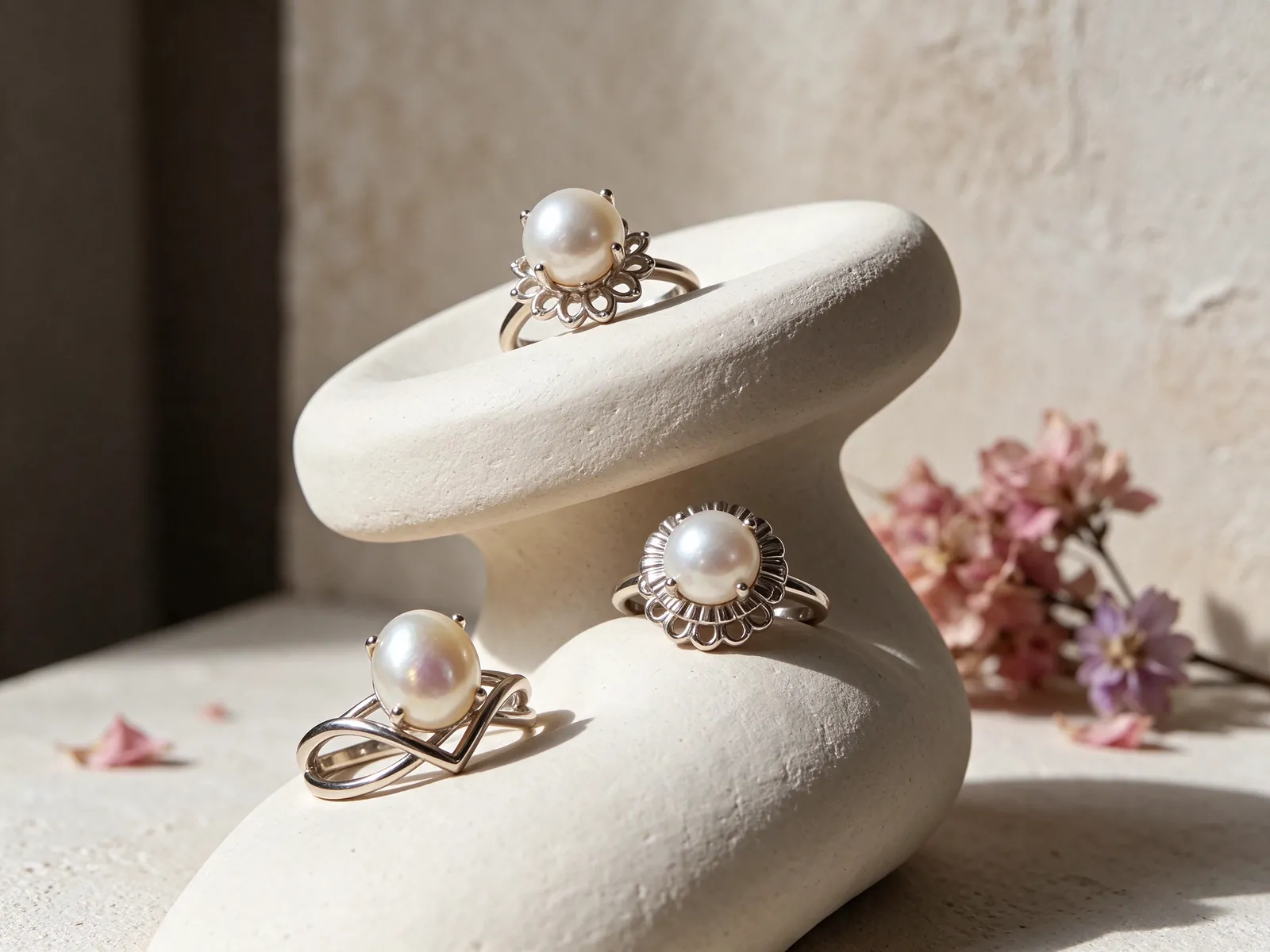
What makes the silhouette bold rather than simply bulky?
Look for the relationship between metal, pearl and open space. A broad outline with room around the focal point can read very differently from a dense cluster of decoration. If you like a graphic shape, compare the unified face discussed in the pearl signet ring guide. Pay attention to how the shoulders approach neighboring fingers, since the shape that looks strong from above also has to work when your hand closes.
A curved or asymmetrical line can create emphasis through direction instead of density. The crescent moon pearl ring guide offers another way to think about an arc and the space it frames. An opening toward the fingertip produces a different impression from a curve opening across the hand. Compare the front, side and angled view to decide whether the composition still appeals to you outside a posed photograph.
Which views are useful when gathering inspiration?
Save a whole-hand image for scale and a detailed image for the setting's lines. Close-up photography may enlarge the apparent pearl size while hiding profile height and band width. Similar hand positions and camera distances make comparisons more useful. A simple outline sketch can also explain what you like without assuming that every feature in the photograph belongs in your own design.
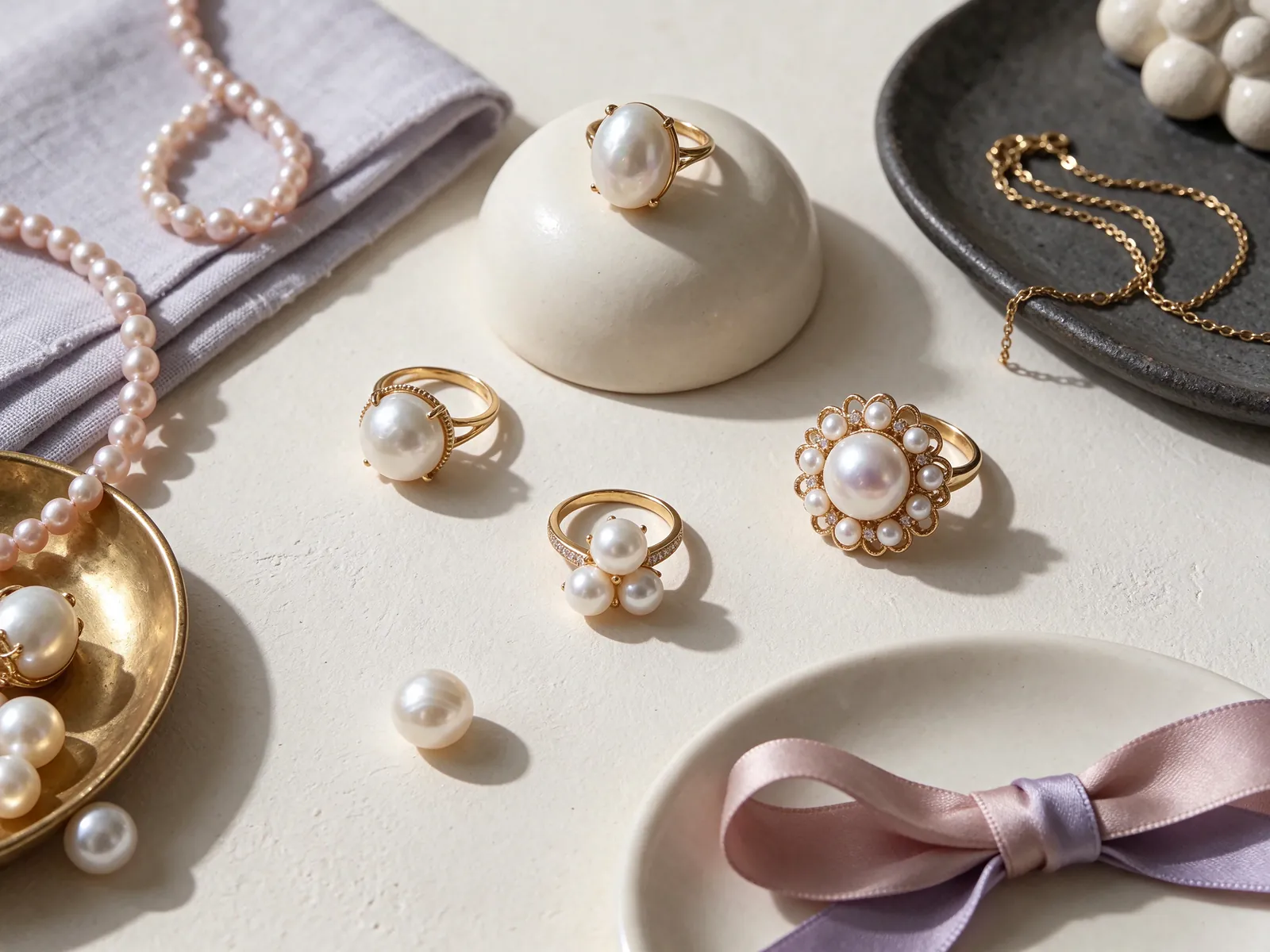
How do luster, surface and shape contribute to the focal point?
GIA identifies seven pearl quality factors: size, shape, color, luster, surface quality, nacre quality and matching. The list explains why a larger appearance does not answer every selection question. For a single-pearl ring, look at reflections, visible surface features and the overall form together. For a design using more than one pearl, consider how the pearls relate. This educational framework does not imply a grade or certification for a specific ring.
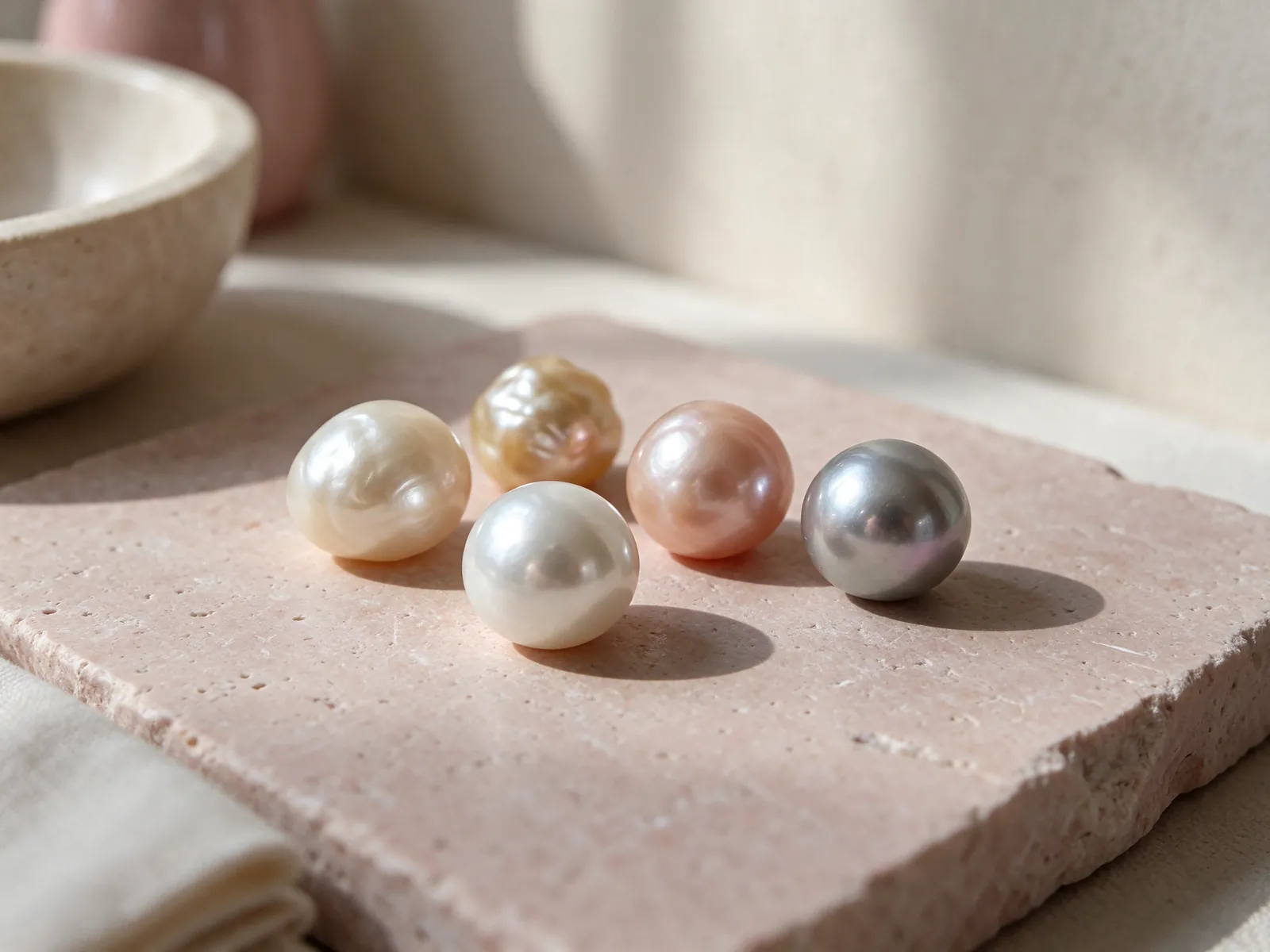
Start with gentle lighting and look from more than one angle. Strong photographic highlights can result from the lighting arrangement, so one bright spot is not enough to judge luster. Consider where visible surface features sit within the face you will see most often. Bodycolor, overtone and orient are separate color components, and not every pearl shows all three. Shape and color alone cannot identify origin or establish natural-versus-cultured status.
Can an uneven shape be an intentional design feature?
An irregular outline can establish a focal direction. Look at whether a projection reaches toward another finger and whether the metal follows the pearl's curve or contrasts with it. Decide which face you would enjoy seeing on your hand. An unusual silhouette is useful for discussing composition, but it should not be treated as evidence of pearl species, provenance or a particular value level.
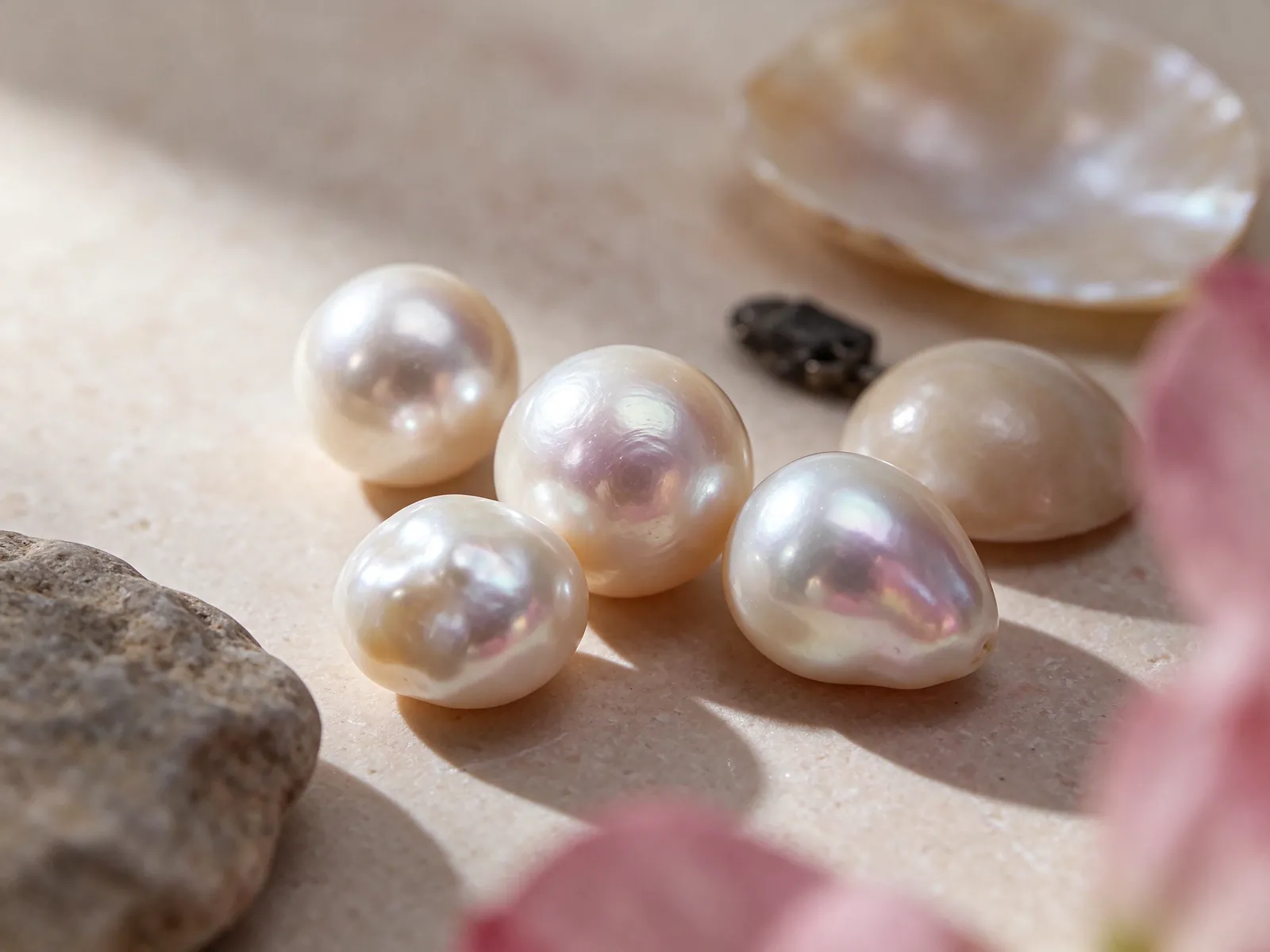
How can the ring anchor an outfit without competing with it?
A simple sweater, plain shirt or clean-lined dress can give a prominent ring room to stand out. When fabric already has a large print, consider whether the ring adds a clear shape or another busy detail. The pearl and diamond ring guide helps compare accents beside the pearl or along the shoulders. Their placement changes where the eye settles, so choose the relationship that supports your preferred focal point.
For a dressier look, the pearl halo ring guide explores a frame around the pearl, while the pavé pearl ring guide focuses on a different arrangement of small points of sparkle. These are composition choices rather than instructions to make every accessory equally ornate. If the sleeve has sequins or embroidery, leave more visual space around the ring and reassess whether a bracelet on the same wrist adds balance or clutter.
How do you arrange other rings around a prominent pearl?
Check for physical contact before deciding that a combination looks complete. Another ring can touch the setting or pearl when your fingers bend even if the pieces are separate while posed. Moving the companion ring to the opposite hand may preserve variety with less crowding. Hold your usual bag and let your bracelet settle naturally to see where the jewelry sits during movement.
Which everyday movements belong in a useful try-on?
Include gentle actions you actually repeat: picking up a phone, holding a bag handle, bending the fingers and adjusting a cuff. A raised setting may look striking from the side but meet sleeves and nearby objects more often. Watch the edges of the setting as well as the pearl. Do not push, twist or pull the pearl to test it; a wearing check should not become a stress test of the construction.
Try the finger you intend to wear the ring on. Differences between hands, knuckles and band widths can change how it feels, so another finger is not a complete substitute. Note whether your hands feel swollen or have just been active when comparing fit. Pain, numbness or ongoing pinching should prompt you to stop wearing the ring rather than assume that discomfort is necessary to get used to a bold style.
How should you describe a ring that keeps turning?
Separate the observations: which way the head turns, how it passes the knuckle, and whether it contacts the next finger. An offset design or a weighty head may behave differently from a centered composition. Choosing a smaller size can make knuckle passage harder without solving balance. Consider whether you prefer the exact silhouette or a structure that needs less repositioning, then make that trade-off explicit.
What details should you bring to a customization conversation?
Describe your intended hand, finger and typical sleeves, then identify the visual feature you want most. Sort inspiration into outline, pearl appearance and outfit context. A wish for a broad front is different from a wish for a raised profile, and an asymmetrical line may need more space on one side. Naming these priorities helps you discuss a coherent design instead of combining unrelated details from several close-ups.
Flint Jewelry's custom metal options are 18K 750 white gold, 18K 750 yellow gold, 18K 750 rose gold, PT950 platinum and PT900 platinum. Consider the metal color alongside jewelry you already wear without using color to predict comfort. Discuss the pearl selection, setting shape, ring size and metal choice separately for a specific ring, then review how those decisions work together in the complete composition.
Which specific questions help communicate the proportions you want?
You might ask how the desired front width could relate to a lower side profile, or how close a shoulder would sit to the next finger. Explain which activities matter most, such as typing or dressing for an evening event. A whole-hand photo and a short note about preferred and unwanted details can make a WhatsApp conversation with Flint Jewelry more precise than simply asking for something larger.
How do you care for a ring with a prominent pearl?
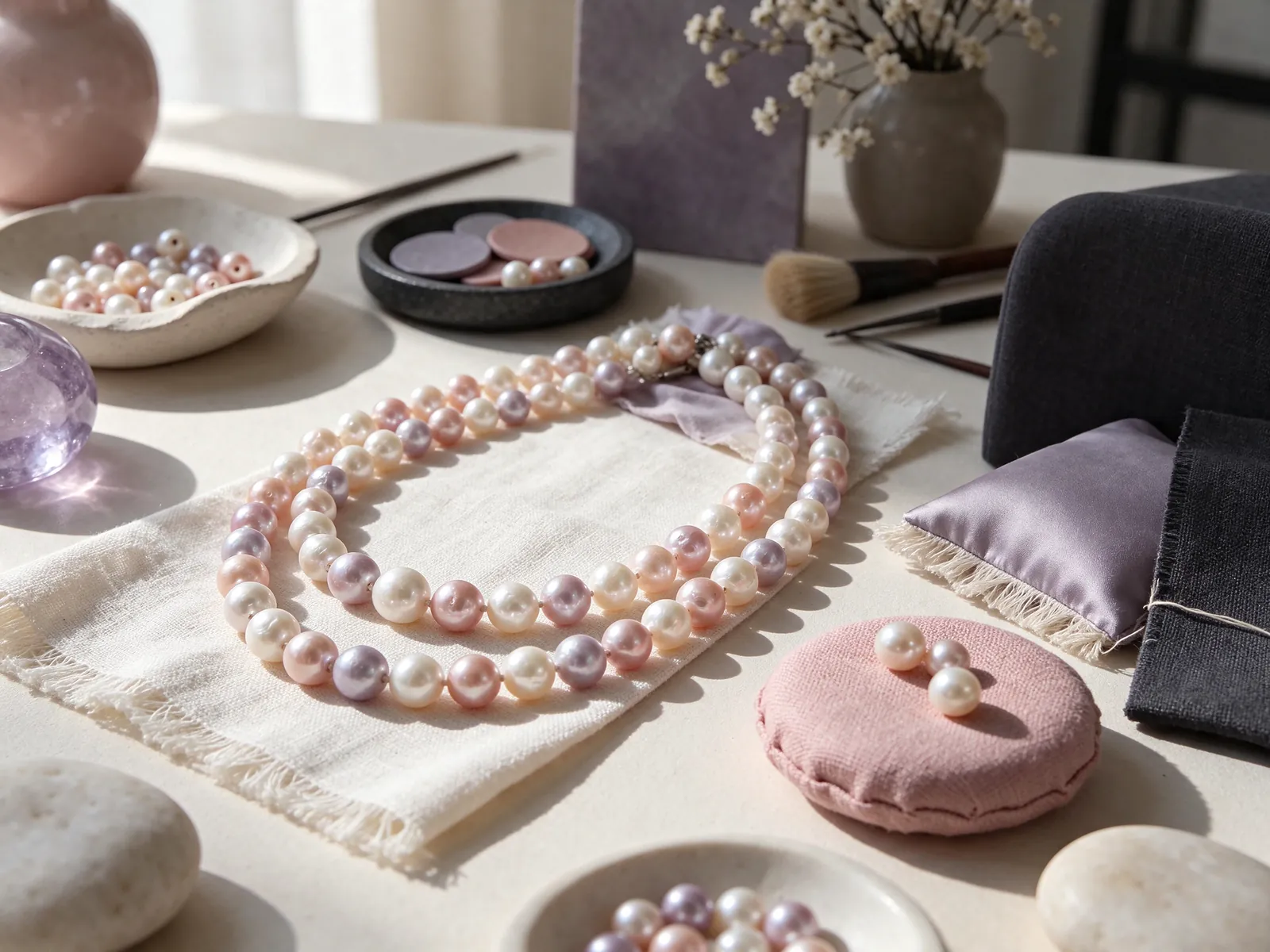
GIA rates pearl at 2.5 on the Mohs hardness scale. The figure supports taking care around harder objects; it does not predict the outcome of an individual impact. Put the ring on after using perfume and hair spray, and remove it before chores, exercise or work involving rough contact. A prominent head deserves particular attention near desk edges, door handles and bag hardware that may reach the pearl.
After wear, gently wipe with a very soft, clean cloth and keep the ring separate from other jewelry that could rub against it. GIA advises that pearls should never be cleaned in ultrasonic or steam cleaners and should be protected from acids and excessive heat. If the pearl or setting appears changed, avoid abrasive rubbing, twisting or adding glue. Describe what you observed rather than attempting an improvised repair.
What helps when you need to remove the ring while out?
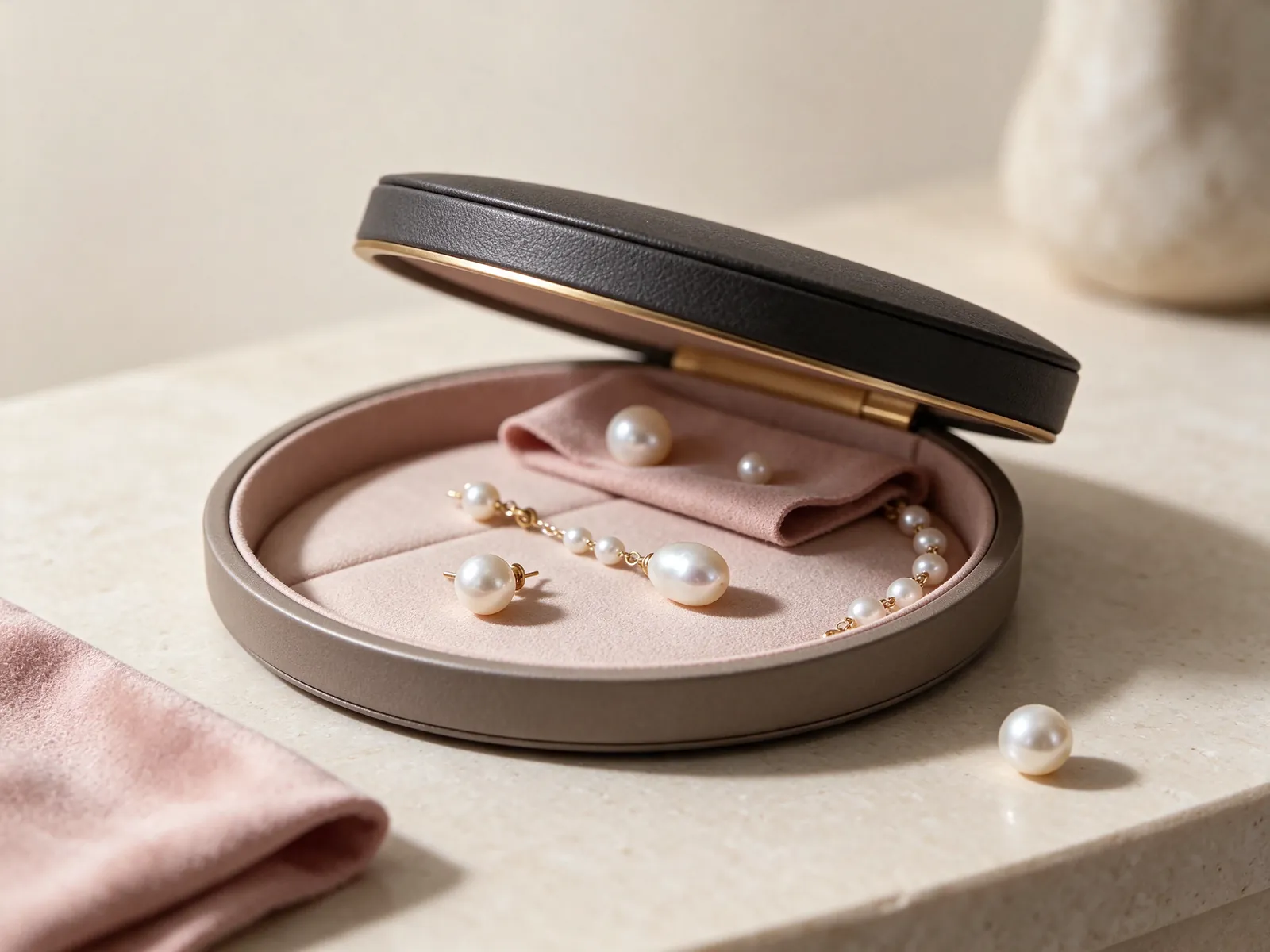
Use a dedicated soft pouch or compartment rather than the same pocket as keys and coins. Avoid putting the ring inside a napkin or beside a drinking glass where it may be swept up during clearing. At home, return it to its usual storage place before makeup removal or handwashing. A consistent routine reduces unnecessary contact with cleaning products and prevents casual, easily forgotten placement.
To talk through a ring silhouette and your wearing habits, contact Flint Jewelry on WhatsApp about style and fit, or call +85260106207.
| Comparison | Look for | Try-on action | Outfit decision |
|---|---|---|---|
| Silhouette | Sideways spread versus lengthwise direction | View the full hand from above and at an angle | Let one clear shape lead beside a patterned sleeve |
| Setting height | The pearl and metal profile above the finger | Adjust a cuff and gently handle a phone | Consider fitted sleeves and textured knits |
| Movement | Repeated rotation and head balance | Relax the hand, then bend and straighten fingers | Compare visual preference with repositioning needs |
| Pearl character | Luster, color, form and visible surface | Change the angle in gentle lighting | Choose an appearance you enjoy beyond size |
| Surrounding space | Contact with fingers or other jewelry | Hold your bag with rings and bracelet in place | Move companion jewelry to the other hand if crowded |
Pearl knowledge and authoritative references
GIA places pearl at 2.5 on the Mohs hardness scale. Avoiding contact with harder objects is therefore an important consideration for a prominent ring, alongside GIA's advice against ultrasonic and steam cleaning.
Read the reference for this factFrequently asked questions
Is a pearl cocktail ring only appropriate for formal events?
No. It can describe a strong styling focal point rather than a formal dress requirement. A plain top or simple jacket can give the ring room to stand out; check the sleeve and setting for repeated contact during normal movement.
Can shorter fingers wear a bold pearl ring?
There is no need to rule one out based on finger length alone. Compare the full outline, space near the finger base and neighboring-finger clearance. Direction and open space may matter more to your preferred proportion than apparent pearl size.
What does a side-view photo tell me that a front view cannot?
It helps show how far the pearl and setting project above the finger. That profile affects the silhouette and can inform questions about cuffs or nearby objects. A photograph still cannot replace observing the ring on the intended hand.
Can I tell a pearl's origin from its color or uneven shape?
No. Color and shape alone do not establish origin, species or natural-versus-cultured identity. Use those visible features to discuss appearance and composition, not as proof of a pearl's identity.
Should I wear another ring right next to the pearl ring?
Check whether the pieces touch when fingers bend or close together. A neighboring head or band may contact the pearl even if the pieces look separate while still. Moving the other ring to the opposite hand can keep the styling varied without crowding.
Updated: