
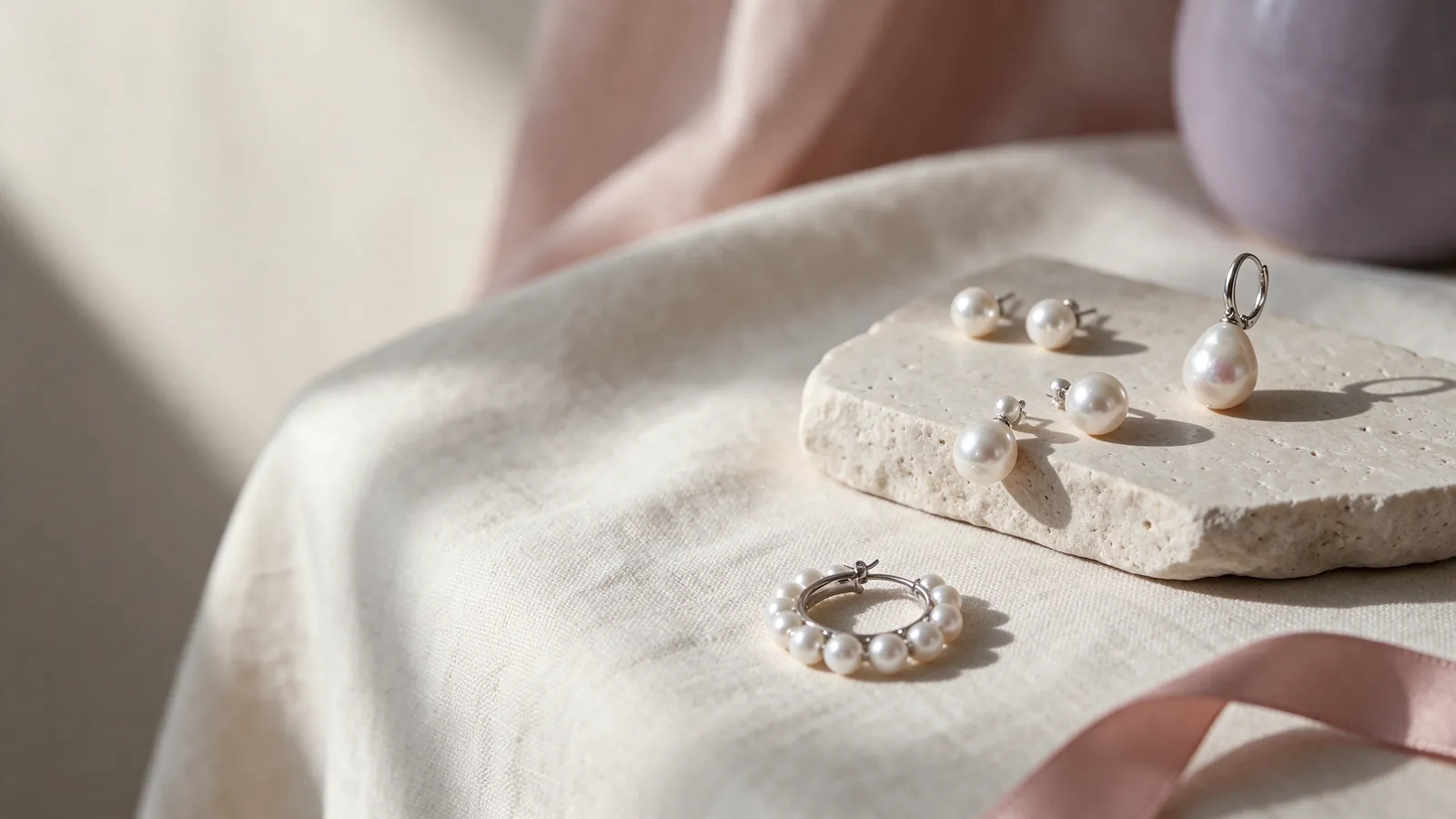
How does everyday fit shape your choice of pearl hook earrings and hook-style pearl earrings when comparing pearl earwire earrings?
Start with where the earring sits on your ear, not simply with the curve that looks appealing in a picture. Pearl hook earrings can leave a visible space between the lobe and pearl, or place the pearl closer to the lobe's lower edge, depending on their construction. A front view helps you judge that space; a side view shows how far forward or backward the pearl faces. Both views contribute to everyday fit.
The names hook-style pearl earrings and pearl earwire earrings do not specify every detail of a fastening. Ask how the wire passes through the piercing and what, if anything, is intended to secure it behind the ear. When exploring other pearl earrings, separate the wearing mechanism from the decorative outline. That distinction helps you choose deliberately instead of expecting every curved design to behave in the same way.
How can piercing position, fastening and overall drop guide the fit of pearl hook earrings and hook-style pearl earrings within your choice of pearl earwire earrings?
An earwire passing through the lobe normally needs a suitable existing piercing. Check the insertion direction, the rear tail and the intended fastening as a set of connected details. Never force the wire through or reshape it to make insertion easier. For a wearer without pierced ears, clip-on pearl earrings are a different category to consider through their actual clamping structure, not through a resemblance to a hook.
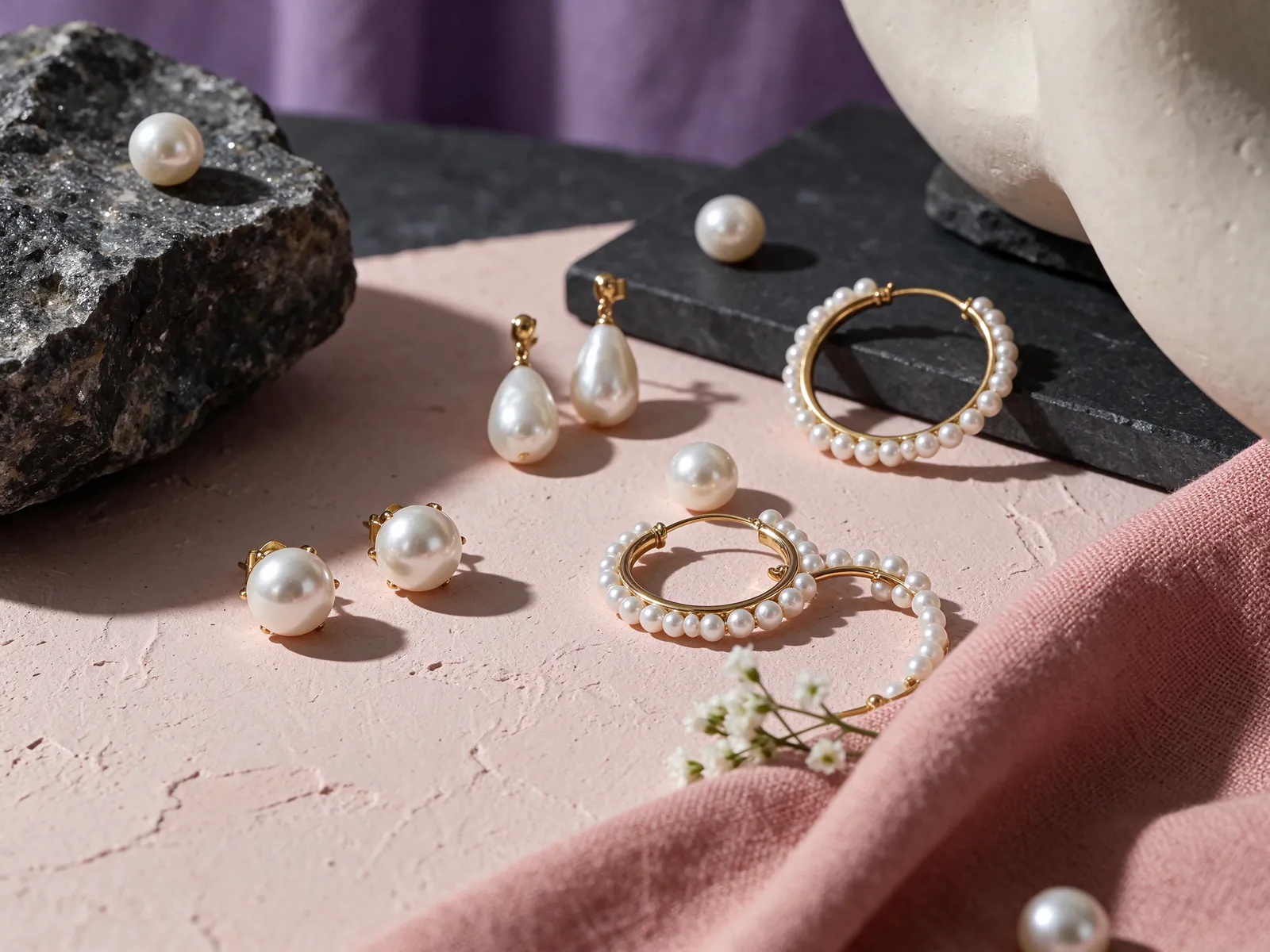
Read length measurements before deciding on a drop
Pearl size does not tell you the total length of the earring. The wire, any connecting element and the pearl together create the suspended outline. When dimensions are provided, find out whether the stated length starts at the top of the wire, at the piercing contact point or at the hanging element. Measurements with different starting points cannot be treated as equivalent simply because both are called a drop.
Consider the resting point and the movement separately. A pearl that looks well placed while you sit still might approach your collar when you turn or lean forward. If you want a more elongated outline, long pearl dangle earrings offer useful proportions to compare, but they do not necessarily use a hook fastening. Ask about both the length and the construction rather than using one as a shortcut for the other.
Compare the same angles, not the largest close-up
A tightly cropped image emphasizes the pearl, while an oblique view can hide part of the earwire. Look for a consistent front view, side view and view behind the ear when judging the outline. Use the pearl's lower edge relative to the lobe as a visual reference. A fine wire does not establish a low total weight; weight is a separate detail to ask about, not an estimate to make from a picture.
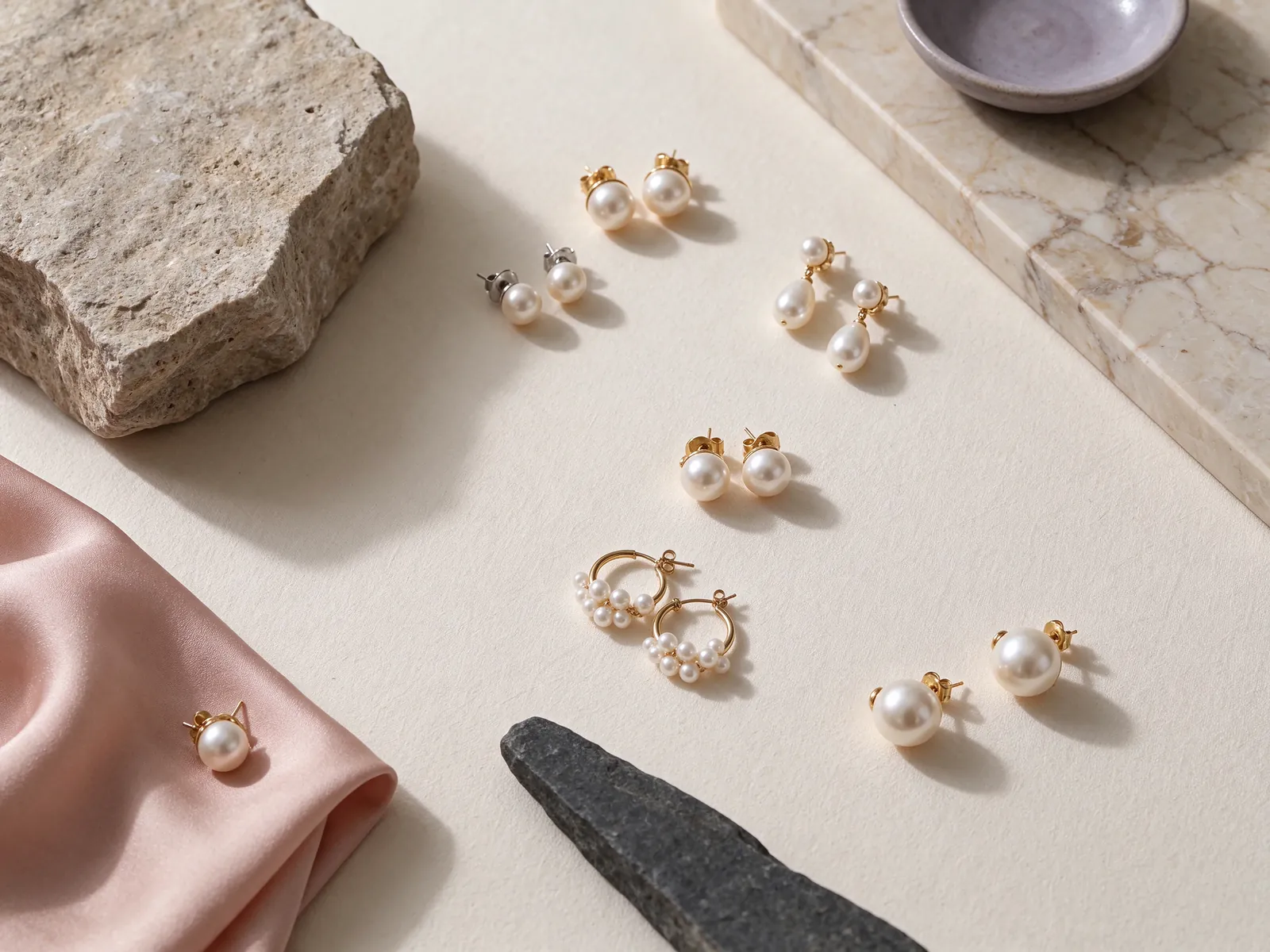
Build the look around hair, collars and clear space
An updo exposes the curve and the gap above the pearl, making those spaces part of the look. Loose hair can partly hide the same outline and may meet the wire tail when you move it behind your ear. Rather than following a rigid rule for face shape, evaluate how the earrings sit within your actual hairstyle. A design you can see clearly without constant adjustments may serve your styling goal better.
High collars, scarves and decorated necklines can compete with a hanging pearl for space. Open necklines leave a different setting for the curve. Try the earrings with the kind of top you normally wear rather than judging them in isolation. Comparing pearl drop earrings can reveal other suspended shapes to compare, although each design's closure still needs its own assessment. The visual outline and the way it attaches are separate choices.
Use familiar actions as a styling test
Think about taking a call, adjusting a mask, putting on a jacket and turning to talk across a table. Those actions reveal more about practical clearance than simply labeling a pair as casual or formal. Move gently and notice contact without deliberately pulling on the earrings. A longer design is not automatically dressier, and a shorter one does not automatically suit every part of a busy day.
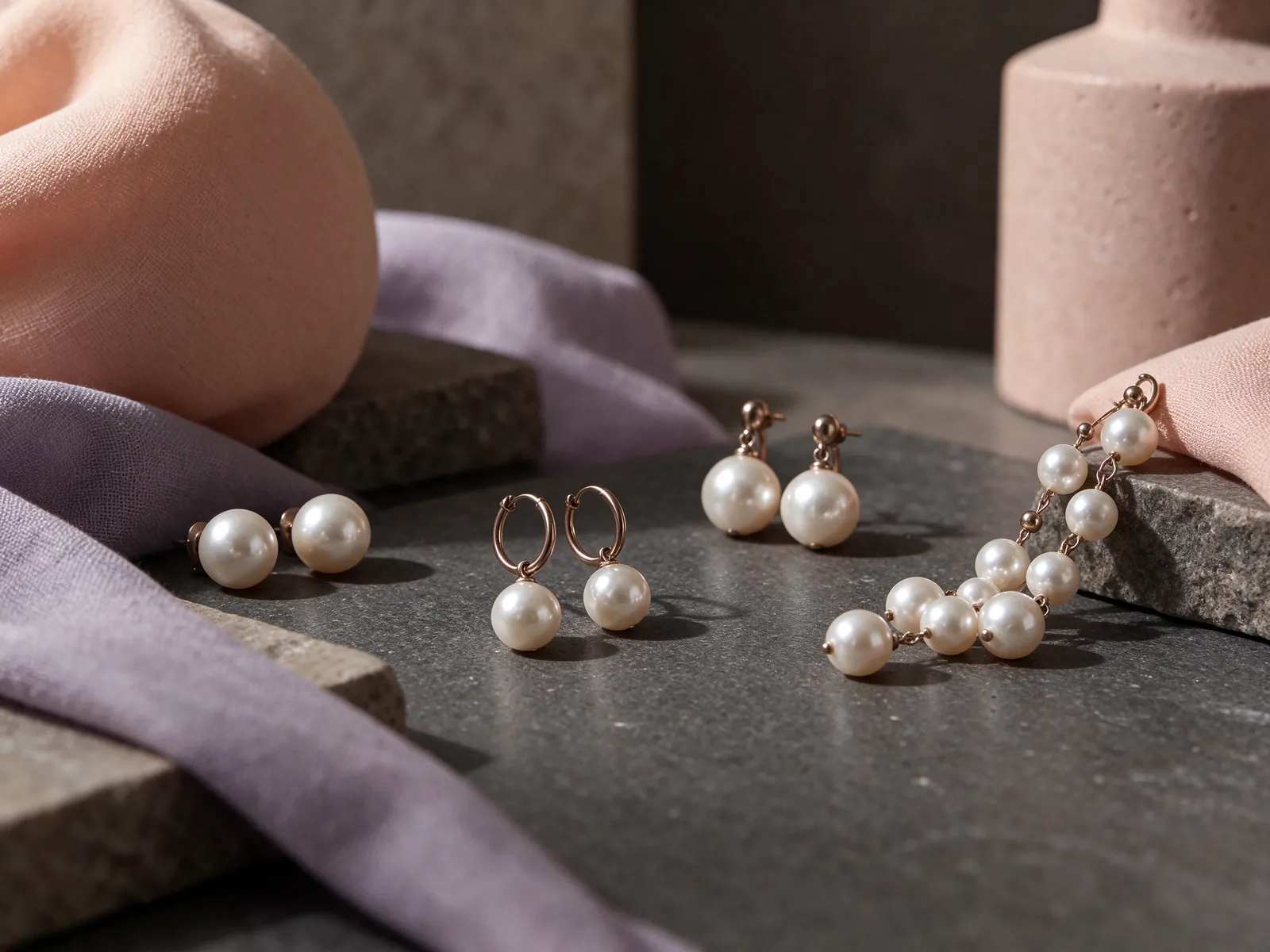
Check securing details against other earring structures
An open wire tail, a designated securing component and a closing arrangement are different details to identify. Do not assume that the back of the earring matches what you imagine from the front. Read how to put it on and take it off, and avoid pulling the pearl to remove the wire. If a connection loosens or a wire becomes distorted, stop wearing the pair before considering the appropriate next step.
For a different approach, pearl stud earrings offer a post-and-back arrangement to compare if you prefer less suspended movement. Meanwhile, pearl hoop earrings create a circular outline but require you to look at the opening and closure, as well as where the pearl hangs. These categories are not a ranking of universal security or comfort. Fit depends on the individual construction, your piercing position, actual weight and the way you wear and handle the earrings.
A spare earring back is not automatically the right fit
The thickness and shape of an earwire determine how an intended securing part fits. A back borrowed from another pair may be awkward to use and should not be treated as a guarantee against loss. Ask about the correct securing method for the design instead of bending the wire or forcing on an unrelated component. If the earring feels uncomfortable, remove it rather than relying on the simplicity of its appearance.
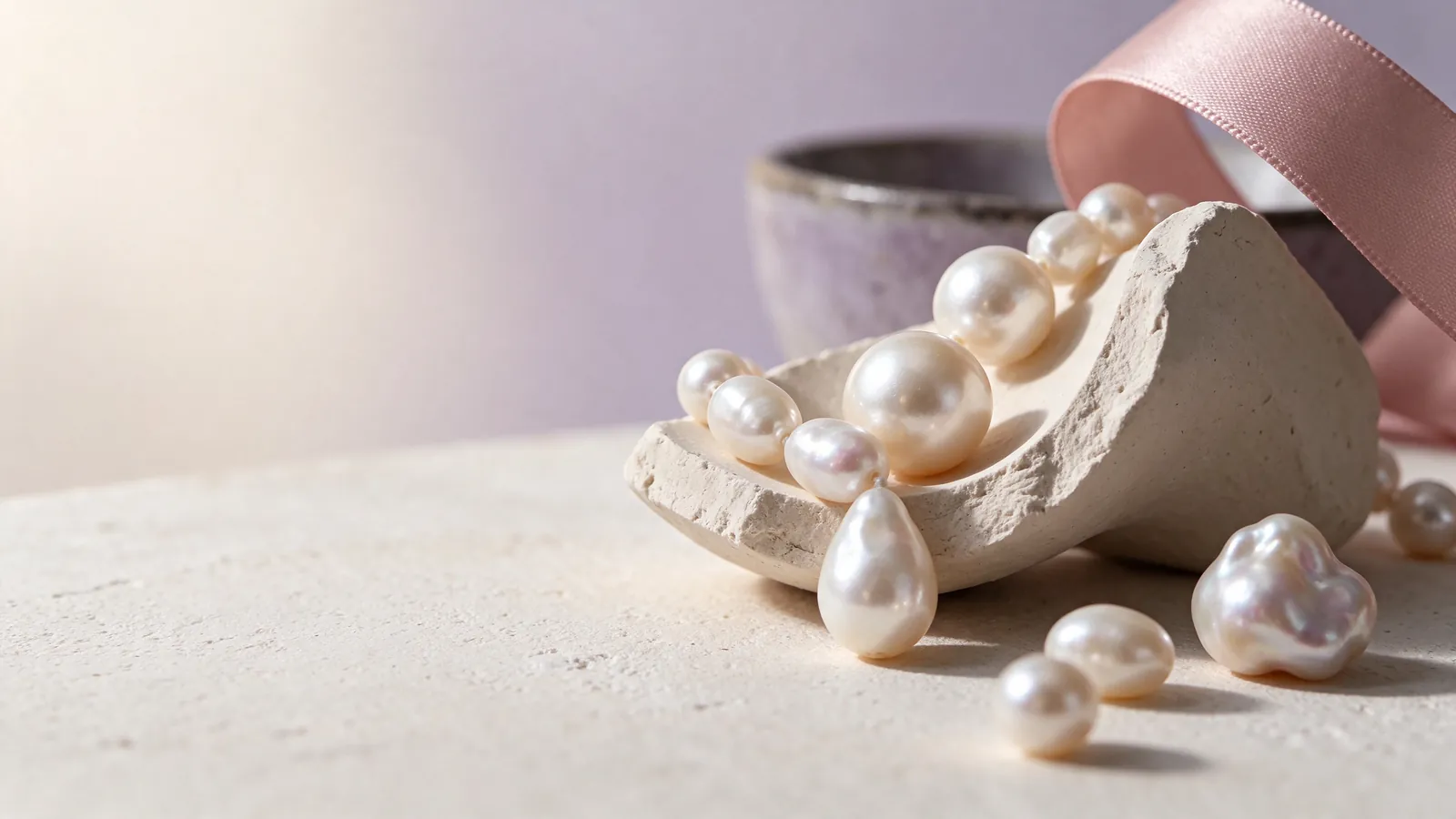
Look beyond pearl size to luster and pair balance
As a hanging pearl turns, more of its surface becomes visible. Examine the pair in steady, gentle light, paying attention to reflections, color, shape and surface appearance rather than only the brightest angle. Lighting can change how color appears in photographs. Decide whether the overall pairing gives the balance you want, while keeping that visual assessment separate from questions about pearl species, origin or natural-versus-cultured identity.
GIA identifies seven pearl value factors: size, shape, color, luster, surface quality, nacre quality and matching. For earrings, the matching factor is particularly useful as a question about how the two pearls are described together. The framework is not a single grade you can assign from a photograph, nor does mentioning it establish a GIA report for a piece of jewelry. Specific identity and documentation need their own information.
Compare pearl direction along with the wires
Pearls that appear similar on a flat surface may face differently on the ear because of connector alignment or wire direction. Observe how the earrings hang naturally, then how they sit in your piercings. Differences in lobe shape or piercing height can affect the result too. Do not twist the wires to force an even line; first identify which part of the construction or wearing position explains the difference.
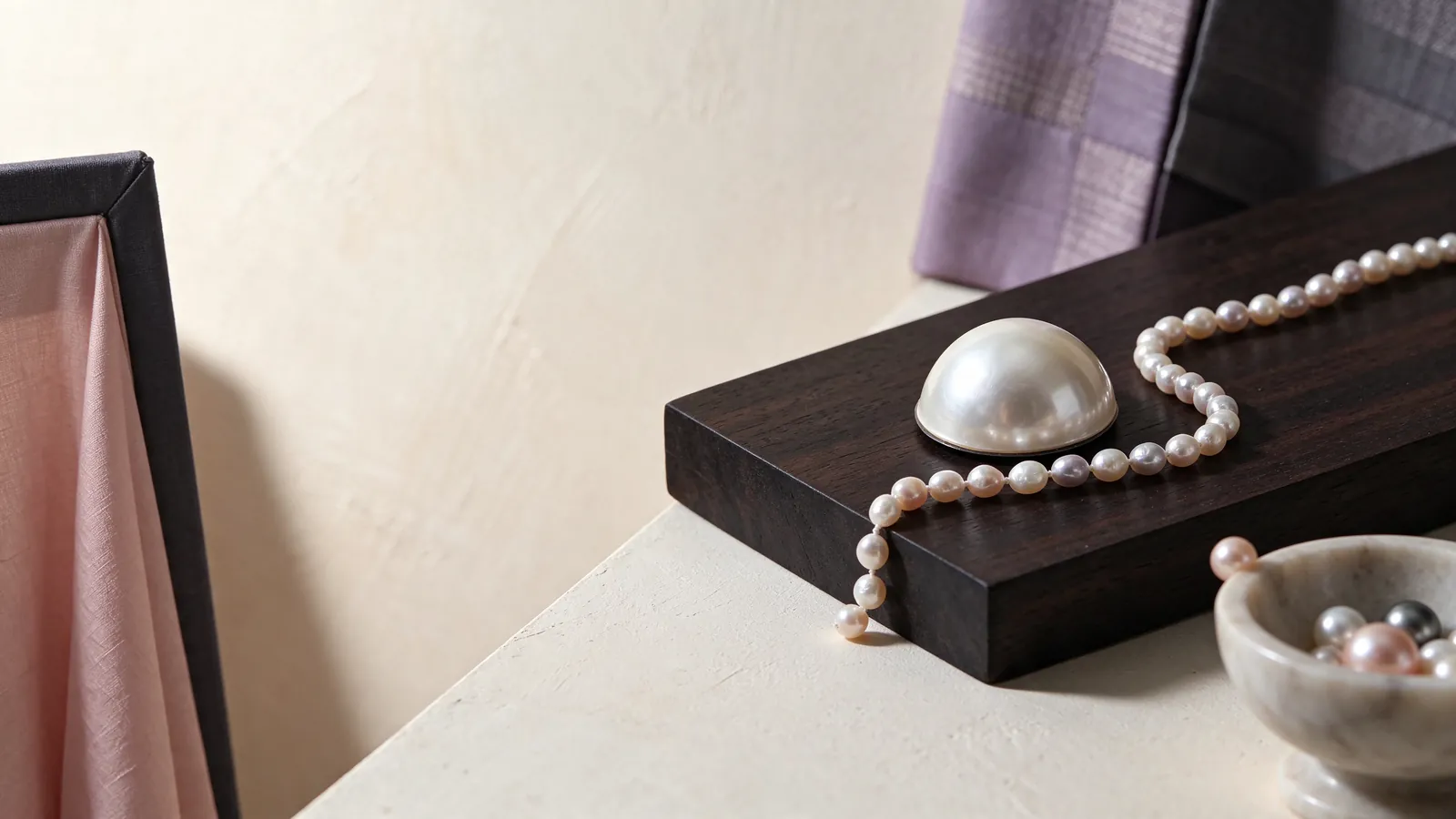
Protect the pearl surface without stressing the hook
GIA gives pearl a Mohs hardness of 2.5. This supports storing pearl earrings so that the surfaces do not rub against harder jewelry. The wire needs protection for a different reason: its extended shape can become caught among other pieces or be pressed under a heavy object. A hardness number does not predict what will happen in every fall or pull, so careful handling of the complete earring still matters.
Wipe pearls after wearing with a very soft, clean cloth, and keep perfume and hair spray away from their surfaces. GIA advises against ultrasonic and steam cleaning for pearls. Finish applying hair products before putting on the earrings, then check for strands around the connection when taking them off. Avoid scraping the pearl with a sharp tool or tugging on it to free tangled hair.
Give each earring its own space when traveling
A loose hook can catch a key, a hair accessory or the other earring inside a bag. Separate the pair in soft storage spaces so that the pearls avoid contact and the wires are not compressed. If they become tangled, set them on a flat surface and trace the overlap before easing them apart. Pulling to release a knot can transfer force to the hook or its connection.
Turn personal preferences into useful buying questions
A useful checklist has three parts. First, establish piercing requirements, insertion direction and securing. Next, compare the measurement method, the pearl's resting point and actual weight. Finally, ask about pearl size, luster, surface appearance and matching. Repeating these questions across designs makes the comparison consistent. It also prevents an attractive style name from standing in for information about how a particular pair will be worn.
For a gift, learn whether the recipient has pierced ears and which fastening they are accustomed to using. Their favorite hair and collar styles may help you choose proportions more meaningfully than guessing a pearl diameter. A person may like the appearance of a hook without being familiar with its wearing method. Describe the features they already enjoy, such as a close pearl position or visible space beneath the lobe.
Explain the activity that matters most to you
Where an appropriate fitting opportunity is available, consider front balance, the wire behind the ear and gentle head movement in sequence. When asking for guidance, say whether your priority is commuting, a high neckline or a hairstyle that exposes the ears. Begin with a specific concern, such as collar contact or the position of the tail, and then compare the other details. A concrete use case is more helpful than requesting something suitable for every occasion. To discuss your earring preferences, contact Flint Jewelry through the WhatsApp button on this page and describe your usual hairstyle, neckline and main questions about fit.
| Construction detail | Question to resolve | Wearing context | Avoid assuming |
|---|---|---|---|
| Wire and piercing | How is the wire inserted, and where does its tail rest? | Calls, masks and hair behind the ear | A curved silhouette does not mean no piercing is needed |
| Securing | What component or closure is intended? | Changing jackets and adjusting hair | A hook is not necessarily a closed fastening |
| Length and pearl position | Where does the stated measurement begin? | Space near collars, scarves and shoulders | Pearl diameter does not describe total length |
| Pair balance | How do color, luster, shape and direction compare? | Front and side views on the wearer | Similar images are not full quality descriptions |
| Storage and care | Can the pearls and wires be kept separately protected? | Travel, tangling and exposure to sprays | Metal mounting does not make ultrasonic pearl cleaning suitable |
Pearl knowledge and authoritative references
GIA lists pearl at 2.5 on the Mohs hardness scale; store pearl hook earrings so their pearl surfaces do not rub against harder jewelry.
Read the reference for this factFrequently asked questions
Does the term earwire describe the complete fastening?
No. It identifies a part of the wearing structure, but you still need to know the insertion direction, rear tail position and intended securing arrangement. The front silhouette alone does not answer those questions.
Why should I ask where an earring length measurement starts?
A length measured from the top of the wire is different from the length of the suspended element alone. Use the same measurement definition when comparing designs, and keep the pearl's diameter separate from the total earring length.
How can I assess a hook design with a high neckline?
Look at the pearl's resting point with that type of top, then gently turn and look down to notice contact. The hanging outline and the neckline share the same space, so a still photo without the clothing may not tell you enough.
Can I add any spare back to make an earwire more secure?
Not automatically. A securing part needs to suit the wire's shape and thickness. Ask about the intended component and method, and do not bend the wire or force on an unrelated back. Adding a part is not a guarantee against loss.
What does pearl's Mohs hardness tell me about storing these earrings?
GIA lists pearl at 2.5, which is a reason to keep its surface from rubbing against harder jewelry. Protect the wire from pressure and tangling as well. The hardness figure does not guarantee a particular result after impact or pulling.
Updated: