
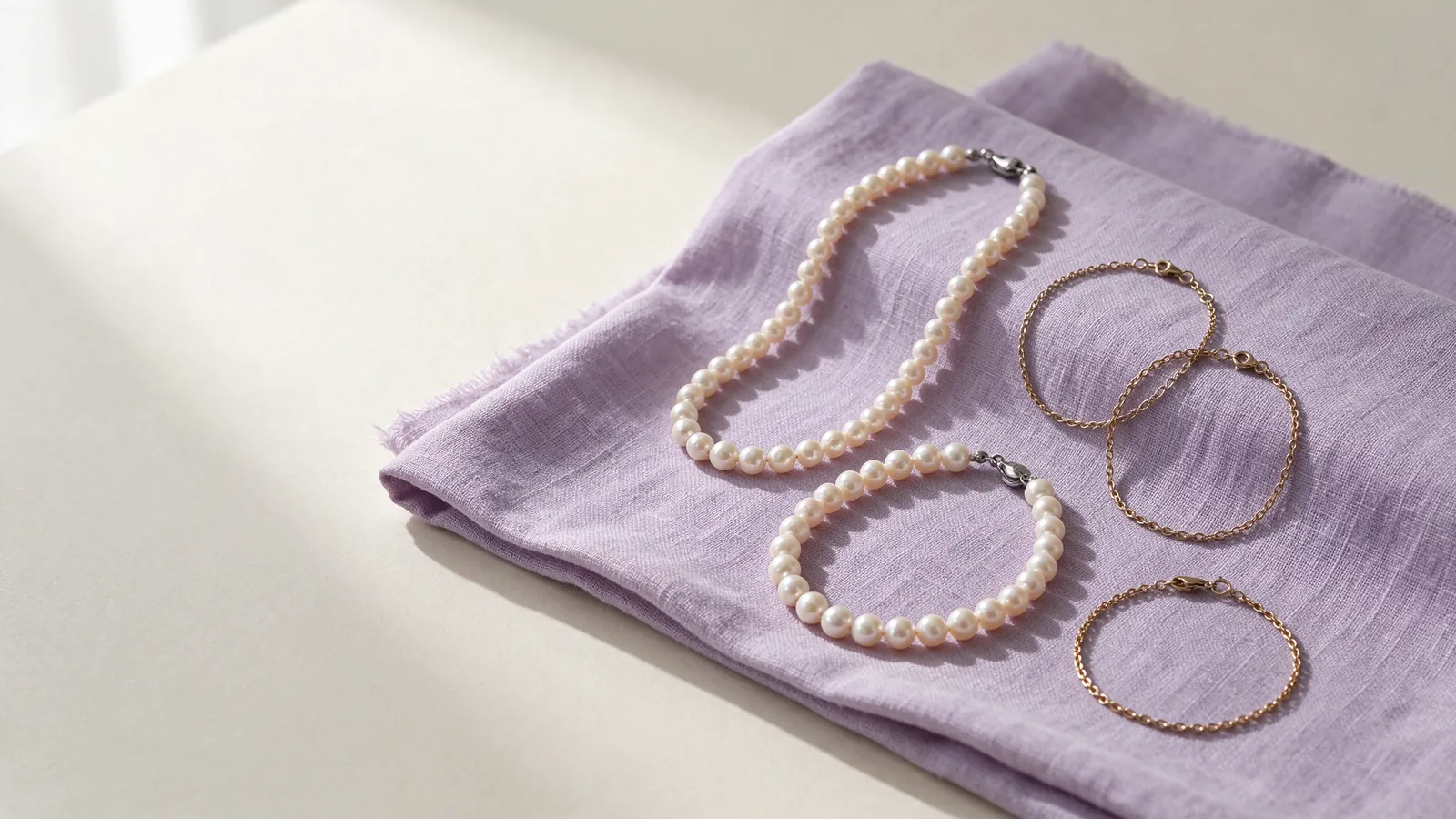
In “PT900 PT850 pearl bracelet” and “850 platinum pearl bracelet” descriptions, how do material labels relate to the chain and clasp?
When a search brings up PT850 pearl bracelet wording, pause before reading it as a specification for the entire piece. A WSP bracelet description uses PT900/850, but that title does not map the two labels to individual parts. Think of the visible chain, the pearl connectors, the clasp and any adjustment section as separate things to understand. Without a component description, there is no basis for deciding that one label belongs to the chain and the other to the clasp.
A better comparison keeps material wording separate from design preferences. You may be drawn to a light chain outline or a continuous line of pearls, neither of which is fully explained by a short metal label. Start with the platinum pearl bracelet guide to organize those questions. Flint Jewelry's platinum options are PT950 and PT900; describe the look and structure you want within those options rather than borrowing a different retailer's PT900/850 wording for a Flint piece.
Once the component labels in “PT900 PT850 pearl bracelet” and “850 platinum pearl bracelet” descriptions are clear, what fit questions come next?
Use a flexible tape at the place where you intend to wear the bracelet, keeping it comfortably against the wrist rather than tight. Note whether you want the bracelet to stay close or move slightly toward the hand. Then ask about closed bracelet length and clasp space. Wrist circumference and finished length describe different things, and the arrangement of pearls can change how a bracelet with a particular length feels.
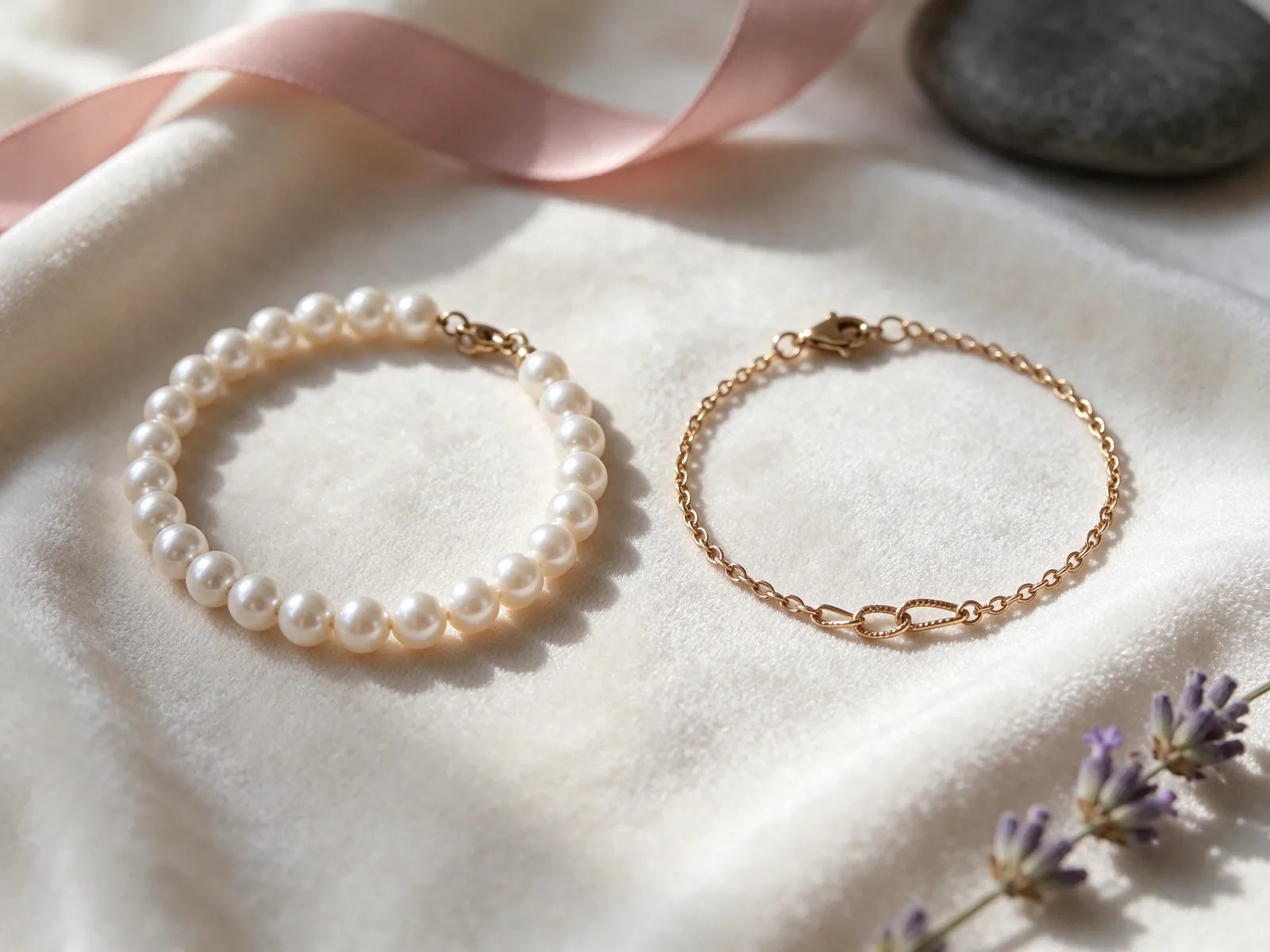
Compare the construction before comparing lengths
A pearl station bracelet combines visible chain with spaced pearls, so the open spaces are part of its visual rhythm. A continuous strand uses a different outline around the wrist. Look at how the arrangement meets the clasp and how it settles when the hand turns. A flat photograph or a single length figure cannot answer every fit question. Ask whether the stated length is measured open or closed and whether the clasp is included.
With a pearl strand bracelet, consider how the uninterrupted pearl line curves when your wrist bends. A multi strand pearl bracelet also needs room for the rows to lie together without awkward bunching. If adjustment positions are present, ask which are usable and where the hanging end falls. None of these details follows automatically from the phrase 850 platinum pearl bracelet, so construction should stay central to the comparison.
Use a familiar bracelet as a clearly explained reference
If you already own a comfortable bracelet, explain how you measured it and what you like about its movement. That makes the reference more useful than giving a number without context. For a gift, ask about a piece the recipient actually wears instead of estimating wrist size from a picture. Do not apply a universal extra-length allowance to different people and different constructions.
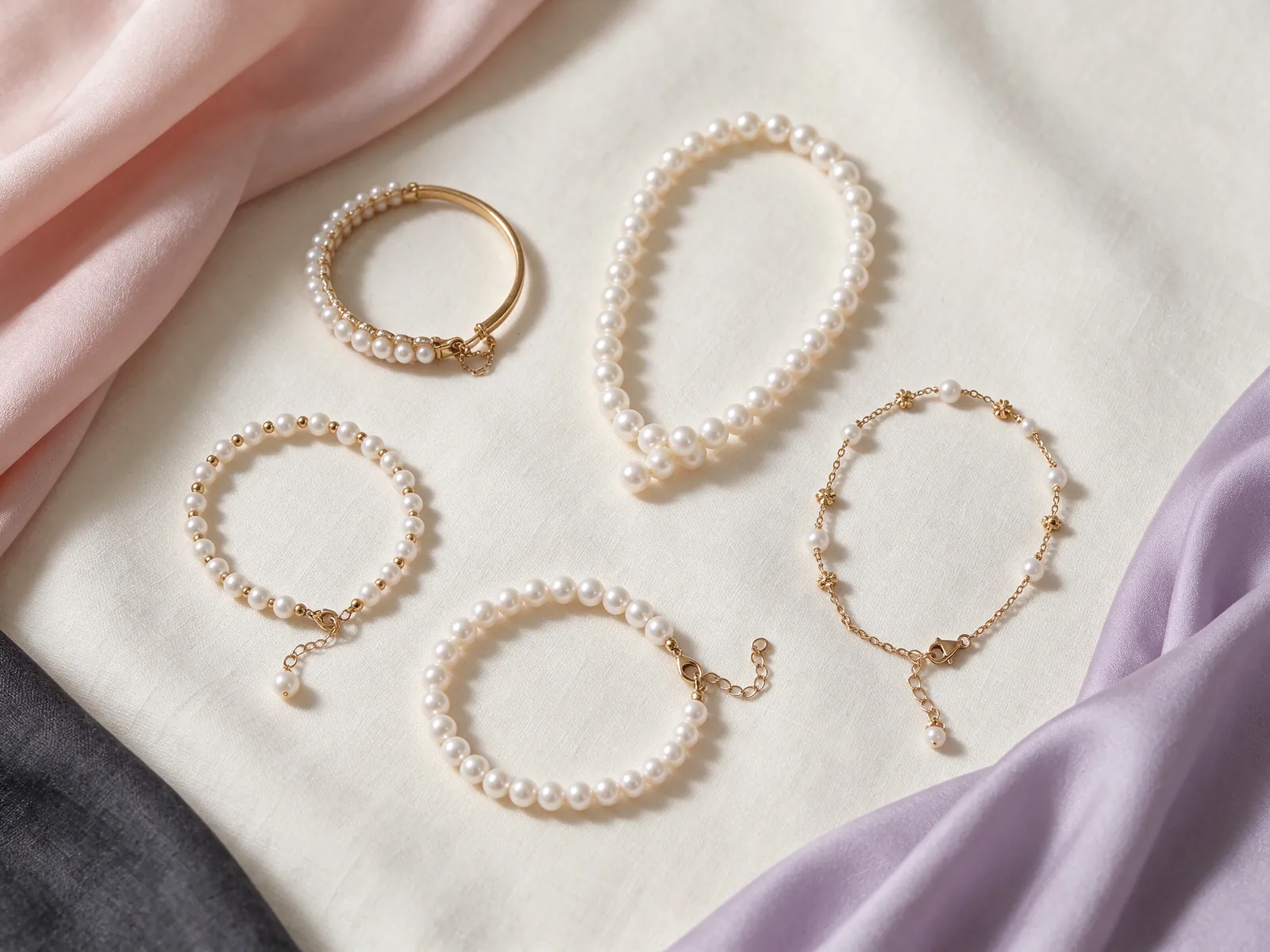
Keep pearl appearance distinct from the platinum wording
A metal description is not a pearl grade. GIA describes seven pearl value factors: size, shape, color, luster, surface quality, nacre quality and matching. When looking at a bracelet, first notice the overall arrangement, then compare neighboring pearls and the character of their reflections. Photographs can help you discuss an appearance you enjoy, but a bright image is not enough to establish every quality factor or identify the pearls.
Color is best considered with the surroundings in mind. Place the bracelet beside a sleeve you wear frequently and look at both the full outline and the individual pearls. The exposed chain may make their contrast feel stronger or softer. Shape or color alone cannot establish origin, natural-versus-cultured identity or certification. If those details affect your choice, ask about the individual item and relevant documentation rather than treating its metal title as evidence.
Explain the visual consistency you enjoy
Some people want an even, quiet rhythm; others prefer intentional changes in outline or color. Matching is a useful way to discuss that difference without pretending all pearls must look identical from every angle. Describe the effect you want across the bracelet, including how much chain you want visible. That gives the conversation a practical direction beyond calling one metal label more impressive than another.
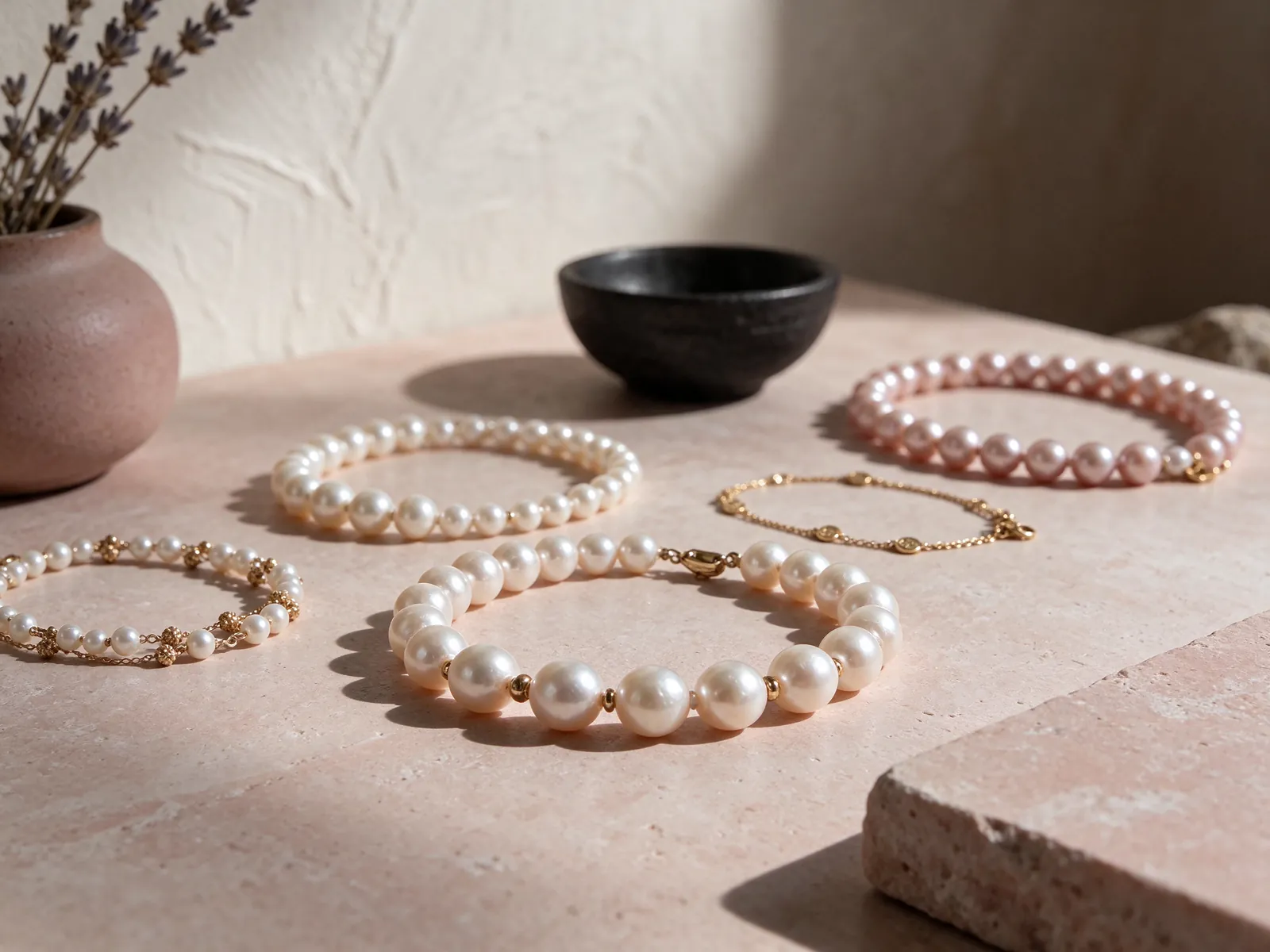
Make room for sleeves, watches and a realistic daily routine
Think about where a pearl bracelet will sit during a normal day. A buttoned cuff may push a loose piece toward the hand, while an overly close fit can feel restrictive when you bend the wrist. Check the sleeve clearance rather than tightening the bracelet just to keep it visible. For an evening outfit, a simple sleeve can highlight the pearl arrangement; a busy cuff or prominent ring may call for a quieter wrist detail.
If you wear a watch, the important issue is contact between pieces. A watch-case edge or metal link may meet a pearl each time your hand turns. Wearing the pieces on separate wrists can reduce direct contact. If you like a stacked look, observe the moving arrangement rather than only the colors. A metal description cannot promise that two accessories will remain comfortably separated or avoid rubbing during everyday wear.
Test reaching, carrying and sleeve adjustment
Let the arm relax, pick up a bag and adjust a sleeve as you normally would. These simple movements reveal whether the clasp rotates underneath, a hanging end catches or the pearls repeatedly touch another accessory. If the arrangement feels crowded, simplify it or change placement. Changing a platinum label would not solve a physical collision between the pieces.
Choose a clasp you can operate without awkward force
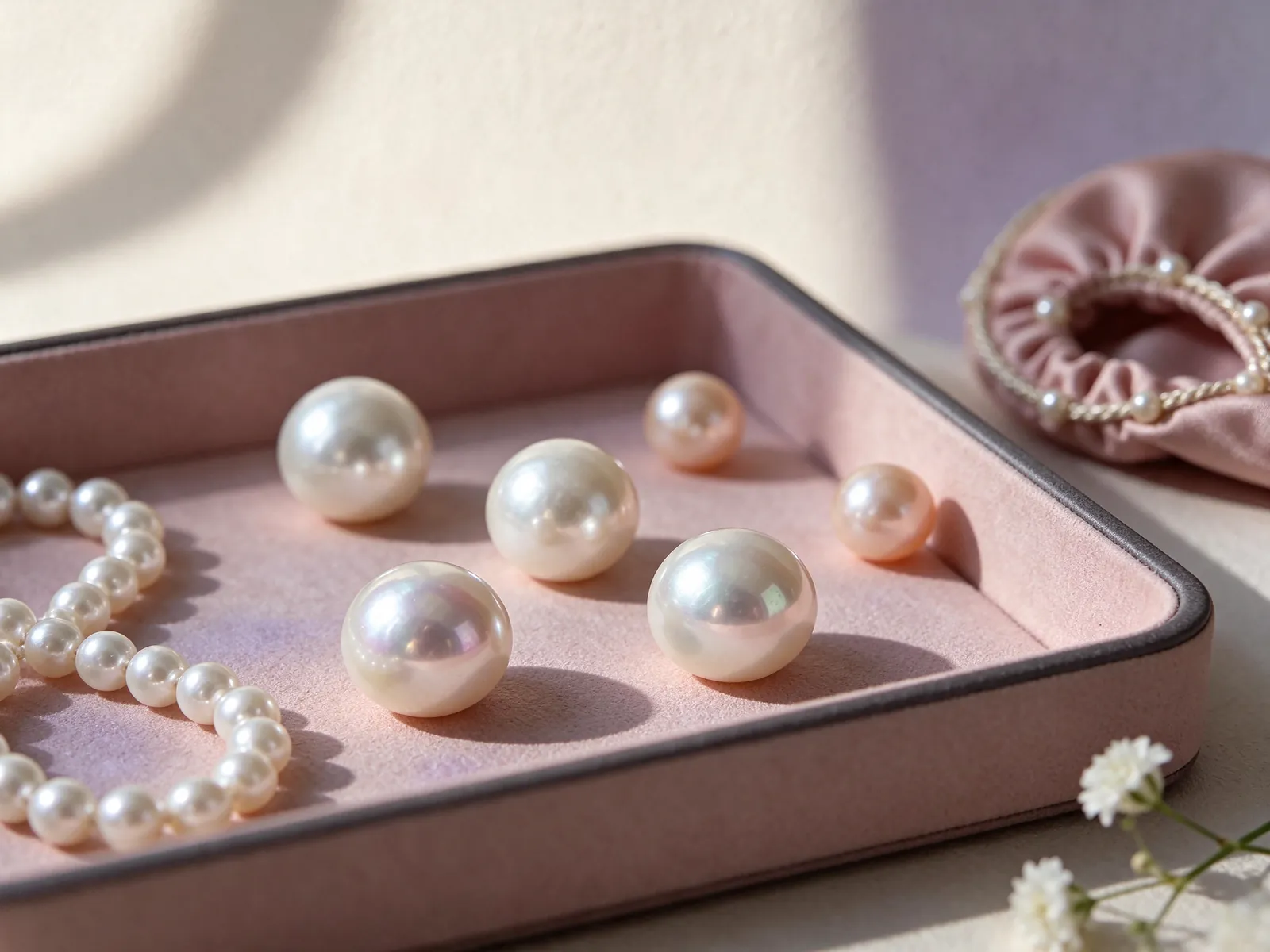
Look at the clasp as a working part rather than only a decorative detail. Can you see the opening clearly, hold it steadily and complete the closure without pulling the pearls? A small clasp may look subtle but may not suit your fingertips; a larger clasp is not automatically easier either. What matters is the interaction between its shape, direction and your usual way of fastening a bracelet.
For desk use, rest your wrist in a familiar typing position and notice where the clasp or raised details meet the surface. Try holding a phone and reaching into a pocket as well. Repeated turning or a pearl arrangement that gathers to one side is worth discussing in terms of length and structure. PT900 PT850 pearl bracelet wording does not establish all-day comfort or predict how a particular clasp will sit on your wrist.
Include fastening habits when choosing a gift
Ask whether the recipient normally puts bracelets on independently and what type of cuffs they wear. Someone who rarely wears wrist jewelry may want a straightforward explanation of operation alongside the styling discussion. These are useful personal details; they do not require assumptions about ability based on age. A thoughtful gift conversation can address handling and appearance at the same time.
Clean for the pearls, not just for the visible chain
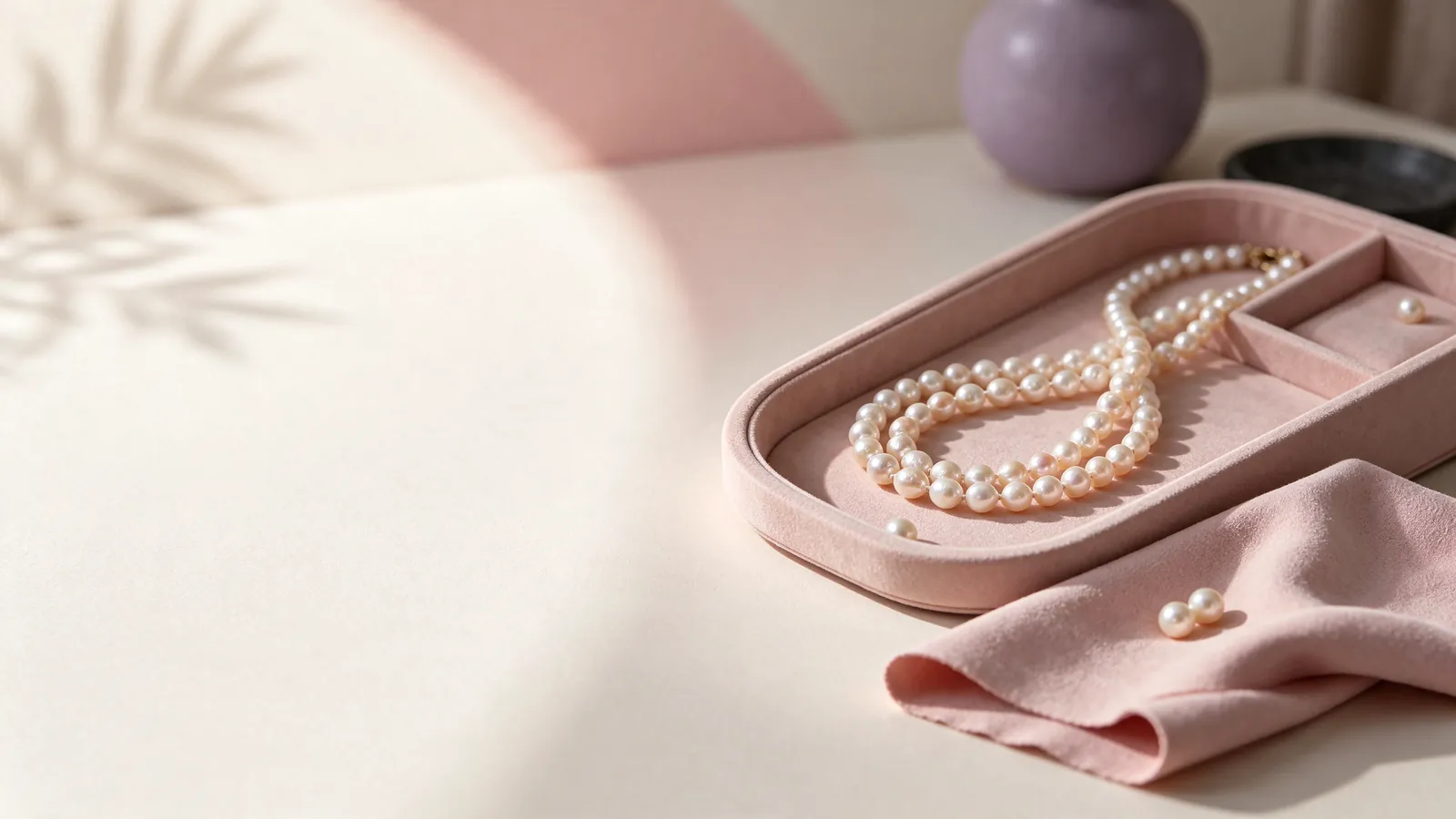
GIA places pearl at 2.5 on the Mohs hardness scale and states that pearls should never be cleaned in ultrasonic or steam cleaners. A bracelet with metal links still includes pearls, so metal-only cleaning habits should not determine its care. After wearing, gently wipe the pearls with a very soft, clean cloth. Put the bracelet away separately from items that could rub against the pearl surfaces.
Keep acids, perfume, hair spray and excessive heat away from pearls. Finish fragrance and hair-styling steps before putting the bracelet on, avoiding direct spray contact. Remove it before activities that create unnecessary chemical exposure or friction. Where pearls are strung and cleaned with water, GIA says the string must be completely dry before wearing. The outside of a pearl may look dry before the string is ready.
Respond to a stuck clasp by stopping, not pulling
If the clasp behaves differently or a connection appears loose, stop wearing the bracelet and avoid forcing the parts. Do not use pliers around the pearls. Describe the affected location to an appropriate jewelry professional so the actual construction and condition can be considered. A search term identifies a topic, not the correct handling method for every bracelet.
Bring a clear brief to a Flint Jewelry discussion
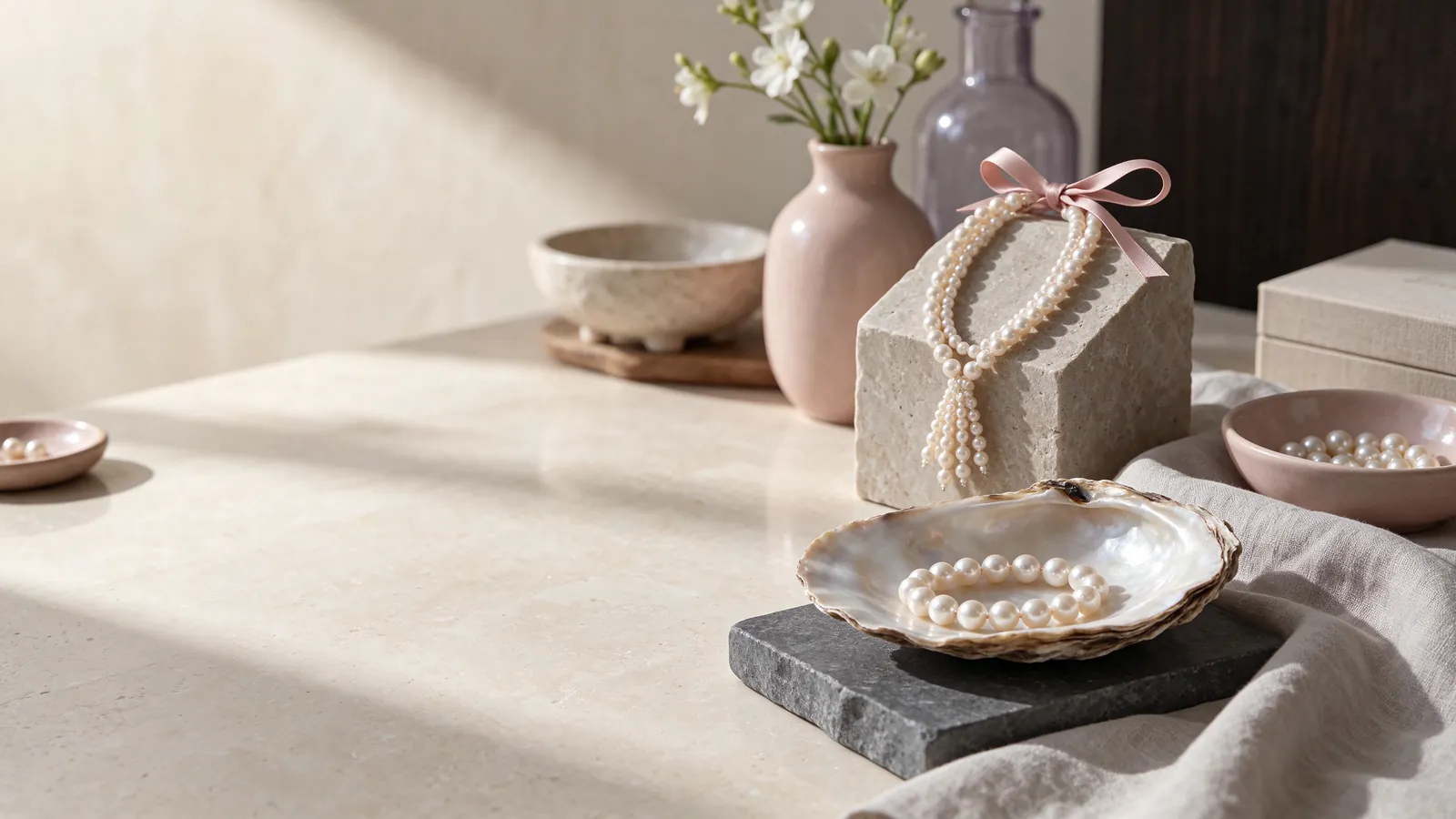
Search results often mix material comparisons with very different bracelet shapes. Reading about a stainless steel pearl bracelet can help you recognize another naming context, but its component descriptions should not be transferred to a different piece. Start a short brief with what attracted you: pearl spacing, visible chain, a continuous outline or a white-metal appearance. Add your wrist measurement method, preferred movement and the activities you expect the bracelet to accompany.
For Flint Jewelry, frame the platinum discussion around PT950 and PT900. Explain the desired proportions and clasp experience separately from the metal question, keeping your real wearing habits in view. WhatsApp at https://wa.me/85260106207 is the contact route for sharing those preferences. A useful message can describe a familiar comfortable bracelet and whether sleeves or a watch affect your fit, without assuming a PT850 search result represents a Flint option.
Use the title to begin, then move to specific questions
Ask which parts the material description covers, how the closed length is measured, how the clasp works and how the pearls sit during movement. Each answer addresses a separate buying consideration. An 850 platinum pearl bracelet title can start the search, but the individual description and your preferred fit are what make the comparison useful.
| Focus | What to examine | Question to ask | Daily-use consideration | Avoid this assumption |
|---|---|---|---|---|
| Component labels | Chain, clasp and connectors | Which components does each label describe? | Separate the desired design from the wording | A slash explains every part |
| Measurement | Wrist circumference and closed bracelet length | How is the clasp counted? | Bending the wrist and adjusting sleeves | Wrist circumference is finished length |
| Construction | Spaced pearls, a strand or several rows | How does it settle around the wrist? | Turning, bunching and hanging ends | A flat length predicts the same fit |
| Pearl appearance | Luster, outline and visual consistency | Which appearance or identity details are described? | View next to clothing you wear | A metal label establishes a pearl grade |
| Cleaning | Pearls and any stringing | What wiping and drying steps suit the piece? | Avoid sprays and contact with other jewelry | Visible chain allows metal-only cleaning |
Pearl knowledge and authoritative references
According to GIA, pearl has a Mohs hardness of 2.5. GIA also advises that pearls should never be cleaned in ultrasonic or steam cleaners, including when attached to a metal-chain bracelet.
Read the reference for this factFrequently asked questions
Does an 850 platinum pearl bracelet title describe every connector?
Not necessarily. A title may not identify the material of each connector, clasp and chain component. WSP's PT900/850 wording should be read with the individual component descriptions, without assigning the labels based on their order.
What should I discuss with Flint if I like a PT850 search result?
Describe the pearl spacing, visible chain, clasp appearance and preferred fit that appeal to you. Flint Jewelry's platinum options are PT950 and PT900, so keep the discussion within those options rather than assuming the search term is a Flint material choice.
Can two bracelets with the same stated length feel different?
Yes. Pearl arrangement, the way the bracelet curves, clasp space and the measurement method can affect the fit. Compare the closed wearing length and actual construction, then relate them to your wrist and preferred movement.
Can I clean the whole bracelet like a metal chain?
Pearl-care needs still apply. GIA advises against ultrasonic and steam cleaners for pearls. Use a very soft, clean cloth for routine wiping, avoid direct spray contact and allow any string cleaned with water to dry completely before wearing.
How can I make a bracelet gift discussion more practical?
Ask about a bracelet the recipient already enjoys, how it fits, usual sleeves and fastening habits. Explain any measurement method clearly. These details are more useful than estimating a wrist from a photo or choosing on the metal title alone.
Updated: