
How does fit vary when comparing sterling silver pearl earrings and 925 silver pearl earrings with silver pearl clip-on earrings?
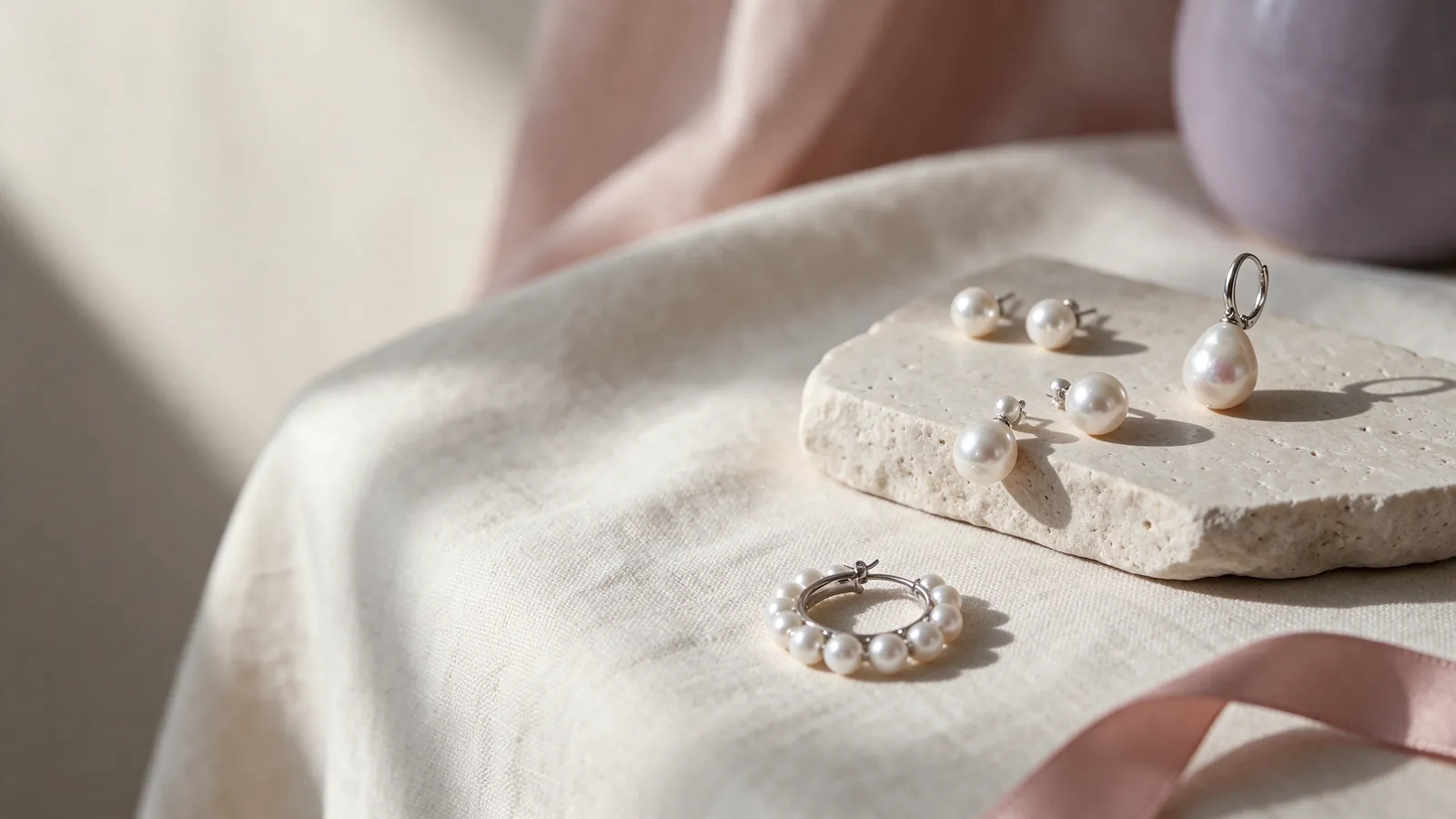
Treat the search terms as a starting point, not a complete buying specification. Sterling silver pearl earrings and 925 silver pearl earrings emphasize a metal description, while silver pearl clip-on earrings include a closure type. To compare pearl earrings meaningfully, move beyond the front view: consider how the setting rests on the ear, how the back supports it, and where the pearl sits when you move.
In a mirror, check whether the pearl points outward or the setting leans forward. Then turn sideways and notice the relationship between the earring and your earlobe. Your piercing position and the design's balance can change the result. A pair that looks compact on a display may not rest the same way on your ear, so request a clear rear view as well as a styled image.
Which closure and earlobe-support details affect the fit of sterling silver pearl earrings, 925 silver pearl earrings or silver pearl clip-on earrings?
On a pierced earring, notice the back's contact surface and whether it presses into the lobe. On a clip-on, look at where the closure holds the ear and whether the piece shifts during a gentle head turn. More pressure is not necessarily better support. If you feel pinching or discomfort, remove the earring rather than forcing the closure tighter. Evaluate the actual structure instead of expecting a metal name to predict comfort.
Turn a material label into component-level questions
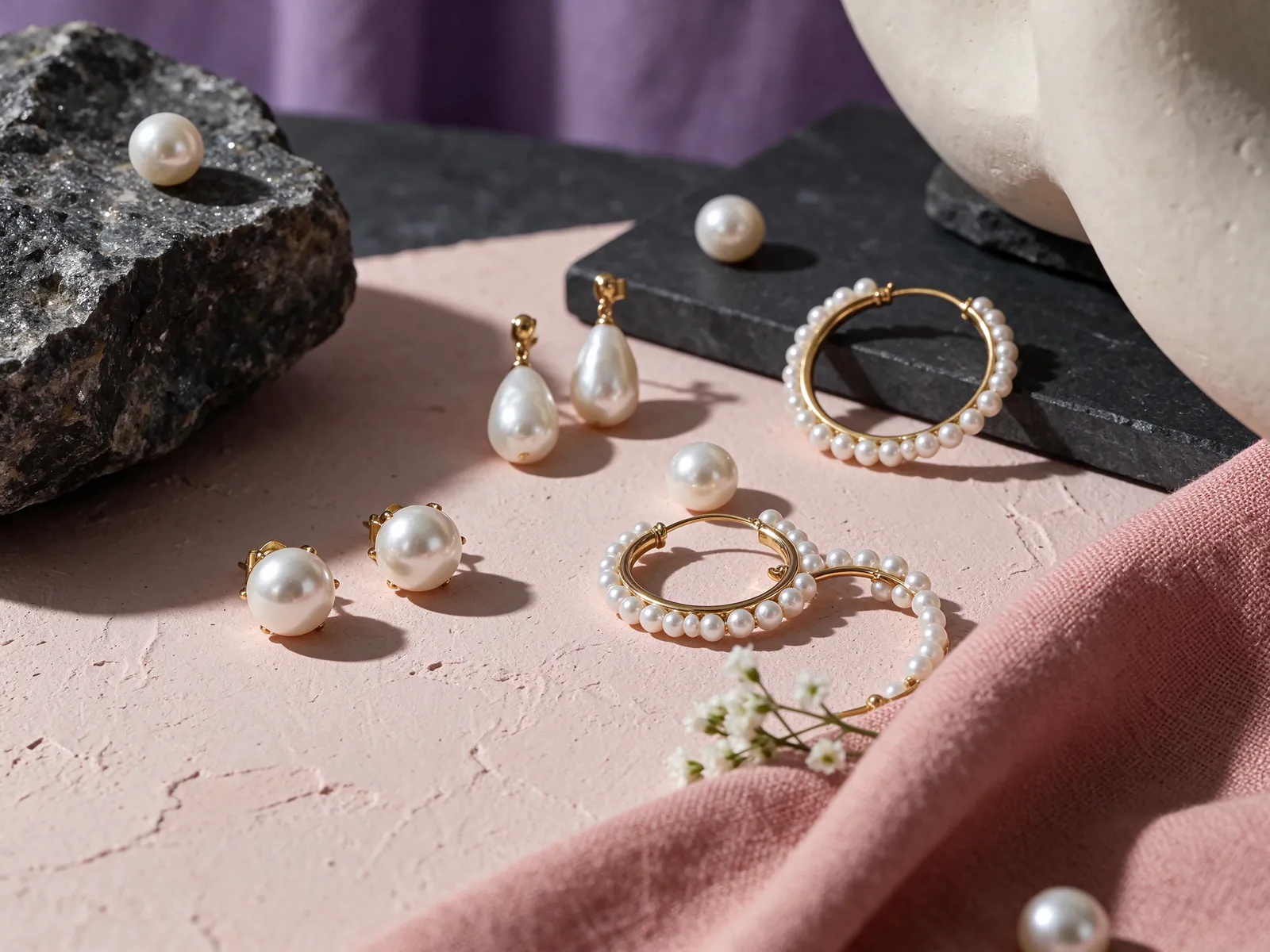
Before deciding that two silver descriptions mean the same thing, read what each seller says about the individual parts. The setting, post, back, and clip are distinct components, and an overall product name may not describe them all. A mark on one part should not be used to supply missing details about another. Make a short list of the components that directly touch your ear and ask about those first.
Color is another separate consideration. A silvery look does not establish a material or show how your skin will respond. If earrings have bothered your ears before, explain the experience and ask for the contact components' stated materials. The guide to pearl earrings for sensitive ears helps you compare those descriptions with the closure position and your wearing experience. No material name guarantees an allergy-free result; stop wearing earrings that cause discomfort and seek medical advice if symptoms persist.
Use a consistent method for other material comparisons
The same approach applies when researching 14K gold pearl earrings: identify the part covered by the material statement, then inspect the closure and support. This prevents the metal comparison from becoming an unsupported fit conclusion. A more decorative setting or a different name does not tell you whether a back will sit well on your ear. Keep your final decision tied to the description and structure of the individual piece.
Decide where you want the pearl to sit
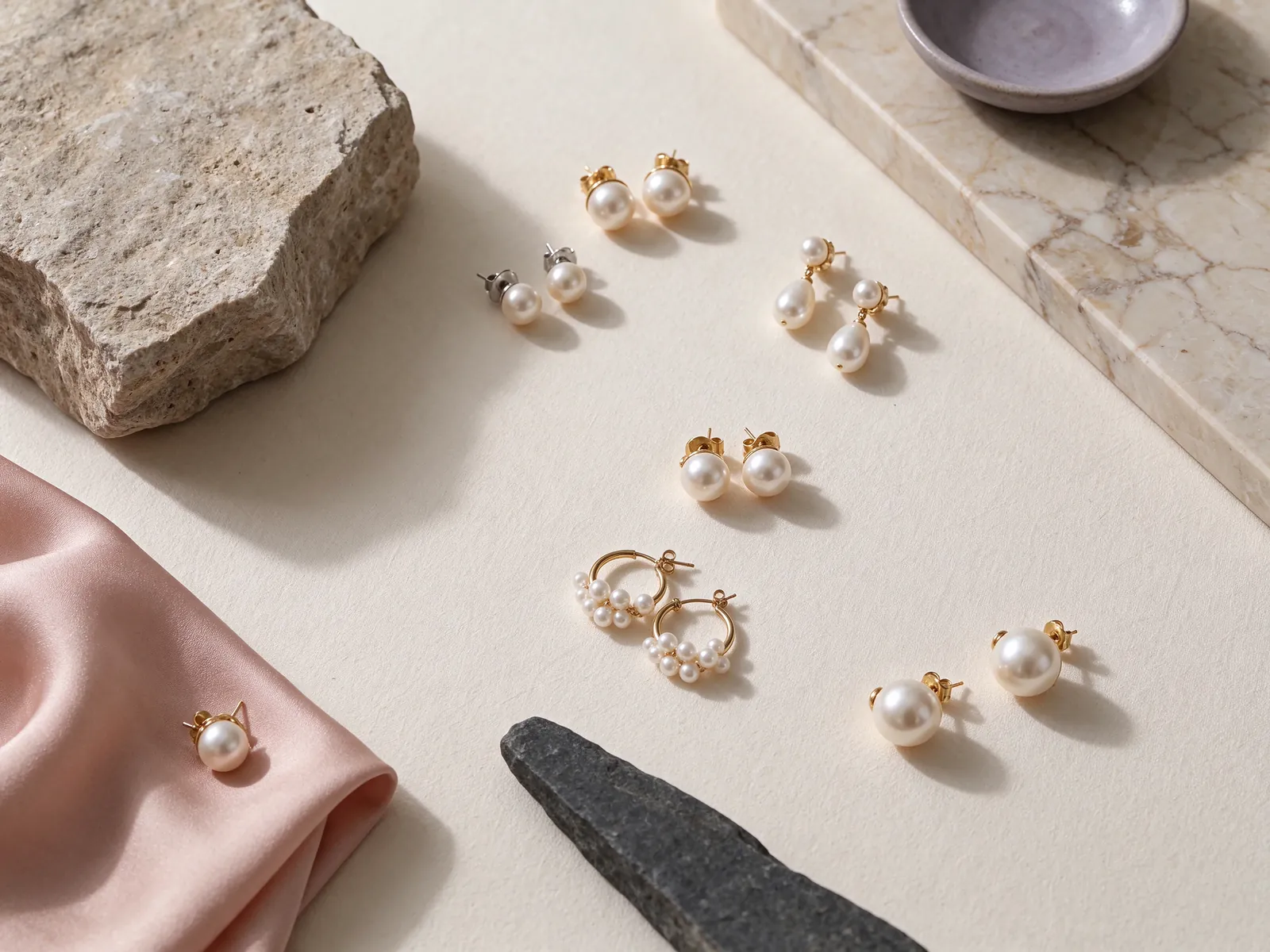
If your goal is a restrained detail close to the face, compare pearl stud earrings by the pearl's position rather than by the word small. Notice whether the lower edge of your earlobe remains visible and whether the setting tips in profile. Try your normal hairstyle, then tuck your hair behind the ear. These two views help show how much of the design will be visible in everyday use.
For pearl drop earrings, look at the endpoint in relation to your jaw and neckline. Length alone does not determine whether an earring looks balanced. The connecting metalwork also influences the direction of the pearl and how it moves. Compare the piece with a familiar shirt or dress, not only against a bare neckline, so you can see whether the drop has enough visual and physical space.
Separate visual balance from freedom of movement
Use a front view for composition, a side view for support, and a gentle head turn for clothing contact. The comparison of pearl studs vs drops vs dangles is more useful when you bring these observations to your own outfit. One style may work for a busy workday and another for a dressier event. There is no need to choose a single silhouette as the only appropriate option for your face.
Build the outfit around nearby lines and details
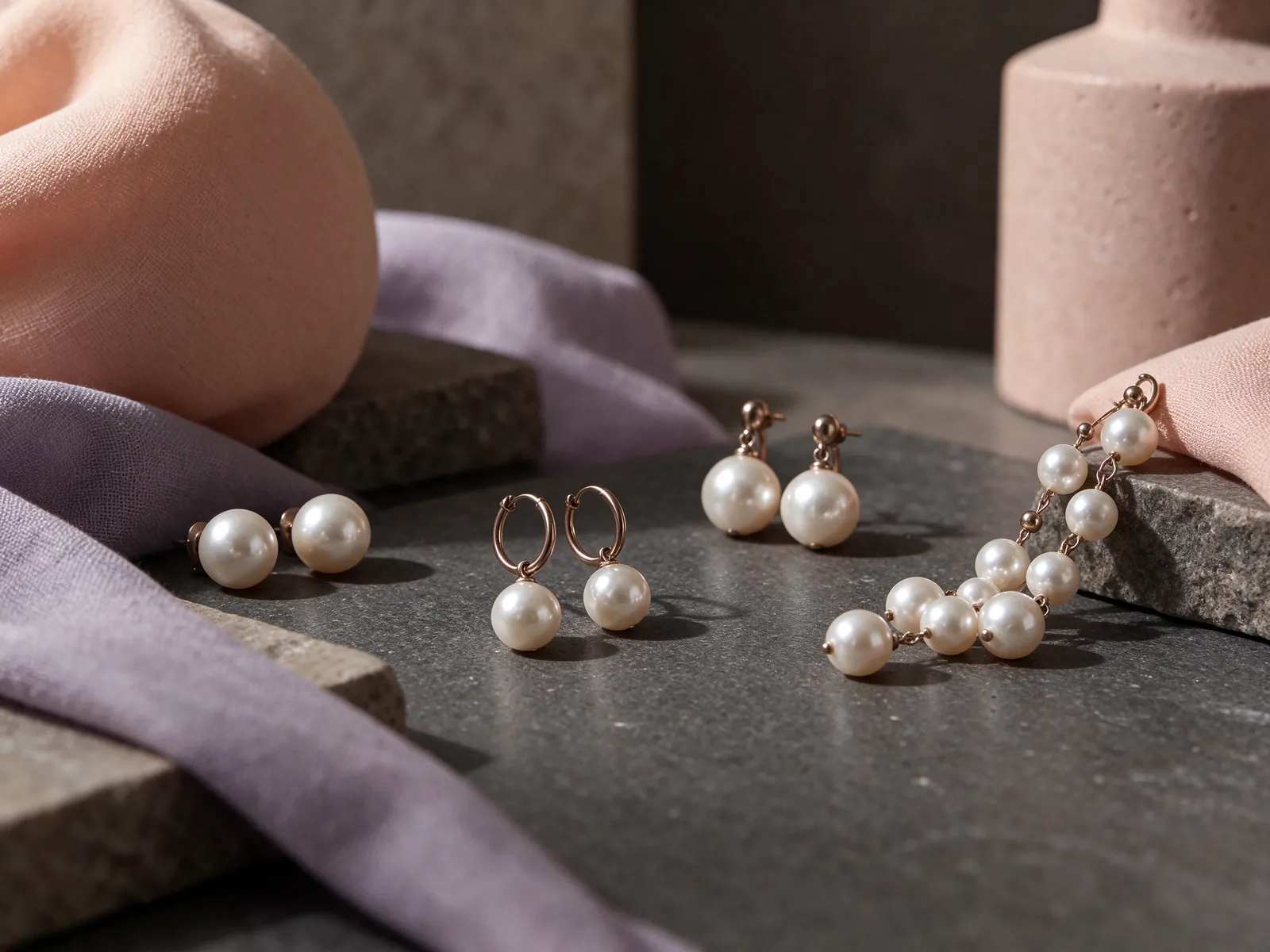
Consider the details already surrounding your face. A patterned collar, decorative buttons, or a textured scarf can share attention with an earring. A simpler neckline gives a drop more room to become a feature. Silver-toned metal and pearls can create different contrasts against light and dark clothing, but those effects depend on the visible shape and setting. They are styling choices, not fixed rules about skin tone.
Glasses introduce another line near the ear, so assess the frame and earring together. A bold frame may need less competing metal detail. If you are drawn to long pearl dangle earrings, check them with loose hair and your usual outerwear. An attractive still view may hide contact with a collar or tangling with hair. Turning your head helps reveal those practical relationships before they become daily annoyances.
Plan for devices and different occasions
For work, think about headphones, phone calls, and any need to remove your earrings during the day. Inspect the back as carefully as the front where a device might touch it. For a formal outfit, finish your hair and neckline before deciding how prominent the earrings should be. Leaving out a necklace can give the earrings room to lead; coordinated styling does not require every jewelry category at once.
Compare the pearls as a pair, independently of the setting
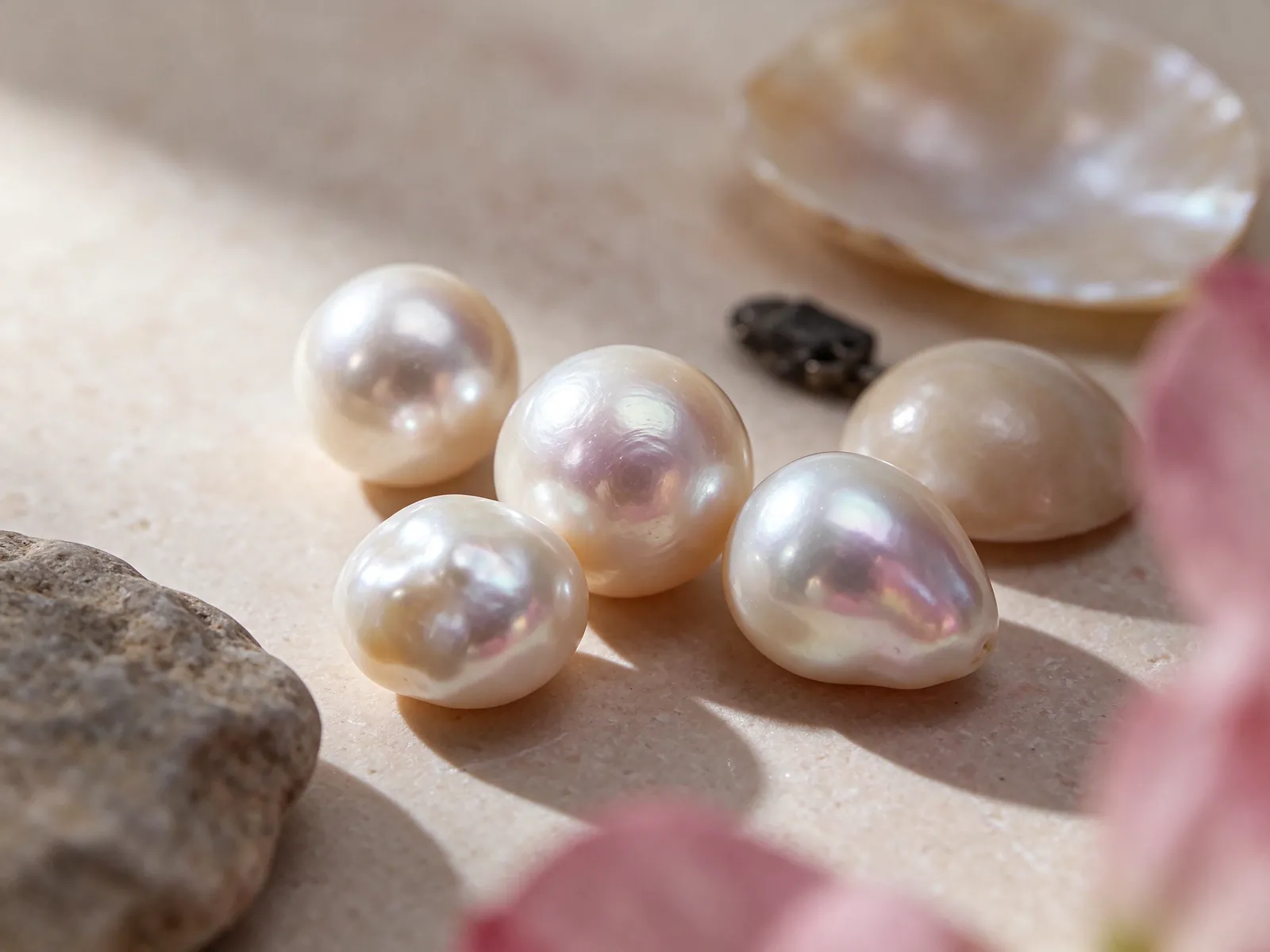
View the two pearls in similar lighting and compare their overall color, luster, and visual balance. Decide whether you want close coordination or enjoy some variation. The surrounding metal can change the contrast you see, but it cannot establish the pearl's species, origin, or natural-versus-cultured identity. A good visual match and an identity statement are different kinds of information, and neither should be substituted for the other.
GIA identifies seven pearl quality factors: size, shape, color, luster, surface quality, nacre quality, and matching. For earrings, matching is especially noticeable because both pearls frame the face at the same time. Request comparable angles and lighting when viewing a pair remotely. If one piece is in shadow and the other faces a light, the images may exaggerate a difference or hide one that matters to you.
Know which questions a photograph cannot answer
A round outline, white color, or bright reflection does not by itself identify a pearl. When species or treatment information is important, use the description and relevant documentation for the particular earrings. Read metal statements separately from pearl statements. Do not interpret an attractive pair as proof of a grade or certificate, and do not interpret general educational guidance from GIA as an endorsement of the jewelry being considered.
Choose care for the complete pearl earring
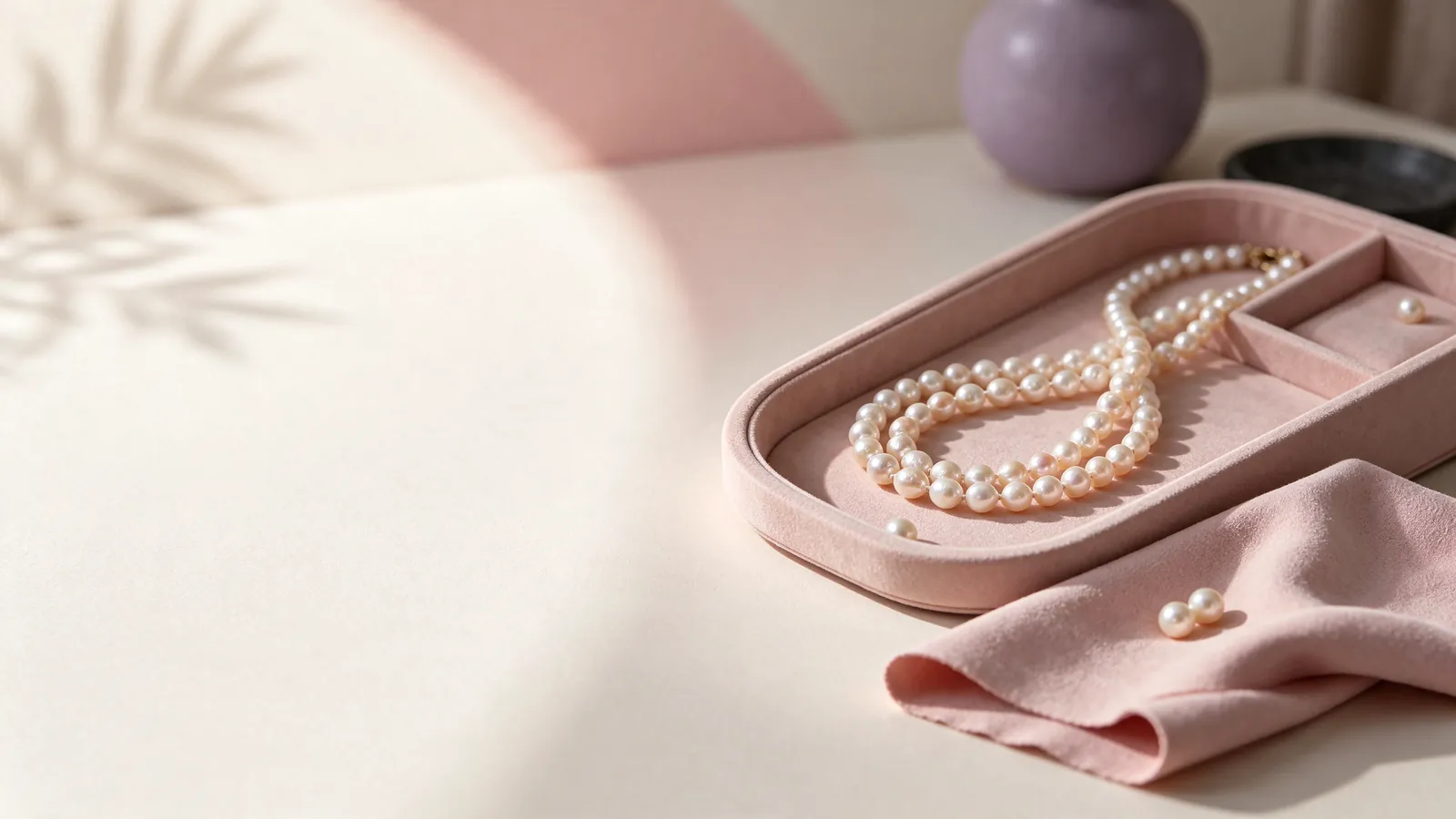
The pearl changes the cleaning decision. GIA lists pearl at 2.5 on the Mohs hardness scale and says pearls should never be cleaned in ultrasonic or steam cleaners. That means a familiar method for another metal jewelry piece cannot simply be transferred to a pearl earring. Before treating the setting, consider where the cleaner may travel and whether it is appropriate for every part it could reach.
For routine care, gently wipe after wearing with a very soft, clean cloth. Follow GIA's advice to avoid acids, perfume, hair spray, and excessive heat. Put the earrings on after using styling sprays rather than exposing them directly. Keep them separate from jewelry that can rub against the pearls, and arrange the pair so a post or clip does not press into the other earring's surface.
Distinguish cleaning from a repair concern
If a pearl starts moving or the closure becomes unstable, stop wearing the piece and describe the specific problem to an appropriate jewelry professional. Clear photographs of the front and back can help explain where it occurs. Avoid applying glue, soaking the earrings, or bending the closure by force. Removing surface residue will not fix a structural issue, and a clean appearance is not evidence that the earring is secure.
Describe the need behind your silver-earring search
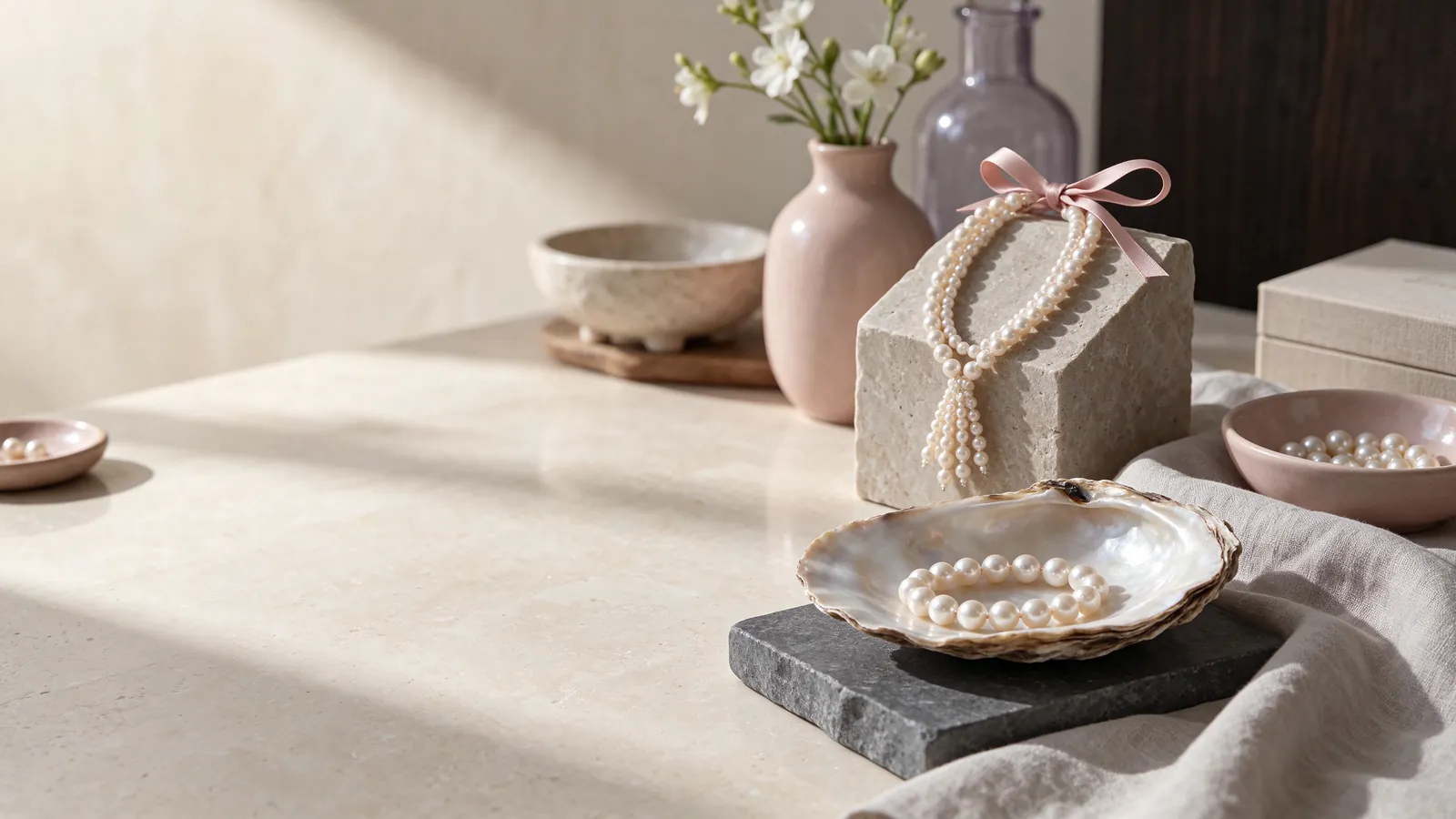
Your search may be driven by a preferred color, an unpierced closure, or the wish for a pearl to sit close to the ear. Name that priority first. These are separate design considerations, and grouping them together can obscure the real need. If you already own earrings, describe what you enjoy and what gets in the way, such as slipping, contact with a collar, or interference with your hairstyle.
Flint Jewelry discussions can cover 18K 750 white gold, 18K 750 yellow gold, 18K 750 rose gold, PT950 platinum, and PT900 platinum. This page explains a silver comparison; it is not a Flint silver product catalog. Bring your preferred outline and wearing habits to the conversation, then discuss a design direction. No material name can promise comfort or determine in advance how a specific structure will sit on your ear.
Prepare a useful brief without copying an online product
Start with the occasion, the desired outline, and your previous wearing experience. For example, explain whether you want a quiet detail beside a work shirt or a visible drop with a simple evening neckline. Then describe any closure or clothing-contact problem. You do not need to reproduce another design's full specification. A clear account of the look you enjoy and the practical issue you want to address is a better starting point. To discuss a design direction in the five materials listed above, contact Flint Jewelry on WhatsApp at +85260106207 and share your preferred outline, occasion, and wearing habits.
| Decision area | What to examine | Practical check | Question to ask |
|---|---|---|---|
| Silver wording | Material descriptions by component | Separate appearance from stated material | Which statement covers the post, back, or clip? |
| Pierced closure | Back placement and support | Look for forward tilt or pressure | How does the back rest against the lobe? |
| Clip-on closure | Contact location and stability | Turn gently and notice pinching or slipping | Where is the lobe held? |
| Pearl position | Relationship to jaw, hair, and collar | Compare with an everyday outfit | Does the design touch clothing as you move? |
| Care routine | Suitability for the whole earring | Wipe gently and avoid rubbing in storage | Could the cleaner reach the pearl? |
Pearl knowledge and authoritative references
GIA gives pearl a Mohs hardness of 2.5 and advises that pearls should never be cleaned with ultrasonic or steam cleaners. Care decisions for pearl earrings must account for the pearl, not just the metal.
Read the reference for this factFrequently asked questions
Can I identify every component from a 925 silver earring title?
Not reliably. Look for separate descriptions of the setting, post, back, or clip. A title or a mark on one component does not fill in material information for the entire piece.
Should I tighten a clip if a pearl earring slips?
Do not assume that more pressure solves the problem. Contact position and the design's support also matter. If the piece slips or pinches, remove it and discuss the structure rather than forcing it tighter on your ear.
How can I compare a pair from online photographs?
Ask for both earrings in similar lighting and at comparable angles, including back and side views. Compare color, luster, and overall coordination, but do not infer species, treatment, or certification from appearance.
Does cleaning the earrings also make a loose pearl secure?
No. Cleaning addresses surface residue, while a loose pearl or unstable closure is a structural concern. Stop wearing the piece and seek appropriate jewelry advice rather than applying glue or forcing the closure.
Does this page mean Flint Jewelry sells silver pearl earrings?
No. It is a material and wearing-structure comparison. For a design conversation, explain your preferred outline and practical needs, then discuss 18K 750 gold or PT950/PT900 platinum options.
Updated: