How does size influence the appearance of 10K gold pearl earrings and K10 pearl earrings, including 10k pearl studs?
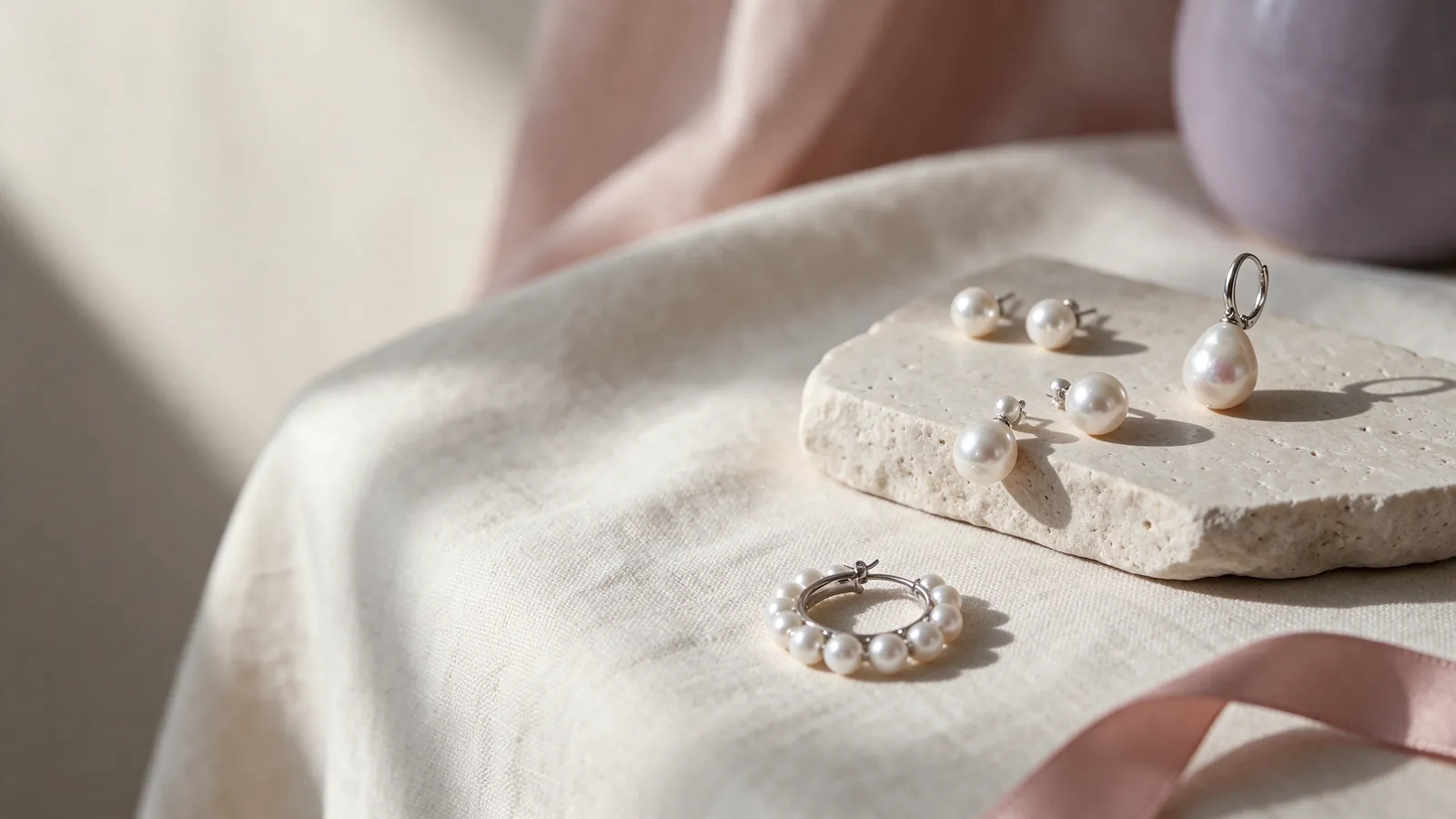
An earring's apparent scale comes from more than the pearl at its center. A surrounding frame, a sideways extension or a hanging element can make the full outline more visible. Before comparing measurements, decide whether you want an understated detail for everyday clothes or an accent that stands out when your hair is pulled back. This turns size into a practical styling question instead of a contest to find the smallest or largest number.
A tightly cropped image can make a modest outline look prominent, while a front view may hide how far the piece projects from the ear. Look for both perspectives and imagine the design beside your glasses, hair and neckline. Reading pearl studs vs drops vs dangles helps distinguish the visual behavior of a close-to-ear shape from a hanging one. The word stud describes a style; it does not establish a particular size, pearl identity or level of comfort.
Which size details should you distinguish in 10K gold pearl earrings and K10 pearl earrings when evaluating 10k pearl studs?
Read pearl dimensions, complete height and width, side projection and fastening information as separate details. The pearl may occupy only part of the outline, and the complete height does not reveal its individual size. If a description gives only one of these measurements, ask for the others that matter to your choice. An earring you already wear provides a familiar outline comparison without relying on a photograph's magnification.
Read the metal label without turning it into a pearl grade
10K and K10 are two ways of writing the same metal designation. They do not describe pearl quality. Separate a listing into metal information, pearl information and construction details, so each part answers the appropriate question. A short title can name a metal without describing every post, back or decorative element. Paying attention to individual components makes the comparison more useful than treating the headline as a complete specification.
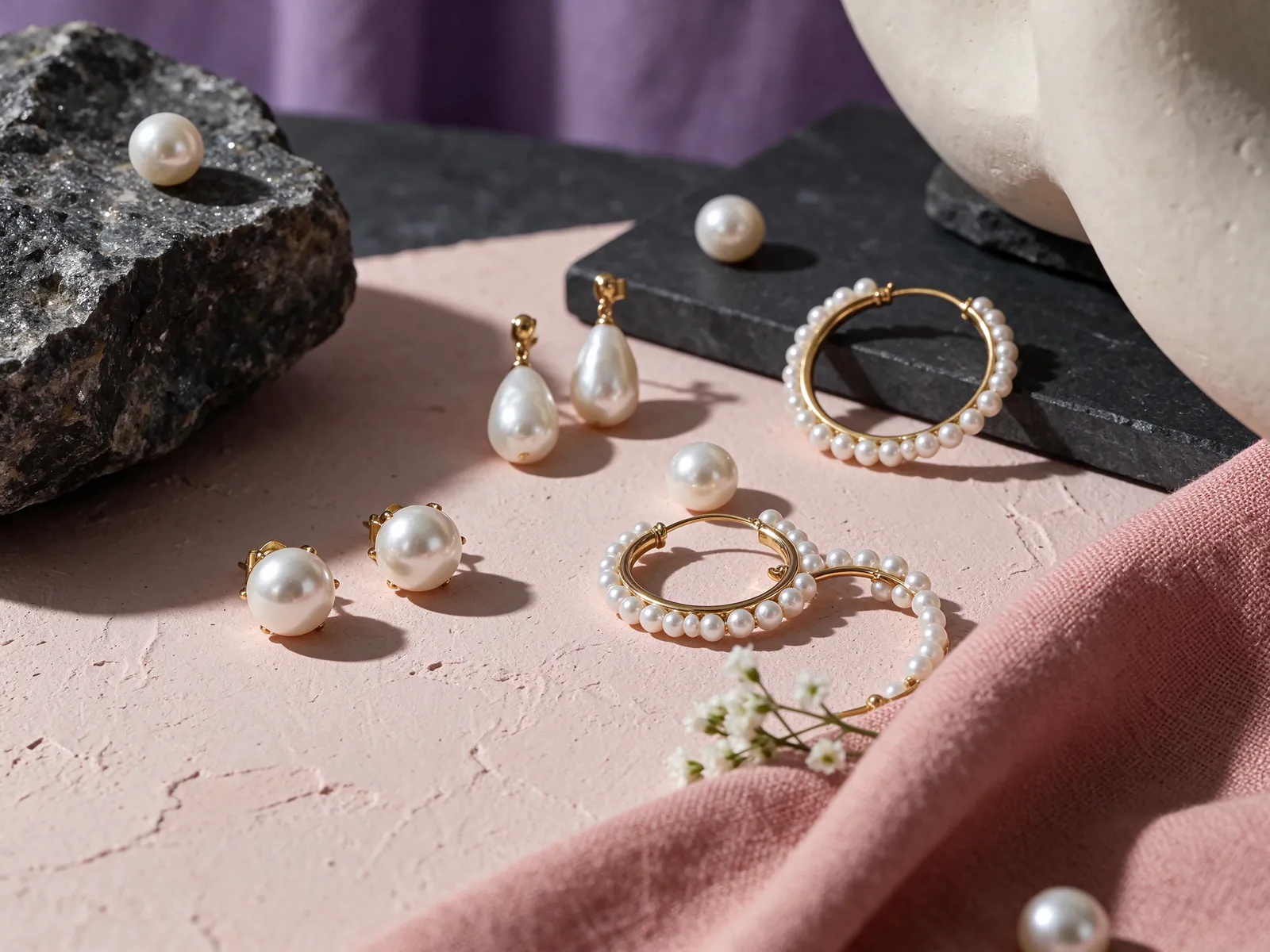
GIA identifies seven pearl quality factors: size, shape, color, luster, surface quality, nacre quality and matching. In a pair of earrings, the relationship between the two pearls matters alongside their individual appearance. Look at their visual scale, color and reflection together under similar lighting. A pair can be coordinated without being identical in every visible detail, while a pleasing setting cannot by itself establish the quality of the pearls.
Distinguish appearance from identity
A pearl's shape or color alone cannot prove origin or natural-versus-cultured identity. If either question affects your decision, look for an explicit description and relevant documentation for the particular piece. For an appearance-focused comparison, start with the outline, color and reflective effect you enjoy. Then consider the quality factors separately rather than expecting a metal name or a flattering close-up to answer everything.
Evaluate the post and back in the context of your ear
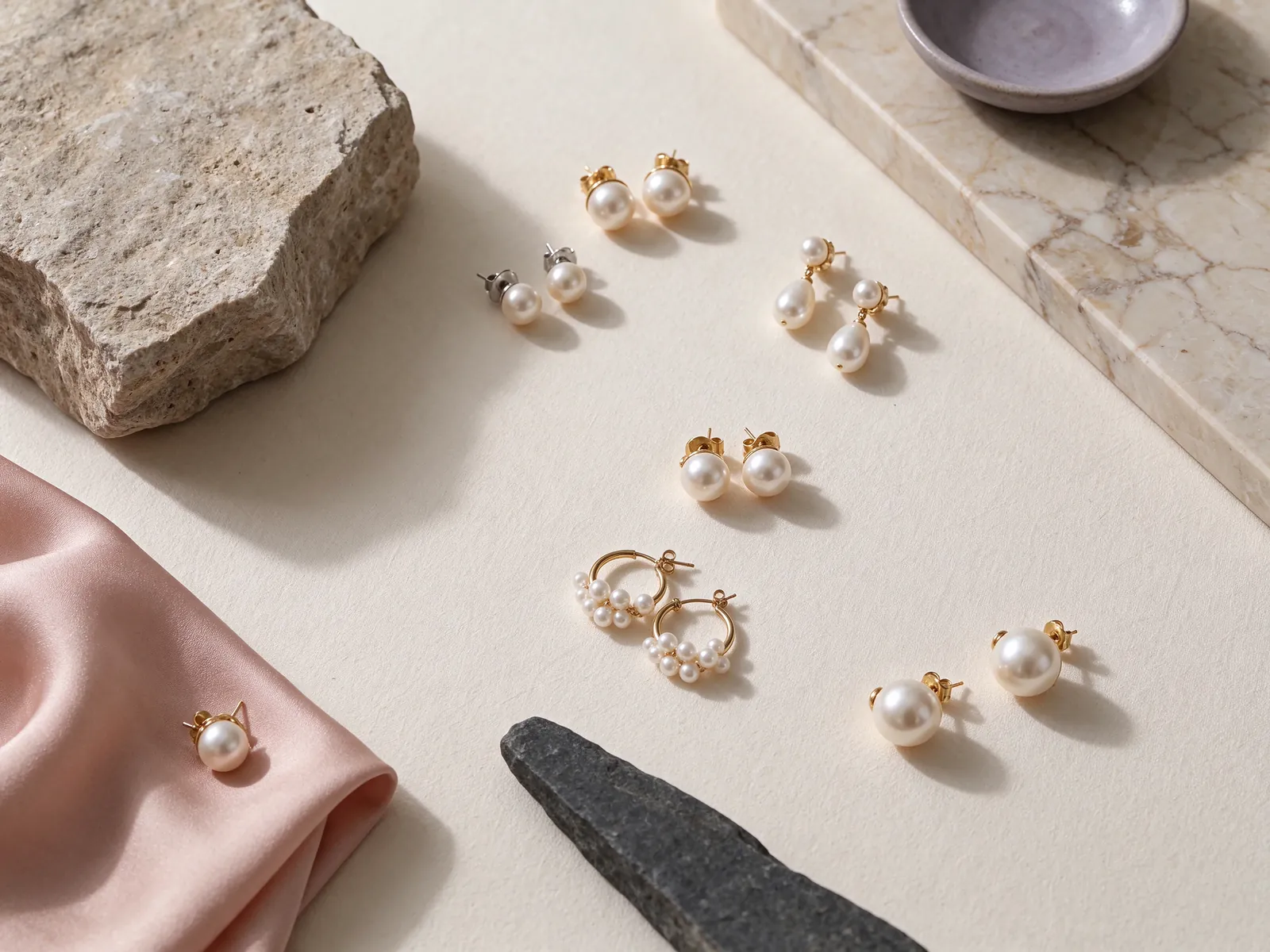
The same front outline may sit differently depending on piercing position, earlobe shape and the way the back supports it. Weight distribution and the contact area at the back also matter to the angle you see. Ask how the fastening is secured and released, and whether you can handle it without pulling at your ear. A label such as everyday stud does not replace these concrete construction questions.
Consider how you move through a normal day. Glasses, loose hair, headphones or a scarf can share space with an earring, and a projecting or moving element may interact with them differently from a flatter outline. If you try on a design, observe its side view and what happens when you look down or turn your head. Avoid overtightening the back to force a particular angle, and do not assume that a substantial-looking back guarantees security.
Use your contact history, not a broad comfort label
People with previous reactions to jewelry should consider the stated materials of the parts that touch the ear. Do not assume that every piece with the same designation has identical posts and backs. A metal label is not a universal sensitivity assurance. Stop wearing an earring that causes discomfort and obtain appropriate medical advice when needed. Your own known contact experience is a more meaningful starting point than a general comfort promise.
Choose a styling role for workdays and relaxed weekends
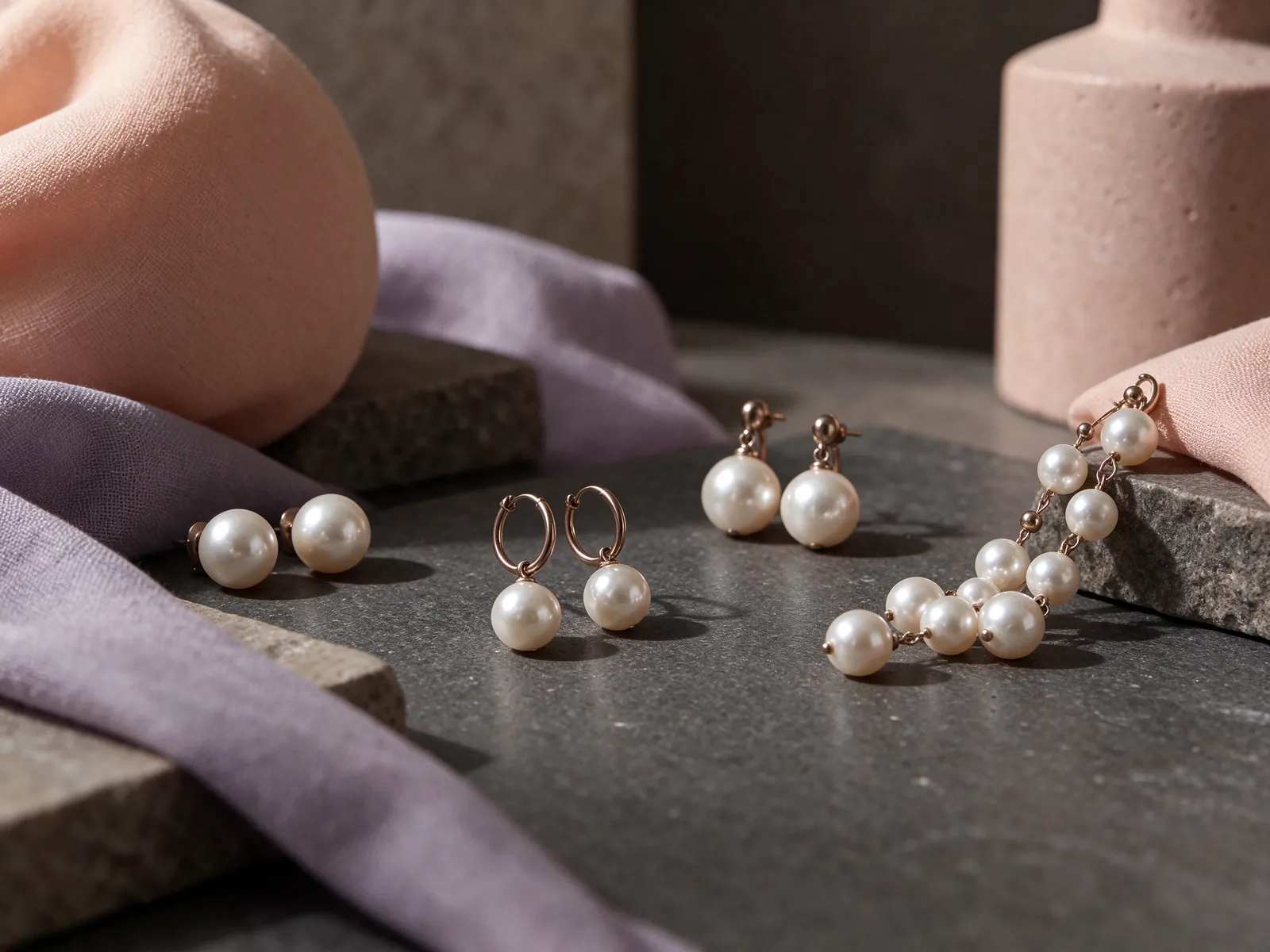
For work clothes, decide how the earrings relate to the details already around your face. Strong glasses, a patterned blouse or a distinct necklace can each become a focal point. A simple pearl outline may provide contrast without adding another busy shape. The guide to everyday pearl earrings considers the relationship between visual restraint and routine activities, helping you think beyond the assumption that a particular metal name automatically defines a workday style.
On a relaxed weekend, a ponytail or tucked-back hair can reveal an outline that is partly hidden during the week. A plain neckline may give the pearl more visual space, while a scarf or detailed collar can change that balance. Compare wearing images with your own usual hairstyle and clothing in mind. The goal is not to reproduce the model's complete outfit, but to understand which part of the design will remain visible in yours.
Check the composition beyond the earlobe
Step back from the mirror and look at your upper-body outline. Are the earrings meant to support the face, echo a necklace or become the main accent? Coordinated and contrasting metal colors can both be deliberate choices. Setting a visual priority first helps you compare outlines and colors in an organized way, instead of choosing every accessory independently and hoping they work together.
Keep design differences separate when comparing metal names
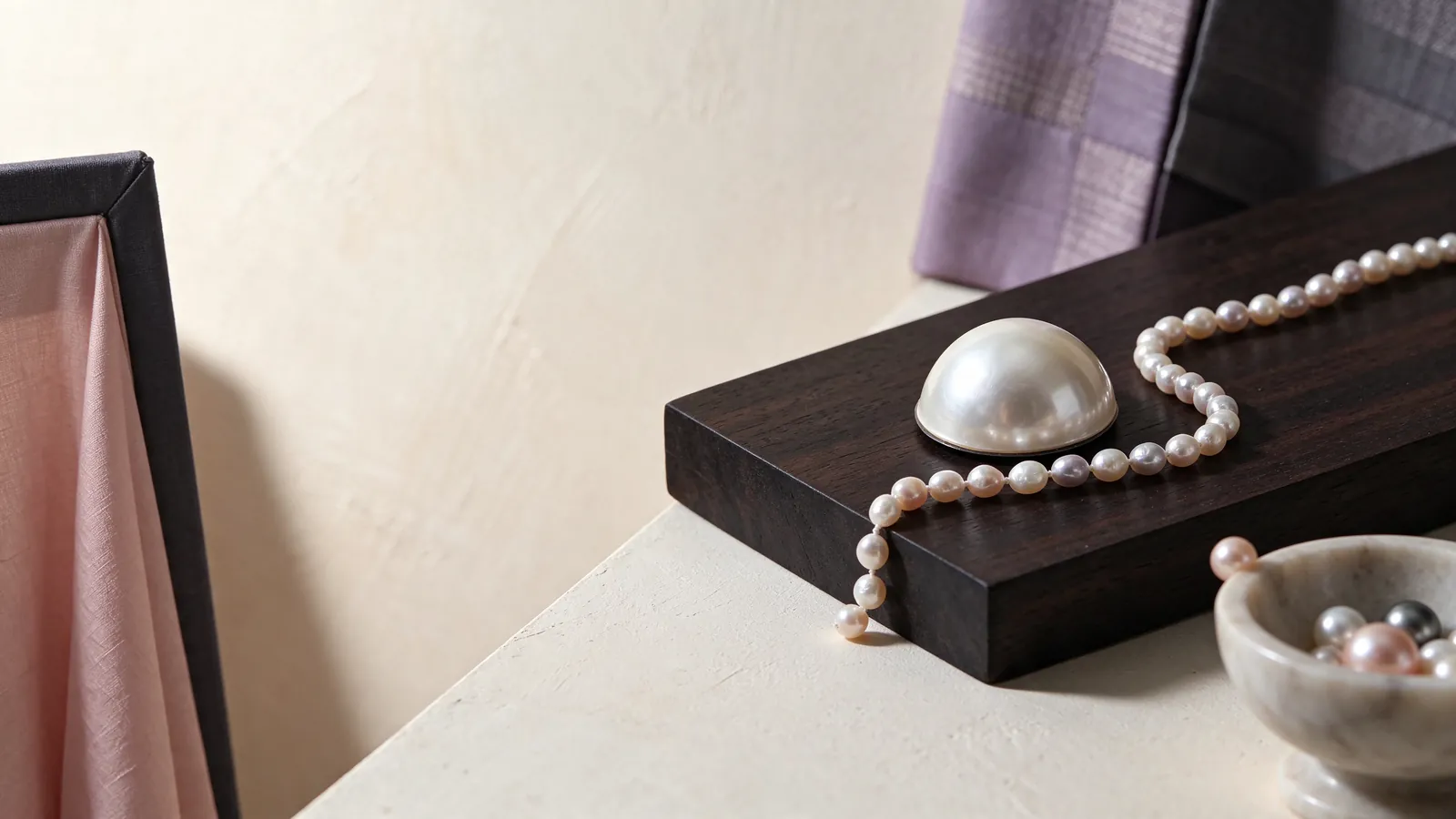
When comparing different metal designations, keep as many style conditions alike as you can. Record complete size, pearl appearance and fastening separately. Comparing a wide decorative outline with a small stud otherwise risks assigning the visual difference to the metal name. The guide to 14K gold pearl earrings covers another naming question, while the pearl earring size guide helps separate pearl dimensions from the full silhouette and its scale beside your earlobe.
Material conversations with Flint Jewelry are limited to 18K 750 white gold, 18K 750 yellow gold, 18K 750 rose gold, PT950 platinum and PT900 platinum. The pages on 18K gold pearl earrings and platinum pearl earrings provide related buying knowledge. Discuss those directions in connection with your desired silhouette and color. The 10K terminology on this page is an independent comparison topic, not an indication that Flint offers earrings in that material.
Use existing accessories as a color reference
Consider the visual colors of rings, glasses and necklaces you wear regularly. Decide whether the earrings should coordinate with them or create contrast, then see whether the pearl remains the main accent. Photographic lighting and white balance affect apparent color, so a single image is not a precise color standard. Keep the fastening and side profile in the decision even when color is your starting interest.
Build a useful shortlist for yourself or a gift recipient
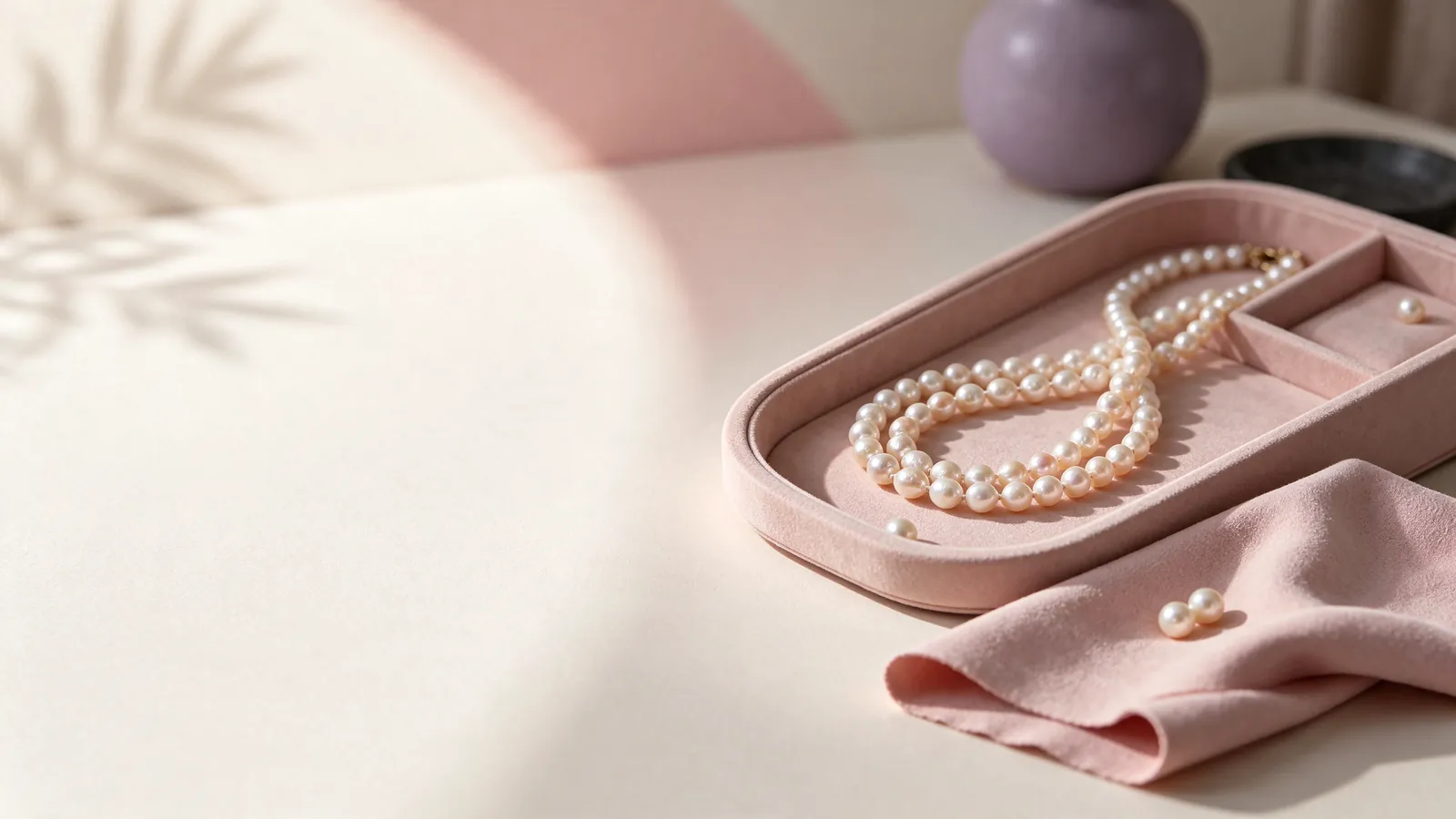
For a gift, confirm that the recipient has pierced ears and is comfortable with the fastening being considered. Notice the scale of earrings they already wear, along with their hair, glasses and neckline preferences. These observations say more about a suitable visual direction than a guess about which K number they favor. Do not assume that your own experience with a post, back or projecting outline will transfer to someone else.
For personal shopping, make a shortlist based on the effect you want: a quiet detail, a clearer outline beside pulled-back hair or a shape that fits your regular accessories. When talking with Flint Jewelry on WhatsApp about the listed material directions, explain these preferences and your handling needs. This makes the conversation concrete without assuming a product's pearl type, price or availability from an image.
Make each question resolve one uncertainty
Ask for complete height and width if only pearl size is given, and for a side perspective if only the front is visible. Ask how the back is secured if stud is the only structural description. You can show the outline of an earring you already own to communicate familiar proportions. Use that comparison to explain a preference, not to request a copy of another maker's design.
Let pearl care guide the cleaning method for the whole earring
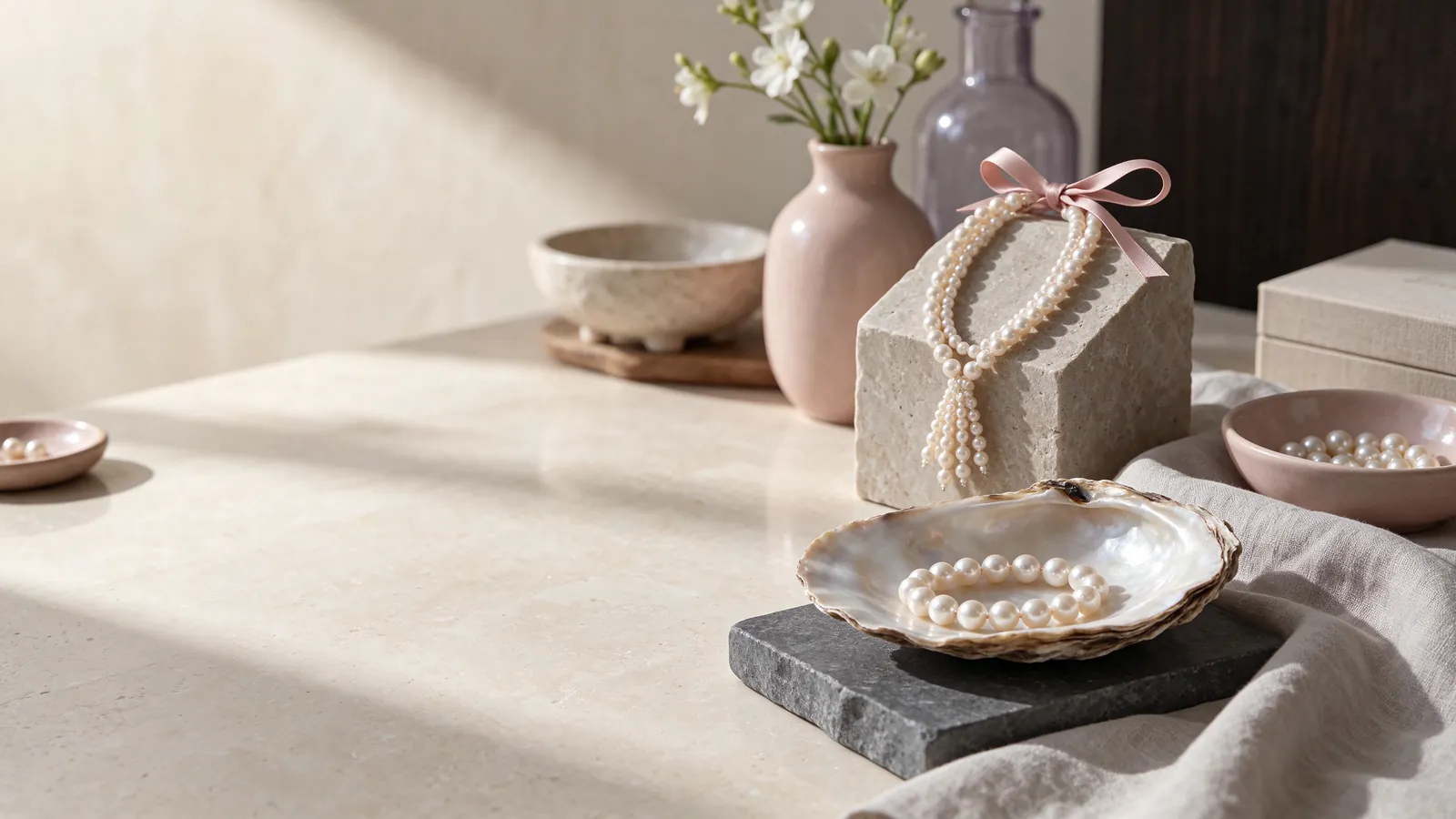
GIA states that pearls should never be cleaned in ultrasonic or steam cleaners. The presence of metal does not make the entire earring suitable for a treatment used on metal alone. For routine care, wipe the pearls after wearing with a very soft, clean cloth. Avoid acids, perfume, hair spray and excessive heat. Put the earrings on after fragrance and hair-styling steps to reduce direct contact with those products.
During storage, prevent the earrings from rubbing against one another or other jewelry, and keep the backs organized with the pair. Before the next wear, check for looseness or distortion, particularly if clothing or hair has caught on an element. Do not repeatedly bend a component to change its position. Good care reduces avoidable contact and strain; it does not mean any metal designation can preserve a pearl's appearance permanently.
Pay attention to the structure as well as the pearl
Use a simple sequence: secure the fastening as designed before wearing, wipe gently afterward and store without friction against other pieces. If another component needs treatment, follow the care instructions for that particular earring instead of improvising soaking or heat. A pearl that still looks bright is not a reason to overlook the condition of the post, back or any moving connection.
To bring your silhouette, fastening and material preferences together, contact Flint Jewelry on WhatsApp or call +85260106207 to discuss the five material options described above.
| Comparison detail | Separate information | Why it matters visually | Question to ask |
|---|---|---|---|
| Pearl size | Pearl dimensions versus complete dimensions | Scale of the pearl beside the earlobe | What are the full height and width? |
| Complete outline | Frame and any hanging elements | Visibility with different hairstyles | What contributes to the front silhouette? |
| Side profile | Forward projection from the ear | Space shared with glasses, hair or a scarf | Can I see the side perspective? |
| Post and back | Contact parts and fastening operation | Handling and the angle of the front | How is the fastening secured and released? |
| Pearl appearance | GIA's seven quality factors and matching | Coordination of the two sides | Are pearl details described apart from metal? |
Pearl knowledge and authoritative references
GIA lists seven pearl quality factors: size, shape, color, luster, surface quality, nacre quality and matching. These factors address pearl evaluation rather than a metal designation.
Read the reference for this factFrequently asked questions
Are 10K and K10 two different pearl categories?
No. They are alternate ways to write the same metal designation, not pearl categories. Neither spelling identifies pearl quality, origin or natural-versus-cultured identity.
What should I ask if a listing shows only a large front photograph?
Ask about complete height and width, pearl dimensions and side projection. Those details answer different questions, and a cropped photograph does not establish actual scale or how the earring stands away from the ear.
How can I choose a gift without knowing the recipient's preferred K number?
Begin with pierced-ear status, familiar fastening, usual outline size and any known contact concerns. Hair, glasses and neckline preferences help explain the desired look. A guessed metal preference cannot replace those practical considerations.
Does this guide mean Flint Jewelry sells 10k pearl studs?
No. This page provides independent naming and style information. Flint material discussions are limited to 18K 750 white, yellow or rose gold and PT950 or PT900 platinum; the 10K page title is not a product offer.
Why must I consider the pearl when cleaning the metal parts?
A cleaning treatment reaches the complete piece, not just its metal label. GIA advises that pearls should never go into ultrasonic or steam cleaners. Routine wiping with a very soft, clean cloth is appropriate; follow the particular piece's care guidance for its other components.
Updated: