
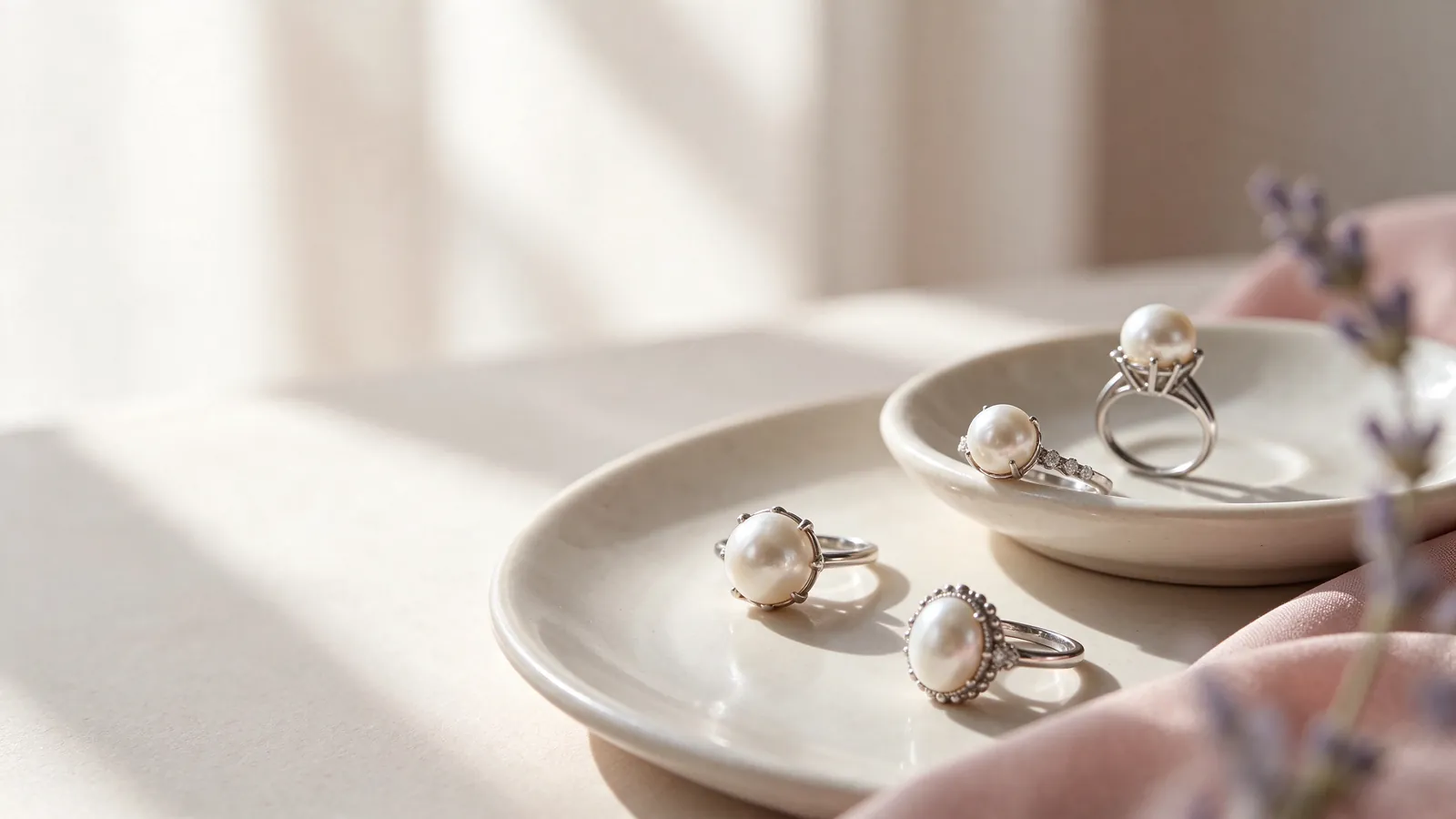
How width and inner curve shape wide band pearl ring sizing: a wide ring band size guide to understanding wide band ring fit
Your familiar ring size is a starting point, not a complete fitting specification. A wide band contacts a larger area of the finger and may feel tighter than a narrow band with the same size label. For a pearl ring, first distinguish the setting from the metal circle underneath it. Some broad-looking settings taper to a slim underside; other designs remain wide around the finger.
Choose the intended hand and finger before taking measurements or comparing rings. If you normally wear a narrow band, note that fact alongside its size system. Learning how to measure ring size gives you a useful baseline, but the next step is a trial band with a comparable width and inner curve. Changing both the finger and the band between trials makes the results harder to interpret.
From knuckle clearance to comfort: assessing wide band ring fit with a wide ring band size guide for wide band pearl ring sizing
Check entry and resting comfort separately. Gently move the trial ring past the knuckle, then let your hand relax before lightly bending the finger. Watch for edges pressing into the finger, persistent tightness, or the setting repeatedly rotating toward the palm. Simply getting the ring on does not establish a good fit, especially if taking it off is difficult.
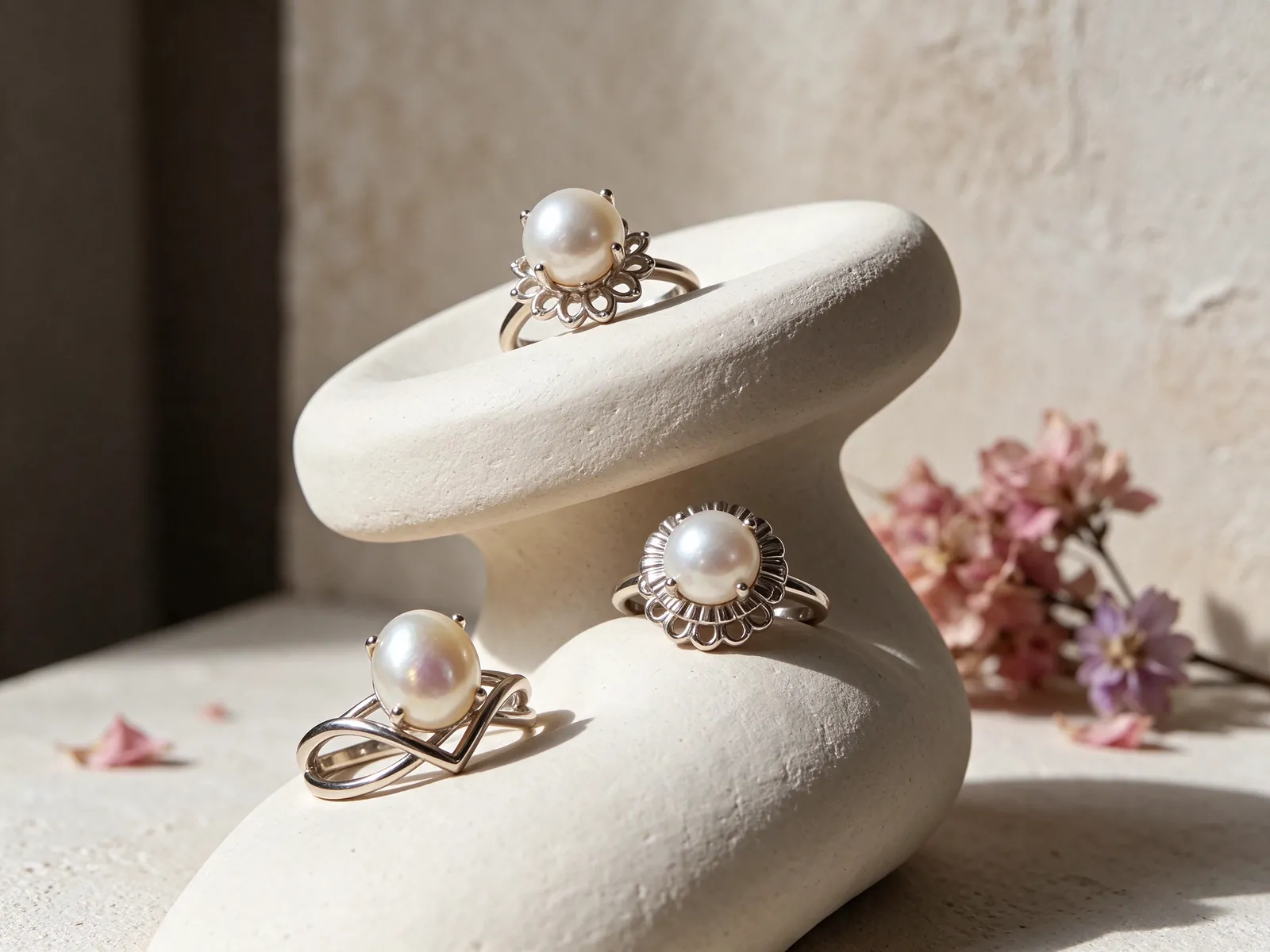
Read the ring from the side and underside, not just the front
A pearl can create a bold silhouette without a uniformly broad band. Inspect where the metal widens and where it narrows, particularly beside the neighboring fingers and underneath the hand. That contact area affects how the ring feels when gripping objects. Pearl diameter describes the pearl; it does not tell you the inner circumference of the ring or supply a sizing adjustment.
A pearl solitaire ring can be a useful comparison when deciding how much visual emphasis you want from the setting versus the band. When comparing pearl rings, consider the scale of the pearl and record band dimensions separately. Also observe whether the setting stays reasonably upright. A preference for a larger-looking pearl should not automatically become a request for a larger ring size.
Test clearance beside the neighboring fingers
Bring the fingers together naturally and make a relaxed curl. A ring that looks balanced with the hand spread open may feel crowded in this position. Check the palm-side edge while holding a phone or pen. Repeat the same movements for each candidate so you can compare practical comfort rather than changing your hand posture to accommodate one design.
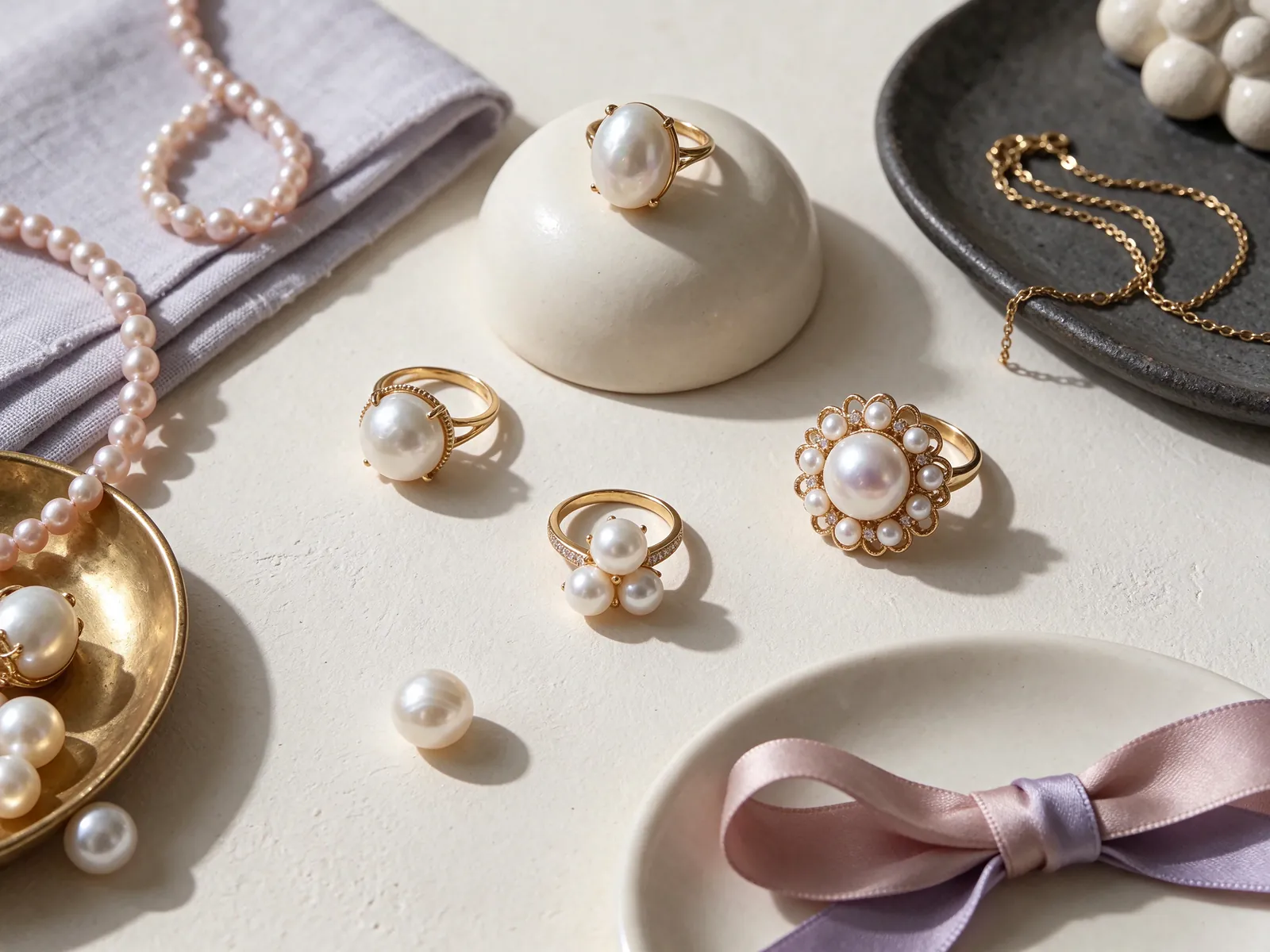
Match the inner curve when comparing nearby sizes
Size labels do not capture the entire inner profile. A flatter inner surface and a rounded one can feel different as they meet the finger, even at the same nominal size. Consider the curve together with band width, thickness, and edge placement. A rounded interior is not a universal instruction to size down, just as a flat interior is not a universal instruction to size up.
A narrow sizing ring cannot fully reproduce a wide band's feel. Use it to establish a baseline, then compare nearby sizes in a trial profile close to the intended ring whenever possible. Record the trial band's width and inner shape alongside the number. Those details remain useful if you later compare a different design that carries an identical size label.
Look for comfortable movement rather than one isolated sign
Do not judge the fit solely by a temporary mark after removal. Consider how the ring feels while worn, whether an edge presses during bending, how easily it can be removed, and whether the setting remains reasonably positioned. If a trial requires force, stop and identify the point of resistance instead of pushing harder or pulling on the pearl.
Check fit in the conditions in which you will wear the ring
Finger size can change slightly during the day and with swelling, and the dominant hand can be somewhat larger. One measurement taken in unusual conditions should not determine the whole decision. Compare the fit at ordinary wearing times and note when it feels looser or tighter. The result for your right ring finger should not simply be transferred to your left ring finger.
For everyday wear, simulate writing, typing, and holding your phone. For an event, think about handling a glass, utensils, or a bag strap. A broad ring needs to work with these movements, not just look good on a still hand. The goal is comfortable contact and a reasonably stable setting, rather than the smallest size you can manage to put on.
Make the fitting notes specific enough to compare
Record the hand, finger, time of day, trial width, size system, and separate notes about entry, resting comfort, and removal. A ring that is usually loose but occasionally tight may rotate more if enlarged. Conversely, occasional looseness in colder conditions does not justify shrinking it until removal becomes difficult under normal conditions. Review the complete pattern before changing size.
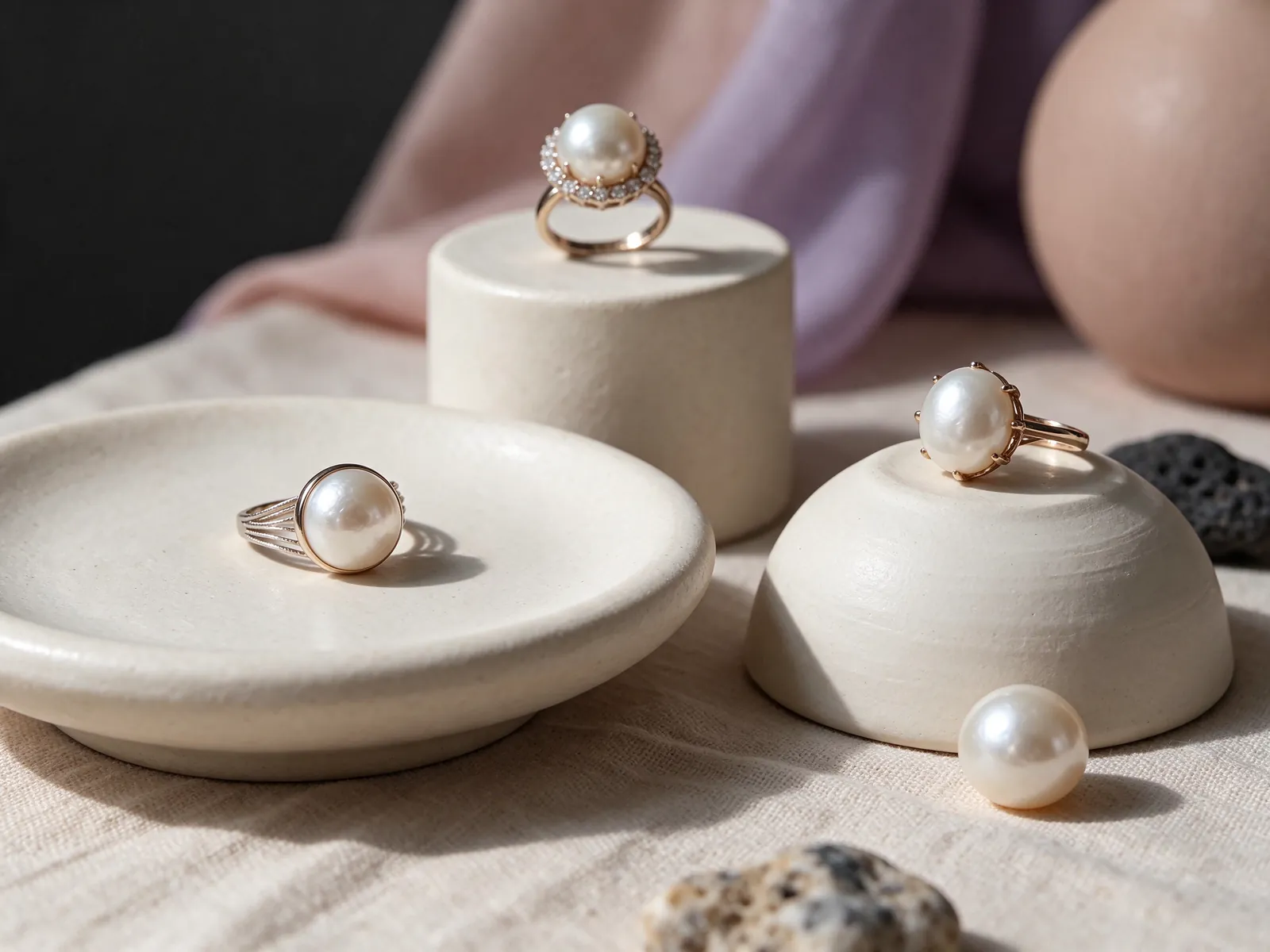
Do not turn Japanese wide-band advice into a full-US-size increase
WSP's size chart recommends considering larger Japanese sizes for wide bands. Read that as a reminder to account for width within the stated system. It is not a rule to add the same number of full US sizes. Before using any recommendation to go up a size, establish which system the advice and your existing ring actually use.
Japanese to US ring size conversion helps interpret labels across systems; it does not decide the extra room needed for a specific band. First identify the corresponding inner dimensions, then compare the wide-band trial. Converting the label and applying a mechanical increase are not substitutes for fitting. Different underside widths and inner curves can produce different choices even among rings described as wide.
Give context when discussing your current size
Instead of supplying only a number, explain its sizing system, which finger carries the ring, and whether that ring is narrow or broad. Mention whether you wear it alone and if the fit has recently changed. That description helps distinguish a conversion question from a band-profile question and makes the next trial more relevant to the ring you want.
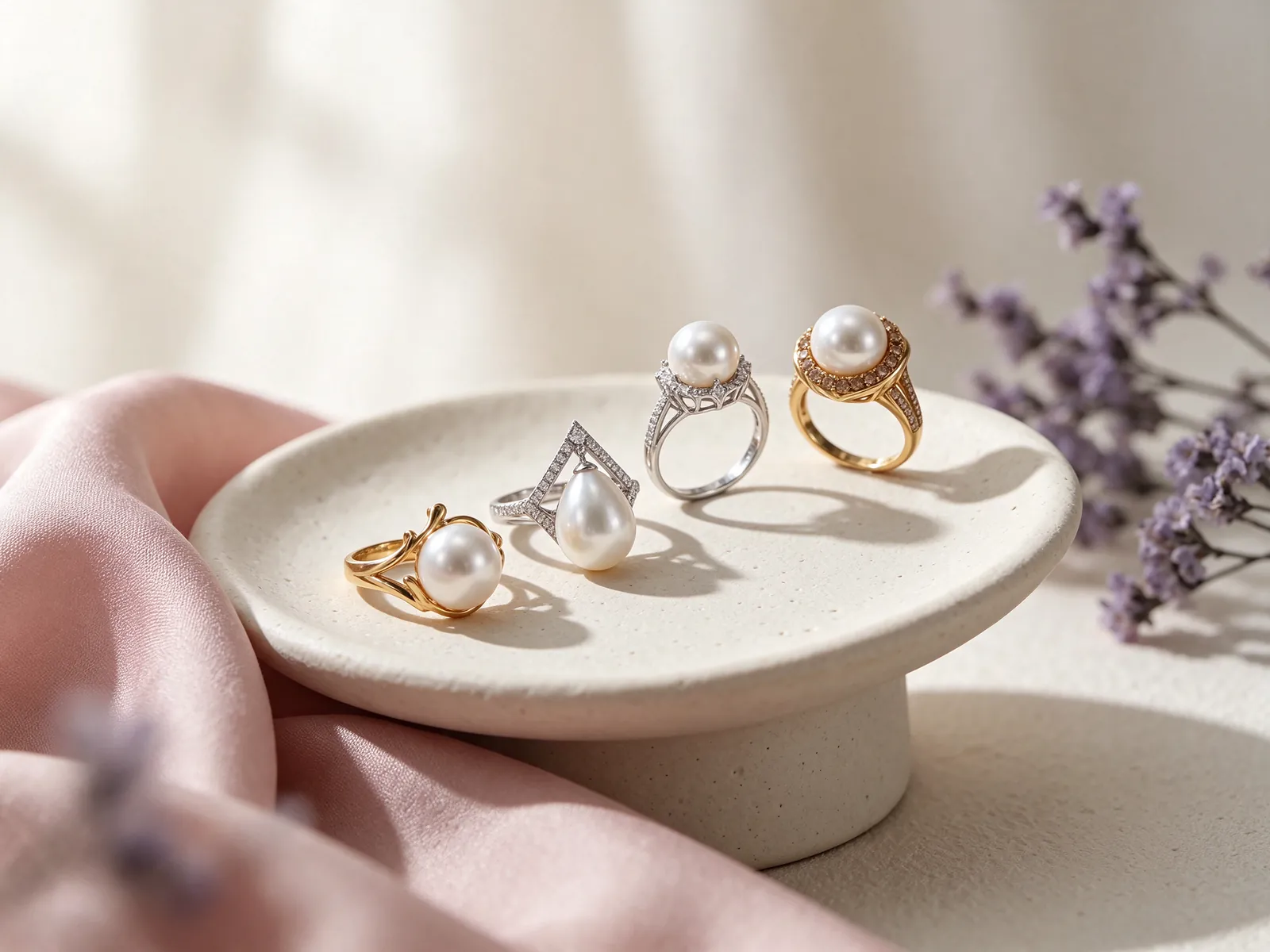
Evaluate the whole stack and the actual open-ring structure
Individually comfortable rings can feel tighter when worn together. With stackable pearl rings, try the complete combination and check the total area covered at the finger base. Bend the finger and inspect where the settings meet. If adding a companion ring creates the problem, adjust the combination or use separate fingers before deciding that the original pearl ring is incorrectly sized.
When asking are open pearl rings adjustable, distinguish an opening used for appearance from a design intended for adjustment. The position of the pearl and the setting structure matter. An open silhouette does not authorize repeated bending or unlimited changes. Do not spread the ends yourself to make a wide band feel looser; first establish what adjustment the particular structure allows.
Keep the pearl clear of companion-ring edges
Begin with the broad pearl ring on its own, then add a companion only if the arrangement leaves comfortable space. A ring on a neighboring finger can create a layered look without increasing coverage on the same finger. For a same-finger stack, check whether a metal edge touches the pearl or tilts its setting. Visual alignment should not override clearance.
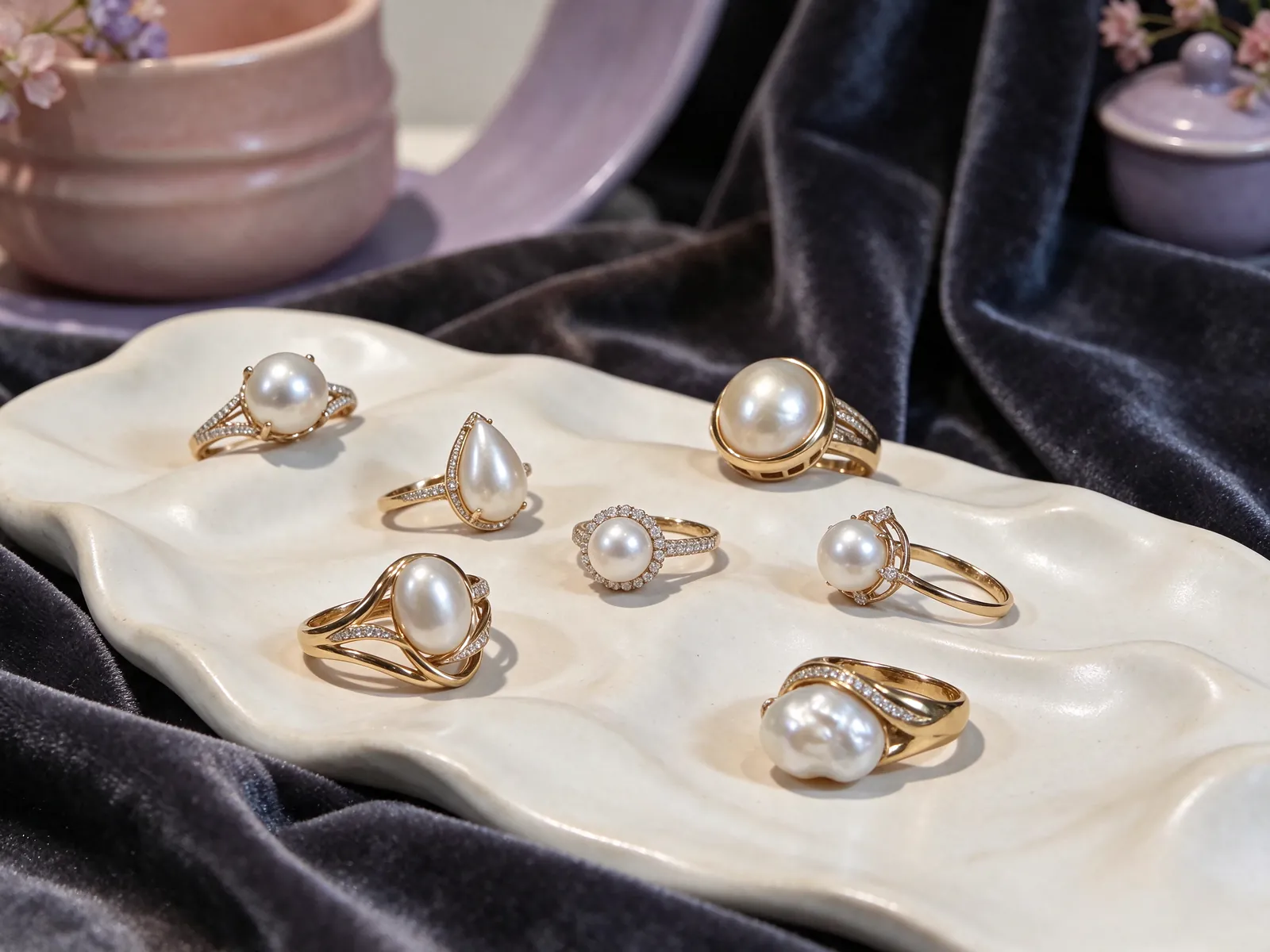
Use the fitting results to define the design you need
Summarize the profile that felt most comfortable: intended finger, palm-side width, inner curve, and solo or stacked wear. Note repeated movement of the setting as well as tightness. If a ring large enough to pass the knuckle remains loose at the base, another band profile may be worth comparing. Do not reduce the decision to choosing between two uncomfortable numbers.
During fitting, hold the metal band rather than using the pearl as a grip. GIA lists pearl at 2.5 on the Mohs hardness scale, which supports gentle treatment of its surface. That figure does not predict ring fit or resistance to impact. For a wide ring that needs careful movement over the knuckle, the practical point is to avoid transferring pulling or pushing force to the pearl.
Discuss fit before making resizing part of the plan
Bring your observations to Flint Jewelry when discussing band width, inner curve, and your intended finger. A considered initial fit is preferable to assuming a later resize will solve the problem. The pearl's position and the ring structure can affect how the design is handled. Discuss the actual size arrangement alongside appearance and wearing habits before choosing the direction for customization. Contact Flint Jewelry on WhatsApp at +85260106207 to share your fitting notes and discuss the band width and inner curve you would like to compare.
| Fit question | Design detail | What to try | Assumption to avoid | Next comparison |
|---|---|---|---|---|
| How broad is the band? | Width around the sides and underside | Curl fingers and hold a phone | A wide setting always needs a larger size | A trial band of comparable width |
| How does the inside meet the finger? | Inner curve and edge placement | Relax the hand after putting it on | Identical labels guarantee identical feel | Nearby sizes with a similar inner profile |
| Does it clear the knuckle and sit well? | Knuckle clearance versus base fit | Put on and remove gently | Going on is enough | Pressure and setting movement while worn |
| Which size system is being used? | Japanese, US, or inner dimensions | Confirm the system before comparing | Japanese steps mean full US steps | Conversion first, trial fitting separately |
| Will it be worn with another ring? | Combined coverage and setting contact | Wear the complete stack and bend the finger | Individual fit guarantees combined fit | A different combination or separate fingers |
Pearl knowledge and authoritative references
GIA rates pearl at 2.5 on the Mohs hardness scale. Use the metal band as the handling point during a wide-ring trial, not the pearl. This hardness figure is not a ring-sizing measurement or an impact-resistance rating.
Read the reference for this factFrequently asked questions
Does Japanese advice to size up mean one or two full US sizes?
No. Size steps belong to their own system. Confirm the original Japanese label and its corresponding dimensions, then assess the actual wide band with a trial. Do not apply the same numerical increase to full US sizes.
Can a ring with a wide pearl setting still fit like a narrower band?
It may have a narrow underside even when the front looks broad. Examine the metal around the finger rather than the pearl alone. Fit still needs a trial, including checks for setting stability and comfortable clearance beside neighboring fingers.
Why do two rings in my usual size feel different?
Their band widths, inner curves, thicknesses, or edge positions may differ. Check them on the same finger under similar conditions. Record the profile as well as the size label so the comparison is not based on the number alone.
Should I enlarge my pearl ring because a companion band makes it tight?
First test the full arrangement and identify whether the extra coverage or contact between settings causes discomfort. Changing the companion ring or moving it to another finger may preserve the main ring's comfortable solo fit without enlarging it for occasional stacking.
What should I do if the trial ring is difficult to remove?
Do not use force or pull on the pearl. Handle the metal band gently and stop treating a difficult trial as an acceptable fit. Compare another size or inner profile before choosing; removal should be considered alongside knuckle clearance and comfort at the base.
Updated: