
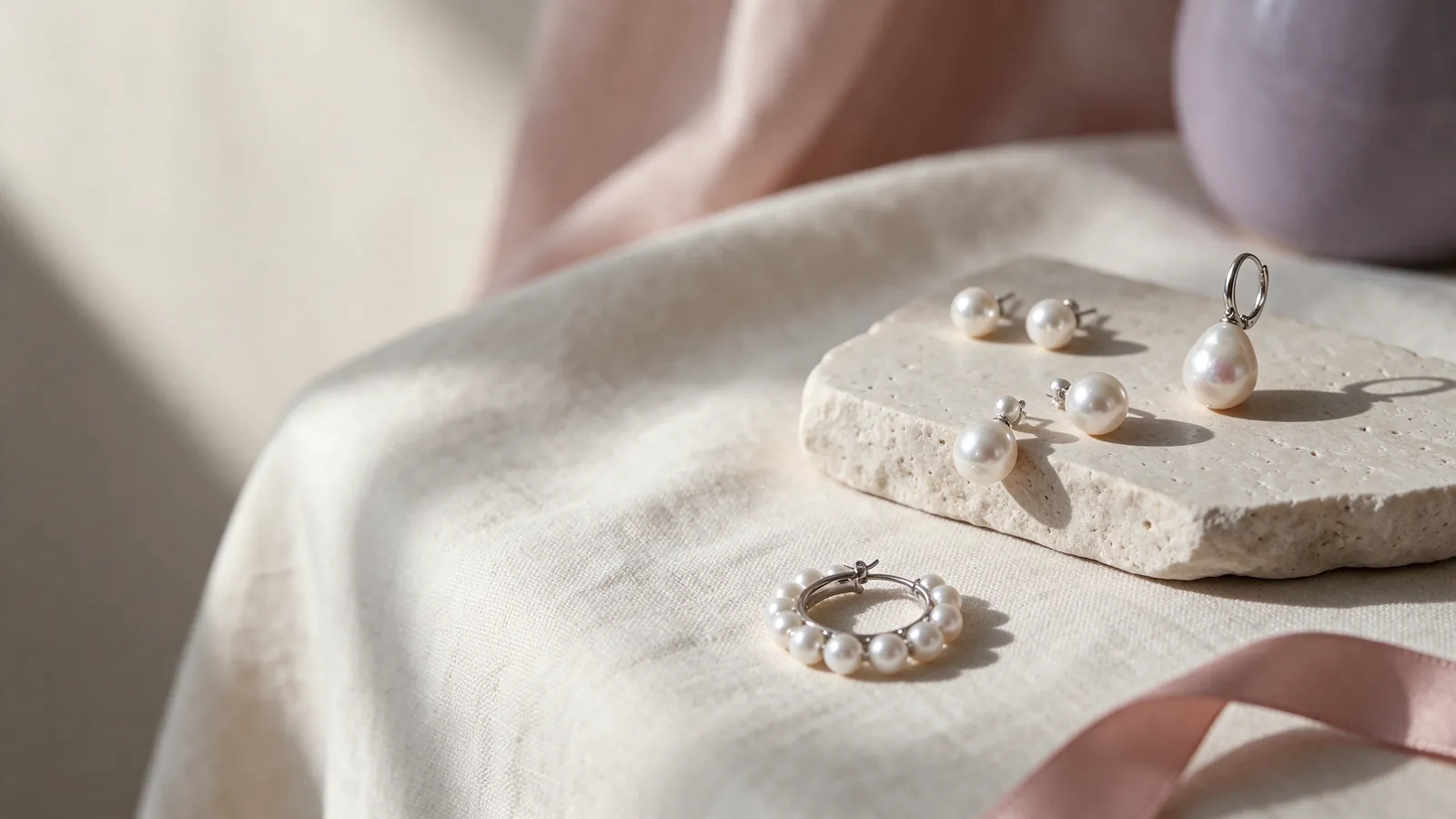
How do outline and proportion influence heart-motif pearl earrings and heart-setting pearl earrings when choosing pearl heart earrings?
To understand the design, trace the upper lobes of the heart, the notch between them and the point below. Then notice which of those features the pearl covers. A frame with an exposed notch and point can make the heart easy to recognize; a largely concealed frame may read more like a pearl stud with a curved accent. When comparing pearl earrings, decide whether you want the shape or the pearl to take the lead.
Compare the thickness of the outline before deciding how prominent the motif feels. Fine curves and visible open space may look restrained, while a wider frame or dense sparkling detail can demand more attention. View heart-motif pearl earrings at comparable image sizes. For heart-setting pearl earrings, include the visible frame in your assessment rather than measuring the pearl visually on its own. Pearl heart earrings is a design description, not evidence of any particular pearl specification.
When comparing heart-motif pearl earrings and heart-setting pearl earrings, what does pearl placement reveal about the balance of pearl heart earrings?
A pearl near the top can leave a larger opening near the point. One positioned lower can make the upper curves more visible. These arrangements create different compositions without establishing a universal winner. Compare the spaces beside the pearl, then look from an angle to see whether one curve disappears behind it. A useful choice is the arrangement that preserves the amount of recognizable heart detail you actually want to wear.
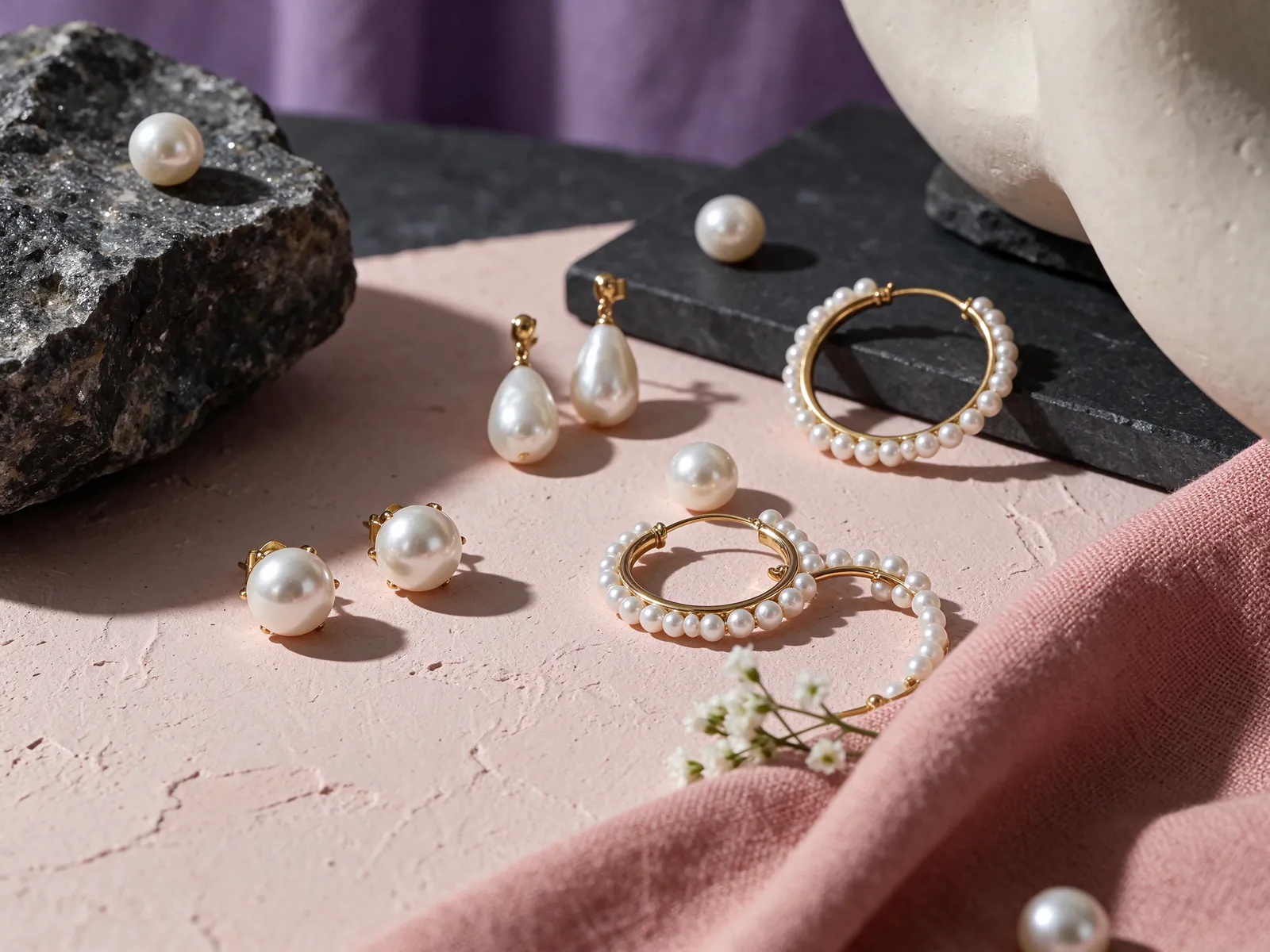
Look beyond the close-up to the fit on your ear
An enlarged photograph is useful for studying the outline but can exaggerate the design's presence. Distinguish the pearl's size from the earring's complete height, width and depth. A small-looking pearl can still sit in a frame that covers a substantial part of the earlobe. Think about whether you want the motif contained within the lobe or extending below it, and how the point will relate to your jawline and everyday hairstyle.
Your piercing position is part of the composition. The same outline may sit differently on a higher or lower piercing, so a model photograph cannot settle the fit for everyone. At a fitting, observe the earrings with your head upright and turned, then return to your natural posture. Notice whether the fronts tilt or rotate. Their appearance alone cannot tell you the actual weight or how comfortable the backing will feel over time.
Check how the front is supported from the side
A side view helps explain the post position, backing and distance between the decorative front and your ear. Ask for complete dimensions, weight per earring and the fastening type if those details influence your choice. Do not treat words such as petite or delicate as measured weight information. Also consider your routine: tucking hair behind the ear or handling a mask strap can bring hair or fabric into contact with the heart's point.
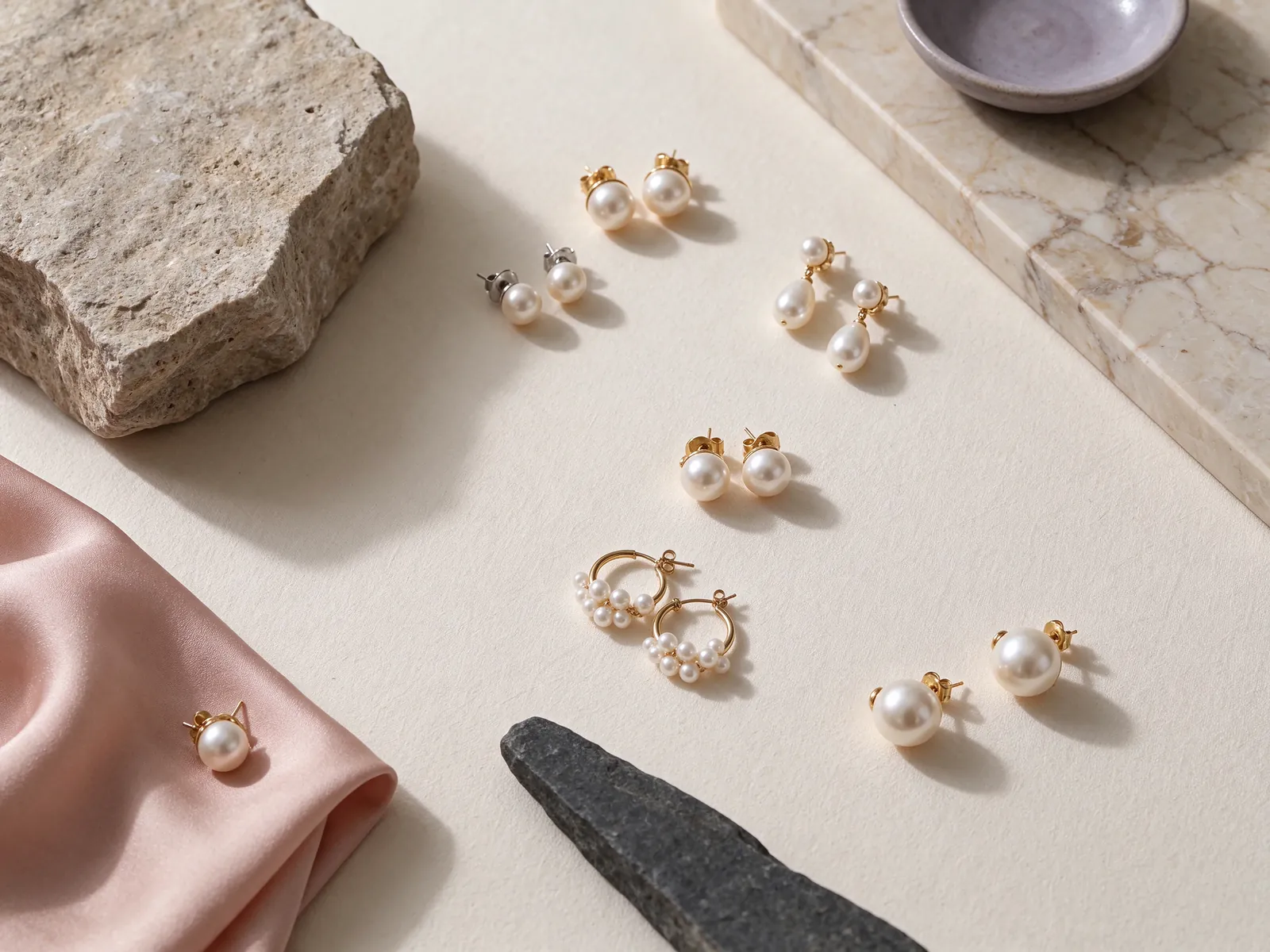
Use your wardrobe to control the motif's emphasis
With hair swept back, more of the outline becomes visible; with loose hair, the pearl may be the part that catches the eye. Test the design with the hairstyle you actually use rather than relying on a rule about face shapes. Look at the whole face first, then inspect the earrings more closely. This helps separate a motif that reads as a quiet accent from one that feels more noticeable than you intended.
A structured shirt, plain knit or clean jacket can provide contrast for the curved heart. A neckline with bows, ruffles or a busy print may call for more breathing room around the ear. Compare ribbon pearl earrings to consider flowing lines and butterfly pearl earrings to consider a broader decorative silhouette. These comparisons help identify the type of softness you like without assuming that a heart must be worn with an entirely romantic outfit.
Assess earrings and a necklace as one composition
A heart necklace does not require identical heart earrings. If the pendant is already a clear focal point, earrings with a more prominent pearl and subtler outline may create a quieter balance. A high neckline can instead leave the ear detail in charge. Take a photo that includes your shoulders and clothing, not just the jewelry. You can then judge whether repeated motifs feel cohesive or make the look busier than you prefer.
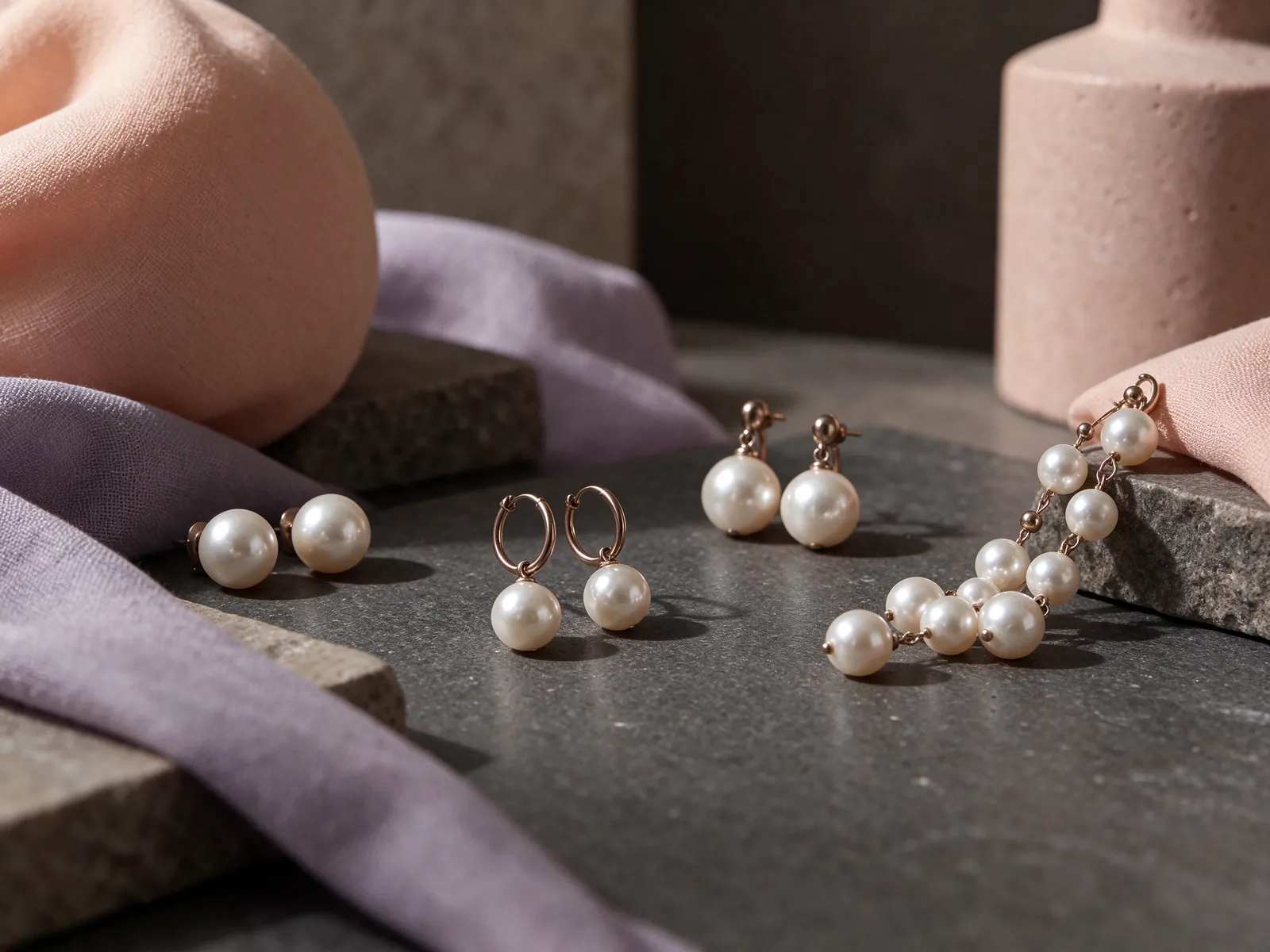
Compare the heart with other frame shapes
Choose comparisons with similar amounts of detail so that the outline itself remains the main variable. A thin heart and a thin star offer a clearer contrast than a thin heart and a wide, densely decorated frame. Comparing star-motif pearl earrings highlights points and direction, while geometric pearl earrings invite a comparison of straight edges, curves and regular spacing. If you want a less overtly sweet effect, first consider whether a simpler heart outline already meets that aim.
A complete surrounding frame tends to direct attention inward; an open or extended shape can introduce a sense of direction. If your favorite feature is a centered pearl with a defined border, halo pearl earrings are a useful comparison. This lets you identify whether you prefer the enclosing structure or the recognizable heart. Try describing the actual relationship you want, such as a visible notch or more space around the pearl, rather than relying only on words like glamorous.
Treat symbolism as personal, especially when giving a gift
A heart can feel affectionate to one person and simply decorative to another. For a gift, consider the recipient's existing jewelry and preferred clothing lines before assigning a meaning to the motif. Someone who avoids obvious symbols may like a pearl-led arrangement, while someone who enjoys recognizable shapes may want the full outline visible. The design itself does not provide a basis for protection, healing or other health claims.
Consider metal color without letting it decide everything
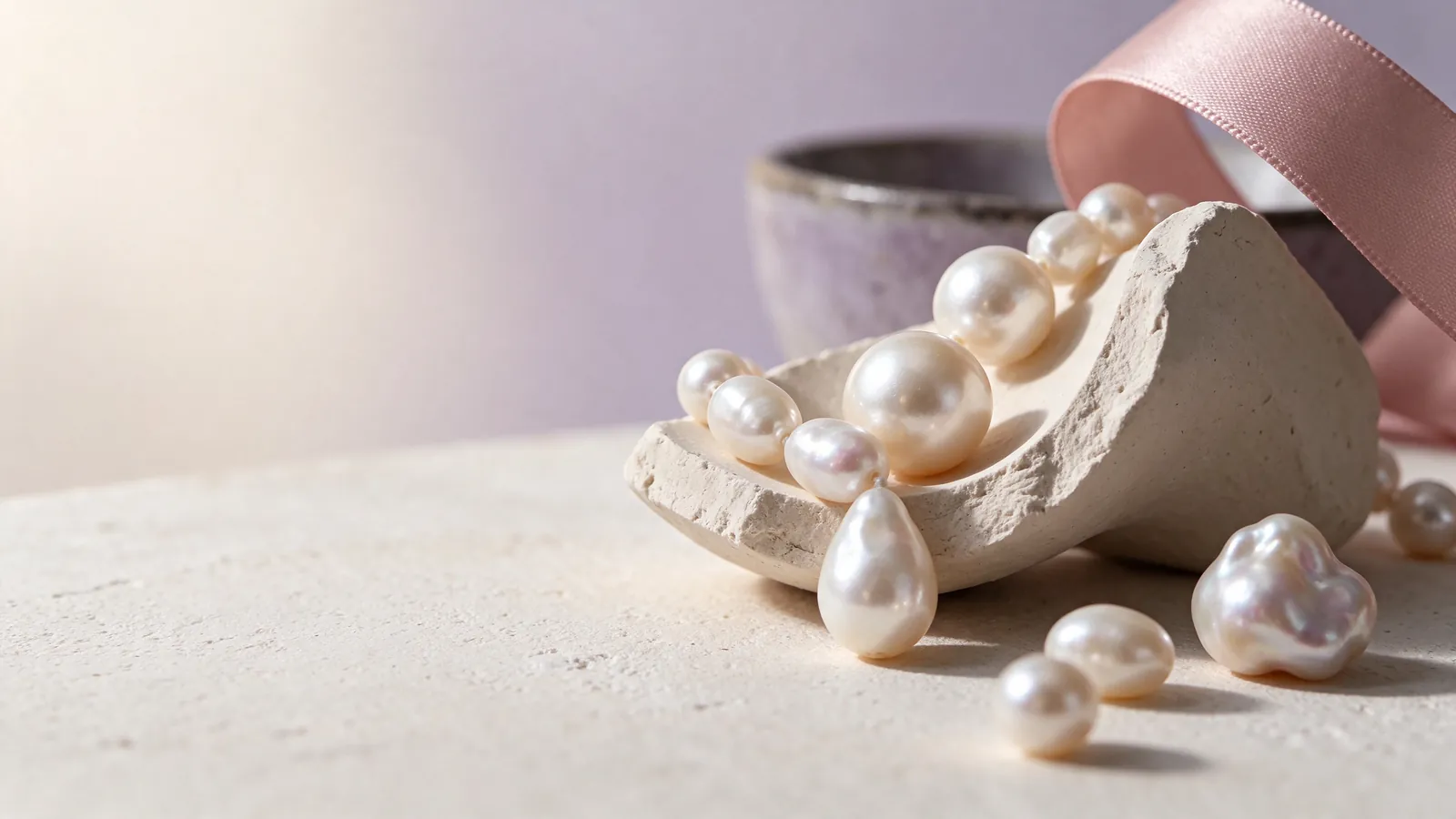
Look at how the frame contrasts with the pearl and with clothes you wear often. There is no need to choose a metal color solely from a fixed skin-tone category. Exploring 18K gold pearl earrings can help with warmer-looking combinations, while platinum pearl earrings offer a way to think about cooler-looking outlines. Keep the pearl's color and luster as independent observations: a metal setting does not identify the pearl's type, origin or quality.
Flint Jewelry's material options are 18K 750 white gold, 18K 750 yellow gold, 18K 750 rose gold, PT950 platinum and PT900 platinum. Choosing a material color is separate from choosing the thickness or decoration of a heart outline. If a design has sparkling details, inspect their position along the curves, notch or lower point. You may enjoy a clear outline without wanting those reflections to compete with the pearl as the primary detail.
Observe the design in more than one lighting condition
Use softer light to study open space and the relationship between frame and pearl, then stronger light to see how reflective details attract attention. The most dramatic photograph is not necessarily the best guide to your everyday preference. Also consider ordinary indoor light. Because lighting and screens can change photographed color, use images to organize your ideas rather than treating them as a precise, complete assessment of the pearl's color.
Evaluate the pearl independently of the decorative name
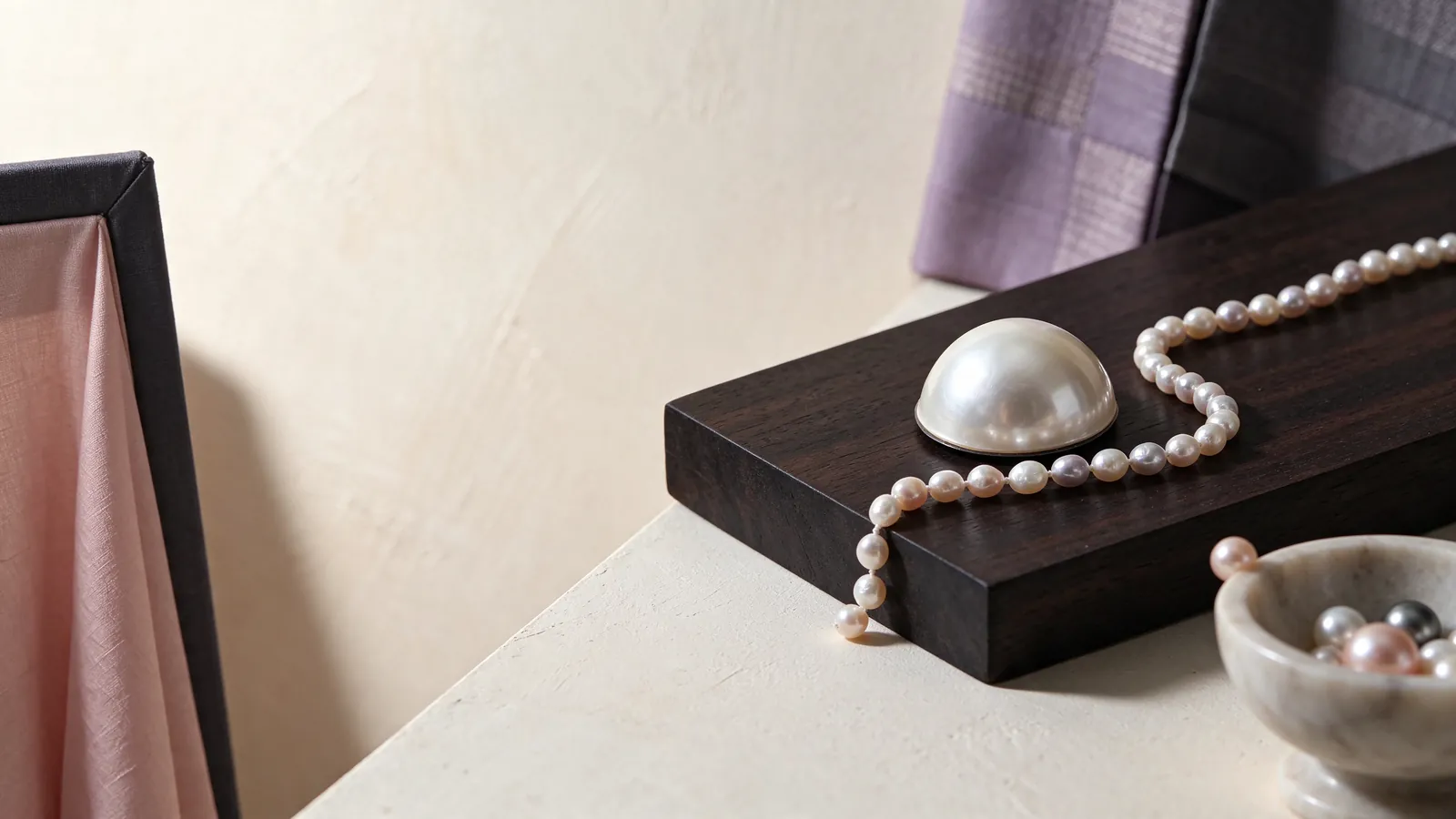
In this design, heart refers to a metal or diamond detail, not the shape of the pearl itself. Separate your decision about the frame from your observations of pearl luster, surface and matching. Look at the pair together to compare visual brightness and color harmony. A beautiful frame cannot replace pearl quality considerations, and an appealing pearl does not establish whether the complete earring has the right proportion for your ear.
GIA describes seven pearl quality factors: size, shape, color, luster, surface quality, nacre quality and matching for jewelry with more than one pearl. A theme such as heart addresses the design but does not provide that full picture. Nacre quality and pearl identity cannot be reliably established from an ordinary styling photo. Read pearl information separately from frame information, and do not assume that a white appearance or a romantic name proves origin, natural or cultured identity, or a certificate.
Organize product information into three separate questions
Ask what forms the heart, what is stated about the pearl and how the complete earring wears. The first question clarifies the motif; the second concerns the pearl; the third covers dimensions, weight and fastening. Keeping those questions separate prevents a descriptive name from doing more work than it should. When a description only explains the decoration, do not supply an unstated pearl type or grade in your own interpretation.
Care for the pearl as well as the detailed frame
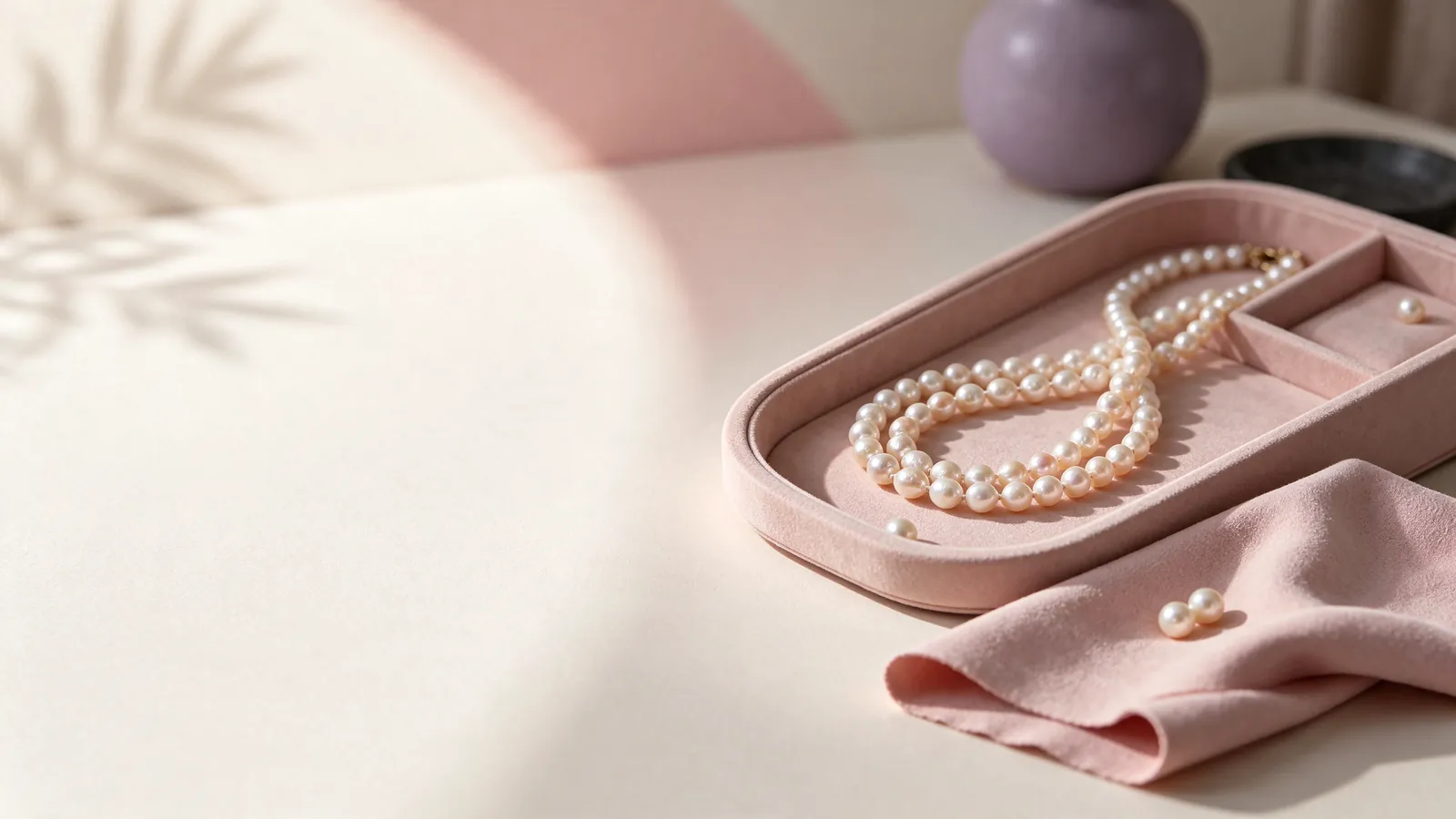
The notch, point and narrow spaces around the pearl deserve attention during routine care, but they should not be scraped with a fingernail or hard tool. Gently wipe after wearing with a very soft, clean cloth. GIA lists pearl at 2.5 on the Mohs hardness scale, making avoidance of rough rubbing and contact with harder objects especially relevant. A substantial-looking frame does not turn the pearl into a durable surface for aggressive cleaning.
Apply perfume and hair spray away from the earrings before putting them on. Keep them separate from other jewelry during storage to reduce contact with metal edges. GIA advises never using ultrasonic or steam cleaners for pearls and avoiding acids and excessive heat. Intricate metal detailing is not a reason to clean the whole earring as though it were metal alone. Gentle habits are sensible care measures, not a promise of permanent color or protection from every kind of damage.
Notice changes in the fastening and contact surfaces
Before wearing, check for unusual looseness around the post, backing or pearl connection and look for residue on the rear surface. Remove the earring with a controlled grip rather than pulling at the heart's point or levering against the pearl. If you experience persistent discomfort, take the earrings off instead of assuming that a small design must be comfortable. This routine check concerns practical contact and structure, not a diagnosis of sensitivity.
To describe the heart outline, open space and wearing proportions you prefer, talk about your pearl earring preferences with Flint Jewelry on WhatsApp at +85260106207.
| Comparison | What to look for | What changes when worn | Personal decision |
|---|---|---|---|
| Outline | Visible upper notch and lower point | Hair may conceal part of the heart | Which detail should be noticed first? |
| Pearl position | Space around a higher, lower or centered pearl | Angled views can create overlap | How much heart outline should remain visible? |
| Full proportion | Overall height, width and depth, not just pearl size | Piercing placement changes the fit | Contained on the lobe or extending below it? |
| Wardrobe | Frame detail beside the neckline | Hair and a necklace alter visual emphasis | A leading accent or a supporting detail? |
| Care | Recesses and narrow spaces beside the pearl | Spray and rubbing affect handling choices | Can the design be handled gently in your routine? |
Pearl knowledge and authoritative references
GIA identifies seven pearl quality factors: size, shape, color, luster, surface quality, nacre quality and matching for jewelry with more than one pearl. The heart motif describes the frame, not a substitute assessment of the pearl.
Read the reference for this factFrequently asked questions
Are pearl heart earrings made with heart-shaped pearls?
The term here refers to the metal or diamond heart detail. It does not establish the pearl's own shape. Read information about the pearl independently from information about the motif.
How can I choose a heart design that does not feel overly sweet?
Look for the visual effect you prefer: clear open space, a restrained outline or a pearl-led composition. Try that relationship with a structured shirt or clean jacket rather than deciding from the motif name alone.
Why does the same heart outline look different on different ears?
Piercing position, earlobe shape and the way the front is supported can change its angle and visible footprint. Consider a side view and a fitting rather than assuming a model image predicts your fit.
What should I consider before giving heart-motif earrings as a gift?
Observe whether the recipient likes recognizable symbols or quieter accents, then consider their usual hairstyle and clothing. A heart's meaning is personal; it is better to understand their preferences than to assign a style based on age or occasion.
Can I clean the metal frame and ignore the pearl's care requirements?
No. Cleaning must be suitable for the whole earring. GIA advises against ultrasonic and steam cleaning for pearls, even when surrounding metal has small recesses. Avoid scraping near the pearl and use gentle routine care.
Updated: