
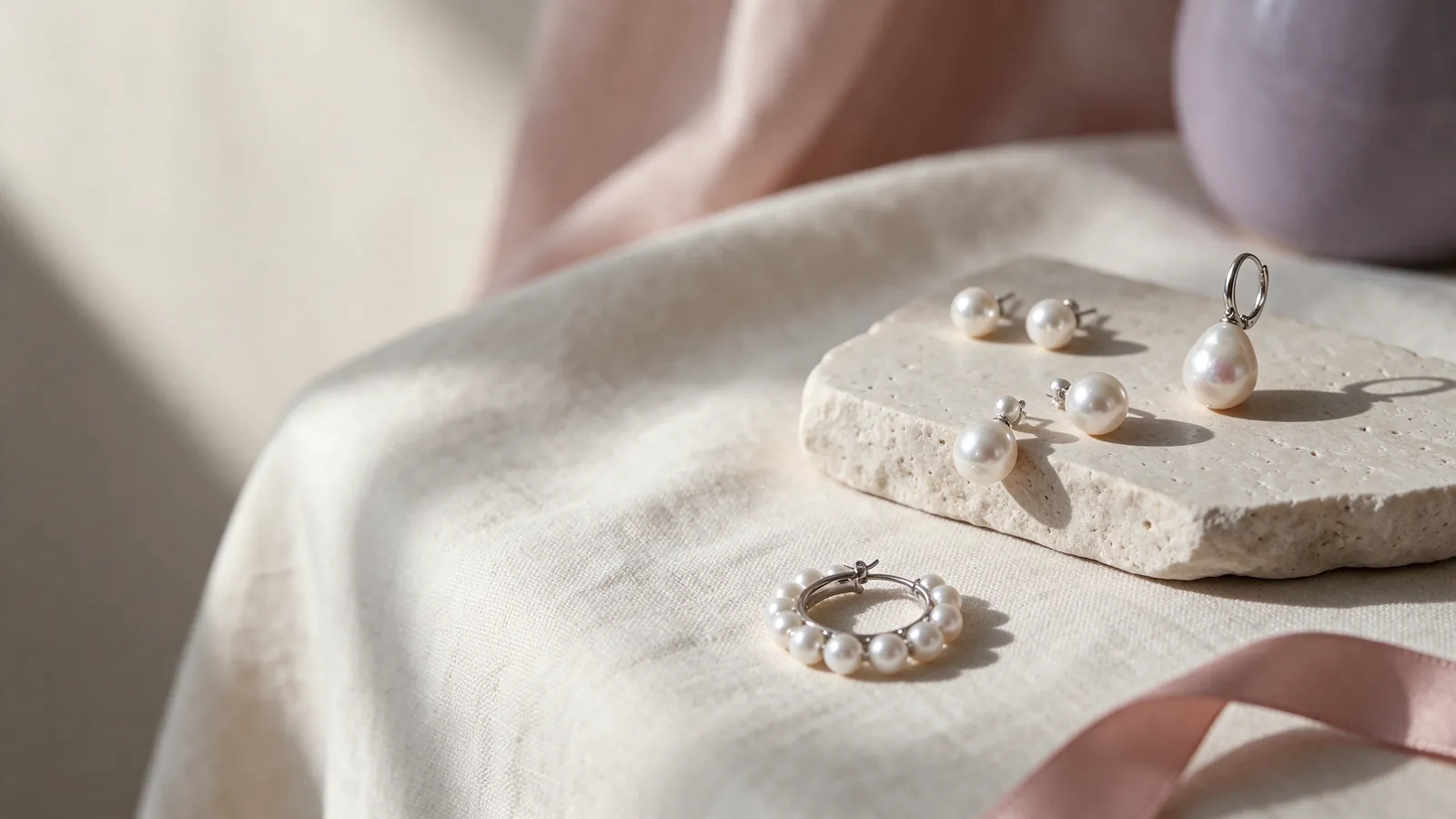
Earlobe proportions in the pearl earring size guide: a pearl stud size comparison of 7–9mm pearl earrings
Look at the relationship between the stud and your ear before deciding what the diameter means to you. Can you see a border of earlobe around the pearl? Does the piercing sit near the lower edge or farther up? These details help explain why the same diameter can appear bold on one person and understated on another. Neither effect is automatically better; the goal is the balance you enjoy.
When comparing 7–9mm pearl earrings, keep your intended look in mind rather than assigning a size to an age, height or event. More visible earlobe can create one impression, while a pearl that takes up more of the outline creates another. If space is your main concern, pearl earring size for small earlobes develops the comparison around placement, the visible edges and how the earring actually sits.
How do hairstyles and necklines influence a pearl stud size comparison of 7–9mm pearl earrings in the pearl earring size guide?
Begin with your normal hairstyle, not a special arrangement that exposes the earrings only for a photo. Hair pulled back reveals the pearl’s entire outline; loose hair may show just a glint. Add a favorite shirt or sweater to the comparison. If a necklace and collar already draw attention, you may prefer the earrings to support that look instead of competing with a larger pearl.
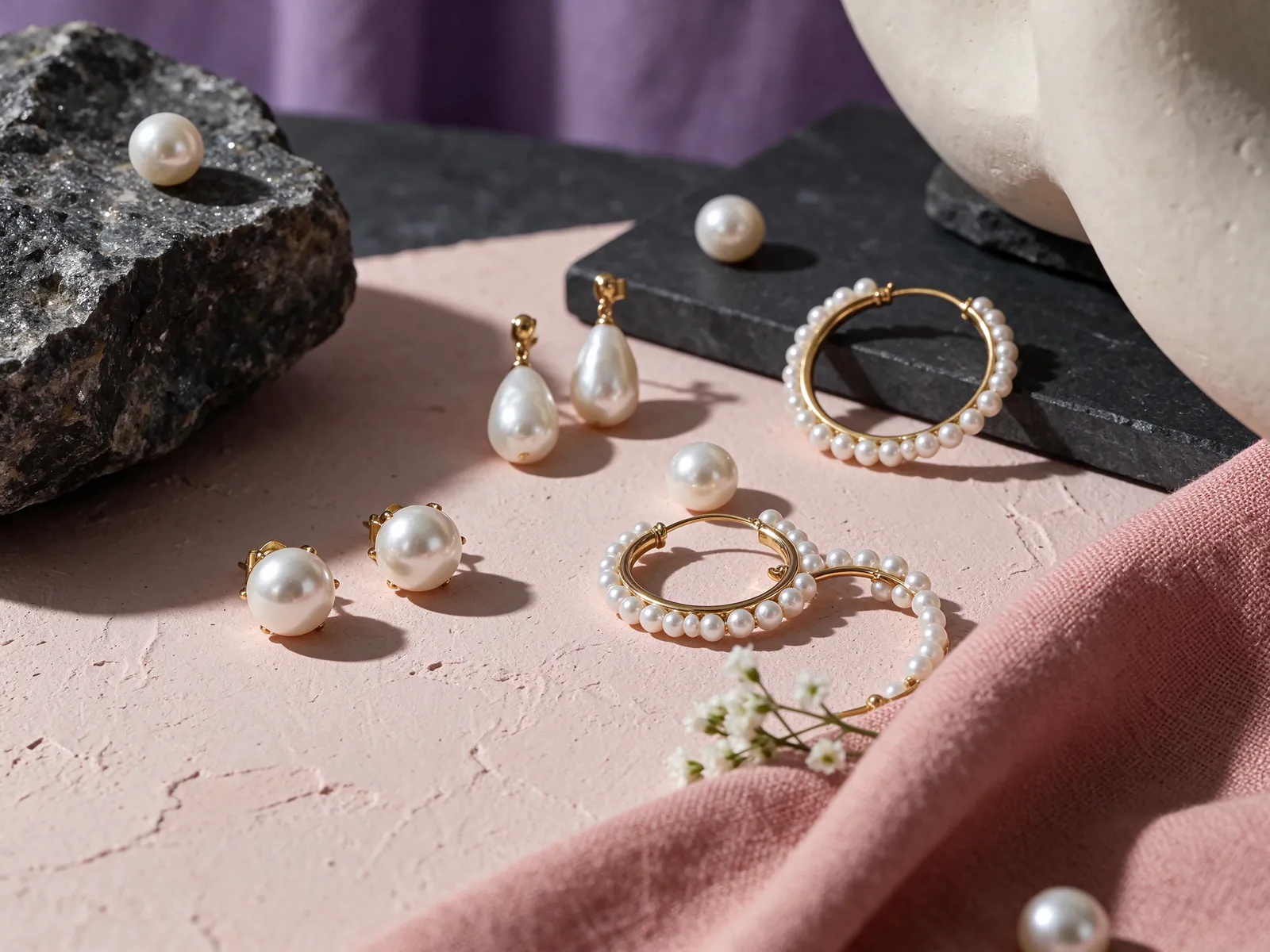
Use consistent views instead of comparing enlarged product photos
Screen size is not pearl size. Cropping, magnification and camera position can make one photographed stud appear larger than another even when the listed diameters are similar. A paper drawing of seven, eight and nine millimeter circles can help you understand their different outlines. It remains a flat comparison only: it cannot show how far an earring projects, how much it weighs or how it feels when worn.
If you take worn comparison photos, use similar lighting, head position and camera distance. Include a full-face view as well as an ear close-up. The first helps you judge the overall accent; the second reveals space around the pearl. When exploring pearl stud earrings, consider the pearl separately from its setting, while remembering that a pendant or necklace occupies a different position and cannot predict the presence of a stud.
Distinguish the pearl from the complete earring
Ask whether a measurement refers to the pearl itself or the overall design. A border, setting or hanging element adds a different outline around the same pearl diameter. An irregular pearl also needs attention to width, direction and three-dimensional shape. Do not turn one measurement into an imagined perfect circle or assume two complete earrings will look equally sized because their pearls share a diameter.
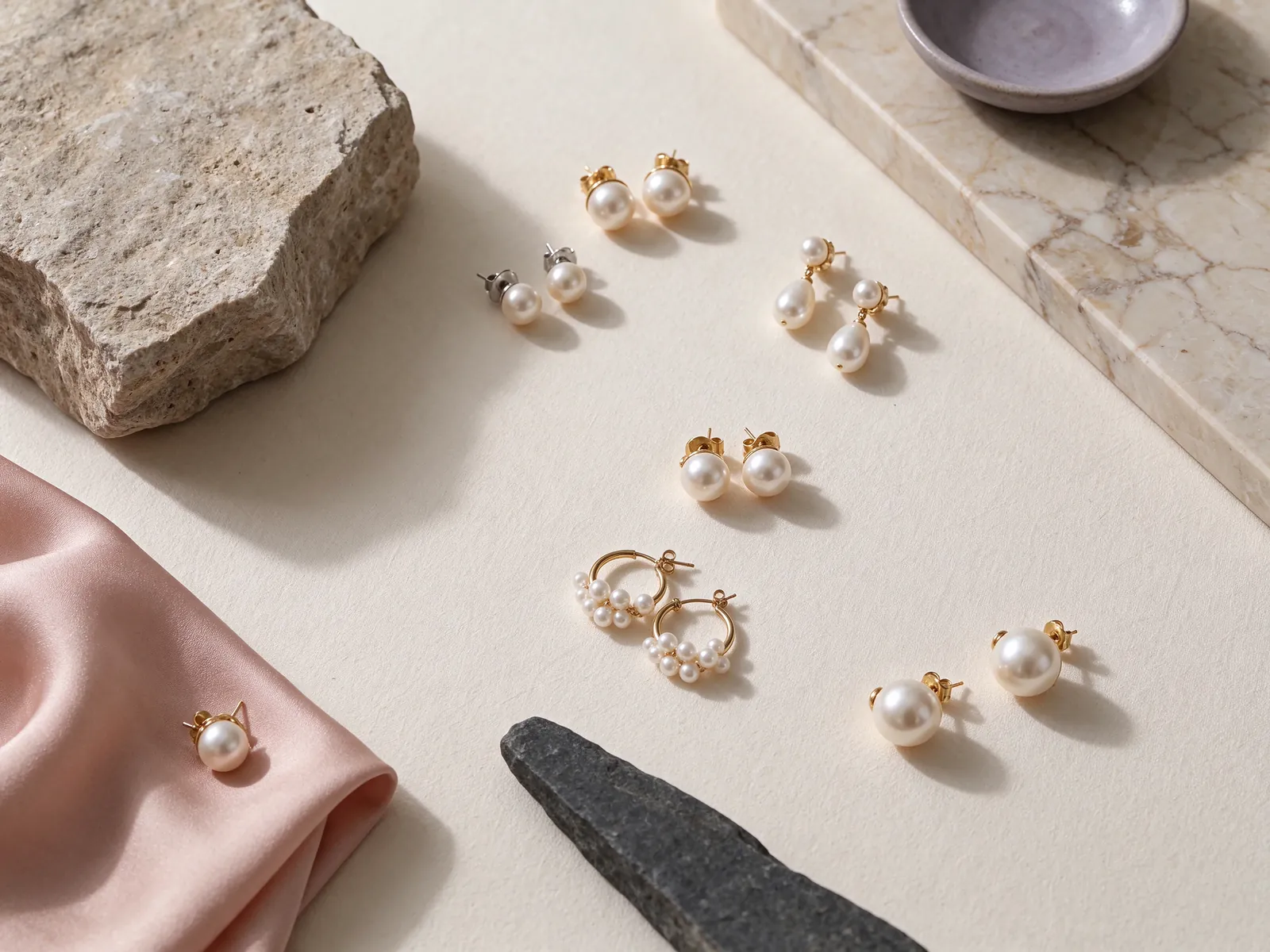
Decide whether you want an accent or a focal point
Subtle earrings do not have to disappear. They can provide a quiet detail that becomes visible when you tuck your hair behind your ear. If that is your preference, include small pearl stud earrings in the comparison rather than starting with a rule about what everyone should wear. With several piercings, also consider the room between earrings and which piece should lead the arrangement.
For a clearer focal point, first compare neighboring sizes in the same outfit and note where the effect changes for you. If you want to explore a more pronounced pearl outline, the guide to 12mm pearl earrings offers a different styling direction. Revisit support and visible earlobe space as part of that change. Larger does not automatically mean dressier, more comfortable or higher quality.
Test the look against clothes you already wear
Bring a familiar work look, a casual top and a dressier outfit into the decision. The earrings should be assessed within those real combinations rather than against an abstract occasion label. A simple neckline can support a noticeable pearl, while an evening outfit can work with a quiet stud. Fabric texture, collar shape and other jewelry give you a practical starting point.
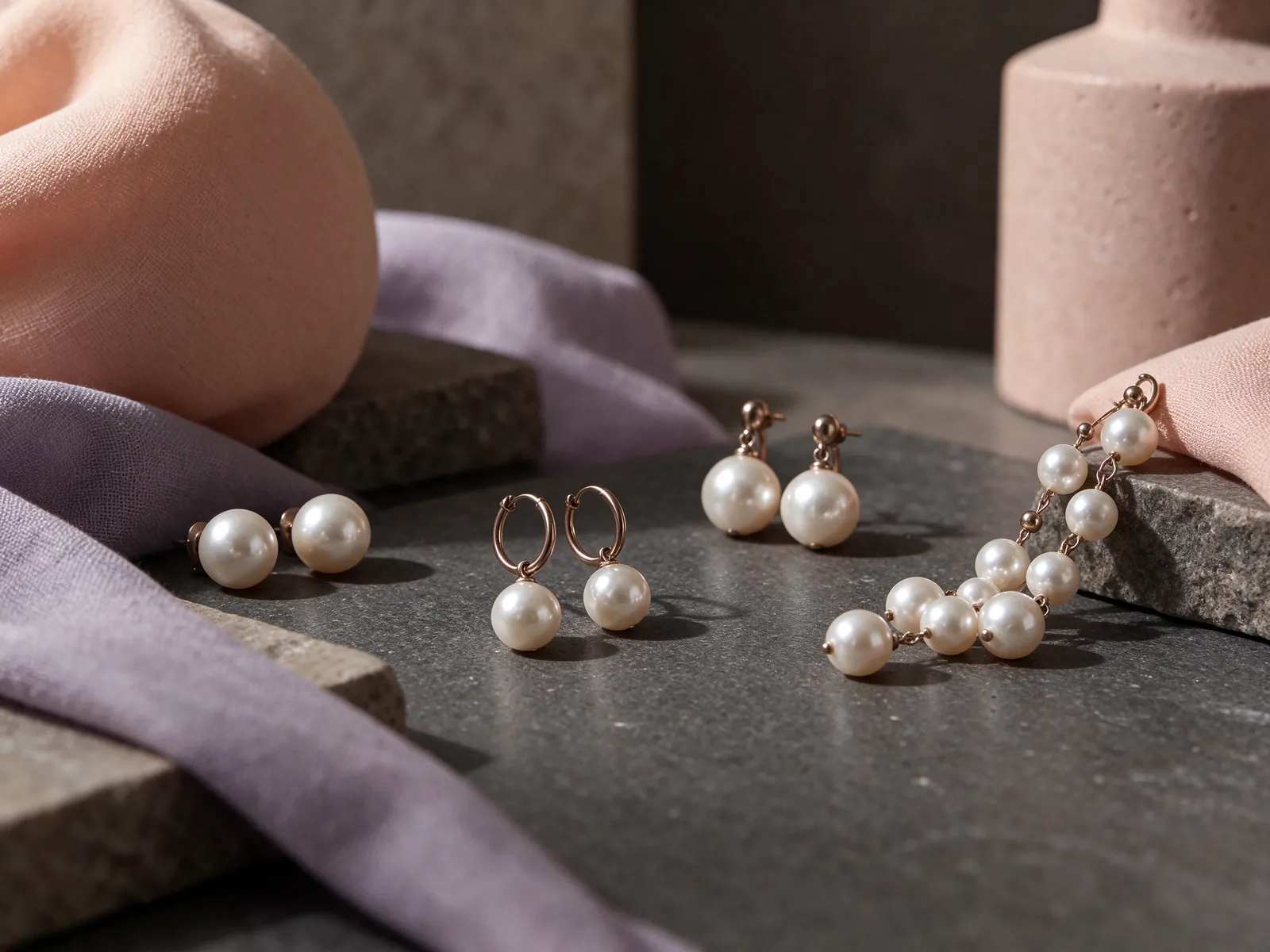
Look at the side view before calling the fit successful
A front view can be appealing even when the stud leans forward or downward in profile. Check both. The angle may involve piercing placement, the earlobe, the design of the complete earring and its back, not just pearl diameter. Pay attention to pressure or pulling instead of accepting it as the cost of getting a particular appearance. A still photograph cannot answer every wearing question.
The discussion of earlobe support backs for pearl earrings helps you consider rear contact, while pearl earring back types addresses fastening and handling. Ask about total weight and front-to-back balance when talking through a design, alongside the pearl size. The answer should relate to the complete earring and your wearing experience. Pressing a back tightly against the ear is not a general solution for every tilt.
Include ordinary movement and accessories
Turn your head, look down and let your hair settle naturally. Notice whether the earrings touch a collar, glasses or the headphones you usually wear. Long hair can interact with the structure in ways that a tidy posed image misses. Stop wearing earrings that feel uncomfortable. The comparison should help the jewelry fit your routine, not make your ears accommodate a favored diameter.
Compare visual character as well as millimeters
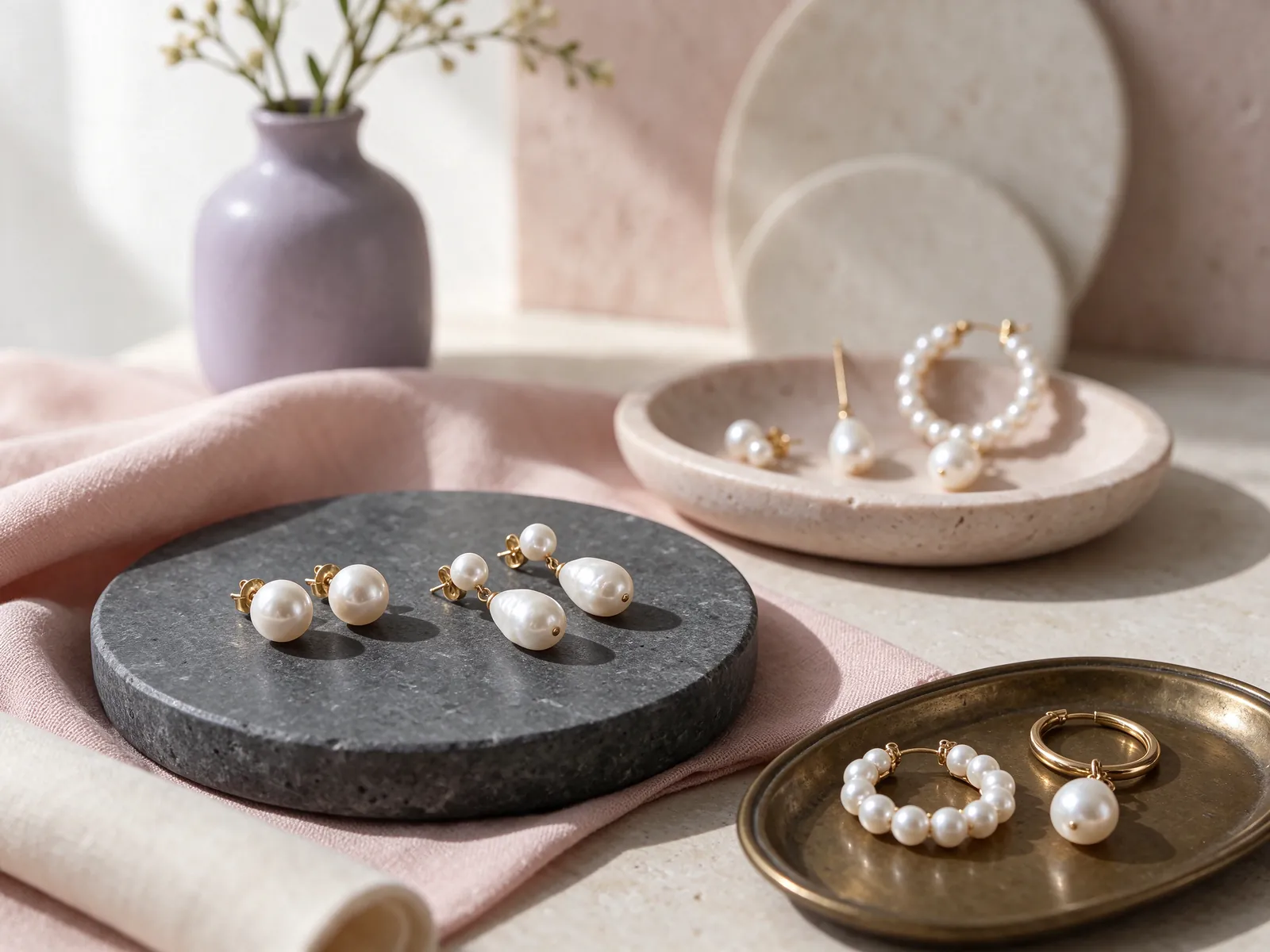
Two pearls of similar diameter can draw attention in different ways. Color, outline and the appearance of reflections all contribute to what you see near your face. Lighting can change that appearance, so compare under similar conditions. Decide whether you enjoy a soft-looking accent or more clearly defined reflections without treating a bright product image as proof of the pearl’s complete quality.
GIA describes seven pearl quality factors: size, shape, color, luster, surface quality, nacre quality and matching. This puts diameter in perspective as one consideration among several. For earrings, look at the relationship between the two pearls as well as each one individually. Neither the visible outline nor a size number can establish origin, natural-versus-cultured identity or what a certificate says.
Check the pair on the ears, not only side by side
Start with both earrings together in the same light, then look at how they sit when worn. Your ear shapes and piercing positions may differ, so similar pearls can point in slightly different directions. For a balanced look, consider the whole face and the relationship between the two sides. If you prefer asymmetry, make it a deliberate style choice rather than assuming every difference needs correction.
Make hairstyle, collars and other jewelry part of the comparison
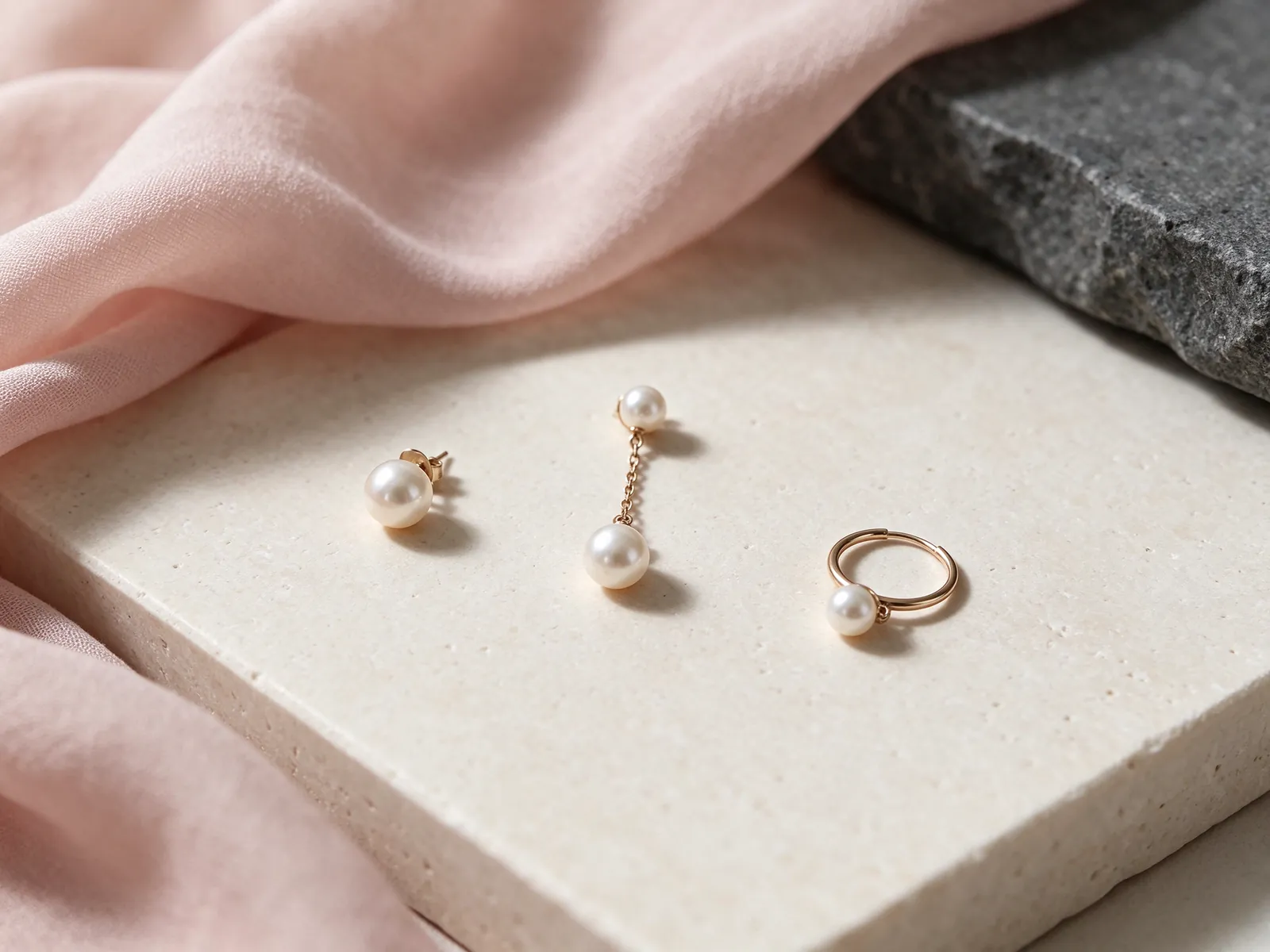
A pearl that is clear against a short haircut may be partly hidden by loose hair. Both effects can be right, depending on what you want and how you usually style your hair. Try the familiar version first. Otherwise, you may choose a diameter for an exposed-ear photo and later find that it gives a different impression during an ordinary day.
With a crew neck, high neck or shirt collar, assess the space between the earring and the garment before deciding how much necklace detail to add. Glasses introduce another line near the face, and multiple earrings create their own rhythm. The everyday pearl earrings guide considers these combinations as part of routine dressing, rather than asking you to rebuild your entire look around a single pair.
Keep the styling constant while testing size
Compare earrings with the same top and hairstyle before changing the outfit. Once you have identified a preferred amount of presence, try another neckline to see how flexible the look is. Write down observations such as still visible with hair down or touches the collar from the side. Specific notes reveal more than a broad judgment like too big, especially when the issue may involve structure rather than diameter.
Use your observations to explain what you want
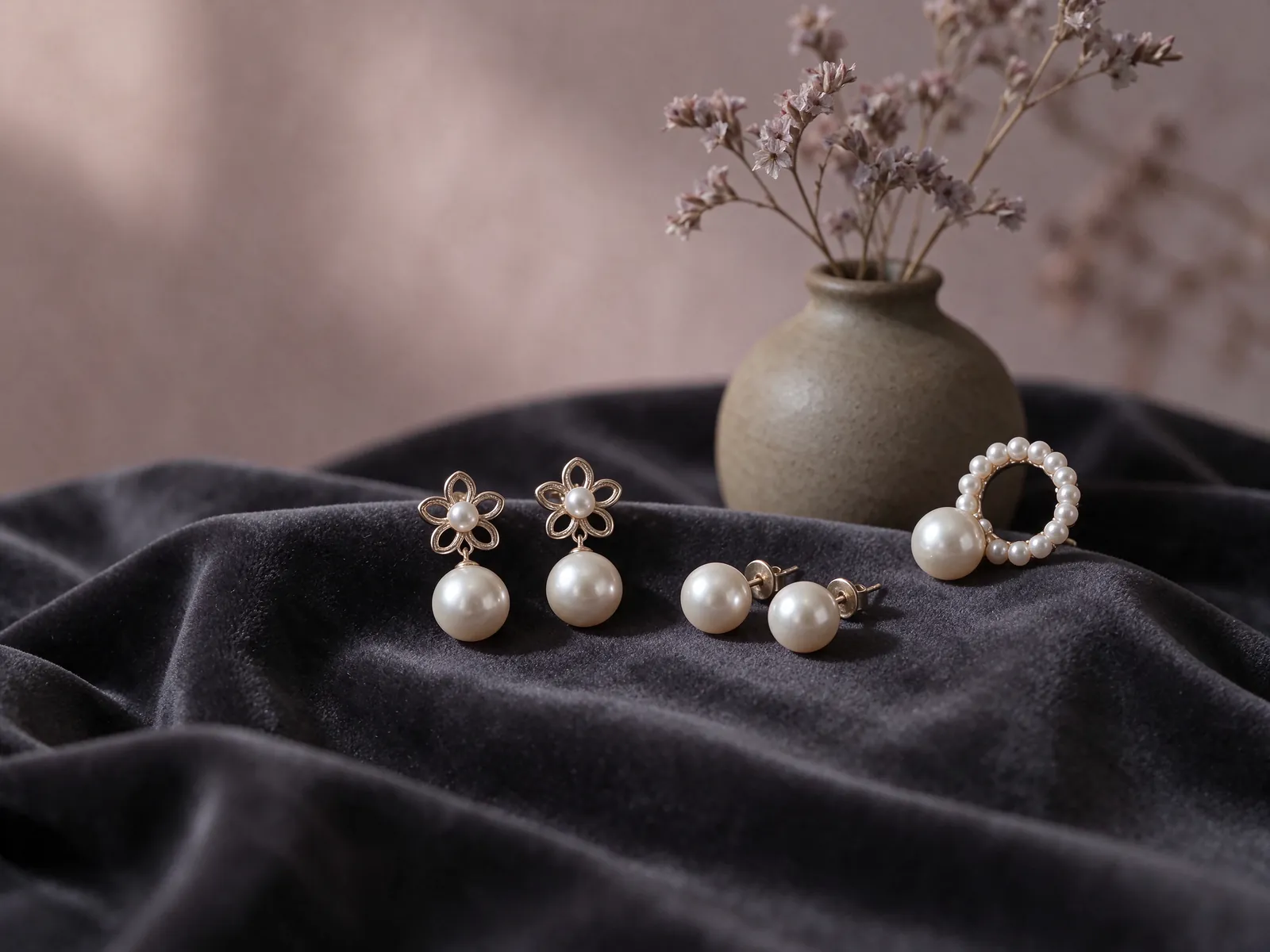
Work through the decision in an orderly way: describe the visual role, compare nearby diameters from the front, and then check profile and movement. Keep a concrete note at each stage. You may want visible space below the pearl, a focal point with your hair pulled back or compatibility with headphones. These details give a design discussion a clearer purpose than searching for one size that suits everyone.
When discussing preferences with Flint Jewelry, gather the clothing and hairstyle you use most often, the earrings you already wear and the direction you want to explore. Images can communicate the kind of look you enjoy, but not actual weight or diameter. If seven, eight and nine millimeters remain open possibilities, explain how much pearl presence and earlobe space you prefer before trying to settle on a number.
Separate a size preference from a support concern
Keep appearance and wearing feel in separate notes. Liking the front outline but noticing a downward angle raises a structure or support question; disliking the visual scale points toward another size direction. If a quiet and a more noticeable option both appeal, revisit each with familiar clothes. A useful comparison can narrow your preferences without forcing an immediate decision or overlooking discomfort. Discuss your observations and preferred pearl earring size with Flint Jewelry on WhatsApp (+85260106207).
| Comparison direction | Pearl outline | Lobe and profile | Outfit check | Useful next question |
|---|---|---|---|---|
| Smaller outline | Assess the quiet accent | Look at space around the pearl | Try hair down as well as tucked back | Is there room beside other earrings? |
| 7mm comparison point | Record the front-view balance | Observe piercing placement and the lower edge | Start with a favorite top | Does it show clearly in the full-face view? |
| 8mm comparison point | Compare at a consistent distance | Recheck the angle from the side | Keep hairstyle and collar the same | Do you like the scale or the reflections? |
| 9mm comparison point | Consider a more noticeable focal point | Assess visible space and wearing feel | Include glasses and nearby jewelry | Does it touch anything as you move? |
| Larger-outline direction | Decide whether the earring should lead | Consider the complete structure and support | Try reducing other focal points | Does the overall design extend beyond the pearl diameter? |
Pearl knowledge and authoritative references
GIA lists seven pearl quality factors: size, shape, color, luster, surface quality, nacre quality and matching. Diameter is only one part of evaluating pearl earrings.
Read the reference for this factFrequently asked questions
Should I compare seven and nine millimeters even though the difference sounds small?
Yes. A two-millimeter diameter difference still needs to be considered against your own earlobe and preferred presence. Use consistent views and styling to assess it. Unrelated enlarged photos cannot tell you how the two sizes will compare on your ears.
What if a pearl looks more prominent on one ear than the other?
Check both the lobe outline and piercing placement, then review the full-face balance. The two ears do not have to present identical space around a pearl. Look especially at the side with less room or a more noticeable angle instead of choosing from one ear alone.
Can a second piercing use the same pearl size as the first?
It needs a separate comparison. The space between piercings, neighboring earrings and intended focal point can change the result. Look for visual overlap and physical contact rather than assuming a diameter that works in the first position will behave the same way elsewhere.
Does a downward-leaning stud mean the pearl is too large?
Not by itself. Piercing placement, the complete earring structure and the back arrangement also affect the angle. Separate the size you like from the support question, and do not rely on pressing the back tightly against the ear. Stop wearing earrings that pull or feel uncomfortable.
Is pearl diameter enough to judge the quality of a pair?
No. GIA identifies seven quality factors, including size, shape, color, luster, surface quality, nacre quality and matching. A size comparison helps you assess visual scale, but does not replace the other factors or establish pearl identity.
Updated: