
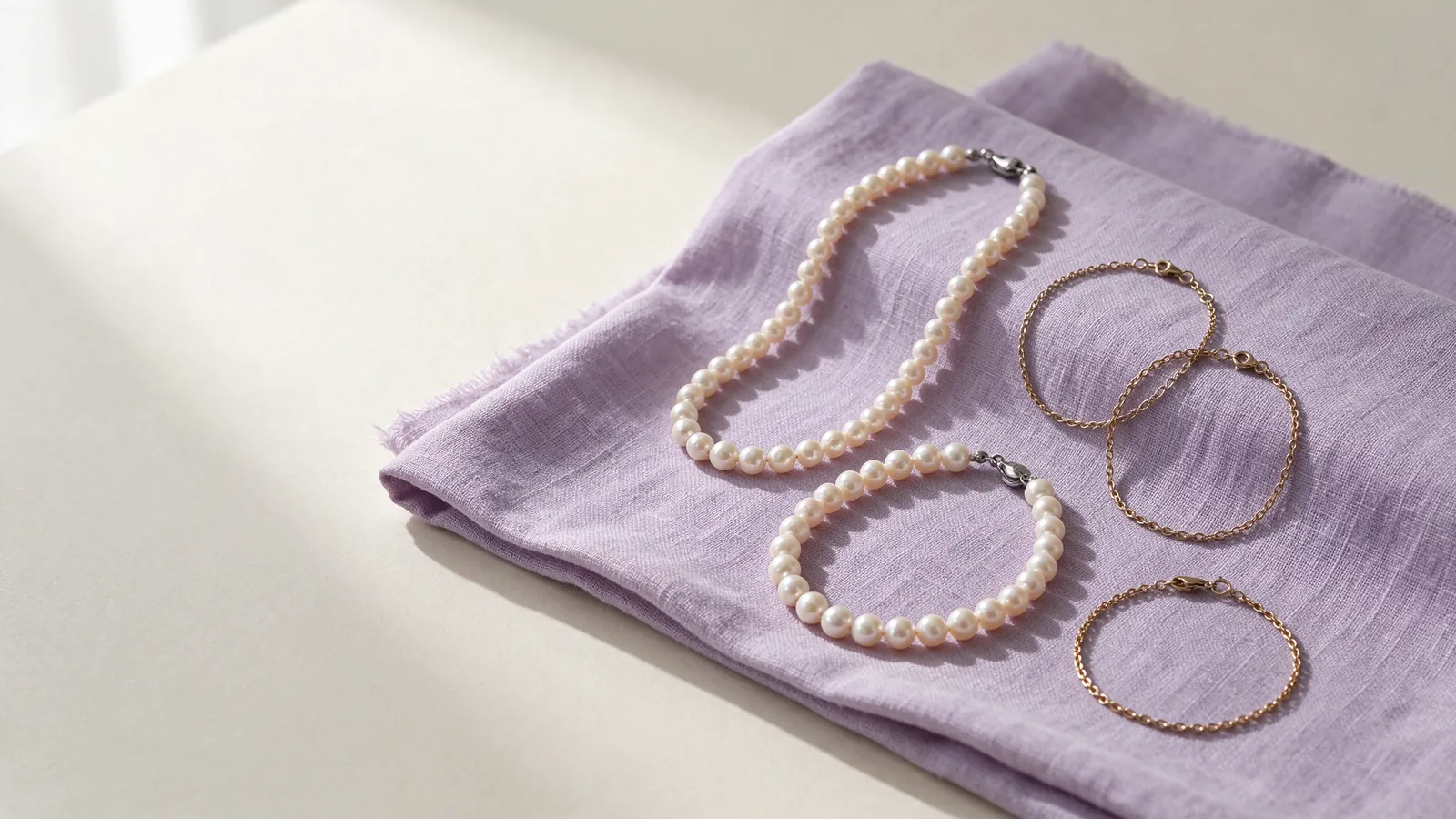
How can you assess proportion and wrist fit in a heart pearl bracelet, from a pearl bracelet with heart motif to a heart charm pearl bracelet?
Treat the heart and the pearl arrangement as one composition. A heart at the center creates a clear focal point, while one placed between pearls reads as part of the bracelet’s rhythm. Near the clasp, the same symbol can be a detail that appears as the hand turns. Begin by deciding what you want to notice first: the pearls, the outline or the movement. Comparing the overall pearl bracelet structure makes that decision more useful than choosing a motif from an enlarged photograph alone.
A pearl bracelet with heart motif may blend its symbol into a continuous line; a heart charm pearl bracelet introduces a separate moving element. Either can feel subtle or expressive depending on spacing and clothing. Hold the wrist beside a sleeve you wear regularly and look at how much skin remains visible around the piece. A prominent heart is not automatically overwhelming, and a small one is not automatically discreet. The relationship between the elements matters more than a universal ideal size.
When assessing a heart pearl bracelet, how do you check heart placement in a pearl bracelet with heart motif and room for movement in a heart charm pearl bracelet?
Relax your arm, turn your palm up and bend your wrist in the motions you use every day. Does the heart shift underneath, press at its point or swing into the clasp? Look for movement that feels natural without constantly hiding the motif. Bracelet length alone cannot answer this because wrist shape, pearl volume and the connecting structure all influence where the detail settles.
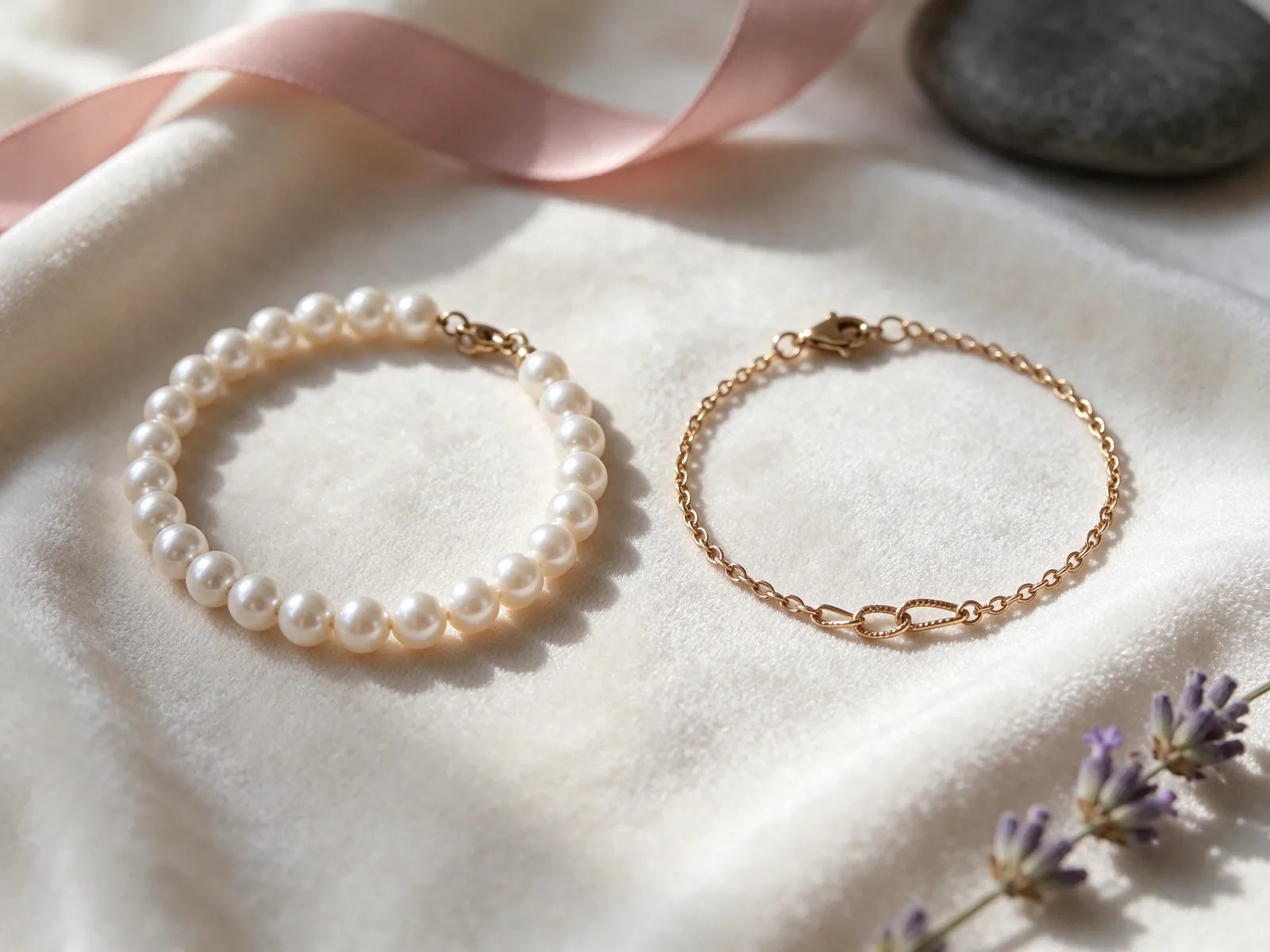
Decide how much movement you want from the heart
A fixed motif is connected into the bracelet’s line, while a dangling heart hangs from a point that permits movement. Fixed does not necessarily mean flat or comfortable: the reverse, thickness and curve still need attention. A suspended heart can add a playful note, but its path around sleeves and nearby objects matters. If you enjoy moving details, the pearl charm bracelet discussion offers another way to assess space around a charm rather than treating extra movement as an automatic advantage.
Think about the surfaces your wrist meets. During keyboard work, a charm may fall toward the desk; with a fitted sweater, it may move beneath the cuff. Neither situation rules out a heart design, but both belong in a try-on. If the arrangement mixes chain and pearls, placement also changes visual balance. Comparing a half chain pearl bracelet helps you see how a motif can sit between two different rhythms, and why placing it on one side may draw more attention there.
Look beyond the front-facing outline
Check the side that touches your skin and the points joining the heart to the bracelet. Watch for a tip that catches fabric or a metal edge that repeatedly meets a pearl. A front view may show the shape clearly without explaining these interactions, so ask to see the reverse and side whenever evaluating construction.
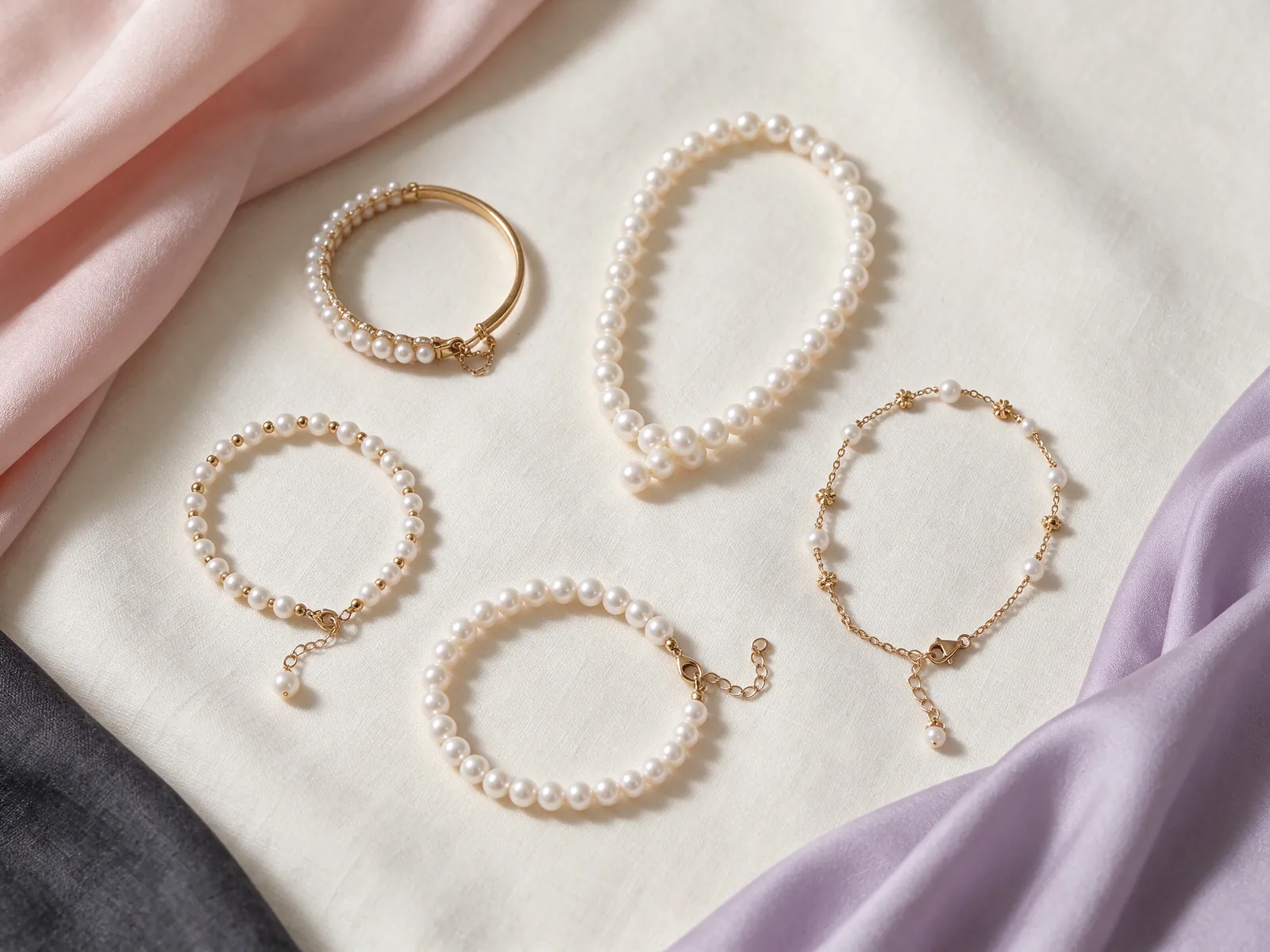
Let spacing make the symbol quieter or more graphic
For a less ornate effect, give the heart a simple setting instead of surrounding it with other competing decorations. A continuous pearl line makes the motif a break in the sequence; visible chain between pearls gives the outline more room to stand alone. The pearl station bracelet topic is useful for comparing this sense of space. Before deciding a heart is too bold, consider whether the surrounding arrangement, sleeve pattern or neighboring jewelry is creating the visual competition.
An open heart shows the background through its outline; a solid face creates a more concentrated reflective area. Those appearances do not prove weight or wearing comfort. If you prefer a different decorative rhythm, compare a flower pearl bracelet, where petals build the outline rather than a notch and point. Neither shape belongs to a particular age group. Your preference for clean geometry, soft curves or a recognizable symbol is a more helpful starting point than a style stereotype.
Check the outline in ordinary lighting
Step back to view the whole wrist before inspecting a close-up. Turn sideways to see whether the heart rises above the pearl line and might meet a cuff. Then compare in another part of the room. This helps distinguish liking the actual outline from liking a reflection created by one camera angle.
Connect the wrist measurement to the actual wearing space
Use a soft measuring tape at the position where you usually wear a bracelet. Keep it against the skin without squeezing, and note the location as well as the number. A bracelet’s overall length does not equal the internal space available around the wrist. Pearls, the heart section and the fastening all contribute to the fit. Consult the pearl bracelet size guide with those features in mind, particularly if you prefer the motif to stay above the wrist instead of turning freely.
With an adjustable pearl bracelet, compare the experience at different positions rather than assuming every setting is equally useful. Tightening can limit rotation yet bring a projecting heart into contact with skin during a bend. Loosening allows more motion but may shift the symbol underneath. Look at the unused tail too: its direction and contact with the heart can change the feel. When buying a gift, knowledge of the recipient’s preferred fit is more valuable than treating adjustability as a substitute for all sizing information.
Include fastening in the try-on
Try closing and opening the clasp with your other hand. Check whether you can find the opening, whether the heart blocks your fingers and whether the fastening ends up at the visual center. If you usually have help, consider that routine honestly. An attractive motif should still fit the way you put jewelry on.
Build an outfit around the wrist rather than a product close-up
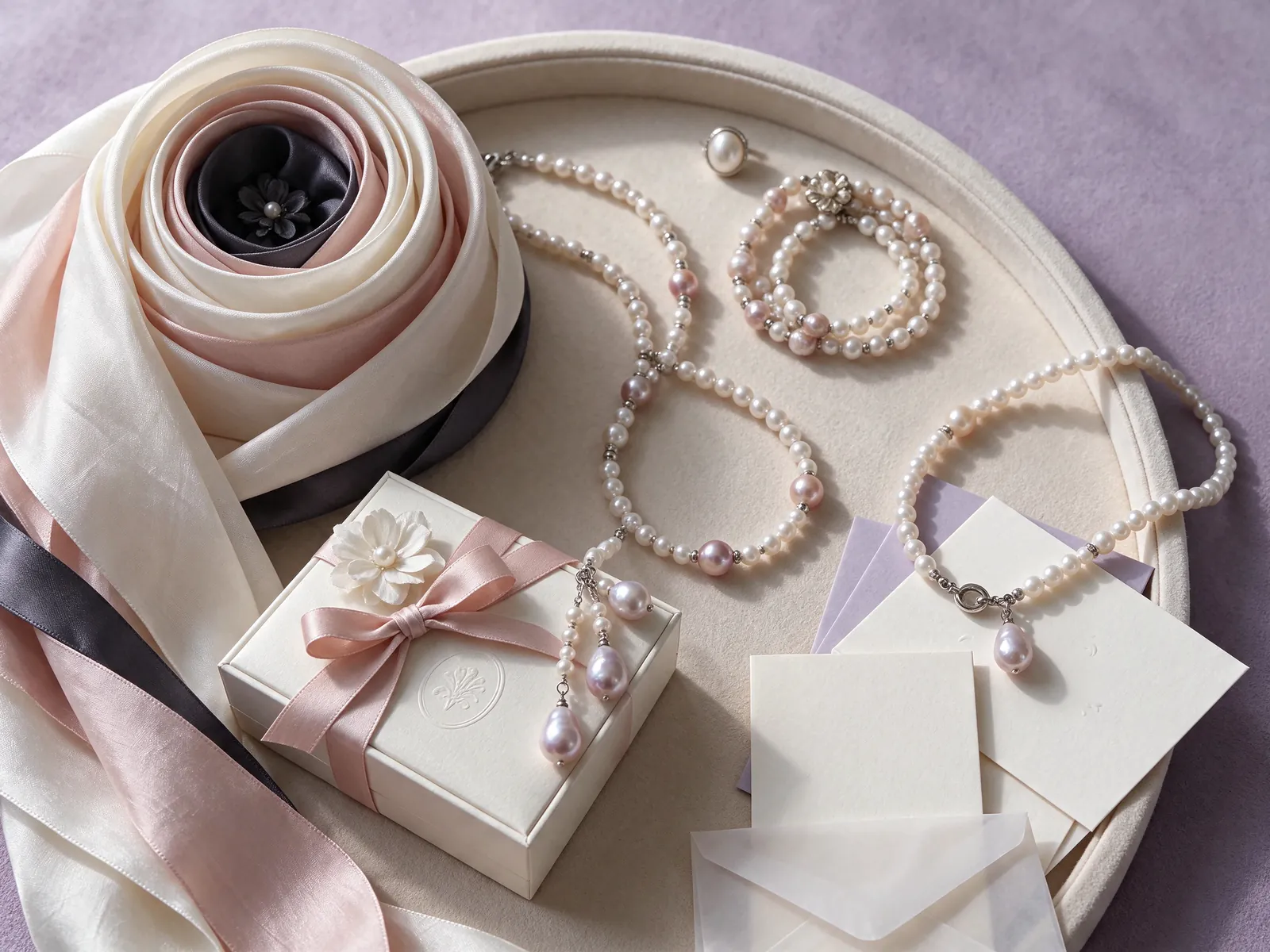
A plain shirt or uncluttered knit lets a heart read clearly for everyday dressing. A detailed evening sleeve may already supply enough pattern, leaving the bracelet to act as a smaller accent. Look at rings on the same hand: a large ring face and the heart can create two competing focal points. When wearing a watch, consider the case and strap as moving neighbors, not just colors to coordinate. Their edges should not be overlooked where they meet the pearls.
Try the heart bracelet on its own before adding a stack. As you move, a hanging detail and a rigid accessory can cross paths even if a still photograph shows a gap. A multi strand pearl bracelet gets its layered effect from a coordinated arrangement and connections; separate bracelets do not necessarily behave the same way. If you cannot keep hard edges away from the pearls, placing pieces on different wrists is a practical styling alternative that also lets each outline remain visible.
Use familiar clothing to compare metal color
Assess 18K 750 white gold, 18K 750 yellow gold, 18K 750 rose gold, PT950 platinum and PT900 platinum as individual material choices when considering the visual balance of a heart detail. Compare the visual color with your wardrobe and rings in normal light. Keep that preference separate from the construction and the pearls’ appearance.
Choose a meaningful gift that the recipient will want to wear
A heart can celebrate a relationship, family bond, friendship or personal milestone. It does not have to communicate the same message for everyone. Before choosing, notice the recipient’s existing jewelry: do they wear graphic shapes, soft curves or recognizable motifs? Do they enjoy dangling details or prefer continuous lines? A wearer who favors restrained pieces may appreciate a small clear accent, while someone who likes playful styling may be more interested in the heart’s movement and position.
Let the explanation of the gift come from what you know about the person. Perhaps the outline echoes jewelry they already enjoy, or the symbol connects with a shared occasion. If fit is uncertain, consider measuring or trying on together rather than making comfort a surprise. Respect known experiences of irritation or discomfort with jewelry instead of assuming a romantic symbol outweighs them. The best choice combines personal meaning with practical habits, including sleeves, a watch and how easily the bracelet can be fastened.
Bring a short wearing profile to the conversation
Describe the recipient’s usual sleeves, wrist accessories and preference for visible or quiet details. A conversation with Flint Jewelry about style and wrist fit can then focus on real needs rather than a generic idea of a heart gift. These observations also leave room for the recipient’s own preferences.
Evaluate the pearls and protect them in daily use
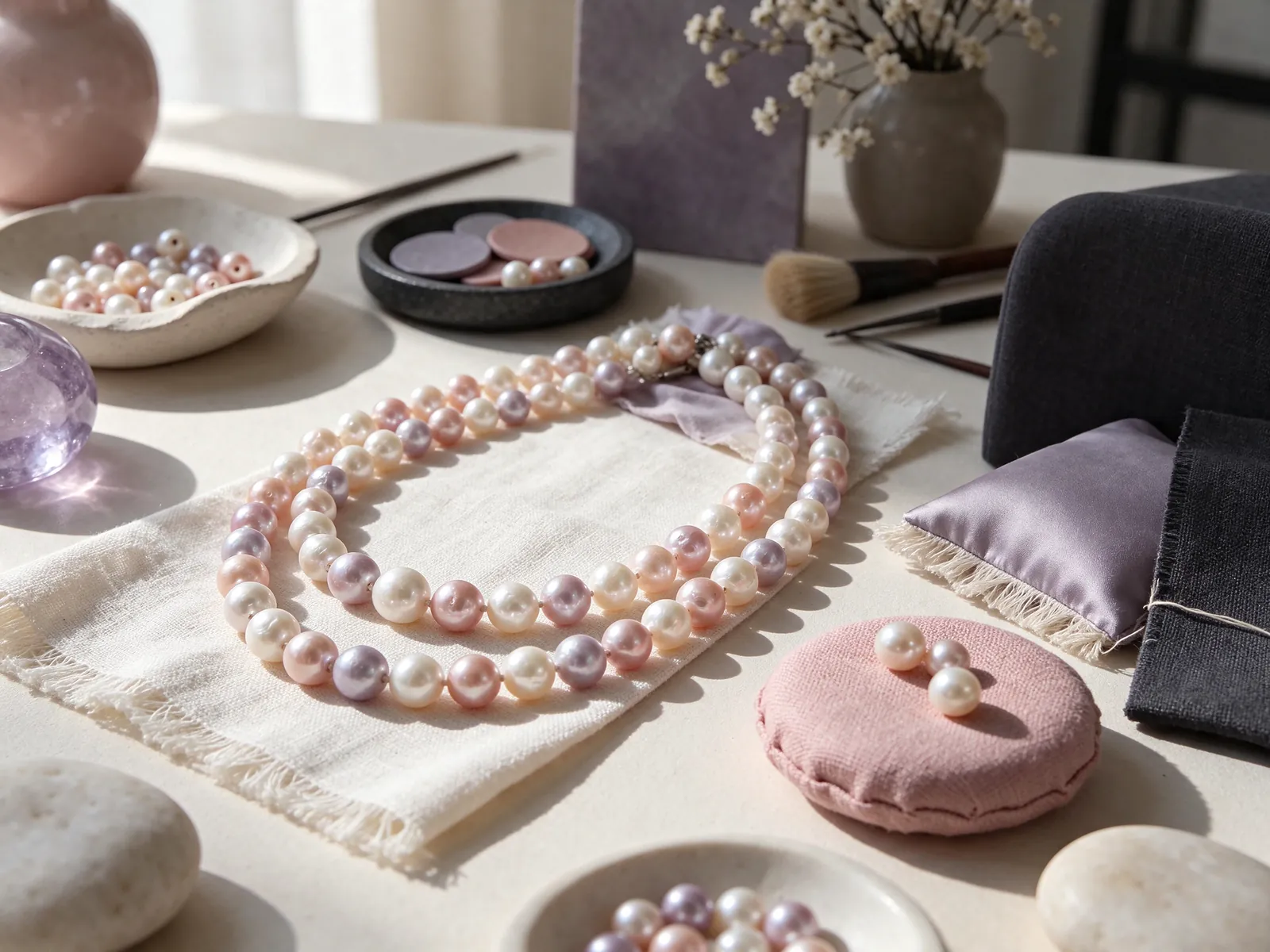
GIA identifies seven pearl value factors: size, shape, color, luster, surface quality, nacre quality and matching for pieces with multiple pearls. For a heart arrangement, examine how neighboring pearls look together and whether the motif’s reflections distract from their luster. An irregular shape can contribute to the design’s rhythm, but it should be something you actually enjoy. A heart symbol, visible color or photographed outline cannot establish pearl origin, natural-versus-cultured identity or a certificate.
GIA lists pearl at 2.5 on the Mohs hardness scale and says never to use ultrasonic or steam cleaners. Bracelets encounter desks and other wrist accessories, so include the back of the heart and its connections in your care routine. After wearing, use a very soft, clean cloth and avoid acids, perfume, hair spray and excessive heat. If water has been used to clean a strung piece, the string must be completely dry before wearing again. A dry metal surface does not mean the entire bracelet has dried.
Keep the heart from being pressed against pearl surfaces
Before storage, arrange the charm and any tail gently and keep hard-edged jewelry separate. Inspect tangles before unfolding rather than pulling the piece straight. If a connection looks unstable or the pearl line is strained, do not force it back into shape. Practical care belongs in the selection process, not just after the bracelet becomes part of your wardrobe.
To think through a heart detail that suits your daily style, contact Flint Jewelry on WhatsApp or call +85260106207 to discuss heart placement, sleeves and wrist fit.
| Design feature | How it reads | What to observe | Helpful test |
|---|---|---|---|
| Fixed central heart | One clear focal point | Position after the wrist turns | Relax the arm, then turn the palm |
| Dangling heart | A separate moving accent | Contact with desk and clasp | Type and lift a bag |
| Heart near the fastening | An intermittently visible detail | Finger access to the clasp | Fasten with the other hand |
| Heart in the pearl sequence | A break within a continuous line | Metal edges near pearl surfaces | View the front and reverse |
| Heart surrounded by spacing | A more independent outline | Balance between chain and pearls | View beside a familiar sleeve |
Pearl knowledge and authoritative references
According to GIA, pearl has a Mohs hardness of 2.5. For a heart bracelet, repeated contact with metal details and neighboring wrist accessories deserves particular attention during wear and care.
Read the reference for this factFrequently asked questions
Is a heart bracelet only appropriate for a partner?
No. It can be a friendship, family or personal gift. Choose according to the wearer’s taste and the meaning you share rather than assuming the shape has only one purpose.
Should the heart always stay on top of the wrist?
That is a wearing preference, not a universal rule. If you want it visible, check its position through normal movements. Placement, construction and fit all matter, and a tighter setting may introduce pressure rather than solve everything.
What should I check before stacking it with a bangle?
Watch the pieces as your wrist moves, especially the path of a dangling heart and any hard edges near pearls. A gap in a photograph does not ensure separation in use. Wearing the pieces on different wrists is an alternative.
Can I use a close-up to judge whether the heart is too large?
A close-up can exaggerate its presence. Compare the whole wrist at normal viewing distance, beside familiar clothing, and look from the side to assess how far the motif projects.
Does the metal heart make ultrasonic cleaning suitable?
No. Attached pearls still need pearl-appropriate care, and GIA says never to use ultrasonic or steam cleaners on pearls. Gentle wiping and complete drying of any wet string remain important.
Updated: