
Why style and fit matter beyond a 10K gold pearl ring, K10 pearl ring or 10 karat pearl ring label
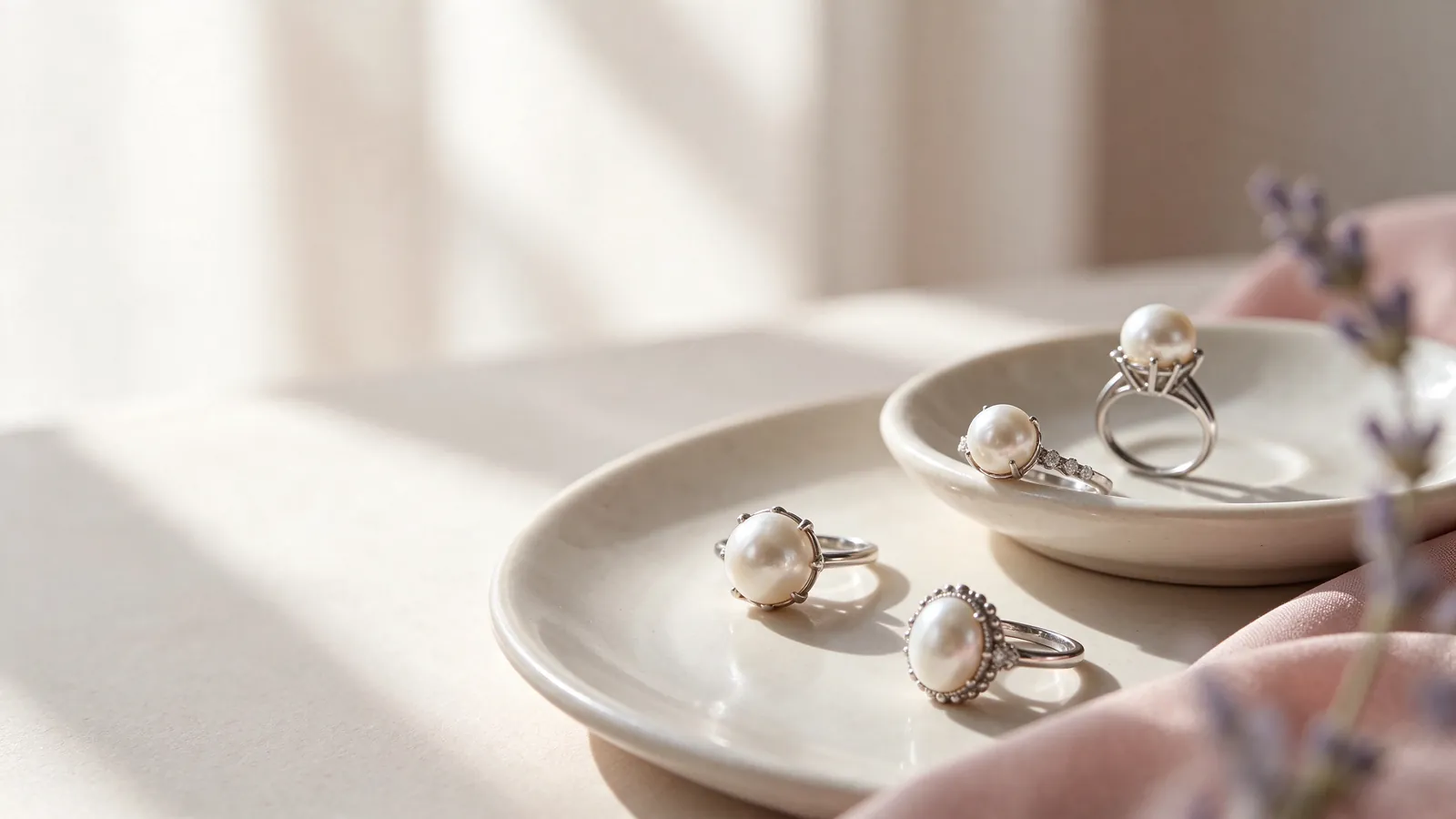
When a description says 10K gold pearl ring, the number belongs to the gold designation. K10 pearl ring reverses the order, while 10 karat pearl ring spells it out. The terms do not identify pearl diameter, a quality grade or finger size. They are a starting point for reading the material description, not a complete specification. Two rings sharing that designation can still differ in band shape, setting construction and how they sit on your hand.
Begin your comparison with the way you intend to wear the ring. An occasional dinner accessory and a ring worn around desk work call for different questions about projection, fabric contact and comfort. The sterling silver pearl ring comparison helps separate another metal label from these wearing questions; like K10 and 10K, sterling silver is not among Flint Jewelry’s material choices. Once the label is understood, look at the entire design rather than treating the order of K and 10 as the deciding feature.
When comparing a 10K gold pearl ring with a K10 pearl ring or a 10 karat pearl ring, how should the band fit?
During a fitting, pay attention to passing the knuckle as well as resting at the finger base. Open and close your hand, hold your phone and check whether the band presses against adjacent fingers. A ring that rotates constantly may not keep the pearl where you want it. Remove it by handling the band, not by yanking the pearl, and keep notes on its width and inner shape alongside the size.
Separate a metal name from the color you see on screen
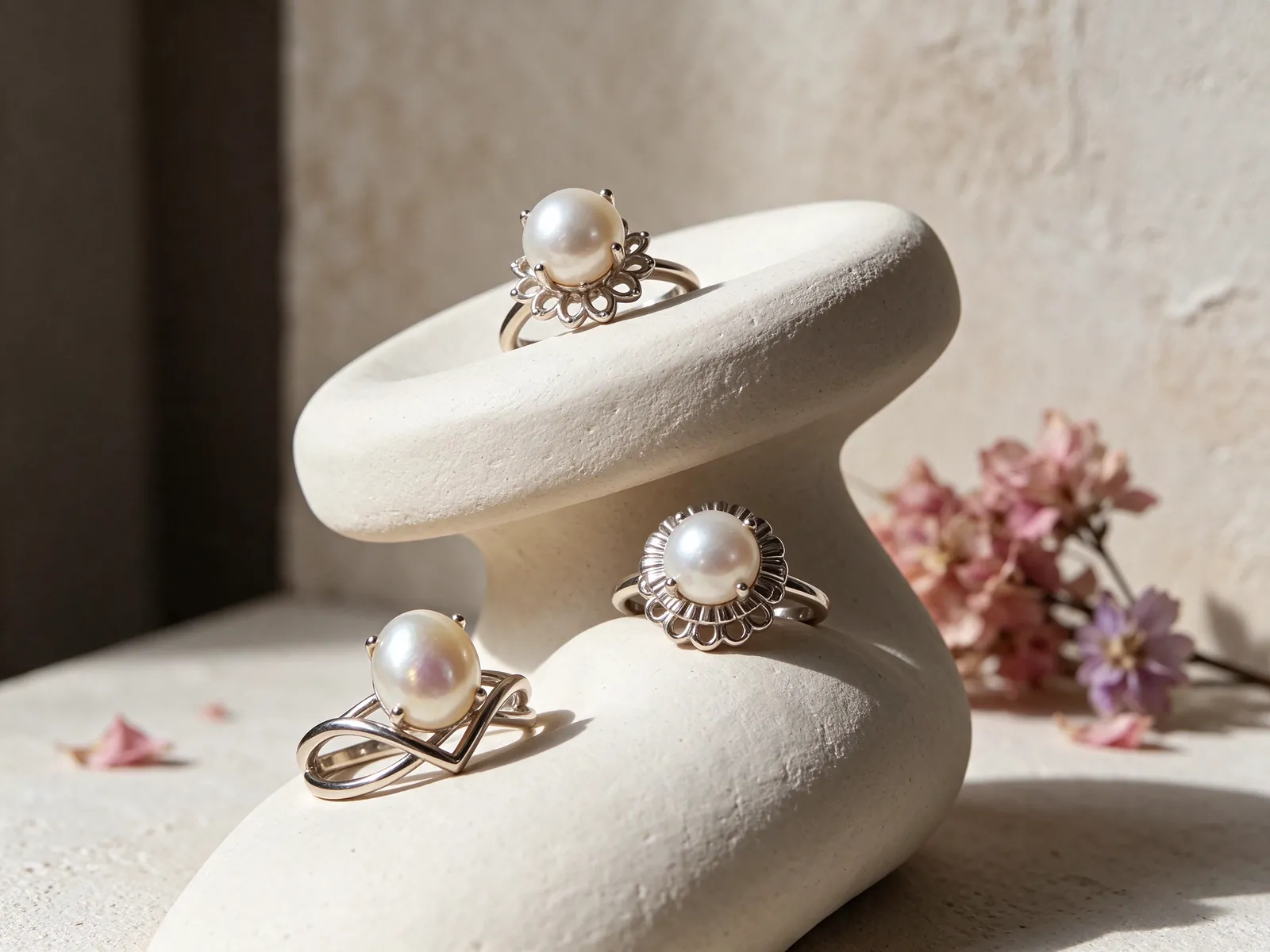
A bright white photograph cannot establish whether a band is white gold or platinum. These are different material names, and reflections or background colors can change their photographed appearance. Read the written metal description and markings rather than identifying material from a highlight. If you are drawn to a particular warm or cool frame for the pearl, an 18K gold pearl ring guide can help define that styling preference without relying on a visual guess.
When you compare a platinum pearl ring with a gold-labeled ring, keep the setting and band construction in view. Width, thickness and the placement of the pearl can affect your experience independently of a short material name. Screen color is not evidence of weight or comfort, and the designation alone cannot promise a particular skin response or an alteration result. Ask about the properties of the actual design that matter to your use.
Describe coordination in terms of visual effect
Use the pieces you already wear to explain a color direction. You may want a quiet match with a wedding band or a deliberate contrast with a watch. Neither approach requires every accessory to look identical. Saying that you want a warmer accent or a cooler, restrained outline communicates a styling goal; saying two images look white does not establish that they contain the same metal.
Give pearl quality its own place in the comparison
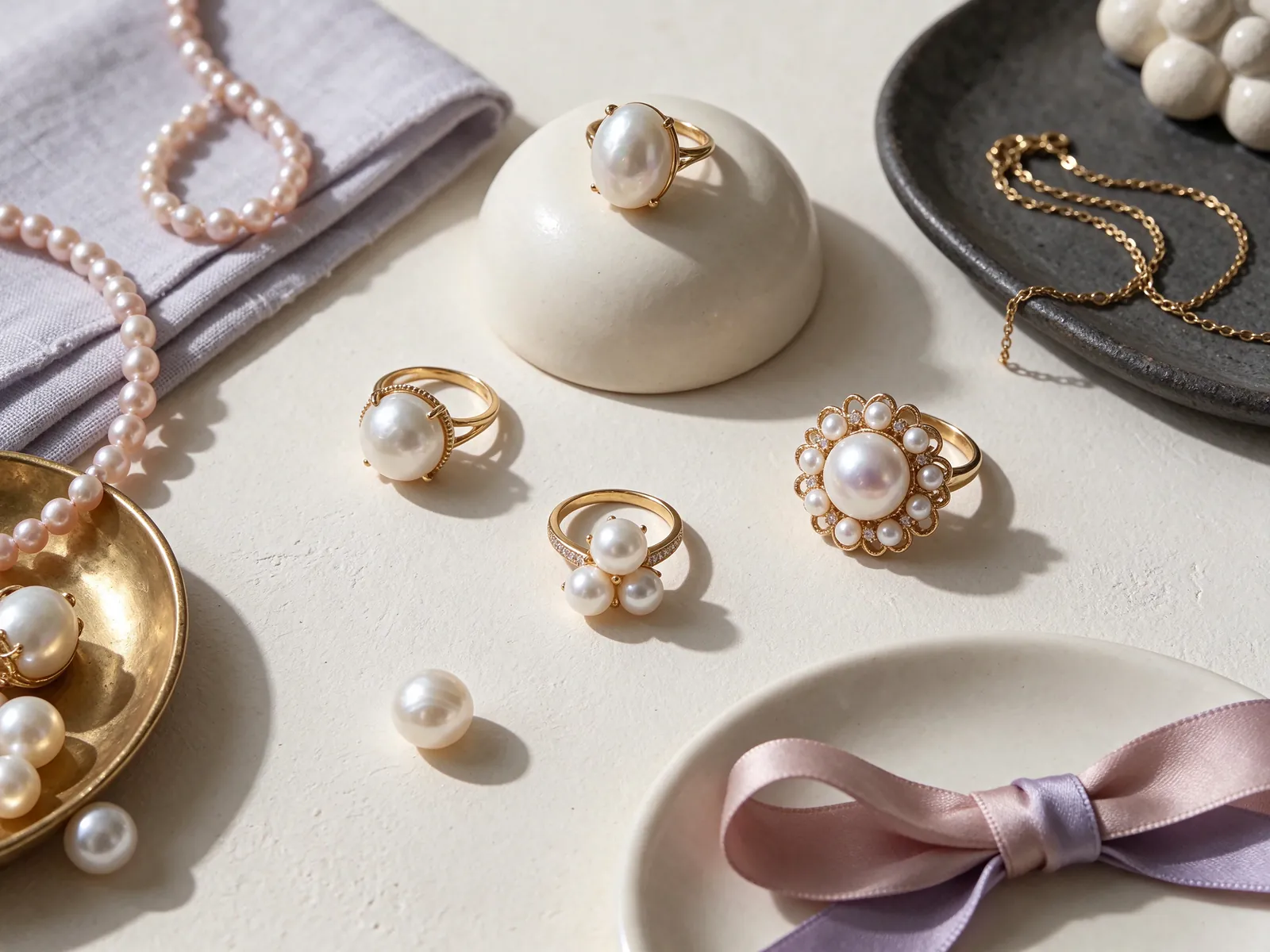
GIA identifies seven pearl quality factors: size, shape, color, luster, surface quality, nacre quality and, for multi-pearl jewelry, matching. The K10 designation answers none of those questions. For a pearl ring, examine how the outline and visible reflections relate to the setting, rather than treating apparent size as the entire quality story. A pearl that looks larger in a cropped image is not automatically a better choice for your hand or a higher-quality pearl.
In a design with several pearls, their visual relationship may matter as much to your preference as any individual feature. In a one-pearl design, the side outline and the setting beneath it deserve attention. Color, shape and shine do not establish origin, natural-versus-cultured identity or the existence of a certificate. If identity or documentation is important, ask the seller directly; do not infer it from a K10 title or a polished photograph.
Compare what photographs show without inventing what they do not
Look for views that reveal the pearl’s side and the support underneath, not just the face of the ring. You can note whether you prefer stronger reflections, a softer outline or less visible surface character. Different lighting and exposure make exact image-to-image judgments difficult. Keep those visible preferences separate from questions about identity and documents, so a useful aesthetic observation does not turn into an unsupported factual conclusion.
Treat sizing as a construction question, not a label conversion
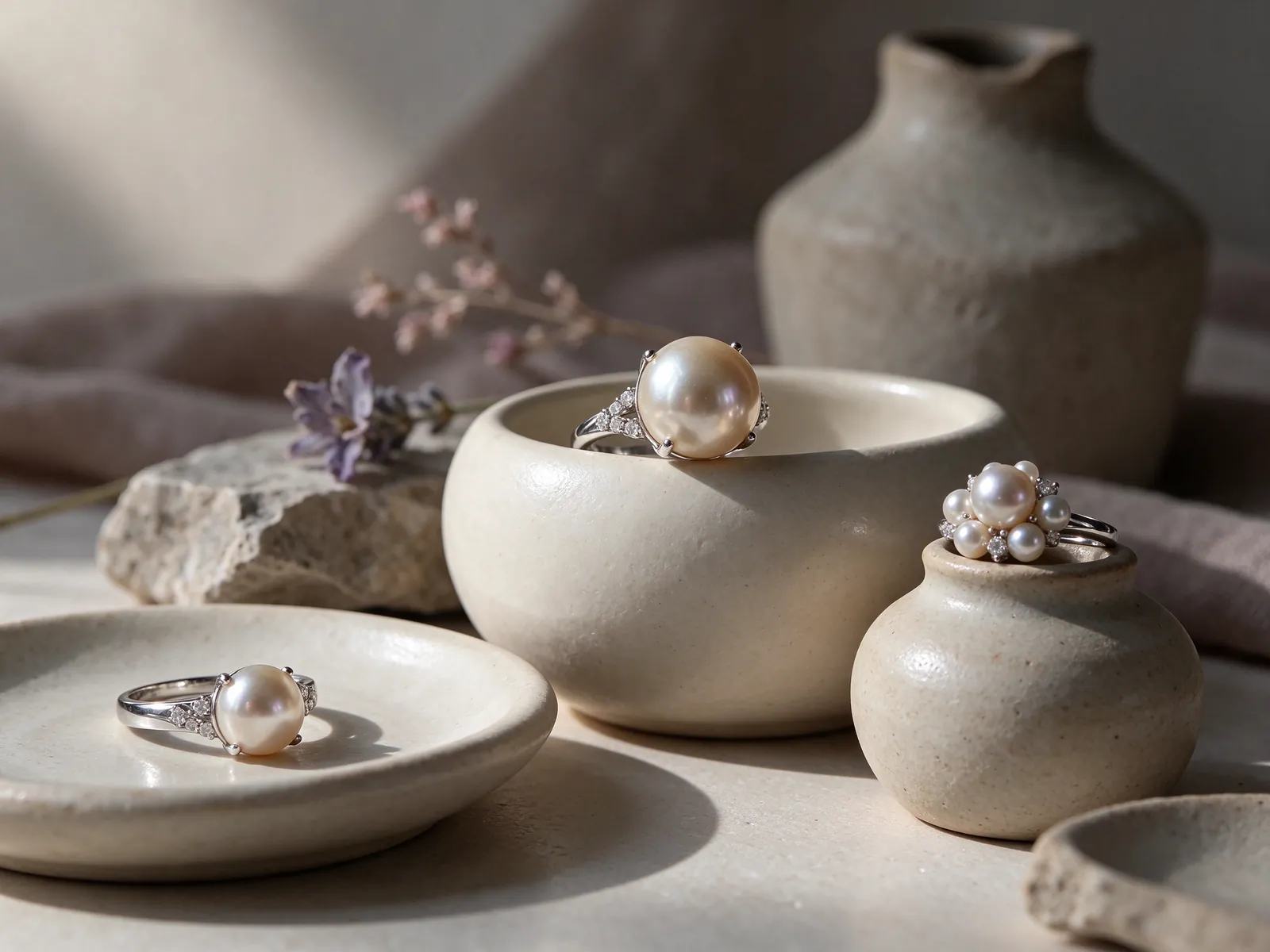
Your comfortable size in a slim ring is useful background, but it does not settle the fit of every broader band. A larger contact area and a different inner profile may change pressure and movement. Use wide band pearl ring sizing to think through the particular design rather than adding a fixed amount to an old size. Check comfort with your fingers bent, and notice the edges as well as the central section of the band.
Open-ended designs need their own assessment. When you ask “are open pearl rings adjustable”, the answer cannot come merely from spotting a gap: the band and pearl setting determine the relevant limits. Ask the seller or the professional working on that ring before attempting any change. During a fitting, check whether the opening catches fabric or presses against the finger, without bending the ends or using the pearl as a lever.
Evaluate a stack as a combined arrangement
Two rings occupy more space together than either does alone, and their edges may meet the pearl or its support. Inspect the contact points before choosing a stack; a visible gap is not something to eliminate by force. If one band sits under an overhanging pearl, consider whether hard edges could rub against its surface. Separate-finger wear may be a more practical way to coordinate the pieces while keeping each outline clear.
Make setting proportions work with your wardrobe
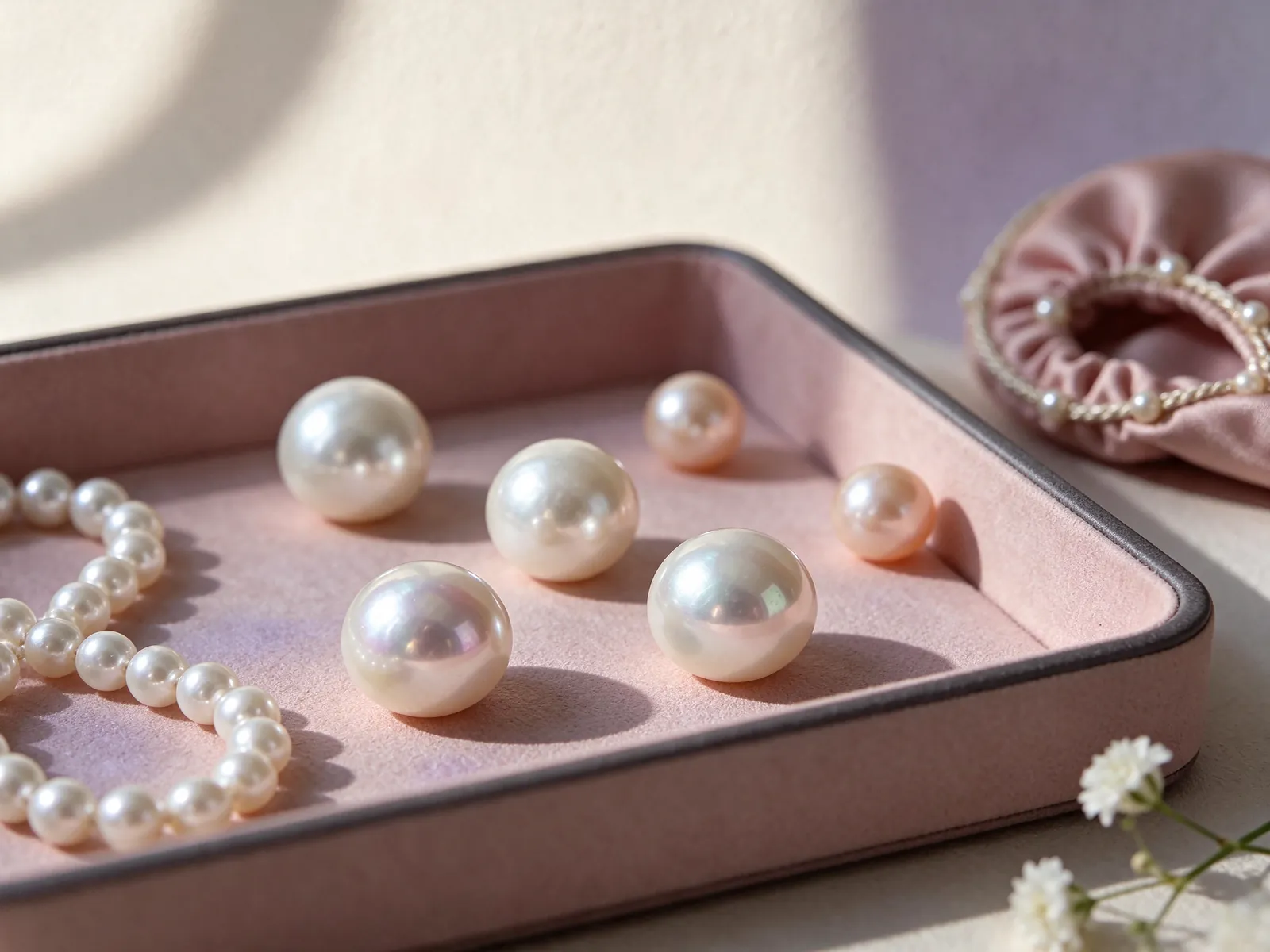
A clean-looking face does not tell you how far the setting rises above the band. When considering a pearl solitaire ring, examine the side profile as well as the open space around the pearl. Shirt cuffs, sweaters and jacket sleeves can meet a setting differently, so include the clothes you wear most often in the decision. Simplicity is a visual preference, not a property guaranteed by the K10 designation.
For an evening look, decide where you want attention to land. A prominent necklace or pair of earrings can pair with a restrained ring, while a plain outfit may give a stronger ring outline room to lead. Mixed metal colors can be intentional rather than a mistake. Consider the balance of the whole arrangement and the space between accessories, then check that the choice still suits the activities you will be doing.
Test ordinary hand movements before prioritizing the photograph
Practice holding a phone, lifting a bag strap and moving a cuff over your hand when you can assess the ring in person. Those actions reveal contact that a styled image leaves out. Mention frequent glove use or narrow pockets if they are part of your routine. The aim is to understand your own interactions with the design, not to assume that any setting will remain snag-free in every situation.
Choose a care routine for the pearl, not just the gold
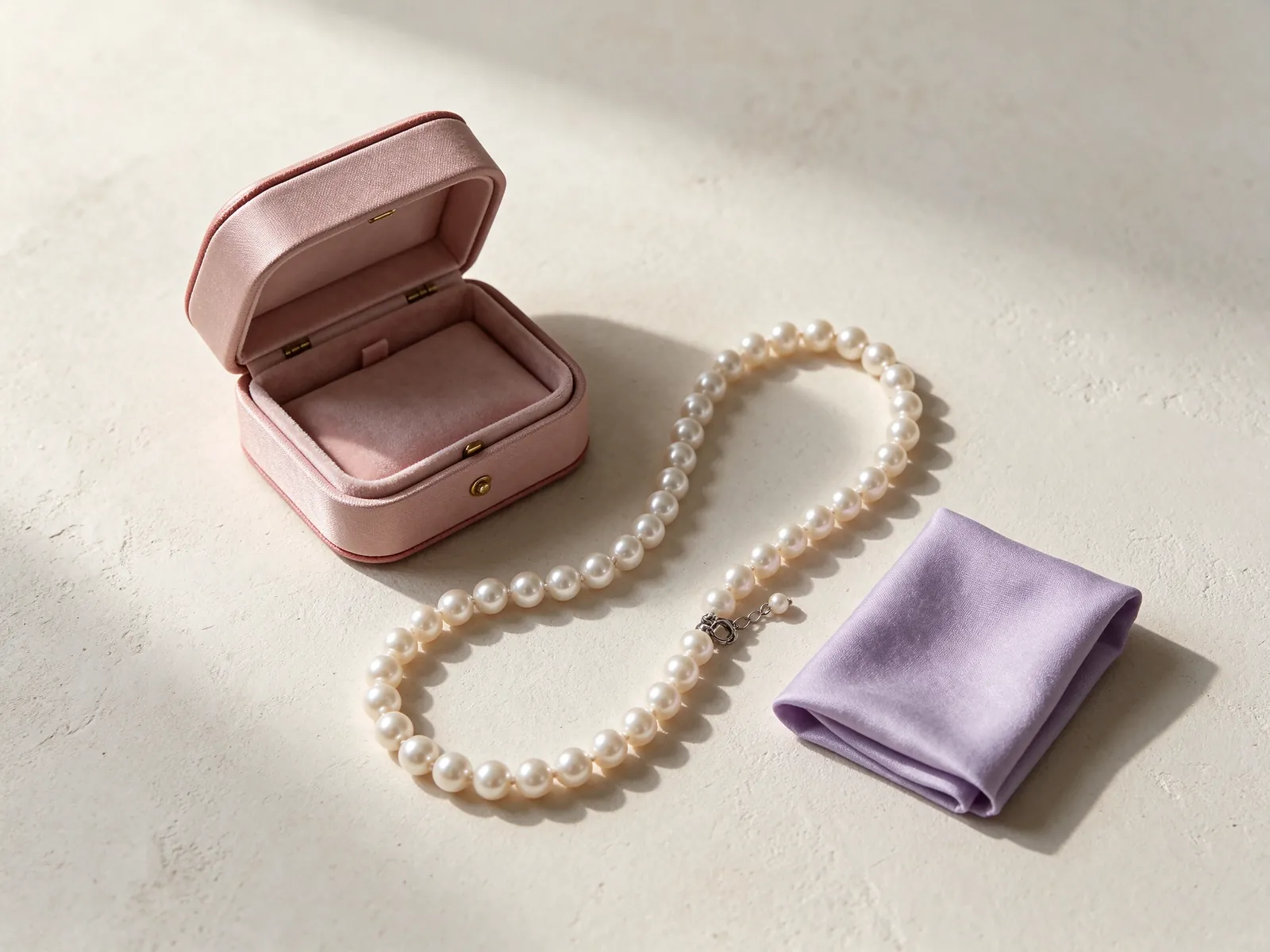
According to GIA, pearl has a Mohs hardness of 2.5. This makes avoiding unnecessary contact with hard objects relevant regardless of the band’s gold designation. Remove the ring before heavy lifting, exercise or tasks likely to strike your hands. The number is not a forecast of lifespan or an impact allowance. A strong-looking metal outline does not make the exposed pearl invulnerable, and the name 10K does not remove the need for care.
Gently wipe the pearl with a very soft, clean cloth after wearing it. GIA advises avoiding acids, perfume, hair spray and excessive heat; it also says pearls should never enter ultrasonic or steam cleaners. Do not choose a cleaning method only because it works for gold. The pearl and its setting must also be considered. If dirt persists or the structure concerns you, seek advice on that ring instead of trying stronger household chemicals.
Use a designated storage spot and watch for looseness
Remove the ring before showering, swimming or cleaning, and keep a regular storage place away from a sink edge. Prevent the pearl from rubbing directly against hard surfaces of other jewelry in storage. If the pearl or its support feels loose, stop wearing the ring and have the specific issue inspected. Gentle care reduces avoidable exposure; it does not provide a permanent-color, waterproof or lifetime condition guarantee.
Turn a K10 comparison into a clear list of wearing needs
When comparing a seller’s K10 or 10K rings, note the stated metal, pearl information, band width, side profile and fit separately. Ask that seller about any design details omitted from the description; none follows automatically from the name. Questions such as ‘How does the setting sit next to my plain band?’ or ‘Can I see the side?’ connect the description to a decision more effectively than comparing titles alone.
Flint Jewelry’s material choices are 18K 750 white gold, 18K 750 yellow gold, 18K 750 rose gold, PT950 platinum and PT900 platinum. K10 and 10K are not included. If you like a color relationship or a certain pearl-to-hand proportion, describe that preference along with your intended finger and usual activities. A discussion can then focus on your needs within Flint’s material choices instead of treating a K10 search term as an offered material.
Name the useful feature rather than another brand’s proprietary design
You can explain that a raised setting bothers your sweater cuffs, or that you prefer coordinating rings on separate fingers rather than stacking them. These are specific design needs, not requests to reproduce another seller’s design. Bring a description of the proportions and wearing experience you enjoy. That keeps the conversation focused on your preferences and helps move from a material label to a more thoughtful selection. Contact Flint Jewelry on WhatsApp at +85260106207 to discuss your preferred proportions, band outline and wearing needs within the five material choices described above.
| Item | What the name establishes | Information to request | Wearing or styling check | Unsupported shortcut |
|---|---|---|---|---|
| Metal | A K10 or 10K gold designation | Written material and color | Consider your existing accessories | Guessing metal from a white photograph |
| Pearl | No pearl quality details from the metal label | Luster, shape and visible surface features | Review the front and side outline | Inferring origin or certification |
| Band | No complete fit specification | Width, inner shape and any opening | Check the knuckle and finger base | Reusing a slim-band size without assessment |
| Setting | No side-height information | Relationship to cuffs and neighboring rings | Try common hand movements | Equating a minimal face with a low profile |
| Care | No promise of protection for the pearl | Cleaning suitable for pearl and setting | Gentle wiping and separate storage | Assuming waterproof or permanent condition |
Pearl knowledge and authoritative references
GIA lists seven pearl quality factors: size, shape, color, luster, surface quality, nacre quality and, for multi-pearl jewelry, matching. The K10 or 10K gold designation does not communicate those seven factors.
Read the reference for this factFrequently asked questions
Do K10 and 10K represent two different pearl grades?
No. They are gold designations written in a different order, not pearl quality grades. Compare the pearl description separately, including the visible features and any identity information that matters to your purchase.
Does ‘10 karat’ describe the ring size?
No. In this context it describes the gold designation. Finger size and pearl diameter are separate details; a number in the metal name cannot be converted into either of them.
Can I stack a pearl ring tightly against my wedding band?
First inspect where the two rings touch. A band may meet the pearl or its setting, and the combined width can change comfort. Do not force away a gap; separate-finger wear may be a better arrangement for the particular designs.
Can I use an ultrasonic cleaner if the band is gold?
Not for a pearl ring. GIA states that pearls should never be cleaned with ultrasonic or steam cleaners. The cleaning choice must suit the pearl as well as the band and setting.
Can a K10-inspired color preference be discussed with Flint Jewelry?
Yes, you can describe a preferred color, proportion or wearing experience without asking for a copied design. Flint’s material choices do not include K10 or 10K; the discussion concerns 18K 750 white, yellow or rose gold, and PT950 or PT900 platinum.
Updated: