
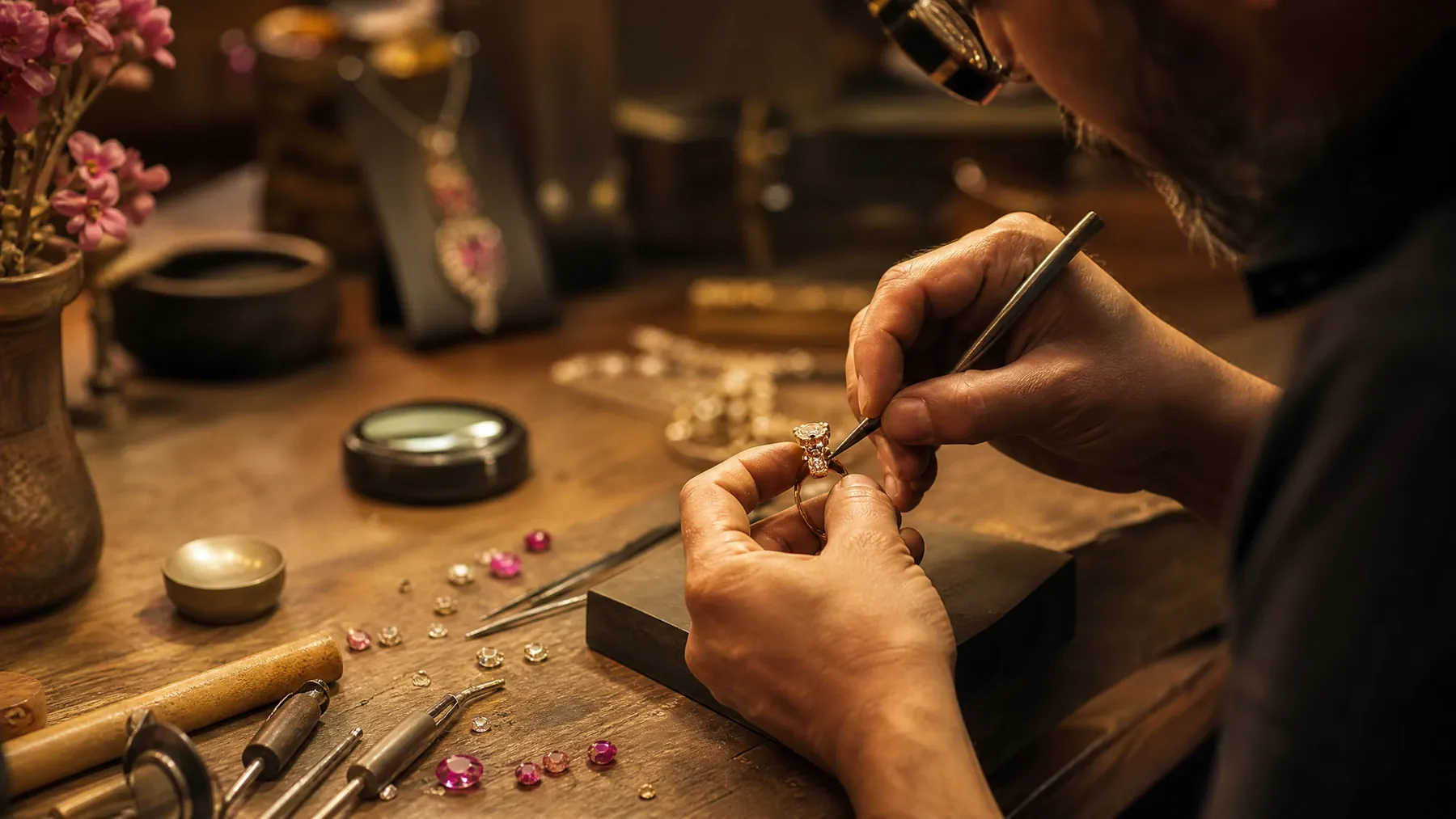
Jewelry Insurance: Protecting Your Investment
Whether you have just purchased an engagement ring or inherited a family heirloom, proper insurance protects your jewelry against loss, theft, and damage. Yet many people either skip insurance entirely or carry inadequate coverage. This guide explains everything you need to know about insuring your jewelry properly.
Why You Need Jewelry Insurance
Standard homeowner's or renter's insurance typically covers jewelry, but with severe limitations:
- Coverage caps of $1,000-$2,500 per item (far below most engagement ring values)
- High deductibles that may exceed the claim value
- Limited coverage for "mysterious disappearance" (losing a ring without knowing when/where)
- No coverage for damage (only theft/fire in many policies)
Dedicated jewelry insurance fills these gaps with specialized coverage designed for valuable pieces.
Types of Jewelry Insurance Coverage
Scheduled Personal Property (Rider/Floater)
An add-on to your existing homeowner's/renter's policy that specifically lists and covers individual pieces:
- Typically covers: theft, loss, damage, mysterious disappearance
- Usually no deductible or very low deductible
- Cost: approximately 1-2% of appraised value annually
- Requires individual appraisal for each piece
Standalone Jewelry Insurance
A separate policy from a specialized jewelry insurer (like Jewelers Mutual, Lavalier, or BriteCo):
- Broader coverage than riders (often includes worldwide coverage, no deductible)
- Does not affect your homeowner's claims history
- Often covers repair, replacement at current market value, or cash settlement
- Cost: approximately 1-3% of appraised value annually
How to Get Your Jewelry Appraised
Insurance requires a professional appraisal documenting your piece's replacement value:
- Find a qualified appraiser: Look for GIA-trained gemologists or members of the American Society of Appraisers
- Get a detailed report: Should include measurements, metal type/weight, gemstone details (4Cs for diamonds), photos, and replacement value
- Update every 2-3 years: Precious metal and gemstone values fluctuate. Outdated appraisals may leave you underinsured
- Keep copies: Store digital copies in cloud storage and physical copies in a safe deposit box
Appraisal cost: typically $50-$150 per piece. Many jewelers offer free appraisals for pieces purchased from them.
What to Look for in a Policy
- Replacement vs cash value: Replacement policies pay to replace the item at current market prices. Cash value policies pay what the item is worth today (often less than replacement cost).
- Worldwide coverage: Essential if you travel with your jewelry
- No deductible: Many jewelry-specific policies offer zero deductible
- Mysterious disappearance: Covers loss even when you do not know exactly when or where it happened
- Repair coverage: Covers damage from everyday wear (prong repair, stone tightening, etc.)
- Choice of jeweler: Some policies require using their network; others let you choose any jeweler for replacement
Top Jewelry Insurance Providers (2026)
- Jewelers Mutual: The industry standard. Excellent coverage, competitive pricing, 100+ year history. Our top recommendation.
- Lavalier (by Jewelers Mutual): Modern, app-based experience. Quick quotes and easy claims. Good for younger buyers.
- BriteCo: Innovative approach using real-time market data for valuations. Competitive pricing.
- State Farm/USAA: Good scheduled property riders if you already have homeowner's insurance with them.
Filing a Claim: What to Expect
- Report the loss/theft/damage immediately (most policies require reporting within 24-48 hours)
- File a police report for theft (required by most insurers)
- Provide your appraisal documentation and any photos
- The insurer will verify the claim and offer replacement or cash settlement
- Timeline: typically 2-4 weeks for straightforward claims
Tips for Reducing Premiums
- Install a home security system (5-10% discount with many insurers)
- Use a home safe for storage when not wearing pieces
- Bundle with existing insurance for multi-policy discounts
- Choose a higher deductible if you want lower monthly payments
- Maintain good claims history
Frequently Asked Questions
How much does jewelry insurance cost?
Typically 1-3% of appraised value per year. A $5,000 engagement ring costs approximately $50-$150/year to insure. Rates vary by location, coverage type, and security measures.
Is jewelry insurance worth it?
For any piece worth more than $1,000 — absolutely. The annual premium is a tiny fraction of the replacement cost, and jewelry loss/theft is more common than most people realize.
Does insurance cover normal wear and tear?
Most policies do not cover gradual wear. However, many cover sudden damage (a prong breaking, a stone falling out) which is the most common issue with daily-wear pieces.
Protect Your Investment
All Flint Jewelry pieces ship with detailed documentation suitable for insurance appraisal — including gemstone certificates, metal specifications, and high-resolution photographs. Contact us if you need additional documentation for insurance purposes.
Flint Jewelry Design Team
Our team combines 20+ years of jewelry expertise with hands-on experience crafting thousands of pieces for clients worldwide.