

How do proportions and placement balance an ice cream pearl pendant top or an ice cream cone pearl pendant with your outfit?
Think of the pendant as a silhouette first. The rounded upper portion and the narrowing lower outline need to make sense together, even when you are not studying a close-up. Ask whether your eye moves smoothly through the shape or stops at an oversized bail or dense decoration. The charm of the dessert idea does not depend on covering every available area with detail.
Look at both a close view and the pendant's position within an outfit. Width, height, and the concentration of metal lines all contribute to visual weight; the apparent size of the pearl alone cannot explain it. When exploring the broader pearl pendant category, use the same test: a design should suit the amount of attention you want at the center of your outfit.
How can chain length and neckline frame an ice cream pearl pendant top or an ice cream cone pearl pendant?
Choose a clear setting for the entire outline: exposed skin or an uninterrupted fabric area. A pendant resting directly across a crew-neck edge can lose its shape, while a V-neck may place two downward points too close together. Try the top you plan to wear and adjust the resting point. Your neckline and proportions are more useful than a universal chain-length prescription.
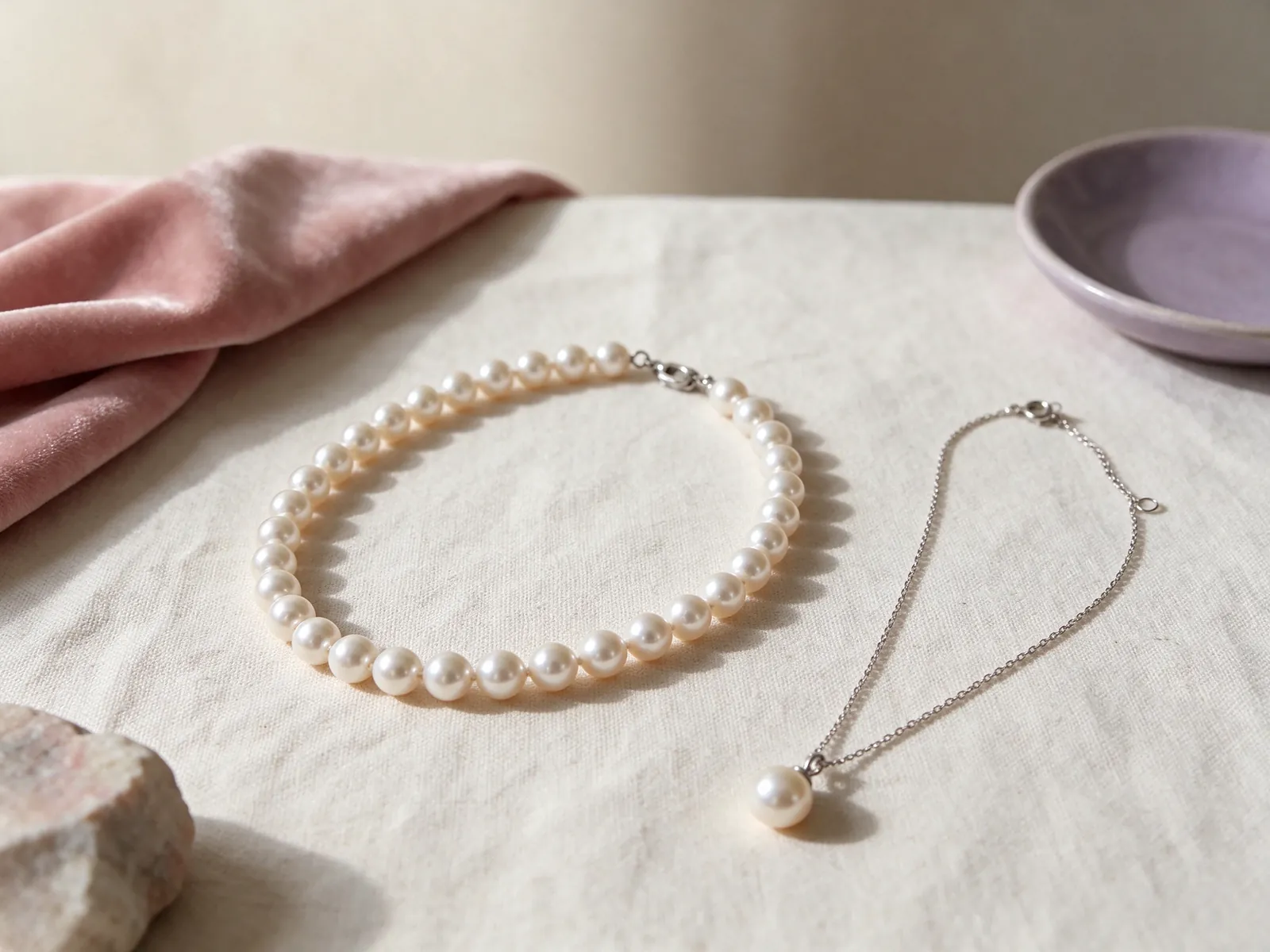
Look around the pendant, not only at its front
Side views reveal how the body projects away from clothing and how the bail aligns with the main form. Back views show the surface that may face your skin or fabric when the pendant turns. Those angles are especially useful for a dimensional theme. Attractive front photography cannot tell you how every edge will interact with a sweater, collar, or open jacket.
If you are deciding between recognizable motifs, an apple pearl pendant offers a helpful outline contrast. Its rounded visual center can help you identify whether you prefer compact shapes or the downward direction associated with an ice cream cone. Compare on similar, simple backgrounds. This keeps the decision about your preferred shape rather than about which photograph has stronger lighting or more elaborate styling.
Include everyday movement in a fitting
After checking the mirror, sit down, turn your shoulders, and lightly move the garment around its normal neckline. Watch whether the pendant shifts, tips, or meets textured fabric. If you cannot try it on, request clear views that explain the structure. A strong shadow may make a piece appear deeper than it is, so avoid treating camera effects as measurements.

Treat the bail and chain as a working pair
A suitable chain must do more than look balanced beside the pendant. Its clasp needs to pass through the bail, and the chain should move without being forced into position. The clasp may be larger than the fine chain body you see in a photograph. Also distinguish a pendant top from a necklace with a chain when reading what is included in a purchase.
Layering works more clearly when only one piece supplies a detailed motif. Keep a second chain simple and leave separate resting points so that the shapes do not continually meet. Studying a geometric pearl pendant can sharpen this judgment: lines and rounded forms need space to read. If the chains regularly twist together, removing a layer may improve both the view and the wearing experience.
Test a longer chain with your bag and outerwear
A pendant worn lower on the torso can encounter a crossbody strap, desk edge, or coat fastening. Try those everyday situations before deciding that a long chain gives the best proportion. If the shape repeatedly sits under a strap, change its resting point or your bag choice. Longer and shorter placements are alternatives, not a hierarchy of better styling.
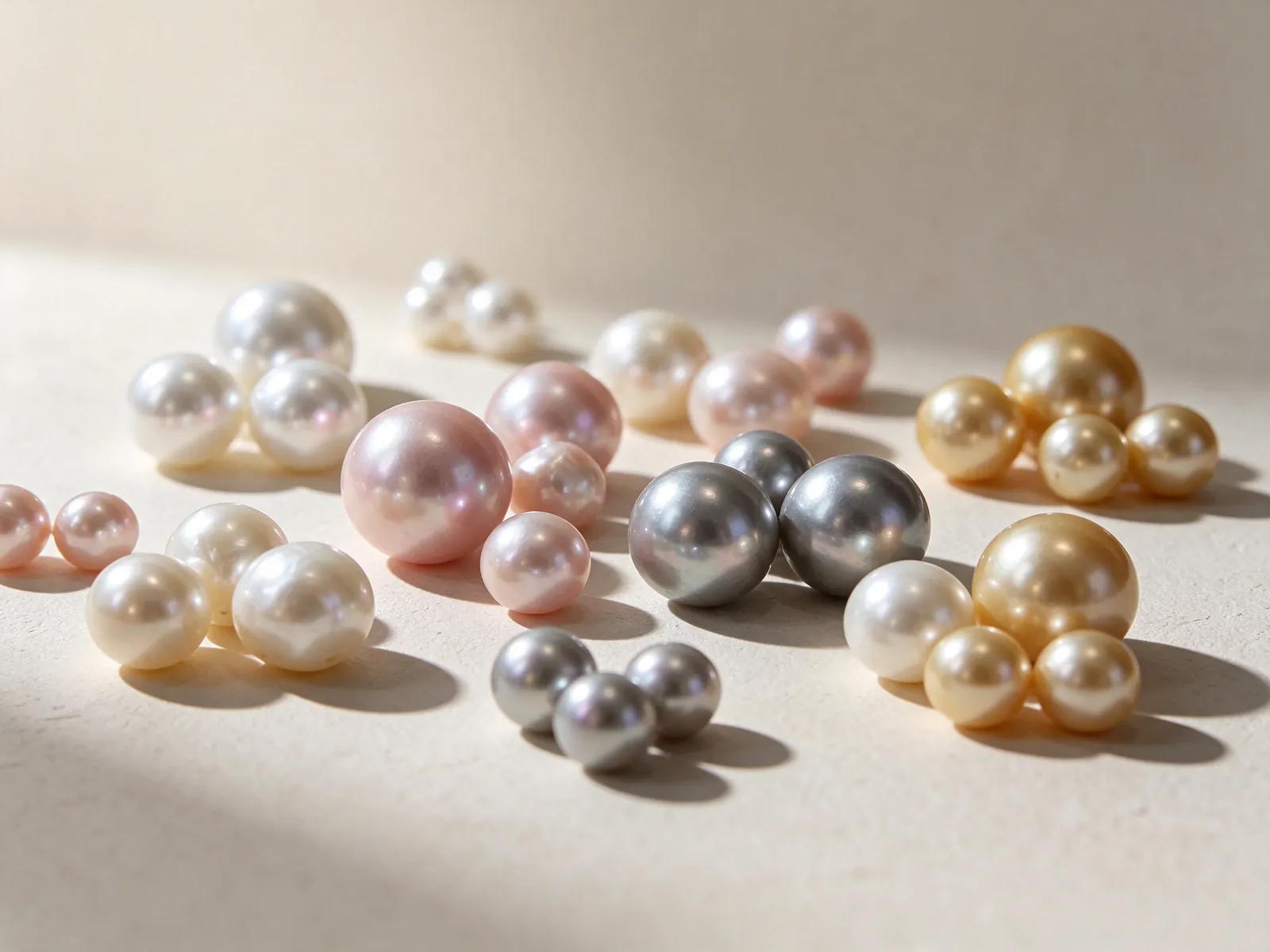
Read pearl qualities independently of the motif
The phrase ice cream pearl pendant does not establish pearl type, geographic origin, or natural-versus-cultured identity. Those are characteristics of the individual pearl, not deductions from a dessert shape. For visual assessment, observe reflections and surface features under soft light. Compare more than one angle because a bright spot in a close-up cannot stand in for the luster of the whole pearl.
GIA describes seven pearl value factors: size, shape, color, luster, surface quality, nacre quality, and matching. Matching concerns pearls used together, so it is not a separate comparison for a single-pearl pendant. These factors are a general assessment framework, not a grade or certification for an individual pendant. Use that framework to keep an appealing design from becoming your only quality criterion. The distinction also applies to a heart diamond pearl pendant: the decorative theme, the pearl's characteristics, and the description of any other adornment are separate parts of understanding the piece.
Do not confuse a flavor association with a color explanation
Bodycolor, overtone, and orient describe different color components, and not all pearls show every component. A warm shirt can change the reflected impression compared with a pale background. Enjoy the personal association with a favorite dessert, but do not use it to infer why the pearl has a particular color. Read the individual description for stated characteristics instead.
Build a wearable outfit around one clear accent
Begin with a solid-color top and see how easily the motif is recognized. Then introduce the items you normally wear: shirt buttons, pockets, a jacket opening, or a printed scarf. If one occupies the same area as the pendant, adjust the position or simplify the outfit. Strong contrast can make a small detail readable without requiring additional themed accessories around it.
A smile pearl pendant offers a useful comparison between an abstract expression and a concrete dessert reference. Decide which kind of story you want your jewelry to tell rather than combining both automatically. Understated earrings or a bracelet without an illustrated motif can keep attention on the pendant. With tailored clothing, the garment's clean shape can balance the playful accent without disguising it.
Let prints and the pendant take different roles
A dense small print may blur the outline, while a large image may compete for attention. Use a quiet part of the garment or a plain layer under an open cardigan as the pendant's background. If the clothing already tells a food-related story, you can reduce other illustrated accessories. Repeating the same theme everywhere is not necessary for a coordinated look.
Choose a gift for a person's style, not a stereotype
A shared dessert memory can give the motif meaning, but first consider whether the recipient wears recognizable objects in their jewelry. Some people enjoy food or animal references; others prefer unadorned lines. Look at their common necklines and whether they already have a favorite chain. These observations are more helpful than assuming the pendant suits an age group or every celebratory occasion.
For someone drawn to structural shapes, a pyramid pearl pendant can illustrate a different mood built around a narrowing outline. If necklaces are not part of the recipient's routine, compare how a pearl brooch changes the possible placement of an accessory. These comparisons help you choose by wearing preference rather than ranking themes by prestige. Ask which kind of accessory the person would actually enjoy using.
Prepare the gift story and the fitting details separately
A note can explain a favorite outing or an affectionate dessert reference. The selection itself still needs practical answers about what is included, the wearing arrangement, and compatibility with an existing chain. Do not guess the clasp fit from appearance alone. Keeping emotional meaning and functional questions distinct makes it easier to bring them together in a thoughtful decision.
Use gentle care for the pearl and projecting details
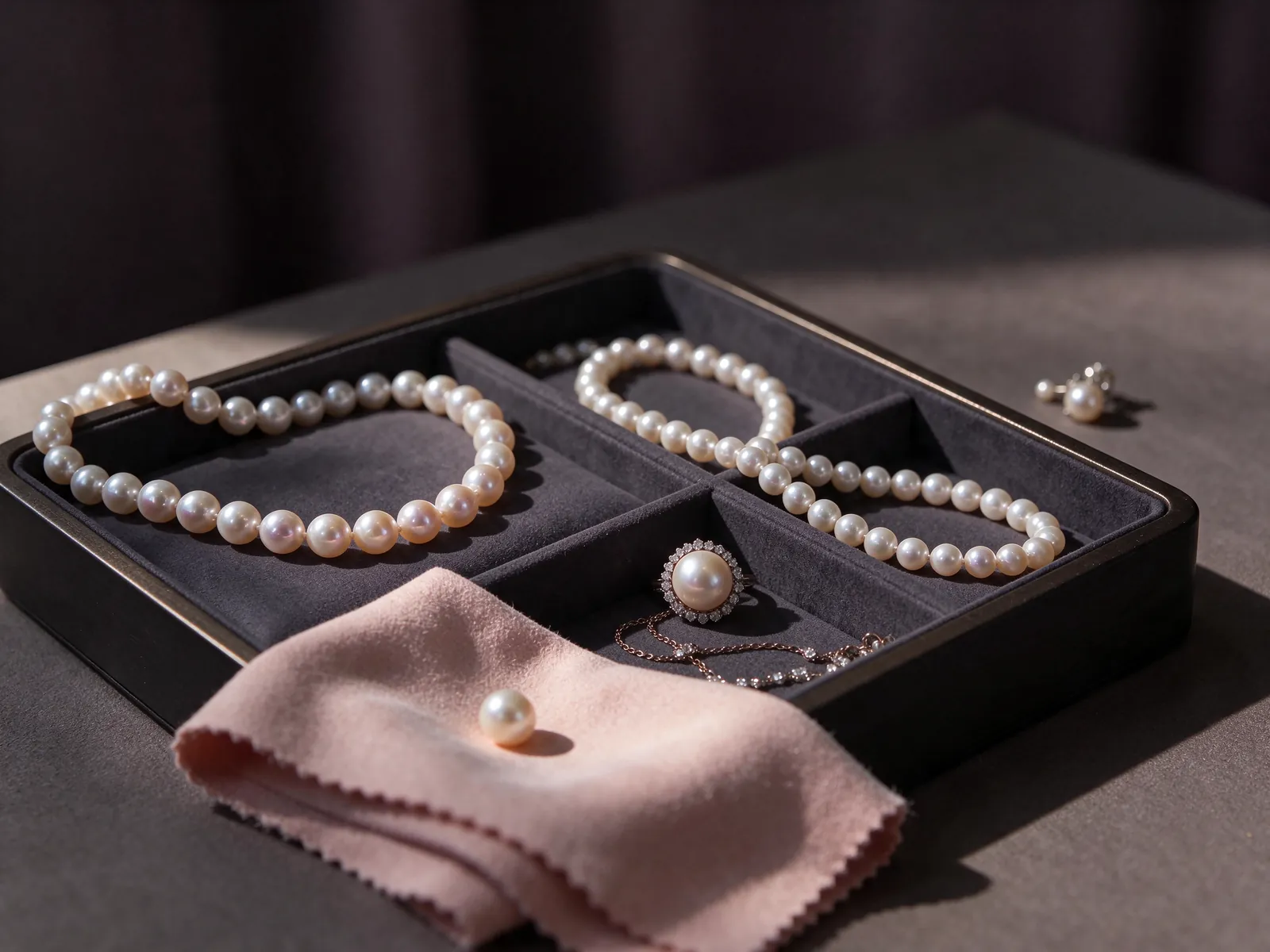
GIA gives pearl a Mohs hardness of 2.5 and says pearls should never be cleaned with ultrasonic or steam cleaners. Even at the neckline, a pearl may contact a zipper, garment decoration, or other jewelry in storage. After wearing, wipe it with a very soft clean cloth and keep it apart from hard objects. A dimensional metal outline does not change the pearl's vulnerability to scratching.
Avoid acids, perfume, hair spray, and excessive heat. Put the pendant on after grooming, and remove it before pulling a sweater or scarf across the neck. Small decorative recesses do not justify cleaning with a sharp tool. If the connection feels loose, the bail appears distorted, or the chain stops moving normally, stop wearing the piece and have an appropriate jewelry professional examine it.
Handle chain knots without using the pendant as a grip
Set the piece on a clean, stable surface and work on the chain rather than pulling the pearl or lower outline. Do not wrap a chain tightly around projecting details for storage. Routine care is about limiting avoidable chemical contact, friction, and strain. It is not a guarantee that a pearl's color or a pendant's appearance will stay unchanged forever. For help thinking through your favorite necklines, existing chain, and personal style, ask about pearl pendant styling on WhatsApp at +85260106207.
| Check | Look for | Apply it to your outfit |
|---|---|---|
| Silhouette balance | A readable relationship between rounded and narrowing forms | Keep competing patterns away from the pendant |
| Side and back views | Projection, contact areas, and bail alignment | Consider your normal sweater, collar, or jacket |
| Bail and chain | A clasp that passes through and a chain that moves freely | Read whether a chain is included before selecting one |
| Resting point | An outline that is not cut across by a neckline | Test while standing, sitting, and using your bag |
| Pearl quality | Reflections and surface features under soft light | Separate the pearl assessment from the dessert story |
Pearl knowledge and authoritative references
GIA lists seven pearl value factors: size, shape, color, luster, surface quality, nacre quality, and matching between multiple pearls. The visual appeal of an ice cream motif is distinct from assessing these seven pearl factors.
Read the reference for this factFrequently asked questions
Does a dessert-shaped pendant tell me where its pearl came from?
No. The motif does not establish pearl type, origin, or natural-versus-cultured identity. Use the description and appropriate documents for the individual pearl rather than drawing conclusions from its shape, color, or resemblance to a dessert.
Can I wear an ice cream cone outline with a V-neck?
Yes, but check how the pendant's narrowing lower form relates to the neckline's point. Leave enough visual room for both to remain clear, and compare the position while sitting as well as standing. There is no single required chain length.
What should I check before using my own chain?
Check the clasp as well as the chain body. It should pass through the bail without force, and the chain should move normally once fitted. Also read whether the purchase is for a pendant top alone or includes its own chain.
How do I make a playful pendant work with tailored clothing?
Use a simple neckline and an uncluttered background, keeping lapels, buttons, and other illustrated accessories from competing with the motif. Clean garment lines can balance a playful accent; you do not need matching dessert-themed clothing.
Is steam cleaning suitable for the pendant's pearl?
No. GIA advises that pearls should never be cleaned in steam or ultrasonic cleaners. Use a very soft clean cloth for routine care and ask a suitable jewelry professional about dirt that cannot be removed gently without stressing the pearl or connection.
Updated: