

How does a parrot pearl brooch or pearl parrot pin work as a bird pearl brooch accent?
Think of a parrot pearl brooch as a small outline within a larger outfit. The beak gives it direction, the wings establish width, and the tail can extend the line down the garment. Before choosing, decide whether you want a recognizable bird near your face or a quieter accent lower on the jacket. Examine the entire silhouette, since intricate details that look striking in a close-up may be less visible when worn.
Put on the intended jacket and compare the available space on the lapel. A narrow lapel may interrupt a broad wing, while a long tail may look crowded beside a pocket or neckline fold. The pearl brooch guide is a useful starting point for comparing animal motifs with other shapes. Return to the parrot design with a clear idea of the background and direction that suit your own clothes.
Positioning a parrot pearl brooch or pearl parrot pin: how a bird pearl brooch complements a lapel
Try the bird facing both inward and outward, keeping its main body over fabric that can support it. Neither direction is mandatory. Check the back of the lapel as well: the catch should have space without sitting awkwardly on a fold. If achieving the preferred angle requires stretching the garment or leaving much of the tail beyond its edge, reconsider the position before fastening.
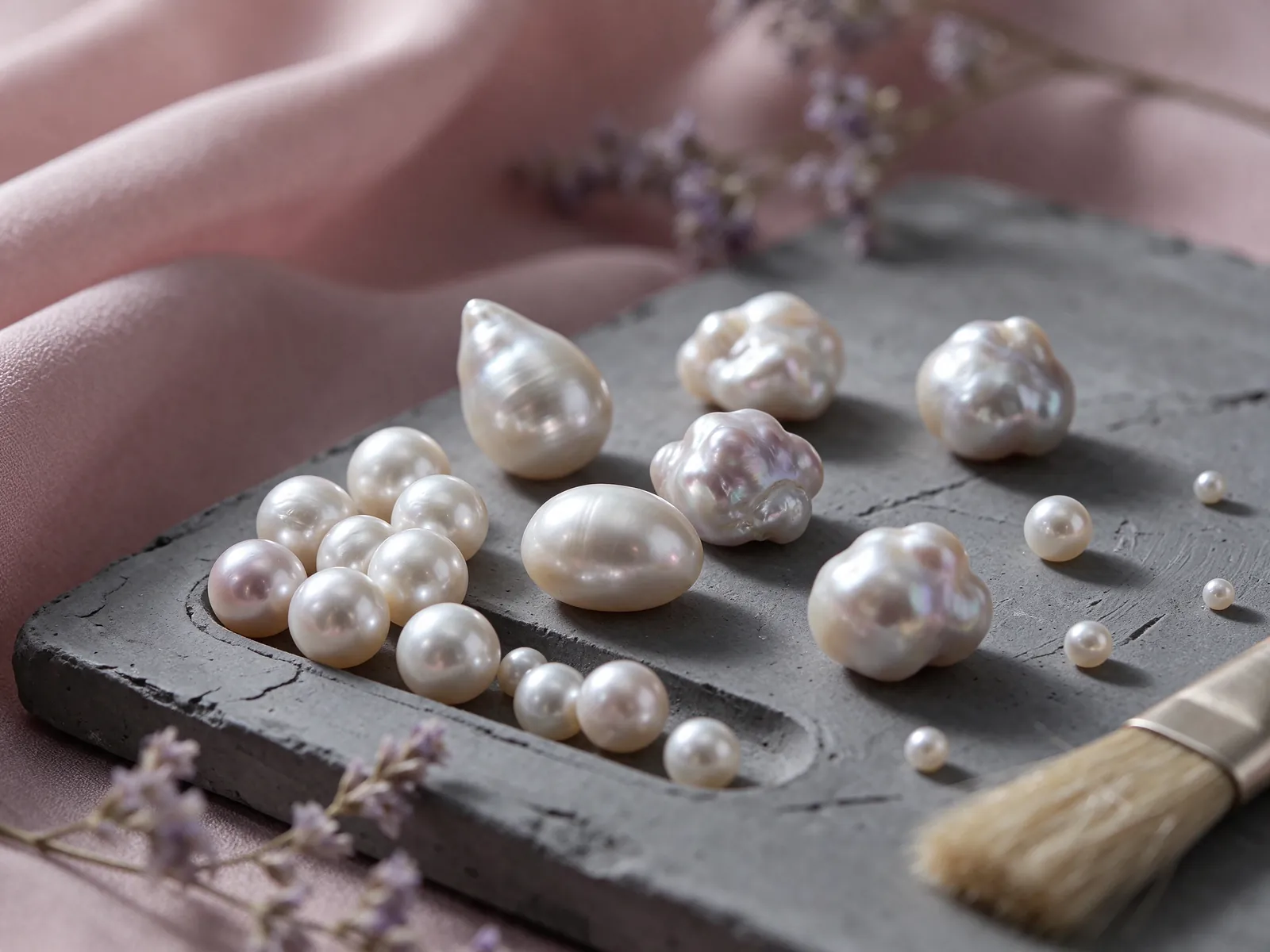
Follow the focal point from the pearl to the bird's outline
The pearl can read as the center of the body, an accent beside the wing, or a lower focal point depending on the design. Ask which element you notice first and whether the eye can then follow the head and tail. This helps distinguish a balanced composition from a busy one. It does not predict physical stability, which also depends on the pin assembly, the rest of the structure, and the clothing.
If an irregular pearl appeals to you, compare how its contours work with the surrounding outline. The baroque pearl brooch guide can help frame that shape-focused comparison without treating irregularity as proof of origin or natural pearl identity. Look at side views where available: a rounded projection that seems compact from the front may stand away from a folded collar or change the appearance at an angle.
Separate the seven pearl factors from the animal motif
GIA lists seven pearl value factors: size, shape, color, luster, surface quality, nacre quality, and matching. Use them to organize what you read about a specific pearl. A single-pearl design invites attention to its luster and surface appearance within the composition; multiple pearls also invite comparison of how they relate. A bird-shaped setting is not itself a grade, and photographs cannot establish a complete assessment.

Check the garment and catch before committing to a position
Fabric support is a practical part of choosing, not an afterthought. A structured blazer may hold a pin differently from a draping blouse or open-knit cardigan. Look for downward pulling, curling at the lapel, or loops that could snag. Do not assume that thick fabric is always suitable, and avoid repeatedly puncturing a fragile area just to refine the angle of the bird.
Review the fastening from the back and understand how it opens and closes before wearing it. Hold a solid part of the metal structure instead of pulling the pearl or tail. After closing the catch, observe whether the bird stays flat or keeps turning. If it droops or rotates, try a different placement or garment rather than forcing the pin through more layers and hoping that will solve the fit.
Rehearse a coat, bag, and seated position
Carry the bag you expect to use, sit down, and lift an arm. These movements reveal whether the tail enters a strap's path or the beak meets a collar fold. Try the outer coat as well, and consider taking the brooch off before removing that layer. A design that looks clear in a standing mirror view may be covered or pushed by clothing in motion.
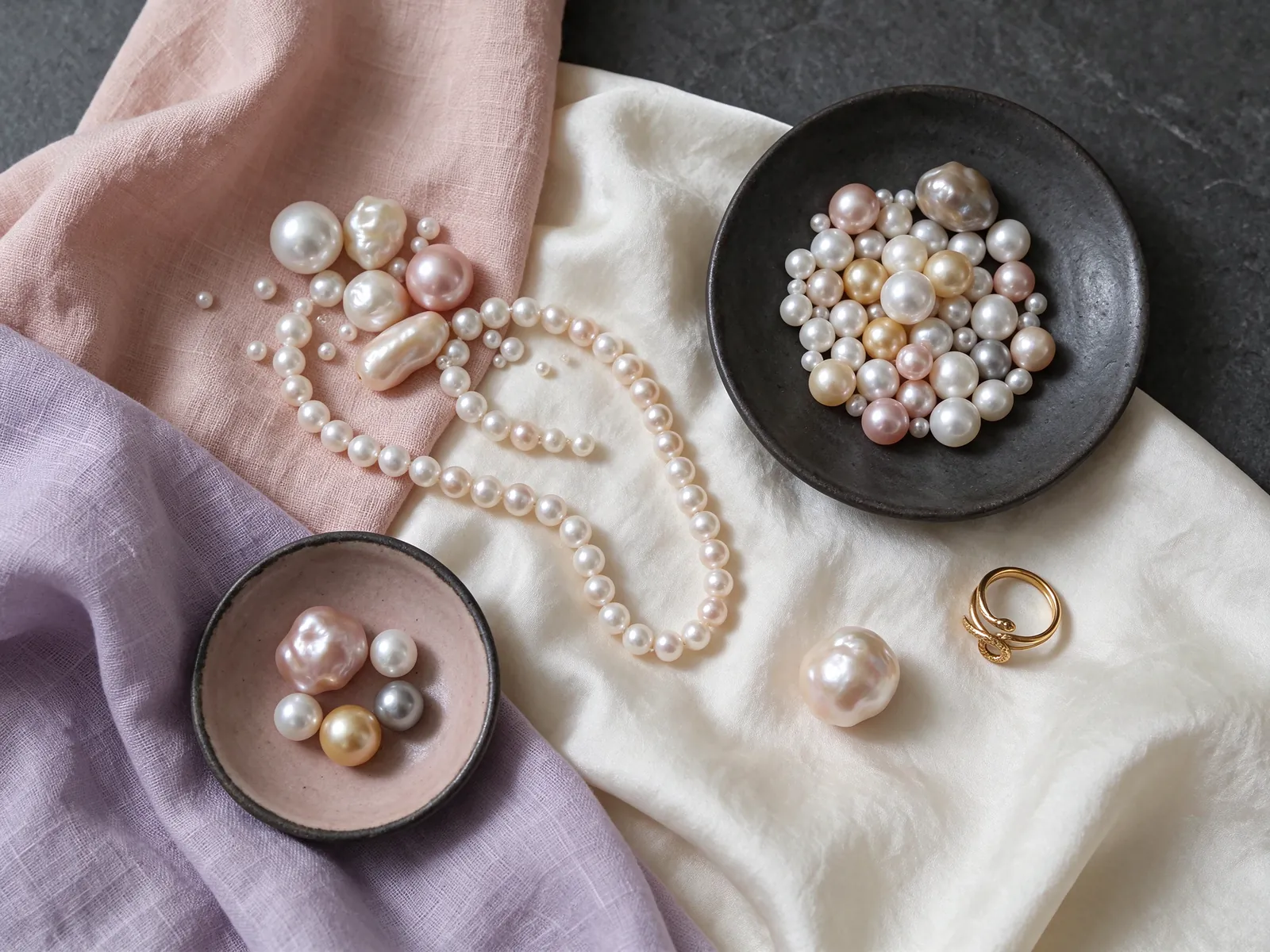
Build outfits around contrast and breathing room
For office or everyday outfits, choose an area of fabric where the bird can be read without competing with a large print, bow, or heavy neckline detail. An understated necklace or simpler earrings may leave more attention for the brooch, although matching every accessory is not necessary. The guide to how to wear a pearl brooch broadens the styling options; here, focus on keeping the parrot's distinctive features visible.
For an evening event, examine the pearl against the actual dress or jacket under suitable lighting. A glossy fabric can change the reflections around it, and a deep color can emphasize the outline without necessarily making every detail clearer. Consider the whole outfit instead of selecting the brightest close-up angle. Warm fabric tones and cooler-looking reflections can coexist if the overall combination feels coherent to you.
Use a scarf as a frame rather than a load for the pin
If you like a scarf near the brooch, fastening the bird to a supportive jacket allows the scarf to sit beside it instead of making the catch hold several soft layers together. Keep folds away from the pearl and tail. Recheck after sitting, because a scarf can shift into an outline that was fully visible while standing. Avoid forcing a delicate weave to carry the pin.
Compare other animals to clarify your preference
Comparing subjects can reveal whether you mainly enjoy the animal or the shape it creates. A specific horse pearl brooch might use the neck and legs to extend across a garment, while a parrot design may emphasize a downward tail. Neither name establishes fixed proportions. Look at each outline against the same intended outfit, so that the comparison reflects the space you have rather than unrelated product photographs.
A cat pearl brooch gives another comparison through the placement of ears, body, and tail. You might prefer a compact shape, a lively extended silhouette, or a personal connection with a particular animal. Establish that preference first, then assess pearl placement and fabric support. Choosing a beloved subject is meaningful, but it should not obscure a wearing position that feels awkward in your regular wardrobe.
Make a bird-themed gift suit the recipient's routine
For someone who loves parrots, the motif can be a personal touch without needing an invented symbolism or promised benefit. Find out whether the recipient actually wears pins and which garments they would use. A preference for soft tops or a bag strap crossing the intended lapel can affect the choice. Comfort with the catch and an appropriate garment matter alongside the emotional appeal.

Read pearl identity and design details as separate information
The phrase pearl parrot pin describes an object and a motif, not a pearl species, origin, or gem specification. Read the particular item's pearl description separately from its metal, any accompanying stones, and the fastening. The Akoya pearl brooch guide addresses a pearl category, but it should not be used to assume that an unrelated bird-shaped piece contains Akoya pearls. Appearance alone cannot replace that item's own description.
Bring practical questions to the selection process: which garment will carry the pin, how much of the bird will sit on the lapel, and what passes through that area during the day? Compare front, side, and back views together when they are available. A side view clarifies projection, while a back view helps you understand the catch; neither is interchangeable with a decorative front photograph. If your material preference is 18K 750 white gold, 18K 750 yellow gold, 18K 750 rose gold, PT950 platinum or PT900 platinum, check the individual design's description rather than assuming a motif determines its metal.
Discuss the actual jacket, not only the motif name
If you want to discuss placement with Flint Jewelry through WhatsApp, a lapel photograph and a description of the fabric provide a useful starting point. Explain your normal bag and layering habits as well. Rank support and proportion ahead of extra decoration: more elaborate wings do not automatically make a stronger choice when the neckline already contains several competing details.
Protect the pearl, catch, and projecting details during care
GIA gives pearl a Mohs hardness of 2.5. Wipe it after wearing with a very soft, clean cloth, and keep it away from acids, perfume, hair spray, and excessive heat. Apply personal-care products before putting the brooch on. When handling a bird shape, support a sturdy section rather than using a slender beak or tail as a lever to open the fastening.
For storage, close the catch and separate the brooch from hard or pointed jewelry that could rub against the pearl. During travel, give the whole silhouette a protected space instead of leaving it loose at the bottom of a bag or pressing the tail into a cramped compartment. If a pearl loosens or the catch stops closing properly, stop wearing the piece rather than using household glue or bending it yourself.
Small wing gaps do not justify ultrasonic or steam cleaning
GIA states that pearls should never be cleaned in ultrasonic or steam cleaners. A textured wing may contain narrow gaps, but machine cleaning is not a suitable shortcut when a pearl is part of the piece. Avoid scraping with a pointed tool. When gentle wiping cannot reach the dirt, seek cleaning advice based on that specific construction rather than treating the brooch as an all-metal object. To discuss the parrot silhouette against your own lapel, WhatsApp Flint Jewelry at +85260106207 with a garment photograph and details of your usual bag strap and layers.
| Area to assess | What the front shows | What another view adds | Wardrobe question | Practical action |
|---|---|---|---|---|
| Bird outline | Direction of head, wings, and tail | Contact with a collar or fold | Is there enough clear lapel space? | Compare on the intended garment |
| Pearl focal point | Where attention begins | Projection away from the fabric | Will a neckline fold hide it? | Compare front and side views |
| Catch and support | Drooping or rotation | Pin position and closure | Does the weave stretch or snag? | Test sitting, arm movement, and a bag |
| Pearl description | Visible luster and surface | Photos cannot establish full identity | How does it look against the outfit? | Use GIA's seven factors to organize questions |
| Care | Soft-cloth wiping | Closed catch and protected projections | Can it travel without rubbing hard objects? | Pearl is Mohs 2.5; no ultrasonic or steam cleaning |
Pearl knowledge and authoritative references
GIA describes seven pearl value factors: size, shape, color, luster, surface quality, nacre quality, and matching. These provide a framework for comparing the pearl in a parrot motif without assigning a grade from the animal shape.
Read the reference for this factFrequently asked questions
Is there a correct direction for the parrot's head on a blazer?
There is no universal direction. Compare inward and outward positions while keeping the body supported and the catch clear of a lapel fold. The tail's contact with clothing and your preferred overall outline help determine the placement.
Why does the brooch turn even though the pearl looks centered?
Visual balance and physical stability are different. The structure, catch position, and fabric all affect how it sits. Try another supported position or garment if it keeps rotating rather than forcing the pin through more material.
Can a parrot pin be a useful gift for someone who loves birds?
The subject can provide a personal connection, but first consider whether the recipient wears pins and has suitable clothes. Their usual fabric, bag strap position, and comfort with a catch are practical parts of the gift choice.
Does the bird motif identify the pearl as Akoya or another variety?
No. A motif describes the design, not pearl identity. Read the description for that particular piece; color, shape, and resemblance to another design do not establish its pearl variety or origin.
What should I do if the tail bends or the pearl becomes loose?
Stop wearing the brooch and seek advice appropriate to its construction. Do not bend a projecting section back yourself or apply household glue. Store it separately without pressure on the damaged area until it can be assessed.
Updated: