

How can a freshwater pearl pendant necklace or a freshwater pearl pendant top complement your neckline?
Choose a familiar shirt or dress as your starting point, then decide whether the pearl should be visible above the neckline or hang over the fabric. With a crew neck, watch for a pendant that rests partly behind the collar. With a V-neck, consider how the complete outline fits inside the opening. There is no need to follow the neckline exactly; the aim is a clear focal point that feels intentional with your actual clothing.
Look beyond the pearl when judging proportions. A taller bail or a wider setting changes the space the piece occupies, and the chain adds its own lines around the neck. A pearl pendant comparison is most useful when you see the whole composition at normal distance. After the first mirror check, sit down and turn your shoulders. Notice whether the pendant stays visible or slips beneath an edge, rather than choosing from a single still pose.
How does chain fit affect the placement of a freshwater pearl pendant top in a freshwater pearl pendant necklace?
An existing chain must work with the pendant opening as a complete piece. Check the clasp and connecting ring as well as the chain links, then see whether the bail allows natural movement. If the chain catches, the pendant may not settle where you expect. Do not push a large clasp through a small opening or bend the bail to make it fit. Compatibility is a construction question as well as a styling question.

Know What You Are Buying Before Choosing the Look
The difference between a freshwater pearl pendant top and a freshwater pearl pendant necklace begins with the included parts. A top may be only the pendant, while a necklace description may include a chain. Read that distinction before comparing photographs. If a chain is included, establish its length and adjustment method and whether the pendant is removable. If you plan to switch chains, that last detail can matter as much as the appearance of the original combination.
Keep the identity description separate from the visual description. Reading about what are freshwater pearls can help you recognize why a category name is not the same as a color or shape label. A white pearl or an irregular pearl is not identified by that feature alone. The phrase natural material also does not establish wild-natural pearl identity. Use the stated pearl type and relevant documentation to understand identity, while using the actual appearance to judge your preference.
Reuse a Favorite Chain Only After Testing the Whole Piece
Bring the entire chain if you want to use it with a new pendant. A link measurement or close photograph does not show every part that must pass through the bail, nor does it show how the chain falls when worn. Try it with the top you wear most often. For a gift, ask whether the recipient already has a preferred chain before assuming that a pendant alone is the more useful option.

Use Quality Factors to Make Your Questions More Specific
GIA names seven pearl value factors: size, shape, color, luster, surface quality, nacre quality, and matching. These give you a way to describe what attracts you instead of calling every appealing pearl simply beautiful. For a single pendant, begin with the outline, visible reflections, and surface appearance. If it will join pearl earrings, add the relationship between the pieces. The framework is broader than diameter and does not make size the automatic deciding factor.
Examine the pendant from more than one angle in soft light. Pay attention to the character of reflections and the position of visible surface features, then step back to judge the overall effect. Close photographs can make small features look dominant, while bright lighting can make one angle especially striking. Decide what you notice in normal wear before focusing on enlarged detail. A single photograph is useful for orientation, but it should not be treated as a universal luster grade.
Separate Personal Preference From the Idea of Perfection
You may prefer a distinctive contour or a softer overall effect to a more uniform-looking shape. Make that preference explicit: identify the part of the silhouette or reflection that you enjoy, then see it in the hanging pendant. If a surface feature draws your attention, decide whether it affects the look you want at normal distance. This is a more practical decision than assuming that one appearance must suit every buyer.
Consider Shape in Motion and From the Side
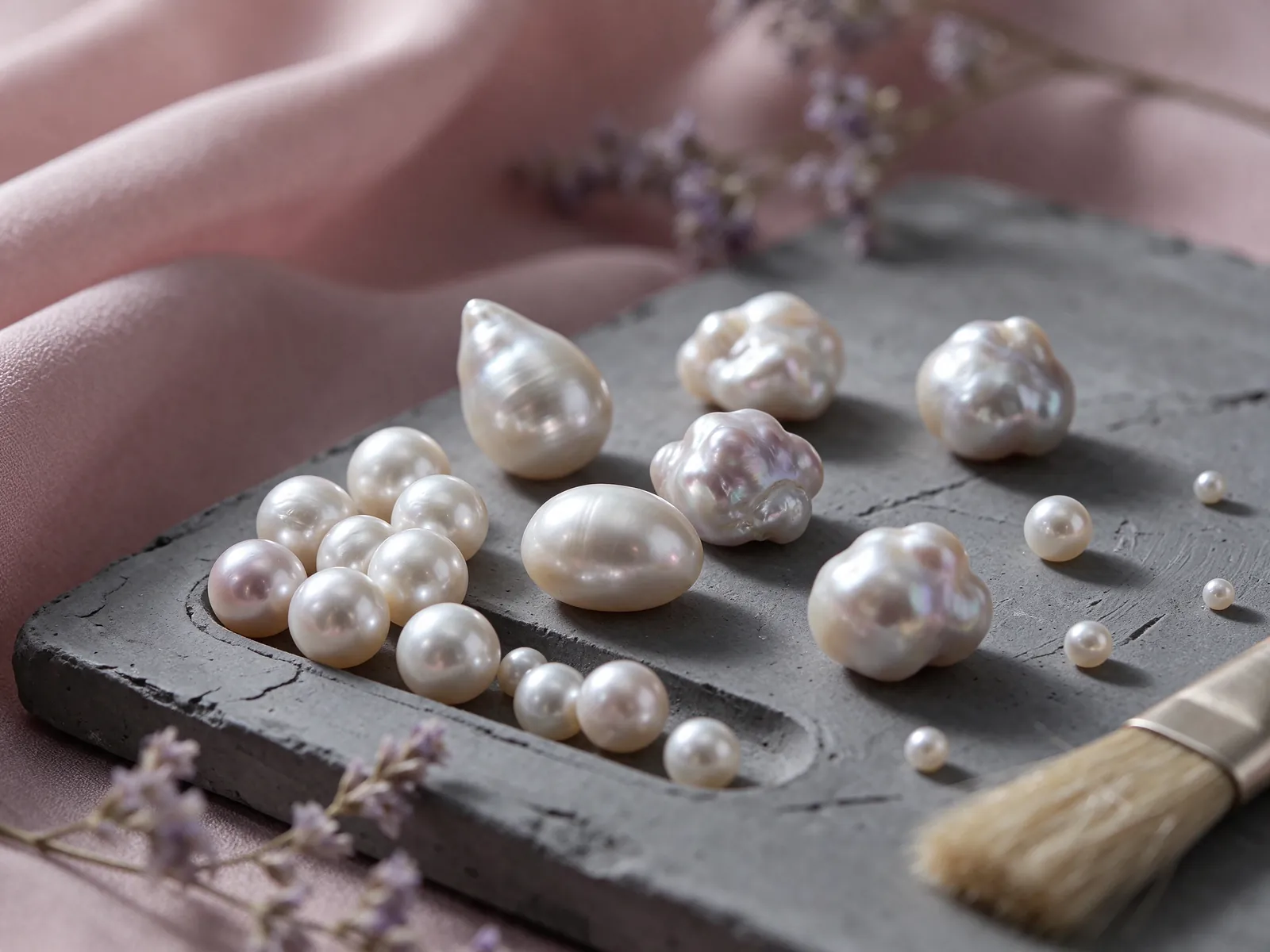
A rounded outline can make the pearl feel like a compact center point. A longer outline can extend the visual line below the chain. Either effect depends on the setting and the location of the bail, so look at the assembled pendant rather than imagining the loose pearl by itself. With a shirt that already has vertical lines, decide whether you want to continue that movement or balance it with a more concentrated shape.
A baroque pearl pendant is worth exploring if you enjoy an uneven or sculptural outline. Compare the front and side views, the way light crosses raised areas, and the amount of the contour covered by the setting. Baroque is a shape description, not proof of freshwater identity. The individuality you enjoy should be visible in the pendant as it hangs, not only in a photograph taken with the piece resting flat.
Find Out Which View Appears Naturally
During a fitting, turn slightly and let the pendant settle without adjusting it by hand. Observe whether it returns to a preferred face or reveals several sides. A changing profile may be part of an asymmetric design's appeal. If a fixed front view matters to you, assess the bail and balance more carefully. The right question is not simply whether the flat front looks attractive, but whether you like the views that appear during wear.
Test Color With Your Wardrobe Instead of a Screen Swatch
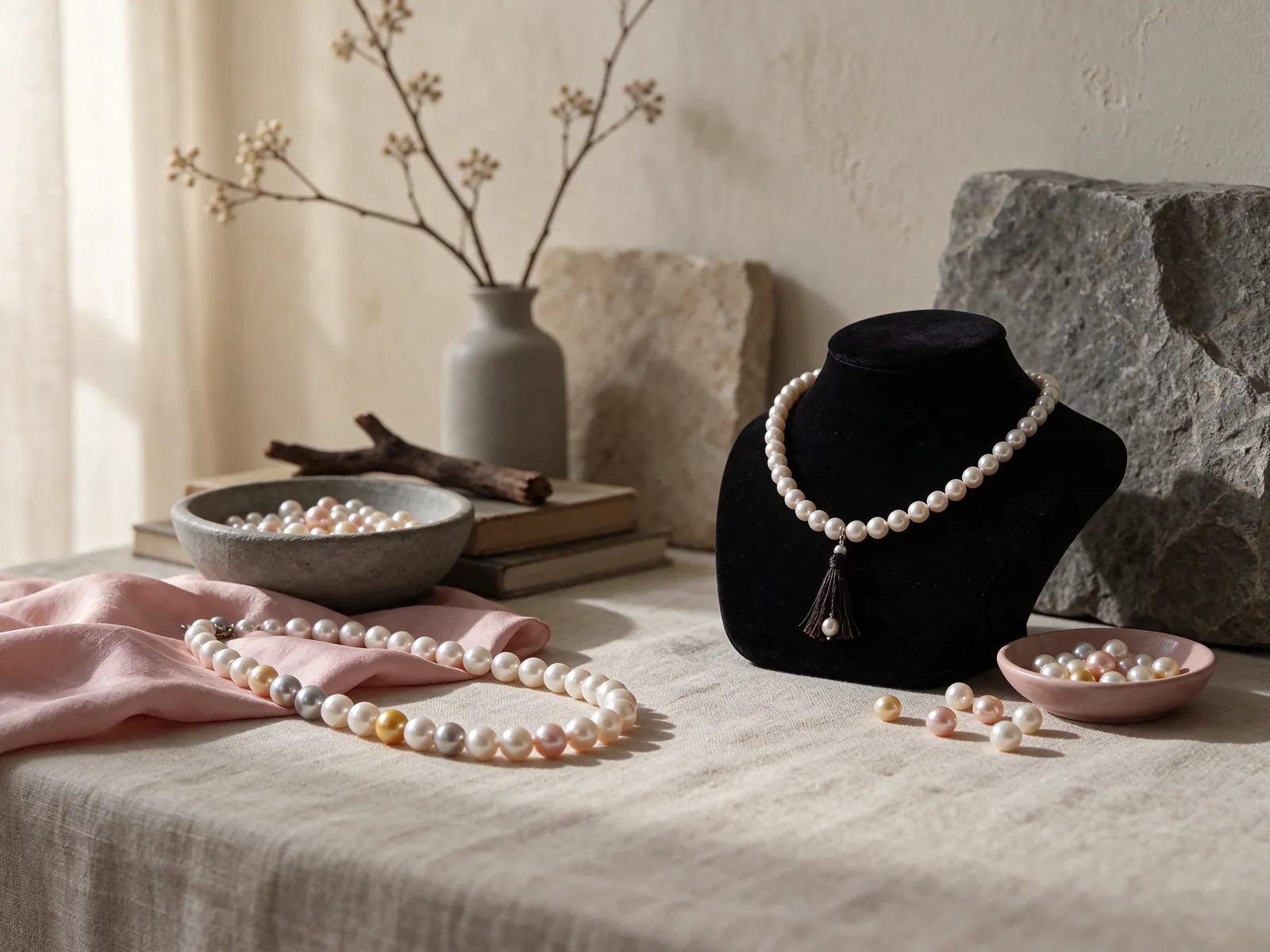
Hold the pendant against both a light neutral garment and a darker one. Notice which combination makes the pearl's appearance easiest to appreciate. GIA distinguishes bodycolor, overtone, and orient, and explains that not every pearl has all three. A short color description may therefore leave out some of what you see as the angle changes. Your clothing and viewing light provide context, so an isolated screen image should not be the only basis for choosing.
The metal around the pearl and the chain can echo your other jewelry or introduce a contrast. For metal preferences, consider 18K 750 white gold, 18K 750 yellow gold, 18K 750 rose gold, PT950 platinum and PT900 platinum, and check the materials stated for the individual piece. If your search includes different pearl categories, compare an Akoya pearl pendant and a Tahitian black pearl pendant as separate buying topics. Do not sort pearl identity solely by a light or dark appearance. First understand the description, then evaluate the individual design against your wardrobe. A clear preference for contrast, softness, or a compact focal point is more useful than a name alone.
Let One Part of the Outfit Lead
Try the pendant with the earrings you plan to wear and choose which should attract attention first. A strongly patterned shirt adds another visual element, so begin with a plain top to understand the jewelry relationship, then repeat the test with the pattern. Pieces need not be identical to work together. What matters is whether their color character, outline, and visual weight create the balance you want near the face and neckline.
Build a Layered Look That Works Beyond the Mirror
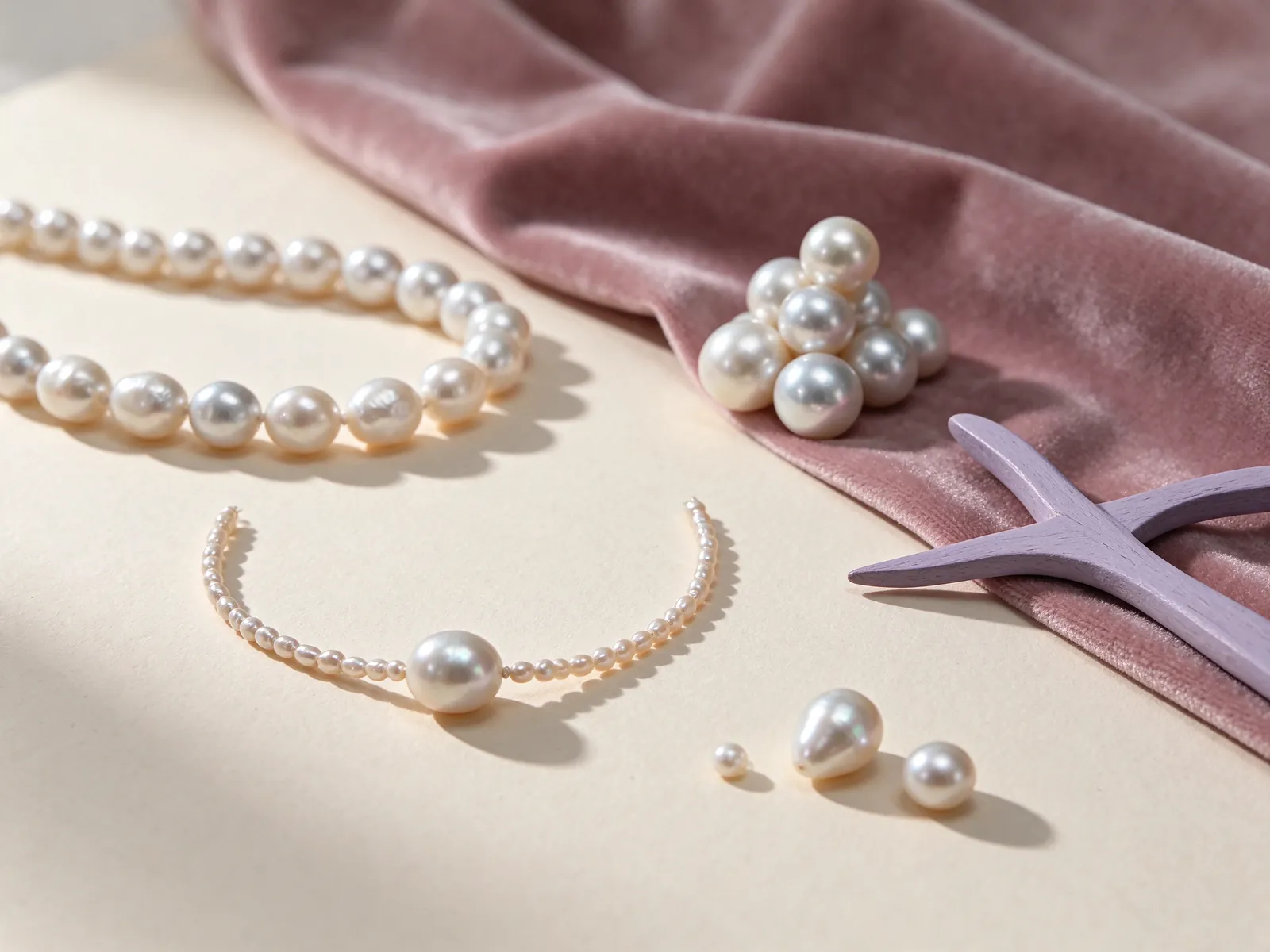
Start with the pearl pendant alone before adding a second chain. Establish the position you like, then check whether the extra chain has enough separation to remain visually distinct. Move gently and observe whether the chains exchange places or the other pendant repeatedly contacts the pearl. If the arrangement needs constant correction, simplify it. A layered look should support your routine, not require you to keep pulling pieces apart during an ordinary day.
If you want the pendant itself to have a stronger frame, compare a halo pearl pendant with a quieter single-pearl outline. Consider the space taken by the surrounding design rather than assuming that extra detail is always more effective. For everyday use, also check collars, jacket closures, and the table position when you sit down. An open dinner neckline may suit a different placement from a work shirt, even when the same pendant is the focal point.
Check Contact With Clothing and Other Jewelry
Try the outfit with the jacket or cardigan you expect to wear. Look for contact with zippers, buttons, and collar edges, then sit and turn to see what changes. If a chain gets pulled by fabric or another piece strikes the pearl, alter the arrangement before making it your regular combination. This movement check answers a practical question that a close-up styling photograph cannot: whether the look is convenient in the way you actually dress.
Include Care and Storage in the Buying Decision
GIA places pearls at 2.5 on the Mohs hardness scale and says they should never be cleaned with ultrasonic or steam cleaners. The presence of a metal chain or setting does not remove those pearl-care limits. After wearing, gently wipe the pearl with a very soft clean cloth. Avoid perfume, hair spray, acids, and excessive heat. When deciding how to clean an assembled pendant, consider the pearl as well as the metal components.
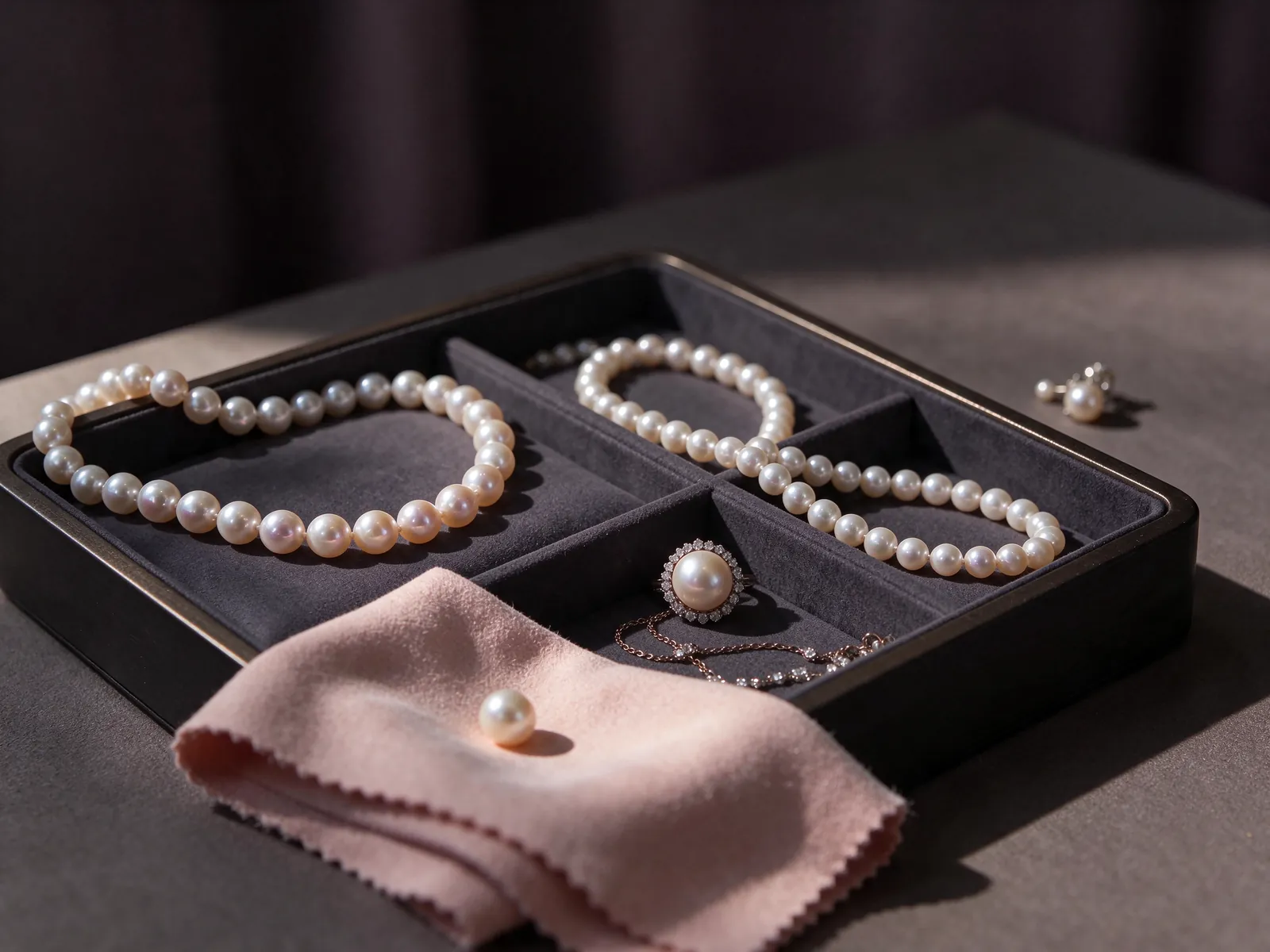
Keep the pendant apart from other jewelry during storage so loose pieces do not rub against it. Before wearing, check normal chain movement and the position of the bail and clasp. If the setting appears altered or the pearl has unusual movement, stop using the piece and have a jewelry professional examine it. Avoid adding adhesive or twisting the setting yourself. Sensible handling reduces unnecessary contact and pulling; it is not a guarantee of permanent condition.
Make a Gift Choice Around the Recipient's Habits
A useful gift checklist begins with favorite necklines, whether a chain is already available, preferred shapes, and earrings the recipient wears regularly. Read what is included and how the pearl is described before considering the styling photograph. Someone who changes chains may value a compatible pendant top, while someone who prefers a single ready-to-wear combination may find an included-chain necklace more convenient. Thoughtfulness comes from those habits rather than an assumed universal preference. To discuss freshwater pearl pendant styling, chain compatibility or a gift idea, WhatsApp +85260106207 and share the necklines, existing chain and overall look you have in mind.
| Choice | Detail to read or inspect | Try this | Practical result |
|---|---|---|---|
| Pendant alone or with a chain | Included parts and removability | Match the description to your existing jewelry | Clarifies whether another chain is needed |
| Chain compatibility | Bail opening, clasp, and end ring | Fit the entire chain without force | Checks function, not just appearance |
| Neckline balance | Pendant outline and collar position | Wear a familiar top and move naturally | Shows which placement stays clear |
| Shape and visible quality | Luster, surface appearance, and side view | Look from several angles, then step back | Separates close detail from everyday effect |
| Layered or single styling | Spacing and contact between pieces | Add one chain and repeat the movement test | Reveals whether a simpler arrangement works better |
Pearl knowledge and authoritative references
GIA identifies seven pearl value factors: size, shape, color, luster, surface quality, nacre quality, and matching. For a pendant, these support a broader quality assessment than diameter alone; they are not a product grade or certification.
Read the reference for this factFrequently asked questions
What is the most useful first step when choosing a freshwater pearl pendant?
Try it with a neckline you wear regularly and decide whether it should sit on skin or over fabric. Then judge the whole pendant outline and check the included components. That connects the choice to everyday use before you focus on close-up detail.
Can I identify a freshwater pearl from its white color?
No. Color alone does not establish pearl type, just as shape alone does not. Read the pearl identity description and relevant documentation separately from your judgment of the appearance.
Why might a pendant look different when hanging than when photographed flat?
The bail position and balance influence the natural hanging direction. An asymmetric piece may reveal a different face or side when worn. A gentle movement test helps you see the views that will actually appear.
How do I know whether two necklaces are comfortable to layer?
Check whether the chains stay separated when you sit and turn, and whether either pendant repeatedly contacts the pearl. If you need to rearrange them constantly, change the spacing or wear a simpler combination.
Does a metal setting make ultrasonic cleaning safe for a pearl pendant?
No. GIA advises against ultrasonic and steam cleaning for pearls. Care for the assembled piece must respect the pearl's limits, even when a metal chain or setting is present.
Updated: