

How culture shapes black pearl meaning and brings context to black pearl symbolism and the meaning of giving black pearls
When people describe a black pearl as mysterious or independent, they are interpreting an appearance rather than reading a fixed code. WSP’s black pearl article presents mystery and individuality as associations and specifically cautions that symbolism does not imply scientific effects. For one person, a dark accent feels calm and polished; for another, it is a way to stand apart from an expected look. The wider subject of pearl meaning and symbolism offers language for those impressions, but it does not decide what a particular recipient must feel.
Begin with something you know about the person. A friend who has made a difficult career choice might appreciate your recognition of her independence. A mother who enjoys restrained accessories might connect with the quieter visual mood. Avoid assigning dark pearls by age or gender, and take a dislike of black seriously. A considerate gift reflects the recipient rather than asking her to fit the symbolism.
How can a gift message personalize black pearl meaning and connect black pearl symbolism with the meaning of giving black pearls?
Write one observation and one wish: ‘Watching you make a path that suits you has inspired me. This deep color made me think of your distinctive style, and I hope you enjoy what comes next.’ For a partner, mention an actual shared moment. The note can express affection without making the pearl stand for a commitment that the two of you have not discussed.
Choose a visual impression, not just the word black
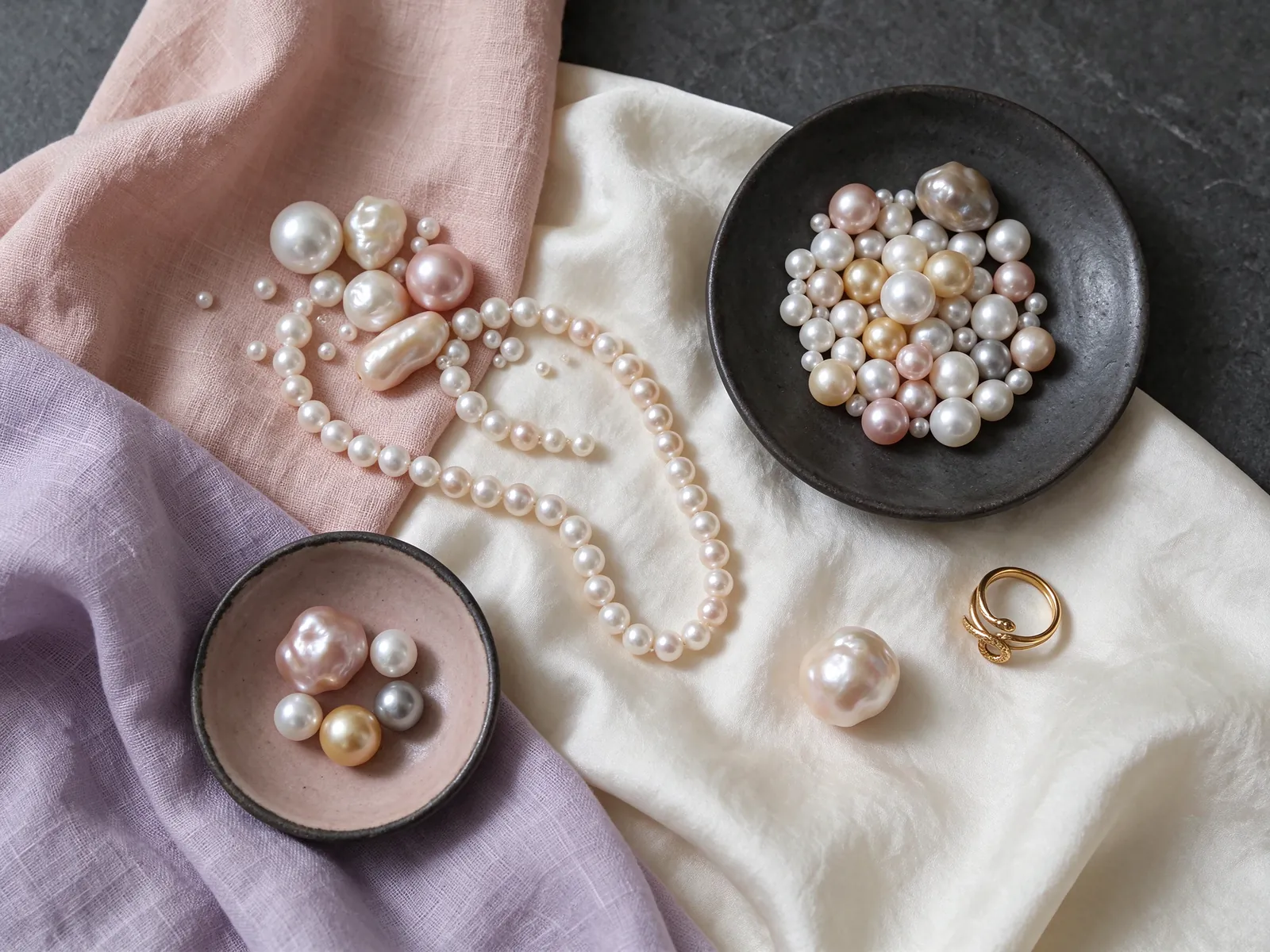
A dark pearl can have more visual complexity than its color label suggests. GIA separates bodycolor, the overall basic color, from overtone and orient, which describe additional color effects. All pearls have bodycolor, but overtone and orient are not always present. A gray impression may look gentle; a greenish layer may be more conspicuous. Those observations do not identify a pearl’s species, origin or treatment. Use pearl color meanings to explore an emotional response, not as a substitute for describing the gem.
Consider how the color will appear next to clothing the recipient already owns. Warm ivory can create a defined contrast, while a dark sweater can integrate the accent. There is no need to invent a new wardrobe to make the gift work. An image also depends on its lighting, exposure and display. A vivid hue in one photograph should not become an expectation that the pearl will look identical in every room. Decide whether a visible contrast or quieter combination feels more like the wearer.
Use familiar clothing as the comparison background
Pick a light work blouse and a favorite weekend top. Ask whether the dark accent feels too dominant against the first and sufficiently visible against the second. A person who likes changing color impressions may focus on overtone, while someone who prefers simplicity may value the outline. Make the decision about everyday enjoyment, not whether a particular color name sounds more exclusive.
Match jewelry placement to the way she gets dressed
A confident look does not have to be large or elaborate. For a necklace, think about whether the focal point belongs within the neckline or over the fabric. For earrings, consider hair, glasses and the space above a collar. Dark color can create a noticeable accent on its own. Choosing where the eye should settle is often more useful than starting with a personality label such as strong.
Rounder outlines can create an orderly impression, and irregular shapes can add a less predictable rhythm. These are styling possibilities, not evidence of character. If the recipient rarely layers jewelry, a gift should respect that preference. If she enjoys several accessories, consider potential contact between chains and competing visual focal points. The goal is a piece that joins her routine rather than demands a new one.
Think through a workday before planning a special evening
Frequent calls, headsets and high collars can influence how comfortably earrings or a necklace move. For work, a simple neckline can keep the accent focused; for an evening, a plain background may make luster easier to appreciate. These scenarios help connect the gift to actual use. They are more specific than assuming that a dark pearl belongs only at formal events.
Give the occasion a personal story rather than a color rule
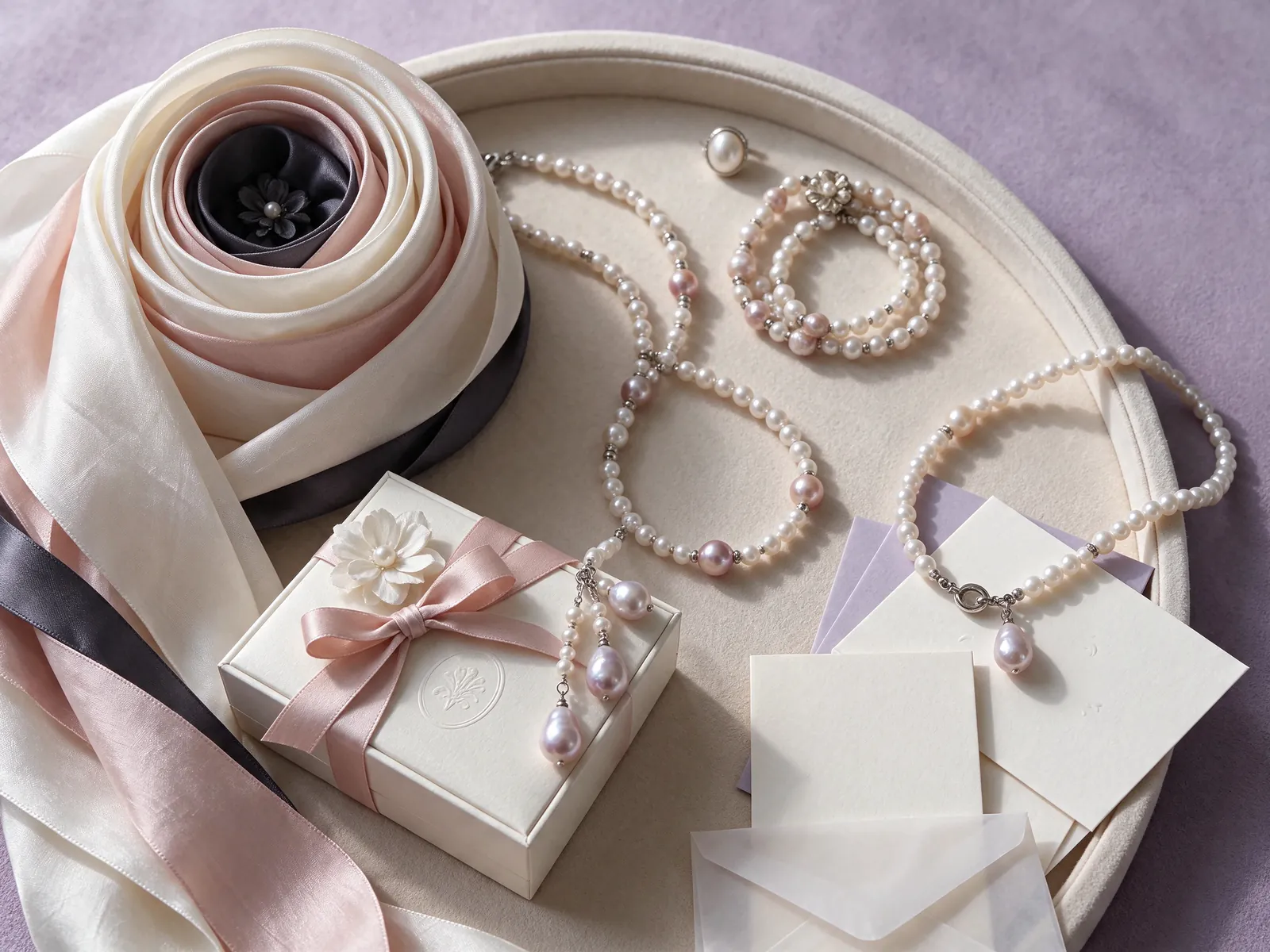
For a birthday, recognize something the recipient has enjoyed or accomplished during the year. If her birthday falls in June, June birthstone pearl gifts can supply a theme for the message, but they do not require a particular pearl color. Her preferred format and familiar outfits still come first. A birthday note can celebrate her choices without claiming that a gemstone creates a fresh start.
When choosing for a mother, close friend or partner, use the occasion to say something that is true of that relationship. A simple gift may suit someone who dislikes ceremony; a detailed memory may matter to someone who saves every card. With holiday pearl gifts, the calendar is the opportunity, not an instruction to assign romance or gratitude to a specific color.
Respect individual Lunar New Year preferences
Family traditions can influence whether dark colors feel appropriate at a celebration, but preferences differ. Before choosing Lunar New Year pearl gifts, ask how the recipient feels about the shade or choose a private moment to discuss it. A message about enjoying the year with confidence is personal encouragement; presenting the pearl as an object that attracts wealth would turn symbolism into an unsupported promise.

Distinguish a reflective gift from mourning etiquette
A black pearl does not automatically communicate grief, and a calm visual mood does not make it appropriate for every solemn occasion. For remembrance pearl gifts, a shade may recall a loved one’s clothing or a shared place. Ask whether the recipient wants that kind of connection. Personal memory can give the object significance without suggesting that jewelry treats bereavement or changes how someone should grieve.
What to wear to a funeral depends on family wishes, the ceremony and how restrained an appearance is expected. That decision is separate from selecting a memorial gift. Consider funeral pearl jewelry etiquette in the context of the actual service, rather than assuming that black settles the question. If expectations are uncertain, a quiet inquiry is more respectful than asserting a universal rule about pearls.
Let the recipient choose whether to keep the association
An opening such as ‘This color reminded me of the coat she loved; would that be a welcome memory in a piece of jewelry?’ leaves room for acceptance, refusal or a later conversation. If the gift is wanted, a card can record one moment. Do not require regular wear or frame the gift as a step the recipient must take toward recovery.
Keep the gift story separate from pearl quality
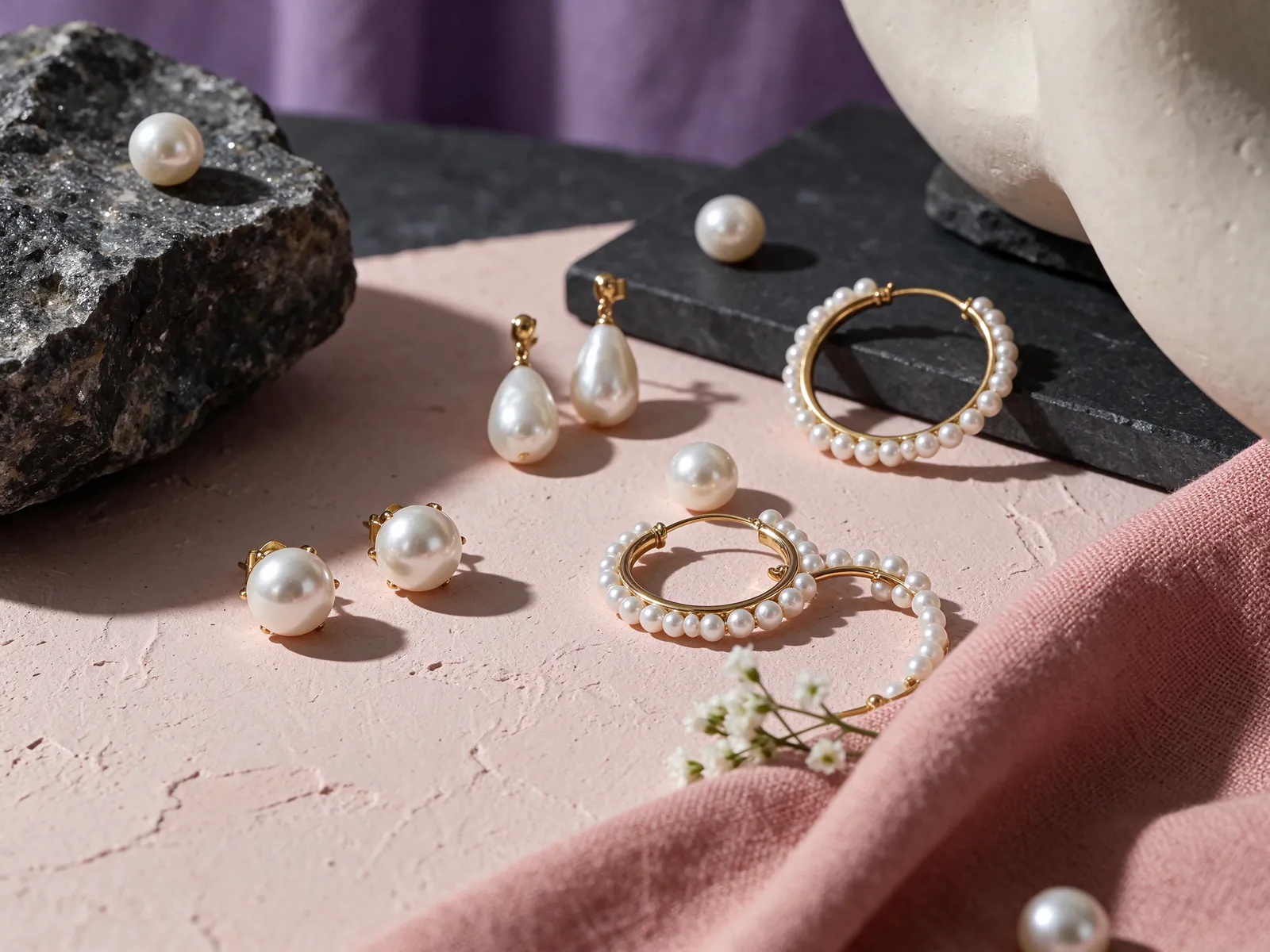
An appealing interpretation does not establish the quality of the jewelry. GIA describes seven pearl value factors: size, shape, color, luster, surface quality, nacre quality and matching. Matching applies when jewelry contains two or more pearls. A single focal pearl invites questions about appearance and outline; a group also raises questions about coordination. A pearl grading guide helps organize that discussion, but the framework is not seven grades or a symbolic ranking. Seller labels such as AAA or AAAA should not be treated as equivalent to it.
Read the individual piece’s stated information independently of words such as elegant or unique. WSP describes a Tahitian pearl as a saltwater cultured pearl grown in the black-lip oyster, Pinctada margaritifera. Black pearl is a broader appearance term and can also include Akoya or freshwater pearls darkened by dyeing or other treatments. The name alone does not establish whether treatment was used. Consult a pearl types guide for the distinctions, then read the actual piece description when considering Pearl Jewelry. Similar dark colors do not mean identical pearl identities, specifications or prices.
Make a brief from real preferences and questions
Describe the recipient’s usual neckline, preferred contrast, willingness to wear irregular shapes and most likely occasions. Include a budget range and ask about the individual piece’s information and quotation. If there is an identification report, check that it relates to the pearl being considered and read its testing scope and findings. Gem identity does not establish a selling price, resale outcome or service guarantee. For a surprise, familiar jewelry habits are a better starting point than a dramatic personality description. Distinctive taste can be expressed through restraint as well as visibility.

Support long-term enjoyment with a realistic care routine
Care deserves a place in gift selection because a meaningful object should fit its owner’s routine. GIA lists pearls at 2.5 on the Mohs hardness scale. The dark appearance does not make them immune to scratches. Put pearls on after dressing and applying perfume, and consider a suitable wearing time if the recipient’s activities involve chemicals, repeated bumps or situations where jewelry could catch.
Wipe pearls after wear with a very soft, clean cloth. Avoid acids, perfume, hairspray and excessive heat, and do not use ultrasonic or steam cleaners. Before further cleaning, consider the whole piece, including string, adhesive, settings and metal. Gentle water-cleaning guidance does not mean every construction can be soaked; avoid prolonged immersion. Where water cleaning is suitable for strung pearls, GIA advises that the string be completely dry before wearing. A pearl care guide can support that routine, along with storage away from items that could scratch the pearls.
Allow the wearer to decide how often the story is worn
Save the message separately from the jewelry so the memory can be revisited without making wear obligatory. One person may enjoy dark pearls with a white shirt; another may reserve them for a few valued occasions. Both choices can preserve the gift’s meaning. Ask about comfort and styling, not whether it has been worn frequently enough. Page images are styling and educational illustrations, not proof of pearl type, origin, natural or cultured status, treatment, grade or availability. Actual piece details remain important even when the visual inspiration is appealing.
| Gift intention | Recipient preference | Practical choice | Personal message |
|---|---|---|---|
| Recognize individuality | Comfort with dark visual contrast | Test the accent against a familiar light top | Your own direction has inspired me |
| Thank a mother | Most frequently worn jewelry format | Keep the placement and style familiar | This understated look made me think of you |
| Celebrate a birthday | Favorite colors rather than a month-based rule | Choose usable jewelry before adding the birthday theme | I hope you enjoy what comes next |
| Recall a shared moment | Willingness to connect jewelry with a memory | Let the specific story guide the association | This shade brought our memory back |
| Offer a thoughtful everyday gift | Collars, headsets and storage habits | Consider movement, outline and luster | I hope it fits the moments you enjoy |
Pearl knowledge and authoritative references
GIA identifies seven pearl value factors: size, shape, color, luster, surface quality, nacre quality and matching; matching applies to jewelry with two or more pearls. These describe assessment, not seven grades or seven symbolic meanings of black pearls.
Read the reference for this factFrequently asked questions
Will a recipient necessarily interpret a black pearl as bad luck?
No. Dark colors can feel elegant, solemn or simply familiar, depending on individual experience. Ask about the recipient’s preference and make your intention clear rather than assuming a universal interpretation.
Is a black pearl a fixed symbol of romantic commitment?
It is not a fixed promise. A partner’s gift can express affection or a shared memory when you say so directly. Any future commitment belongs in your conversation, not in an assumed color code.
Should I choose black if she loves pearls but avoids dark colors?
Her taste should guide the gift. You could ask about a softer gray impression or select a color she already wears. The personal message can remain the same without choosing black.
Does an identification report prove a black pearl has a particular meaning?
No. A report concerns the gem information within its stated scope, not luck, independence or relationship symbolism. Check its correspondence to the pearl and its actual findings. Identity and treatment information do not establish a selling price, a resale result or a brand’s service guarantee.
Does a June birthday determine the color of a pearl gift?
A birthstone theme provides context, not a mandatory color. Use the month in the note if it is meaningful, then choose according to the recipient’s clothes, preferred jewelry and comfort with the shade.
Are all black pearls untreated Tahitian pearls?
No. WSP explains that black pearl can also describe Akoya or freshwater pearls darkened by treatments. A Tahitian name alone does not confirm treatment status either. Review the individual piece’s stated information and, if relevant, the tests and findings covered by its identification report.
Updated: