

Why can't WSP pearl grading translate WSP A–E pearl grades in the WSP five-grade system directly into another brand's grades?
The meaning of WSP pearl grading begins with WSP's own framework. Its public guide describes the WSP five-grade system as A through E and evaluates the balance of luster, nacre and surface condition; the official FAQ identifies A as the highest grade. A classification letter is not a measurement of diameter or nacre, nor an examination result by itself. If a second retailer uses A, you still need its definition. The pearl grading guide explains why the label and the underlying description should be read separately.
Instead of building a cross-brand letter ranking, place the individual descriptions side by side. Look for information you can compare directly, such as what each says about luster or visible surface characteristics. One description may be much more detailed than the other. WSP A–E pearl grades do not automatically correspond to another seller's AA or AAA, and they do not independently establish origin, pearl identity or the existence of a particular report.
Read the definitions behind WSP pearl grading before comparing WSP A–E pearl grades in the WSP five-grade system
WSP's English FAQ sets out luster, nacre thickness and blemish descriptions separately for each letter. The table below follows that qualitative wording, not a new grading calculation. For example, A combines Excellent luster and Thick nacre with a surface described as Flawless to very minor. That wording does not support promising that every A pearl is absolutely unblemished. B and C also need to be read across their individual attributes, without invented percentages. Read the general guide, the item description and the accompanying documents in that order, keeping a general standard distinct from an individual finding.

Use quality factors to organize an apples-to-apples comparison
GIA discusses seven pearl value factors: size, shape, color, luster, surface quality, nacre quality and matching for jewelry containing two or more pearls. WSP's focus on luster, nacre and surface condition is not a shortened GIA grade. Nor can seven factor scores be combined to convert WSP letters. Use the factors to organize observations and questions; for instance, separate a stated measurement from an imagined size in a photograph. Reading what determines pearl value helps you compare the information without letting one isolated feature decide the result.
The form of jewelry changes what you notice first. With earrings, you may care about coordinated color and outline on both sides. With a pendant, the visible face and its contrast against clothing may be the first things you examine. A strand invites attention to the whole arrangement as well as individual pearls. These priorities help direct your viewing, but none eliminates the other quality factors or makes a letter a complete description.
Write down what is stated, what is visible and what remains unanswered
Separate your notes into those three categories. An image can reveal a visible outline; it cannot provide a nacre measurement or establish natural-versus-cultured identity. Written information and visual impressions can both be useful without being interchangeable. Keeping them apart also helps you formulate a follow-up question that concerns the actual item instead of an assumed property of its grade.
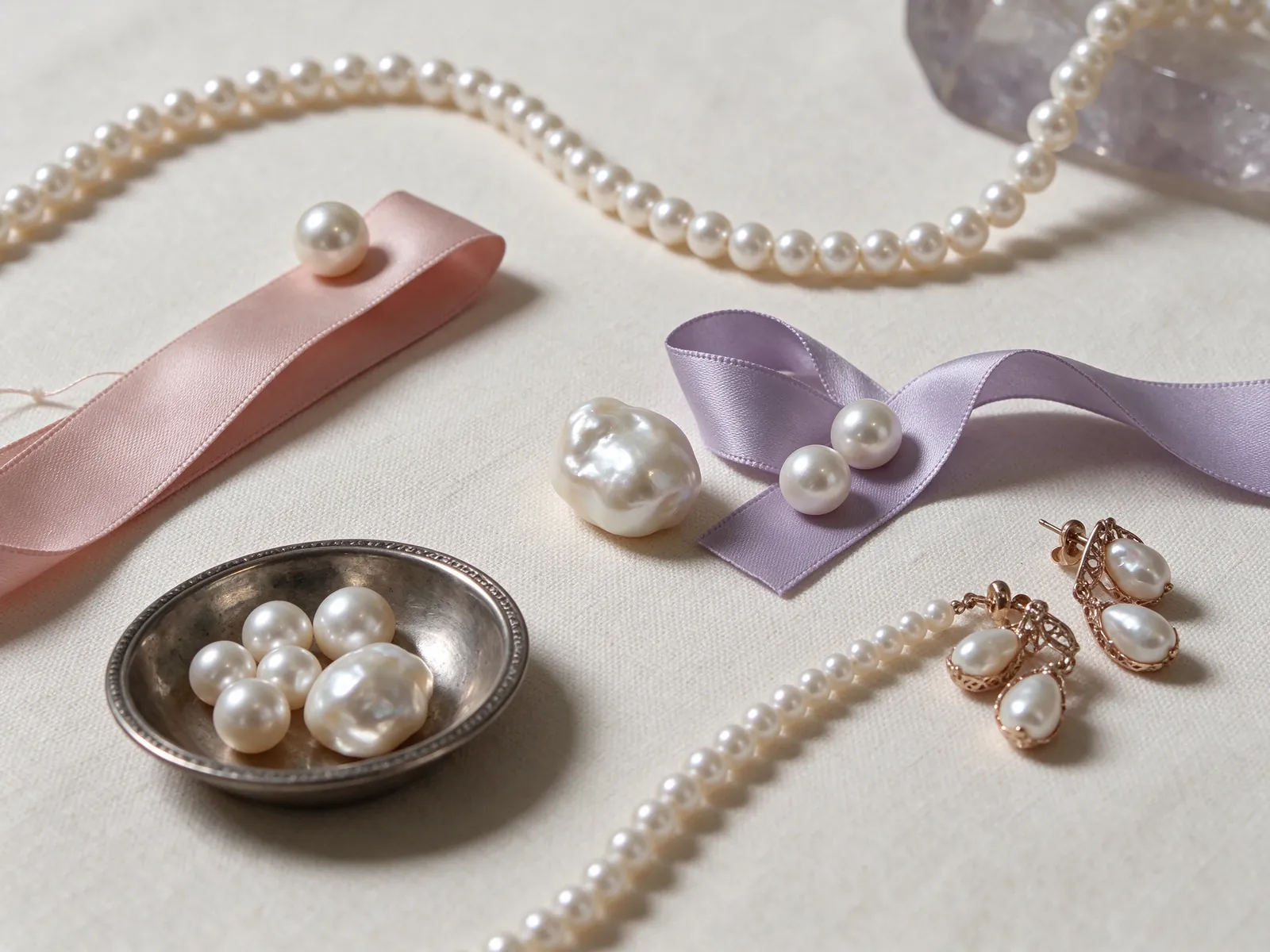
Distinguish reflections from surface features when viewing a pearl
Luster concerns the appearance of reflected light, while surface quality concerns visible surface characteristics. Notice reflections and light-to-dark transitions separately from marks or uneven areas and their locations. A bright highlight does not prove that the surface is unmarked, and a smooth-looking surface does not establish strong luster. The guide on how to judge pearl luster helps turn a general impression of brightness into more useful observations.
WSP's official FAQ notes that blemish position, shape or depth can vary among pearls with the same grade. Matching letters therefore do not remove the need to examine individual appearance. Online photographs are easier to compare with similar lighting, backgrounds and angles. Request a side or turning view if a setting hides an important area. Strong light may emphasize reflections but cannot reveal every unseen surface. In person, examine the usual wearing direction as well as the sides, then decide which visible features matter at your normal viewing distance.
Ask for a view that answers your actual concern
If you are concerned about a feature near the setting, ask whether it faces outward during normal wear and request an angle that shows it. If brightness is your concern, ask to compare views under the same light. Additional images answer visual questions, not all identity questions: they cannot prove pearl type, origin or treatment status simply through reflection or apparent color.
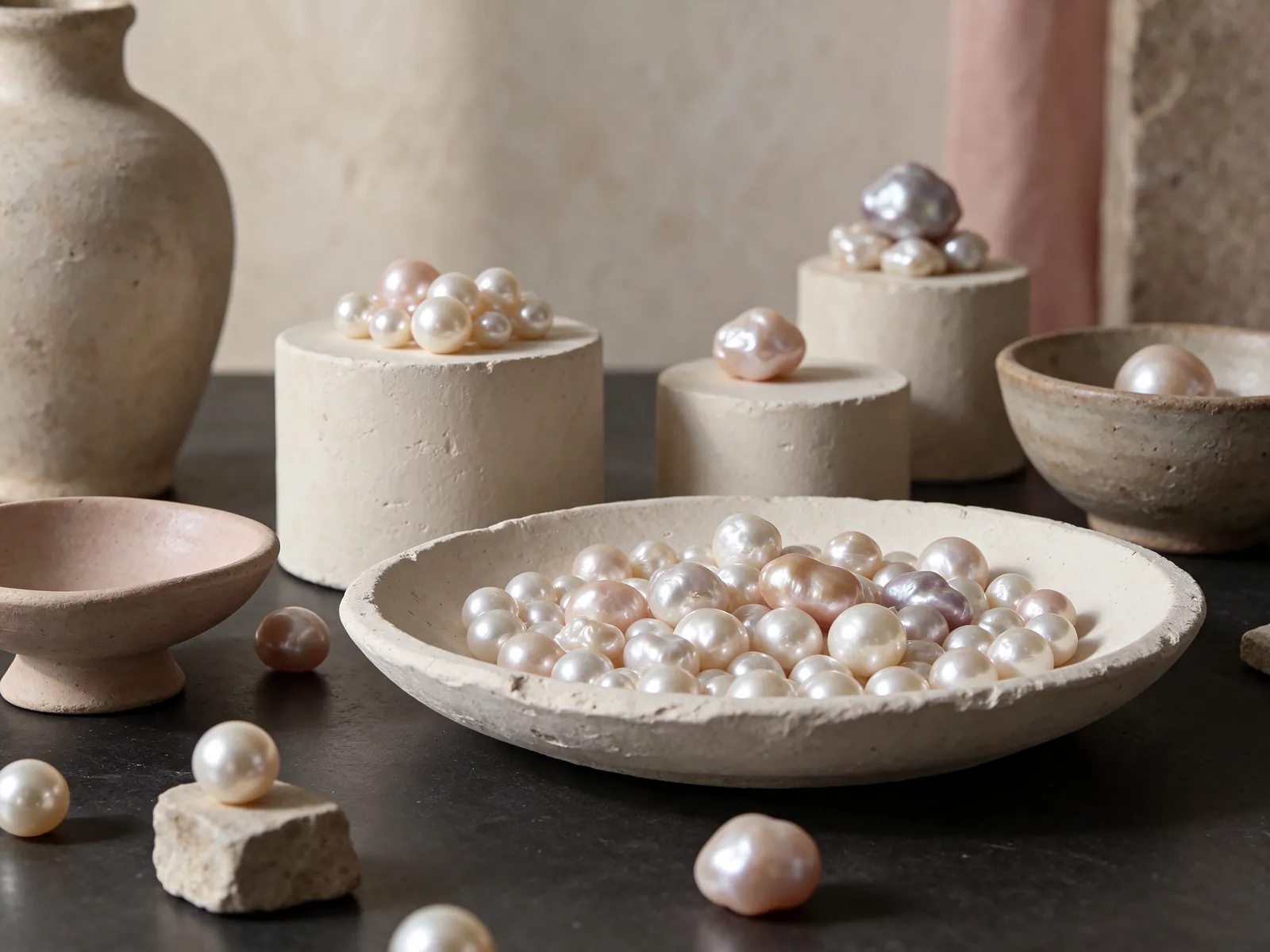
Identify what a document describes before interpreting its title
A retailer's grade and a report answer different questions. Identify the issuer, the object described and the statements actually made: does the document concern one pearl, a strand or the finished piece you are considering? The guide on how to read a pearl certificate helps distinguish identity findings from quality descriptions. A branded grading card is not an independent laboratory report just because it displays A. Do not turn a classification or identity statement into a promise about price, retained value or service after purchase.
Nacre wording needs its own reading. WSP's English FAQ lists Thick, Fairly Thick, Average, Thin and Very Thin for A through E. These qualitative terms do not supply numerical thickness thresholds. The guide to pearl nacre thickness explains the quality factor in more detail. If an item has a stated measurement, ask how it was obtained and which pearl it describes. A thick description without a measurement should not become an imagined millimeter value, and neither the wording nor an A label promises permanent luster.
Keep identity statements and quality statements distinct
Begin by asking which item the document refers to. Then read which statements concern identity and which concern quality. A brand card should be understood through its printed wording, not treated as an independent examination solely because of its title. That distinction lets you use the information available without merging different issuers, document types or conclusions.

Test the wearing effect without turning preference into a grade
Your wardrobe can help answer a styling question that no classification letter answers. Hold or try earrings near your face with a familiar shirt, and consider their color and outline together. View a pendant against the neckline you usually wear rather than an unfamiliar outfit. These comparisons reveal preferences about appearance and placement; they do not establish pearl identity, origin or a laboratory finding from skin tone or fabric color.
For a strand, examine the overall rhythm of color and shape before the most noticeable individual differences. The discussion of pearl matching quality concerns the group, not just the separate letters on its pearls. A shared WSP grade does not mean all pearls look identical. Put both earrings together to compare color, diameter, outline and reflections. You may prefer a deliberately varied design rather than uniformity; tell the seller which effect you want, and keep that preference separate from the attributes described by the grading system.
Use one familiar neckline as a stable comparison background
A plain top you wear often removes some distractions from the comparison. Check whether the collar hides the jewelry, whether a scarf might rub against it, and how the position changes when you sit or turn. This practical viewing exercise complements the grade information. It does not require ranking your favorite wearing effect as a universally better quality level.

Treat purchase channels and service terms as a separate decision
This page offers a non-affiliated explanation. Discussing WSP's scale does not establish Flint Jewelry as its dealer, authorized retailer or certification channel. WSP pearl jewelry is a separate brand-reading topic, not a claim of Flint inventory or supply. Brand identity, a quality letter and service terms are different information. A letter cannot establish who handles a request or whether another jeweler acts for that brand. Flint Jewelry can discuss general pearl-selection or design questions; inquiries concerning a WSP purchase should be directed to the responsible channel.
If future restringing or repair matters to your choice, read WSP pearl repair warranty alongside information about the purchase channel and relevant terms. Do not interpret a higher or lower letter as a promise of a fee, a turnaround time or a repair result. For an actual service inquiry, identify the piece and describe the issue, such as a loose strand or a damaged fitting, to the channel responsible for that purchase.
Keep purchase records separate from your comparison notes
Save the item identification, purchase channel and supplied documents together. In your comparison notes, record the grade name and appearance descriptions separately. Clear records make a later question easier to direct because they identify the item and the situation. They do not create a guarantee, and the quality letter cannot replace the terms governing a purchase or service.
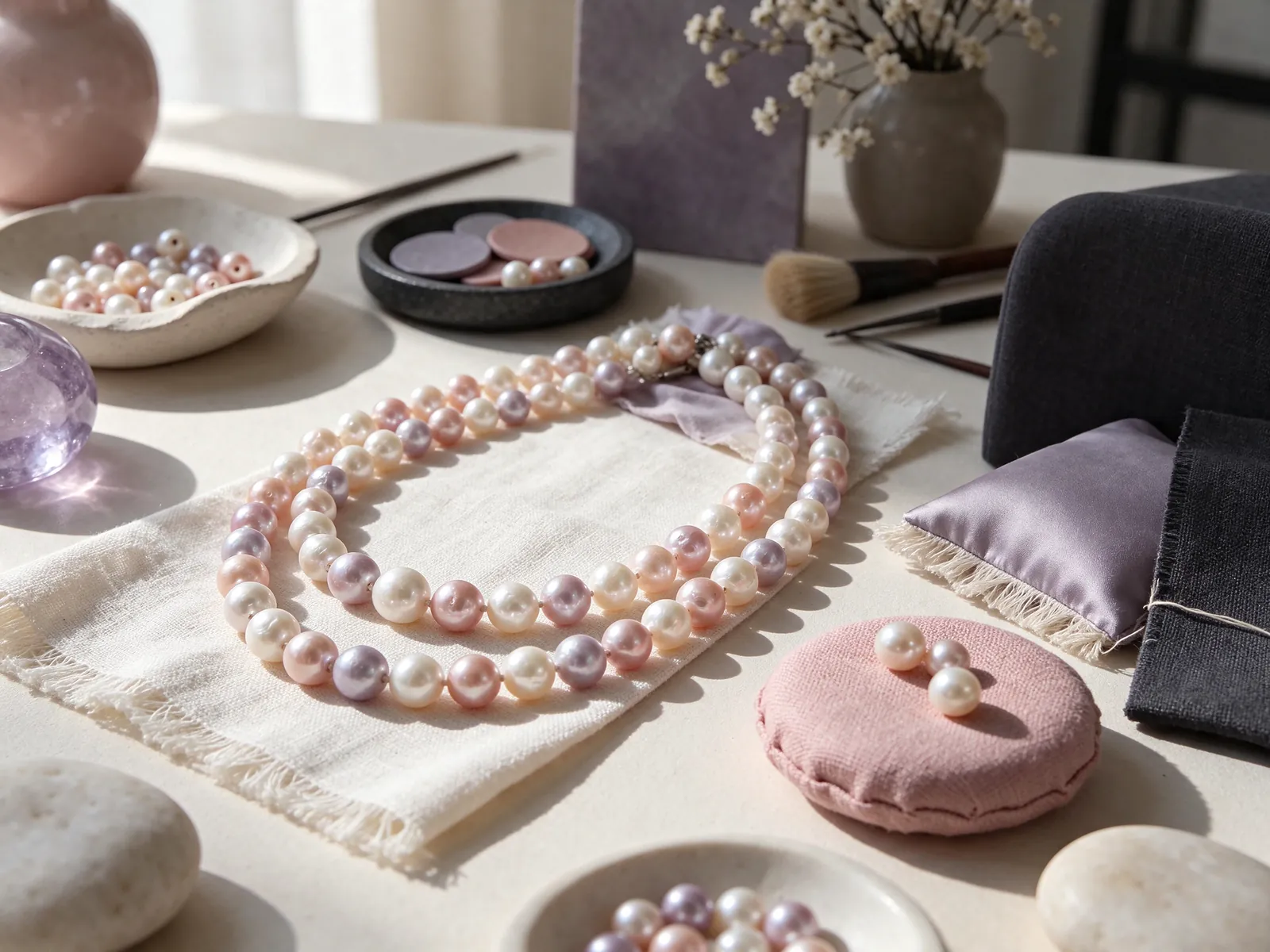
Make the final choice around clear priorities and realistic care
Before choosing, review the differences that are actually described, the wearing effects you have observed, and the unanswered questions that could change your decision. Coordinated earrings call for attention to matching; a pendant intended for dark clothing calls for examining actual color and contrast. Saying how you plan to wear the piece gives a more useful direction than requesting the best letter without explaining what best means to you.
Include a practical care routine in your decision. Plan where to remove and store the jewelry, avoiding direct contact with perfume, hair products, acids and excessive heat. GIA recommends a very soft, clean cloth after wearing and advises against ultrasonic or steam cleaners. Consider the string, glued fittings and settings as part of the whole piece rather than treating prolonged soaking as safe for every construction. These are general care considerations, not extra durability granted by WSP's A label. No grade promises permanent luster or a guaranteed repair result.
Frame an inquiry around use, viewing and documentation
For example, explain that you want earrings for work, prefer coordinated color, and would like front and side views in consistent light. Then ask for the grade's written description and information about any accompanying document. You have supplied concrete priorities without assuming pearl type or certification. Compare each answer on its own terms and let the letter remain one part of a broader, informed choice.
| WSP grade | Luster | Nacre thickness | Blemishes |
|---|---|---|---|
| A | Excellent | Thick | Flawless to very minor |
| B | Good | Fairly Thick | Small blemishes |
| C | Average | Average | Moderate |
| D | Weak | Thin | Numerous |
| E | Very Weak | Very Thin | Many or severe surface damage |
Pearl knowledge and authoritative references
GIA describes seven pearl value factors: size, shape, color, luster, surface quality, nacre quality and matching, with matching considered for pieces containing two or more pearls. These are not a formula for converting WSP's A–E letters.
Read the reference for this factFrequently asked questions
Does WSP's A grade guarantee an absolutely unblemished pearl?
No. WSP's official English FAQ describes the A surface category as 'Flawless to very minor' and notes individual differences within a grade. Read the description of the particular pearl and examine its wearing orientation rather than treating the letter as an absolute zero-blemish guarantee.
Are the five WSP grades a list of five pearl species?
No. A through E refers to five levels in WSP's proprietary classification. Pearl identity is a separate matter to read in individual descriptions and relevant documents, not something the grade supplies.
What is a useful follow-up to a single front-facing photo?
Request side or turning views under similar lighting, especially around a feature or setting you want to understand. More views help with appearance but cannot replace an identity examination or nacre measurement.
If both earrings have individual grades, is matching already settled?
Not necessarily. Look at the two earrings together to compare color, outline and luster. Their combined appearance is a separate question from each pearl's individual classification.
Is a branded grade card the same as an independent report with service coverage?
No. Interpret the card's actual wording, identify any separate report and its subject, and read service terms through the purchase channel. A classification letter alone supplies neither independent examination nor coverage.
Updated: