

Which gold color suits your 18K gold pearl pendant, whether you call it an 18 karat gold pearl pendant or an 18ct gold pearl pendant?
Make the first color decision with a few favorite outfits in front of you. Yellow gold can pick up the warmth of cream, tan and brown, while white gold may create a more discreet connection with gray clothing or cool-toned accessories. You can also reverse those expectations: a warm gold detail on a navy shirt can be the contrast you want. Treat these combinations as choices, not rules that limit who can wear a particular color.
Rose gold is another warm direction to consider if you prefer a gentler-looking accent. Compare the pendant color with your everyday earrings, watch and glasses so that the choice has a place in a complete outfit. Reading about a single pearl pendant can help clarify how you want one focal point to sit within the outfit. Remember that the visible amount of metal matters too; a small circular setting and a wide outline do not contribute equal visual weight.
After choosing a color for your 18K gold pearl pendant, how can an 18 karat gold pearl pendant, also called an 18ct gold pearl pendant, complement your neckline through shape and proportion?
Use the neckline's empty space to judge the shape. A vertical pendant can interrupt the curve of a crew neck, while an open V needs enough room that its point and the pearl do not collide visually. Move around and sit down before deciding that the placement works. The aim is to preserve a readable pendant outline, not to make it land at an identical point on every person.

Find a position that works with real clothes
A button-down shirt presents two different styling options: a pendant visible inside the open collar, or a necklace worn over the shirt. For the first, check whether the collar and button line leave a clear view. For the second, notice how the material supports the pendant. A thicker fabric can hold it differently from a lightweight top. A chain measurement is useful information, but it cannot predict every interaction with clothing.
If your top has embroidery, ruffles or a busy print, give the pearl some visual breathing room. A plain section of fabric can make its uneven contour easier to appreciate than an area already filled with detail. For readers drawn to a softer, tied or flowing aesthetic, the ribbon pearl pendant guide offers another styling topic. Use it to compare the kinds of lines you enjoy rather than assuming more decoration always improves the outfit.
Include outer layers in the try-on
Check the necklace with a jacket, scarf and bag strap, especially if those are part of your normal day. A pendant hidden by a zipper or repeatedly pushed against a collar may need a different wearing arrangement. Describe what happens in use when discussing the design. That practical detail is more informative than choosing a length because it looked attractive on someone else's neckline.
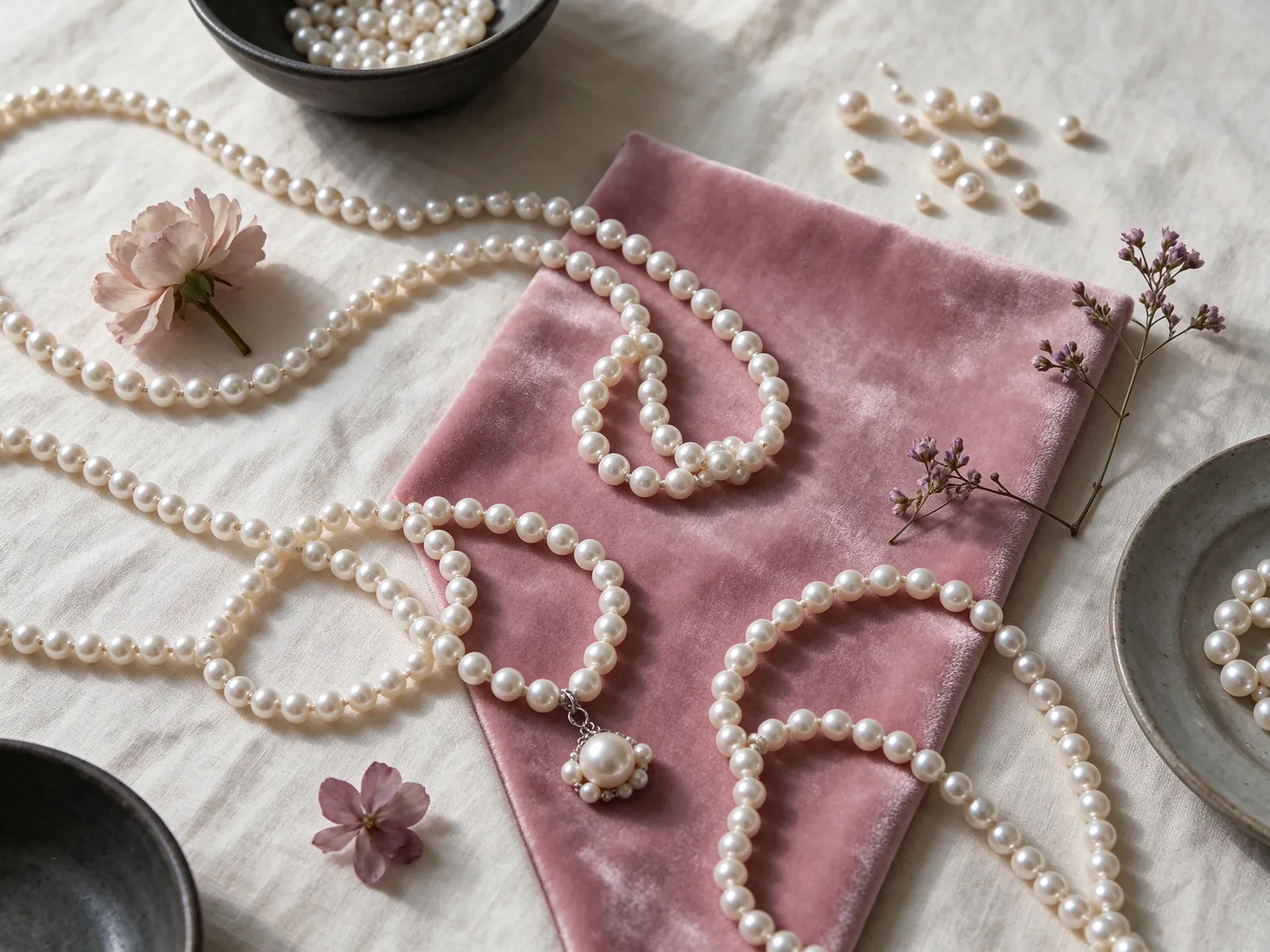
Understand the Tide · Stillwater design language
The Flint Tide · Stillwater Necklace pairs a white baroque pearl with a round bezel-set diamond above it. The contrast is intentional: the pearl supplies a flowing, asymmetric outline, while the diamond setting supplies a crisp circular accent. Fine elongated chain links complete the restrained arrangement. Consider this direction if you like a single point of texture against simple clothing rather than a composition built around a perfectly symmetrical pearl.
This design states a 0.03ct diamond, a white baroque pearl measuring approximately 7–8mm and a 45-centimeter chain. Those figures belong to this necklace and do not set the details of other pieces. Since the pearl's contour is irregular, the way it reads also depends on orientation and surrounding space. Look at how the round setting meets the pearl and how the chain leads toward them; numbers alone do not explain that visual balance.
Keep appearance questions separate from identity questions
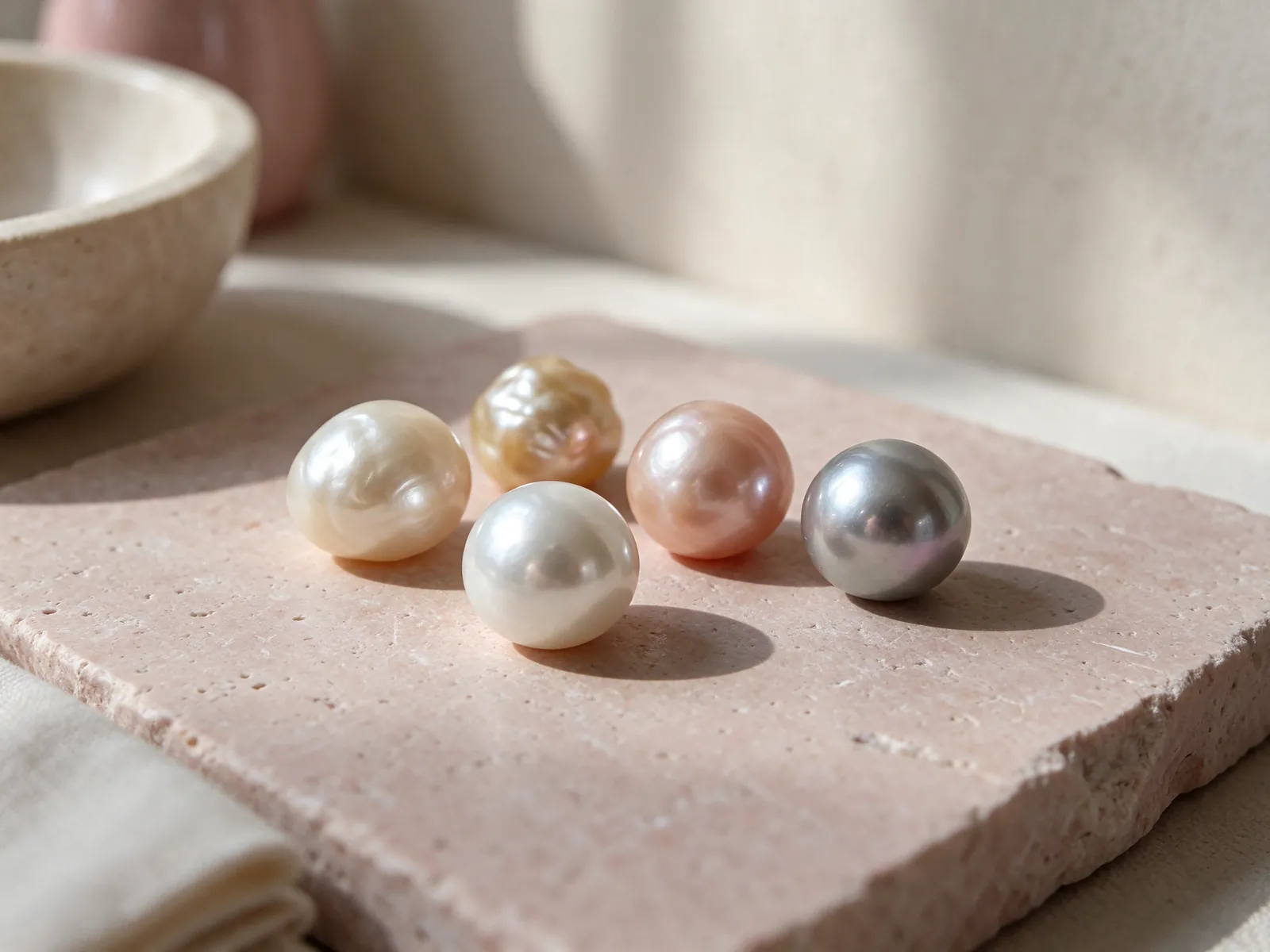
You can describe a preference for subtle unevenness, stronger curves or a more elongated visual line without assigning a pearl species. A white color or baroque shape does not establish origin or natural-versus-cultured identity. If that information is important to you, raise it as a separate question. This lets the styling discussion remain specific without turning an impression from a photograph into a claim about the pearl.
Balance a single pendant with other jewelry
For everyday wear, decide which piece should receive attention first. If it is the pearl pendant, smaller earrings and quieter hand jewelry can leave the neckline uncluttered. If your earrings have a pronounced drop, review the whole combination before adding another chain. Mixing gold colors can be deliberate: connect the pendant to one existing accessory, then let other pieces play a secondary role instead of asking every item to be the focal point.
With a more open neckline, the pendant may stand clearly on its own. For layering, give a second chain a distinct position and check whether it crosses the first during movement. Two pendants at the same height can compete or cover one another. The pearl and sapphire pendant topic is useful if you are exploring a colored focal point, but that separate reading direction should not be confused with the stated diamond feature of Tide · Stillwater.
Make a gift choice personal through practical details
Ask whether the recipient usually wears necklaces, which necklines appear most often in their wardrobe and whether asymmetric jewelry appeals to them. You may notice preferences in existing pieces, but that observation does not tell you a suitable chain length or predict sensitivity to a metal. Clothing habits and preferred visual lines provide a better starting point than selecting a style by age or assuming one occasion requires one specific look.

Compare metal directions without confusing the names
White gold is not another name for platinum. Here, the white-toned 18K option is specifically white gold. If you want to examine a separate metal direction, read the platinum pearl pendant guide and keep the full material name in your questions. Similar-looking colors do not establish identical necklace construction, care arrangements or design details. The comparison should remain connected to the particular piece you are considering.
You may also encounter the terms silver pearl pendant and 10K gold pearl pendant while researching. These are comparison topics, not additional made-to-order choices for Tide · Stillwater. Read beyond a search label to understand what a page actually describes. Another seller's price, certification statement or pearl measurement cannot be applied to a Flint design simply because both pages use the words pearl pendant.
Turn a broad comparison into a useful decision
Ask whether you prefer a warm border beside the pearl or a white line that stays in the background. Then consider the size of the visible accent and the jewelry it will accompany. These questions are more actionable than asking for the best metal in every situation. Personal style can include more than one color preference, especially when the clothing background changes.

Read pearl appearance beyond roundness
GIA identifies seven pearl value factors: size, shape, color, luster, surface quality, nacre quality and matching when more than one pearl is used. That framework explains why shape alone cannot answer every quality question. With a single-pearl pendant, start with the silhouette and reflected light you enjoy, then consider their balance with the setting. The framework is not a Flint grade or a certificate for this necklace, and an image cannot independently assign the pearl a quality level.
Lighting changes how a pearl appears in a photograph. A warm indoor lamp, daylight and a dark shirt can produce different impressions, so keep the viewing conditions similar when comparing color. GIA distinguishes bodycolor, overtone and orient, and not every pearl has all three. The pink pearl pendant guide offers separate color reading if that is your preference; a warm cast in an image is not enough to reclassify a white pearl as pink.
Use an image to judge styling, not certification
An image can help you compare the pendant with a neckline, see how an irregular curve interrupts a plain background and assess the visual amount of metal. It cannot by itself prove species, origin or certification. Make separate notes for appearance preferences and identity information. This is especially helpful with a baroque design, where irregularity is part of the composition rather than automatically a disadvantage.

Discuss customization alongside the way you will care for it
For a conversation with Flint Jewelry, gather examples of the necklines you wear and describe where a current necklace sits. Tide · Stillwater can be discussed in 18K 750 white gold, yellow gold or rose gold, together with the pearl outline and pendant proportions. Include practical needs such as clasp handling, scarves and layering. A request supported by actual wearing habits is clearer than a broad description such as elegant or simple.
GIA rates pearl at 2.5 on the Mohs hardness scale and warns against ultrasonic and steam cleaning. The presence of a diamond or gold does not override the pearl's needs. Gently wipe the pearl after wearing with a very soft clean cloth, and avoid acids, perfume, hair spray and excessive heat. Give the necklace its own storage space to reduce rubbing against other jewelry and keep the fine chain from tangling with other chains.
Choose care methods for the complete necklace
Do not assume a cleaner intended for a diamond-only piece is appropriate for a pearl combination. Avoid scrubbing around the pearl with a hard brush. If a chain link changes shape or the pendant feels loose, stop wearing it and explain the issue before trying to correct it yourself. Discussing routine care during the design conversation helps you decide how this necklace fits into your everyday use of jewelry.
Want to connect the pendant with the clothes you love wearing? Contact Flint Jewelry on WhatsApp +85260106207 to discuss gold color, the pearl outline and everyday proportions, starting with the Tide · Stillwater design.
| Choice to explore | What it contributes visually | Useful clothing comparison | Decision question |
|---|---|---|---|
| 18K 750 yellow gold | Warm contrast beside the pearl | Cream, brown or navy tops | Do you want the metal to stand out? |
| 18K 750 white gold | A discreet white-toned detail | Gray layers or a white button-down | Should it connect with cool-toned accessories? |
| 18K 750 rose gold | Another warm color direction | Simple tops in soft neutral shades | Does this accent fit your existing jewelry? |
| Baroque shape | An uneven contour against a round diamond accent | A neckline with little decoration | How pronounced should the flowing outline feel? |
| Necklace position | Separation from the garment's edge | The clothes and outerwear you really use | Does the pearl remain visible as you move? |
Pearl knowledge and authoritative references
GIA identifies seven pearl value factors: size, shape, color, luster, surface quality, nacre quality and matching when more than one pearl is used. For an 18K gold pearl pendant, this framework helps you look beyond shape; it is not a Flint product grade or certification.
Read the reference for this factFrequently asked questions
How should I choose between warm gold and white gold?
Compare each direction with your usual clothing and accessories. Warm gold can echo or contrast with an outfit, while white gold can provide a quieter line. The amount of visible metal and the pearl's outline matter as much as the color label.
What makes Tide · Stillwater visually different from a round-pearl pendant?
Its white baroque pearl has an asymmetric, flowing contour beneath a round bezel-set diamond. The contrast between the irregular pearl and the circular accent is a central part of the design.
Can I identify the pearl's origin from its white baroque appearance?
No. Color and shape alone do not establish origin, species or natural-versus-cultured identity. Ask identity questions separately from questions about the outline and styling you prefer.
Should I choose a pendant only by the listed chain length?
No. The design lists a 45-centimeter chain, but neckline shape, body proportions and fabric affect where it appears to sit. Use a necklace you already wear and your actual clothing as additional points of discussion.
Does the diamond mean the whole necklace can be steam-cleaned?
No. GIA says pearls should never be cleaned with steam or ultrasonic cleaners. Select care methods for the complete pearl, metal and diamond combination, not for the diamond in isolation.
Updated: