

What can the report tell you about an Aurora Phoenix pearl pendant called an Aurora Phoenix certified pearl pendant or a certified South Sea pearl pendant?
Begin with the report rather than the most impressive words in a listing. An Aurora Phoenix pearl pendant name signals a certificate-related topic, but the useful information is in the document associated with the pearl. Identify the issuing body and read the findings as written. If the document contains a report number, date, image or measurements, note those details for comparison. A familiar name should not lead you to assume that a particular field or conclusion is present. For questions about pendant certificate terminology and styling considerations, contact Flint Jewelry on WhatsApp: +85260106207.
When a description says Aurora Phoenix certified pearl pendant or certified South Sea pearl pendant, ask to understand the accompanying document and its scope. Does its description concern the pearl, and what connects it to the pendant being considered? The pearl pendant with GIA certificate guide offers another report-literacy topic, helping you separate the issuer, findings and correspondence to the pearl. Different documents are not interchangeable. This approach turns a broad label into a set of understandable questions rather than an assumed score for the whole piece of jewelry.
Which identifying details connect an Aurora Phoenix pearl pendant to its report beyond the words Aurora Phoenix certified pearl pendant or certified South Sea pearl pendant?
Read the identifying details actually provided and compare them together. A recorded outline, photograph, measurements or visible surface characteristics can offer reference points, but an assembled setting may conceal part of the pearl. Lighting and camera position can also alter a photograph. A visual resemblance is not proof on its own. If the written description and the displayed information disagree, ask about the difference instead of selecting whichever version sounds more favorable.

Use a broader quality framework than a luster-related name
Luster is observed through the pearl's reflections: consider their definition and the relationship between light and darker areas as you change the viewing angle. Visible surface characteristics are a separate observation. Strong-looking reflections do not make every surface feature disappear, and a close-up of a feature does not describe the entire impression of a pearl. Looking at both gives you more useful language for explaining what attracts you to a pendant.
GIA organizes pearl quality around seven factors: size, shape, color, luster, surface quality, nacre quality and matching. For a pendant, the size and outline affect how prominent it appears; matching can matter if you want to pair it with pearl earrings you already own. Keep these questions distinct from the construction of the finished jewelry. A pearl-related designation does not establish the fit of a chain, the behavior of a bail or the condition of a setting.
Decide which visible qualities suit your purpose
A pendant intended as a quiet everyday accent may call for a different visual proportion than one intended to stand out against evening clothing. Compare front views and side views under the same light, and consider where any visible features sit. This is more informative than asking which unrelated label ranks highest. Your preferred balance should come from the individual appearance and how you plan to wear it.

Evaluate color with ordinary lighting and familiar fabrics
White does not always look identical from one room or photograph to another. GIA distinguishes bodycolor, overtone and orient, and notes that not every pearl has all three components. A warm lamp, cool light or colored background can affect your impression. Do not assign a pearl's origin, identity or certificate from a pinkish or silvery photograph. Instead, look for the appearance you enjoy across more than one everyday lighting condition. Reading about pearl body color and overtone can help distinguish the overall base color from a surface color impression. Photographed color still cannot establish untreated status or a wild-natural rather than cultured identity.
Try the pendant near clothing you actually wear. A light blouse may soften the contrast around the pearl, while a dark top can bring its outline and reflections forward. A textured sweater and a smooth dress also frame jewelry differently. The goal is a combination you find appealing in daily life, not a claim that one photographed shade automatically represents a better pearl or a particular pearl variety.
Make comparison photos useful rather than dramatic
Keep the background, distance and lighting reasonably consistent when comparing images. Very close photographs can make small features dominate the frame, while an overbright image can remove useful detail. If coordinating with earrings, photograph the pieces together as well as separately. Images help you remember a visual preference; written identity and report questions still depend on the relevant document rather than a photograph's color.
Look beyond the pearl to the chain and setting
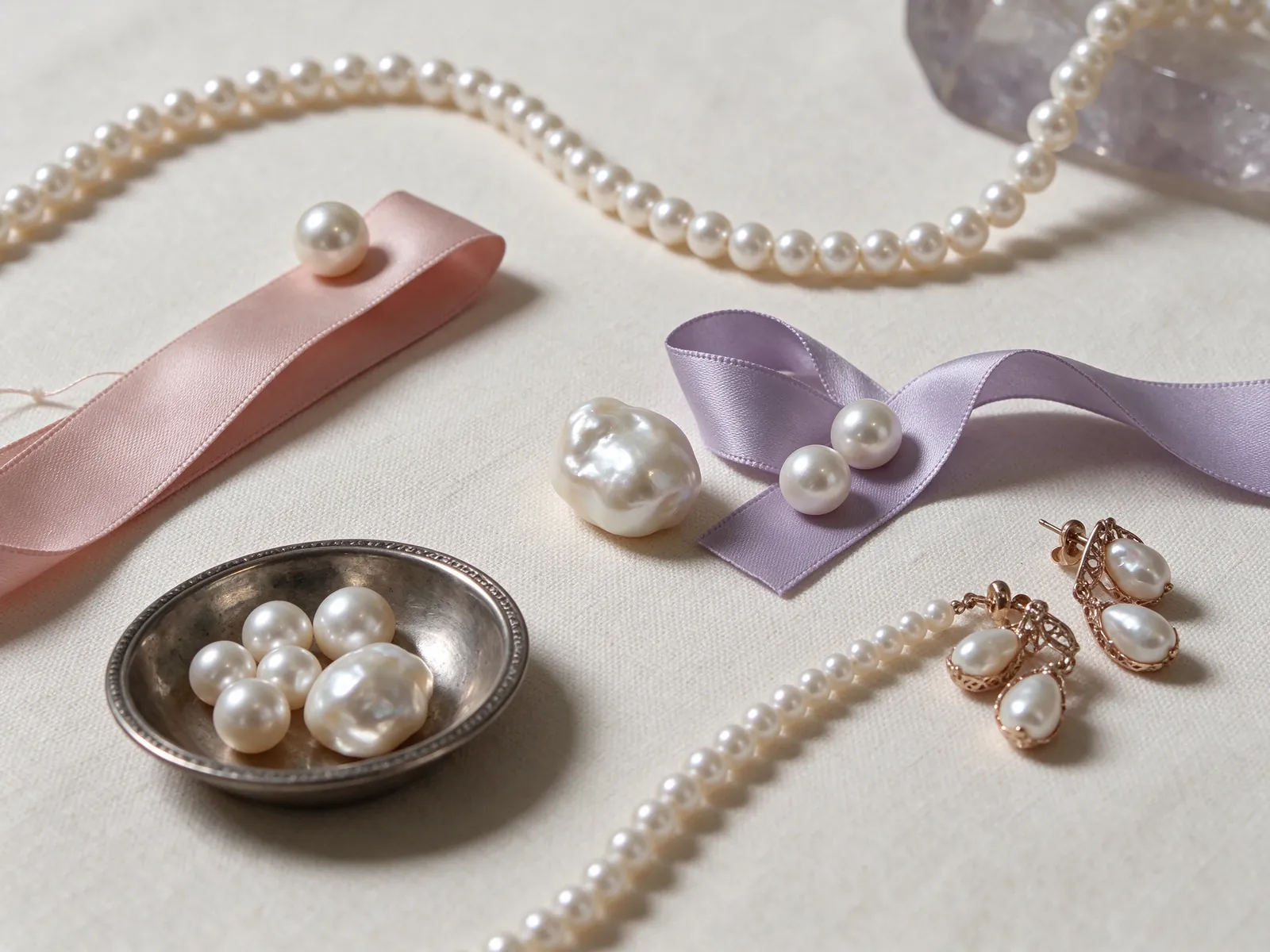
Read whether the offer being considered describes a pendant alone or includes a chain. The presence of a chain in a styled image is not an answer to that question. For a chain you already have, consider whether its end and clasp can pass through the bail where necessary, not just whether the chain looks thin enough. Then observe the assembled pendant's orientation, movement and position against your clothing.
The pearl pendant chain compatibility guide addresses the bail opening and chain ends as a separate educational subject. A metal designation and a pearl certificate answer different questions and should not be blended into one quality claim. Before choosing a necklace position, decide whether the pendant is meant to rest inside an open neckline or sit over fabric. Check it while sitting and turning, since a still display can hide practical differences in how jewelry moves.
Test the neckline you wear most often
A neckline that touches the pendant may repeatedly push it beneath the fabric. An open collar may create a crowded shape if the pendant falls directly against its edge. Try a second familiar garment, check whether the front stays where you want it and consider how easily you can operate the clasp. These wearing details need their own answers; a luster-related certificate term cannot resolve them.

Choose an outfit's focal point before choosing its certificate vocabulary
A single pearl pendant can be an understated focal point when nearby accessories are kept simple. For a printed shirt or clothing with bright hardware, remove some competing detail before deciding whether the pendant works. At a formal event, the garment's cut matters as much as the pearl's prominence: an open neckline frames a drop differently from a high neck. Start with the overall silhouette rather than trying to make every piece stand out.
For an understated neckline, the single pearl pendant guide discusses visual proportion, while the pearl pendant without chain guide helps you distinguish a pendant top from a chain you already own. These are separate wearing and purchase-content questions, not conclusions supplied by certificate vocabulary. Choosing the silhouette first helps you select jewelry that fits the outfit. Understanding a pearl report remains important, but it cannot decide which pendant proportion feels right or whether a particular chain is compatible.
Make a gift choice around the recipient's routine
Consider the recipient's usual necklines, favorite earrings and preference for simple or decorative jewelry. Someone who rarely wears necklaces may value a different accessory position, while a regular pendant wearer may care about coordinating with an existing chain. Explain the pearl's document separately from these style decisions. A named certificate can provide a reading topic, but it cannot guarantee personal taste or make an inconvenient piece easier to wear.
Distinguish report names from metal descriptions and seller grades
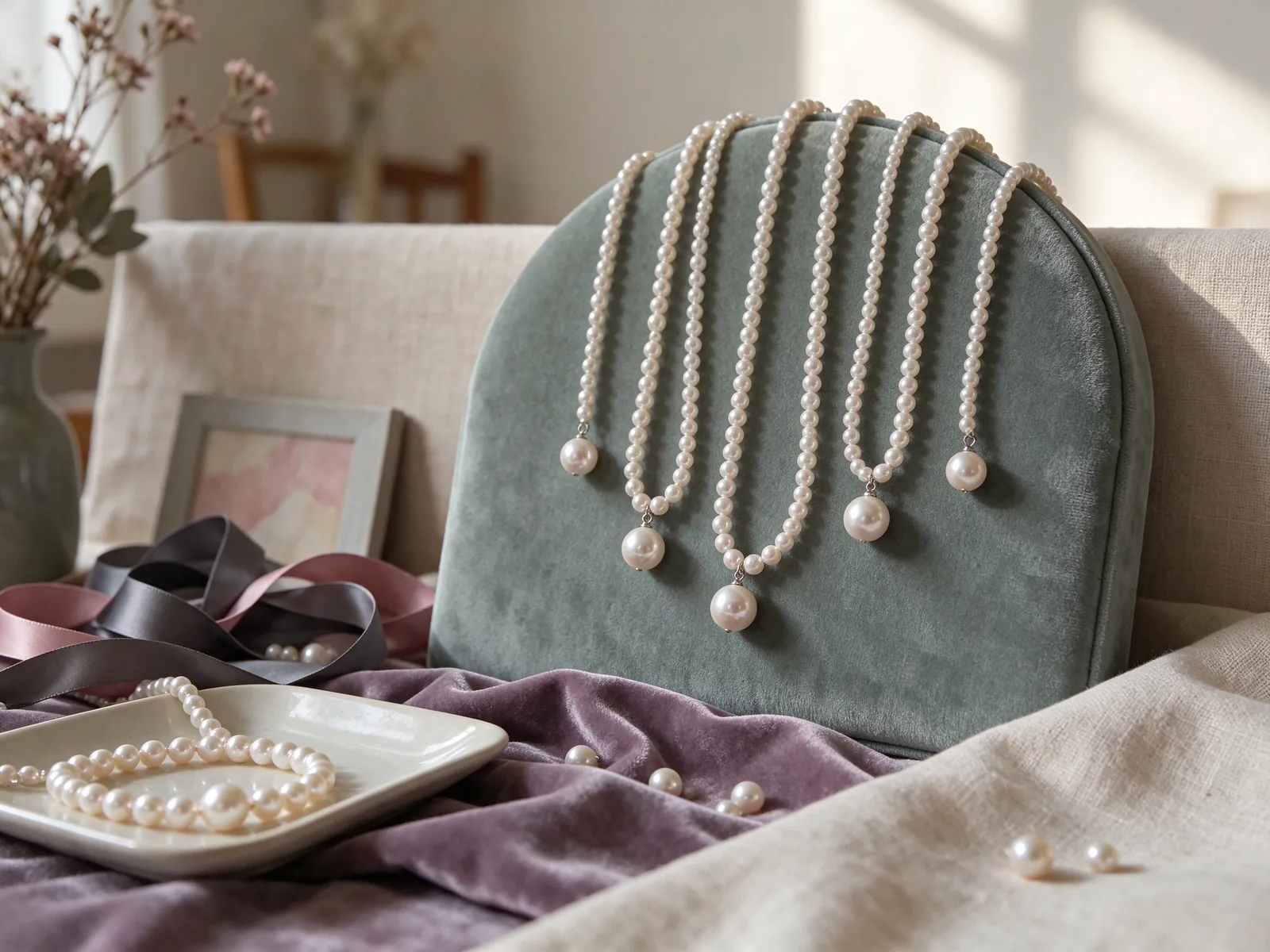
A Hanadama pearl pendant is another useful report-literacy topic, not a credential that can simply be exchanged with Aurora Phoenix, AAA or GIA. Find out what each term means in its own context and read the particular document before comparing findings. Ranking unlike names on one universal ladder can create an impression of precision without explaining what was actually described for each pearl.
A silver pearl pendant comparison concerns a different layer of the description. The metal wording does not tell you which report belongs to the pearl, just as a certificate term does not identify every jewelry component. While browsing, separate pearl observations, document terminology and construction details. This simple distinction helps prevent a familiar material name from becoming an assumed pearl grade or a report name from becoming an assumed chain specification. For material comparisons, focus on 18K 750 white gold, 18K 750 yellow gold, 18K 750 rose gold, PT950 platinum and PT900 platinum. Confirm each piece's material from its own description, separately from the pearl document.
Compare definitions before comparing letter grades
Two descriptions using the same letters may still describe different things. Look for the definition and whether it refers to luster, surface appearance or another factor. Then compare the relevant observations under similar conditions. A certificate name or seller grade alone cannot establish a price, an investment result or resale value. It is more useful to understand the individual pearl and the finished piece than to infer those outcomes from a label.

Keep pearl care and document care part of ownership
Wipe the pearl gently with a very soft, clean cloth after wearing and keep it apart from harder jewelry that could rub against it. GIA's care guidance says to avoid acids, perfume, hair spray and excessive heat, and never to use ultrasonic or steam cleaners on pearls. Put the pendant on after applying fragrance or styling your hair to reduce direct spray. No certificate term overrides those precautions.
Store the document safely and keep a readable copy, along with separate purchase records. If the chain changes or the setting is worked on later, retain a record of which parts were involved. That preserves a clearer history and avoids treating a pearl report as a permanent description of every component. When giving the pendant as a gift, share its document and straightforward care instructions rather than only the name printed in a title.
Choose cleaning methods for the whole pendant, not just the metal
Do not assume that a cleaning method suitable for a metal part is suitable for the pearl. If you notice a loose component, dirt caught around the setting or an unfamiliar cleaning chemical, stop and ask an appropriate jewelry professional about the specific piece. Care can reduce avoidable damage, but neither good habits nor a certificate name promise permanent color, water resistance or a guaranteed repair result.
Comparing pearl pendants or choosing a gift? Contact Flint Jewelry on WhatsApp: +85260106207 and share the styles you enjoy and how you usually wear jewelry.
| Decision area | Document or description | Personal observation | Avoid assuming |
|---|---|---|---|
| Certificate terminology | Read the issuer and the actual recorded findings | Compare wording with the displayed description | A complete evaluation of the finished jewelry |
| Individual pearl | Use identifying details provided in the report | Compare outline and visible features | Identity established by resemblance alone |
| Luster and surface | Read the two subjects separately | View reflections and features under consistent light | A luster description means no visible features |
| Chain and bail | Determine whether a chain is included | Check fit, orientation and neckline position | Every chain in a photo is part of the purchase |
| Ownership and gifting | Retain documents and purchase records | Consider wardrobe habits and suitable care | Guaranteed suitability, durability or future value |
Pearl knowledge and authoritative references
GIA identifies seven pearl quality factors: size, shape, color, luster, surface quality, nacre quality and matching. A luster-related designation addresses only part of that broader quality framework.
Read the reference for this factFrequently asked questions
What should I ask when a pendant is called Aurora Phoenix certified?
Ask which document accompanies the pearl, what it records and how it corresponds to that individual pearl. Read the issuing body's name and the actual findings. The phrase in a title should not be used to fill in details absent from the document.
Can a white pearl's photographed color confirm its identity?
No. Lighting, exposure and the background influence its appearance. Color and shape alone do not establish origin, natural-versus-cultured identity or a certificate. Use photographs for visual comparison and the relevant document for recorded findings.
Does a luster-related designation cover the pendant's chain and setting?
Do not assume that it does. Read the document's actual scope, then assess the chain, bail and setting separately. Inclusion of a chain, compatibility with your own chain and the pendant's wearing position are distinct questions.
Can I compare Aurora Phoenix and Hanadama by name alone?
That would not be a reliable comparison. Understand each term in context, including the issuing body and the relevant findings. The names should not be treated as interchangeable credentials or as steps on a universal quality ladder.
What paperwork should stay with a pendant given as a gift?
Keep the accompanying report safely and share a readable copy and the relevant purchase information with the recipient. Explain which details concern the pearl rather than every jewelry component, and include simple care guidance. A certificate name does not replace those practical explanations.
Updated: