

If your pearl earring silicone cover came off, how should its fit be assessed for pearl earring back cover refitting and pearl earring silicone back care?
Remove the earrings and place the loose components on a soft tray with a stable base. Work at a table, not over a sink where a small piece could disappear down the drain. Identify whether the earring is clip-on or pierced. A clip’s silicone pad may have separated from its metal plate, a stud’s cover may have separated from its backing, or the entire covered back may have come off the post. Those situations involve different connections. Inspect the detached piece away from your ear rather than testing it while wearing the earring.
Examine the cover’s inner opening, surrounding edge and any recess, then look at the corresponding metal fitting without taking apart the intact earring. WSP’s Repairs FAQ gives an example of aligning a silicone cover’s central hole with a plate on an earring back. Its completion description is a cover fully covering the plate without gaps or misalignment. That applies to the described construction, not every pearl earring. A guide to pearl earring back types helps separate a cushion’s role from the fastening that secures an earring.
If your pearl earring silicone cover came off, damage or resistance calls for a pause in pearl earring back cover refitting and a review of pearl earring silicone back care
Stop if you see a tear, an elongated opening, an incomplete edge or a plate sitting at an angle. A cover can look whole yet slide away easily or resist seating. Pushing harder does not establish a correct fit. Keeping the attachment in its current state makes the actual problem easier to examine than repeatedly pressing until the parts appear to stay together.

Document the loose part and the connection before changing anything
Take photographs in clear light: the earring front, the back, the inside of the cover and a side view of the backing. Make sure the plate and opening are visible rather than hidden by your fingers. Record what you were doing when the cover detached, such as removing the earring, adjusting a collar or storing the pair. This description adds context that a front-facing jewelry photograph cannot provide.
Look for related changes without manipulating them. A visibly angled stud post, an uneven clip plate or an apparently loose pearl should be mentioned in the same inquiry. Do not twist the pearl to check its bond or reshape a backing with pliers. A pearl repair service inquiry can focus on assessment when you describe exactly which component detached. Explain whether the metal plate remains on a clip or the entire backing left a stud post. This avoids treating every detached soft piece as the same problem.
Use the intact side as a visual reference, not a donor
Place the two earrings side by side to show which side is missing its cover. Do not strip the intact side to investigate the faulty one. Even similar-looking backs can have different wear or replacement histories. A side-by-side photograph preserves useful information while avoiding a second detached cover or an accidental exchange of components whose fit has not been confirmed.

Refitting requires a matching method, not an improvised repair
Seek handling instructions for the actual attachment before trying to reattach the cover. A cushion fitted over a clip plate is not installed in the same way as a stud back placed onto a post. If the instructions identify a removable component and it remains intact, follow that method rather than borrowing a technique from another earring. Openings, lips and plate shapes affect how parts meet. Looking as though a cover can slide over metal is not the same as confirming that it reaches its intended seat.
Do not secure the pad with superglue, nail adhesive or tape. Cutting the opening wider, heating the silicone or filing the metal changes the connection you need assessed and can make later examination more difficult. If the cover is involved in holding the earring, leave the earring off until the fit is established. If it only provides a contact surface, the underlying fastening and any newly exposed edges still need consideration.
Ask how the earring is secured before trying a refit
Clarify whether the cover is meant to come off, which component secures the earring and whether the existing cover suits the fitting. On a stud, ask how the post is retained; on a clip, ask about the clamp and pad position. Follow the corresponding instructions’ confirmation method rather than relying on an audible click or a chosen number of pushes. WSP’s FAQ advises customers who find reattachment difficult to contact its Customer Support. Difficulty calls for advice, not more pressure or a forced fit.
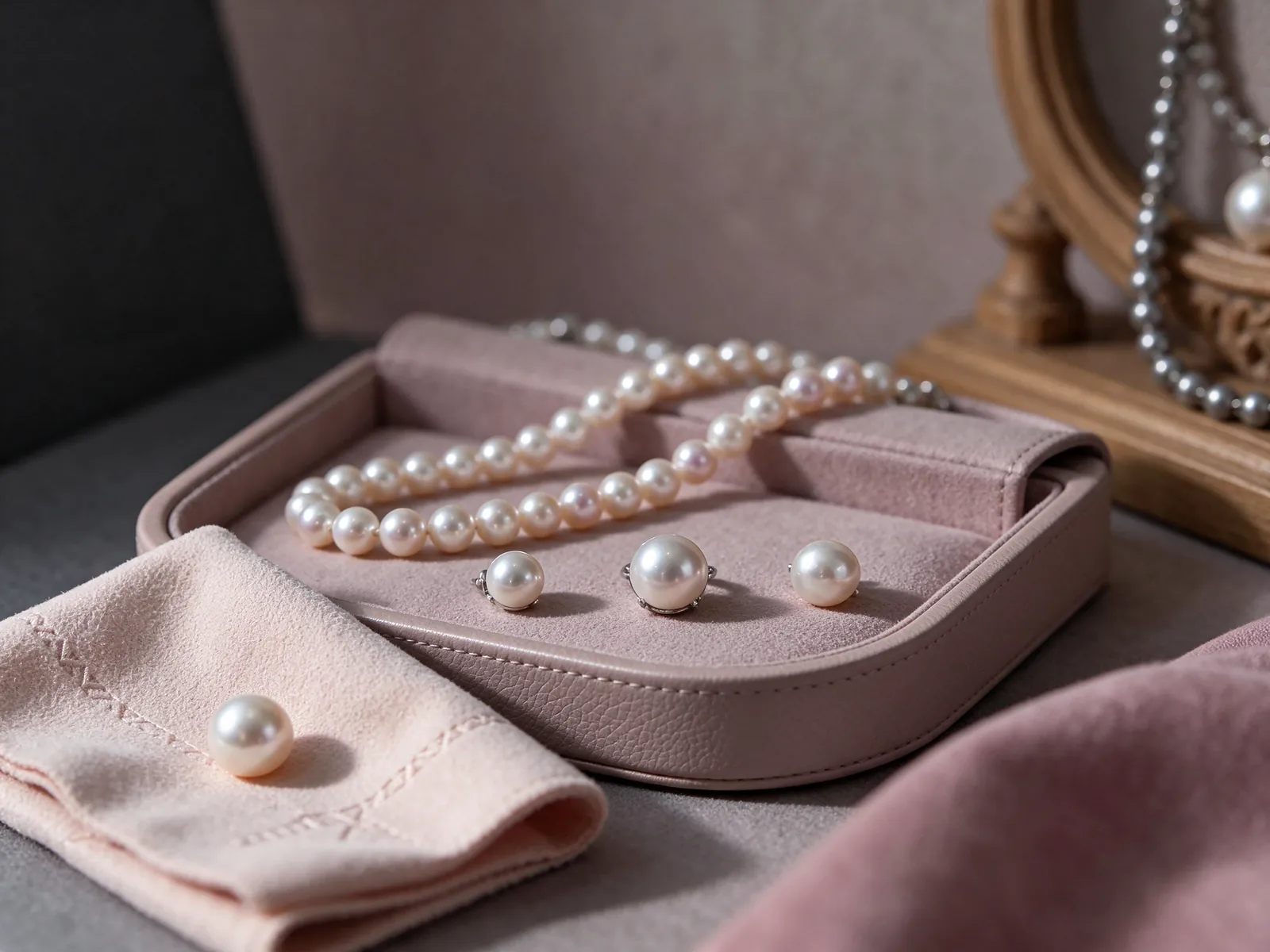
Protect the pearl surface while handling the backing
GIA gives pearl a Mohs hardness of 2.5, so keep sharp metal posts and loose backs from rubbing against its surface on the tray. This hardness figure concerns scratch resistance; it says nothing about a silicone part's grip or service life. For routine care after wearing, use a very soft, clean cloth on the pearl. Guidance on how to clean pearls is distinct from cleaning instructions for the particular backing cover.
GIA states that ultrasonic and steam cleaners should never be used for pearls, so do not place the earring into either machine to clean its back. This restriction concerns pearls; it is not a general cleaning specification for a detached silicone cover. Follow the component’s own handling instructions, without experimenting with alcohol, nail-polish remover or perfume before reattachment. Record stickiness or a visible change and ask about appropriate care. Avoid prolonged soaking of the whole earring, which may include adhesive or other materials around the pearl attachment.
Store small pieces together but keep metal off the pearl
Put the detached cover in a small closable bag or container and keep it with the earring in a divided jewelry box. The small container keeps loose parts from disappearing; it is not a recommendation for prolonged sealed storage of the pearl itself. Separate loose metal pieces so they cannot scrape the pearl, and write notes on the container rather than the cover. The pearl care guide covers avoiding perfume, hairspray and excessive heat. Complete your styling routine before putting on jewelry with a confirmed fastening.
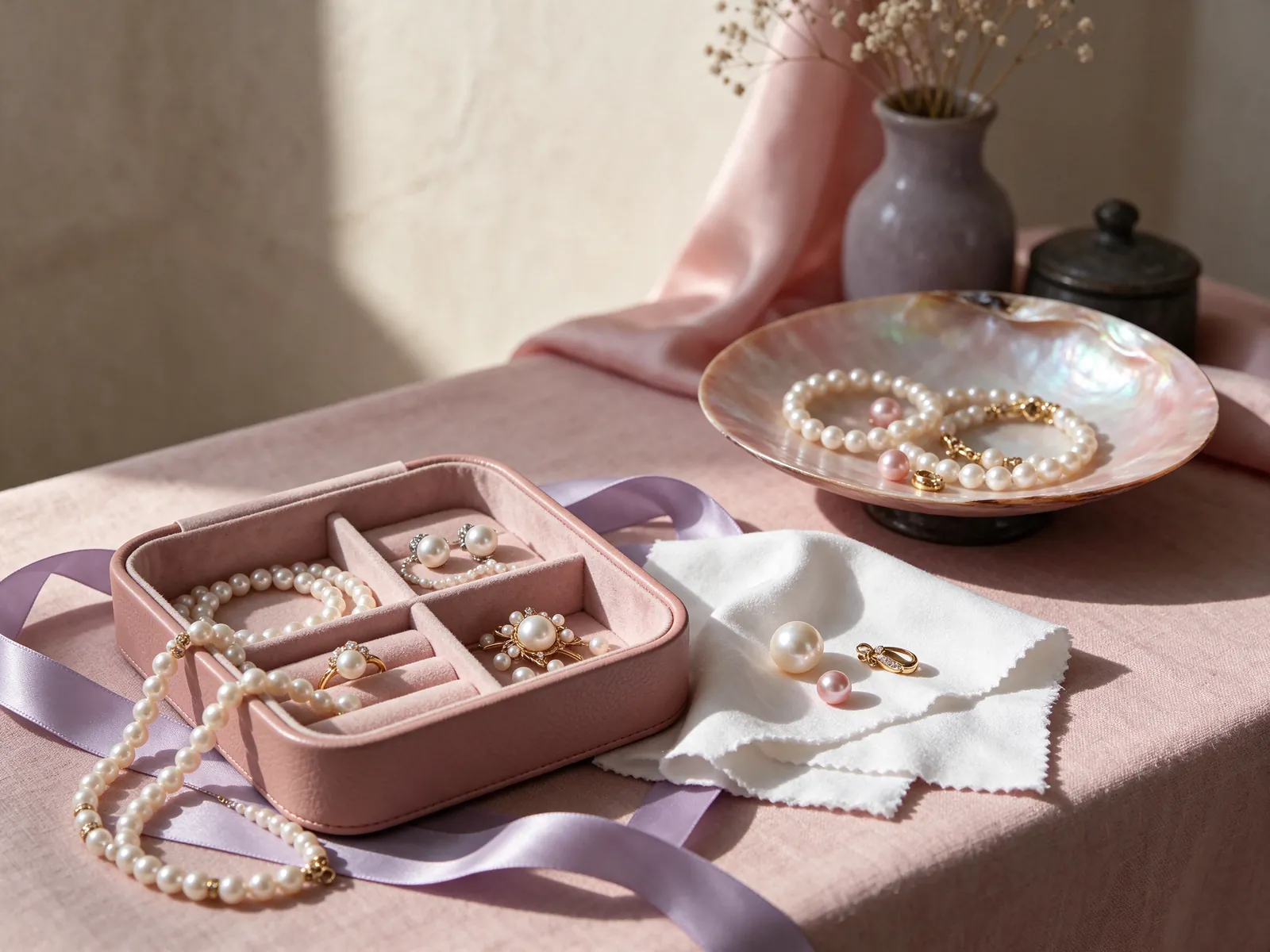
Assess replacement covers by function as well as appearance
A replacement listing’s color or outside diameter cannot establish a suitable connection. Show whether the earring is clip-on or pierced, photograph the fitting and explain any previous cover replacement or alteration. Ask whether the proposed cover is intended for that design. An ear-contact pad is not automatically interchangeable with a part that contributes to retention. Clear silicone does not demonstrate better grip, and an opaque finish does not establish durability or individual skin comfort. A photograph also cannot identify the precise material of an unfamiliar cover.
Bring your everyday wearing habits into the discussion. Long hair, face coverings and high collars may interact with a protruding backing. Once the attachment has been assessed, note whether hair gets caught, pressure develops behind the ear or the earring tilts forward. A larger pad should not be assumed to offset weight. Continually pushing a backing inward is not a reliable way to solve discomfort or an uncertain connection.
Do not use an arbitrary replacement schedule
A cover with no visible dirt can still have a changed opening. Visible residue, on the other hand, does not by itself identify why the piece detached. Base the decision on shape, compatibility and fastening condition, alongside any applicable instructions from the original brand. There is no universal replacement schedule stated here. If a new cover keeps sliding off, have the connection examined rather than layering extra material over the backing to hide the fit problem.
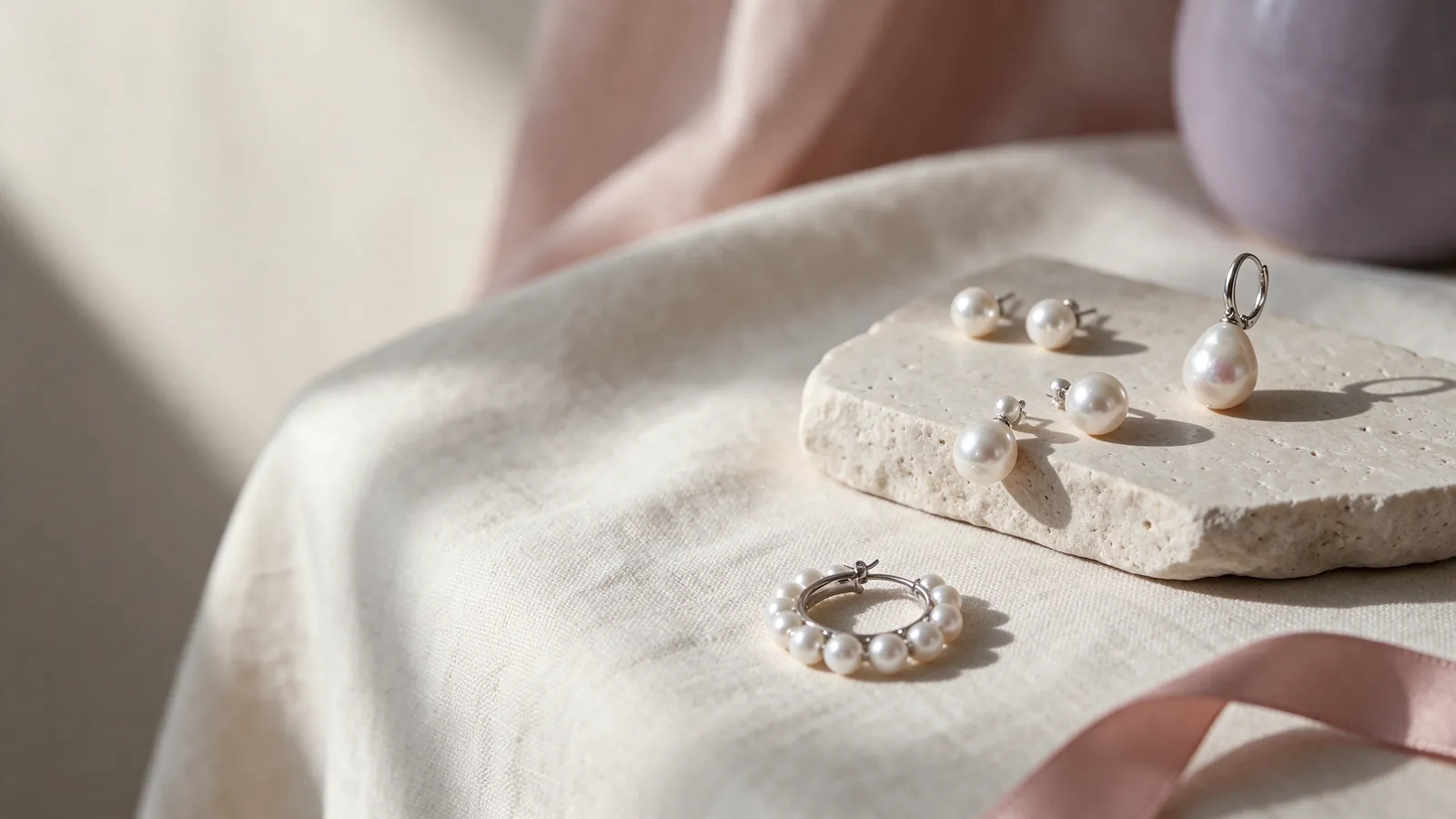
Make a different outfit choice when a cover detaches before an event
If you discover the problem just before a meeting or celebration, leave the affected earring aside and choose another pair with a confirmed fastening. A necklace can provide the outfit’s focal point without rushing the earring back into use. Avoid borrowing a backing from unrelated jewelry simply because it fits over the post. Wearing the intact side alone may suit a deliberate asymmetric look, but do not remove its cover to make both sides look the same. Keep that intact attachment available as a visual reference.
When something is missing, be precise about what you lost: only the cover, the complete backing or the entire earring. Advice on how to replace one lost pearl earring addresses matching a missing earring, not finding a silicone component for an earring you still have. Separating those situations keeps the request relevant. Save the remaining pieces and include photographs showing which attachment is absent on the affected side.
Reduce contact with hair and clothing after the fit is established
When the earring is ready to wear, remove it before pulling a close-fitting neckline over your head. Avoid sweeping fingers across the back of the ear while arranging hair. An updo makes caught strands behind the backing easier to notice; loose hair calls for attention to tangling around the earring. These styling habits reduce opportunities for pulling without implying that the fastening can withstand a tug.

Bring the retained components to an assessment-focused conversation
Provide views of both faces of the cover and the backing connection, together with a description of any attempted refit. Mention where resistance occurred and whether the cover slipped away again afterward. Keep purchase documents and any handling instructions with the pieces if you have them. Do not trim or reshape a damaged edge to make it look neater. The actual condition is what helps someone examine how the components meet.
A fitting instruction does not answer a warranty question. WSP pearl repair warranty explains how to approach that brand’s terms, but those terms do not apply to Flint Jewelry or establish that Flint stocks the same cover or handles WSP claims. When asking Flint Jewelry about an earring back assessment, describe the problem and confirm the applicable scope, cost and arrangements through WhatsApp. Clear images help the initial discussion but do not replace a physical assessment. Any refitting or replacement decision depends on the fitting and its actual condition.
Ask a question that separates replacement from fastening damage
For an intact loose cover, ask whether that cover-and-plate construction can be refitted. For a torn opening, ask whether the backing also needs examination before considering a replacement piece. Include any bent post in the description instead of treating it as a separate later issue. Specific questions keep the conversation centered on condition and fit rather than assuming every detached pad has the same solution.
| What you see | Identify | First step | Do not improvise | Details to provide |
|---|---|---|---|---|
| Pad separated from a plate | Pad versus post-retaining part | Save pad and earring | A method meant for another design | Inside pad and plate shape |
| Covered back off the post | How the post is retained | Pause wear and contain the pieces | An unrelated borrowed back | When the back detached |
| Torn hole or damaged edge | Damage around the attachment | Leave condition unchanged | Glue, cutting or heat | Tear position and repeated slipping |
| Bent back or resistance | Alignment of post and plate | Stop trying to seat it | Pliers or extra pressure | Where resistance begins |
| Only the cover is lost | Remaining connection structure | Photograph and request assessment | A purchase based only on color | Rear, side and opening views |
Pearl knowledge and authoritative references
GIA ranks pearl at 2.5 on the Mohs hardness scale. This supports keeping loose metal posts and backs away from the pearl surface during inspection; it does not quantify silicone grip or durability.
Read the reference for this factFrequently asked questions
Is it safe to keep wearing the earring if only the soft pad is missing?
First identify whether the piece is a clip-on pad or a stud-back cover, then establish its function and check the fastening and exposed edges. Softness alone does not reveal how the earring is secured. Leave it off until construction and fit are assessed; do not use a clip cushion as a substitute stud back.
Why not follow the central-hole refitting example I found online?
The WSP example concerns a particular central-hole cover and metal plate. Other fittings can have different seats or fastening roles. Use instructions for the actual construction, not a similar-looking photograph. If refitting is difficult or resistant, preserve the parts and seek advice instead of applying more pressure.
Can the other earring supply a cover for testing?
Keep the intact side intact. Photograph the pair together instead of dismantling or swapping parts. Different wear or previous replacements can affect fit even when backs look alike, so an exchange is not a dependable compatibility check.
Does a bigger silicone cushion solve pressure behind the ear?
Not automatically. Comfort depends on the earring, the backing's position and the actual fit. Discuss pressure, tilting or caught hair once the connection has been confirmed. Do not assume a larger cushion compensates for weight or keep tightening an uncertain fastening.
What information helps if the cover itself is missing?
Provide the earring's rear view, the backing's side view and the attachment opening, and specify that only the cover was lost. Retain the existing pieces. Any replacement or refitting decision depends on the backing construction and condition rather than a generic accessory description.
Updated: