
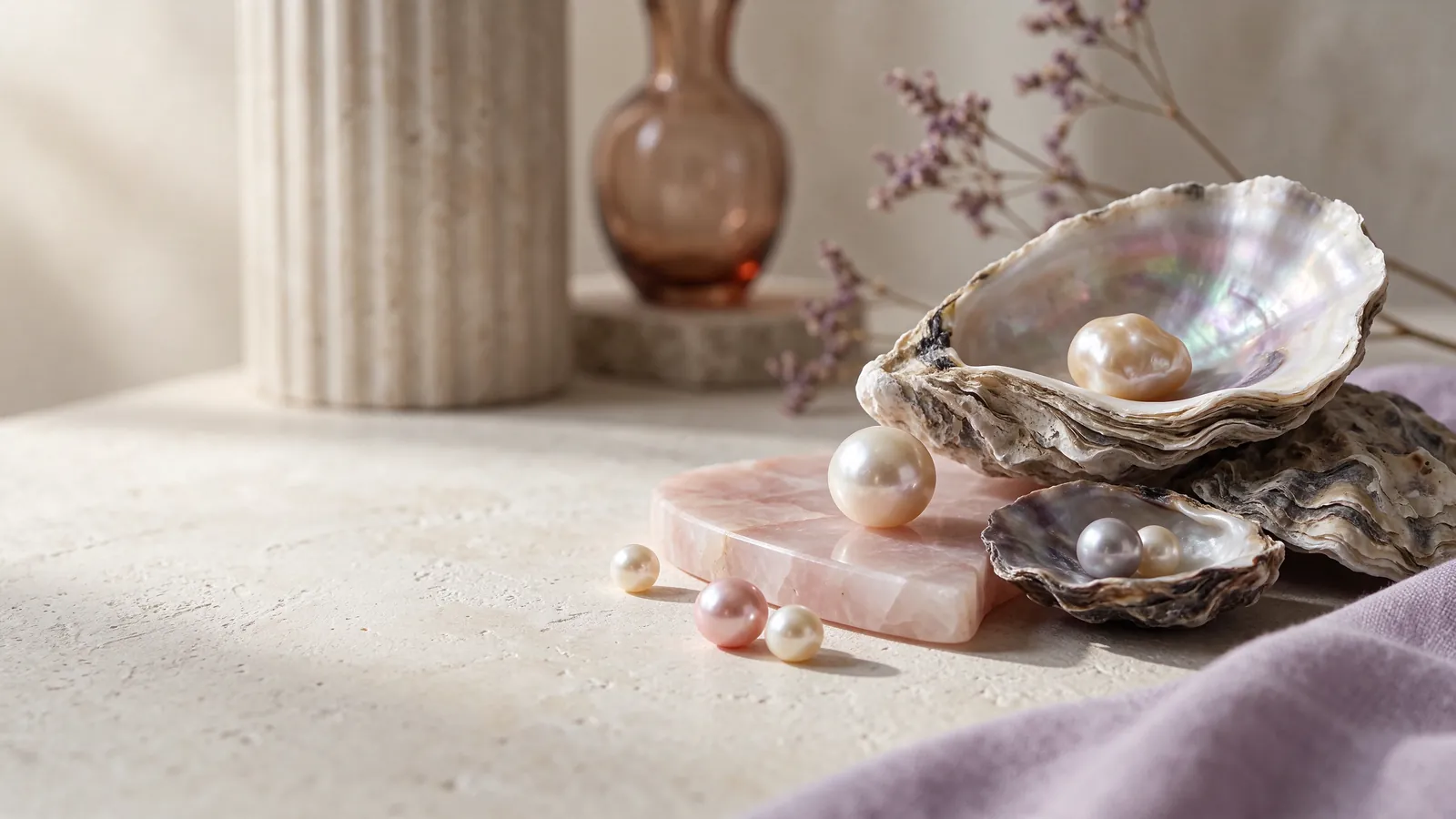
what is an abalone pearl? how abalone pearls form and Why the Name “New Zealand pāua pearls” Is Location-Specific
The word pearl describes something that formed through the animal's growth process, not simply a rounded object with a pearly finish. Abalone are marine gastropods, unlike the bivalve oysters associated with many familiar pearls. They produce nacre, which also lines the inside of their shells. An abalone pearl develops through the accumulation of that material at a pearl-forming site. Cutting a piece from an iridescent shell is a different process.
Abalone pearls include natural and cultured examples. One shell-attached cultivation method places a nucleus against the inner shell so nacre develops over it as a shell blister; the finished assembly and backing need a separate description. GIA has also documented whole cultured abalone pearls, so not all cultivation follows that shell-attached method. A half-round outline is not a diagnostic test. Understanding natural vs cultured pearls starts with whether cultivation was initiated by people. Both categories involve a living animal; cultured does not mean that the pearl is an imitation.
Natural or cultured: what is an abalone pearl, and how do New Zealand pāua pearls help explain how abalone pearls form?
For New Zealand pāua pearls, treat the regional name and formation status as two separate entries in the description. Pāua cannot answer the natural-or-cultured question by itself. An irregular shape cannot answer it either. If natural formation is central to what you want, base that choice on information about the individual pearl. If cultivation is stated, appreciate the pearl as an animal-grown material without converting that statement into a claim about its origin or treatment.

Separate an animal-grown pearl from a cut shell material
Abalone shell and mother-of-pearl can both be attractive jewelry materials. The first is the shell itself; the second refers to its lustrous nacreous inner material. They can be shaped, polished and used as inserts without ever having formed as pearls. The distinction in abalone pearl vs abalone shell is about the object's formation, not which one catches more light. Similar color does not make the materials identical.
When a listing is unclear, begin with its material description and then examine the construction. A front photograph may conceal a flat back, an insert or a separate base. Side and reverse views help you understand those features, but images do not replace an explicit identity statement. A circular outline and a bright metal surround are design details, not proof that the center grew as a pearl.
Ask what lies behind a domed front
A domed face tells you little about the complete object. The discussion of Mabé pearls vs round pearls provides a useful starting point for thinking about profile rather than front outline alone. For an abalone-themed piece, ask which parts are pearl, shell material, backing or setting. Understanding the reverse and the joins makes it easier to assess how the piece sits against skin or clothing and to choose a gentle cleaning approach.
Read Pāua as regional context, not a complete origin statement
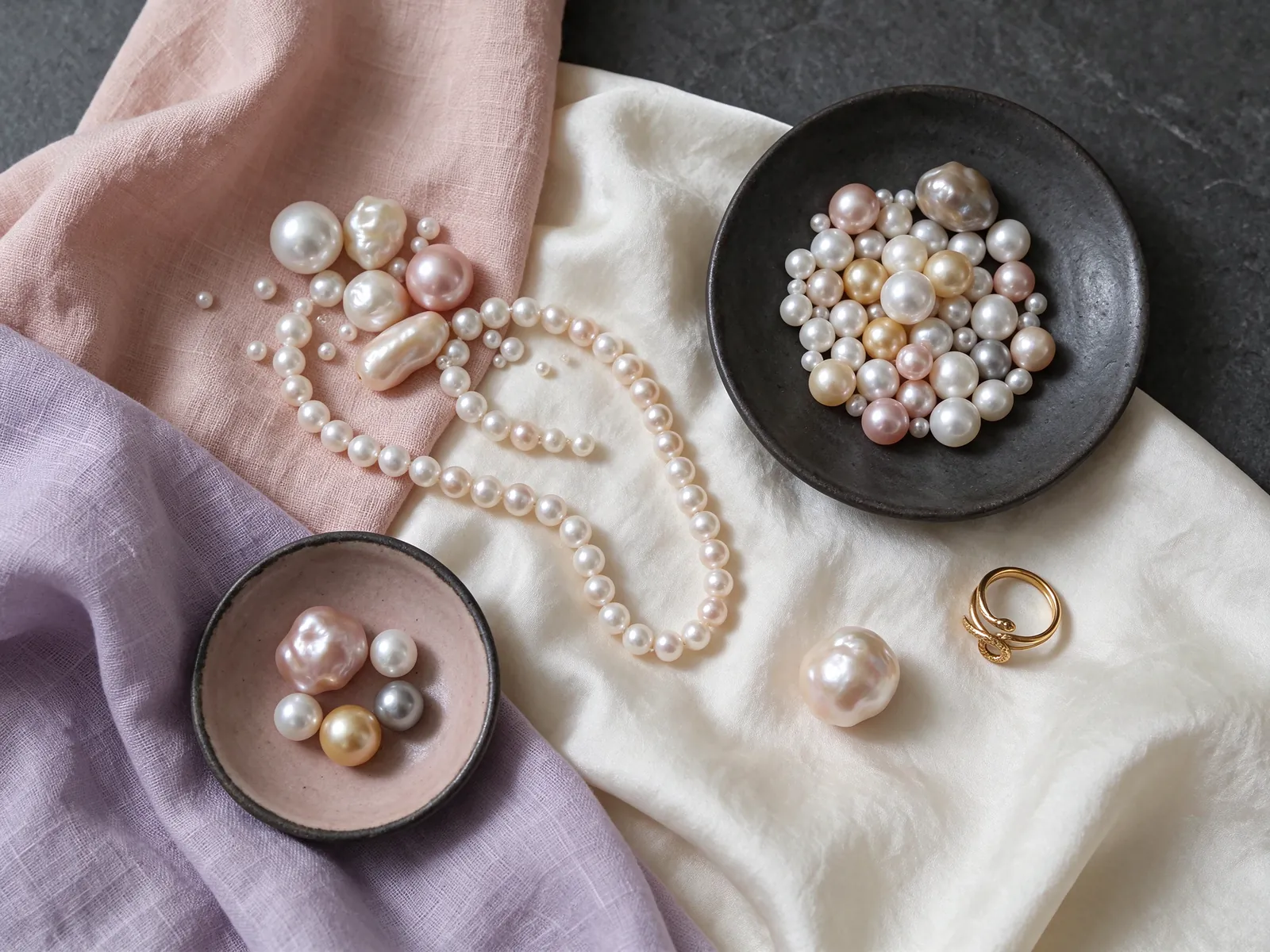
Pāua is associated with the Māori name for local abalone in New Zealand, and abalone pearls from there are often called pāua pearls. It is not an unconditional alternative name for all abalone pearls around the world. The wording gives a regional and cultural context. It does not automatically disclose a species, establish natural formation or show the absence of processing. Those are separate pieces of information.
A pearl's origin should also be distinguished from the location where a necklace or earring was designed, assembled or sold. A pearl types guide helps organize other naming differences: an animal-source term, a color term and a shape term describe different aspects. Baroque means an irregular outline, so that word cannot turn an unspecified pearl into an abalone pearl. Likewise, a regional jewelry story should not replace a direct statement about the pearl itself.
Make a travel-inspired gift meaningful without adding claims
If the gift is intended to recall a New Zealand trip, first establish that the pearl description supports that connection. Next, choose for the recipient's actual habits. Someone who usually wears simple tops may prefer one focal pendant; someone who wears earrings daily may care more about the pair's balance. The connection to a place can be meaningful without suggesting guaranteed rarity, investment value or a special benefit.
Evaluate shifting color without treating it as identification
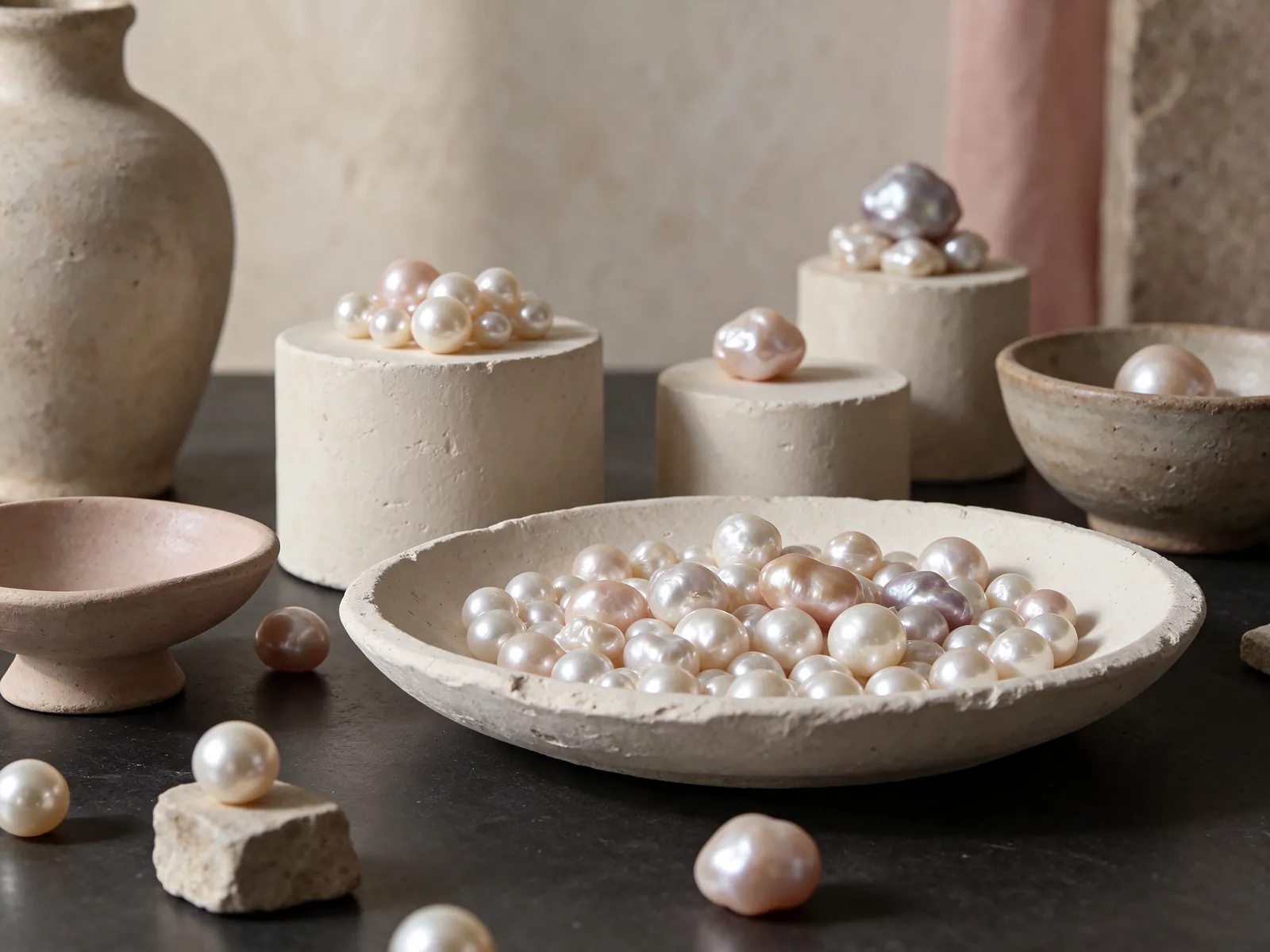
Blue, green and violet effects can occur in abalone pearls, but the appearance of an individual piece deserves its own assessment. GIA distinguishes bodycolor, overtone and orient. Bodycolor is the dominant overall hue, overtone lies over it as a translucent color, and orient is rainbow-like iridescence at or just beneath the surface. Some pearls show only part of this combination. Use these distinctions to describe what you see, not to invent a grade.
View the same piece under normal indoor lighting and soft daylight, ideally from several angles. A video can help show which color is visible in its normal orientation. Camera white balance, a colored background and your screen can all influence the impression. The comparison in Tahitian pearls vs other black pearls highlights why color names should not stand in for animal source. Similarly, blue-green color alone cannot identify pāua origin or prove an untreated surface.
Compare the face-up color against clothes you already own
Use a familiar neckline and fabric as a reference. A dark solid top can emphasize bright patches, while warm ivory creates a quieter contrast. Patterned clothing may compete with an irregular color pattern. Choose around the main color seen in the normal wearing position, then let the shifting shades add detail. You do not need to repeat every visible hue in the rest of the outfit.
Let profile and movement guide the jewelry format
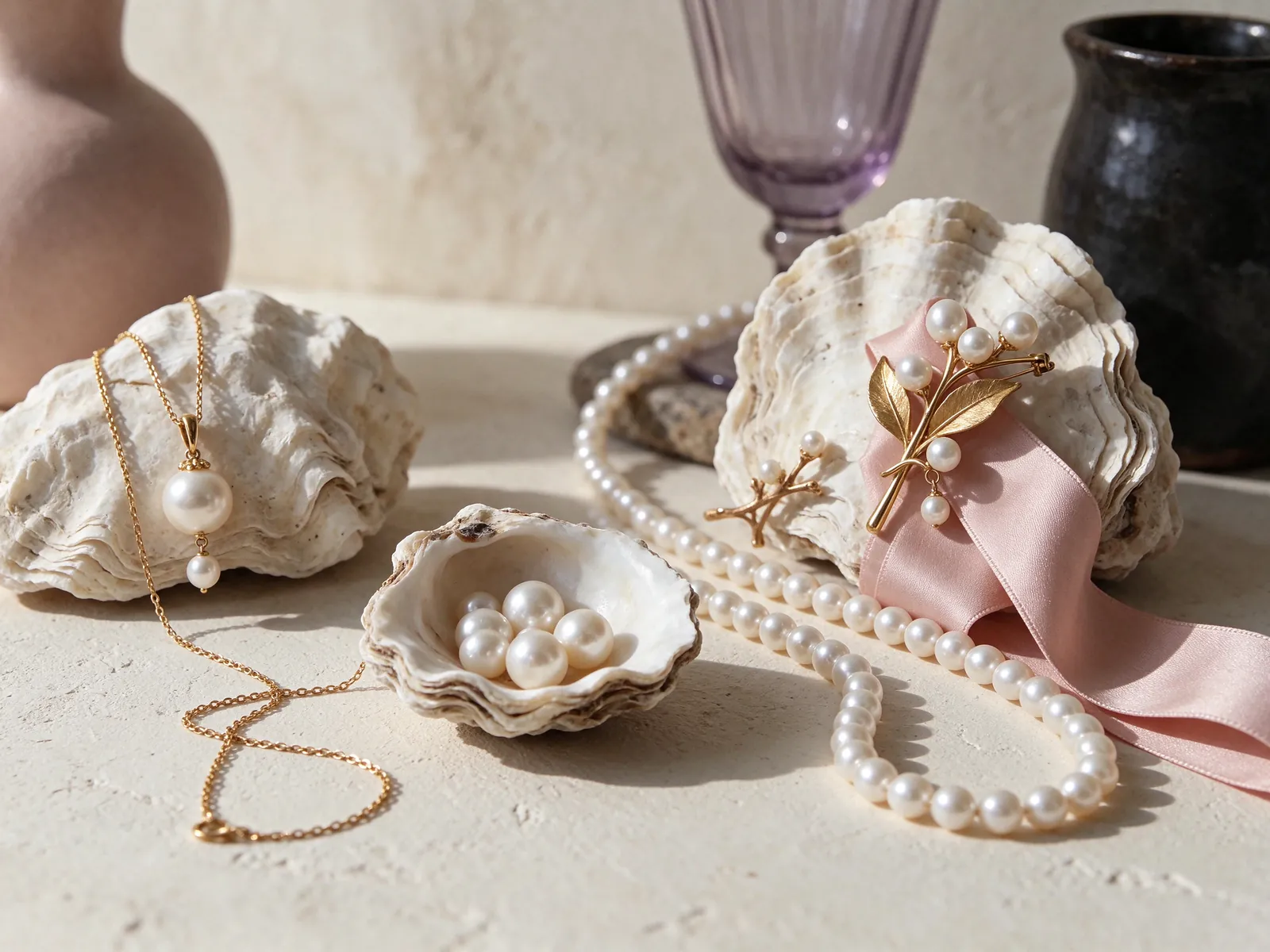
An abalone pearl can have a half-round or irregular profile. An appealing nonround shape is not automatically a quality problem, nor is it proof of animal source. For an abalone pearl pendant, consider where the attachment places the best face and whether the piece tends to rotate. The side and back deserve attention because they affect how the pendant rests at a neckline. A striking front view is only part of the wearing experience.
For a pair of earrings, assess both pieces in one view. The markings may differ while the overall color, outline and direction still feel harmonious. Consider their position near the face with your usual hairstyle, and pay attention to movement rather than judging them only while laid flat. Collars and scarves may also meet raised edges. The mounting and actual profile, not the word abalone, determine these practical interactions.
Choose placement before making size the deciding factor
Compare with a pendant length or earring position you already enjoy. A piece that sits directly at a fabric edge can become hidden, while one that repeatedly turns may show a less preferred side. A broader outline can be attractive but is not automatically more useful. Start with your everyday posture, neckline and activities so the shape remains visible without interfering with comfortable movement.
Use clear descriptions and a quality framework for comparison
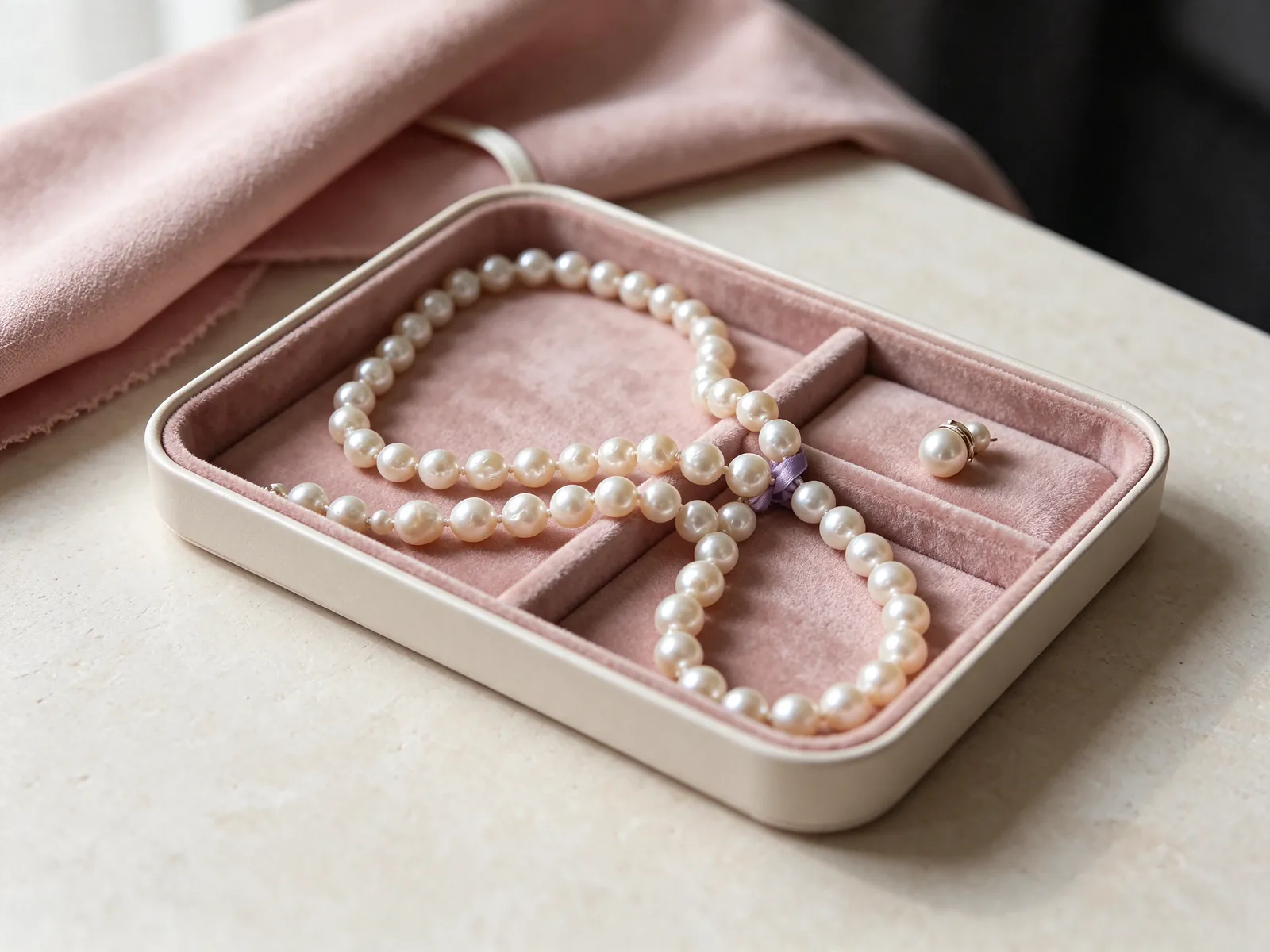
A useful description distinguishes the material, natural or cultured status, geographic origin and disclosed processing. If one entry is missing, a photograph cannot supply it. When documentation is offered, read the object it describes and the scope of its conclusion. Information about the metal of a finished piece is not the same as information about pearl identity. Paperwork should answer a particular question rather than act as a general symbol of certainty.
GIA lists seven pearl value factors: size, shape, color, luster, surface quality, nacre quality and matching. A single focal pearl can be compared for reflection sharpness, visible surface features and the suitability of its profile. Matching matters when two or more pearls are worn together. These factors organize quality observations; they are not a universal points system and cannot establish the animal source or natural formation of a pearl.
Decide which differences matter within your budget
Before comparing prices, decide whether you want an animal-grown pearl or primarily an iridescent accent. A shell insert and a pearl should not be treated as equivalent purchases just because both use the word abalone. Then compare visible quality, construction and intended wear alongside identity. If natural formation or a regional connection is essential, keep it as a clear requirement instead of allowing attractive adjectives to substitute for that information.
Protect both the pearl surface and its attachments
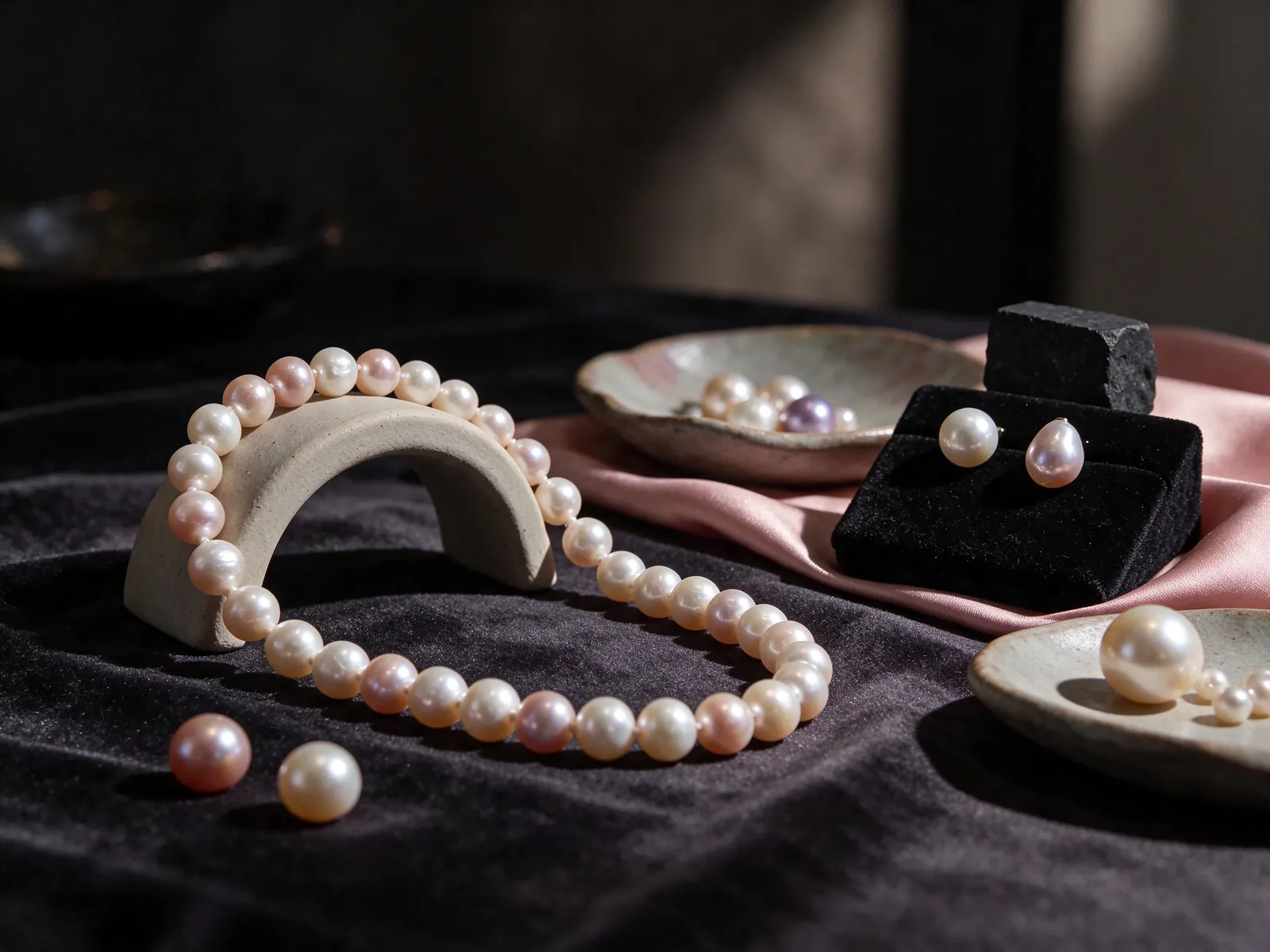
Pearl is ranked 2.5 on the Mohs hardness scale by GIA, so scratching and abrasion are practical concerns. The number describes relative scratch resistance; it does not promise a service life or resistance to impacts. Keep pearl jewelry apart from harder objects during storage and avoid perfume, hair spray, acids and excessive heat. A marine animal source does not make the finished jewelry suitable for prolonged water exposure.
After wearing, a very soft, clean cloth is appropriate for routine gentle wiping. GIA says pearls should never be cleaned in ultrasonic or steam cleaners. Do not assume a broad or domed pearl can withstand methods used for metal alone. Any backing, joining area or other part of the setting needs consideration too. If strung pearls are cleaned with water, the string must be completely dry before the piece is worn.
Treat looseness or a new edge crack as a reason to pause
Stop wearing the piece if the pearl shifts unusually, an edge develops a new crack or its attachment no longer feels stable. Household glue, abrasive polishing and solvents can alter the surface or joining areas rather than resolve the underlying problem. Understanding the complete structure is more useful than attempting a quick home fix. The goal of routine care is gentle preservation, not a continually brighter appearance after every cleaning.
Have a question about an abalone pearl description or the color and profile you would enjoy wearing? Contact Flint Jewelry on WhatsApp +85260106207. Share the terms you want explained and your usual neckline or jewelry habits, so you can consider material identity and practical style separately instead of choosing by the name alone.
| Term or feature | What it describes | What remains separate | What to examine | Practical effect |
|---|---|---|---|---|
| Abalone pearl | A pearl grown by abalone | Formation status, geography and processing | An explicit material and identity description | Choose for the actual profile |
| Pāua | New Zealand naming context | Natural identity or a worldwide synonym | Pearl origin versus jewelry production location | Keep regional meaning distinct from style |
| Shell / mother-of-pearl | Shell and its lustrous inner material | Whether an object grew as a pearl | Cut material, reverse and construction | An insert wears differently from a projecting pearl |
| Iridescent color | Appearance in specific light and angles | Animal source or untreated status | Face-up views under ordinary light | Compare against your usual wardrobe |
| Irregular / half-round shape | Outline and profile | Species and natural-or-cultured status | Back, attachment and pair balance | Watch rotation and contact with fabric |
Pearl knowledge and authoritative references
GIA names seven pearl value factors: size, shape, color, luster, surface quality, nacre quality and matching for jewelry containing multiple pearls. This is a comparison framework, not a determination of species or natural formation.
Read the reference for this factFrequently asked questions
Is pāua a name for every blue-green abalone pearl?
No. Pāua belongs to the New Zealand regional naming context, not every abalone pearl worldwide. Blue-green appearance does not establish geography, and the name does not independently establish natural formation or treatment status.
Is a cultured abalone pearl the same as an imitation pearl?
No. A cultured pearl grows in a living animal after human involvement in cultivation. An imitation is a different category. Cultured status still leaves geographic origin, disclosed processing and the individual pearl's quality to be considered separately.
Can a half-round shape prove how an abalone pearl formed?
Shape can help explain a design or profile, but it cannot prove natural or cultured status by itself. Read the formation description and understand the backing and setting. An irregular outline also cannot identify an unspecified pearl as abalone.
What should I compare first if I want a pendant for plain everyday tops?
Begin with its normal face-up color and where it will sit against your neckline. Then consider the back profile, attachment and tendency to rotate. A dramatic close-up or a larger outline is less useful if the preferred face is hidden during ordinary wear.
Does the Mohs hardness number tell me whether the piece will survive a fall?
No. GIA's pearl hardness rating of 2.5 describes relative resistance to scratching, not an impact guarantee. Surface condition, shape and the complete setting still matter. Avoid knocks and stop wearing a piece if you notice a new crack or unusual movement.
Updated: