

How do color and shape differ when exploring pearl color meanings through white and pink pearl symbolism and golden and baroque pearl meanings?
A useful gift story starts by naming two separate features: color and shape. White, pink, golden, and black are color descriptions, while baroque describes an irregular outline rather than another color. WSP’s June birthstone article associates white with humility and sincerity, pink with patient love, golden with maturity, black with quiet strength, and baroque with artistry. Read pearl meaning and symbolism as possible expressions drawn from that article, not a code everyone must accept. Ask which idea reflects a real experience with the person receiving the gift, and leave room for their own interpretation.
GIA separates bodycolor, overtone, and orient. All pearls have a bodycolor, but not all display overtone or orient. Bodycolor is the overall background color; overtone is an additional color impression over it, while orient produces an iridescent effect. A white pearl can therefore have a pink overtone. Notice whether you prefer the background color or the additional impression, then compare in similar lighting. A phone screen and photographic lighting can alter what you see. Images help with outfit ideas, but color alone does not establish species, origin, treatment, certification, or whether a pearl is natural or cultured.
How can pearl color meanings guide a personal gift without treating white and pink pearl symbolism or golden and baroque pearl meanings as fixed rules?
Make a short portrait of the recipient’s style before selecting a symbolic word. Do they wear simple shirts, colorful sweaters, or accessories with unusual curves? Would they prefer jewelry that blends in or stands out? Match the visual choice to those habits, then add a specific memory to the card. Remembering how someone helped you think through a difficult decision conveys more than assigning a personality to them because of a pearl color.

White pearls can express honest appreciation beyond a ceremony
Sincerity is a useful theme for a thank-you gift, but it need not become a label such as pure or innocent. Tell the recipient what you appreciate about an actual exchange: their honest advice, dependable presence, or willingness to share a concern. For styling, compare white against gray, navy, and light fabrics. Also consider the neckline. A necklace has a different place against an open collar than a high neckline, where an earring detail may be easier to see.
If the gift is intended for a wedding outfit, look at the actual garment instead of assuming that everything called white will match. An ivory fabric and a bright white fabric can create different contrasts with the same pearl. That difference concerns the outfit, not a quality hierarchy. Busy lace may favor a simpler jewelry outline, while a plain dress may leave space for an expressive shape. For a wedding guest, the hosts’ dress expectations also matter. The idea of sincerity can enrich a message, but it cannot determine whether the overall look is appropriate.
Can a white-pearl gift feel casual?
Consider it with clothes the recipient already wears for errands, lunch with friends, or an ordinary workday. Check the combined effect of glasses, a jacket, and other accessories rather than viewing the jewelry in isolation. If wedding symbolism would be unwelcome, write the card around gratitude or a shared birthday memory. White does not need to impose a ceremonial role on a piece that the recipient would rather enjoy in everyday life.
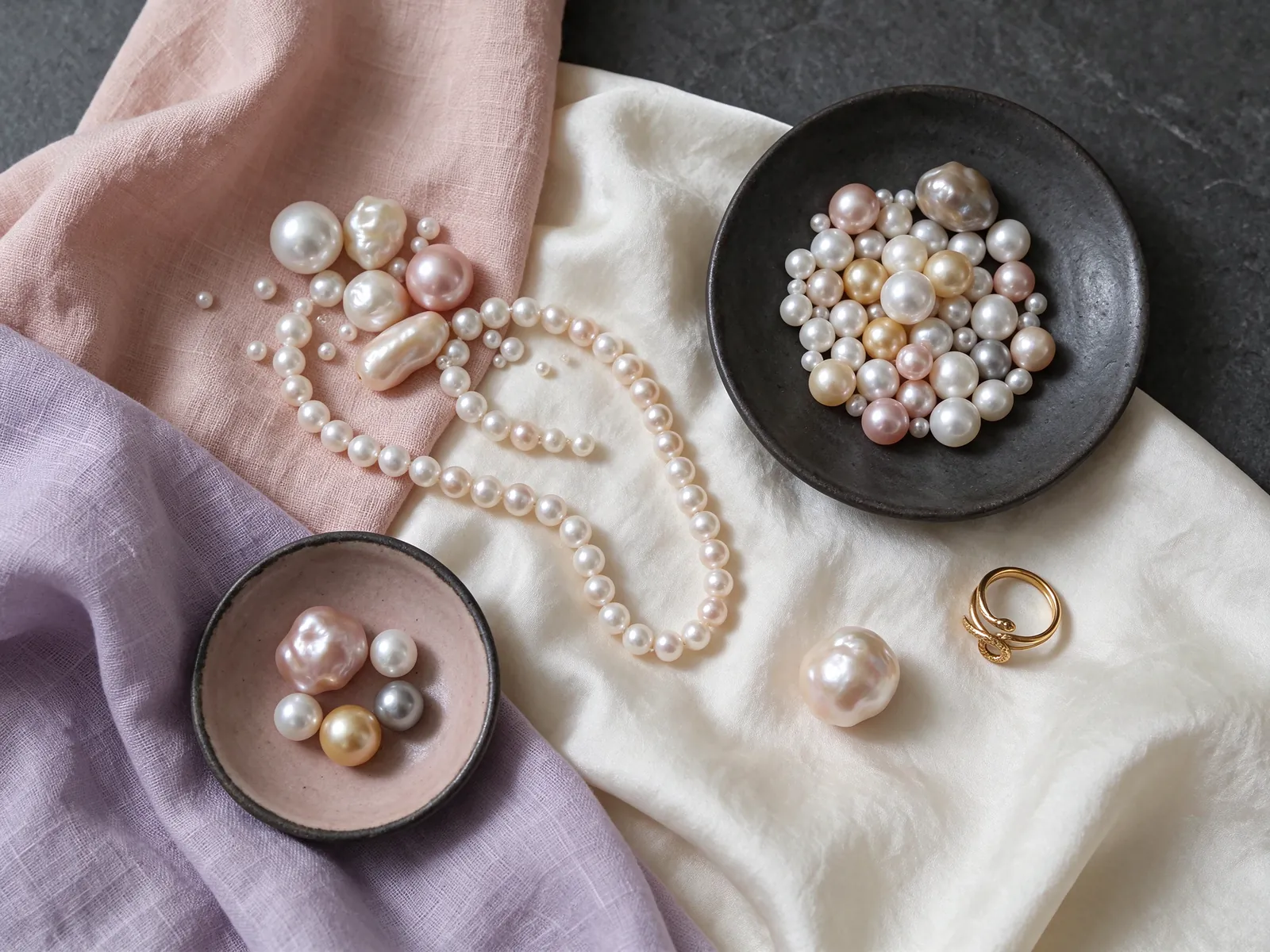
Pink pearls: a patient kind of affection without a role assignment
Patient love can describe family care and close friendship as well as a romantic relationship. A pink impression might recall a parent who takes time to listen or a friend who stays in touch during a busy season. Ask whether the recipient enjoys an overall pink bodycolor or a faint pink overtone on white; these are different visual preferences. If pink rarely appears in their clothes, find out whether a small accent would appeal or whether they prefer jewelry that blends in. An affectionate symbolic phrase is not a reason to choose a color they would avoid wearing.
Set the proposed pink impression beside familiar neutral, rose, lavender, or gray clothing. There is no need for a universal skin-tone formula; look at the real combination near the face. Someone with many pink clothes may prefer a quiet jewelry silhouette, while a neutral wardrobe may give the color room to become a focal detail. The goal is a balance the recipient enjoys, not an instruction that they should look younger, softer, or more traditionally feminine.
How do you keep a pink-pearl note from sounding like an expectation?
Describe the moment that made you think of them: perhaps they let you finish a difficult story without rushing. Avoid telling the recipient that patient love means enduring everything or responding to your gift in a particular way. For someone who prefers a lighter tone, a sentence about remembering their favorite color can be enough. Warmth comes from a recognizable detail, while respect comes from leaving their personality and feelings free.
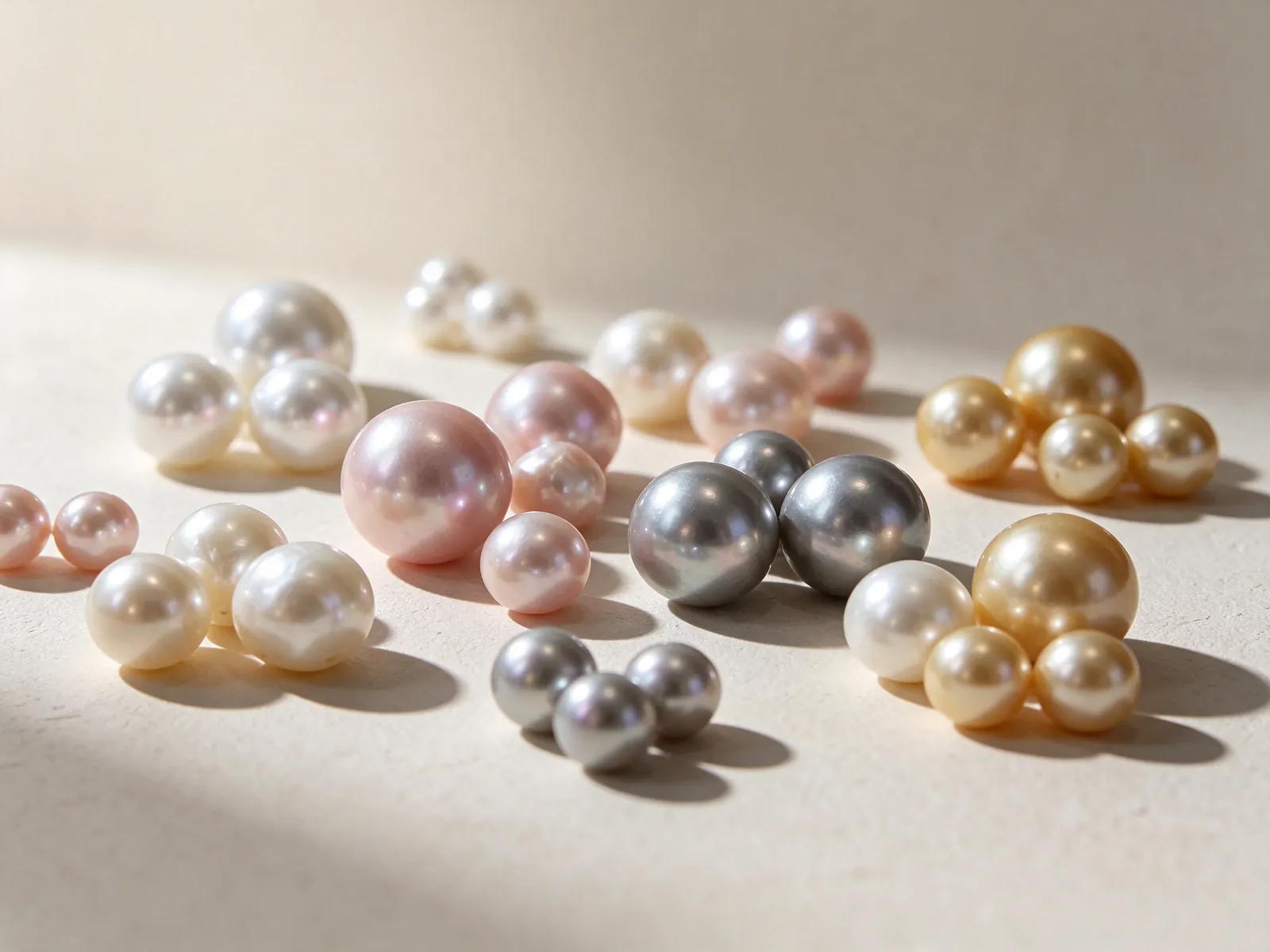
Golden tones can recognize growth without promising wealth
Maturity can mean becoming clearer about one’s own direction, not reaching a required age. For a graduation, a career change, or a personal milestone, a golden tone can accompany a note about what the recipient has learned. When looking at golden pearls, keep this emotional reading separate from identity: color alone cannot confirm that a pearl is a golden South Sea pearl or establish origin, treatment, or certification. Read the actual jewelry description for those facts. A message of confidence and growth is a personal interpretation, not a promise that the gift will create prosperity.
Try the color impression against beige, brown, dark green, and black outfits to see whether it feels harmonious or more prominent. Existing accessories can make the same combination feel busier or calmer. Someone who usually prefers cool colors may still enjoy golden tones against a neutral background. Keep the setting metal and the pearl’s appearance separate when discussing the jewelry: a warm pearl impression does not identify the metal or decide which pairing will work best for the wearer.
What makes a golden-pearl gift thoughtful for Mom?
Mention a choice she has made, a goal she has pursued, or a color she enjoys rather than saying the tone suits her age. You might connect the warmth to her composed approach to a new experience. If she consistently chooses white pearls or unusual shapes, honor that preference instead. A gift feels more attentive when it follows her style than when a symbolic idea asks her to adopt a different image.

Dark pearls: understated strength is not a universal dress code
Quiet strength can be an appealing message for someone whose style favors restraint, but liking dark colors does not prove anything about their character. Use black pearl meaning to frame your appreciation, then make the visual choice separately. A dark pearl can blend into a dark top or stand out against a light one. Ask which effect the recipient prefers. The amount of contrast often matters more to daily wear than choosing the most impressive-sounding words for the card.
Watch the background color, overtones, and reflections as a dark pearl changes angle. Also consider how visible the complete piece will be against the recipient’s familiar necklines. A dark photograph is not evidence of type, origin, or treatment, and darkness is not a quality grade. Luster, surface, shape, and the balance of multiple pearls still matter. If the recipient wants something subdued, describe the intended outfit and amount of contrast. This gives a more useful starting point than assuming that the word black captures every visual and factual detail.
What should come before choosing a color for remembrance?
With remembrance pearl gifts, first consider whether the person would welcome jewelry connected to the memory at all. No color can predict what will feel appropriate or ease grief. For a memorial ceremony, follow the host family’s wishes and relevant local customs rather than substituting a symbolic association for etiquette. An understated outline may support a quiet outfit, but the complete context matters more than treating a dark pearl as an automatic choice.
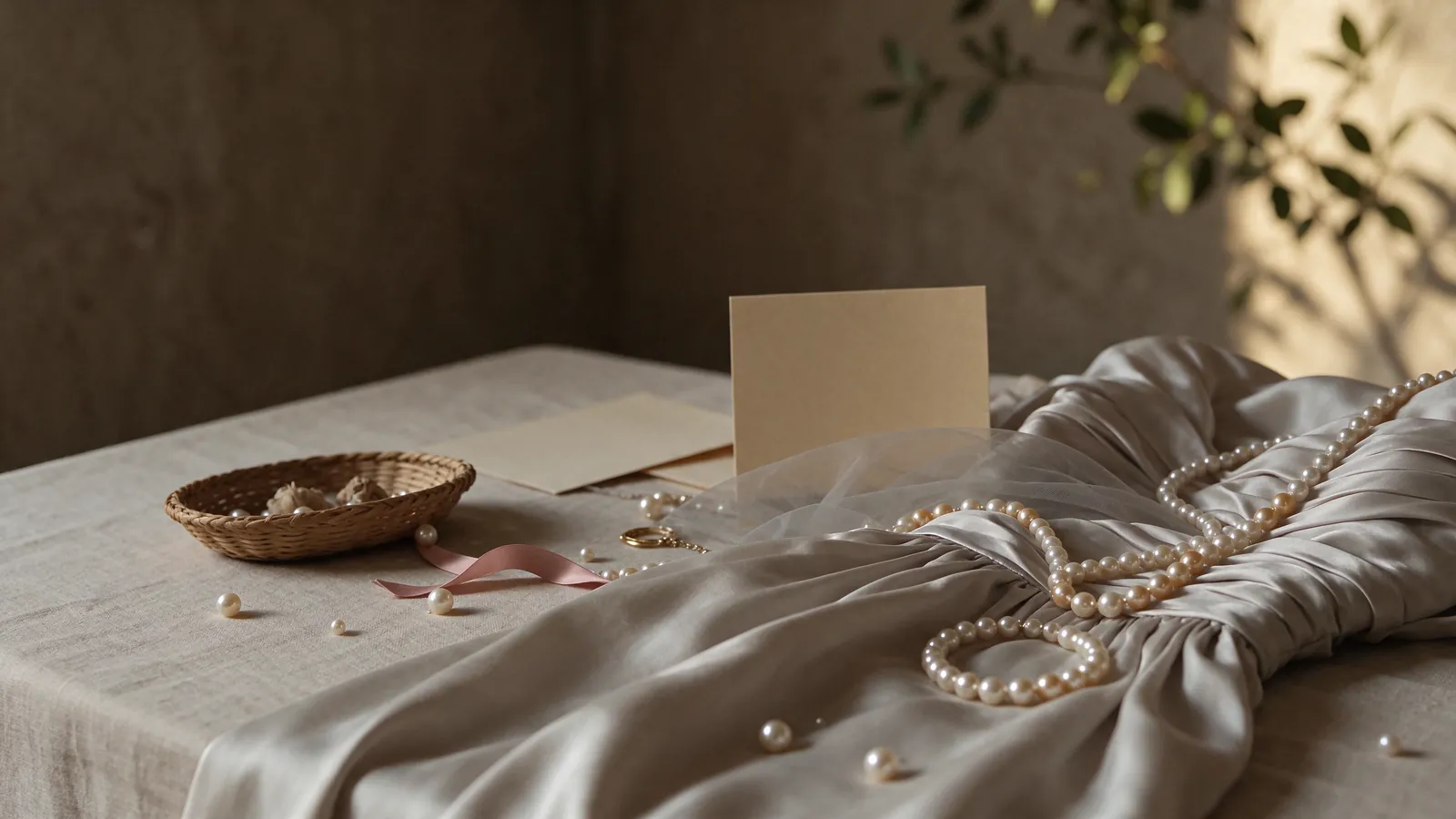
Baroque shapes invite an artistic reading, not a color category
Golden and baroque pearl meanings can be discussed together as gift ideas, but golden names a color impression and baroque names an irregular shape. The American Gem Society describes baroque pearls as irregularly shaped; white or dark appearances can therefore be discussed separately from that outline. A flowing or asymmetric silhouette may evoke artistry without identifying the wearer as an artist. Be specific about both the color effect and the shape you want. The word baroque cannot establish natural-versus-cultured identity, treatment status, or a quality ranking; those details require information about the particular pearl.
An irregular shape may stand out clearly beside a plain shirt, a simple dress, or a tailored jacket. With patterned clothing, check whether the outline and print compete for attention. For earrings, consider how the two sides balance visually and whether the recipient enjoys asymmetry. For a necklace, examine the side view as well as the front. Expressive styling is a reason to enjoy a shape, not proof that irregular pearls are automatically more valuable or better.
How can you explore someone’s interest in an unusual silhouette?
Ask about accessories they already enjoy: asymmetric forms, soft curves, or clean repeated patterns. An interest in handmade-looking objects can be a conversation starter, but it does not settle the choice. Find out whether a gentle irregular outline or a dramatic focal shape appeals to them. On the card, connect the shape to their independent perspective rather than presenting uniqueness as an unsupported claim about a piece’s rarity, origin, or value.

Choose for the person, then write the color story
Before deciding, separate the occasion, the recipient’s wardrobe, the preferred shape, and the message you want to convey. Compare candidate color impressions in similar lighting and with familiar clothes when possible, not only in a gift box. GIA identifies seven pearl value factors: size, shape, color, luster, surface quality, nacre quality, and matching. Matching is considered for jewelry containing two or more pearls. A pleasing association cannot replace that assessment. Read an actual description for what it states instead of treating an image or a symbolic story as evidence for details that are not given.
A June birthday can bring June birthstone pearl meaning into the story without requiring any particular color. Think about June birthstone pearl gifts in relation to the recipient’s favorite outfits and a memory of celebrating together. If birthstones are not important to them, a simple explanation that you remembered their preferred color can be more natural. The useful part of symbolism is its ability to prompt a personal message, not to enforce a calendar-based choice.
When documentation accompanies jewelry, check which pearl it refers to and what identity or treatment information it states. Those findings are separate from pricing, resale value, and a brand guarantee. Seller labels such as AAA or AAAA are not globally standardized GIA grades. You can still prefer a particular color, but discuss that preference separately from the document’s scope. A certificate should not be treated as a promise about the emotional meaning or suitability of the entire gift.
What should the final gift note leave open?
Explain why the color or shape brought the recipient to mind, then leave them free to wear it their own way. Include a real moment rather than a list of positive qualities. If several people are contributing to the gift, agree on a tone that will not confuse friendship with romance. Over time the wearer may attach a different memory to the jewelry. That freedom is part of a thoughtful gift, not a failure of the original meaning.
| Color or shape | Association in the article | Outfit consideration | Gift-note idea | What it does not determine |
|---|---|---|---|---|
| White | Humility and sincerity | View against the actual white or ivory fabric | Appreciate honest advice | A ceremony-only role |
| Pink | Patient love | Compare pink background color and pink overtone | Recall unhurried listening | How the recipient must behave |
| Golden | Maturity | Try warm tones and neutral backgrounds | Celebrate a self-directed milestone | Wealth or pearl identity |
| Black or dark | Quiet strength | Decide between blending and contrast | Recognize steady support | A universal memorial dress code |
| Baroque shape | Artistry | Consider curves, balance, and patterned clothes | Notice an independent viewpoint | A fixed color or quality ranking |
Pearl knowledge and authoritative references
GIA lists seven pearl value factors: size, shape, color, luster, surface quality, nacre quality, and matching. Matching applies to jewelry containing two or more pearls; a color association cannot replace an assessment of the other factors.
Read the reference for this factFrequently asked questions
Can one pearl suggest both sincerity and patient love?
Yes, as a personal interpretation. A white appearance with a pink overtone may inspire both ideas, or your relationship may provide both themes regardless of color. Keep the visual description precise and let the card explain the emotional connection instead of inventing a formal symbolic category.
Is pink an appropriate thank-you gift for a parent?
It can be if the parent enjoys the color. Frame patient love around something specific, such as the time they take to listen, rather than implying romance or a duty to be endlessly patient. Their taste should come before the association.
Can a younger graduate wear golden-colored pearls?
Maturity need not refer to age. It can recognize learning, independence, or becoming clearer about personal goals. If golden tones fit the graduate’s style, the message can celebrate that growth without suggesting wealth or defining who is old enough to wear the color.
Do dark baroque pearls need a serious message?
No. Color and shape can be appreciated for style alone. A dark irregular outline might suit an expressive outfit, and the card can focus on a birthday memory or friendship. Neither darkness nor irregularity obliges the wearer to adopt a solemn meaning.
What if a recipient prefers practical details to symbolism?
Start with where they will wear the jewelry, the clothes it should complement, and the shapes they like. Read the actual description carefully and keep the note simple. Remembering their preferences can make the gift personal without asking them to share a published color interpretation.
Updated: