

How should a platinum pearl pendant sit with your everyday wardrobe, whether a PT900 pearl pendant or a PT950 pearl pendant?
Begin with an outfit you actually repeat, not an imagined special occasion. Notice how much open space a T-shirt, button-down or dress leaves at the neckline. The pearl's silhouette, the detail above it and the chain together determine the focal point. For an understated look, give that arrangement a simple background. If the pendant is meant to lead the outfit, consider reducing competing trim, patterns or other jewelry around the same area.
A PT900 pearl pendant and a PT950 pearl pendant are material directions to discuss after you identify the visual balance you enjoy. Do you prefer a flowing pearl edge or a more clearly defined accent above it? Do your regular earrings and watch already set a particular tone? The single pearl pendant guide helps you consider how one focal point fits those styling preferences before you decide on the pendant material.
How can neckline and chain choices frame a platinum pearl pendant, whether a PT900 pearl pendant or a PT950 pearl pendant?
Check whether the pendant has a definite place above or below the fabric edge. A V-neck can echo the chain's diagonal lines, while a crew neck needs attention to where the pearl lands. For a button-down, consider your normal collar opening. Include sitting and reaching in the picture so the choice is about wearing, not just posing.
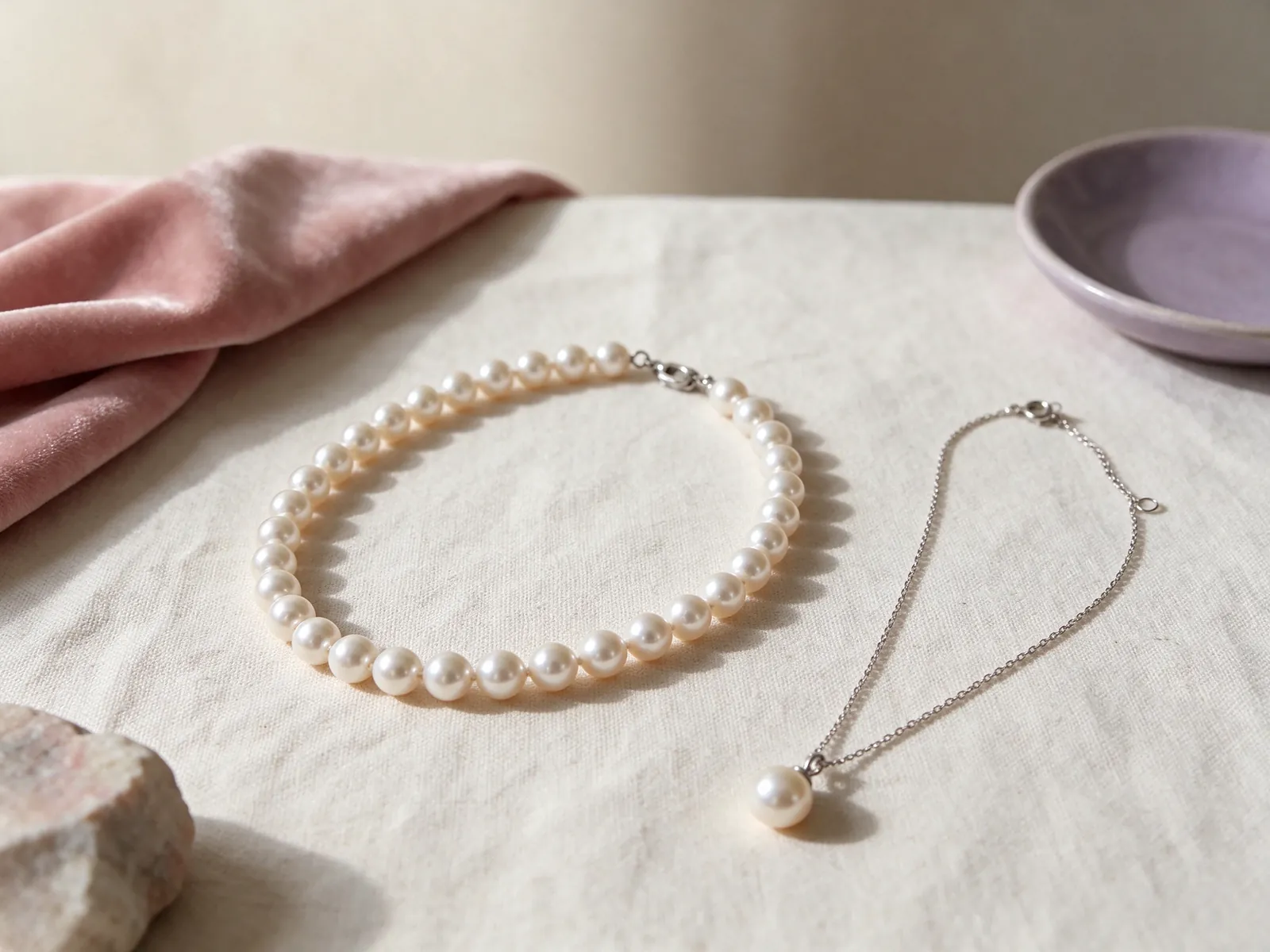
Treat the platinum choice as part of the whole pendant
You can discuss PT900 and PT950 as platinum options with Flint Jewelry. The customization material options are 18K 750 white gold, 18K 750 yellow gold, 18K 750 rose gold, PT950 platinum, and PT900 platinum; this page focuses on the platinum direction. Make that conversation specific by including the outline, the connection and the intended chain pairing. A request for a delicate effect might mean keeping the metal detail visually restrained; a request for a defined focal point might place more emphasis above the pearl. Explain which result appeals to you instead of expecting the material name to describe the entire design.
When the metal tone is still undecided, consider the styling questions around an 18K gold pearl pendant alongside your platinum idea. Use your regular clothing as the comparison: warm neutrals, crisp white shirts and dark jackets provide different backgrounds. This is a way to clarify your preference, not to rank one metal as the answer for every wearer. Keep the chosen shape, the proposed material and any existing chain as three related but distinct decisions.
Explain what you want to keep from your current routine
If you love the position of a necklace you own, say what makes it useful. Perhaps it clears a shirt collar or provides a small accent over a plain top. Mention scarves and layered necklaces too. These details help frame the design conversation around your habits rather than an abstract idea of a perfect pendant.

Use Tide · Stillwater to understand the balance of details
The Flint Tide · Stillwater Necklace combines a white baroque pearl with a round bezel-set diamond above it. The pearl supplies an uneven, flowing edge, while the upper detail creates a crisp circular point of light. You can use this relationship to explain what you would enjoy in a platinum pendant design: a pearl-led composition, a distinct upper accent or a restrained vertical arrangement against a simple neckline.
Tide · Stillwater lists diamonds of 0.03ct, a white baroque pearl approximately 7–8mm and a chain length of 45 centimeters. These details belong to that design and do not establish a common specification for platinum pearl pendants. Its visual arrangement is the example here; the platinum material is a separate discussion. Compare a close-up with the overall neckline in mind, because texture shown at close range is not the same as scale within an outfit.
Separate your shape preference from a quality assessment
An irregular outline can be a feature you actively prefer. GIA describes seven pearl quality factors: size, shape, color, luster, surface quality, nacre quality, and matching. For a single pendant, look separately at the contour you like, the appearance of luster, and the surface; when pairing it with other pearl jewelry, consider visual coordination too. Shape alone is not a complete assessment, and these factors are not a certificate or grade for an individual piece.

Plan the drop and connection together
The same chain length can sit differently on two people because neck proportions, pendant drop and clothing all contribute to the result. The 45-centimeter length listed for Tide · Stillwater is not a universal placement rule. Try a familiar necklace with the top you wear most and note where it falls. Describe the position in relation to the collar or neckline rather than relying only on a length measurement.
If an existing chain is marked PT850, the PT850 pearl pendant necklace comparison provides a way to organize questions about that piece. The chain's marking and the proposed pendant material should be read separately. Its end, clasp and the pendant opening also matter to the connection. On this page, platinum design discussions concern PT900 and PT950; identifying a chain marking is not enough to determine how a complete necklace should be put together.
Make layering a spacing decision
If you plan to add another necklace, give each level a distinct position and observe what happens when you move. Two pendants at the same spot can obscure each other or make contact. A simple second chain may supply the contrast you want without adding another focal point. Keep the pearl's outline easy to read.
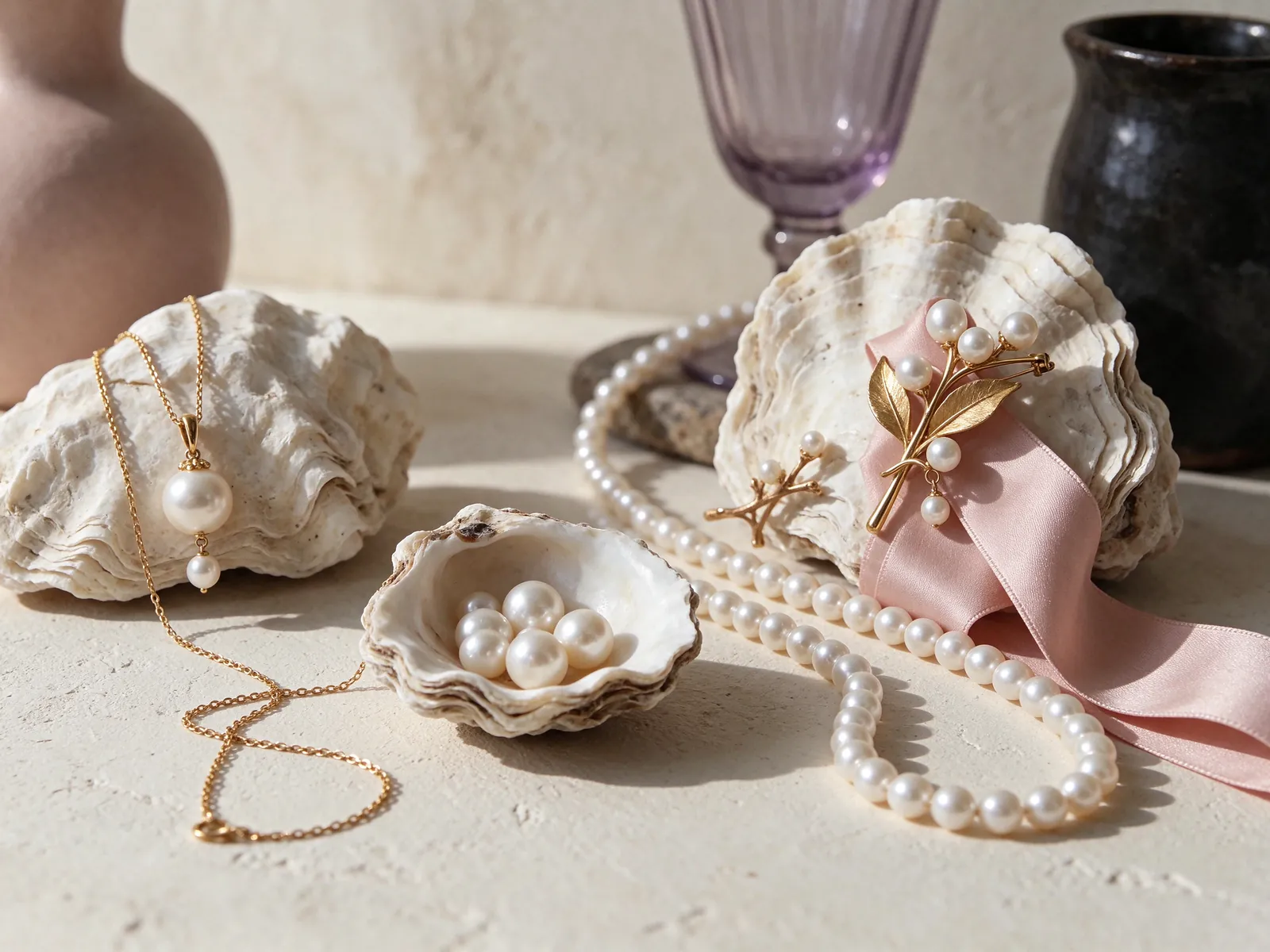
Choose the visual language before narrowing the motif
A platinum idea can still leave room for different design languages. Reading about a ribbon pearl pendant may help you describe soft turns and lines that guide the eye toward the pearl. A flower pearl pendant invites a different question: how prominent should a recognizable motif be beside the pearl itself? Consider those ideas against the same outfit so that background, lighting and framing do not become the deciding factors.
A search for a silver pearl pendant may reflect a liking for a white-metal look, a particular shape or both. Work out which part attracted you before moving to a platinum discussion. Photographs with similar tones do not prove that the materials, connections or construction are the same. A comparison is most useful when it helps you name your preference, rather than treating every visually similar pendant as an equivalent choice.
Check the pearl against a familiar background
A white pearl's outline is easier to distinguish against a plain dark garment. A light garment can place more attention on texture and the small accent above it. Busy prints or folds may compete with the contour. Start with a simple top, identify what you like, then consider whether those features remain visible with your other clothes.
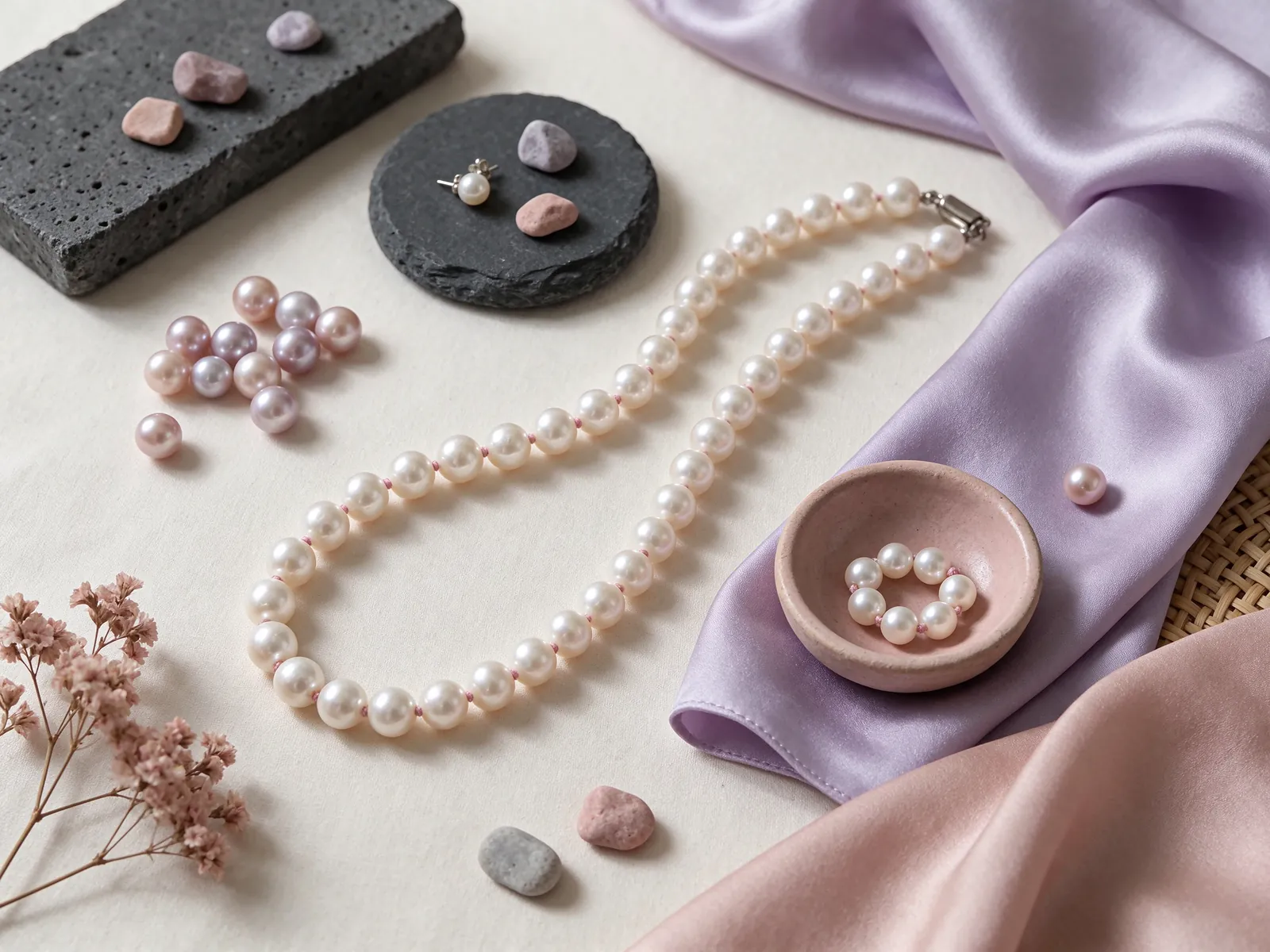
Prepare a customization conversation around real use
A useful brief for Flint Jewelry includes your usual neckline, the pendant position you prefer and the contour you want to emphasize. Explain whether the piece is intended as a regular outfit accent or something you would wear with a particular style of clothing. Words such as elegant or minimal can mean different things; a clear description of the balance between pearl, upper detail and chain makes those preferences easier to discuss.
If the pendant is a gift, look at the recipient's existing habits before guessing what they might wear. Do they regularly wear necklaces, choose patterned tops or keep jewelry inside a collar? Your idea can express a mood without assuming a particular fit. Bring any specific concerns about materials into the conversation directly. The name platinum alone does not establish comfort for every individual or answer every sensitivity question.
Bring images that show placement and connections
A front view of a familiar neckline explains the intended position better than a cropped jewelry image alone. If you hope to use an existing chain, show its end and clasp clearly. Use photographs to describe lines and placement, not to infer pearl identity or metal details. Then discuss the PT900 or PT950 direction with Flint on WhatsApp.

Use care methods that respect the pearl component
A platinum setting does not remove the need for pearl-specific care. GIA lists pearl at 2.5 on the Mohs hardness scale and says pearls should never be cleaned in ultrasonic or steam cleaners. After wearing the necklace, gently wipe it with a very soft, clean cloth. Store the pearl away from pieces that might rub or scratch it instead of piling chains and pendants together on its surface.
Keep perfume, hair spray, acids and excessive heat away from the pearl. Put the necklace on after fragrance and hair preparations, and take it off before using household cleaning products. If the clasp, connection or pearl attachment appears unusual, avoid pulling it to test its strength or trying a home adhesive. Stop wearing the piece and explain what you noticed so the concern can be discussed without unnecessary additional contact.
Organize the chain before putting it away
Lay the chain in an orderly way so it does not tangle with other jewelry or gather against the pearl. A separate soft space is useful when packing for travel. Whenever you seek advice about cleaning the metal part, mention that the necklace includes a pearl before considering a process for the whole piece. Ready to explore how these preferences could shape your platinum pendant design? Discuss your PT900 or PT950 direction with Flint Jewelry on WhatsApp at +85260106207.
| Choice | Visual or practical focus | Everyday context | Helpful preparation | Question to discuss |
|---|---|---|---|---|
| PT900 or PT950 | Material within the complete design | Matching regularly worn jewelry | Describe the tones and lines you enjoy | Which components belong in the material discussion? |
| Pearl silhouette | Outline, texture and the upper accent | A plain top or a detailed neckline | Identify a preferred contour | Which feature should draw attention first? |
| Pendant drop | Position relative to the collar | Sitting, turning and normal movement | Compare a necklace you already wear | Where should the pearl sit with your usual clothes? |
| Chain pairing | The end, clasp and pendant opening | Keeping an existing chain | Photograph the connection details | How should the full arrangement be considered? |
| Care routine | Methods appropriate for the pearl | Wearing, storage and travel | Describe your normal routine | How can chemical contact and rubbing be avoided? |
Pearl knowledge and authoritative references
GIA describes seven pearl quality factors: size, shape, color, luster, surface quality, nacre quality, and matching. Shape is only one consideration for a platinum pearl pendant; a metal name or an outline photograph does not replace quality information about the individual pearl.
Read the reference for this factFrequently asked questions
Does this page identify Tide · Stillwater as an existing platinum configuration?
No. The necklace illustrates the arrangement of a white baroque pearl below a round bezel-set diamond, with a fine chain framing the drop. PT900 or PT950 is a separate material direction to discuss with Flint, together with the intended chain pairing.
Should I choose my pendant position only from a chain length?
Use the length together with the neckline, your proportions and the pendant's own drop. A familiar necklace can show the position you actually enjoy. Describe that placement with your usual clothing rather than assuming a measurement creates the same fit for everyone.
How can I keep an irregular pearl visible with a patterned shirt?
Look for an area where the outline remains clear and does not merge with trim or folds. Reduce competing jewelry near the neckline if necessary. Comparing the idea first with a plain top helps you identify which contours you want to keep visible against the pattern.
What should I show if I want to keep my current chain?
Provide clear views of the chain end, clasp and connection area, along with a description of how you normally wear it. A material marking alone cannot show how the parts fit together. Discuss the existing chain separately from the PT900 or PT950 pendant direction.
Can I clean the entire pendant the way I clean a metal-only necklace?
Do not assume a metal-only cleaning method is suitable for a pearl pendant. GIA says pearls should never be cleaned with ultrasonic or steam cleaners. Routine care uses a very soft, clean cloth after wearing, with perfume, acids and excessive heat kept away from the pearl.
Updated: