
How can coming of age pearl gifts reflect the recipient’s style, whether they are 18th birthday pearl gifts or 21st birthday pearl gifts?
Picture the recipient getting ready for a regular day, not only posing for a birthday photo. Do they reach for a clean-lined top and a single accessory, or combine several colors, textures and statement details? Those choices are a better starting point than assumptions about what turning eighteen or twenty-one should look like. The pearl gift guide can help you organize the occasion, the relationship and the person’s preferences as separate parts of the decision.
Look for practical patterns as well as visual ones. Someone may wear earrings often but avoid necklaces, or enjoy jewelry on weekends while leaving it off during classes and activities. If they rarely wear any, ask why without implying they should change. Their reason could be an awkward closure, dislike of movement against the skin or a preference for minimal accessories. A thoughtful gift responds to those habits instead of trying to replace them.
For coming of age pearl gifts, should 18th birthday pearl gifts and 21st birthday pearl gifts suit everyday outfits or special occasions?
Compare a jewelry idea with two outfits the recipient already enjoys and one outfit for the celebration. A patterned neckline may compete with a pendant, while a shirt collar may partly conceal it. Earrings should be considered with the way the recipient actually wears their hair. Everyday versatility is helpful when regular wear is the goal. A more occasional piece is equally reasonable if the recipient specifically enjoys dressing up and wants jewelry for those moments.
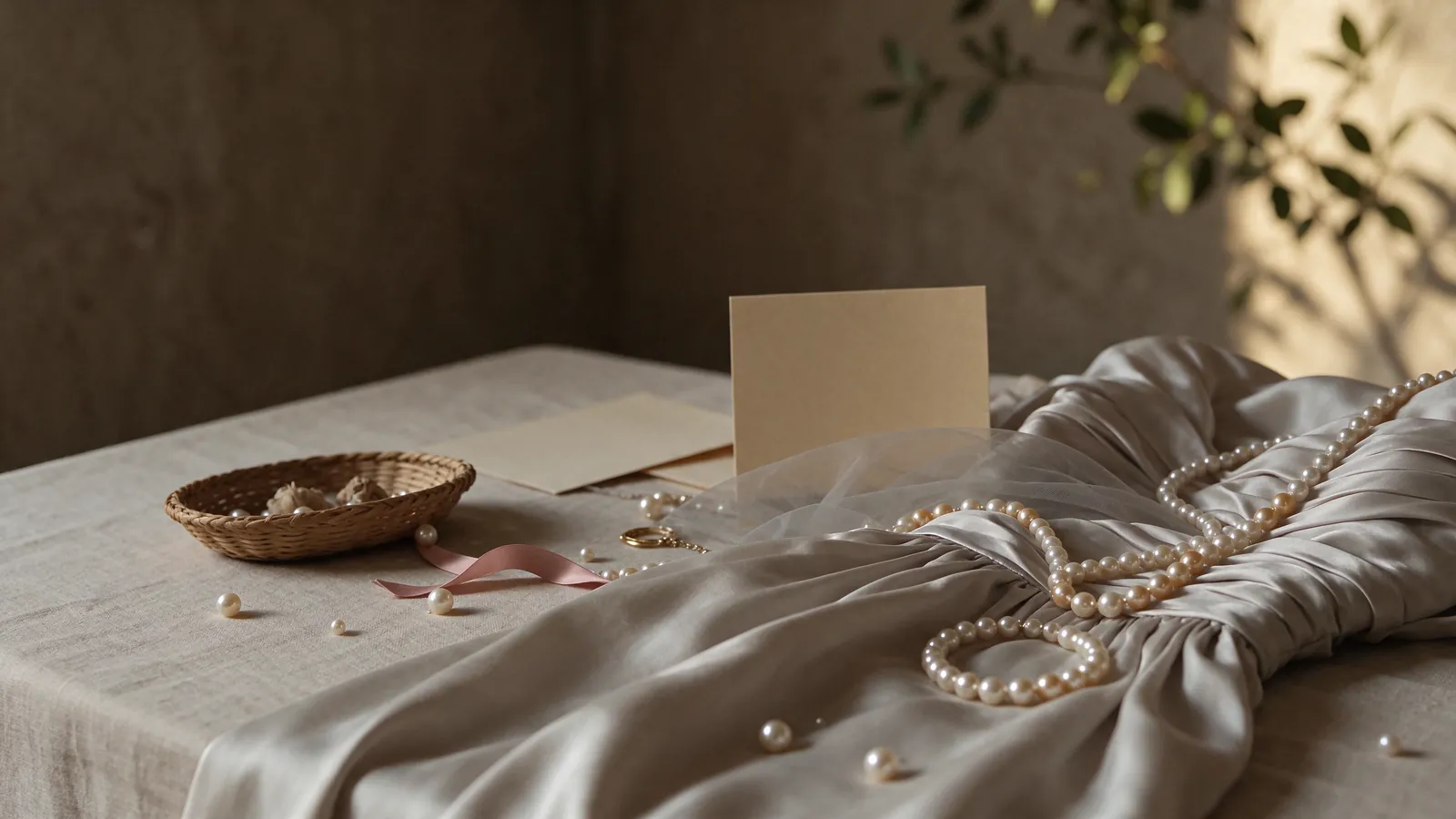
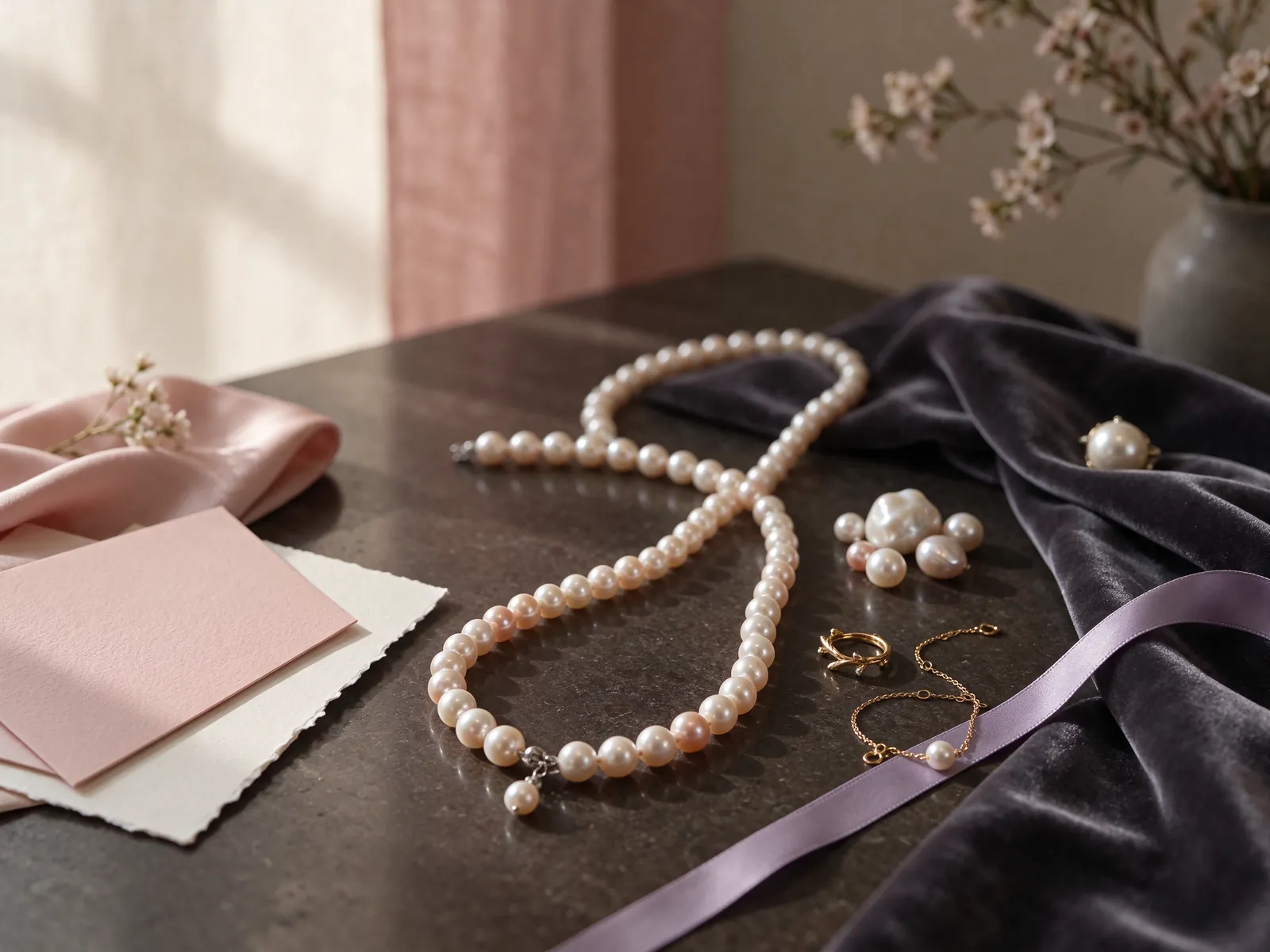
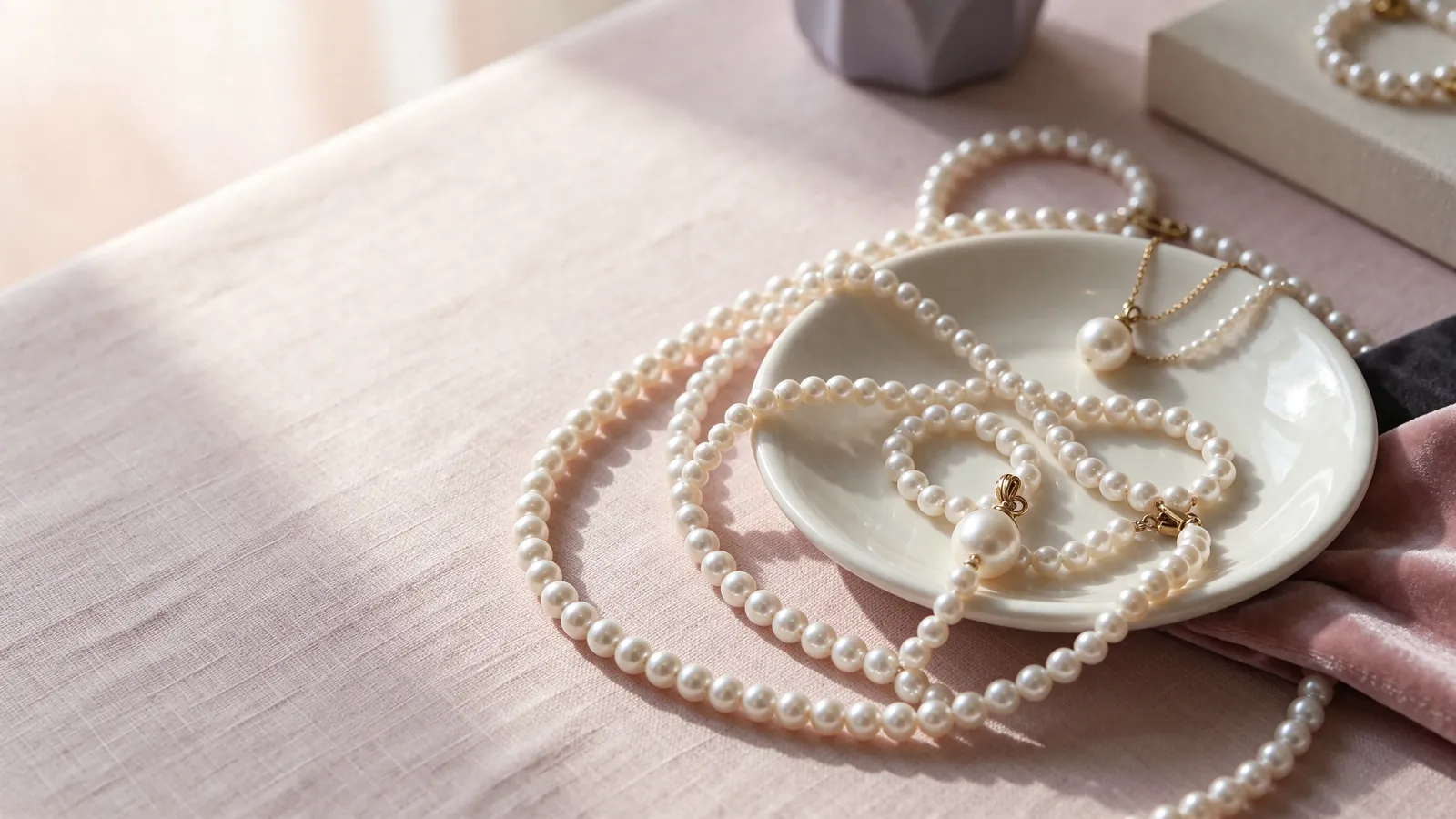
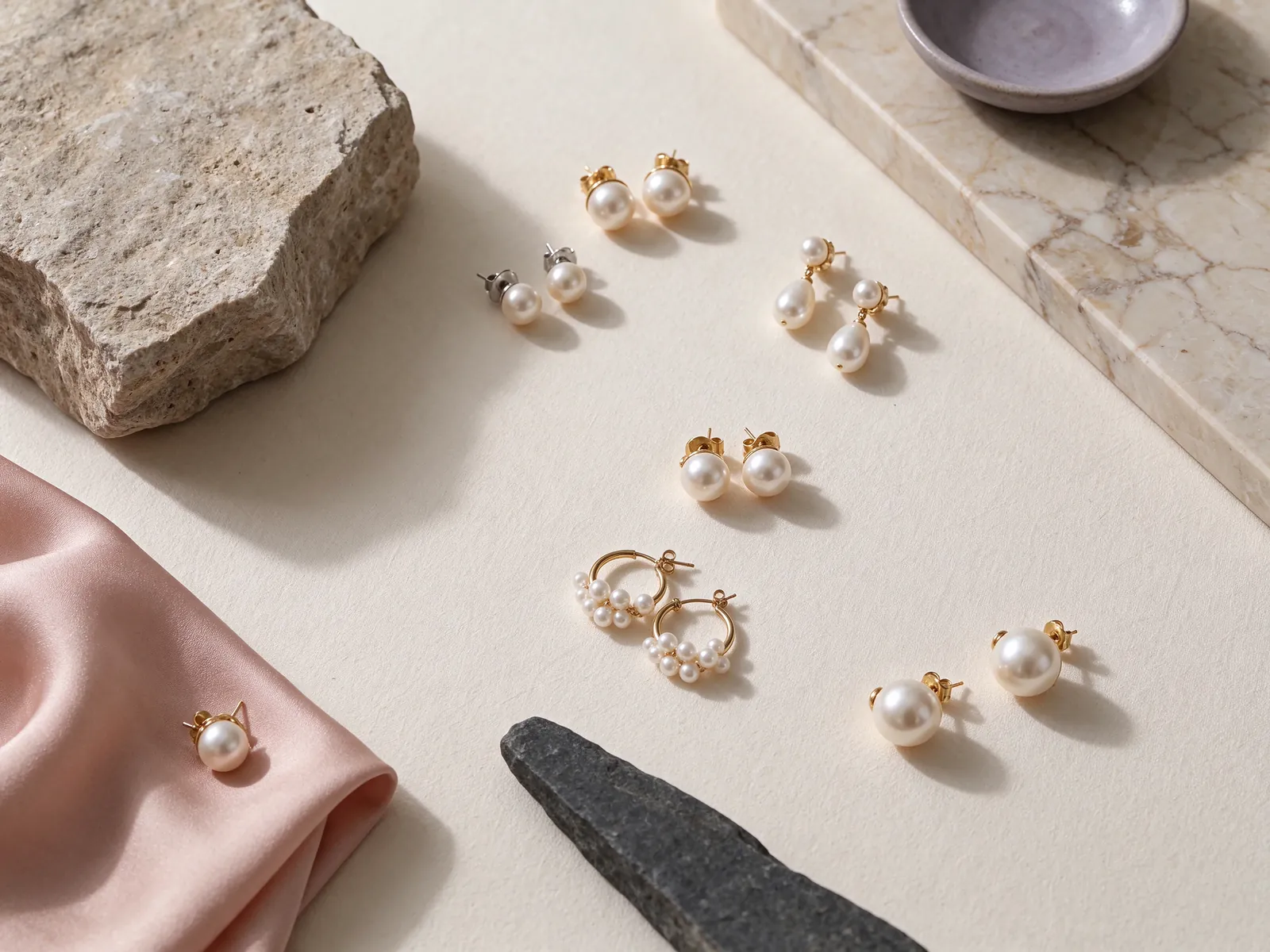
Use existing accessories to understand color preferences as well as placement. Does the recipient like an overall bright look, a soft palette or a noticeable contrast? Consider those preferences beside clothes they already enjoy rather than choosing by age or gender. Editorial images can support a discussion of outline and styling, but they cannot establish pearl type, origin, dimensions or whether a design is available.
Celebrate the person’s next chapter without scripting it
For an eighteenth birthday, a message about a real change can feel more personal than announcing that adult life has officially begun. Perhaps the recipient has become more confident, tried a new subject or taken responsibility for something important to them. A pearl birthday gift can mark that growth with a note about what you noticed. Keep the emphasis on their experience rather than a checklist of achievements they are supposed to complete next.
A twenty-first birthday may invite reflection, but it does not mean everyone has the same education, work or relationship plans. In this guide, eighteen and twenty-one are personal birthday milestones rather than universal legal adulthood boundaries. Some recipients enjoy a clear birthday reference; others prefer a message about your connection or their individuality. Ask what the occasion means to them, and leave space for a future they are still discovering.
Parents can honor growth while respecting personal style
A parent considering pearl gifts for daughter can explain why the birthday matters while letting the daughter set the style direction. Ask about favorite jewelry and details she would avoid, rather than describing pearls as a requirement to look grown-up or feminine. You can keep the note private until the day even when the category is chosen together. That combination preserves a meaningful surprise without making the recipient’s independence feel secondary to family expectations.
If the intention is a family keepsake, separate the story you wish to tell from decisions about wearing the jewelry. Keep the birthday memory in the note and let the recipient shape the style conversation. There is no need to ask for a promise of lifelong ownership or constant wear. For someone still exploring their preferences, identifying unwanted details can be easier than naming a perfect design on the spot.
Match the jewelry placement to the recipient’s routine
Start with a category the recipient finds comfortable. Before considering earrings, ask about piercings and their usual closures; a gift should not imply an obligation to get pierced. For a necklace or pendant, consider familiar necklines, existing layers and contact from scarves or bag straps. Ask separately about chain length and where the pendant would hang. If convenient, a necklace they already enjoy wearing can be a styling reference. Do not assume that a position in a photograph corresponds to the same length or fit on everyone.
Bracelets offer a detail the wearer can see easily, but desk work, sleeves and bag openings may affect the experience. Ask whether jewelry at the wrist is welcome, especially for someone who types or writes often. If a birthday dinner calls for a coordinated look, formal pearl jewelry sets can help explain the relationship between earrings and a necklace. Use that as a styling idea, not a reason to buy several pieces when one would suit the recipient better.
Test ordinary movements, not just the front view
Consider the closure, back and moving elements of a design alongside its appearance. Would the recipient be comfortable fastening it alone? Could it catch in hair, press against a sleeve or sit under a collar? A clear description of these daily interactions makes the choice more useful than deciding whether something looks sufficiently ceremonial. If there are unanswered practical questions, agree on the placement first and involve the recipient in the finer details.
Birthday age does not provide a universal size for a necklace or bracelet. You can keep the message a surprise while inviting the recipient to decide the fit and closure. If an adjustment would be useful, discuss the actual design and its construction before making plans. Extending a chain, changing a clasp or altering a bracelet are different tasks; their feasibility and any arrangements need to be discussed, not presumed to apply to every piece.

Use pearl quality information to ask better questions
GIA describes seven pearl value factors: size, shape, color, luster, surface quality, nacre quality and matching. Matching applies to the relationship between pearls in jewelry with two or more pearls. The pearl grading guide helps turn those factors into useful questions, rather than making the largest or roundest appearance the entire decision. Commercial AAA or AAAA labels are not a globally standardized or GIA scale. The same letters used by two sellers are not enough to establish equal quality.
Keep lighting comparable when looking at visual qualities. Notice the brightness and definition of reflections, the location of surface features and coordination within earrings or a multi-pearl design. Luster and surface quality are distinct factors, so an apparently smooth surface does not decide every aspect of quality. Photography can change these impressions through angle, background and illumination. An editorial picture does not establish a product grade, while shape or color alone cannot prove origin or natural-versus-cultured identity. Read the actual description or documentation for those details.
Connect quality questions to the chosen design
If the recipient wants earrings, coordination between the two sides may be especially noticeable. With a single pendant, attention may fall more on its outline and how it relates to the chain and neckline. A preference for a regular shape or a varied silhouette is a style decision, not proof of origin. GIA’s educational material is a tool for understanding terminology; it is not an endorsement of a brand or evidence that a particular gift includes GIA documentation.
Check what a pearl report actually records
GIA’s pearl services explain that reports can provide identity information such as natural or cultured status, the formation environment and treatment information. Quality classification content depends on the selected report service. If documentation is supplied with a gift, start with the report type and number, then check the pearl quantity, photograph and description against the jewelry under consideration. A document belonging to another piece cannot establish the identity of the gift you are choosing.
Read identity, quality descriptions, price and service terms as separate matters. A report should be understood through its actual findings, not simply through the word certificate. It is not a guarantee that a keepsake will gain value or a warranty covering the whole piece of jewelry. Keep any documents actually received with the birthday note so the recipient can refer to them later, without assuming that a Flint design includes a GIA or other laboratory report.
Give overlapping birthdays and graduations their own messages
If a milestone birthday is close to graduation, decide what you most want the gift to remember. You might celebrate the person’s individuality on the birthday and recognize their effort at graduation. The perspective on pearl graduation gifts can help distinguish those messages when both events matter. Avoid treating the present as a statement that the recipient’s entire future is already settled. Two sincere wishes are clearer than one broad message trying to cover every possible next step.
For a family gathering or photo, start with clothing the recipient feels good in. If the outfit has a detailed neckline, a single accent elsewhere may be enough; a simple outfit may give jewelry more room visually. Do not expect them to change their outfit for the gift or wear it as soon as it is opened. They may prefer to explore styling privately or save it for a different occasion, and that choice can be respected.
A personal note can carry the meaning without a symbolic guarantee
Describe one memory, a brave choice or a quality you genuinely admire. Follow it with a wish that leaves the recipient free to move at their own pace. Adding the birthday date and your name gives the note a clear connection to the occasion. You may share what pearls mean to you culturally or personally, but do not promise that jewelry will bring health, money, luck or relationship security. Its meaning can come from your relationship and the story you tell.
If one present celebrates both events, write a specific birthday wish and a specific graduation wish rather than treating them as identical achievements. A date and a true memory can preserve the connection without imposing a permanent jewelry detail the recipient has not chosen. The message can stay meaningful even as their outfits or preferred way of wearing the gift change.

Make pearl care approachable for a new wearer
A first pearl gift is a good opportunity to share a short, usable care routine. GIA gives pearl a Mohs hardness of 2.5, which helps explain the need to avoid rubbing against harder items. Hardness does not describe every possible damage risk. Encourage the recipient to wipe pearls gently with a very soft, clean cloth after wearing and to keep them separate from other jewelry in storage, rather than presenting care as an overwhelming collection of rules.
Keep pearls away from perfume, hair spray, acids and excessive heat; never clean them with ultrasonic or steam equipment. For cleaning beyond gentle wiping, consider the whole piece, including string, adhesive, settings and metal. A mild cleaning method does not mean every design can be soaked, and prolonged soaking should be avoided. If a string becomes wet, it must dry completely before wearing. The pearl care guide supports an easy routine: finish cosmetics and sprays before putting jewelry on, and remove it before unsuitable activities.
Link the reminder to real habits
Someone living in a dorm or moving between home and school may benefit from a concise reminder about wiping, separate storage and keeping sprays away. A recipient who enjoys sports can build a habit of removing jewelry before activity. If a clasp loosens or the condition of a string changes, stop wearing the item and seek advice about the specific issue. Sensible care aims to reduce avoidable risk; it cannot guarantee that jewelry will never be damaged.
Explain when routine care is no longer enough. A loose pearl, deteriorating string or clasp that does not close correctly is a reason to stop wearing the piece and retain any detached components. Repair, restringing and replacement matching require assessment of the actual condition, and an identical substitute for a lost pearl cannot be assumed. Avoid promises of free work, a fixed completion time, guaranteed repair results, reversible yellowing or luster that never changes.

Choose a comfortable budget and a suitable level of surprise
Choose an overall budget that feels comfortable before comparing designs. The pearl gifts by budget approach can help prioritize a jewelry category the recipient will actually use, then refine the appearance and styling needs. Describe favorite necklines, overall color preferences and existing accessories, and say whether ordinary outfits or occasional dressing up are the focus. Everyday suitability does not require everyday wear. A clear set of priorities is more useful than treating spending as a measure of affection or following a supposed birthday spending rule.
A surprise can be a private message rather than a guess about every jewelry detail. Where preferences are uncertain, give the note first and choose together. When contacting Flint Jewelry on WhatsApp, describe the birthday, the recipient’s wearing habits and a comfortable budget to begin a concrete design and quotation discussion. Costs, timing and arrangements should be addressed in that conversation. Mentioning the date of a celebration is not itself a confirmed delivery commitment or a promise that a particular design can be supplied.
Leave the recipient free to make the gift their own
At the handover, share why you thought of pearls and what you wanted to celebrate. Then allow the recipient to find the wearing occasions and combinations that feel natural. Different preferences do not erase your affection, and openly discussing them need not spoil the gift. A keepsake can develop significance over time without immediate try-on, a fixed outfit or daily wear being a test of appreciation. That freedom is a fitting part of a coming-of-age gesture.
| Everyday situation | Question to ask | Jewelry direction | Outfit consideration | Presentation idea |
|---|---|---|---|---|
| Simple tops and denim | Where do they enjoy an accent? | A single focal point | Check the neckline’s visual space | Describe the familiar style behind the choice |
| Earrings are a regular favorite | Which piercings and closures do they use? | Consider their usual hair styling | Look at hair both up and down | Confirm wearability before preserving the surprise |
| Long periods at a desk | Do they like anything around the wrist? | Compare bracelet and other placements | Think about sleeves and surface contact | Prioritize practical comfort |
| Graduation near the birthday | Which occasion should the gift remember? | A style with a role beyond the event | Balance photo outfits and ordinary clothes | Write distinct wishes for the two milestones |
| Taste is not yet clear | Which details do they avoid? | Choose the category together first | Start with clothes they already love | Surprise them with the message rather than every detail |
| Saving information about the gift | Report type and the pearls recorded | Keep documents actually received | Editorial photos explain styling, not identity | Date the note without treating documentation as a value guarantee |
Pearl knowledge and authoritative references
GIA describes seven pearl value factors: size, shape, color, luster, surface quality, nacre quality and matching. Matching concerns jewelry containing two or more pearls. This framework helps a gift giver ask more useful questions than whether a pearl looks large or round.
Read the reference for this factFrequently asked questions
Is there a required pearl style for an eighteenth or twenty-first birthday?
No. Those ages can be personal milestones without dictating a shape, size or level of formality. Use the recipient’s taste and routine to guide the choice, and update the direction only if those preferences have changed.
Can I give earrings if I am unsure about the recipient’s piercings?
Find out first, including the fastening they prefer. Do not make a piercing an assumed obligation attached to the gift. If you cannot establish those details, consider another placement or invite the recipient to select the jewelry with you.
Would one pearl piece seem insufficient for a coming-of-age gift?
The number of pieces does not measure the thought behind the gift. One item suited to the recipient’s habits can be a better fit than a coordinated group they would rarely wear. A set is a preference, not a milestone requirement.
Can I identify a pearl’s origin from its shape or color?
Neither shape nor color alone establishes origin or natural-versus-cultured identity. Read the actual description or relevant documentation if those details influence your choice, and remember that photography can alter visual impressions.
How can I keep a surprise when the recipient wants to choose the jewelry?
Let them help with the category and practical details, while keeping a personal note or the presentation private until the birthday. Shared selection can respect their taste without losing the warmth of an unexpected message.
Does a laboratory pearl report also guarantee the gift’s price or warranty?
No. Different services record different identity and quality information. Read the document and check that its photograph and description correspond to the jewelry being considered. Purchase price and aftercare terms are separate. A report does not guarantee future value, and no laboratory documentation or particular warranty is implied for a Flint design.
Updated: