

Why does condition matter when discussing a pearl necklace restringing service, a pearl rethreading service or pearl bracelet restringing?
Identify the change before deciding what work to request. Perhaps the necklace sits lower, the section beside the clasp feels loose, or thread has become visibly fuzzy. Place it on a clean, soft surface and record what you can see without pulling it taut. Stop wearing a piece with frayed thread, slipping pearls or an unreliable clasp. Note whether the change followed a snag, repeated wear or the first use after a long time in storage.
Understanding when to restring a pearl necklace means considering its condition and use rather than assigning every strand the same deadline. WSP’s pearl care article recommends considering restringing when thread feels loose or stretched and cautions against pulling a strand. This is care advice, not a Flint Jewelry service interval. Explain whether new gaps are spread along the necklace or concentrated near one connection. A photograph from before the change can show the original spacing, and a description of wearing habits helps give that comparison context.
Which thread, knot and clasp details help guide an inquiry about a pearl necklace restringing service or pearl rethreading service for pearl bracelet restringing?
Show the full sequence, each end connection and the area of concern in photographs taken in gentle light. Describe thread wear, shifted knots and clasp behavior separately, including any visible chip or crack at a hole. Do not pick at the thread inside a pearl or repeatedly operate a faulty clasp for a photograph. Images can locate a problem and record the arrangement, but cannot establish pearl identity, grade or the condition inside a hole. A stringing choice still requires attention to the whole construction.

Preserve the original sequence before discussing new thread
Start by identifying what you want to preserve: pearl sequence, spacing, knot positions or a familiar curve when worn. Some strands have knots between pearls; others use spacers or a different combination of elements. Knots can keep neighboring pearls apart, but adding or changing them may alter length and flexibility. They do not guarantee that every pearl will be retained if thread breaks. Explain the appearance you value before choosing a new method, rather than assuming that knotting every pearl is suitable for every design.
Thread choice needs to work with the holes, end attachments, strand weight and movement, not just a preferred thread color. Photographs alone may not identify the original stringing material, and another material should not be assumed to fit directly. Instead of asking for the tightest possible strand, describe both the looseness you see and the drape you want. Keep spacers, attached elements and remaining intact thread with the piece. Taking it apart before an inquiry can remove useful clues about the original arrangement.
Record sentimental details without marking the pearls
For a meaningful or inherited necklace, photograph both sides and indicate the front-facing center on the image without marking the pearls. Note which color transitions, spacers and clasp position matter to you. Pearl Jewelry offers a broader styling context for describing these preferences. The images on this page are care and styling illustrations; they do not identify or grade the pearls in your strand, and do not establish that matching replacement pearls are available. Discuss the desired sequence with the condition of the components that remain.

Translate a length preference into a wearing position
Separate a necklace that has become loose from a request to change its style. Describe where the strand used to fall and where you want it to sit with your usual clothing. A crew neckline, an open shirt collar and a layered outfit each give useful context. Simply asking for a shorter necklace leaves out how the clasp, knots and pearl order contribute to the position and curve of the finished arrangement.
To communicate length, lay the necklace flat without stretching it and note whether your measurement includes the clasp. Use the same method for another necklace offered as a comparison. A former wearing image or a photograph of your usual neckline can explain the intended position; do not put on a strand with damaged thread for a new picture. Shortening may change the pearl count or center arrangement. Lengthening cannot be assumed to preserve the same proportions simply by using more thread. Identify which components you want to keep before discussing either option.
Layering requires room for movement
Tell the assessor whether another necklace's clasp meets this one or whether a pendant rubs against the pearls. The layered effect seen while standing still may change when you turn, bend or adjust a collar. Address thread concerns before testing the strand with other jewelry. A request for extra length also needs to consider the existing pearl count and components; a new proportion should not be assumed possible merely by adding more thread.
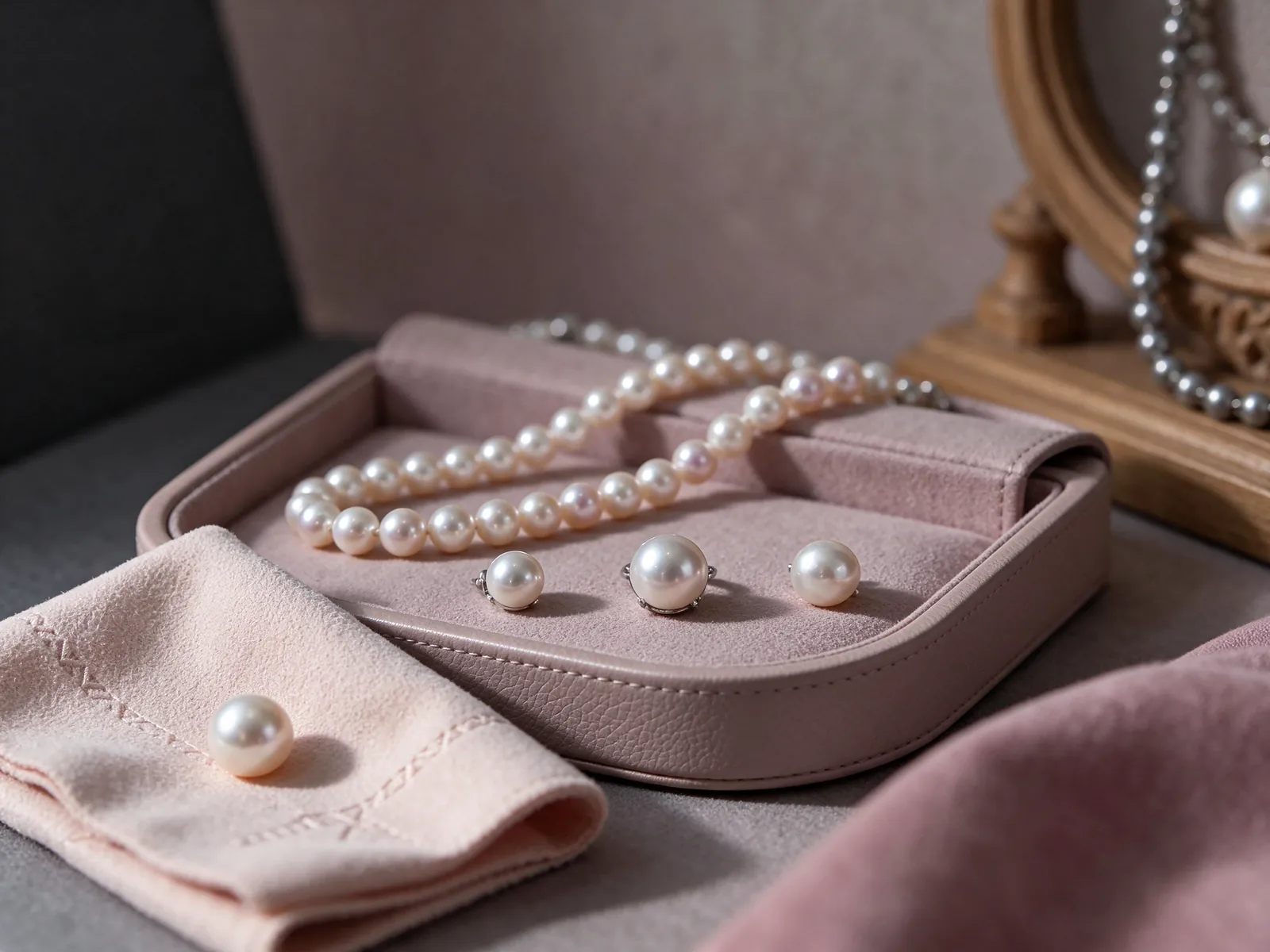
Treat bracelet fit as a separate construction question
Bracelets move around the wrist and can contact desks, cuffs and other accessories. Describe the current construction first, including whether the strand has a clasp or a different arrangement. Then explain the problem: twisting, slipping toward the hand or catching during movement. Do not repeatedly stretch a bracelet to demonstrate looseness, and do not assume that an elastic and a nonelastic arrangement can be exchanged without considering the rest of the design.
A fit preference becomes clearer when linked to ordinary activities. Mention close-fitting sleeves, watch wear or a clasp that repeatedly lands against a desk. A very snug bracelet may not provide the movement you want, while an excessively loose one can shift into awkward positions. State both the present difficulty and your desired feeling at the wrist. Changing the whole length is not automatically the answer to a poorly positioned fastening.
Keep a broken strand separate from other loose jewelry
Place recovered pearls, the clasp and remaining thread in a small closed container with a clean, soft lining, separate from other jewelry. Leave intact sections intact rather than undoing knots to count pearls. Record what you found and whether a missing component is known or suspected; keep an older photograph of the complete bracelet if available. The pearl repair service topic distinguishes rethreading from missing elements and damaged fittings. Similar-looking pearls may still differ in size, color and overall coordination, so matching must be discussed separately without assuming a replacement exists.
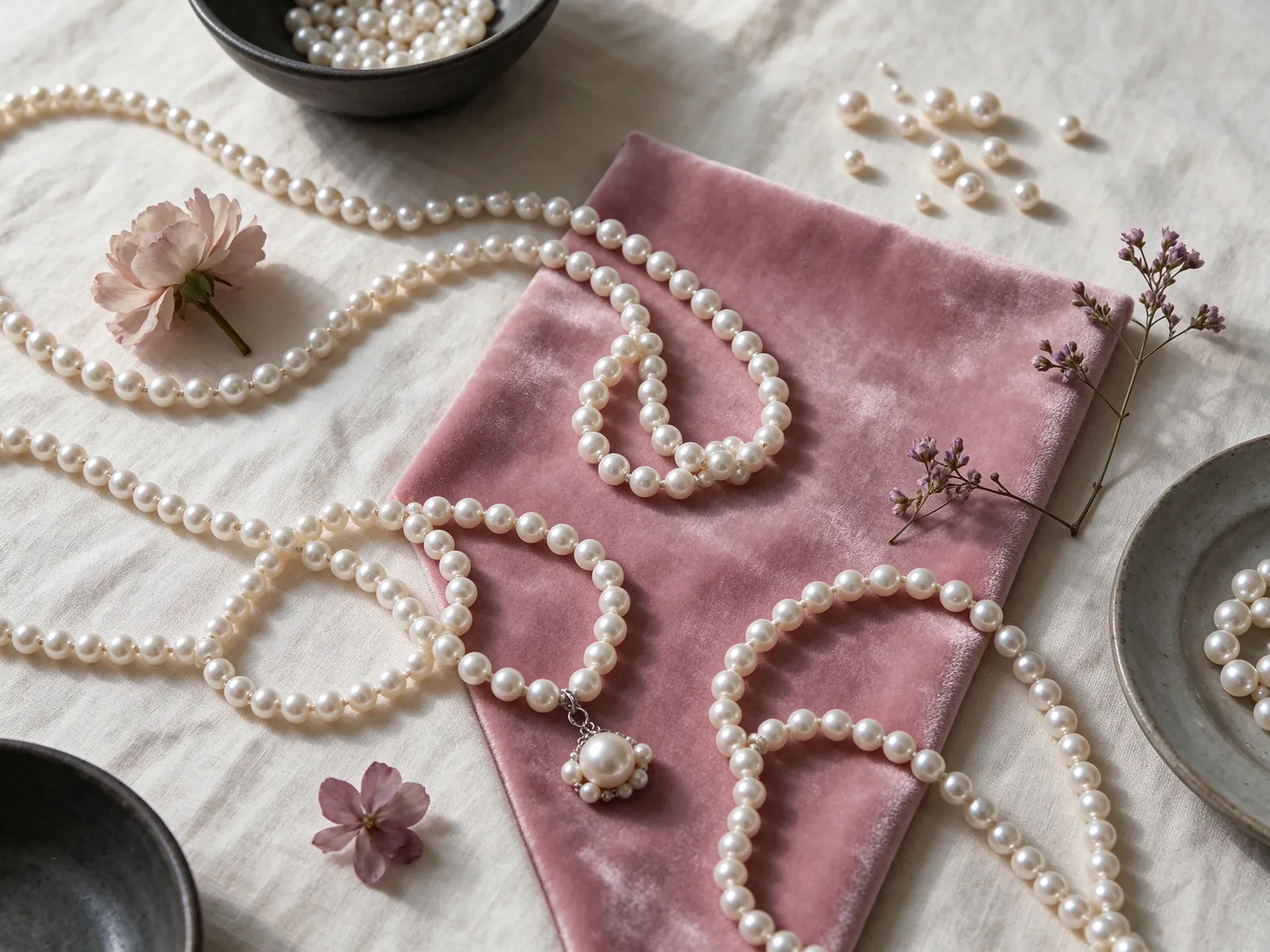
Do not confuse a clasp fault with a pearl surface problem
A strand that opens unexpectedly may need a discussion of the fastening, not just its thread. Describe whether the clasp closes, remains closed and has a changed connection point. A discussion of pearl necklace clasp replacement involves how the clasp relates to the strand and how it is handled when worn. Avoid bending fittings, squeezing the closure with tools or applying glue to hold it temporarily. Such changes can make the original concern harder to understand.
Dullness, discoloration or a chip is a separate concern from loose thread. Restringing addresses strand construction and does not promise restored luster, scratch removal or reversal of yellowing. For appearance questions, how to care for dull pearls is a more relevant starting point. Photograph the current surface in soft light and mention recent contact with perfume, cosmetics or water. Angle and lighting can affect the apparent change. Avoid filters, overexposure, polishing or chemical cleaning merely to create better-looking images for the initial inquiry.
Describe the part that most affects everyday wear
Organize the inquiry around thread condition, fastening reliability and surface appearance, then identify your main concern. If residue around a fitting is involved, how to clean pearl clasps and earring posts explains care considerations when metal parts are attached to pearls. Do not apply a method intended for an isolated metal component to an entire necklace. This is particularly important when the thread or the area around a drill hole already appears compromised.
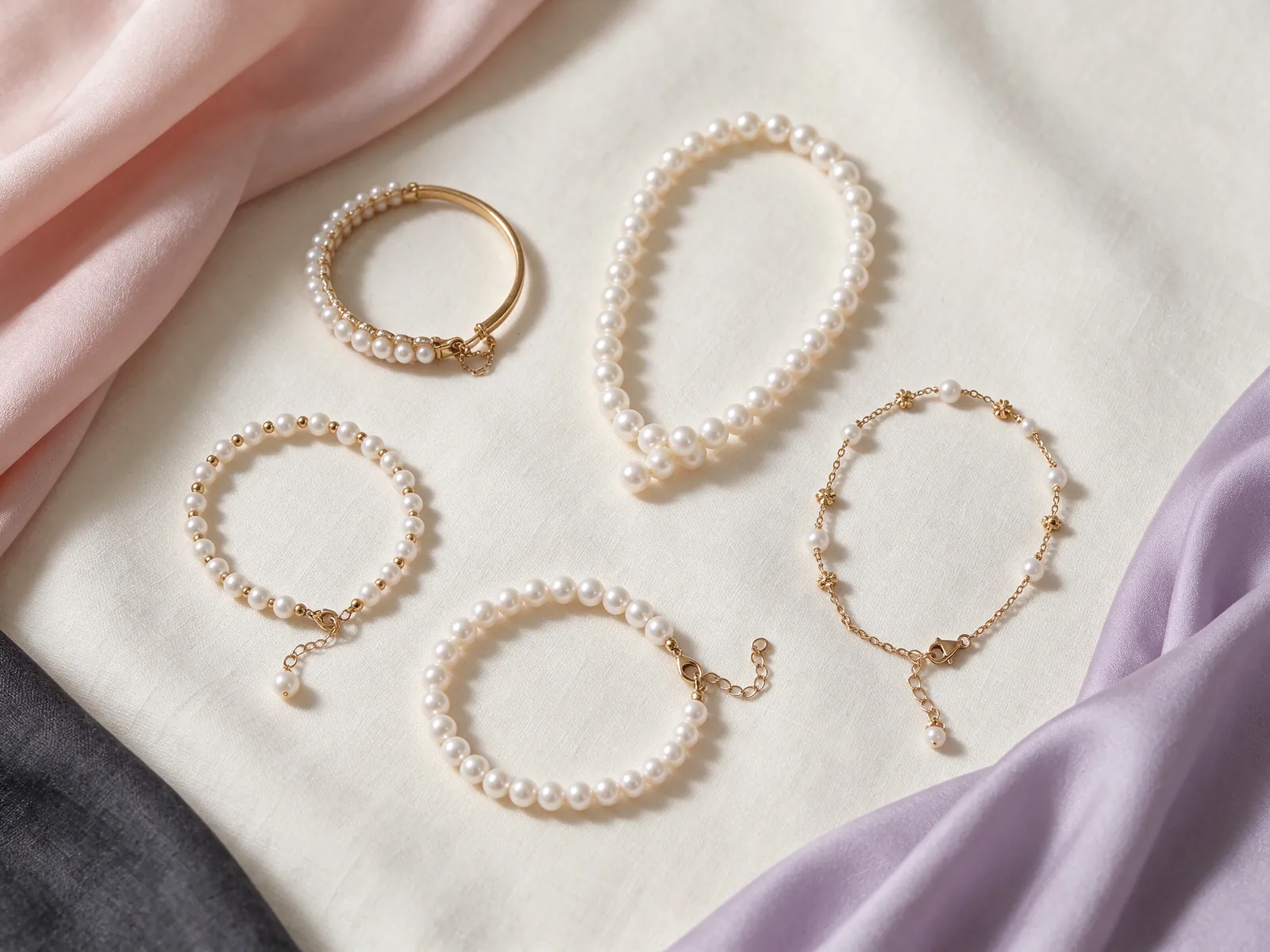
Prepare an inquiry about assessment in Hong Kong
Prepare an overall view, close images of both ends and the visible damage, with a short description of when the change appeared and whether anything is missing. Earlier photographs can explain the original sequence. Purchase documents may record the seller and a description, but incomplete details do not establish pearl identity, and a general label is not a quality or price guarantee. Identify any central pearl, spacer arrangement, length or clasp you hope to preserve, alongside the problem that currently prevents normal wear.
Contact Flint Jewelry on WhatsApp about assessment feasibility in Hong Kong before making practical arrangements. Explain whether the concern is limited to thread or also involves the clasp, missing pearls or a different wearing length. Scope, costs and the appropriate next step need to be discussed for your situation; an initial inquiry is not an instruction to ship the piece. Photographs cannot reveal every hole or connection. Keep the original thread and fittings intact rather than cutting, gluing or soaking them before the conversation.
Original-brand aftercare and a new inquiry are different routes
If the strand came from another brand, retain its purchase information and ask that brand about its own aftercare process. WSP pearl repair warranty is a separate topic for reading WSP’s policies, not a Flint Jewelry warranty, agency relationship or promise to accept the piece. The WSP loose-thread recommendation cited here is care advice only. Your Hong Kong inquiry should focus on the actual condition and requested changes, with costs and arrangements discussed on their own basis rather than borrowed from another brand’s terms.
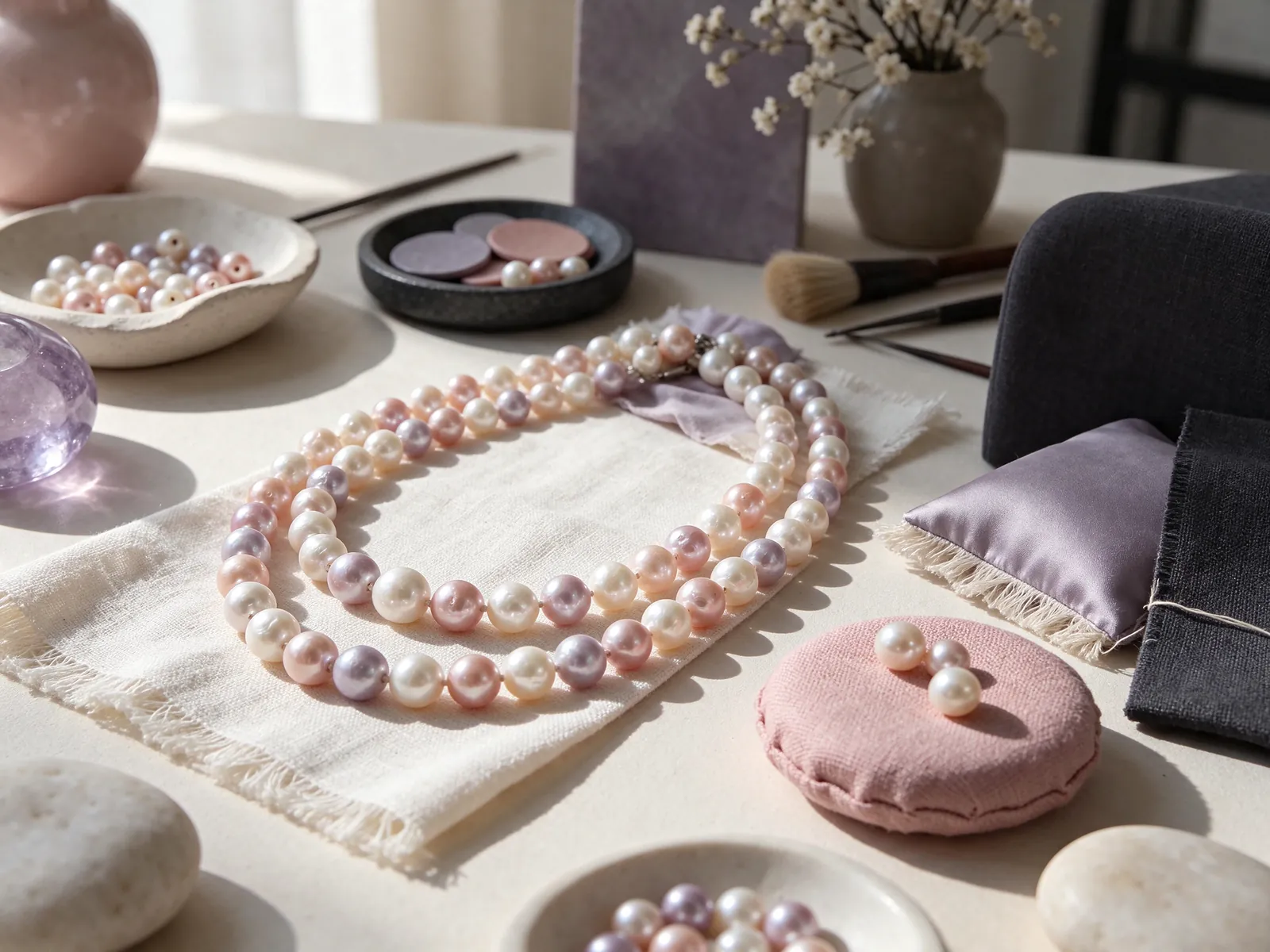
Use gentle care without assuming it replaces assessment
GIA gives pearl a Mohs hardness of 2.5. This is useful context for avoiding repeated contact with harder jewelry, but it does not predict thread lifespan or set a restringing deadline. After wear, gently wipe pearls with a very soft, clean cloth and keep the strand away from edges that can rub or snag it. Apply perfume and hair products before handling the necklace, and take care with collars and accessories when dressing.
GIA advises that pearls should not be cleaned in ultrasonic or steam cleaners. If strung pearls have been cleaned with water, the string must be completely dry before wear. That is not permission to immerse every necklace: adhesive, fittings and stringing materials must also be considered. With fraying or damage near a hole, preserve the present condition and ask about assessment first. Avoid prolonged soaking and hot-air drying. Support the whole strand when moving it instead of pulling a single connection, and keep it dry before storing it on a soft surface away from snagging edges.
Observe before wearing, without a home stress test
When removing the piece from storage, look at the clasp, end sections and pearl sequence without twisting knots or tugging the thread. If a recurring concern seems linked to a collar, layered necklace or wrist movement, make a note for the next conversation. This can help separate use-related contact from the construction issue itself. A gentle visual check is useful information, not a certification of safety or a guarantee that continued wear is appropriate.
| What changed | Information to keep | Wear consideration | Discussion focus | Not an automatic conclusion |
|---|---|---|---|---|
| Necklace hangs lower | Overall view and former wearing image | Look for visible thread changes | Looseness versus intended length | The strand must be shortened |
| Thread frays near clasp | Close images of both ends | Pause wear; avoid pulling | Local wear and end construction | Only a small repair is needed |
| Clasp does not stay closed | Description of closure behavior | Avoid continued wear | Fastening separately from stringing | Replacing thread fixes the clasp |
| Bracelet shifts or twists | Wrist activity and nearby accessories | Explain fit without stretching | Construction, length and clasp position | The necklace approach is suitable |
| Pearls look dull or chipped | Unfiltered surface photographs | Avoid rubbing and chemical treatment | Surface condition apart from thread | Restringing restores luster |
Pearl knowledge and authoritative references
GIA lists pearl hardness as 2.5 on the Mohs scale. The number describes hardness and does not specify thread life or a restringing interval.
Read the reference for this factFrequently asked questions
Should I send a necklace from the United States after making an inquiry?
Do not send it solely on the basis of an inquiry. First contact Flint Jewelry to discuss Hong Kong assessment feasibility and confirm the appropriate practical next step for your situation.
Are photographs enough to choose a thread and knotting method?
Photographs help show the arrangement and locate visible concerns, but thread suitability also depends on holes, connections, weight and construction. Use images to begin the discussion rather than treating them as a complete assessment.
Can a sentimental necklace keep its original pearl order?
Explain that preference and provide a photograph of the intact necklace if available. Identify the center and distinctive spacers on the image or in writing, without applying ink or tape to the pearls. The desired order should be considered with the recovered components and their condition; preserving the original appearance is a discussion, not an automatic result.
What if the broken strand has a missing pearl?
Keep all recovered components together and state that a pearl is missing. Missing-element matching and rethreading are separate questions. Do not introduce a visually similar replacement yourself or assume a matching pearl is available.
Does the Mohs hardness number tell me how often to restring?
No. GIA's 2.5 figure describes pearl hardness, not thread durability. An inquiry about restringing should consider visible wear, construction, fastening condition and how the piece is used.
Updated: