
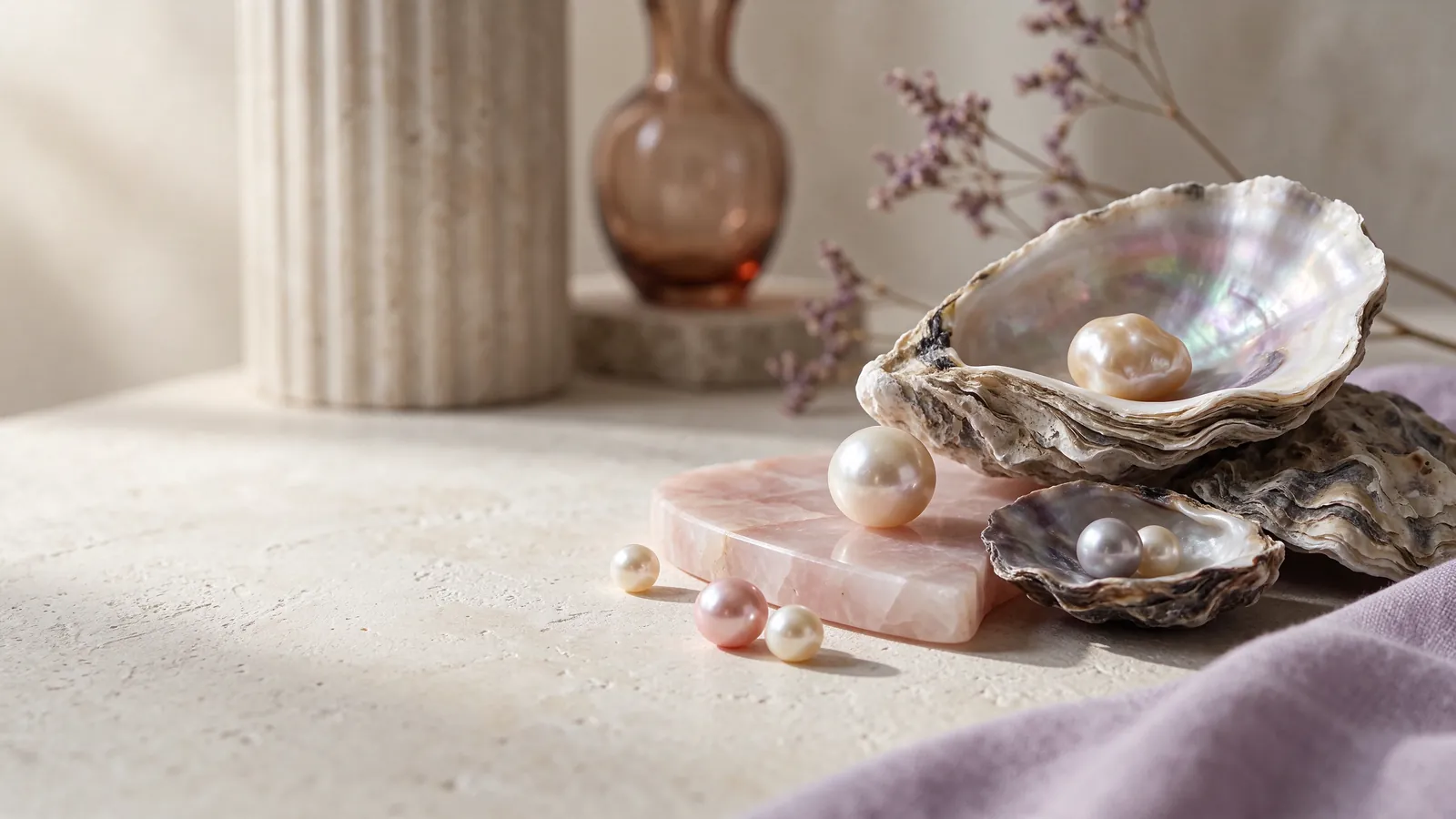
what are Akoya pearls? Why Akoya cultured pearls and Akoya saltwater pearls describe the same pearl type
Akoya pearls are cultured saltwater pearls grown in Akoya oysters. Calling them Akoya cultured pearls highlights the cultivation background, while Akoya saltwater pearls highlights their growing environment. These are complementary descriptions, not competing categories or separate quality levels. A useful first step when shopping is to sort the words in a description by the questions they answer, rather than letting one recognizable name stand in for every detail about the jewelry.
Cultured means that cultivation involves human participation; saltwater describes the environment where the pearl grows. It does not mean a finished piece is suitable for swimming. The pearl types guide can help you organize the broader categories before narrowing your choices. After that, return to the individual piece: its appearance, its stated details and its relationship to your wardrobe will tell you more about its suitability than the category name alone.
what are Akoya pearls? How country of origin differs from the labels Akoya cultured pearls and Akoya saltwater pearls
Japanese coastal farming areas include Mie, Ehime, Nagasaki and Kumamoto, but Akoya production is not limited to Japan. Read Japanese pearls vs Akoya pearls to separate a geographic description from a type name. For an individual purchase, the origin statement should refer to the pearl being described, not merely to places where that type is farmed.
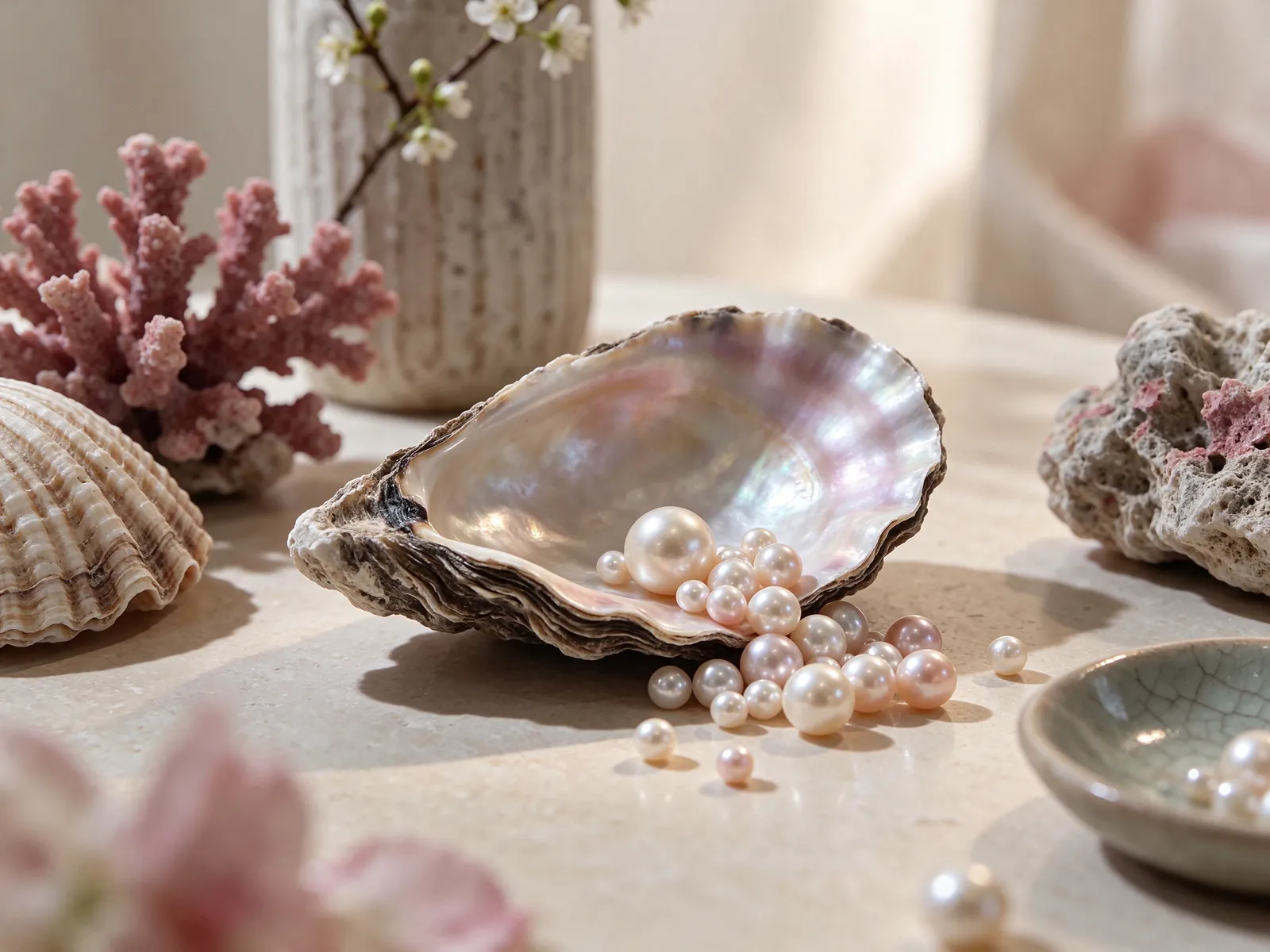
Evaluate luster and color under comparable conditions
A name can give you background, but it cannot show you how an individual pearl responds to light. Observe the clarity of reflections and the overall brightness when comparing luster, using the same lighting for each option. Photography can emphasize or soften those features through angle and exposure. For a practical check, consider earrings beside your face or a necklace against a familiar top rather than judging everything on a plain product background.
GIA separates pearl color into bodycolor, overtone and orient, while noting that not every pearl has all three. Look first at the overall color, then at additional hues you can see across the surface. A cream sweater or a crisp cool-toned shirt may lead you toward different visual combinations. Personal color preferences are useful for styling, but they are not evidence of origin, natural-versus-cultured identity or a certificate for a particular pearl.
Judge a pair as jewelry, not just as two isolated pearls
Consider whether color, luster, shape and apparent size create a coordinated pair. Then look at how each earring appears on its respective side of the face. A difference may be amplified by light from a nearby window, so change the viewing position before deciding that the pearls themselves are mismatched. Coordination does not require every detail to be identical.

Use freshwater comparisons to clarify options, not create a universal winner
Akoya vs freshwater pearls is a useful comparison of type and growing environment, but it should not become a blanket rule about quality. If your goal is a pair of earrings for frequent wear, compare the actual choices for luster, surface appearance and coordination. Consider how their placement and movement interact with your clothes as well. A pearl category does not tell you whether a particular pair will achieve the understated or more noticeable look you want.
Start with what are freshwater pearls if you need a definition, and use freshwater vs saltwater pearls to distinguish the environmental terms. Freshwater pearls should not be confused with imitation pearls, and a saltwater label is not an exemption from care. For necklaces, assess the way the pearls work together across the strand and the line they form at the neckline. The comparison becomes meaningful when it addresses your actual wearing priorities.
Turn a broad preference into a specific outfit test
Choose a situation, such as jewelry for a video meeting in a plain top, and identify the effect you want: a clear focal point, quiet brightness or a visible drop. Compare candidate pieces against that goal. The type name remains useful background, while the outfit test answers a question that category rankings cannot.

Build your comparison around GIA's seven pearl factors
GIA describes seven pearl value factors: size, shape, color, luster, surface quality, nacre quality and matching. Use them to organize questions rather than inventing a grade for an unseen pearl. Proportions and color help you assess the intended look; luster and visible surface features deepen the comparison; matching brings the individual observations back to the whole pair or strand. The value of the framework is its breadth, not a promise that one factor decides everything.
Separate liking a shape from assessing a surface. A contour that suits your style is a different consideration from a visible mark that you may or may not notice in wear. On a strand, examine the overall arrangement and the area most visible at the front. On earrings, consider the direction the pearls face. For nacre quality, color alone is insufficient; look at the information provided about the individual pearl and any applicable documentation.
Ask what a grade means before comparing labels
Akoya identifies the pearl type, not a complete quality result. If a description uses a grading label, ask which factors it covers and how it is defined. Different sellers' letter labels should not automatically be treated as equivalent. GIA's educational factors are useful reading, but a reference to them is not a statement that the jewelry has a GIA report.
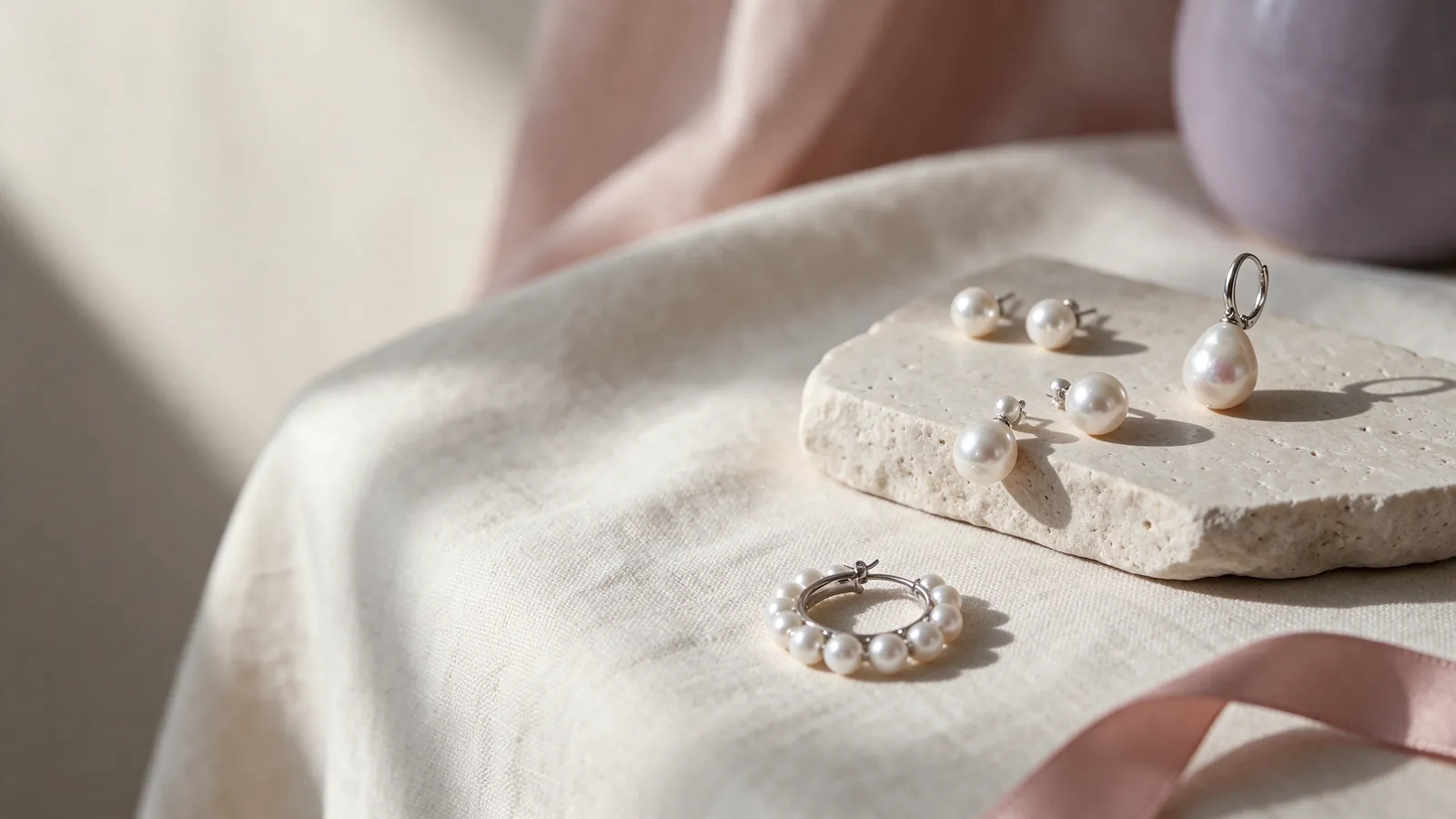
Choose a silhouette that works with the clothes you actually wear
Begin with the location of the visual emphasis: beside your face or at the neckline. Earrings can look different with hair tucked back and with hair left loose; check whether the pearls remain visible and whether a drop meets the collar. A necklace should be considered with your regular crew-neck shirt, open collar or sweater. Look at whether it rests on fabric or within the neckline opening instead of assuming pearls require a special occasion.
Try an earrings-only look and a necklace-only look before combining them. Patterned fabric, decorative buttons and a high collar can all change how much visual space the jewelry has. A plain top makes the jewelry easier to judge as the main feature, while a busier outfit may call for a different balance. Photograph the complete outfit if you want to remember proportions, but keep that styling record separate from an assessment of pearl quality.
A gift brief starts with the recipient's habits
Notice whether the recipient regularly wears earrings, favors small close-to-the-ear shapes or enjoys movement, and usually chooses open or high necklines. Those habits help define a wearable gift more directly than guessing which pearl name sounds appealing. Their willingness to follow a gentle care routine should also be part of the choice.
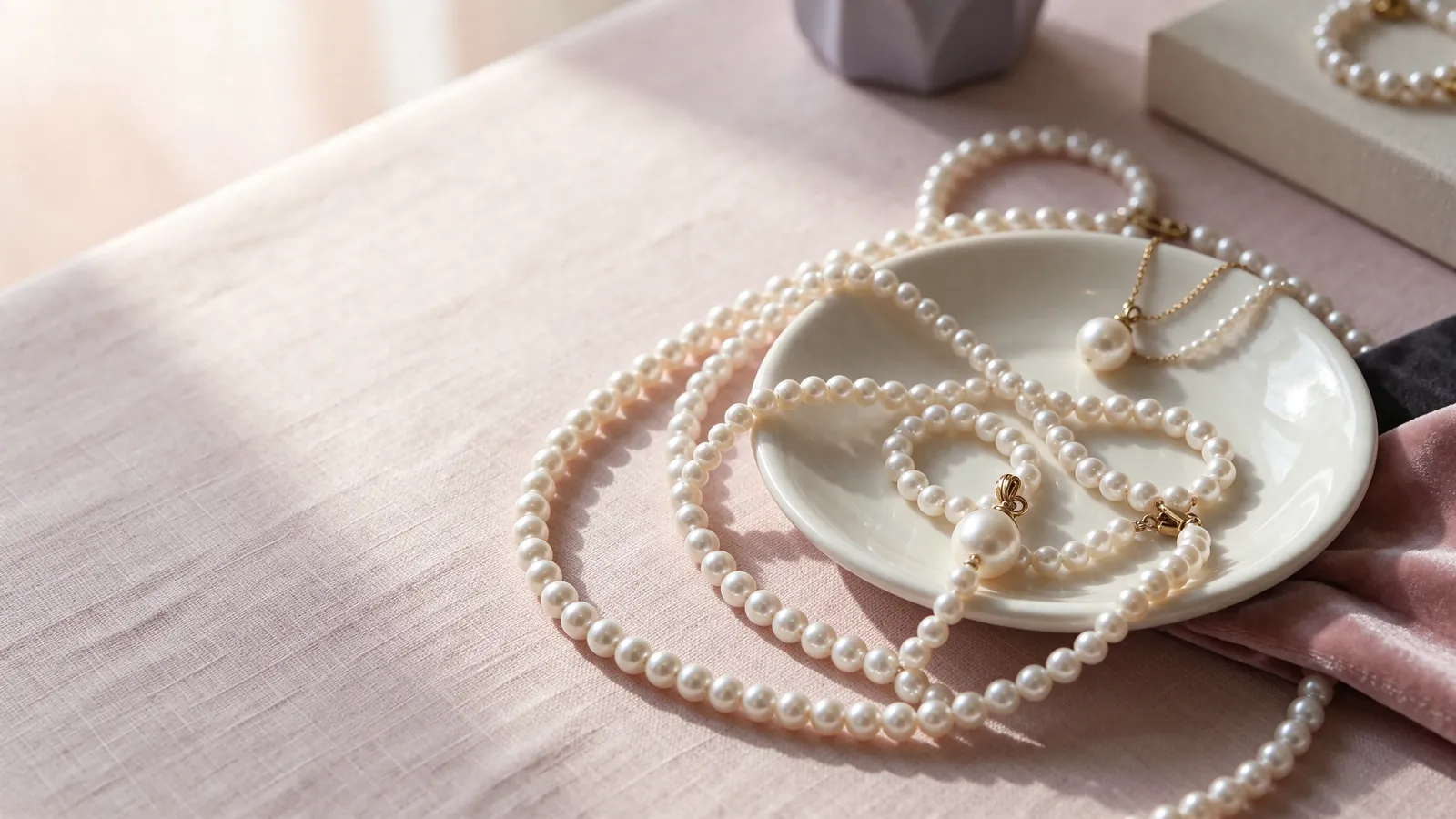
Make gentle care part of the decision to wear pearls
GIA gives pearl a Mohs hardness of 2.5. Store pearls so their surfaces do not rub against jewelry that could scratch them, and wipe them after wearing with a very soft, clean cloth. Avoid acids, perfume, hair spray and excessive heat. Understanding these habits before choosing a piece is more useful than treating its saltwater background as a claim of durability. Keep storage simple enough that you can follow the routine consistently.
Do not clean pearls in ultrasonic or steam cleaners. When strung pearls have been cleaned with water, the string must be completely dry before you wear them again. The surface of the pearls can appear dry without answering that question about the string. Think about the construction and other components of the complete piece when considering care, rather than applying a method that suits only one part of the jewelry.
Reduce contact instead of increasing cleaning pressure
Take the jewelry off before pulling a top over your head, and place it in a separate storage space after a gentle wipe. Keep a soft cloth nearby to make the habit easy. If you refresh perfume, move the pearls away from the spray. Routine care aims to limit avoidable exposure, not to force extra shine through vigorous polishing.

Bring three distinct questions to your jewelry decision
Ask what the pearl is described as, what individual information accompanies it, and how you want to wear the piece. Type, cultivation status and origin belong to the first question. Any document has its own stated subject and scope for the second. An educational Akoya page cannot identify every pearl design elsewhere on a website. Read the description of the actual item separately so background knowledge does not become an unsupported assumption about it.
For the third question, be concrete: perhaps you want earrings visible with your hair down, or a necklace that does not compete with a shirt collar. When browsing Pearl Jewelry, relate the pieces to those practical goals and the colors you wear most often. This makes the conversation about a design more informative than asking only for a pearl type. Appearance, documentation and intended use each contribute a different part of the decision.
Read a document for what it actually covers
If a report or other document accompanies the piece, establish whether it describes an individual pearl or the complete item, then read the stated findings. A missing origin or identity detail cannot be supplied by interpreting color or luster. Keeping visual observations, seller descriptions and document findings separate gives you a clearer understanding of the purchase.
Would you like to discuss pearl jewelry styling or understand the description of an individual piece? Contact Flint Jewelry on WhatsApp: +85260106207. Share your usual necklines, preferred silhouette and the details you would like to clarify.
| Detail | Question it answers | Not established by this detail alone | Action for the buyer |
|---|---|---|---|
| Akoya type name | What type is being described? | Origin, grade or certificate | Read the specific item description |
| Cultured and saltwater | How and in what environment does it grow? | Swimming suitability or maintenance-free wear | Include care in the wearing plan |
| Geographic origin | Where is the described pearl from? | Luster, surface or coordination | Assess appearance separately |
| GIA's seven factors | Which aspects contribute to pearl quality? | A GIA report for a particular piece | Use consistent light and focused questions |
| Outfit proportions | How does the piece sit with hair and clothing? | Pearl identity or cultivation status | Compare earrings-only and necklace-only looks |
Pearl knowledge and authoritative references
GIA identifies seven pearl value factors: size, shape, color, luster, surface quality, nacre quality and matching. These offer a broader comparison than the Akoya type name alone.
Read the reference for this factFrequently asked questions
Is saltwater a quality grade for an Akoya pearl?
No. It describes the growing environment. Luster, surface quality, color and the other pearl value factors are separate considerations, so a saltwater label does not complete a quality comparison.
Can I assume an Akoya pearl is Japanese because the name is familiar?
Akoya pearls are not exclusively produced in Japan. The type name and country of origin should be read separately, using the stated information for the individual pearl rather than an assumption about the category.
What should I check if pearls look different with a cream sweater and a white shirt?
Compare them under consistent lighting and notice the overall color and any additional hue visible on the surface. The clothing may change the visual relationship. Choose the combination you prefer without treating that difference as evidence of origin or identity.
Does mentioning GIA's quality factors mean a piece has a GIA report?
No. The seven factors provide an educational framework. A report is a separate document with its own subject and findings; its existence and scope cannot be inferred from a reference to GIA's guidance.
What is a practical starting point for choosing pearls as a gift?
Begin with the recipient's usual jewelry and clothing habits: whether they wear earrings, favor drops or close-to-the-ear shapes, and prefer open or high necklines. Include their care routine, rather than choosing only by a pearl type name.
Updated: