

natural color vs dyed pearls: why do photographs alone not answer “are colored pearls natural” or identify pearl color treatments?
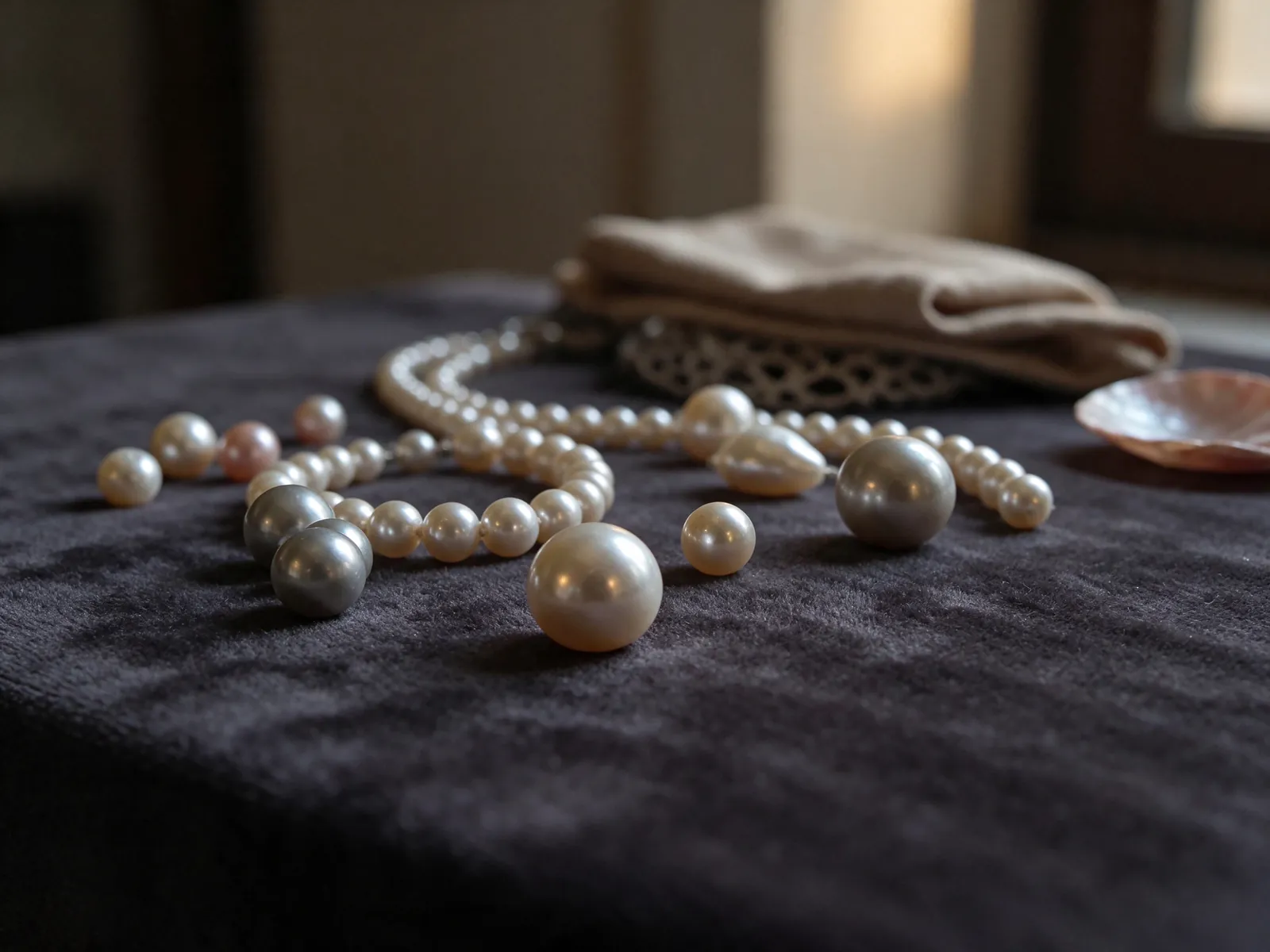
Shopping for colored pearls often starts with an image that catches your eye. That image may communicate a romantic pink, a subtle gray, or a striking dark shade, but it does not record how the color developed. A camera's exposure, the light source, and the surrounding background can change the impression. Neither a quiet pastel nor a saturated shade is a reliable shortcut to treatment status. Let the image answer an appearance question and let a specific description address the color history.
It also helps to distinguish the main color from a colored impression visible over the surface. The pearl body color and overtone guide explains why the pink or green you notice at one angle need not be the underlying tone. When comparing images, seek similar lighting and more than one view. You may discover that what attracted you was the shifting surface impression rather than the general shade. That is useful style information, not evidence of dyeing or its absence.
Reading descriptions of natural color vs dyed pearls: which disclosures about pearl color treatments answer “are colored pearls natural”?
A useful disclosure identifies the color status or names a treatment for the pearl you are considering. Read beyond words such as beautiful, selected, or colorful, which describe appeal without answering the treatment question. Notice whether the statement concerns the specific piece or pearls in general. A general educational paragraph cannot establish the status of every item in a collection. Ask for the description of the particular pearl or matched set, keeping its wording separate from your own visual impression.

Clarify what natural modifies before comparing two pieces
Natural color and natural pearl identity are not interchangeable expressions. The first describes how color formed; the second concerns a pearl's formation without cultivation. A cultured pearl can have natural color. Conversely, the fact that a pearl looks white, pink, or dark does not identify it as wild-natural, establish a pearl type, or reveal its origin. Reading the noun after natural is a small habit that prevents a broad claim from being attached to a much narrower piece of information.
Start your shortlist with your actual goal. Perhaps you want a pendant that works with neutral sweaters, or earrings whose shade is the centerpiece of an outfit. The pearl color guide provides a way to explore those appearance choices. If naturally formed color is also a personal requirement, write that down as a separate condition. You can then compare both style and disclosure without assuming that the most appealing photograph has already answered the question about color origin.
Make a three-part note: identity, visible shade, and treatment
For each option, record pearl identity as described, the shade you see, and any stated treatment. A label such as pink fills the shade field, not the other two. Cultured answers an identity question; dyed supplies treatment information. When a field is not addressed, leave it open. This keeps comparisons honest without rejecting a piece merely because its description is brief, and it makes your next question much more specific.
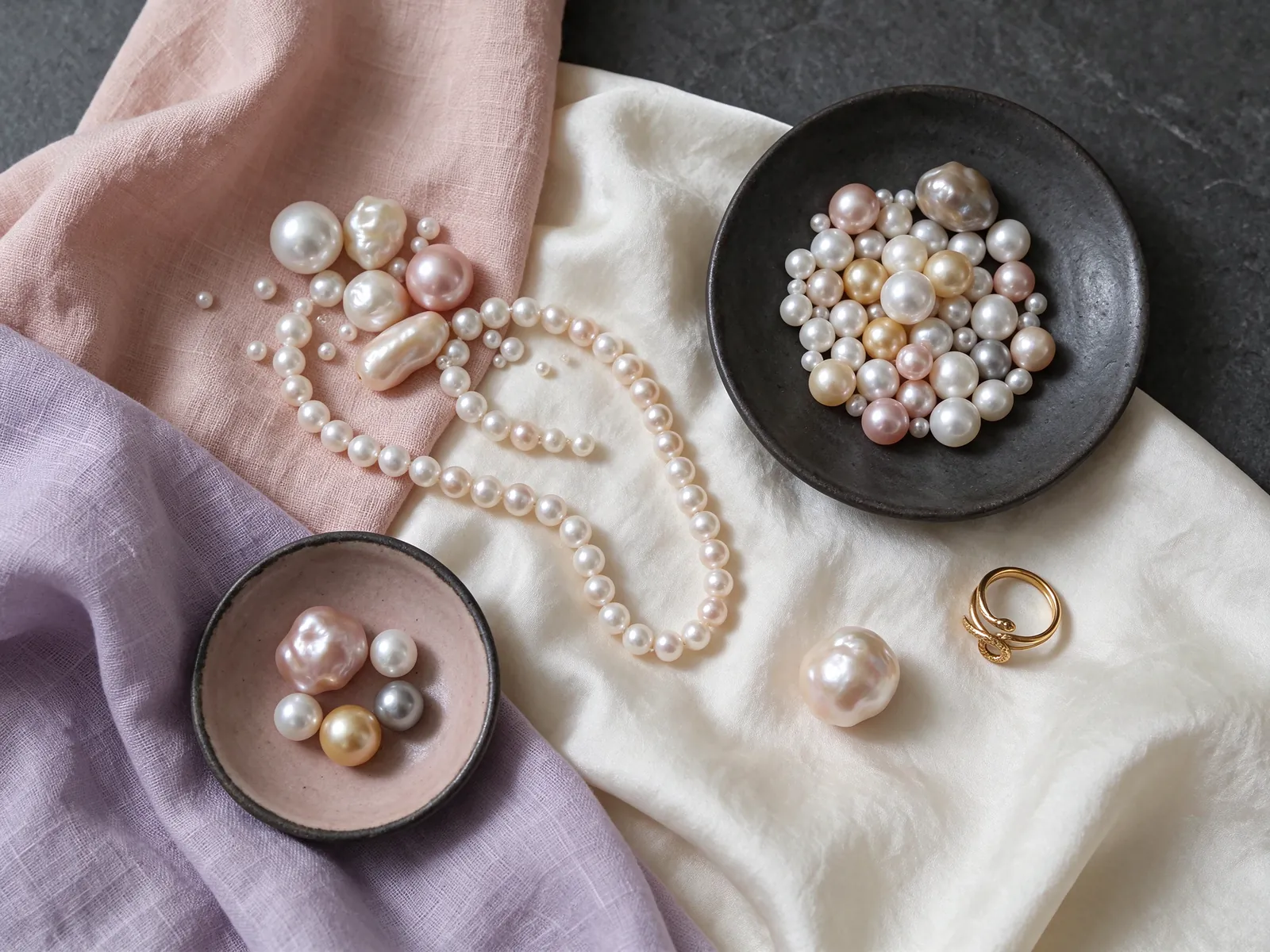
Read the named process rather than grouping every treatment as dyeing
Color can form naturally or be affected by a later treatment. WSP's pearl color article mentions dyeing and radiation treatment as possible sources and also discusses toning. Those terms should not be collapsed into one label when comparing information. If a description says treated, it has not necessarily said dyed. If it says not dyed, it has not necessarily addressed every other color treatment. The important distinction is between the process actually described and the broader conclusion a reader might be tempted to add.
Reading about pearl color toning is useful when you encounter that term and want to understand the question to ask next. The guide to cobalt treated pearls addresses a particular treatment; dark color alone is not a diagnosis of that process. You can ask whether dyeing is disclosed and then ask separately whether other color treatments are stated. That wording makes room for a complete answer instead of treating a response about one process as an answer about all processes.
Keep not stated separate from an explicit color claim
Organize the available information into explicit natural-color wording, a named treatment, or no statement about color treatment. The third entry is a description gap, not a hidden confirmation of either natural or dyed color. Keeping that category visible is especially helpful when one piece has a long explanation and another has a short caption. You can request the missing detail before deciding whether the options meet the same personal requirement.
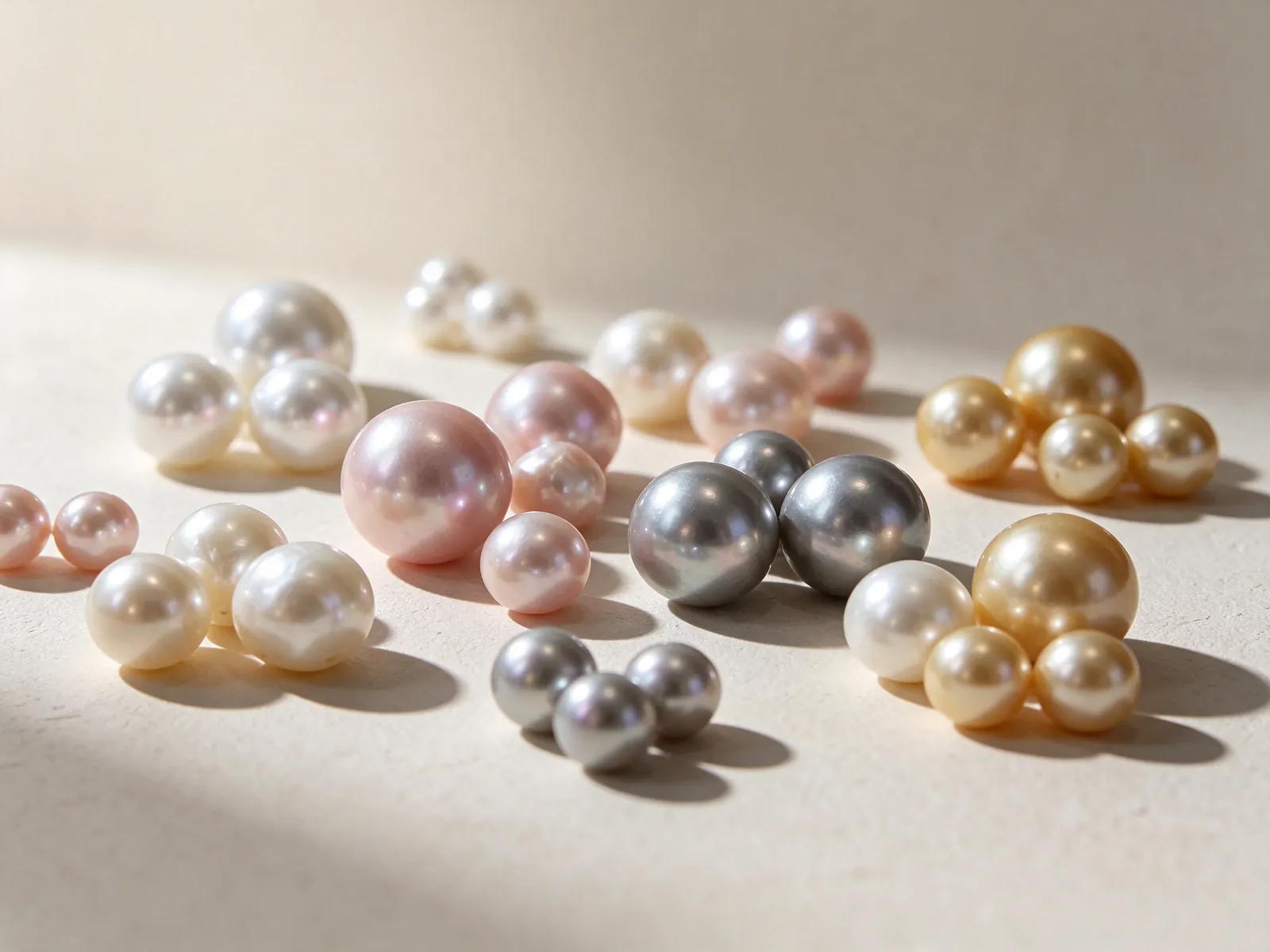
Test the shade against your wardrobe, not against a natural-color stereotype
When considering pink pearls, compare the shade beside an actual blouse or sweater rather than choosing from a color name alone. A peach-looking pink may create a different impression from a cooler pink, and patterned clothing can change how prominent the jewelry feels. With a solid top, a stronger color contrast may become the focal point; with a detailed print, you may prefer a quieter accent. These are practical styling choices, not fixed rules about which skin tones may wear which pearls.
For purple pearls, try a gray or lavender background and then a darker one to see whether you enjoy coordination or contrast. Compare white pearls near both crisp white and warm ivory fabric if you are deciding between a cleaner and a softer overall look. Position earrings near the face and a pendant near the neckline where it will be worn. The result tells you how the shade works in an outfit, while the treatment description remains an independent purchase consideration.
Use a consistent viewing setup for a more useful comparison
Choose one familiar garment or neutral fabric and keep the lighting similar for each piece. Look first at the overall tone, then gently change the viewing angle to notice an overtone. For a pair of earrings, consider the coordination you prefer rather than expecting every reflection to look identical. This routine gives you better language for describing your taste. It does not require, or provide, a visual verdict on how the color formed.
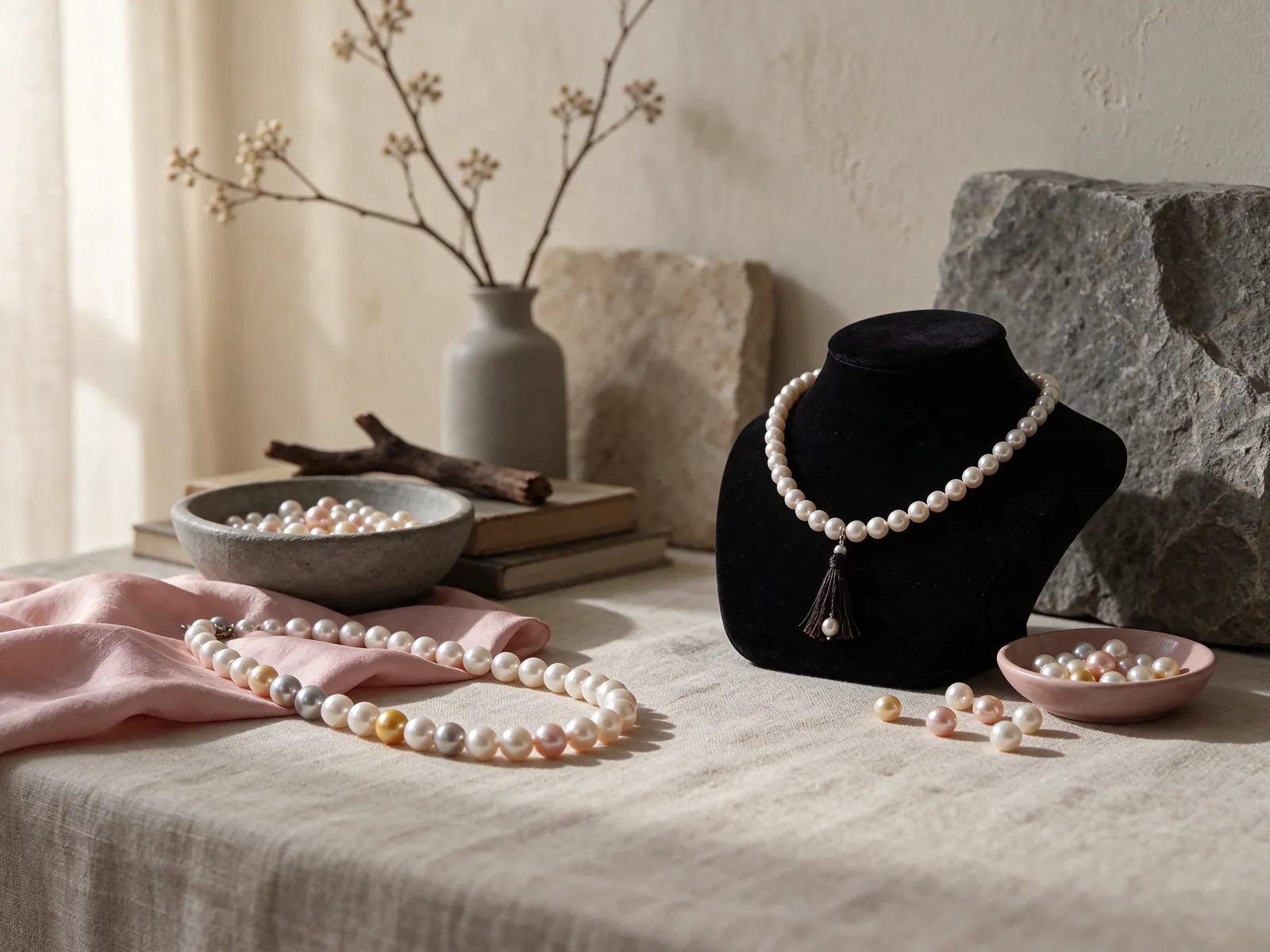
Put color information beside the other pearl quality considerations
GIA describes seven pearl value factors: size, shape, color, luster, surface quality, nacre quality, and matching. This is a useful perspective for a color-focused purchase because it prevents one characteristic from standing in for the whole piece. Pearls with similar color descriptions can still produce different impressions of luster, surface appearance, or coordination. A preference for natural color is a valid personal condition, but it does not answer every question about the jewelry's appearance.
Natural color versus dyeing alone does not establish a universal price order or a resale forecast. Compare jewelry intended for similar use instead. A single-pearl pendant emphasizes its focal pearl, earrings make pair coordination important, and a multi-pearl piece draws attention to the arrangement as a whole. Decide which observations matter to your use, then keep the color description alongside them. That approach is more informative than assigning an overall verdict from one word.
Turn the comparison table into a question list
Use the table below to distinguish wording, visible appearance, and unanswered questions. Copy the relevant description faithfully rather than translating it into a stronger claim. If an important field is missing, ask about that field before treating two options as equivalent. Apply the same questions to each piece to separate its stated color information from details you still want to ask about. It is equally useful whether your main priority is styling or a clearly stated color origin.
Frame a purchase inquiry around the piece and your priorities
Identify the piece first, explain the shade you like, and ask how its color is described. Then ask about dyeing and any other stated color treatments. If you also want to know pearl identity or origin, make those separate questions rather than expecting natural color to answer them. This produces a practical record for comparing options. Broad compliments such as luxurious or exceptional may communicate enthusiasm, but they do not address the specific information you requested.
When a testing document is provided, read which pearl or piece it covers and whether color or treatment is actually discussed. General pearl education is different from a document about an individual item. Photographs can help everyone identify the design being discussed, but they are not a substitute for a treatment finding. Before deciding, keep three things distinct: the look you enjoy, the details you have been given, and the questions that have not yet been answered.
An inquiry that separates appearance from color history
A concise message could say: I like this piece's color. Is it described as naturally formed, and are dyeing, toning, or other color treatments disclosed? How is the pearl identity described? You can contact Flint Jewelry through WhatsApp at +85260106207 (https://wa.me/85260106207) and share the relevant page with your wardrobe preferences. Stating whether appearance, color origin, or both matter most makes the conversation more useful than asking someone to determine treatment from a photograph.
| Comparison topic | Relevant wording | Useful visual comparison | Unsupported shortcut | Question to ask |
|---|---|---|---|---|
| Natural color | Explicit naturally formed color description | Shade against your wardrobe | Natural color proves wild-natural identity | How is this piece's color described? |
| Dyeing | A specifically named dye treatment | The visible shade | Bright color proves dyeing | Is dyeing stated for this pearl? |
| Toning | A description using the term toning | Overall tone and pair coordination | Not dyed excludes every treatment | What does toning refer to here? |
| Irradiation | An explicit irradiation disclosure | Color depth and surface impression | Dark color proves irradiation | Are other color treatments described? |
| Overall quality | GIA's seven pearl value factors | Initial luster and matching observations | Color history settles quality or price | What else matters for the intended use? |
Pearl knowledge and authoritative references
GIA identifies seven pearl value factors: size, shape, color, luster, surface quality, nacre quality, and matching. Color is only one part of this framework.
Read the reference for this factFrequently asked questions
Does naturally colored mean that a pearl formed without cultivation?
No. Naturally colored concerns the color, while natural versus cultured concerns formation identity. Cultured pearls can have natural color, so one statement does not establish the other.
Can I identify a dyed pearl by choosing the brightest photo?
No. Intensity, lighting, background, and camera settings cannot establish treatment status. Read a description that addresses the individual pearl rather than treating a vivid image as proof.
If a caption only says pink, what treatment information does that provide?
Pink is a shade name, not a treatment disclosure. It does not by itself tell you whether the color formed naturally or involved a later treatment. Ask about color status separately.
What should I ask after receiving a not dyed answer?
If broader treatment information matters to you, ask whether toning, irradiation, or any other color treatment is stated. An answer about dyeing alone should not be expanded into a statement about every process.
How should I compare two pearl pendants for everyday wear?
View them against a familiar neckline in similar lighting, considering the shade and visible luster you enjoy. Then compare their individual color descriptions. Keep styling preference and treatment information as separate parts of the decision.
Updated: