
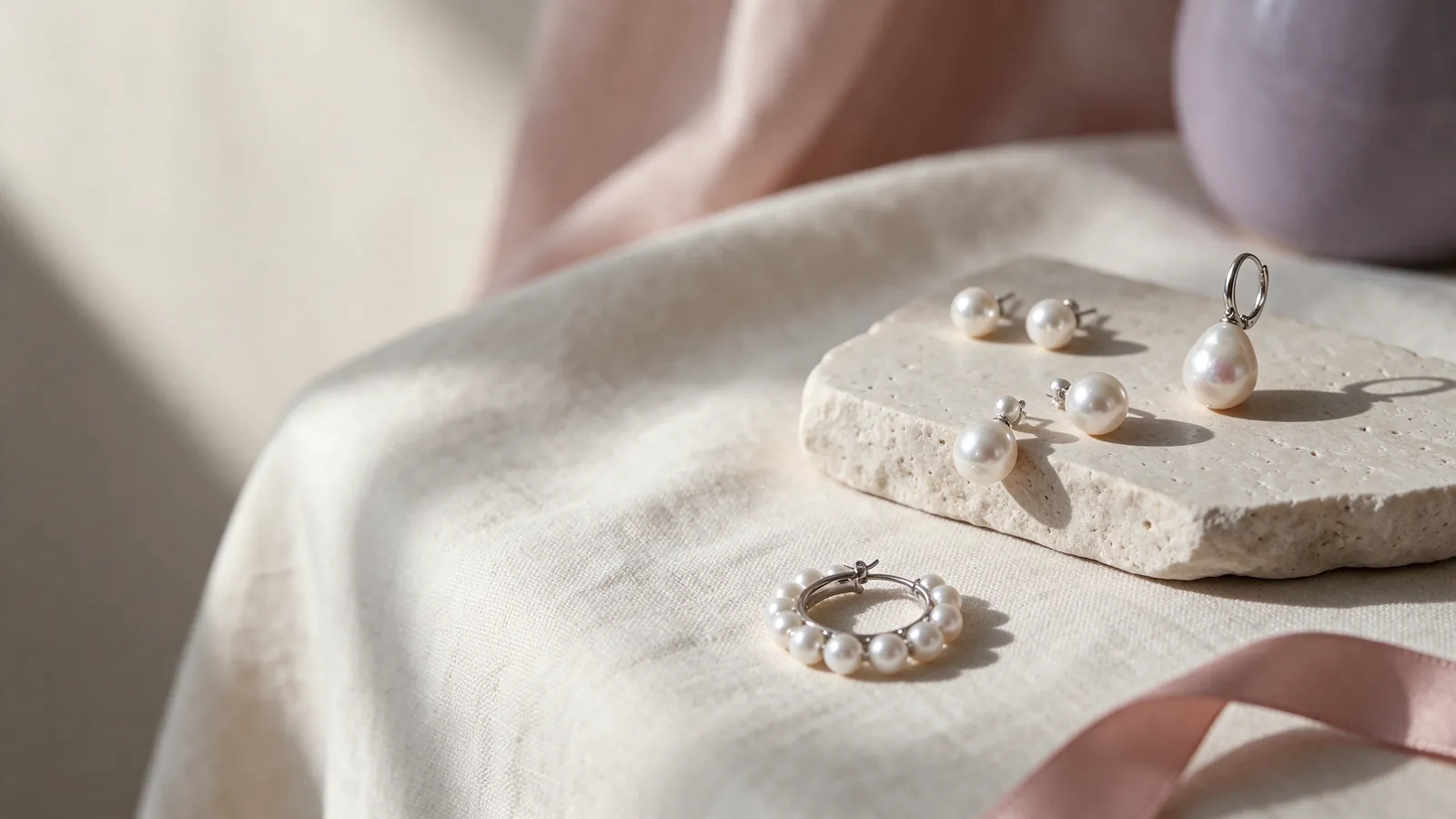
What should an assessment consider before you replace one lost pearl earring and match a missing pearl earring with a single pearl earring replacement?
First separate a lost complete earring from a missing pearl or backing. If the entire side is gone, both the pearl and metal construction are relevant. If the pearl fell out but the setting remains, the attachment needs attention. A missing backing raises a fastening question instead. Put the surviving piece and any loose components in a softly lined box; do not remove a secure pearl just to show it separately.
Define your goal before asking to replace one lost pearl earring. You may want to preserve a sentimental piece, the original close-to-ear outline or a balanced look for regular wear. The pearl repair service topic introduces repair and assessment considerations, but a general description does not establish whether your particular earring can be recreated. Start the conversation with the actual loss, the survivor's condition and the features that matter to you.
Why do color and design matter when evaluating single pearl earring replacement to replace one lost pearl earring and match a missing pearl earring?
Single pearl earring replacement is not simply the selection of another pearl with the same color name. A candidate can look close head-on yet project further from its setting or have a different side profile. To match a missing pearl earring, assess the complete piece beside the survivor and consider its position when worn. The mounting and orientation can change the result even when the pearls initially look similar.
Build a clear picture of what remains before choosing a direction
Keep any receipt, design name, existing pearl documents and past repair information together. State only what those documents actually describe; a photograph cannot establish pearl type, treatment, origin or natural-versus-cultured identity. If the original came with a laboratory report, identify the pearl or piece covered by that report rather than assuming it also describes a future replacement. Pictures of the original pair can communicate a preferred look, but apparent size changes with perspective. They are useful background for a discussion, not a reliable substitute for examining the surviving earring.
Take unfiltered front, back and side photographs, including the post and backing. Avoid strongly colored lighting when trying to communicate pearl color. If the pearl moves, the post is bent or a joint shows a gap, mention it and stop wearing the piece. Household glue can obscure an attachment problem, so do not try to seal it before asking about assessment. Describe the condition rather than trying to make the piece look flawless.
Check whether the loss involves a cover or the whole backing
If the post and pearl are intact, inspect which fastening component is absent. The topic pearl earring silicone cover came off considers a cover issue separately from replacing an entire earring. A look-alike backing is not automatically suitable for the surviving post. Its fit, support and removal need attention, particularly if the earring was loose before the loss. Do not repeatedly force a mismatched part onto the post to compensate.
Use pearl matching factors to compare the pair, not just the candidate
GIA identifies seven pearl value factors: size, shape, color, luster, surface quality, nacre quality and matching. Matching applies to jewelry containing two or more pearls, so the final factor is central to replacing one side of a pair. A beautiful individual pearl is not necessarily a harmonious partner for the one you own. One may reflect light more sharply while the other appears softer, creating different brightness on opposite sides of the face. Use these factors to compare the relationship between the pieces, not as a laboratory finding or a quality guarantee for Flint jewelry.
All pearls have bodycolor, but they do not necessarily display overtone and orient as well. Put the survivor and a candidate under the same lighting against the same background before drawing conclusions. Then change the viewing angle to inspect the profile and reflections. Compare the actual diameter and side profile instead of estimating size from an old photograph. The pearl grading guide explains why several factors matter together. Retailer labels such as AAA or AAAA are not globally standardized GIA grades, and a matching label does not establish that two earrings will look coordinated.
Test the appearance with your normal hairstyle and neckline
A stud's profile affects how far it stands away from the ear; a drop's setting affects its resting position and movement. Compare front and side views with your hair pulled back, then with the hairstyle you usually wear. A simple neckline leaves more attention on the earrings. This helps you decide whether a difference is acceptable in real outfits, instead of relying on a close-up that excludes the setting and face.

Recreating the metal structure is a separate design question
The rim around the pearl, mounting height, post location and backing contribute to how an earring sits. Directional shapes deserve particular care: a curved element, leaf or drop may have an intended left and right arrangement. Copying the survivor's direction might not create the appropriate opposite side. Explain which ear it was worn on and how the front was oriented before treating a similar pearl as the whole solution.
If customization is considered, the five material options for discussion are 18K 750 white gold, 18K 750 yellow gold, 18K 750 rose gold, PT950 platinum and PT900 platinum. Material choice does not resolve whether an existing construction can be reproduced. Describe any forward tilt, rotation or discomfort, as well as the outline you want to preserve. A visually close setting can still behave differently when its post or mounting position changes.
Keep an original seller's replacement policy distinct from general assessment
If another brand sold the original pair, ask that seller about its own missing-side process. WSP’s current repair FAQ says it can create one side, while noting that some items may not be suitable. It requests order information and the item’s condition so WSP can check feasibility, issue a quote and explain the next steps. Its repair page also excludes lost pearls and items from warranty coverage. The WSP pearl repair warranty topic therefore separates a possible replacement order from coverage for a loss. Neither statement establishes a Flint Jewelry service promise, warranty or authorization to act for WSP.

Consider which outcome best preserves what you value
A similar single side is a direction to explore when keeping the surviving earring is central to your goal. Separate the details you must preserve from differences you would be willing to accept. Perhaps color matters most, or you recognize the original by its compact setting. Establish those priorities before viewing a candidate, rather than letting the first apparent similarity decide the outcome. If brightness or hanging position differs noticeably, ask whether that would bother you in normal use. A close match in one feature does not guarantee a convincing overall pair.
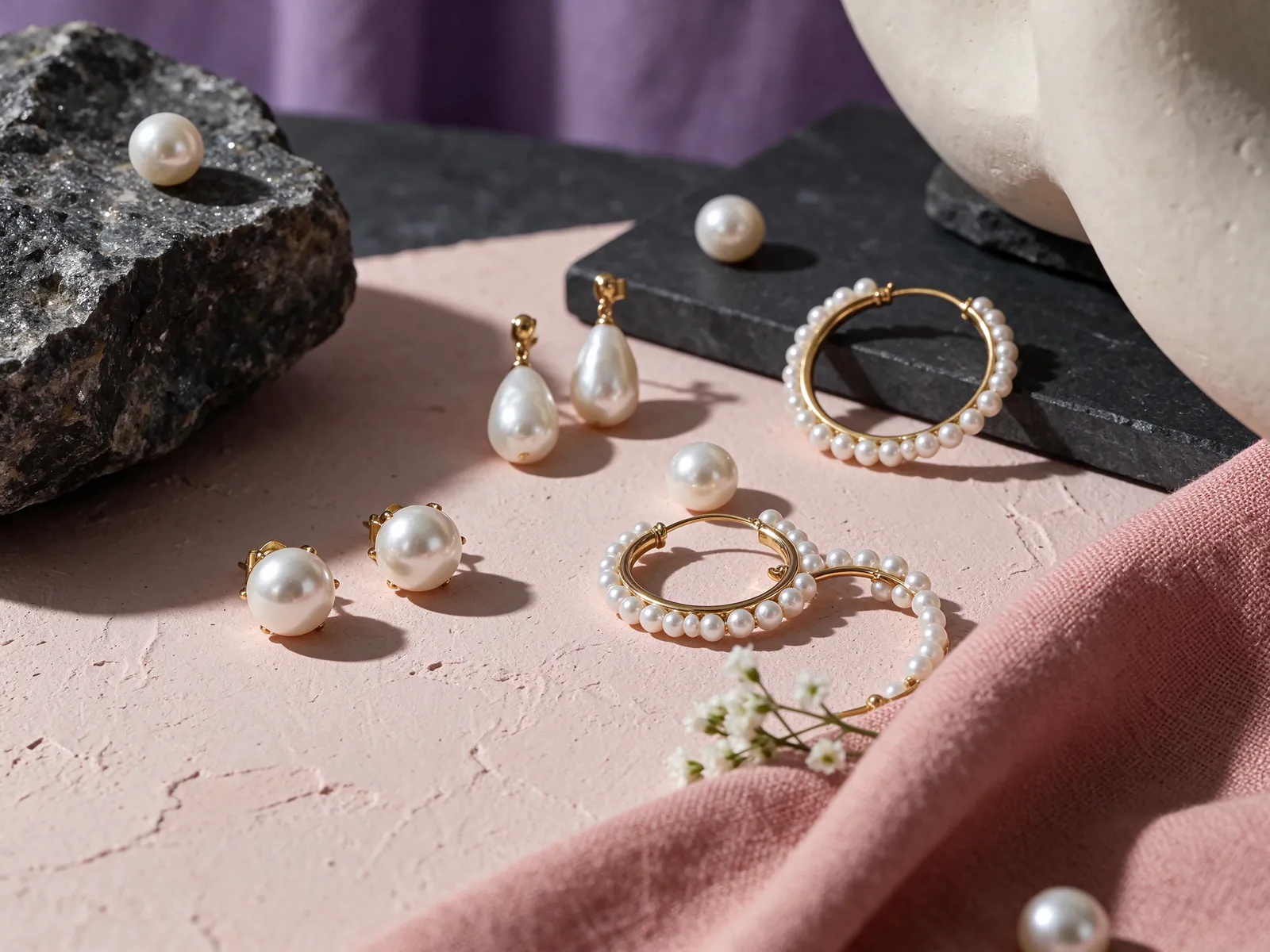
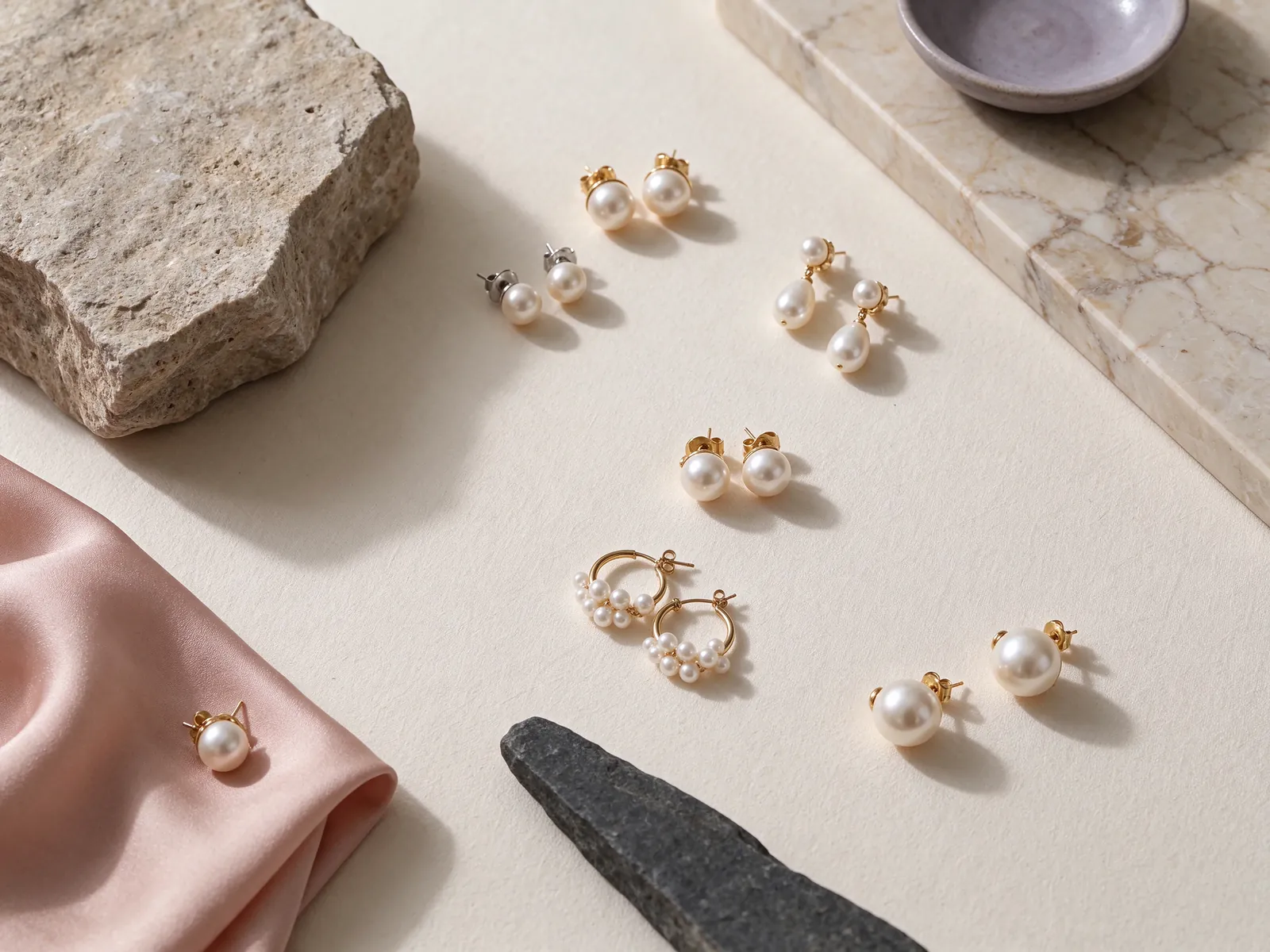
A newly coordinated pair places the emphasis on consistency between the new pieces, while the survivor can be kept separately for its sentimental value. An intentional single-earring look is another possibility if the existing piece is secure. Explore Pearl Jewelry with your whole outfit in mind: a plain collar and deliberately asymmetric hairstyle can give one pearl a clear role. Editorial images should not be interpreted as available replacements for a missing side.
Different occasions may call for different levels of coordination
Both earrings are exposed with tied-back hair, so outline differences may stand out more than they do with loose hair. For an event involving close portraits, test the intended neckline and hairstyle before deciding what feels balanced. For a deliberately asymmetric outfit, one earring can be a considered choice instead of an incomplete pair. The occasion clarifies your preference; it does not impose a universal rule that all pearl earrings must be identical.

Protect the surviving earring while you weigh your options
Do not aggressively clean the survivor to make it look closer to a new candidate. GIA ranks pearl at 2.5 on the Mohs hardness scale and advises never using ultrasonic or steam cleaners. After ordinary wear, wipe gently with a very soft, clean, dry cloth. If the pearl is loose, stop wearing the earring and avoid repeated rubbing that strains its attachment. The entire piece also includes metal parts and may have adhesive joints; general pearl-cleaning guidance is not permission to immerse the assembled earring. A luster difference is not a reason to polish it yourself.
Store the earring separately from harder objects, rather than letting it move around with keys or other jewelry. The pearl care guide discusses routine cleaning and storage, including avoiding perfume, hair spray and excessive heat. Do not soak the complete earring or use a cleaning product to try to remove a color difference. Color and surface condition help inform the comparison, and changing them can harm the piece you want to keep.
Use the loss as a prompt to review storage and fastenings
Think about whether the earring fell during wear or whether the pair was separated after removal. Put both pieces in the same box immediately, and check that earrings remain in place after changing clothes or adjusting hair. Avoid repeatedly squeezing the backing with force. If the remaining side rotates or its backing is loose, mention this alongside the missing-earring question so the conversation addresses wearability as well as appearance.

Make the first conversation specific and the final decision informed
Describe what is missing, what remains and what you want to preserve. For example, explain that the whole earring is gone but its partner survives, and that a close-fitting profile is your main priority. Ask what needs to be physically examined, which pearl factors would guide comparison and whether construction requires a separate discussion. Concrete observations about height, direction or fastening give the assessment more substance than a request for an exact copy.
Clarify whether a proposed direction concerns only a pearl, a complete single earring or a newly coordinated pair. Ask which existing components would be retained, how visible differences would be described and whether any construction questions remain unresolved. Similar should not be read as identical in color, shape or design. Cost, timing and handover arrangements should be confirmed for the specific proposal. Ask what is needed to examine the survivor before choosing an option, rather than treating an initial message or photograph as a finished replacement arrangement.
Pair your photographs with practical wearing priorities
You can use Flint Jewelry's WhatsApp inquiry entry to explain the missing side, with clear photographs and existing purchase documents ready. Describe the features you care about in everyday terms: you do not want one pearl to stand further out, or the drop should face the corresponding direction on the opposite ear. After the actual piece and possible differences have been considered, choose whether a single side, new pair or preserved survivor better fits your goal.
| Decision area | Useful information | Physical comparison | Effect when worn | Clarifying question |
|---|---|---|---|---|
| What was lost | Survivor and loose components | Complete side, pearl or fastening | Security of the remaining piece | Which component is being discussed? |
| Pearl appearance | Unfiltered views in even light | Color, reflections and surface condition | Brightness balance near the face | What differences would remain? |
| Profile | Side views and actual earring | Shape and mounting height | Projection or hanging position | Which proportions matter most? |
| Setting direction | Back, post and fastening views | Outline and left-right arrangement | Tilt, rotation and orientation | Would the opposite side need mirroring? |
| Preferred outcome | Documents and wearing priorities | Similar side or a newly coordinated pair | Regular outfits or portrait occasions | What would be kept from the survivor? |
Pearl knowledge and authoritative references
GIA identifies seven pearl value factors: size, shape, color, luster, surface quality, nacre quality and matching. Matching applies to jewelry with two or more pearls, so a candidate must be considered alongside the surviving earring rather than in isolation.
Read the reference for this factFrequently asked questions
Can I identify the pearl type from the surviving earring's photograph?
A photograph alone cannot establish pearl type, origin, treatment or natural-versus-cultured identity. Existing documents can provide stated information, while an assessment considers the physical piece. Do not fill in missing details from color or shape when describing the earring.
What if the pearl is missing but I still have its empty setting?
Keep the setting and any loose components. The discussion should cover its condition and attachment as well as finding a visually compatible pearl. This is different from replacing a whole earring because some structure survives, but its suitability still needs to be examined.
Is a new pair always preferable to replacing just one side?
No. The decision depends on what you value and what can be assessed. Keeping a sentimental survivor may be your priority; alternatively, coordination within a new pair may matter more. Compare the visible differences, wearing behavior and parts you would keep before choosing a direction.
Why should I mention which ear held the surviving piece?
Some designs have directional curves, leaves or drops. The opposite earring may need a corresponding or mirrored arrangement rather than the same direction. Knowing how the survivor was worn helps distinguish its intended orientation from a tilt caused by the post or backing.
Can the replacement question be resolved through messages alone?
Messages and clear photographs can explain the loss and your priorities, but they do not replace physical comparison of color, structure and wearing position. Use the initial conversation to understand what needs to be examined, and do not assume it establishes an exact match or a completed replacement arrangement.
Updated: