

Learn how to judge pearl luster in consistent light: compare pearl reflection quality and visual depth to assess pearl luster quality
A useful luster comparison starts with an identifiable reflected shape. Find a window edge or another light-colored object reflected on the pearl and examine its boundary. Does it remain recognizable or blend into a broad glow? Next, look at the shading beside it. Light and shadow can make the pearl appear rounded and visually layered, while an intense white highlight may conceal that information. WSP’s Hanadama and Akoya explanation likewise recommends looking past brightness to reflection sharpness and visual depth. These observations help describe the appearance; they are not measurements of internal structure or proof of a certified grade.
Use the pearl grading guide to distinguish luster descriptions from overall grades. GIA describes luster as Excellent, Very Good, Good, Fair, or Poor, according to how bright and sharply defined reflections appear. At the Excellent end, reflections are bright and sharp; at the Poor end, they are dim and diffuse. The five descriptions do not provide a universal conversion for sellers’ AAA or AAAA labels, and they are not grades assigned here to Flint items. Record a visible difference, such as a more defined window reflection, instead of assigning a GIA category from a photograph. A clear description is useful without claiming a laboratory conclusion.
Understand how to judge pearl luster without treating pearl reflection quality or pearl luster quality as proof of certification
A mirror-like appearance describes what you see; a certificate records particular examination results. WSP describes Hanadama as a quality label within white Akoya pearls meeting laboratory standards, not a separate pearl species. Luster is considered with nacre, surface, and shape. If evidence matters, use how to read a pearl certificate to check the issuer, the object described, and the stated results. An attractive reflection does not establish Hanadama status or show that a Flint piece has that document. Check evidence about the selected item independently of the look you prefer.

Control the surroundings before comparing two pieces
Choose gentle, even illumination rather than direct sun or a close spotlight. Place the pieces against the same simple background, with similar access to light, and inspect them from a comparable direction. Then switch their positions. If the piece that looked brighter changes when moved, check the light direction before making a quality judgment. A plain pale surface reduces distractions from patterned fabric or vivid surroundings reflected on the pearls. Keep the viewing area consistent as well: comparing one item under a warm lamp and another at a window may reveal different lighting rather than different luster.
Inspect movement as well as the resting view. Slowly turn the jewelry and watch whether the highlighted region moves coherently across the visible pearl. Examine the accessible sides, not only the face selected for a photograph. Settings and neighboring pearls may add reflections or obscure parts of the surface, so the mounted piece needs to be considered in context. Handle it gently without scraping or pressing the pearl. You are looking for useful visual differences, not performing a physical test of durability or identification.
What a product photo or video can help you decide
A photo with a blown-out white highlight offers little detail about reflection edges. Additional angles and softer lighting, when available, are more informative. A rotating video can show changing reflections, but processing, compression, and screen settings remain part of the result. Use images to identify preferences and questions, not to declare a laboratory conclusion.
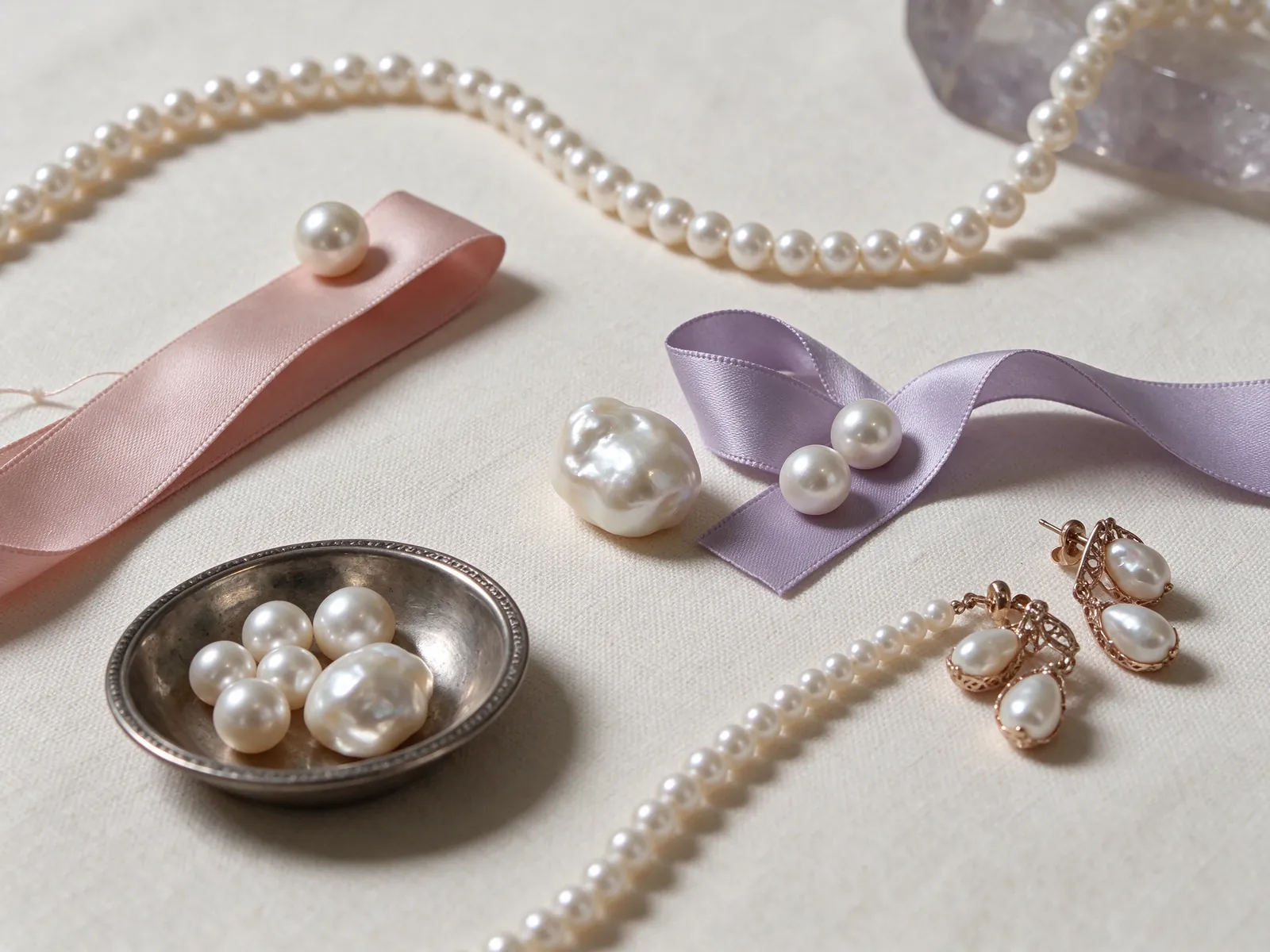
Observe reflection definition before judging color and contrast
Break the view into distinct observations. First consider the edge of a reflection; then examine the shift from the highlight into shade; finally step back and consider the overall impression. A surface can look very bright while its reflected shapes remain blurred. Another view may be less dazzling but reveal clearer boundaries and a more rounded appearance. Recording these differences in ordinary language is enough for a practical comparison. Visual depth here refers to an impression, not an estimate of nacre thickness or internal structure.
Keep color separate from this exercise. A dark bodycolor can make a light reflection stand out, while a pale pearl may show subtler shading. Dramatic contrast does not automatically establish better luster, and a whiter appearance is not a grade. GIA distinguishes bodycolor, overtone, and orient. Every pearl has bodycolor, but not every pearl shows overtone or orient. Compare reflected boundaries first, then return to your preferred color and outfit. This prevents an eye-catching color effect from becoming an unsupported claim about luster or pearl identity. A color you enjoy remains a valid preference without being a grading result.
Choose an effect that works with your everyday style
A quieter glow may appeal beside matte fabrics and relaxed daytime clothing. More distinct highlights may feel right against a clean dark neckline. Neither preference creates a certification result. Look at the piece with the kind of clothing you expect to wear, while keeping the lighting consistent enough to understand its own appearance.
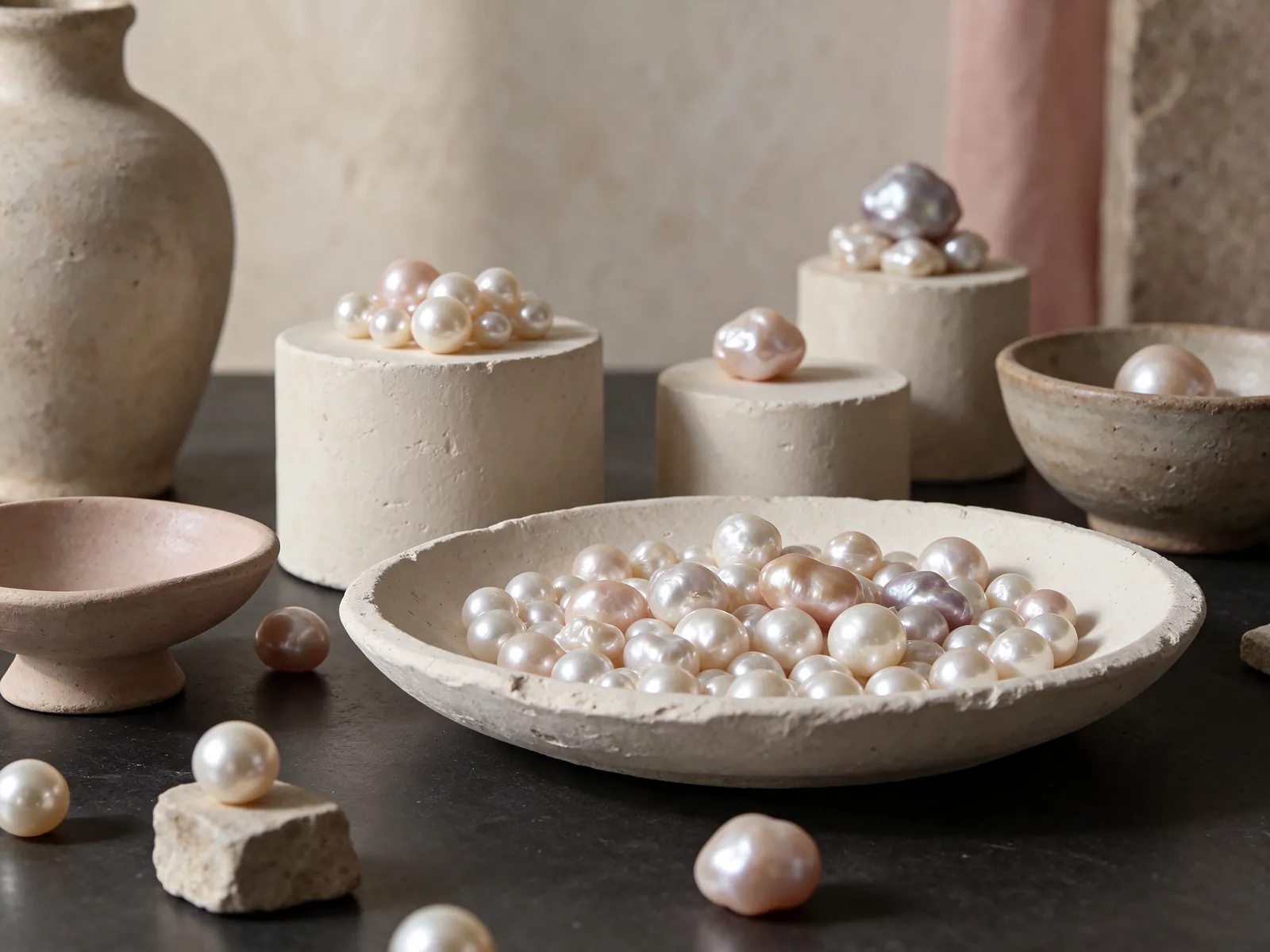
Do not substitute shine for nacre or surface information
A pleasing reflection does not reveal measured nacre thickness. The pearl nacre thickness topic explains why an appearance observation should remain separate from relevant examination or documentation. Visual depth is an impression rather than a measurement, and two pearls with similar reflections need not have the same nacre thickness. Resist drawing a numerical conclusion from a glossy photograph or assuming shine establishes pearl type, treatment status, or origin. Ask whether a statement is a visual description or information supported for the particular item. That distinction lets you appreciate the appearance without asking reflected light to establish an internal property.
Surface condition is another separate part of the assessment. Turn the pearl so that a strong highlight no longer covers the area you are inspecting. Small pits or texture may be easier to notice in a different angle, and their location can matter when the jewelry is worn. Learning about pearl surface quality helps you describe those features independently of luster. A pearl may have clear reflections and a visible mark at the same time; a smooth-looking face likewise does not establish that every other quality factor is ideal.
Keep the comparison nonabrasive
Do not scratch the surface or rub it against a tooth as a luster test. These actions can cause damage and are not a substitute for appropriate identification. GIA's care guidance notes the softness of pearls. Compare appearance through gentle viewing; use suitable gemological information for questions that cannot be answered visually.

Evaluate earrings together and a necklace as a complete strand
When considering earrings, put both pieces in a similar orientation under the same light, then exchange positions to check whether the surroundings explain a difference. Look for a compatible response rather than identical highlight locations. Afterwards consider the pair near the face, where hair and clothing change contrast. Assessing pearl matching quality includes how luster, color, shape, and other characteristics work together. If one side consistently looks much hazier in a fair comparison, that may affect the balance you enjoy during wear. Different highlight positions by themselves are not proof of poor matching; allow for light direction and orientation first.
For a strand, look at the whole necklace from an ordinary conversation distance before examining individual pearls closely. Notice whether a dull-looking area interrupts the overall visual rhythm. Do not demand matching highlight shapes along the entire strand, since each pearl occupies a different angle and reflects its surroundings differently. Consider the necklace against a plain top as well as a shinier fabric. This helps you tell whether the jewelry itself has the effect you enjoy or whether the outfit is amplifying or competing with its reflections.
Why rings need more than a front-facing check
A pendant's outward face often dominates its wearing view. A ring changes direction repeatedly with the hand, making side reflections and the area close to the setting relevant too. Watch gentle movement rather than judging only the most flattering still image. The better choice is the effect you enjoy in realistic viewing conditions.
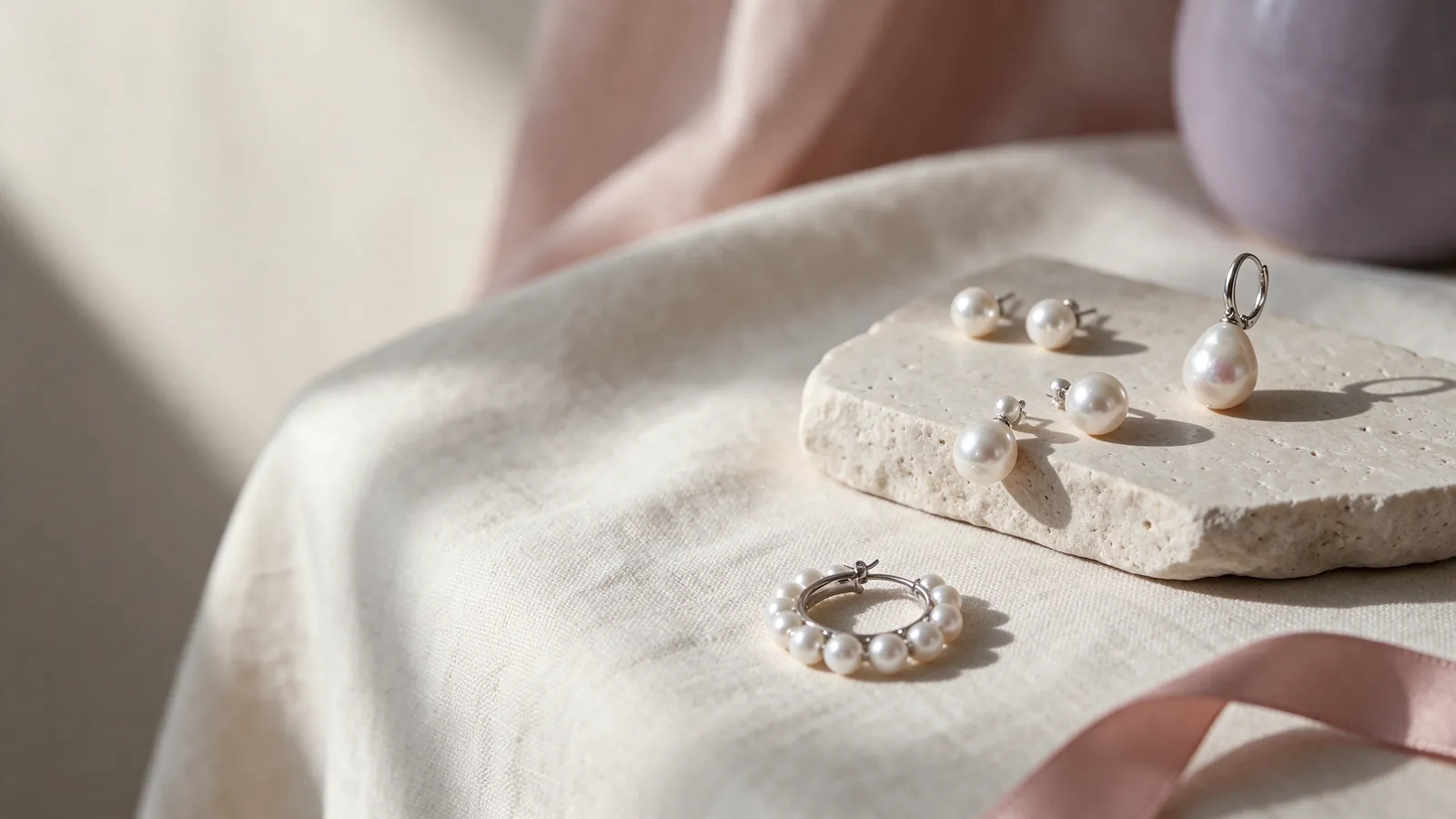
Bring luster back into the complete buying decision
GIA’s pearl value framework identifies seven factors: size, shape, color, luster, surface quality, nacre quality, and matching. Matching is relevant to jewelry containing two or more pearls, rather than requiring a single pearl to match another. When considering what determines pearl value, connect the framework to intended use. An earring pair may make balance important, while a pendant puts attention on its outward face. Examine the other characteristics rather than letting one appealing reflection settle every question. A luster description is not a valuation or a promise of resale value. It is one useful part of a more complete buying assessment.
When Hanadama appears in a description, use the Hanadama vs Akoya pearls topic to separate terminology from evidence about a particular piece. Seeing a mirror-like reflection and reading a document are different activities. Describe your preference, such as well-defined edges or a coherent strand, and ask separately about information accompanying the item. Images on this page are knowledge or styling illustrations only. They do not establish type, origin, treatment, measured thickness, or certification, and they do not prove stock or price. Base your decision on the selected object and its information, not its resemblance to an appealing example.
Compare defined descriptions, not unexplained grade letters
Ask what a grade label means and which characteristics it covers before comparing it with a label used elsewhere. Different definitions should not be turned into a universal ranking. Return to the observed reflections, surface features, and actual documents when needed. Concrete descriptions make differences easier to understand than letters without a stated scale.

Handle a change in brightness with gentle care
If your pearl appears dull after wearing, first look again in familiar gentle light. A new room, stronger background color, or different camera exposure can change the impression. GIA recommends a very soft, clean cloth after wear and avoiding acids, perfume, hair spray, and excessive heat. The guide on how to care for dull pearls helps separate ordinary care from changes that deserve assessment. Do not keep rubbing until the surface looks brighter, and do not assume that all dullness is a temporary film that can be removed.
Never use ultrasonic or steam cleaners on pearls, as GIA's cleaning guidance states. If an unusual color change, persistent dullness, or a changed surface remains, stop trying household remedies and seek appropriate advice about the item. Record where the change appears and what the jewelry may have contacted. Consistent-light photographs can help explain what you noticed, but they do not establish the cause or prove a restoration outcome. Care protects the surface from unsuitable handling; it should not be presented as a promise of permanent luster.
Include the string in care decisions for a strand
GIA says the string of water-cleaned strung pearls must be completely dry before wearing. This does not mean every assembled piece is suitable for immersion: consider the thread, glue, settings, and metal first. Routine gentle wiping with a very soft, clean cloth avoids unnecessary wetting. Do not soak pearls for long periods, use toothpaste or bleach to remove yellowing, or dry them with strong heat. Appropriate care reduces unsuitable contact; it does not promise that discoloration can be reversed or that original luster will last unchanged forever.
| Observation | Fair viewing method | What to describe | Unsupported conclusion to avoid | Use when choosing jewelry |
|---|---|---|---|---|
| Reflected shape | Compare a window edge in the same gentle light | Recognizable boundary or a hazy patch | A certified grade or pearl identity | Find the highlight style you prefer |
| Shading and depth | Turn the piece and look beside the bright region | Gradual rounded shading or a flat bright area | A measured nacre thickness | Check how the pearl reads against your neckline |
| Surface marks | Move the strongest highlight away from the area | Texture or pits and their visible position | All quality factors being settled by shine | Consider the face normally seen during wear |
| Matching | View a pair together or a strand as a whole | Consistent appearance or a distracting dull section | Every reflected spot needing the same shape | Judge balance rather than isolated perfection |
| Dullness after wear | Recheck familiar light and follow gentle care | Location, timing, and persistence of the change | Cleaning being guaranteed to restore luster | Avoid abrasion, ultrasonic cleaning, and steam |
Pearl knowledge and authoritative references
GIA’s pearl value framework contains seven factors: size, shape, color, luster, surface quality, nacre quality, and matching. Matching applies to jewelry with two or more pearls; luster does not substitute for the complete quality assessment.
Read the reference for this factFrequently asked questions
Is a pearl automatically top quality if it reflects a recognizable face?
No. The reflection is one visual clue, affected by light and surroundings. Assess its boundary, the shading around it, and the other quality factors. It does not establish a universal grade or prove pearl type or Hanadama certification.
Why does the same pearl look more luminous in one photo than another?
Lighting direction, exposure, background, processing, and screen settings can all alter the impression. Compare views made under consistent gentle light and inspect movement when possible. A brighter photograph alone does not demonstrate a better luster grade.
Does a darker pearl have better luster because its highlight stands out?
Not necessarily. A dark color can increase the visible contrast of a pale reflection. Judge the reflection's definition and surrounding shading separately, then consider your color preference. Dramatic contrast is not itself evidence of superior quality.
How should I judge luster across a pearl necklace?
Start with the entire strand at a normal viewing distance, then look closer for noticeably dull sections. Different positions produce different highlight shapes, so do not expect identical reflections on every pearl. Consider the overall balance along with individual surface features.
What should I do if gentle wiping does not improve a dull area?
Stop experimenting with abrasive or household cleaning methods and seek an appropriate assessment. Note the location, timing, and possible contact with cosmetics. GIA advises against ultrasonic and steam cleaners, and a persistent change should not be assumed to have a guaranteed cleaning solution.
Does GIA Excellent luster mean the same thing as AAAA?
No. GIA’s luster descriptions address reflection brightness and sharpness. Seller letter labels may cover different qualities, and there is no universal AAA or AAAA conversion. Ask how the label is defined, and do not assign a GIA luster category from a photo.
Updated: