

Learn how to judge pearl lustre in consistent light: compare pearl reflection quality and visual depth to assess pearl lustre quality
Begin with a reflection you can describe, rather than the brightest spot you can find. A window edge or a pale object reflected on the pearl gives you something to follow: is its outline relatively distinct, or does it spread into a hazy patch? Then look beside the highlight. An impression of depth comes from how light and shade describe the curved surface, not simply from a large white area. WSP also recommends looking beyond brightness to crisp reflections and visual depth in its Hanadama and Akoya explanation. These are useful observations, not a certificate or a measurement of internal structure.
The pearl grading guide provides context, but distinguish a lustre description from an overall grade. GIA uses five descriptions for lustre: Excellent, Very Good, Good, Fair and Poor, based on the brightness and definition of reflections. Excellent reflections are bright and sharp; Poor reflections are dim and diffuse. These descriptions are not a universal conversion chart for sellers’ AAA or AAAA labels, nor a claim about Flint items. Note an observed difference such as a clearer reflected edge instead of assigning a GIA category from a photograph. Describing what you can see makes a comparison useful without overstating it.
Understand how to judge pearl lustre without treating pearl reflection quality or pearl lustre quality as proof of certification
Mirror-like is an appearance description, not a certificate. WSP places Hanadama within white Akoya pearls meeting particular laboratory standards, rather than a separate pearl species. Lustre is considered alongside nacre, surface and shape. If documentary evidence matters, use how to read a pearl certificate to check the issuer, the item described and the results actually stated. An attractive reflection cannot establish Hanadama status or show that a Flint piece has such a document. Read evidence about the selected item separately from the visual effect you prefer.

Create a fair comparison before deciding which pearl looks brighter
Use gentle, reasonably even light and keep the background simple. Put the items close enough together to receive similar illumination, without letting them knock against each other. Direct sun or a spotlight close to one pearl can dominate what you see. Exchange the left and right positions after a first look. If your preferred pearl changes with position, check the light direction before attributing the difference to quality. A plain pale background reduces coloured reflections from clothing or a table. Keep the viewing area consistent too, rather than comparing one piece in warm room light with another beside a window.
Once the setup is consistent, rotate the jewellery slowly and watch the highlighted area move. Look for continuity across the visible surface rather than a single perfect angle. Hold the item gently; do not scratch, rub aggressively or press on the pearl to test it. With a mounted piece, nearby metal and neighbouring pearls can create their own reflections, so consider the front and accessible side views together. You are assessing an item as it will be seen, not trying to make every point on its surface reflect an identical shape.
Read online images without letting exposure decide for you
An overexposed highlight removes the detail needed to judge its edges. Look for different views of the same item, including gentle lighting and a wearing view where available. Keep your screen brightness consistent. A rotating video adds context, but compression, filters and the display still influence appearance; use it to refine a shortlist rather than assign a definitive grade.
Separate sharpness, shading and colour in your observations
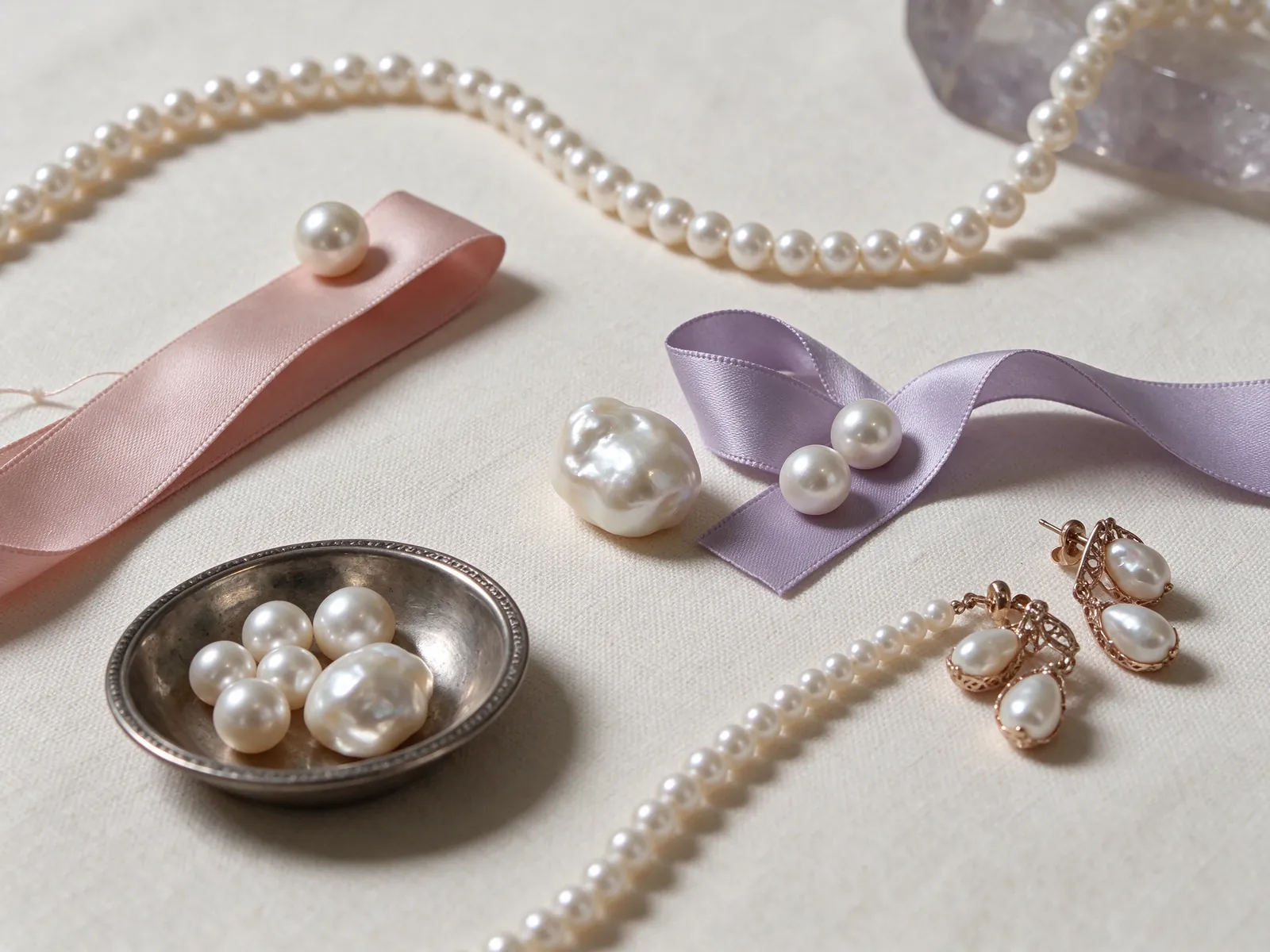
Reflection sharpness and overall brightness are not interchangeable. A bright highlight may still have diffuse edges, while a less dazzling view may preserve a recognisable outline. After examining those edges, study the transition from the lit area to the darker side. Does the pearl retain a rounded, layered appearance, or does the light flatten much of the visible face into a pale patch? These are visual observations. They do not provide a measurement of the pearl's internal structure, and there is no need to compress them into a numerical rating.
Colour changes the impression of contrast. A darker pearl can make a pale reflection stand out; a lighter pearl may present gentler differences between light and shade. Neither effect means that colour alone establishes better lustre. GIA distinguishes bodycolour, overtone and orient: every pearl has a bodycolour, but not every pearl has an overtone or orient. Compare reflection definition first, then decide which colour works with your clothes and complexion. A coloured reflection is not automatically a higher grade or evidence of identity. Keeping these observations separate prevents an appealing colour effect from carrying an unsupported lustre claim.
Can a softer appearance suit your wardrobe?
For understated daytime jewellery beside knitwear or matt fabric, you may enjoy a softer visual effect. Against a simple dark neckline, a more distinct reflected highlight may be your preference. These are styling choices, not certification decisions. Compare the actual piece under consistent light before deciding whether its appearance suits the way you intend to wear it.
Keep lustre, nacre information and surface condition distinct
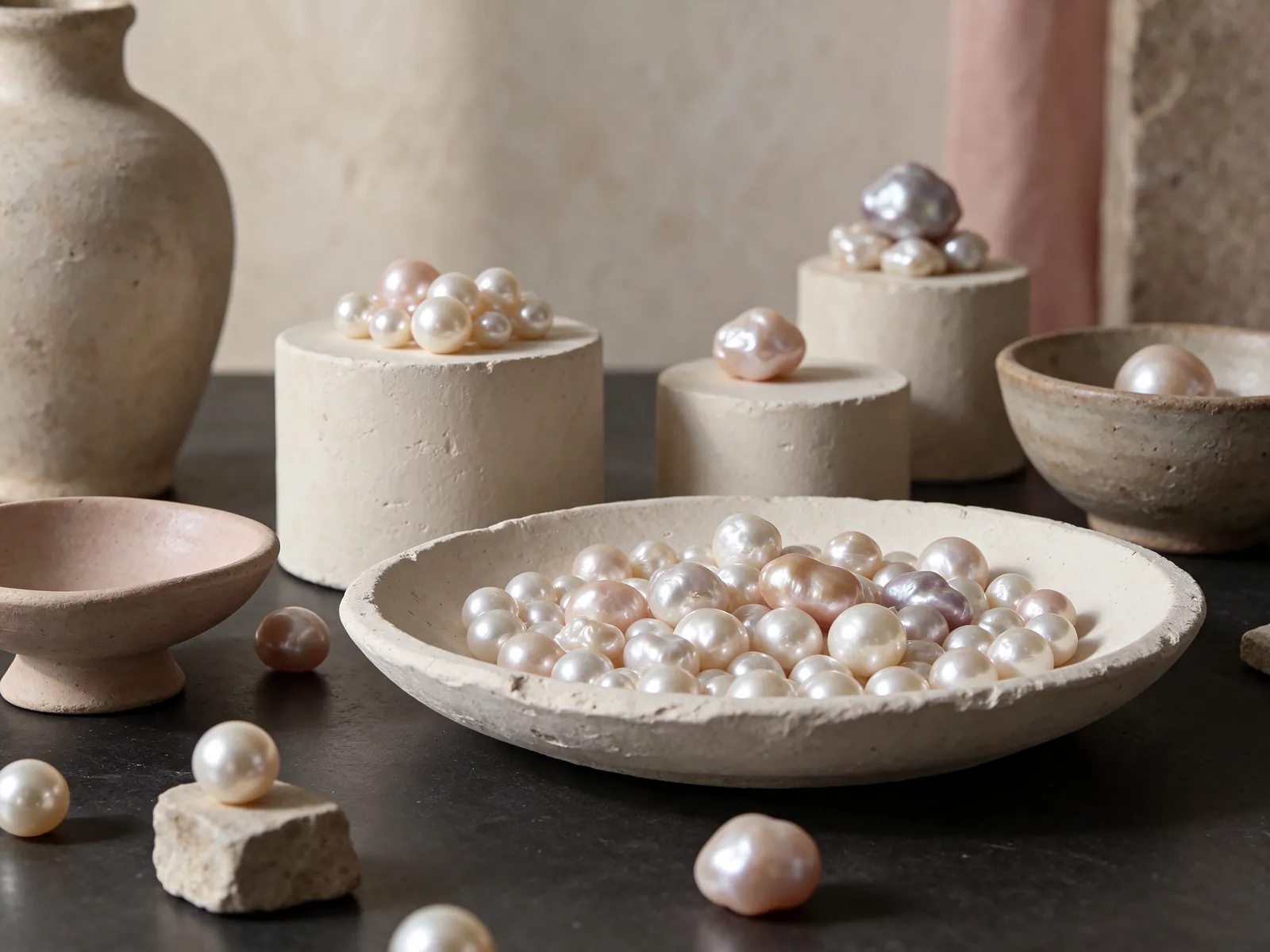
Nacre quality belongs in a pearl assessment, but a clear reflection does not tell you a measured thickness. The discussion of pearl nacre thickness separates visible appearance from information obtained through suitable examination or documentation. Visual depth is an impression, not a measuring method; two similar-looking reflections do not establish equal nacre thickness. Do not calculate thickness from a bright photograph or infer treatment status or pearl type because the surface looks attractive. Ask which statements describe what can be seen and which are supported by information about that particular item. This lets you appreciate an appealing surface without asking it to prove an internal property.
Surface marks deserve their own inspection. A strong highlight may conceal a small pit, while rotation brings it into view on a darker area. Look beyond the most flattering reflected spot and note where a mark sits in relation to the face usually visible during wear. The guide to pearl surface quality explains a different part of the assessment from lustre: a pearl can show clear reflections and still have a visible surface feature. Equally, a smooth-looking surface does not settle all the other quality factors.
Avoid scratch or rubbing tests
Do not use a fingernail, tooth or abrasive substance as a lustre test. Such actions can damage the surface and do not replace appropriate identification. GIA's care guidance describes pearls as relatively soft. Gentle visual inspection is sufficient for comparing appearance; questions about identity or treatment need appropriate gemmological information rather than a damaging home experiment.

Assess the pair or strand, not just its most striking pearl
For earrings, place both pieces in a similar orientation before comparing them, then exchange positions to check whether lighting explains a difference. Afterwards consider how they look near the face, where hair, skin and clothing alter the contrast. If one side consistently gives a clearer reflection and the other remains hazier in a fair setup, that difference may affect the balance you enjoy during wear. Considering pearl matching quality brings lustre together with colour, shape and other relevant characteristics. Different highlight positions alone do not establish poor matching: first allow for the direction of each pearl and the light.
With a strand, begin at a normal conversational viewing distance and look for a coherent visual rhythm. Move closer afterwards to inspect individual pearls. A noticeably dull-looking section deserves attention, but identical highlight shapes are not a sensible requirement: the pearls occupy different positions and reflect the surroundings differently. Try considering the strand against both a plain neckline and a shinier fabric. This helps distinguish the jewellery's own appearance from an outfit that either competes with its reflections or makes them more prominent.
Change the viewing angle for pendants and rings
A pendant is often seen from the front, making its outward-facing appearance particularly relevant. A ring moves with the hand, so side views and the area near the setting also matter. Watch a piece through gentle movement rather than selecting it only for one camera angle. This makes the assessment closer to everyday wearing conditions.
Use the full quality framework and read documents separately
GIA’s pearl value framework lists seven factors: size, shape, colour, lustre, surface quality, nacre quality and matching. Matching applies to jewellery with two or more pearls, rather than requiring a single pearl to match another. When considering what determines pearl value, connect the framework to intended use: a balanced pair, a pendant with an appealing front, or a coherent strand. Examine the remaining characteristics instead of letting shine stand for everything. A lustre description is not a valuation or a promise that an item will retain its price. It helps organise observations but does not settle the whole buying decision.
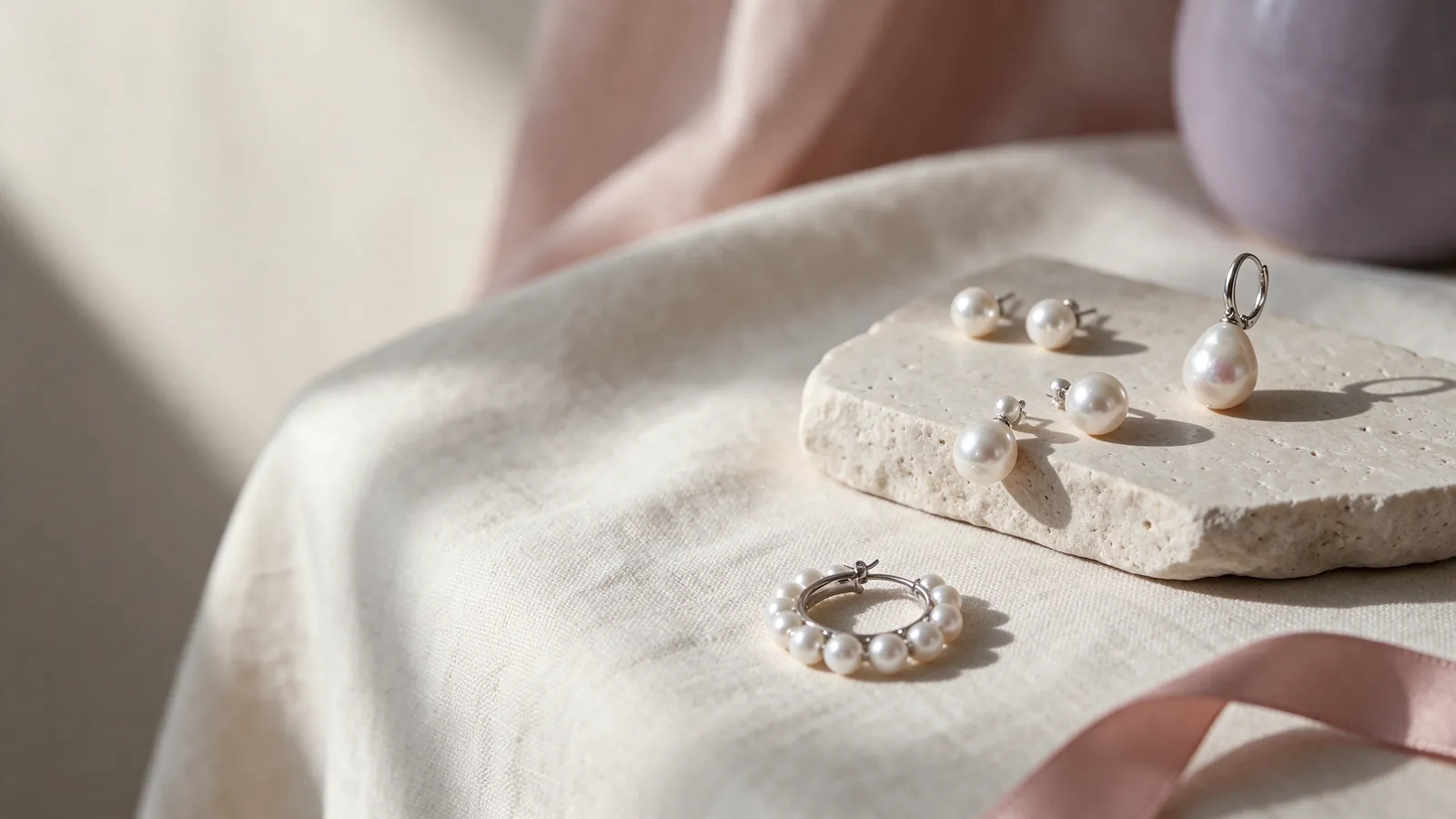
If a description mentions Hanadama, the Hanadama vs Akoya pearls topic helps distinguish terminology from evidence about a specific item. Whether you see a crisp reflection is one question; whether the selected item has a particular document is another. Describe your preferences, such as defined reflected edges and a balanced pair, then ask separately about accompanying information. The page’s images illustrate knowledge or styling only. They do not establish pearl type, origin, treatment, measured thickness or certification, and they are not evidence of stock or price. Keep your decision grounded in the actual item rather than resemblance to an example.
Ask what a grade label actually covers
Before comparing grade letters across sellers, ask how each label is defined and which characteristics it includes. Where the definitions differ, return to consistent viewing conditions and the actual documentary information. Describing visible differences in ordinary language is often more helpful than arranging unexplained letters into a universal ranking.

Respond gently if the surface starts to look dull
If a pearl seems less luminous after wear, first examine it in familiar gentle light rather than relying on a photograph taken in a different room. GIA recommends wiping pearls with a very soft, clean cloth after wearing and avoiding acids, perfume, hair spray and excessive heat. The guidance on how to care for dull pearls helps distinguish routine care from changes that need assessment. Do not rub harder in pursuit of instant brightness, and do not assume that every dull area is removable residue.
GIA advises that pearls should never go into ultrasonic or steam cleaners. If dullness, a colour change or an unusual surface appearance persists, stop experimenting with cleaning remedies and seek an appropriate assessment. Note when you noticed the change, where it appears and whether the piece contacted cosmetics or other substances. Photographs taken under similar lighting can help you describe the issue, but they cannot diagnose its cause. Nor does identifying a change justify a promise that cleaning or repair will restore the original lustre.
Let a cleaned strand's string dry completely
GIA says the string of water-cleaned strung pearls must be completely dry before wearing; this is not permission to immerse every piece. Consider the thread, glued components, settings and metal before choosing a cleaning method. Routine gentle wiping with a very soft, clean cloth avoids unnecessary wetting. Do not soak for long periods, use toothpaste or bleach to remove yellowing, or dry with strong heat. Appropriate care reduces unsuitable contact, but it does not guarantee that discolouration is reversible or that lustre will remain unchanged forever.
| What to observe | How to compare | Useful description | What it cannot establish | Buying or styling use |
|---|---|---|---|---|
| Reflection edges | Use the same gentle light and a recognisable reflected object | Distinct outline or diffuse patch | Hanadama status or pearl type | Choose between a concentrated highlight and a softer effect |
| Light-to-shade transition | Rotate gently and inspect beside the highlight | Rounded depth or a flattened bright area | Measured nacre thickness | Check the effect against a simple neckline |
| Surface features | Look away from the strongest highlight | Location of pits or texture | All other quality factors | Consider whether a feature faces outward during wear |
| Pair or strand balance | Inspect together and then at wearing distance | A visibly dull side or interrupted visual rhythm | Identical highlight shapes at every position | Assess earrings together and a strand as a whole |
| Changes after wear | Return to familiar light and use gentle routine care | Location and persistence of dullness | A guaranteed return to the original appearance | Avoid abrasion, ultrasonic and steam cleaning |
Pearl knowledge and authoritative references
GIA’s pearl value framework has seven factors: size, shape, colour, lustre, surface quality, nacre quality and matching. Matching applies to jewellery containing two or more pearls; lustre does not replace the full quality assessment.
Read the reference for this factFrequently asked questions
Does seeing my reflection in a pearl prove that it has a top grade?
No. A recognisable reflection is one observation, influenced by lighting and surroundings. Consider its definition, the shading around it and the other quality factors. It does not establish a universal grade, pearl identity or Hanadama certification.
Is a phone flash a useful way to compare lustre?
A flash can create intense highlights that hide detail. Start with consistent gentle light and a simple background, then rotate the jewellery. Phone images can record observations, but exposure, processing and the display affect what you see.
Should both earrings show their highlights in exactly the same place?
Not necessarily. Different orientations change the reflected light. Compare both in similar positions first, then consider their colour, lustre and shape together during wear. Matching is about a coherent appearance, not identical highlight coordinates.
Can a pearl with a small surface pit still have clear reflections?
Yes. Lustre and surface quality are separate observations. Rotate the pearl to identify the pit's location, and assess reflection clarity independently. Its suitability also depends on how visible the feature is in the intended setting and your preferences.
Can I polish a dull pearl vigorously with a jewellery cloth?
Do not use abrasion to chase shine. GIA recommends a very soft, clean cloth for gentle wiping after wear and prohibits ultrasonic and steam cleaning. Persistent dullness or colour change deserves assessment rather than an assumption that polishing will restore it.
Can GIA Excellent lustre be converted directly into AAAA?
No. GIA’s lustre descriptions focus on the brightness and sharpness of reflections. Sellers’ letter labels may cover different characteristics and have no universal AAA or AAAA conversion. Ask what the label means, and do not assign a GIA lustre category from a photograph.
Updated: