
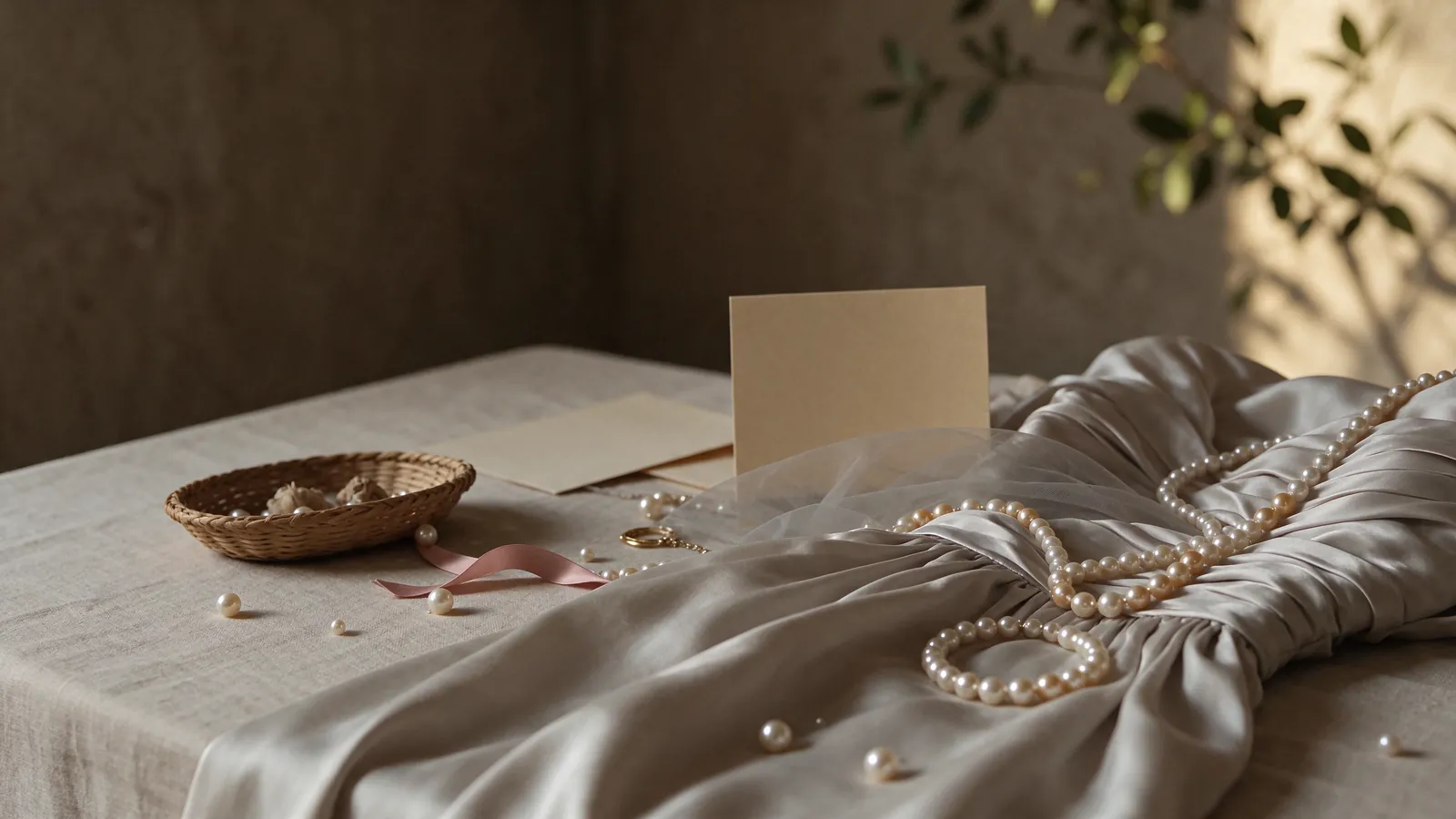
Which everyday style details matter when choosing romantic pearl gifts or just because pearl gifts for a pearl jewellery surprise gift?
Start with a normal working week rather than an imagined special dinner. A recipient who usually wears shirts, crew-neck tops and a light cardigan may use jewellery differently from someone who favours open necklines. Notice which pieces they reach for repeatedly, and use one as a reference for proportion and purpose. A familiar starting point can fit their life without asking them to dress for your idea of romance; novelty does not need to come from an unfamiliar category.
When exploring pearl gifts for her, distinguish a style she enjoys looking at from one she enjoys wearing. An elaborate photograph may catch her attention while a simple piece suits her daily routine. Consider whether the gift should echo a familiar silhouette or introduce one detail she has already said she likes. The second approach still relies on her taste, not a guessed transformation.
When comparing romantic pearl gifts or just because pearl gifts, how does a neckline influence your choice of a pearl jewellery surprise gift?
For a necklace, picture where the focal point sits in relation to the fabric edge. A pendant near the tip of a V-neck can compete with that line, while a chain may disappear behind a crew neck. With a high neckline, earrings offer another possible focus. Use a necklace the recipient already wears as a practical reference for position, rather than assuming one length suits everyone.
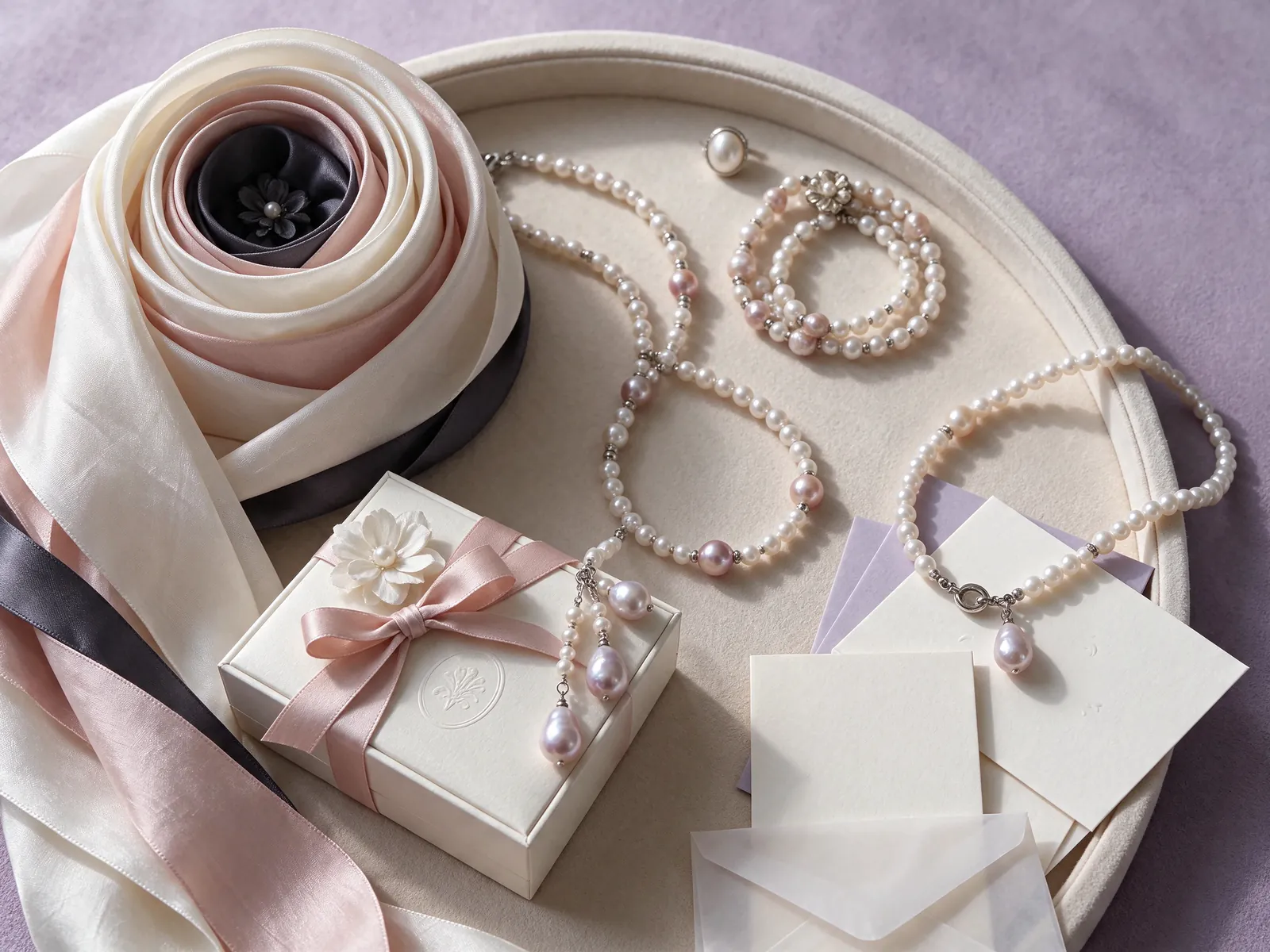
Read personal preferences before choosing a romantic visual language
A preference for clean outlines, irregular shapes or visible movement is more useful than a rule that romantic jewellery must have a particular motif. Look at the pieces the recipient actually keeps in rotation. Do they combine several accessories, or choose one quiet accent? Also ask whether they imagine a new piece for work or for outings. Admiring an elaborate look and wanting to wear it are different preferences, so the intended use helps narrow the choice.
Compare metal colour with the earrings, rings and watch they already enjoy; skin tone does not need to dictate a single answer. Design discussions may consider 18K 750 white gold, 18K 750 yellow gold, 18K 750 rose gold, PT950 platinum or PT900 platinum. Keep the material description separate from its visual effect. The pearl gift guide can help organise the wider choice by recipient and occasion.
Ask one useful question without revealing every detail
A relaxed question about whether they wear earrings or necklaces more often can preserve much of the surprise. If they prefer choosing jewellery themselves, invite them to choose the category and keep the note or presentation personal. Avoid treating a stated dislike as a challenge. Shared decision-making can be part of the gesture; where a size or fastening matters, asking directly is more considerate than leaving that uncertainty for the recipient to resolve afterwards.
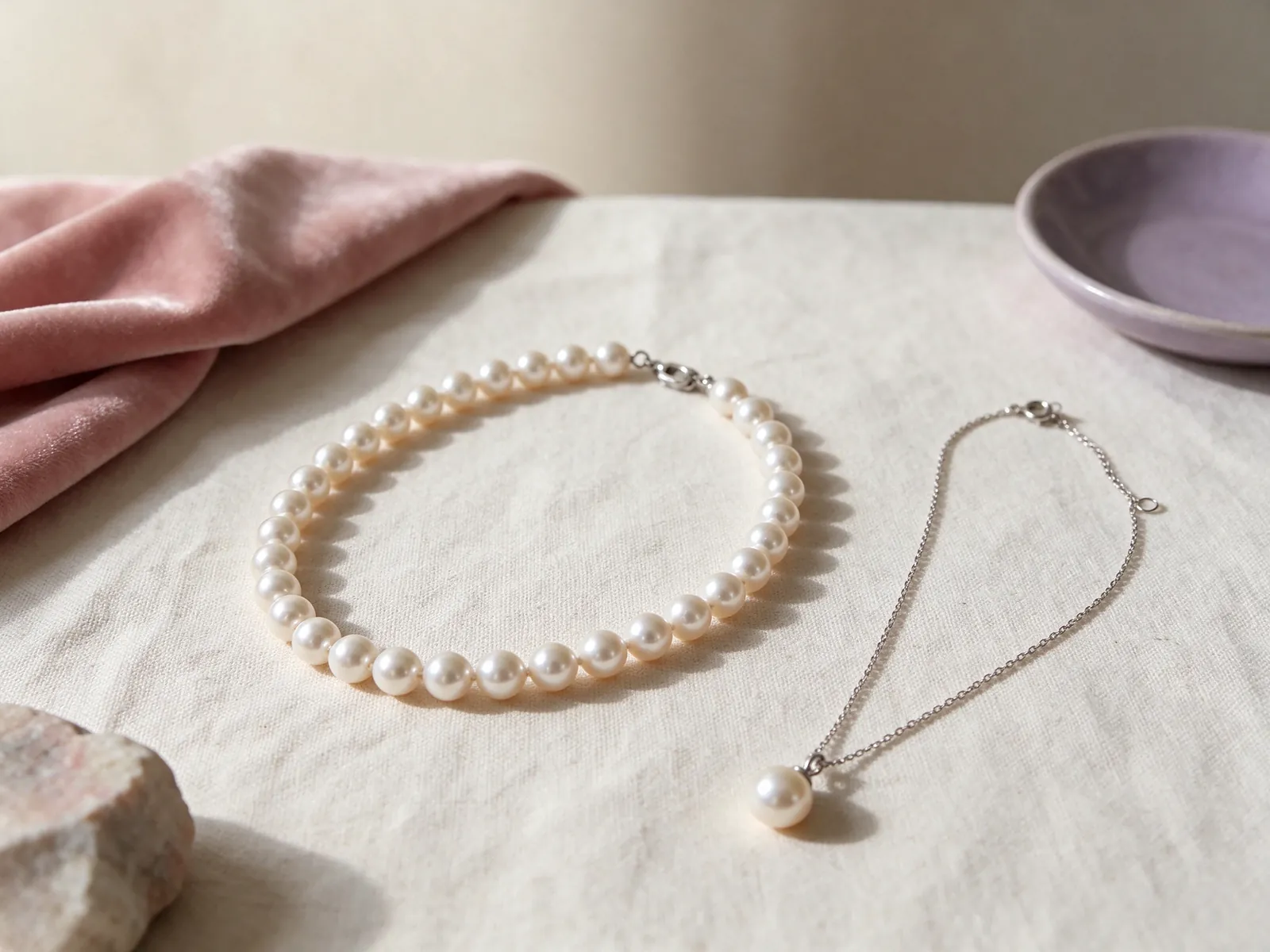
Check the small wearing details that photographs leave out
Think about headphones, phone calls, a cross-body bag and sleeves as well as appearance. Earrings can meet equipment around the ear; a necklace may sit beneath a bag strap; a bracelet may touch a desk during typing. These are reasons to ask about everyday use. They are not automatic reasons to reject a category, since habits and individual preferences differ.
Before considering earrings, establish whether the recipient has pierced ears and which fastening they normally use. A pierced ear does not make every weight or fitting comfortable. For necklaces, ask where their usual chain falls and whether they find its clasp easy to handle. Rings need actual sizing information, not an estimate from a hand photograph. Bracelets also need attention to wrist fit and preferred looseness. If essential details are missing, agree on a category first or choose together.
Observe a few ordinary movements when trying a style
Sitting down, turning the head and putting on a usual outer layer can reveal how a piece moves in a real outfit. These observations help a discussion but do not guarantee comfort. If the recipient likes layering, look for contact, tangling or rubbing between pieces. Wearing the gift alone should remain an equally valid option, rather than an obligation to reproduce a planned combination.

Use pearl quality information to explain what appeals to you
GIA identifies seven pearl value factors: size, shape, colour, lustre, surface quality, nacre quality and matching; matching applies to jewellery with two or more pearls. This gives language to preferences that otherwise remain vague, such as a clear reflection, a particular outline or harmony within a pair. The pearl grading guide helps explain comparison terms. Seller labels such as AAA or AAAA are not globally standardised or GIA grades, and a label alone cannot decide whether a piece suits the recipient.
When comparing photographs, consider whether the lighting, background and viewing angle are similar. Colour and reflections can look different under different conditions. A round outline and an irregular outline can both support a personal style; neither must stand for romance. For pieces containing several pearls, look at the overall visual relationship rather than expecting every pearl to appear identical in an image.
Keep appearance separate from pearl identity and documentation
Shape or colour alone cannot establish origin, natural-versus-cultured identity or the presence of a certificate. Read the pearl description for the particular piece and ask what it states. If documentation is provided, check the issuer, the item described and the scope of the document. Identity information, quality assessment, price and aftercare commitments serve different purposes; a document does not automatically establish value retention or a warranty. Images on this page are styling and educational illustrations, not evidence of pearl type, certification, dimensions, price or availability.
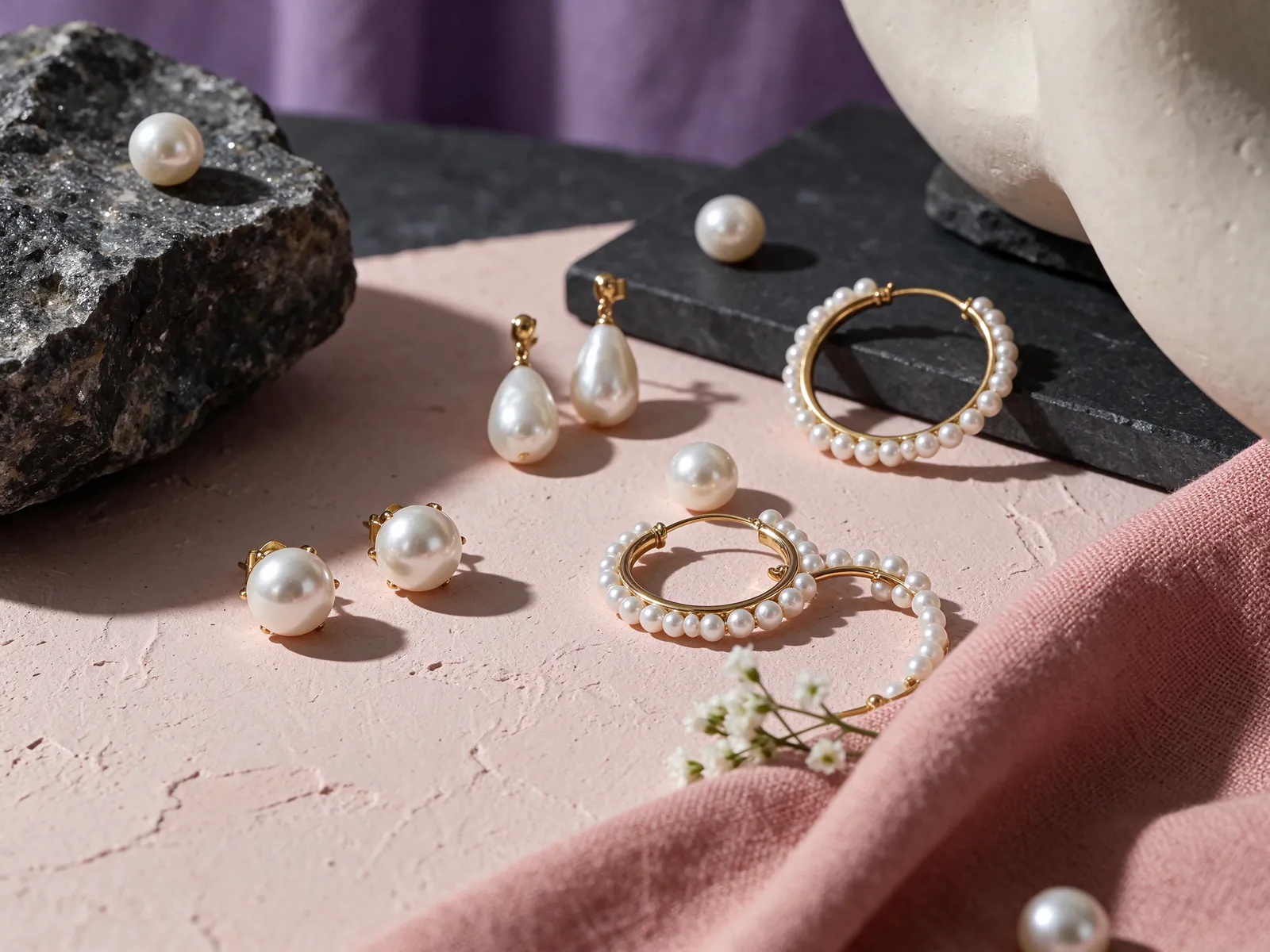
Make the note personal without scripting the response
For just because pearl gifts, a specific memory can explain the timing. You might recall a walk along the harbour, something the recipient recently completed, or a styling detail they once mentioned. Write what you noticed and why it stayed with you, then leave room for their own way of enjoying the gift. Avoid turning the note into an account of money spent or time invested. The message should share appreciation, rather than ask for an equally impressive reply.
Consider how the gesture may be understood at your current stage of a relationship. A private moment can give the recipient room to respond naturally, if that suits their preferences. If the message is friendship rather than romantic commitment, pearl gifts for a friend offers a more relevant starting point. The words, setting and intention should support the same message rather than create deliberate ambiguity.
Offer a gift, not a test of affection
A helpful note can begin with a real observation and finish with permission to enjoy the piece in their own way. Do not invent a shared memory or present pearls as something that creates love or repairs a disagreement. If they do not put the jewellery on immediately, allow time. Their choice of outfit, activity or moment should not become a measure of their feelings.

Separate an ordinary-day gesture from a milestone gift
An unexpected gift can simply mean that you were thinking of someone today. If it coincides with finishing a course, decide whether the focus is everyday affection or a particular achievement. The topic of pearl graduation gifts approaches the choice through that transition and the recipient's next chapter. Naming the reason in your note avoids making an important milestone feel incidental when it is actually what you want to celebrate.
If the gift is really about a period of shared life, a pearl anniversary gift offers another way to connect a memory with everyday wear. An ordinary-day gesture does not need to borrow the formal language of an anniversary: thinking of the recipient today can be a complete reason. Several meanings may coexist, but the jewellery need not become a required symbol at every future celebration or a daily demonstration of gratitude.
Set a comfortable spending boundary before arranging the surprise
Decide what you can comfortably spend, using pearl gifts by budget to organise the trade-offs before considering the actual description and quotation for a piece. Greater expenditure is not proof of stronger feelings. Clarify the jewellery choice, design discussion and presentation arrangements separately, including the material and fit details relevant to the quotation. If taste or sizing is still uncertain, a thoughtful card followed by choosing together may fit better than rushing a purchase to protect secrecy.

Include a manageable care routine with the gift
GIA lists pearl at 2.5 on the Mohs hardness scale. In everyday terms, keep pearls from rubbing against harder jewellery, store pieces separately and wipe them after wearing with a very soft, clean cloth. That number does not predict a lifespan or the outcome of a particular knock. It is a useful reason to treat the surface thoughtfully rather than leave pieces loose together.
Use perfume, hair spray and cosmetics before putting jewellery on, and avoid acids and excessive heat. Pearls must not go into ultrasonic or steam cleaners, and prolonged soaking is not a suitable routine. Cleaning also needs to account for thread, adhesive, settings and metal; permission to gently clean a pearl is not permission to immerse every complete piece. If strung pearls are cleaned with water, the string must dry completely before wear. Consult the pearl care guide for everyday habits; stop wearing a piece with looseness or worn thread pending assessment.
Bring practical preferences to a gift conversation
For a discussion with Flint Jewellery on WhatsApp +85260106207, prepare the preferred jewellery category, usual necklines, favoured metal colour and any known wearing details. Explain what the gift is meant to express, your spending boundary and which choices remain open. Share only photographs or personal information the recipient is comfortable with you using. Confirm the particular design’s materials, dimensions, quotation and arrangements during the conversation rather than assuming them from an illustrative image.
| Everyday clue | Choice to explore | Styling check | Useful question | Personal message |
|---|---|---|---|---|
| Crew-neck tops | Necklace position or an earring focal point | Does the chain disappear at the fabric edge? | Do you prefer jewellery over fabric or inside an open neckline? | I noticed what you enjoy wearing |
| Frequent headphone use | Movement and earring fastening | Does it meet the headphones when turning? | Which fastening do you usually choose? | Your routine matters |
| Quiet accessories | A familiar, simple silhouette | Does it work worn alone? | Would you wear it daily or for outings? | You do not need to change your style |
| A recent achievement | Everyday affection or milestone recognition | How might it fit the next chapter? | What would you like to remember about this time? | Name something you genuinely admire |
| Enjoys choosing independently | Choose the piece together | Try it with a usual outfit | Shall we start with a category or a shape? | The choice can be part of the gift |
Pearl knowledge and authoritative references
GIA identifies seven pearl value factors: size, shape, colour, lustre, surface quality, nacre quality and matching. Matching applies to jewellery with two or more pearls. The framework helps describe a gift preference; it is not an automatic grade or certification for an item.
Read the reference for this factFrequently asked questions
Can a pearl jewellery surprise gift feel too formal on an ordinary day?
Match the presentation to the recipient's preferences. A quiet handover, a short personal note and a style that fits regular outfits can make the reason clear. If unexpected jewellery feels uncomfortable to them, suggest choosing together instead.
How can I keep a surprise when I do not know whether they prefer earrings or necklaces?
Ask about the category they use most often before choosing a piece. Confirm piercing and fastening preferences for earrings, and actual sizing where it is needed for a ring or bracelet. These details can be discussed openly while the note and timing remain personal; guessing them is not necessary to make the gesture thoughtful.
Does a romantic pearl gift need a pink colour or a heart motif?
No. A shared memory or a familiar style can carry the personal meaning. Colour and shape are visual choices, not a way to produce a relationship outcome. Start with what the recipient would enjoy wearing.
What if the recipient does not wear the gift straight away?
Allow them to choose their own moment. Their current clothes or activities may not suit it, or they may want time to try combinations. Offer to discuss styling if welcome, without making immediate wear a test of appreciation.
Is a short 'thinking of you' note enough?
Yes. Adding one genuine detail can make it more personal, such as a place you visited together or something they recently shared. There is no need to promise that pearls create romance or to ask for a particular response.
Must an ordinary-day pearl gift come with a quality certificate?
First understand the specific pearl description and whether documentation is actually offered. If it is, check the issuer, the item described and what the document covers. It does not replace a suitable style and fit, or automatically establish a fair price, retained value or an aftercare guarantee.
Updated: