

How do colour, setting and proportions shape an abalone pearl pendant necklace or pāua pearl pendant?
An abalone pearl pendant can be considered as the focal point of an outfit before you decide how elaborate the rest of the jewellery should be. Start with a plain top you wear regularly and look at the complete outline, including the setting and bail. A busy print or decorative neckline can compete with that outline. A general pearl pendant comparison is most useful when you keep the clothing and viewing distance consistent, rather than comparing isolated close-ups of different pieces.
A pāua pearl pendant name does not provide a standard silhouette or a complete material description. With an abalone pearl pendant necklace, consider whether you want the centre to blend into the outfit or introduce a noticeable contrast. Dark fabric may emphasise bright reflections; pale fabric may make the frame more visible. View the pendant from the side as well as the front, and notice whether the chain lets it hang facing forward.
Which chain length and neckline suit an abalone pearl pendant necklace or pāua pearl pendant?
Choose the desired resting position while wearing the actual neckline. With a round neck, aim for a deliberate position above the edge or clearly on the fabric, rather than a pendant partly hidden by it. With a V-neck, compare the pendant tip with the point of the opening. Remember that the pendant adds height below the chain, so the chain measurement is not the same as the final drop.

Read pearl and shell descriptions as different material questions
Abalone belongs to the marine mollusc genus Haliotis; pāua commonly refers to New Zealand’s Haliotis iris. GIA research records natural and cultured abalone pearls and distinguishes shell from assembled cultured shell blisters. The latter develop as raised growths against the inside of the shell, rather than simply being cut shell pieces. Understanding what is an abalone pearl helps separate a mollusc name from the material in a pendant. An abalone pearl vs abalone shell comparison also explains why similar iridescence does not establish the same identity. When a description uses abalone or pāua, find the sentence that identifies the centre material. Pearl, a shell component and mother-of-pearl should not be treated as interchangeable simply because they can show colourful reflections. Ask what the centre is described as, how its reverse is constructed and what information accompanies that particular piece. A photograph can help you understand appearance, but it cannot supply a missing statement about identity, origin or formation.
A domed profile is useful for judging how closely a pendant sits against clothing, but shape does not establish a pearl type. If a broad, curved face appeals to you, the Mabé pearl pendant guide offers another way to consider silhouette and the relationship between front and back. That is a design comparison, not a reason to transfer one material name to another object. Keep notes about shape separate from notes about material identity.
What does a broad natural-material description leave unanswered?
Natural material is a broader expression than natural pearl. If natural-versus-cultured identity matters to your decision, look for explicit information about the individual material rather than an attractive adjective. Where a report accompanies a piece, check what object it describes and whether its identifying details correspond to the jewellery being considered. Do not use unusual colour or an organic-looking outline as a substitute for that information.
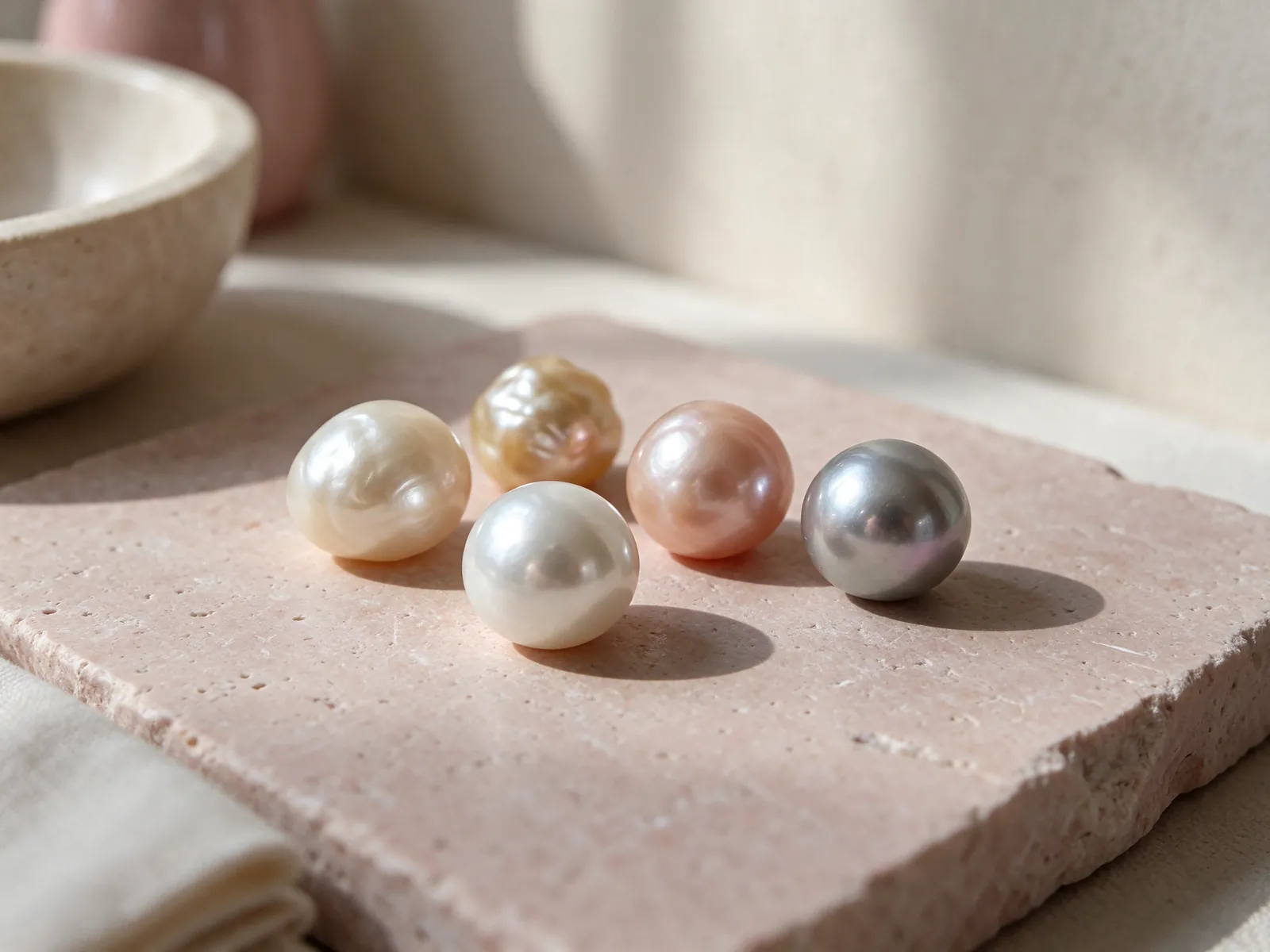
Compare colour under consistent conditions, not by intensity alone
Ask to see the same pendant from several angles in consistent light. A phone's exposure and white balance can alter an image, while screen settings affect what you see afterwards. Examine whether bright areas still retain detail and whether the outline remains clear in the darker areas. A short movement sequence can be more informative for styling than one strongly lit photograph, particularly when you want to understand how the appearance changes as you turn.
GIA distinguishes bodycolour, overtone and orient, and explains that not every pearl shows all three. This means a colourful appearance is not a complete quality judgement. A pink pearl pendant provides a useful contrasting styling direction if you are deciding between a softer look and a more conspicuous focal point. Compare each option beside the same clothes and accessories; the aim is to identify your preferred relationship between jewellery and outfit, not rank pearls by hue.
How can you test a colour choice against your wardrobe?
Set out a favourite blouse, your usual earrings and any glasses you wear, then consider the pendant within that group. If several colours already compete, simplify the other jewellery before rejecting the pendant. If warm tones dominate your wardrobe, an orange pearl pendant styling comparison can help you decide whether you want a related accent or a clearer contrast. Make the decision at an everyday viewing distance.
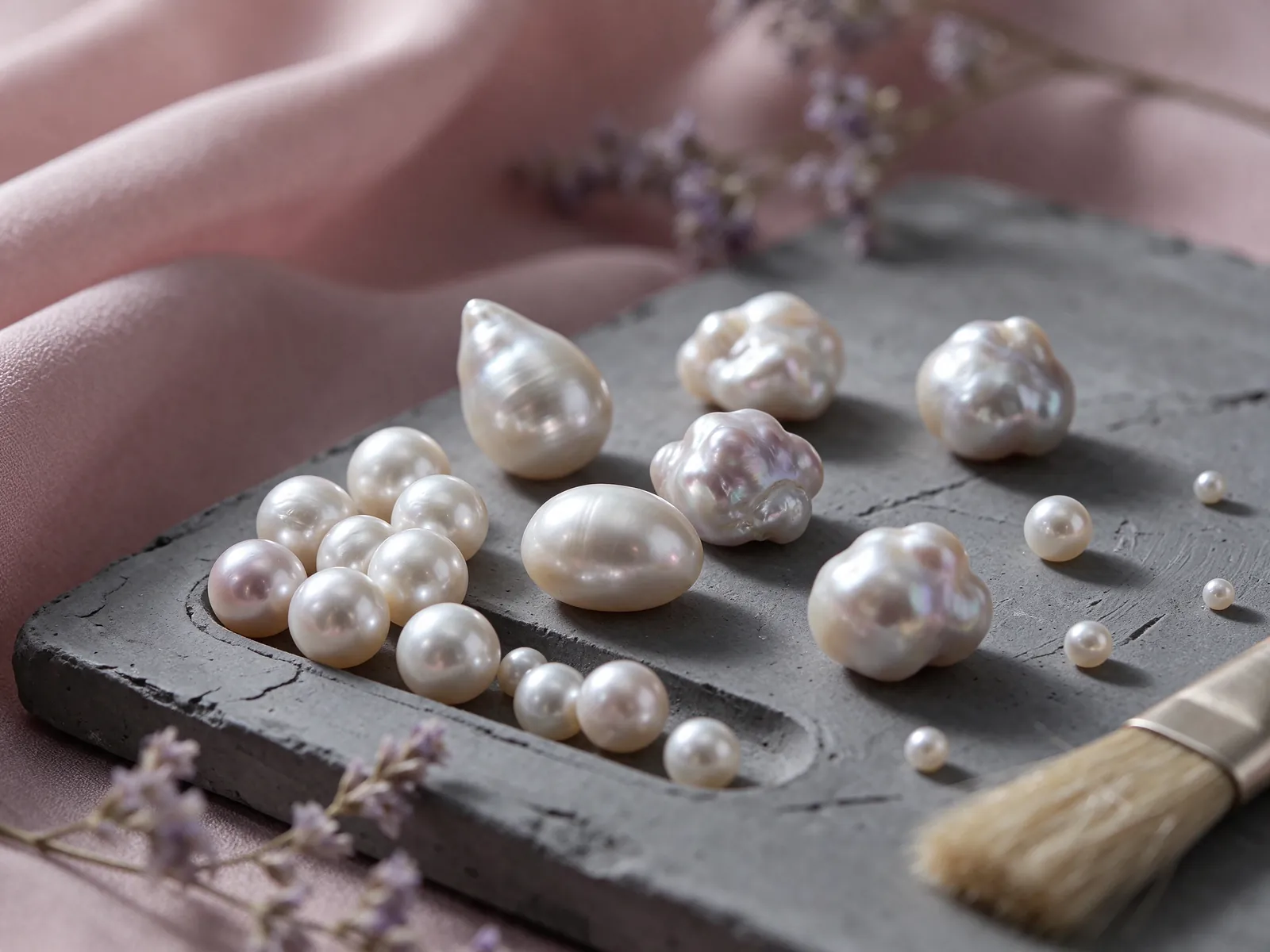
Inspect the setting from the side and the reverse
A pendant that looks delicate from the front may have a deeper setting or a projecting bail. Consider the front width together with side depth, especially if you regularly wear fine knitwear. Look for points where the frame, claws or openings could meet fabric. During a fitting, observe the contact rather than assuming a smooth outline in a photograph guarantees comfortable movement with every garment.
The chain should support the visual balance of the centre rather than compete with it. Large links can make the chain more prominent, while the orientation of the bail affects how the pendant hangs. A crescent moon pearl pendant comparison is helpful for seeing how a curved frame introduces direction around a centre. Use that comparison to understand proportion; a motif alone does not establish the security or suitability of a setting.
Which attachment details matter when reusing a chain?
Ask whether the chain is included and whether the pendant can be removed from it. If you want to use an existing chain, the clasp must be able to pass through the relevant opening, not just the chain links. Photographs of your clasp and the pendant's bail make this question more specific. Confirm the actual connection before treating different chains as interchangeable styling options.
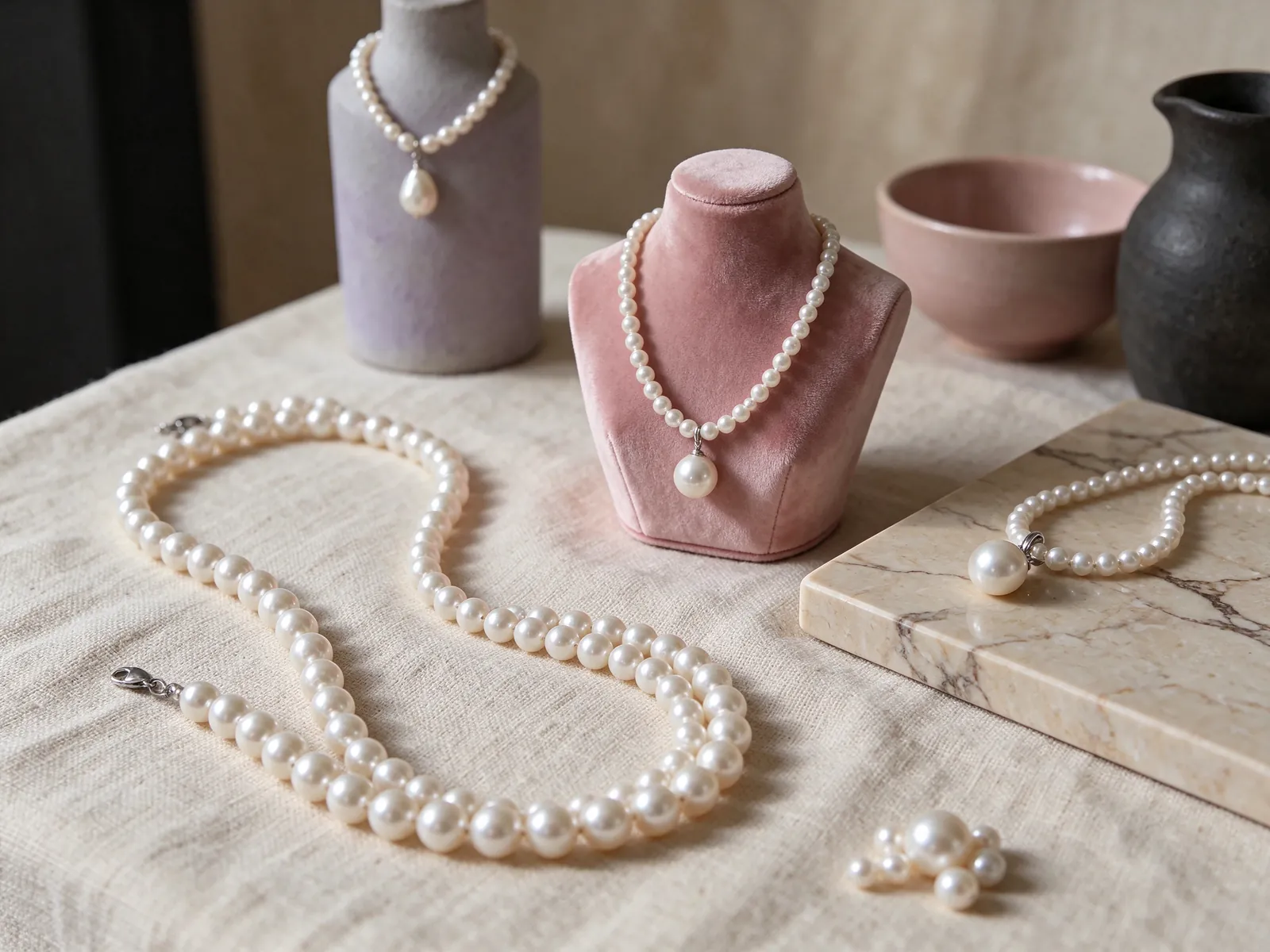
Measure the drop in motion and plan any layering
The same stated chain length can rest differently with different neck proportions, clothing and pendant designs. Stand, sit and lean forward slightly during a fitting. Notice whether the pendant turns, catches at the collar or lands near a shirt button. This practical check is more informative than copying someone else's preferred length. If the necklace has adjustment positions, ask how those positions alter the actual chain length rather than assuming unlimited adjustment.
For layering, decide which necklace is the focal piece before choosing the second resting position. The pendants should remain visually separate, and repeated contact between them is undesirable for both presentation and surface protection. Try the combination with chains you already own, then check whether the clasps move forward or the strands twist together. Recheck while seated, because a pleasing standing arrangement can become crowded when your clothing shifts.
What information helps when you cannot try the pendant on?
Measure an existing necklace laid flat and photograph how it sits against the intended top. Describe where you want the new pendant to end, and include its stated height if available. This gives a clearer starting point than asking for something slightly shorter. Keep chain length, pendant height and desired resting position as separate notes; do not assume a chain can be shortened or extended without discussing its construction.
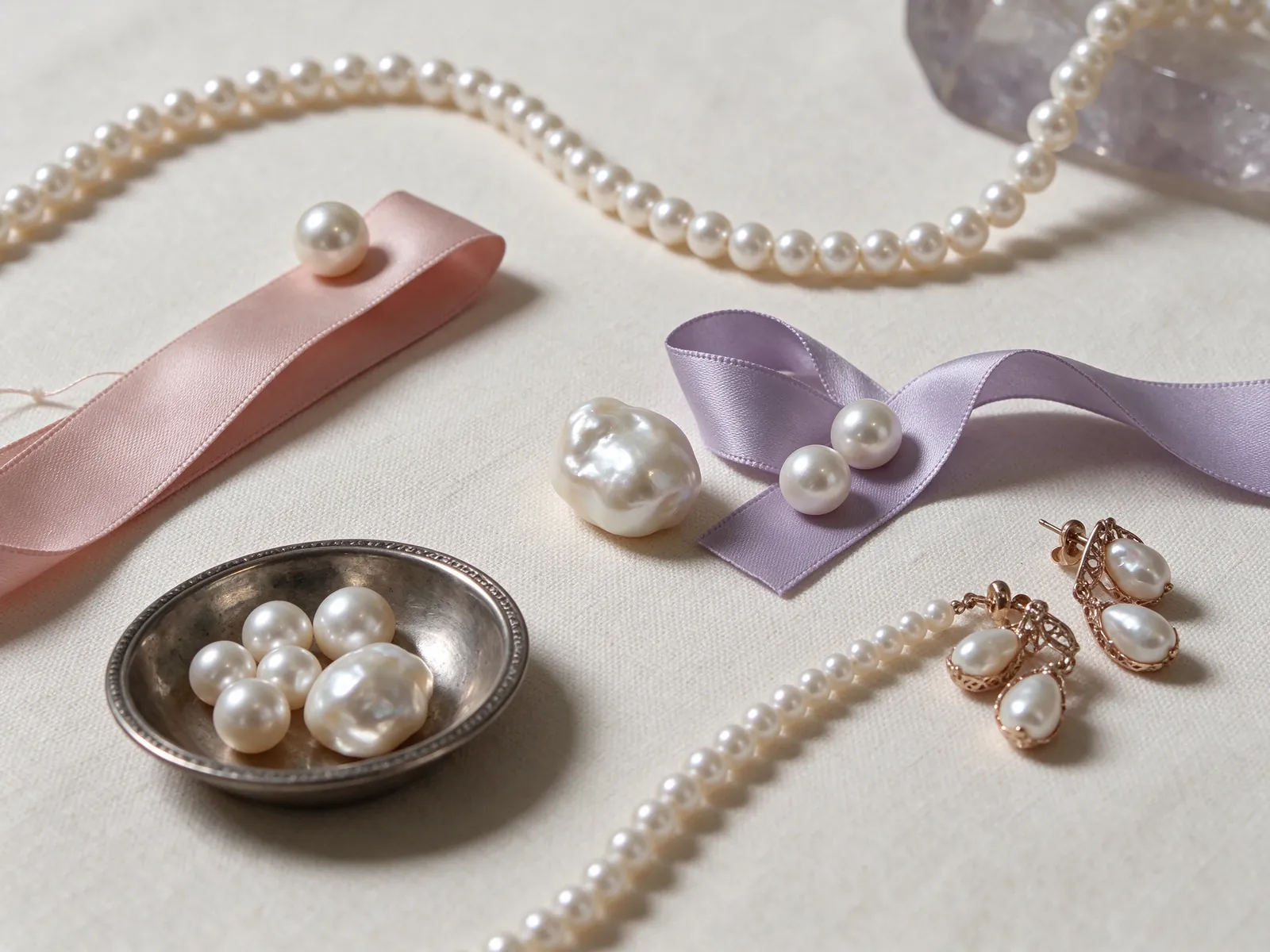
Separate metal-colour preferences from pearl quality assessment
A frame's colour changes its contrast with clothing, but it does not identify the origin or grade of the centre material. When reading about an 18K gold pearl pendant, begin with your existing jewellery: do you want the frame to echo those pieces or stand apart? Look at the entire outline against fabric and skin. Treat this as a styling preference, while reading the actual material and attachment descriptions as separate practical information. For general pearl jewellery design discussions, the material options are 18K 750 white gold, 18K 750 yellow gold, 18K 750 rose gold, PT950 platinum and PT900 platinum. These options do not establish an available abalone or pāua pendant design; read the material and construction details for the individual piece.
GIA describes seven pearl value factors: size, shape, colour, lustre, surface quality, nacre quality and matching. Colour is therefore one part of a broader assessment. For a single pendant, you can compare visible lustre and surface appearance without pretending a photograph answers every identity question. Matching becomes a further consideration when you want the pendant to work with other pearl jewellery. A strong personal colour preference and a complete quality assessment are not the same decision.
How should you organise a practical shortlist?
Write down your priorities for resting position, material identity, colour balance and chain compatibility. Someone reusing a favourite chain will have different priorities from someone choosing a pendant for one evening outfit. Rank those needs before comparing individual descriptions and prices. This prevents a striking photograph from overriding the detail that matters most, and avoids importing specifications or included accessories from another piece into your decision.

Build gentle care into everyday wear and gift preparation
GIA places pearl at 2.5 on the Mohs hardness scale, making avoidance of scratching a practical concern. After wearing, wipe the pearl with a very soft, clean cloth and store the pendant apart from harder jewellery. Keep the chain from tangling around it. Apply perfume and hair spray before putting jewellery on, avoid direct contact with those products, and do not leave the pendant in excessive heat.
Pearls should never be cleaned in ultrasonic or steam cleaners. When a pendant contains several materials, the care method needs to suit the complete piece rather than just its metal frame. For a gift, find out which necklines the recipient wears and whether they already have a suitable chain. Keep material descriptions and wearing information with the gift; these useful details are more thoughtful than promising rarity, investment value or permanent appearance.
What should you check before the first wear?
Open the jewellery over a soft surface, untangle the chain and check that the clasp operates normally. Try the pendant with the intended top and record its front and side appearance for future styling. If a bail, setting or clasp seems abnormal, stop wearing it and ask how to proceed rather than bending it yourself. Gentle care reduces avoidable wear; it is not a guarantee against all damage. To consider your neckline, existing chain and preferred colours together, contact Flint Jewellery on WhatsApp +85260106207 for a discussion about general pearl pendant styling.
| Comparison | Read | Observe | Styling consideration | Specific question |
|---|---|---|---|---|
| Centre material | Keep pearl and shell descriptions separate | Front and reverse information | Choose a silhouette without inferring identity | What material does the centre description identify? |
| Colour | A colour name is not a complete grade | Different angles in consistent light | Compare with a familiar plain top | Are unfiltered images from several angles available? |
| Setting | Bail position and side depth | Areas that meet fabric | Avoid a partly hidden outline | Can the pendant be removed and can my clasp pass through? |
| Chain | Length and pendant height separately | Resting position while standing and sitting | Keep layered pendants from touching | Is a chain included, and what adjustment positions exist? |
| Care | GIA gives pearl a Mohs hardness of 2.5 | Gentle wiping after wear | Store apart from harder jewellery | What care method suits the complete piece? |
Pearl knowledge and authoritative references
GIA identifies seven pearl value factors: size, shape, colour, lustre, surface quality, nacre quality and matching. Colour is only one of those factors.
Read the reference for this factFrequently asked questions
Does an abalone name tell me whether the centre is pearl or shell?
The name alone is not enough. Find the specific description of the centre material, keep pearl and shell distinct, and read any accompanying information for that piece. Colourful reflections or a similar outline cannot fill in missing identity details.
Must a pāua pearl pendant be the only jewellery in an outfit?
No. Start by deciding whether it is the focal point, then compare your earrings and other necklaces at an everyday viewing distance. Simplifying competing colours or leaving space between necklace drops can help, but the best balance depends on your clothing and the actual pendant.
Why does a pendant look different on my phone and against my blouse?
Lighting, camera exposure, white balance and display settings can change the appearance of a photograph. Compare several angles in consistent light and against a familiar garment. This provides a better styling basis than relying on one dramatic close-up.
Can I choose a replacement chain purely by its stated length?
Length is only part of the decision. The clasp must fit the pendant's attachment if the pendant is removable, and the links should suit its proportions. Include the pendant height when assessing the final drop, and check how the combination moves with your neckline.
Is ultrasonic cleaning appropriate if the pendant has a metal frame?
No. GIA says pearls should never be cleaned in ultrasonic or steam cleaners. A metal frame does not remove that restriction. Use gentle routine care and consider every material in the pendant when choosing a cleaning method.
Updated: