

Why appearance alone cannot settle colour toning vs dyeing pearls: reading pearl colour toning and Akoya colour toning descriptions
Pearl colour toning is a term used for a process intended to enhance colour appearance. WSP uses the expression when discussing Akoya pearls in its colour article. That wording introduces a useful subject for a buying conversation, but does not itself provide a complete procedure, a list of substances or a record for a particular pearl. A white pearl with a pink impression therefore cannot be assigned a treatment simply because its appearance resembles an example described elsewhere.
When considering colour toning vs dyeing pearls, avoid a rule such as pale means toned and vivid means dyed. The useful distinction comes from the terminology and the treatment explanation supplied for the item. You can prefer a soft colour while still asking a separate question about how it was obtained. The guide to natural colour vs dyed pearls provides a wider starting point for that distinction, without turning a colour preference into an identification test.
Which treatment details should you ask about pearl colour toning and Akoya colour toning when comparing colour toning vs dyeing pearls?
Ask what toning means in this description, whether the explanation includes dyeing or any other colour treatment, and whether it applies to the pearl you are considering or to pearls in general. These are different questions. An answer that the pearl looks beautifully pink addresses appearance, not the treatment question. Keep the item and the wording together in your enquiry so that the response has a clear subject.

Describe the colour before deciding what it tells you
GIA distinguishes bodycolour, overtone and orient as colour components; not every pearl displays all three. Body colour is the main overall colour, while an overtone is an additional colour appearing over it. Reading about pearl body colour and overtone helps you describe a white base with a pink impression more accurately than calling every such pearl simply pink. This improves comparisons, but the description still records what you see rather than how the pearl was treated.
For a useful comparison, view the pearls under the same lighting against the same background, then change the viewing angle gently. Note whether the colour seems broadly consistent or becomes more noticeable in particular areas. Phone white balance, filters and screen brightness can alter the result in a photograph. If two images were taken in different conditions, request a more consistent comparison before trying to rank which pearl is whiter or pinker.
Use clothing as a styling test, not a treatment test
A dark neckline can make a light pearl stand out, while warm ivory fabric may make a creamy impression less obvious. First establish your colour description against a neutral background; then place the jewellery beside clothes you actually wear. This separates the observation from the styling decision. A pearl looking whiter beside navy clothing does not establish untreated status, because the change in contrast has answered a different question.
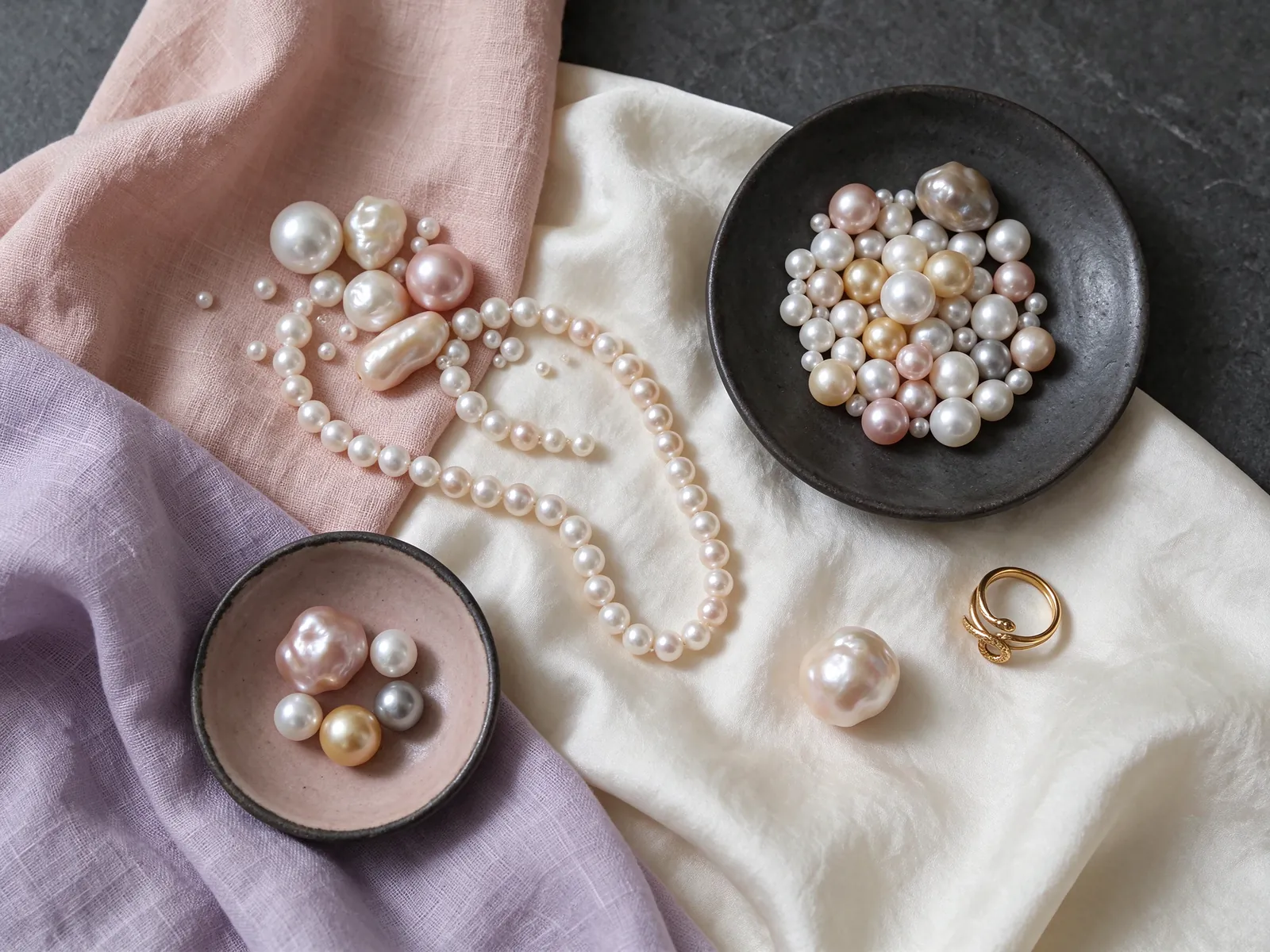
Turn general Akoya wording into an item-specific conversation
WSP's article says that most Akoya pearls go through colour toning to bring out their best look. Treat this as the article's general observation, not a treatment record for a particular seller's pearls. Akoya colour toning is therefore a useful phrase to recognise when reading descriptions. It does not establish that every Akoya pearl has undergone an identical process, nor does it identify the history of a piece you have not yet discussed.
The scope of an explanation matters. For earrings, ask whether the treatment description concerns both pearls. For a strand, ask whether it refers to the whole piece or a particular part of it. A statement that colours are well matched describes visual coordination, not necessarily the history of every pearl. Saying that you want to understand the colour treatment of both pearls in this pair gives the enquiry a more precise focus.
Keep formation identity separate from later treatment
A description of a pearl as cultured answers a formation question, not whether its colour was subsequently treated. A pearl type or an origin description also cannot replace a treatment explanation. Organise your questions into what the pearl is and what colour treatment is described. Keeping those categories separate prevents a familiar name from seeming to answer several questions when it actually answers only one.

Do not collapse different treatment terms into one category
Toning wording commonly concerns improving colour appearance, while dyeing is a treatment term that should be explained explicitly when it is used. Without the relevant procedure description, it is unhelpful to declare the two terms always identical or always unrelated. A practical comparison asks whether the seller's wording is clear and whether additional colour treatments are mentioned. Knowing which treatments are described is more useful than guessing from the finished colour.
A reference to irradiation deserves its own explanation. Grey, black or another deep colour is not enough to identify that treatment, and a mention of cobalt should not simply be renamed toning because both topics concern colour. The page on cobalt treated pearls addresses that separate question. When making an enquiry, retain the wording used for the actual item and ask for its meaning rather than substituting the answer you expect.
Replace natural-looking with a more precise question
Natural-looking may describe a gentle visual effect without saying natural colour or untreated. If colour origin matters to you, ask how the item's colour treatment is described. If you are choosing an outfit, ask whether the appearance tends towards white, cream or pink in the viewing conditions that matter to you. The first question concerns history; the second concerns appearance. Clear wording avoids confusing an aesthetic compliment with identification.

Choose a white or pink impression around your wardrobe
If you wear a simple wardrobe, compare white pearls beside a white shirt, navy knitwear and an ivory top. A creamy impression may create a soft contrast with white fabric, while a dark background can make the outline more noticeable. Decide whether you want the jewellery to blend with the outfit or stand out. This is often more useful than asking for the whitest possible pearl without explaining the intended look.
For pink pearls, try rose, light grey and neutral clothing as comparison backgrounds, then consider whether the pink impression gives the mood you prefer. There is no need to assign one pearl colour permanently to one skin tone. A faint pink overtone on a white body colour may look different from a more generally pink appearance. Identify which effect you like before asking about its treatment description, so that visual preference and factual enquiry remain distinct.
Compare pairs and strands at the right scale
For earrings, compare the pearls side by side before considering the balance when worn. For a strand, look first at the overall flow of colour and then at local differences. Uneven lighting on the two sides of a face can make a pair appear less similar, so begin under consistent conditions. These observations help assess matching and styling, but do not demonstrate that the pearls share a treatment history.
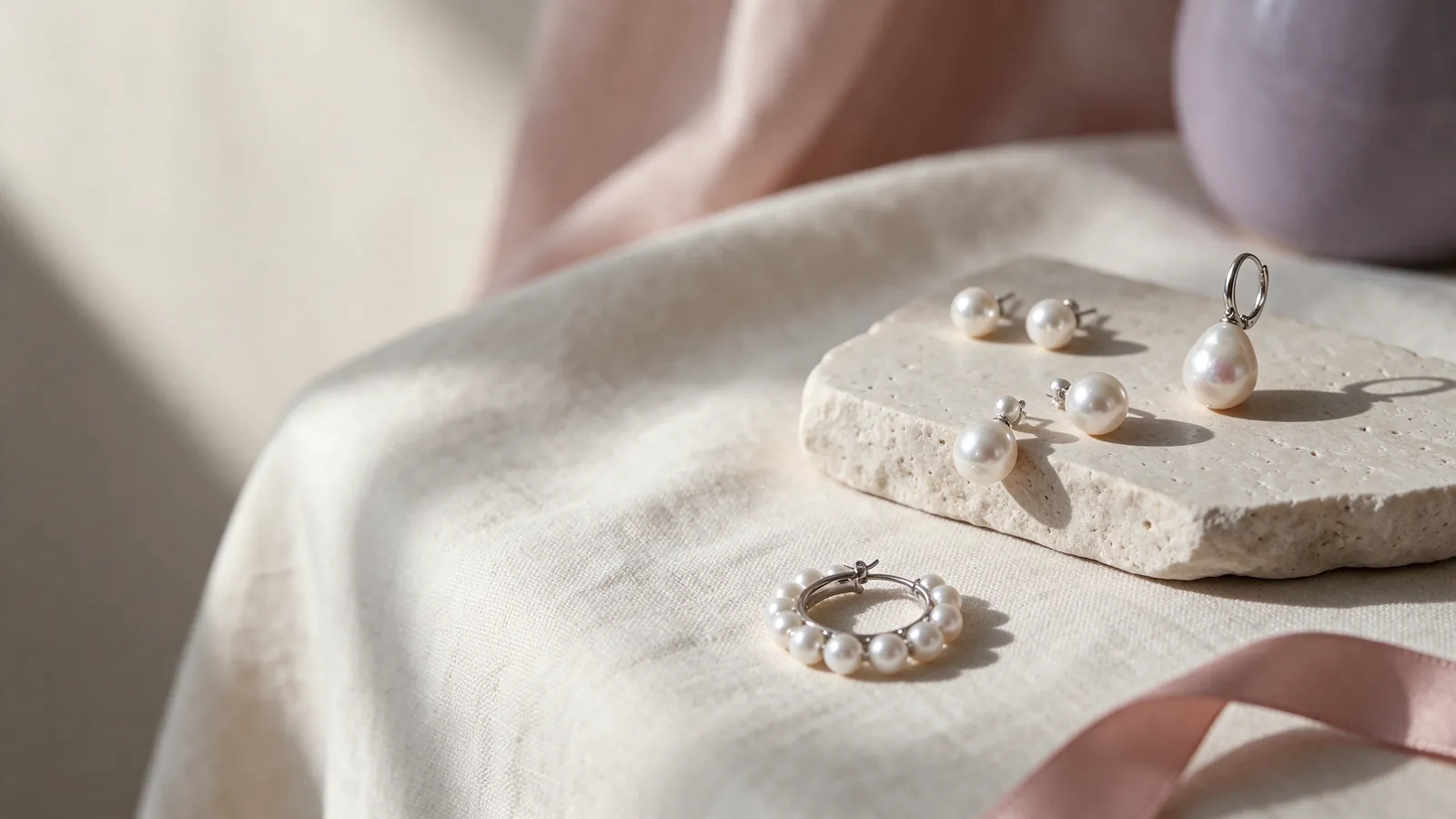
Place colour within the wider quality comparison
GIA describes seven pearl value factors: size, shape, colour, lustre, surface quality, nacre quality and matching. Colour is one factor, not a substitute for the rest. Neither toned nor untreated is a complete quality assessment. Once you have chosen a preferred colour direction, also consider the clarity of reflected light, the surface characteristics you can see and the coordination of a pair or strand. Ask separately about any factor that is not explained.
When two pieces have similar colours, differences in lustre or design balance may matter more to your choice than an increasingly subtle pink comparison. Lustre concerns the appearance of light, not the colour name. The pearl colour guide can help organise the colour direction you like, while the final decision also considers wearing style and the quality information available. A treatment word alone does not calculate a price or establish future value.
Ask what a matching or quality description covers
Consistent appearance may refer specifically to colour matching rather than every quality factor. If you encounter a grade description, ask which characteristics it covers instead of assuming a universal scale. For everyday wear, understanding your own priorities between colour, lustre and visible surface characteristics is more practical than relying on an unexplained adjective. Treatment information should still be read as a separate part of the description.

Keep useful records and avoid home treatment experiments
Before completing a comparison, save the item name, your preferred appearance and the treatment wording you have received together. This makes the next comparison more reliable than remembering that an earlier pearl seemed pinker. If you are choosing a gift, describe the recipient's usual clothing and preferred warm or cool impression, while keeping the factual treatment description intact. A styling recommendation should not be retold as a guarantee of a pearl's identity.
Care is not a way to test treatment. GIA recommends wiping pearls with a very soft, clean cloth after wearing and avoiding acids, perfume, hair spray and excessive heat. Pearls should never be cleaned with ultrasonic or steam cleaners. Do not use solvents, scratching or household chemicals to see whether colour comes off. These are not reliable identification methods and may damage the pearl. If a strung piece is cleaned with water, the string must dry completely before wearing.
Write an enquiry that includes appearance and information needs
A useful message might explain that you prefer a white base with a soft pink impression, usually wear navy and ivory, and want the colour treatment description for the particular piece. This gives the conversation a visual direction and a factual question. To discuss Pearl Jewellery with Flint Jewellery, contact us on WhatsApp +85260106207. Begin with those preferences rather than relying on an ambiguous phrase such as natural-looking.
| Description | Useful meaning | Not established | Question to ask | Buying purpose |
|---|---|---|---|---|
| Colour toning | Wording about enhancing colour appearance | The complete procedure or absence of other treatment | What does toning mean for this item? | Clarify treatment terminology |
| Dyed | An explicit reference to dyeing | A method inferred from colour intensity | Which pearls does the explanation cover? | Compare treatment information |
| White with pink overtone | Main colour and an additional colour impression | Natural colour or untreated status | How does it appear under consistent lighting? | Compare wardrobe preferences |
| Colour matched | Visual coordination between pearls | Identical history or all quality factors | Which matching characteristics are described? | Assess a pair or strand |
| Natural-looking | Possibly an aesthetic description | Formation identity, natural colour or certification | Is this appearance wording or an identity statement? | Separate style from identification |
Pearl knowledge and authoritative references
GIA identifies seven pearl value factors: size, shape, colour, lustre, surface quality, nacre quality and matching. Colour is one of the seven, not an overall quality verdict.
Read the reference for this factFrequently asked questions
Does toning mean a white pearl has definitely been made pink by dyeing?
No. The word focuses on enhancing colour appearance and does not supply a complete procedure on its own. A pink impression may also be part of an appearance description, such as an overtone. Ask for the actual treatment explanation instead of using the strength of pink as a test.
Can an online photograph confirm whether a pearl was toned?
A photograph helps with appearance preferences, but cannot by itself settle treatment history. Lighting, background and white balance affect the image. Request consistent comparison conditions and ask about treatment separately. A better photograph improves the visual comparison without becoming a treatment identification.
Does an evenly coloured strand imply the same treatment for every pearl?
No. Matching concerns visual coordination and does not automatically explain the history of each pearl. If that information matters to your choice, ask what part of the strand the treatment wording covers and whether the description applies to the whole piece.
What should I ask if untreated colour is important to me?
Ask directly what colour treatments are described for the item's pearls and what the explanation covers. Natural-looking is less precise and may produce only an aesthetic answer. Pearl type, formation identity, colour origin and later treatment should be understood as separate questions.
Should I try a cleaning fluid to check whether the colour rubs off?
No. Household chemicals are not reliable treatment tests and may harm pearls. Follow pearl care guidance, including gentle wiping with a very soft, clean cloth and avoiding ultrasonic or steam cleaning. Resolve treatment questions through the description and relevant information, not a damaging experiment.
Updated: