

How does the condition of a broken pearl necklace clasp inform pearl necklace clasp replacement or pearl clasp repair?
A clasp that refuses to close presents a different question from a complete clasp that has detached from the strand. Lay the necklace on a clean, soft cloth and describe where you see the change: the moving part, the receiving end, a connecting ring or the junction with the string. Do not pull the necklace to demonstrate the fault. When asking about pearl repair Hong Kong, useful descriptions include a fastening that no longer responds to pressure, a gap after closing or a clasp that has come away with its connecting part still attached.
The choice is not simply an old clasp versus a new one. Retaining the existing fitting may be worth discussing if the affected component has a workable repair direction. Replacement may need consideration if the parts have changed shape, no longer meet correctly or no longer suit your fastening habits. In either case, the surrounding connections matter. Explain whether the difficulty developed gradually or followed a noticeable snag on clothing. This helps frame the inspection questions; it is not a diagnosis. A photograph may show a gap or irregular shape, but cannot establish whether the fastening can be repaired or how reliably it operates.
Which photographs help assess a broken pearl necklace clasp for pearl necklace clasp replacement or pearl clasp repair?
Provide an overall view, front and back views of the clasp, and close-ups of both connections. Keep a few neighbouring pearls and the strand ends visible so the attachment is understandable. Use diffuse daylight and focus on the junction rather than a bright reflection. If components have separated, photograph them separately instead of forcing them together. Add a short description of which part will not operate; photographs help establish the enquiry, not a final repair decision.

Choose a replacement around its connections and proportion
Before considering the decorative shape, ask how a proposed clasp would connect to both necklace ends. Single-strand and multi-strand arrangements can have different attachment needs, and the orientation of a connecting ring matters to how the necklace lies. If only one side is changed, its fit with the retained side also needs consideration. A fastening that looks similar in a photograph may differ in thickness, connection layout or operating space. Choosing by appearance alone can therefore miss the most important question: whether the complete assembly fits this necklace.
The clasp and its junctions contribute to overall necklace length. A different proportion can move the pearls relative to a shirt collar or neckline even if the strand is retained. Explain whether you want the necklace to sit where it does now; an older wearing photograph can show that preference without putting the faulty piece on again. Materials to discuss with Flint Jewellery are 18K 750 white gold, 18K 750 yellow gold, 18K 750 rose gold, PT950 platinum and PT900 platinum. Whether any option is suitable for a particular replacement depends on its connections and construction. The list does not establish stock or compatibility; describe the metal colour and visual balance you want to preserve as well.
Decide whether the clasp should stay discreet
A clasp worn behind the neck needs room around hair and collars. A fastening intended to appear at the side raises different questions about visual balance and orientation. Do not simply turn a back fastening into a front feature without considering the whole arrangement. Describe your usual neckline and where you prefer the clasp to sit, rather than asking only for something smaller or more decorative.
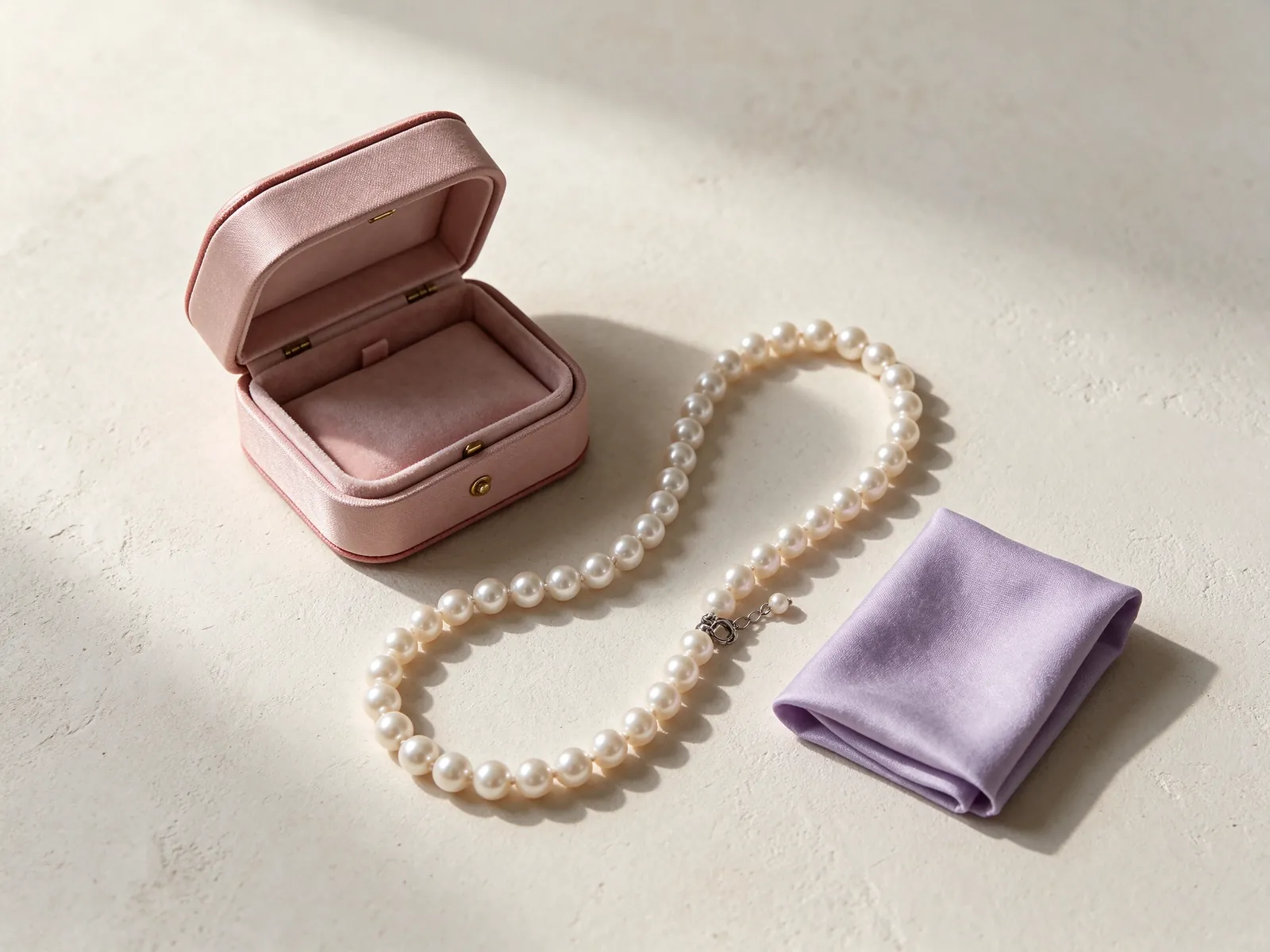
Include the strand ends in the assessment
Frayed strand ends, uneven pearl spacing or looseness near the fitting should be shown alongside the clasp. Replacing a metal component does not automatically address string elsewhere, and local attachment work is different from restringing the full necklace. The information on pearl necklace restringing Hong Kong concerns that wider structural question. Whether it should be discussed together with a clasp change depends on the strand, its ends and the retained fittings. If your aim is simply a different closing motion, say so. Do not assume restringing is always required, or cut a loose end to make the photographs tidier.
An exposed area beside a fitting is not, by itself, proof that the necklace has broken. Compare earlier photographs if you have them and note whether a gap is new or has visibly increased. Understanding when to restring a pearl necklace involves looking at use, storage and observable changes, rather than applying a fixed schedule because a clasp has failed. Keep observations about the clasp and the string separate in your message so the scope of the enquiry remains clear.
Keep detached parts without changing their condition
Place loose components in a container that prevents them from scattering, keeping pearls apart from sharp metal edges. Photograph any arrangement you can still identify, but do not tape or glue pieces together. Mention missing parts and whether retaining the pearl order matters to you. This helps explain what has happened and which details you want to preserve.
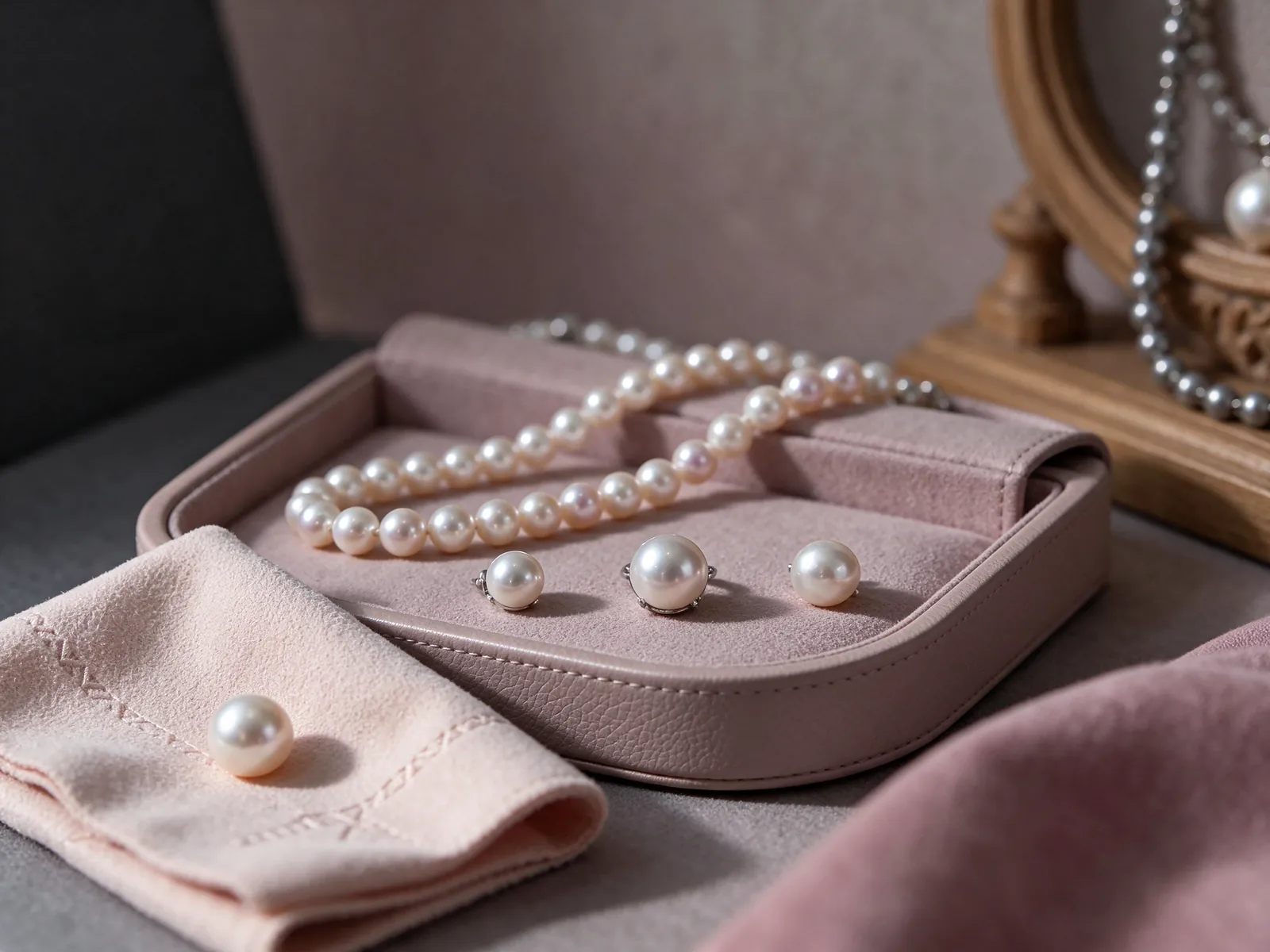
Separate routine cleaning from mechanical repair
Removing surface dirt is not the same as restoring a fastening. GIA lists pearl at 2.5 on the Mohs hardness scale and states that pearls should never be cleaned with ultrasonic or steam cleaners. That number concerns scratch resistance, not the reliability of a clasp. Because the fitting sits beside pearls and string, cleaning cannot be chosen for the metal alone. WSP also reminds readers to wipe clasps in its care article, but routine wiping does not establish a mechanical repair direction. Use a very soft, clean cloth for ordinary after-wear care; set aside a bent, detached or unreliable fastening rather than trying vigorous brushing or repeated pressure.
The guidance on how to clean pearl clasps and earring posts helps separate everyday residue from a fitting that needs assessment. Keep perfume, hair spray and unknown cleaning liquids away from the necklace. GIA advises that string must be completely dry before wearing pearls cleaned with water. This is not permission to soak every necklace: adhesive, settings and string materials also affect what is suitable. Do not immerse a faulty piece to free a sticking part, or dry it with hot air. Preserve its current condition and ask about handling appropriate to the complete assembly.
Avoid improvised adjustments
Do not use pliers to bend an opening back into shape, or add household oil or adhesive to a moving part. These interventions can alter the fitting or put substances beside the pearls. Describe the obstruction instead of recording repeated pull tests. Keeping the assembly as found makes the original problem easier to explain.

Match the fastening to how you actually get dressed
Describe the precise step that feels difficult: finding the opposite end behind your neck, gripping the moving part or understanding its closing motion. Explain whether you fasten the necklace unaided or have help. Long nails, hair and a close-fitting collar can affect the available space, so discuss these circumstances before choosing a new direction. A larger fitting is not automatically easier to operate or more reliable. Grip position and how the two sides meet matter as much as outline. If you want the clasp worn in a different position, that preference also needs consideration with the complete necklace.
A high collar or scarf may change the available space at the back of the neck. If you also wear a bracelet, a pearl bracelet clasp guide offers useful context for thinking about grip and connections, but wrist fastening is not the same as fastening out of sight behind the neck. Discuss the clothes and movements you use most often. This makes the conversation more concrete than asking for a popular fastening without explaining what you want it to improve.
Learn the intended closing method before wearing
After any agreed work, understand how the fitting should open and close. Practise above a table rather than while standing and searching behind your neck. If the parts resist unexpectedly or do not align as explained, stop and ask. Do not use the necklace's weight or a strong tug as a test of fastening reliability.
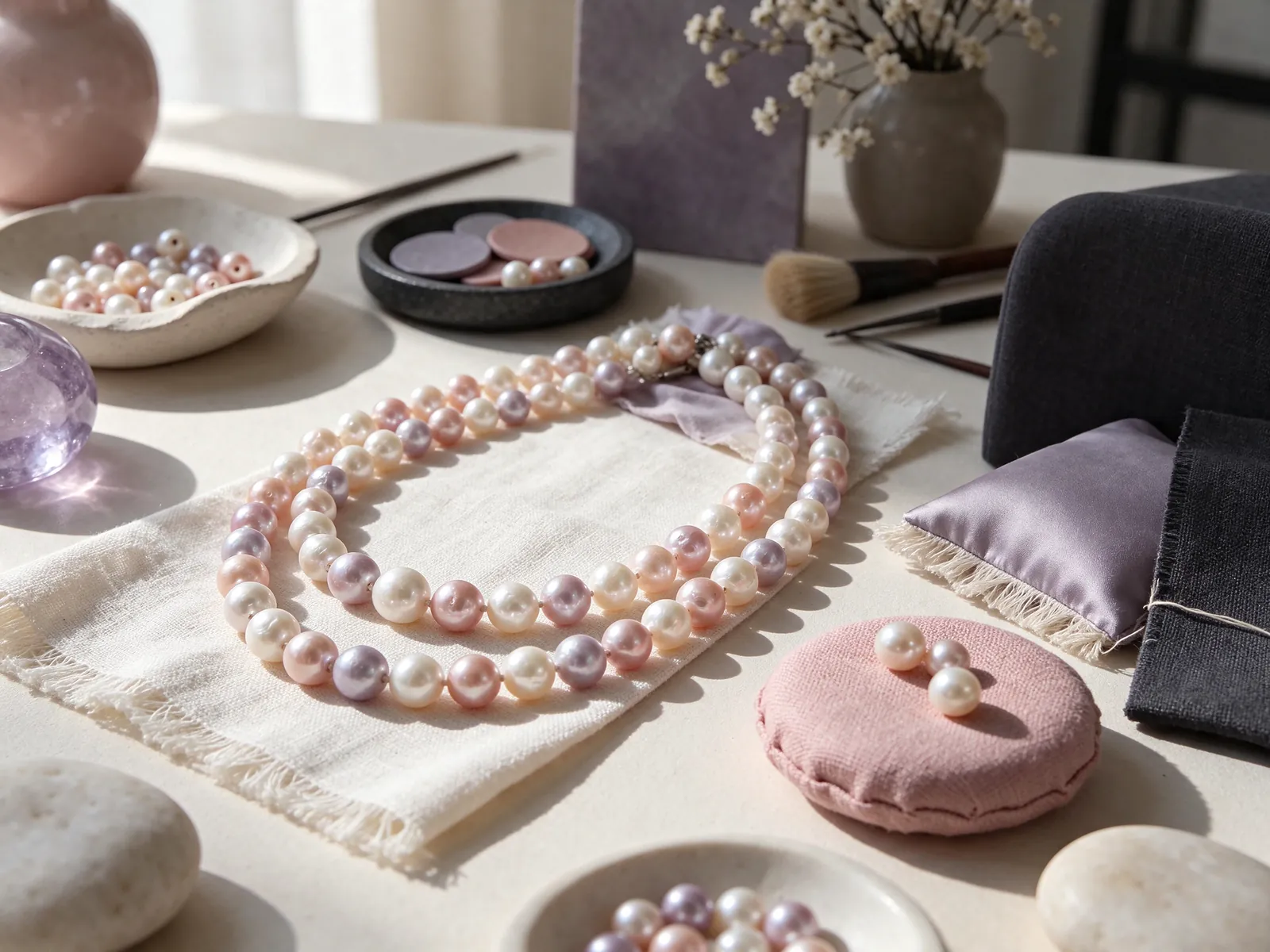
Explain what you want to preserve before arranging assessment
For a sentimental necklace, preserving the clasp's appearance, existing length or pearl order may be important. State your priorities and which changes you would consider. If the clasp has an inscription, photograph it and explain whether retaining that component matters. An inscription is useful descriptive information; it does not establish pearl identity or the material of the entire necklace. Existing paperwork can help the conversation, while the necklace itself remains central to the assessment.
Send Flint Jewellery the fault description, photographs, wearing preferences and preservation requests together. Ask how assessment of the actual piece should be arranged. Distinguish a wish to retain and repair the existing fitting from a wish to change its operation, so the proposed scope is clear. Contact us through WhatsApp or telephone +85260106207. Once the piece and possible direction are understood, clarify which parts would be addressed, the costs and subsequent arrangements. If you already own a separate replacement clasp, share its details first; do not assume it can be installed because it looks similar.
Ask about structure, fit and retained components
Useful questions are whether the problem extends beyond the clasp, whether the proposed direction changes necklace length or fastening position, and how any retained component would be handled. These address construction, wear and sentimental priorities separately. If photographs are all that is available initially, ask which further views would help rather than treating that discussion as a confirmed repair plan.
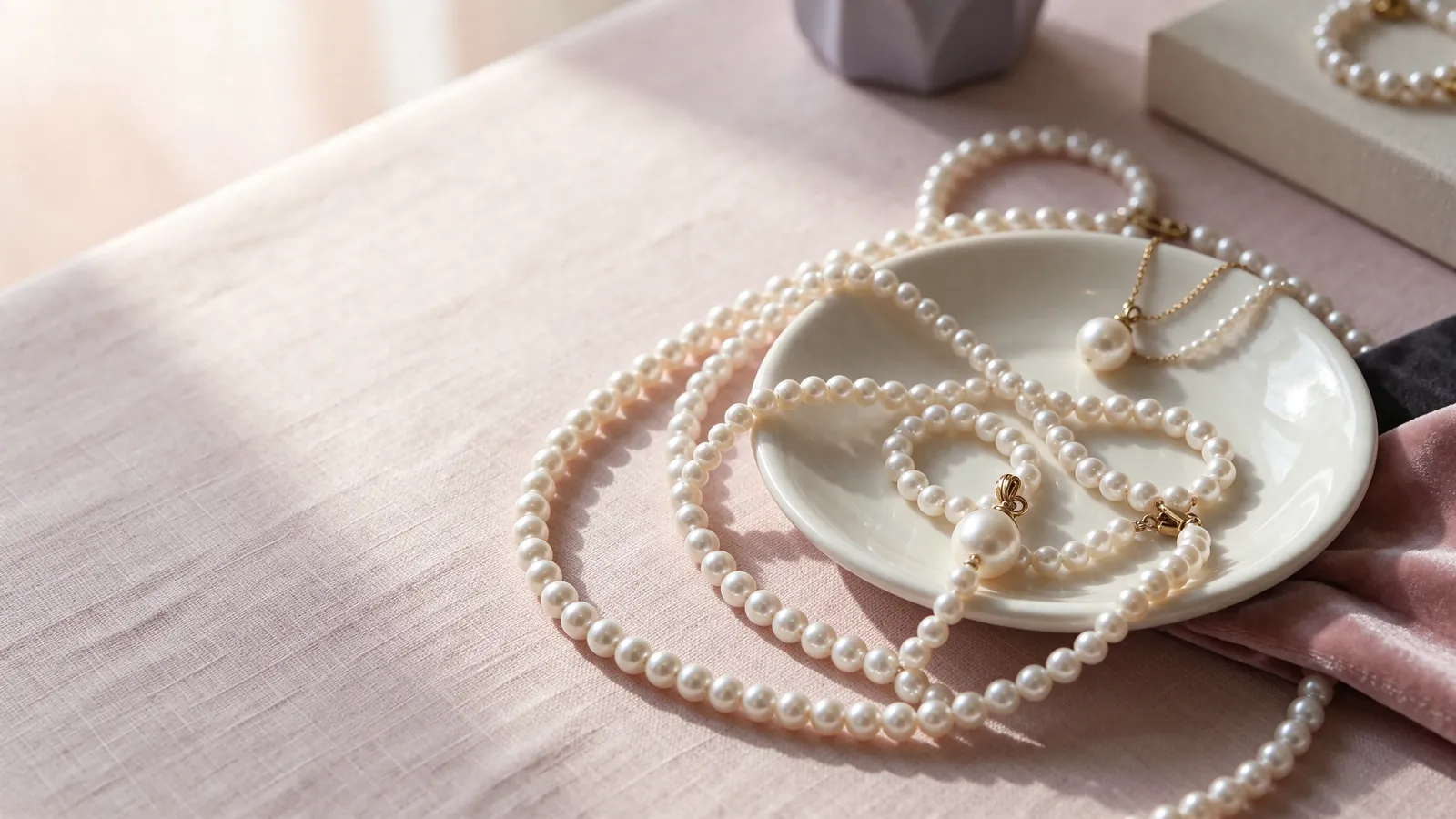
| Observation | Area to assess | Question to discuss | Wearing consideration | Initial handling |
|---|---|---|---|---|
| Fastening will not close | Moving and receiving parts | Could the existing fitting be retained? | Grip and closing motion | Set aside and photograph |
| Ring beside clasp has opened | Connections on both ends | Is the fault in the connection? | Orientation after attachment | Do not squeeze shut with pliers |
| Fraying or uneven strand gaps | String, ends and full strand | Should restringing be considered? | Desired length and pearl order | Keep loose parts contained |
| Different operation preferred | Interfaces and assembly | Will both ends remain compatible? | Hair, collar and grip space | Describe everyday fastening habits |
| Sentimental clasp to preserve | Existing component and junctions | What can be retained or kept separately? | Appearance versus operating preference | Photograph inscription and arrangement |
Pearl knowledge and authoritative references
GIA lists pearl at 2.5 on the Mohs hardness scale. Its care guidance also excludes ultrasonic and steam cleaning, relevant when a metal clasp is attached beside pearls.
Read the reference for this factFrequently asked questions
The clasp closes but comes undone later. Is that a cleaning problem?
Do not assume that cleaning will resolve it. Stop wearing the necklace and describe when it opens, with photographs of the closed fitting and its connections. The moving parts and their fit need consideration as well as any visible residue.
Can I replace only one half of the clasp?
That depends on whether the retained half and the proposed part can work together, and how each attaches to the necklace. Show both ends in your enquiry; a photograph of the faulty side alone misses the compatibility question.
How should I explain that a small fastening is difficult to use?
Describe where you fasten it, whether you work unaided and which motion is difficult. Mention grip space, nails, hair or a collar if relevant. This is more useful than assuming a larger decorative shape will solve the difficulty.
Should I cut a frayed end before bringing the necklace for assessment?
No. Leave the strand end and knots as they are, keep detached pieces safely contained and photograph the condition. Cutting can remove useful detail and allow more components to separate.
Can an inscribed clasp be kept even if another fastening is considered?
Tell Flint Jewellery that you want to retain it and explain whether continued use or keeping the component separately is your priority. The practical direction depends on its condition and the necklace's connections, not the inscription alone.
Updated: