
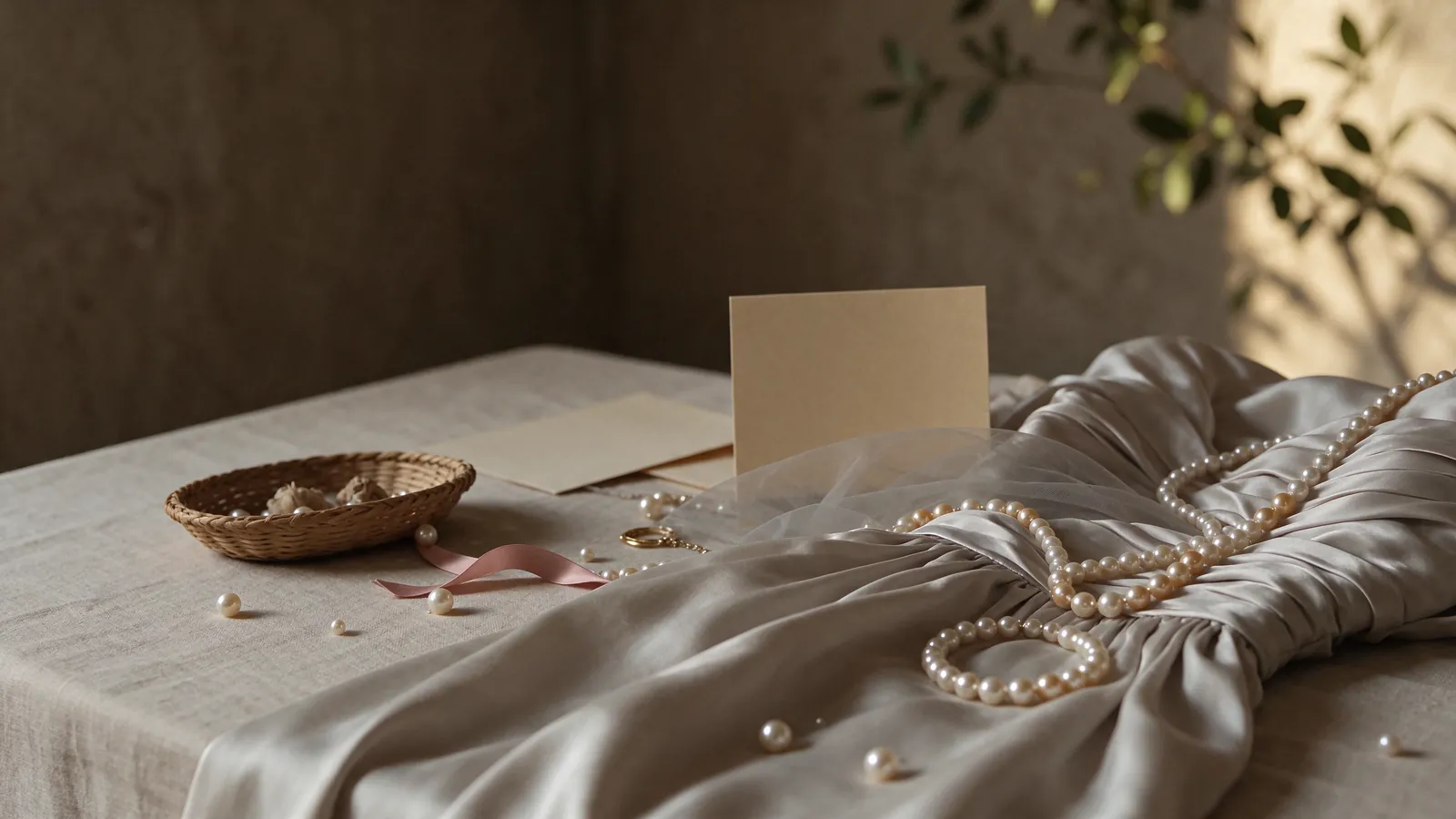
Let her everyday style guide pearl gifts for mother, whether choosing pearl jewellery for mum or pearl gifts for mom
Start with the outfits your mum actually repeats. A work shirt, a round-neck knit and a favourite jacket tell you more about useful jewellery than a formal portrait does. Notice where her collars sit, whether she adds a scarf and which part of an outfit she likes to emphasise. Compare one everyday outfit with one she wears to a gathering, looking for a shared colour or outline. If the proposed piece works with only one, it can still be a thoughtful occasion accessory; it need not transform her wardrobe or suit every possible outfit.
Her jewellery habits offer another clue. Does she wear one familiar piece, alternate between several favourites or enjoy layering? A design she admires in a photograph may not be something she wants to put on before work. The pearl gift guide can help organise broader gift considerations, but the final choice should return to her own routines. Being a mother does not imply a preference for a full strand, larger pearls or a particular degree of formality.
For pearl gifts for mother, how do length and earring preferences shape the choice of pearl jewellery for mum and pearl gifts for mom?
With her permission, measure a necklace she finds comfortable and record whether the clasp is included. Describe its position against a familiar neckline too. A chain and a pearl strand have different outlines, so the same measured length need not sit identically. For earrings, establish whether she has pierced ears, which fastening she uses and whether she can put them on and remove them independently. If she does not wear earrings, a necklace discussion respects that habit. A clip-on approach should depend on an actual design and her response during a fitting, not an assumed universal solution.

Judge the silhouette against collars, hair and everyday movement
Visual scale depends on the complete piece, not only on pearl size. A necklace close to the neck can compete with a shirt collar, while a lower focal point may disappear behind fabric or meet the edge of a neckline. Try the idea with clothing she already owns. Look from the front and side, then sit down to see how posture and moving fabric affect the placement. If she likes layering, compare the pieces separately as well as together. Extra jewellery does not automatically create a clearer or more balanced look.
Hair changes the effect of earrings. A small detail may appear briefly through loose hair, yet become much more visible when her hair is tied back. Glasses, headphones and scarves also share space around the ears. Rather than labelling a design youthful or mature, ask whether its presence suits her preference and whether the surrounding accessories leave enough room. A bolder look can be appropriate at any age if it is genuinely hers.
Make the fitting reflect a normal day
During a fitting, include ordinary actions such as turning her head, fastening a jacket or sitting at a table. Check whether a necklace is pushed up by the collar and whether earrings meet other accessories. Let her operate the fastening herself if she normally puts jewellery on alone. These observations help identify practical concerns without promising universal comfort or treating a static mirror view as the whole test.
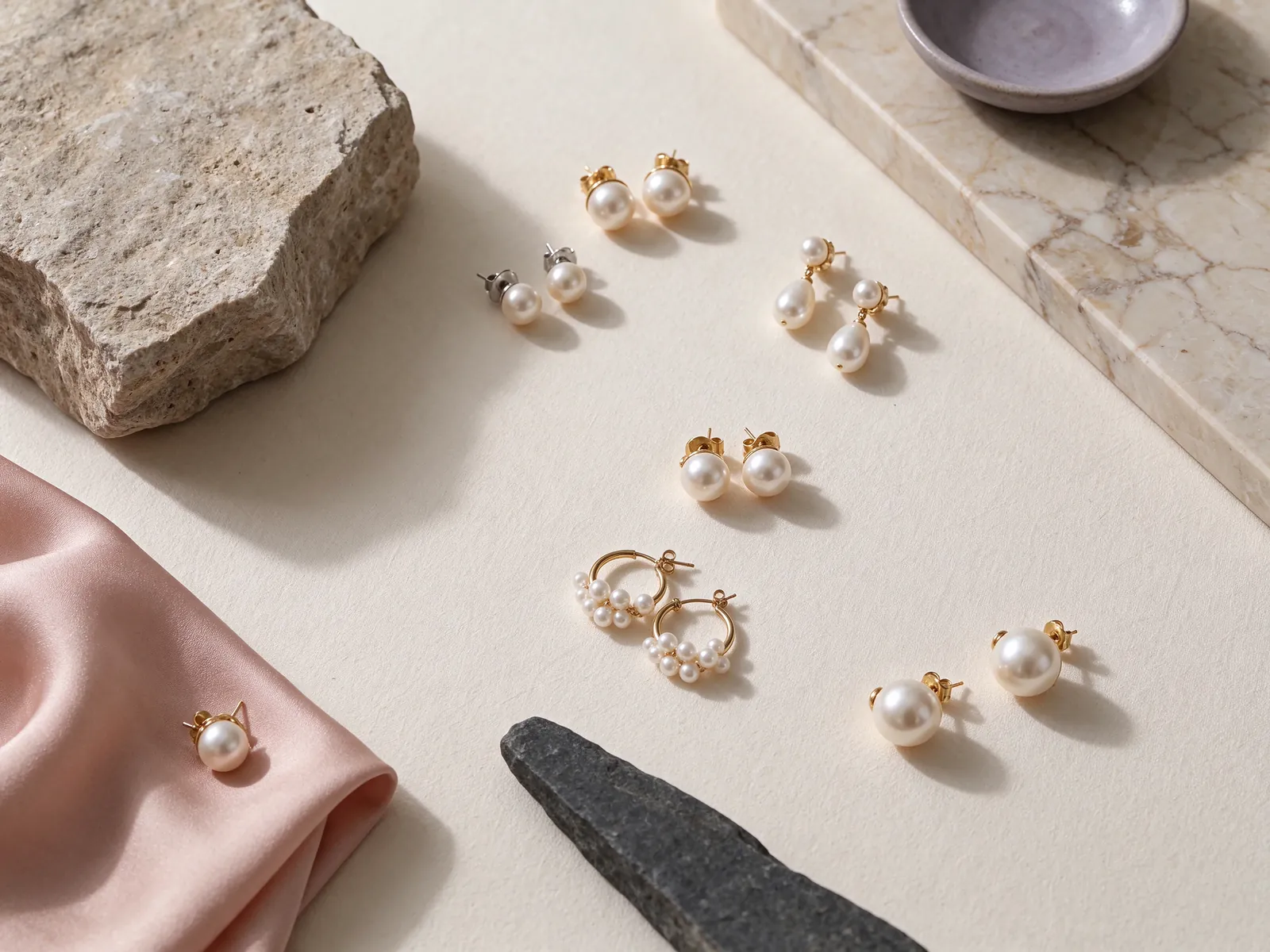
Use pearl quality factors to ask better questions
GIA describes seven pearl value factors: size, shape, colour, lustre, surface quality, nacre quality and matching. Matching applies when a piece contains two or more pearls. Use the pearl grading guide to frame questions about reflections, visible surface features and the coherence of the complete piece. Merchant labels such as AAA or AAAA are not a globally standardised GIA grade. A brighter photograph, larger size or rounder outline is not a complete quality assessment, and appearance alone cannot establish pearl type or natural-versus-cultured identity.
Colour should also be considered beside her clothes. A pearl can create a soft transition or a stronger contrast against a familiar fabric; neither effect is automatically better. GIA distinguishes bodycolour, overtone and orient, and not every pearl shows all three. Lighting and screen display can affect a photograph, so describe the effect she enjoys rather than using a colour name to infer origin, treatment or natural-versus-cultured identity.
Read descriptions and documents for what they actually cover
For a particular piece, read the stated pearl identity, treatment information and metal description, checking whether each statement covers one pearl or the complete item. If a gemmological document accompanies it, compare the object description and identifying details with the piece and read the scope of the findings. Identity findings are not a valuation, an investment promise or a guarantee of comfort. Nor does a laboratory name establish Flint certification. The images on this page illustrate styling and knowledge; they do not establish product identity, measurements, documents or stock.

Choose a necklace or earrings that work with her existing favourites
If she already has a much-loved necklace, a new pearl piece can be an alternative rather than an addition to the same neckline. Layering may crowd the design or allow pieces to rub against one another. Wearing them separately can preserve each focal point. Identify what the gift would add: another option for a different collar, or earrings to lead a dinner outfit. That gives the conversation a useful purpose without making a coordinated set the default. The number of pieces need not stand in for the thought behind the gift.
An earring decision needs more than a front-facing image. Discuss the fastening, how she puts it on, the overall balance of the pair and her own response to the weight during a fitting. There is no requirement to give several pieces simply to make a gift feel complete. When comparing pearl gifts for her, use the styling questions to develop an example from your mum’s wardrobe rather than borrowing another recipient’s preferences.
Let the metal colour support her taste
For a custom design discussion, the metal options are 18K 750 white gold, 18K 750 yellow gold, 18K 750 rose gold, PT950 platinum and PT900 platinum. Consider her preferred colour alongside the needs of the construction. Existing rings or a watch can suggest a direction without requiring an exact match. If she has experienced irritation from jewellery, discuss that history and the specific material; do not assume a metal name guarantees an absence of sensitivity.
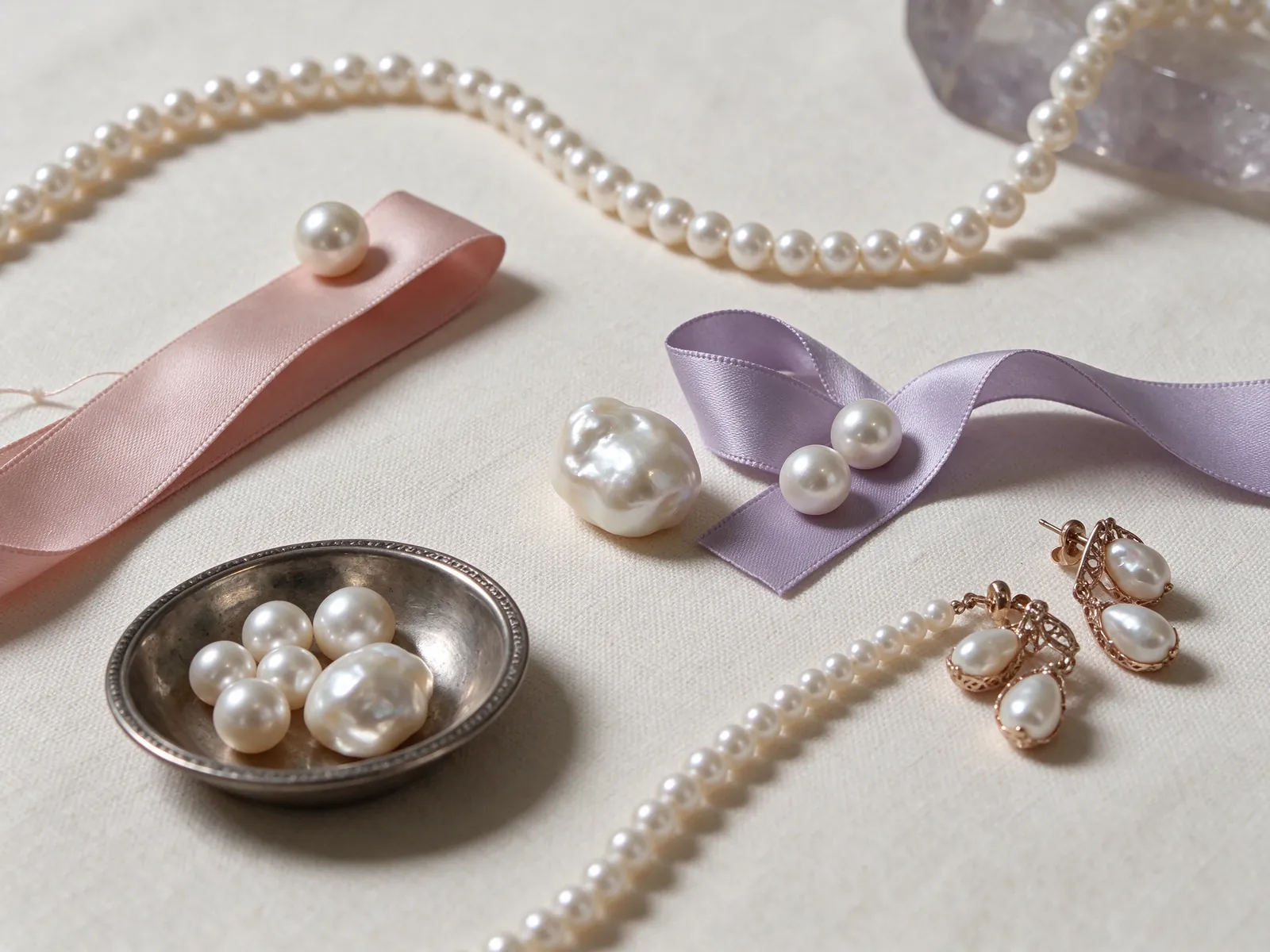
Connect the occasion to a personal memory
Mother’s Day is an opportunity to express thanks, not a reason to choose jewellery that works only for a celebration photograph. When considering Mother’s Day pearl gifts, picture what she might wear afterwards. A pearl birthday gift can instead reflect an interest she has recently taken up or an outfit she enjoys wearing to dinner. A note about a particular shared moment makes the gesture personal without reducing her to a standard description of motherhood.
For a family celebration of your parents’ marriage, distinguish a present for your mum’s individual use from a gesture commemorating both parents. A pearl anniversary gift can refer to a shared memory while still respecting the wearer’s preferences. If discussing 30th pearl anniversary gifts, first find out whether they enjoy that symbolism, then let her choose a look she would wear. There is no need to impose a cultural association they do not value. Pearls can support a personal story but do not guarantee health, prosperity or a closer relationship.
Write a message that sounds like your relationship
Describe something specific you appreciate: a decision she made, a day you spent together or why a particular line or colour reminded you of her. If she dislikes a formal presentation, give the note during an ordinary visit. Another option is to make the gift an invitation to choose together. The emotional surprise can remain in the message while she retains a say in the details she will wear.

Balance a surprise with the decisions only she can make
Learn useful preferences through ordinary conversation without secretly guessing measurements or altering her jewellery. Ask which piece she reaches for most often and which fastening is easiest to handle. If the answers remain uncertain, let her select the style while you arrange the personal gesture and budget. When considering pearl gifts by budget, set a range for the complete piece and separate essential wearing details from styling choices you could change. Compare the stated materials, construction and proposed work together rather than using a pearl name or larger size as a price shortcut.
For a gift from siblings, nominate someone to gather the wearer’s preferences before everyone debates their own favourites. Agree whether the aim is everyday use, a dinner accessory or a piece connected to a memory. That purpose helps prioritise questions about shape, fastening and colour. If the gift relates to a particular date, discuss actual making and delivery arrangements before committing; the occasion itself does not establish a promised completion time.
Prepare a concise style brief for the conversation
Prepare notes about her usual clothing colours, necklines, existing jewellery and preferred way of putting pieces on. Ask permission before sharing photographs of her or her belongings. Explain the main use, the habits she wants to retain, possible changes and your budget direction when discussing the gift with Flint Jewellery. A quotation and any date-specific making or handover arrangements depend on the actual discussion, not on the celebration date alone. A brief built around her life gives more direction than a recipient label and keeps her voice in the decision.
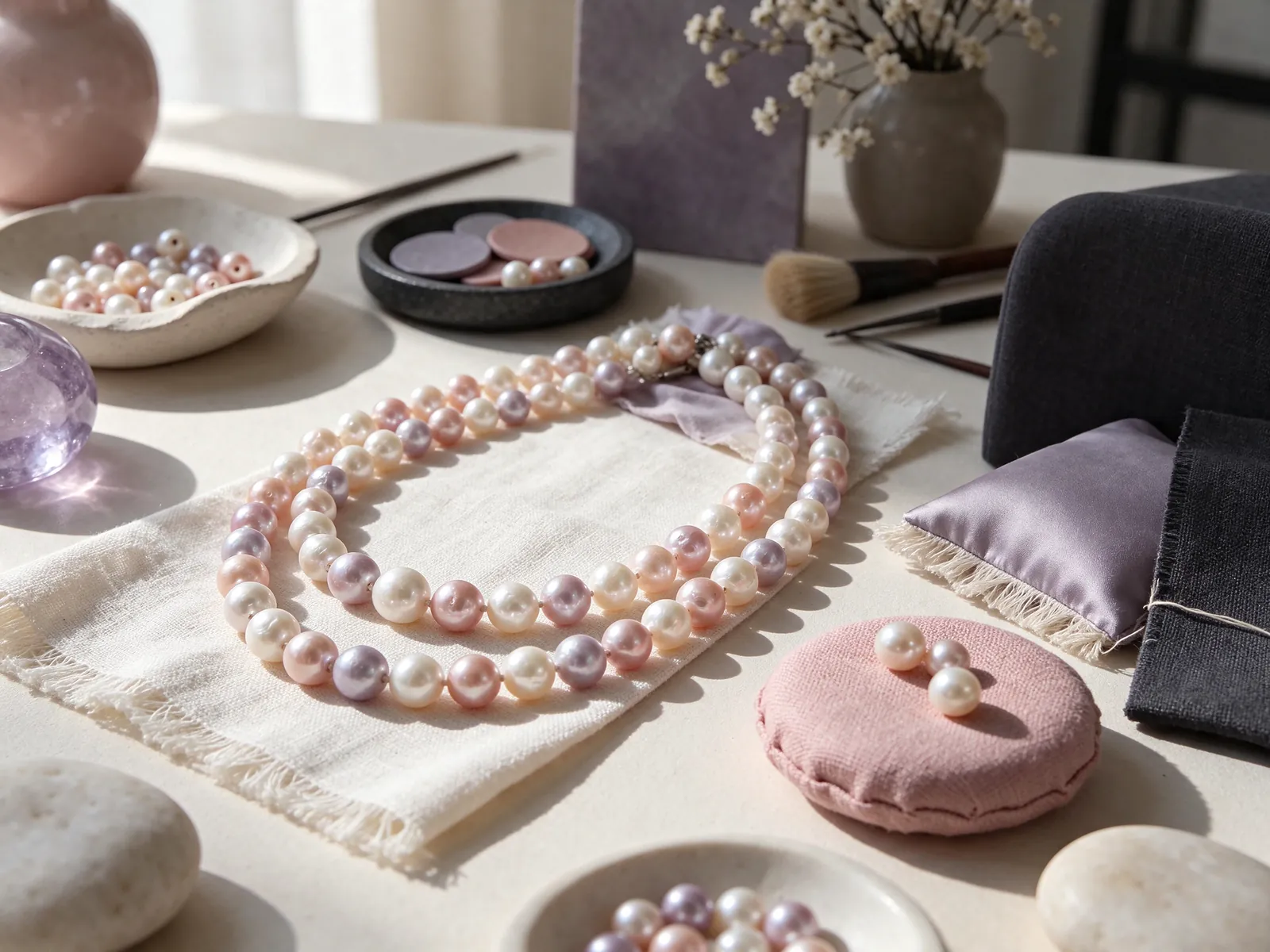
Give a simple care routine alongside the gift
GIA places pearl at 2.5 on the Mohs hardness scale. That makes protection from scratching a relevant part of the gift conversation, although hardness is not a guarantee about resistance to impact. If your mum normally drops all her jewellery into one dish, suggest a separate compartment or place for the pearl piece. A small practical change is easier to maintain than a complicated routine that does not fit her home.
After wearing, use a very soft, clean cloth to wipe pearls gently. Apply cosmetics, perfume and hair spray before putting them on, and avoid acids and excessive heat. GIA says never to use ultrasonic or steam cleaners. The pearl care guide offers useful everyday reminders, but cleaning must also suit the string, any adhesive, settings and clasp. Gentle cleaning advice is not permission for prolonged soaking. If a strung piece is cleaned with water, allow the string to dry completely before wearing; ask for construction-specific advice when you are unsure.
Keep the handover helpful rather than alarming
A short card can cover wiping after use, separate storage and avoiding ultrasonic or steam cleaning. If a string becomes loose, a fastening stops working smoothly or a setting moves, set the piece aside rather than repeatedly pulling it to test it. Yellowing or changed lustre should not prompt abrasive home treatment. Restringing, repair and replacement matching require assessment of the actual condition; restoration or an identical replacement pearl cannot be presumed. Keep the note manageable so it supports wearing the gift rather than making the handover feel like a long warning.
| Observed habit | Direction to compare | Fitting consideration | Useful question |
|---|---|---|---|
| Frequent shirts and jackets | A necklace outline that works with the collar | Check placement with the collar fastened | How is the necklace length measured? |
| Round-neck knits | A focal point near the neckline or over the fabric | Look again while seated | Should the jewellery or clothing lead? |
| Glasses and tied-back hair | Earrings with space around other accessories | Turn the head with glasses on | Which fastening does she already use? |
| One familiar piece worn often | An alternative rather than compulsory layering | Compare outlines and colours separately | Does she enjoy wearing pieces together? |
| A preference for quiet celebrations | A shared choice with a personal note | Try the idea with everyday clothing | Would she rather participate in choosing? |
Pearl knowledge and authoritative references
GIA identifies seven pearl value factors: size, shape, colour, lustre, surface quality, nacre quality and matching. Matching applies to jewellery with two or more pearls. This supports a gift comparison that does not rely on size alone.
Read the reference for this factFrequently asked questions
What if my mum rarely wears jewellery?
Find out why before choosing. Work routines, awkward fastenings or a dislike of decorative details call for different decisions. Invite her to try a direction she likes, or consider a piece for an occasion she enjoys. Receiving a gift should not create an obligation to wear it every day.
Is an existing necklace enough to establish the right length?
It is a useful starting point if she is happy for you to measure it, but record whether the clasp is included. Different shapes and constructions may sit differently. Check the proposed placement against her usual neckline rather than assuming the measurement alone settles the fitting.
Should a gift from several children be a matching set?
Not necessarily. Agree a budget and purpose, then focus on the wearer’s preferences. One suitable piece can be more useful than several pieces she would not wear together. Do not assume a coordinated set exists or that she wants one simply because the gift is shared.
Can a pearl colour tell me where it came from?
Colour alone cannot establish origin, treatment or natural-versus-cultured identity. GIA distinguishes bodycolour, overtone and orient, but not every pearl has all three. Compare the colour with her clothes for styling, then use the specific item description and the scope of any gemmological findings for identity information.
How much care information should accompany the present?
Keep it practical: wipe gently after wearing, store separately, avoid perfume and hair spray, and never use ultrasonic or steam cleaning. Cleaning must suit the string, adhesives and settings as well as the pearls; avoid prolonged soaking. A string cleaned with water must dry completely before use. Ask for advice if the construction is unclear.
Updated: