
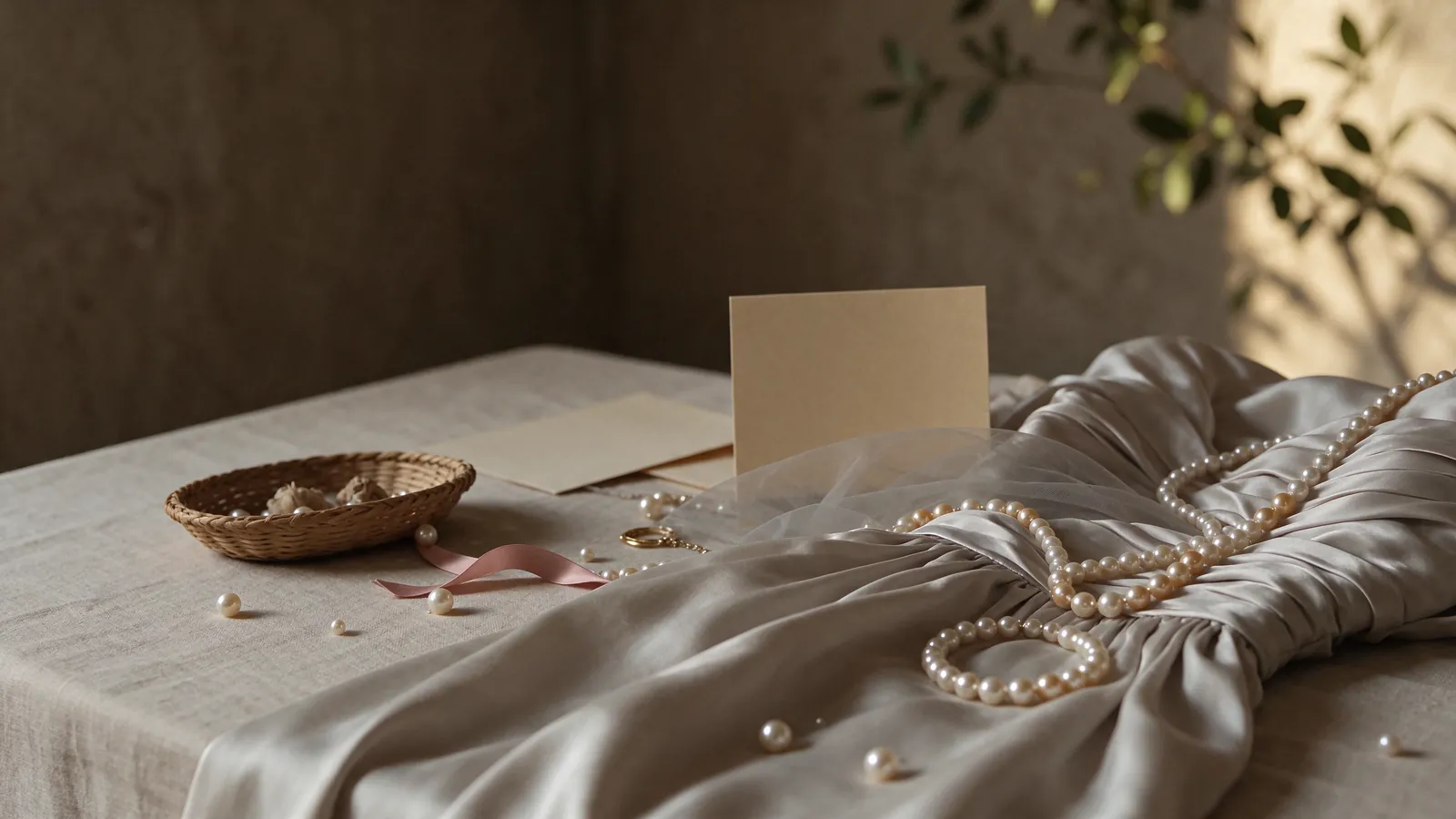
how to choose pearl gifts for Birthdays and Weddings: A pearl gift guide to pearl jewellery gifts for the Occasion
A birthday gives you a reason to celebrate someone, but their ordinary week offers a better starting point for choosing the jewellery. Picture the recipient travelling to work, meeting friends or dressing for dinner. Notice whether they usually wear earrings, a necklace or a bracelet, and whether those pieces are discreet or expressive. A pearl birthday gift can reflect that pattern without being restricted to the outfit worn at the birthday celebration.
For a wedding, distinguish a gift intended for the ceremony from a keepsake intended for life afterwards. Ceremony jewellery needs to work with the chosen neckline, hairstyle and existing accessories; a keepsake can be guided by the recipient's everyday preferences. An anniversary offers another route: recall a shared outing, favourite outfit or meaningful personal detail. When considering a pearl anniversary gift, let the memory explain your choice rather than allowing the occasion to prescribe it.
how to choose pearl gifts to Suit an Outfit: The pearl gift guide to Balancing pearl jewellery gifts with Existing Accessories
Think about where the jewellery sits. An open shirt collar may leave room for a pendant, while a high neckline may make earrings a clearer focal point. If the recipient wears a favourite necklace every day, earrings might complement that habit more easily than a competing necklace. Test the idea against one outfit they regularly wear, not an imagined formal wardrobe. For a wedding, ask whether they want to change their existing accessories at all; the gift should not create an obligation to wear it at the ceremony.
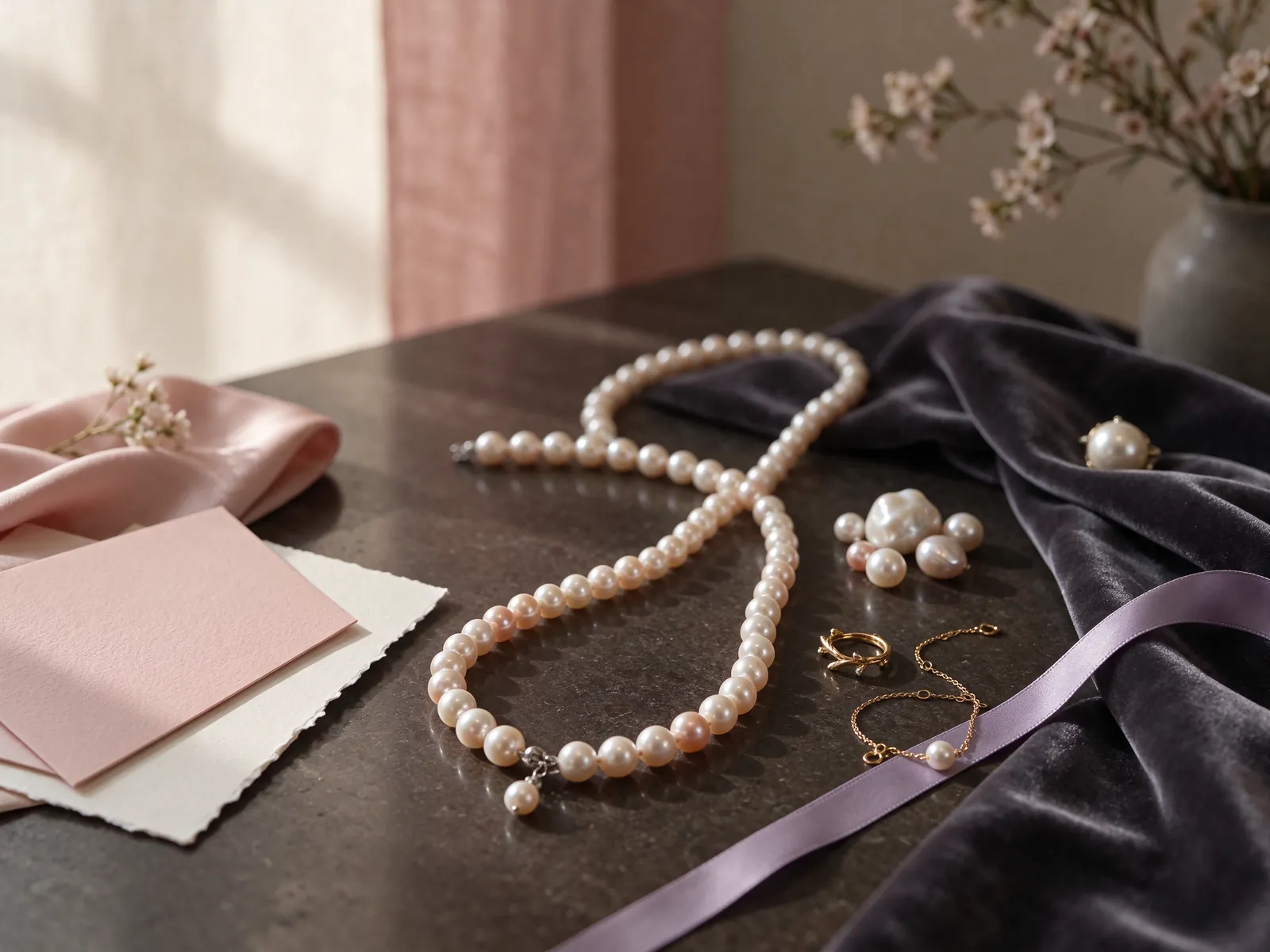
Read personal style without making assumptions about age or gender
A gift for your mum does not have to look traditional, and a gift for a close friend does not have to follow a trend. Look at the role accessories play in their outfits. Do they create contrast against plain clothing, echo a colour in a printed blouse, or quietly finish a tailored look? Also consider the pieces they stopped wearing. An awkward fastening, a design that caught on a scarf or movement near the face can explain more than an age-based style label. Those details help you find a direction the recipient is likely to welcome.
Pearls need not be treated as a gift for only one gender. A recipient who likes relaxed shirts, clean tailoring or mixed accessories may be interested in the shape and placement of a pearl rather than a gendered description. The ideas in genderless pearl jewellery can help you discuss proportion and self-expression. Ask whether the recipient enjoys a noticeable accessory or prefers a subtle detail, and respect their answer even if it differs from your own taste.
Ask questions that reveal habits while keeping the occasion a surprise
When discussing an outfit, ask whether the recipient prefers detail near the face or at the neckline. You can also ask which accessories they stopped wearing because the fastening was awkward or the design caught on clothing. These everyday observations reveal useful constraints without asking them to select the entire gift in advance.
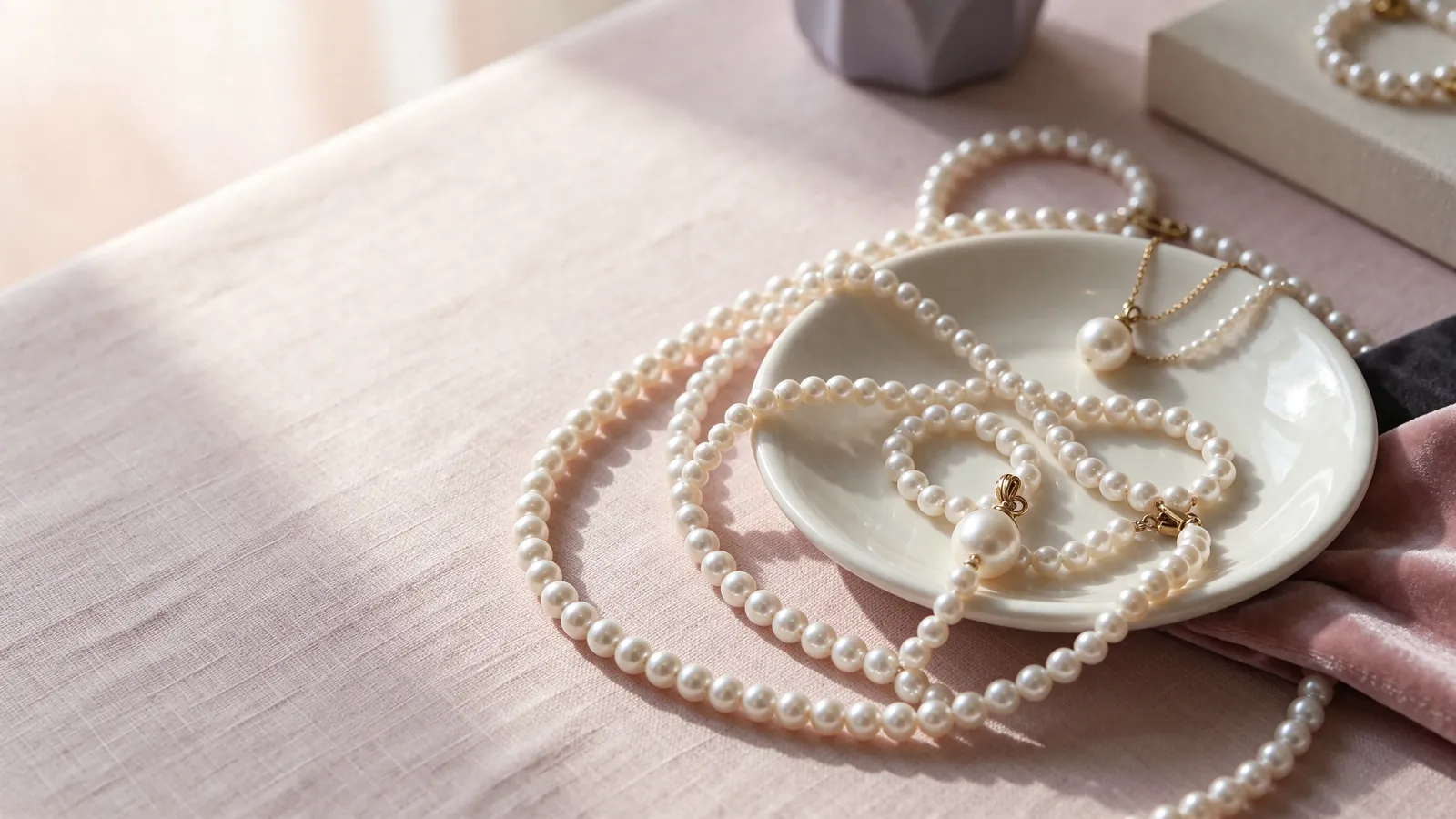
Choose the jewellery position before choosing its visual impact
Earrings frame the face, so establish whether the recipient has pierced ears and what fastening they normally use. Hair, scarves and collars may hide or interfere with a dangling design. A front-facing photograph cannot tell you how an earring feels to wear: the backing, overall weight and movement also matter. Treat comfort as a question to explore with the wearer, not as something guaranteed by a small-looking design or a particular material.
Necklaces need to sit comfortably with the recipient's usual necklines, while bracelets interact more directly with daily activity. Someone who types frequently or wears close-fitting cuffs may notice jewellery touching the desk or sleeve. Someone who fastens jewellery without help may value a manageable clasp. If you are considering several pieces, establish one visual focus first. Coordinating the rest around it is a styling approach, not a reason to assume that a matching set is necessary.
Avoid guessing fit from the recipient's build
With their permission, measure a piece they already find comfortable and note exactly what was measured: full length or inner circumference, and whether the clasp was included. Different closures and shapes affect how jewellery sits. For a necklace, describe the preferred resting position and whether it will sit inside or outside the usual collar. If fit remains uncertain, agree on the jewellery category and general style first, leaving wearer-dependent details for a shared decision. Do not assume that any size can necessarily be changed afterwards.

Set a budget around priorities rather than a spending expectation
Separate essential requirements from flexible visual details. The recipient may care most about a discreet outline, a preferred metal colour or an easy fastening. Spending more on additional pieces or a stronger visual presence would not necessarily answer those needs. Thinking about pearl gifts by budget helps you connect expenditure with likely use. Avoid letting the name of the occasion, or pressure to prove affection, determine an amount that feels uncomfortable.
GIA describes seven pearl value factors: size, shape, colour, lustre, surface quality, nacre quality and matching. Consider them together rather than making size the whole comparison. Bright, clear reflections contribute to lustre, while matching becomes relevant when two or more pearls appear together. A shape may suit the recipient without establishing origin or natural-versus-cultured identity. Retail labels such as AAA and AAAA are not globally standardised or GIA grades. Photographic lighting can change the impression, so combine visual observations with the written description and the recipient's wearing priorities.
Compare a daily-wear direction with an occasion-led direction
Compare the everyday direction with the occasion-led direction by recording placement, fastening and how each works with clothes already owned. If a laboratory report accompanies a pearl, read the issuing organisation, sample description and the matters actually examined, then establish which pearl or item the document concerns. Identification information is distinct from a quality assessment; neither should be treated as a valuation, a promise of appreciation or a brand's aftercare policy. Ask about the quotation for the design being discussed rather than using an illustration or another retailer's price as its cost.
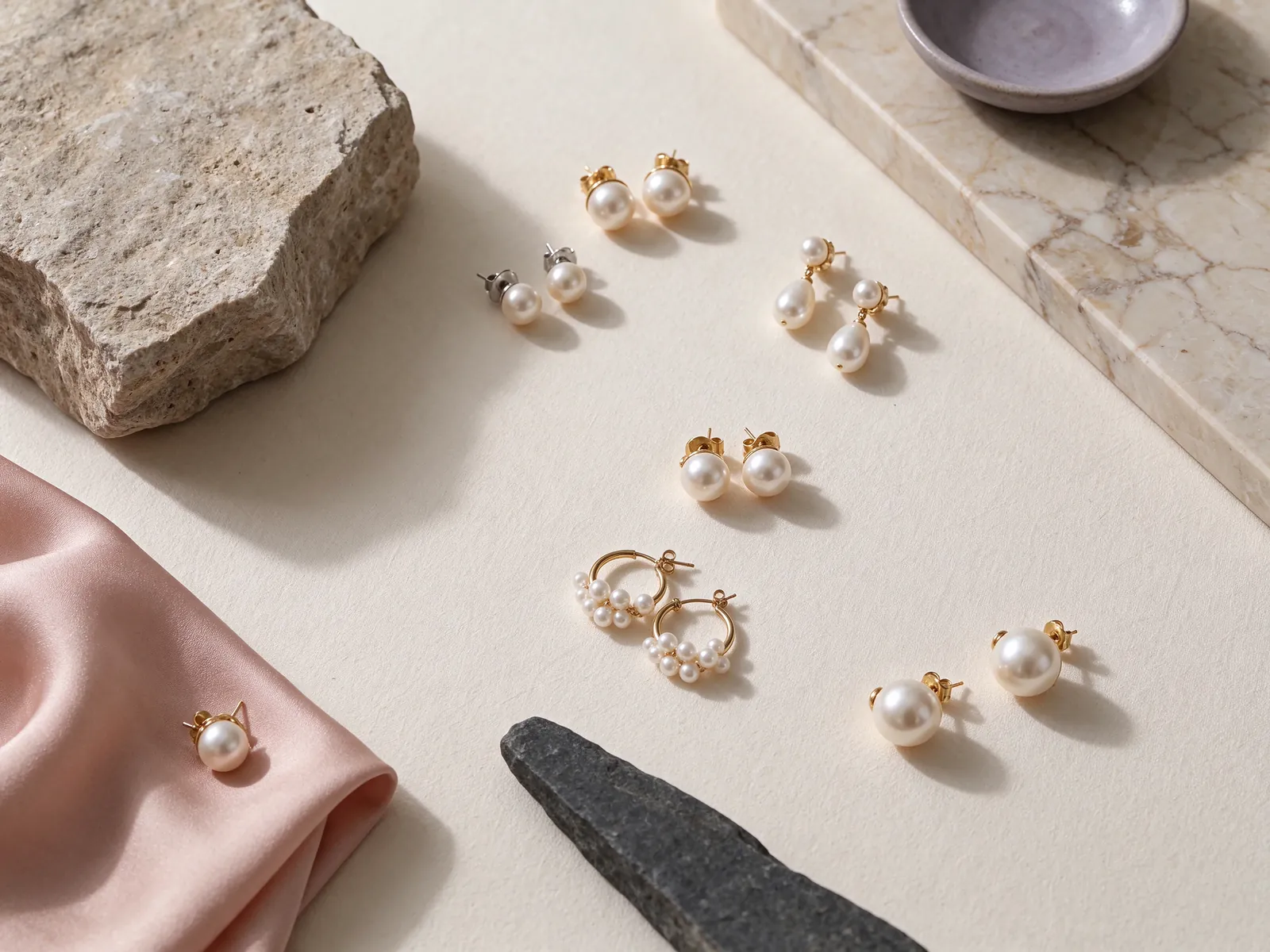
Bring pearl colour and shape back to the recipient's wardrobe
Colour is more nuanced than a simple light-or-dark label. GIA distinguishes bodycolour, overtone and orient: every pearl has bodycolour, but overtone and orient are not always both present. Start with clothes the recipient actually wears; cream, pink, navy and black create different visual relationships with jewellery. Compare outfit references with the actual colour description, rather than treating a skin-tone category as a definitive answer. A photograph can suggest a mood, but its colour cannot establish pearl type, origin or treatment status.
Shape can echo or contrast with the lines of an outfit. A rounded outline may suit a restrained neckline, while an irregular outline may introduce detail to a plain top. Neither preference determines overall quality by itself. Metal colour can relate to a favourite watch, ring or spectacle frame without matching every accessory exactly. Metal options for discussion are 18K 750 white gold, 18K 750 yellow gold, 18K 750 rose gold, PT950 platinum and PT900 platinum; explore the details alongside the intended design. The wider Pearl Jewellery guide can help you understand categories before narrowing the choice to this recipient.
Use a real outfit to decide where the focal point belongs
Imagine the gift alongside one familiar outfit and the recipient's existing accessories. If earrings already make a statement, leaving the neckline clear may feel balanced. If a necklace is the focus, quieter earrings may support it. Outfit references help communicate proportion and atmosphere; they are not evidence of the pictured jewellery's materials or pearl measurements.

Make the sentiment specific and leave the recipient room to respond
A short personal note can explain why you chose pearls more clearly than a generic promise about symbolism. Mention a shared memory, a quality you appreciate in the recipient, or an everyday moment you hope the gift will accompany. Cultural associations can open a conversation, but they do not guarantee happiness, prosperity or a lasting relationship. The recipient should be free to understand the gift in their own way rather than being asked to accept a prescribed meaning.
Sensitive occasions need particular care. When considering remembrance pearl gifts, first establish whether the person wants jewellery as a way to hold a memory; do not present it as a treatment for grief. Family celebrations also differ. Lunar New Year pearl gifts can relate to festive outfits and personal good wishes without promising luck through a colour or design. If the recipient prefers privacy, a quiet handover may be more considerate than expecting public wearing or photographs.
Shared selection can still feel thoughtful
If piercing, fit or style preferences are unknown, give a card explaining the idea and choose the wearing details together. The surprise can be that you remembered their taste, not that every decision was made without them. Invite an honest response without expecting immediate wearing or a public photograph. If you have a particular celebration date in mind, mention it during the discussion and seek confirmation of the individual arrangements. A desired gifting date is not, by itself, an agreed delivery commitment.

Include practical care information when handing over the gift
GIA ranks pearl at 2.5 on the Mohs hardness scale; pearls scratch easily and must not be cleaned with ultrasonic or steam cleaners. This is a reason to protect the surface, not a prediction of how long a gift will last. After wearing, use a very soft, clean cloth for routine care. Keep pearls away from acids, perfume, hair spray and excessive heat. A short care card makes these precautions easier to remember without turning the handover into a lengthy explanation.
Finish perfume and hair styling before putting on pearls, store pieces separately to avoid rubbing, and do not pull on small connecting parts when removing them. GIA mentions occasional cleaning with mild, warm soapy water, but this is not permission to immerse every strung, glued or mounted piece. The method must suit the entire item, including its thread, clasp, metal and attachments; avoid prolonged soaking. When water cleaning is appropriate for strung pearls, allow the thread to dry completely before wearing. If a pearl is loose or thread is worn, stop wearing the piece and discuss an assessment rather than assuming a free repair or an exact replacement pearl.
Prepare the information that makes a gift discussion useful
For a discussion with Flint Jewellery, bring the occasion, a comfortable budget range, the recipient's usual accessories and favourite outfits, and any known fit details. Explain which decisions you want the recipient to share. Use WhatsApp to raise those needs and your intended gifting date; quotations and specific arrangements are confirmed through the individual discussion. Images can communicate proportion and atmosphere, but do not prove pearl type, certification, measurements, price or stock. Keep the conversation centred on how the person will wear the gift.
| Gift setting | What to establish first | Styling direction to compare | Detail not to overlook |
|---|---|---|---|
| Birthday | Usual outfits and jewellery category | Daily detail or dinner focal point | Choose beyond the celebration outfit |
| Wedding | Ceremony wear or a later keepsake | Balance with neckline and hairstyle | Respect accessories already selected |
| Anniversary | Shared memory and current preferences | Familiar style or a considered new detail | The occasion does not replace personal taste |
| Mum or close friend | Fastening habits and daily activities | A position that fits the existing wardrobe | Do not infer style from age |
| Remembrance or festival | Whether jewellery feels welcome | Quiet sentiment or festive dressing | Symbolism is not therapy or a promise of luck |
Pearl knowledge and authoritative references
GIA identifies seven pearl value factors: size, shape, colour, lustre, surface quality, nacre quality and matching. Matching is relevant to jewellery with two or more pearls. A gift comparison should use the relevant factors together rather than considering size alone.
Read the reference for this factFrequently asked questions
Is a pearl earring gift sensible if I do not know whether the recipient has pierced ears?
Establish their piercing and fastening preferences first. You can use an outfit conversation to learn more, or choose the jewellery category together. Do not assume that any earring structure will suit an unknown wearing situation.
Does wedding gift jewellery need to be worn at the ceremony?
No. It can be intended for the ceremony or for everyday life afterwards. If ceremony wear is the aim, check the neckline, hairstyle and existing accessories with the recipient. A later keepsake may be more suitable when the wedding look is already settled.
What should I prioritise when my pearl gift budget is limited?
Start with likely use, preferred style and practical fastening needs, then consider the pearl quality factors together. A larger outline or more pieces will not necessarily be more wearable. Keep the requirements that matter to the recipient rather than spending to satisfy an occasion-based expectation.
Does a pearl report mean a gift is the highest quality or certain to hold its value?
No. Read the issuing organisation, sample description and scope of the examination. Identification information and quality assessment are separate questions; a report is not a valuation, an investment guarantee or a brand's aftercare promise. Retail AAA or AAAA labels are not globally standardised or GIA grades. Wearing needs still matter when choosing a gift.
What care advice is useful to include with a pearl gift?
Share the advice to wipe pearls with a very soft, clean cloth after wearing and keep them away from perfume, hair spray and high heat. Never use ultrasonic or steam cleaners. Cleaning must suit the entire jewellery structure, including thread and attachments, and should not involve prolonged soaking. If water cleaning is appropriate for strung pearls, the thread must dry completely before wearing.
Updated: