
what is an abalone pearl? how abalone pearls form and Why the Name “New Zealand pāua pearls” Is Location-Specific
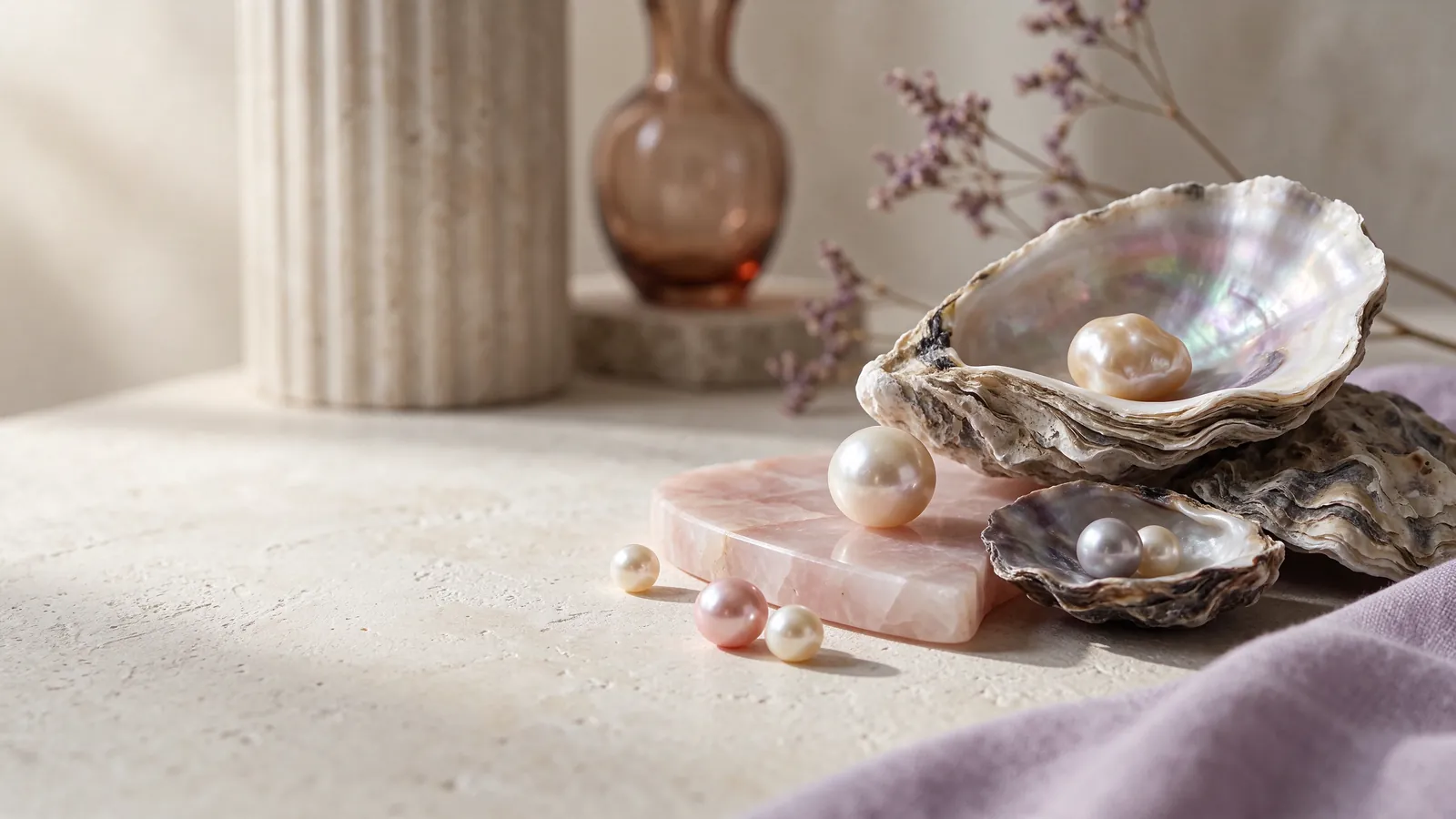
An abalone pearl is a pearl formed by abalone, a marine gastropod rather than a two-shelled pearl oyster. Abalone produce nacre, the lustrous material also found on the inner shell. When that material accumulates at a pearl-forming site, it can develop into a pearl. The defining point is growth within the animal or against its shell, not a blue-green appearance or a shape made by cutting shell material.
Examples can form naturally or through cultivation. One shell-attached cultivation method fixes a nucleus against the inner shell, allowing nacre to grow over it as a shell blister; the backing and assembly of the finished piece need their own description. GIA has also documented whole cultured abalone pearls, so this shell-attached method does not describe every cultured example. Profile alone is not a reliable identification test. The distinction discussed in natural vs cultured pearls concerns human involvement in initiating cultivation; a cultured pearl still grows in a living animal and is not the same as an imitation.
Natural or cultured: what is an abalone pearl, and how do New Zealand pāua pearls help explain how abalone pearls form?
New Zealand pāua pearls may be described by geography, formation or both. Pāua itself does not resolve natural versus cultured status. Read those details as separate statements: one addresses regional origin, the other how the pearl formed. Neither an irregular outline nor a confidently worded regional name supplies the missing answer. For a purchase centred on natural identity, information about that particular pearl matters more than the atmosphere created by its name.

A pearl, a shell insert or mother-of-pearl: what are you looking at?
Abalone shell is the shell itself, while mother-of-pearl refers to its nacreous inner material. Either can be cut and polished for jewellery. Their iridescence can resemble an abalone pearl without making them interchangeable. The useful question in abalone pearl vs abalone shell is whether the object grew as a pearl or was fashioned from shell. An attractive shell insert has its own design value; it does not need a pearl label to be worth appreciating.
Look beyond the front view. A side and back view can help you understand whether you are seeing a thin insert, a three-dimensional pearl or a mounted object with a distinct base. Photographs explain construction and appearance, while a clear material description explains identity. A bright reflection, rounded face or metal border cannot settle the distinction on its own. Ask what each visible part is rather than treating the whole piece as one material.
Why a rounded face does not describe the whole structure
The comparison in Mabé pearls vs round pearls is useful when learning to distinguish a front outline from a complete profile. For an abalone-themed piece, find out how the back is formed, whether it has a backing and which parts belong to the pearl or setting. These details affect how the piece lies against clothing and how its edges should be cleaned. A description that says only 'half-round' leaves important construction questions unanswered.
What the name Pāua tells you about New Zealand
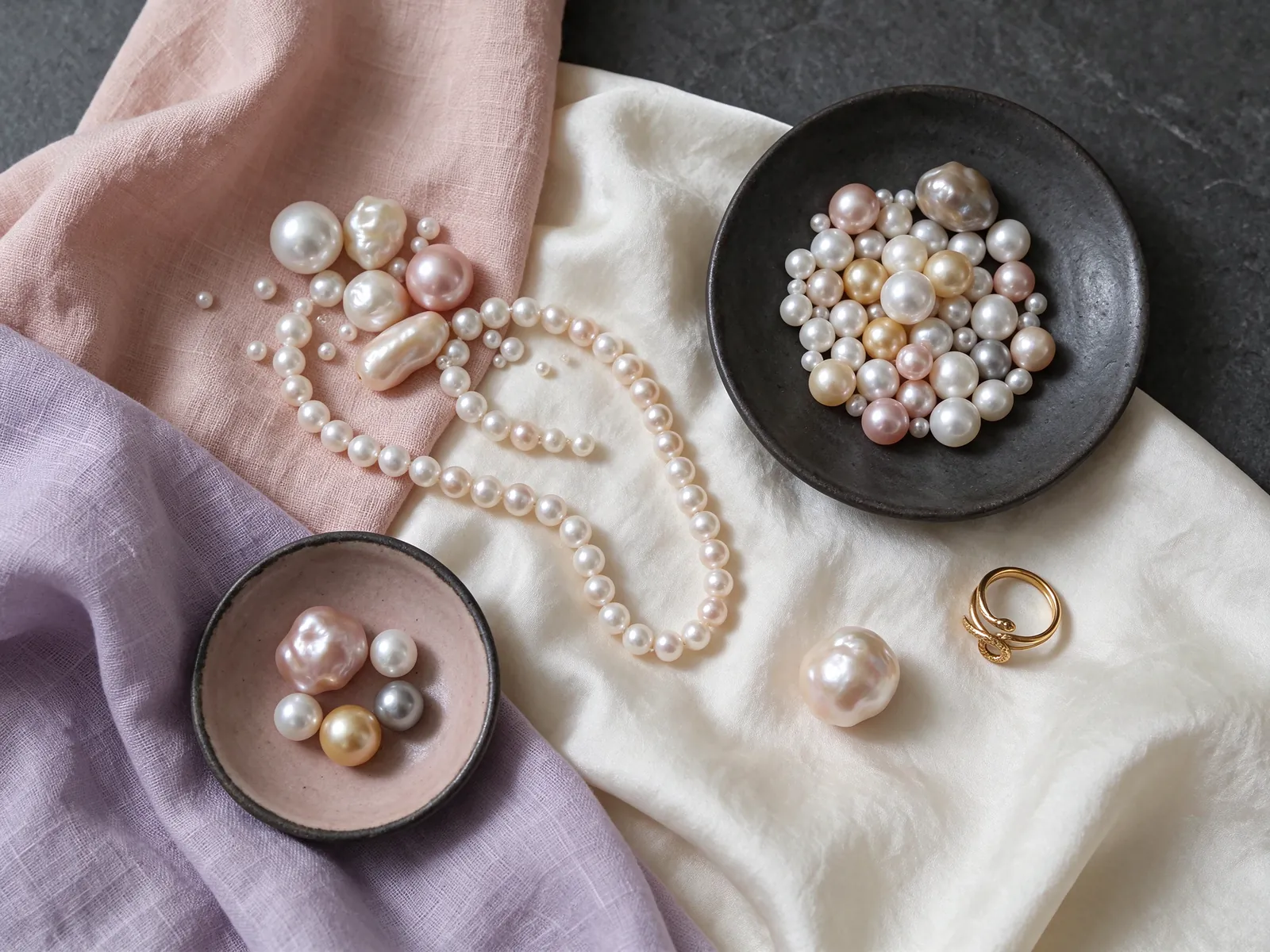
Pāua comes from the Māori name used for local abalone in New Zealand. Abalone pearls from New Zealand are often called pāua pearls, but that regional usage should not be extended to every abalone pearl worldwide. It offers cultural and geographic context, not automatic evidence of natural formation, treatment status or a particular animal species. If the New Zealand connection is important to you, look for a direct statement about the pearl's origin.
The place where jewellery is designed, mounted or sold may differ from the place where a pearl formed. Keep those locations separate when reading a description. A pearl types guide also helps separate naming categories: abalone describes animal source, a colour term describes appearance, and baroque describes an irregular shape. Several descriptions can apply to one object, but none should silently replace another or create an origin claim that was not stated.
Choosing a gift with a regional connection
For a gift recalling a New Zealand visit, confirm the geographic connection before choosing the style. Then think about the recipient's existing wardrobe rather than relying on the travel story alone. A single pendant may suit someone who wears plain shirts, while earrings need consideration alongside their usual hair style and other jewellery. Regional meaning can make a gift personal without being turned into a promise of rarity, financial return or a special effect.
Reading blue, green and violet in everyday light
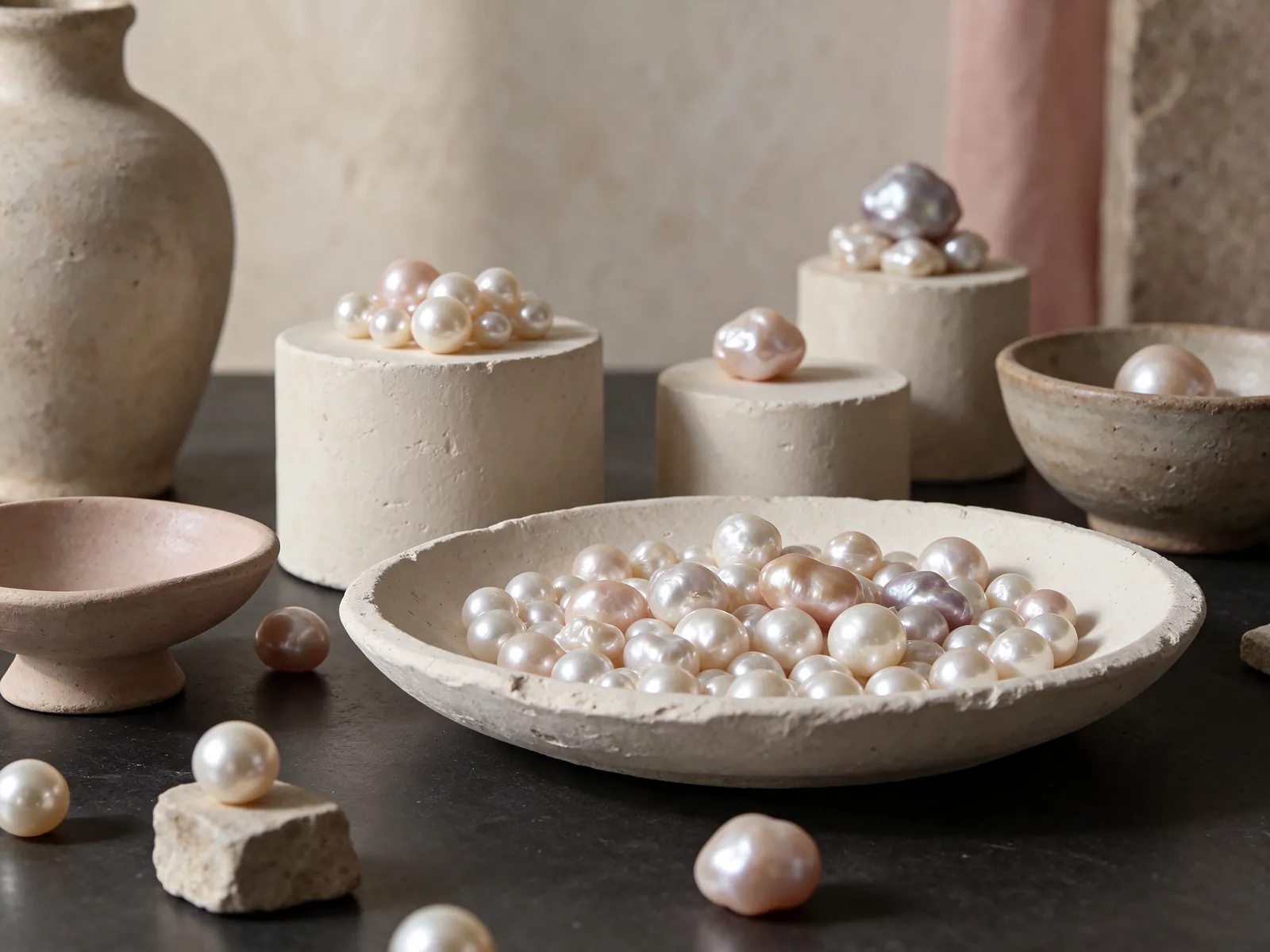
Abalone pearls can display changing blue, green or violet effects, but each pearl needs to be viewed individually. GIA separates bodycolour, overtone and orient. Bodycolour is the dominant overall colour; overtone is a translucent colour over it; orient is rainbow-like iridescence on or just below the surface. Not every pearl shows all these components. Describing the dominant colour and what changes when the pearl turns is more informative than calling everything simply multicoloured.
Compare several angles in soft daylight and ordinary indoor lighting. A short video can reveal whether the colour you favour is visible in the usual wearing position or only at a particular tilt. Backgrounds, camera settings and screens can change how colours appear. As Tahitian pearls vs other black pearls illustrates, colour and animal source are different questions. Blue-green iridescence likewise cannot establish New Zealand origin or show that a pearl has never been treated.
Use a familiar shirt as your colour reference
Try the colour against an outfit you actually wear. Black can provide strong contrast for bright areas, while warm ivory gives a softer background; a busy print may compete with the pearl's pattern. Start with the dominant face-up colour instead of attempting to match every shifting shade. This makes the decision relevant to your wardrobe and avoids choosing solely for a dramatic close-up that does not reflect daily wear.
Choosing a shape that works at the neckline or near the face
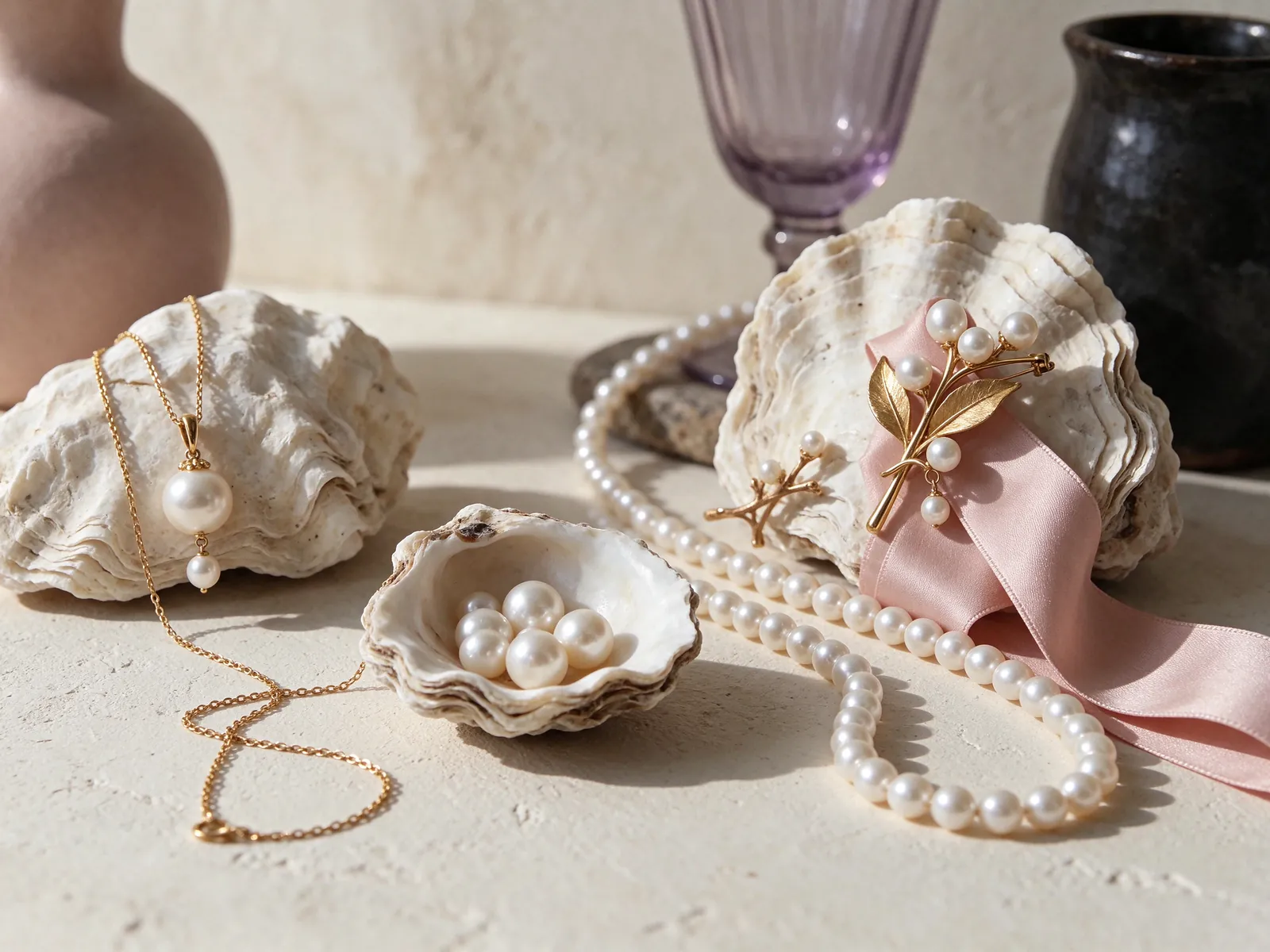
Half-round and irregular profiles can be part of an abalone pearl's appeal. Lack of roundness is not automatically poor quality and does not establish abalone identity. With a single focal piece, look at the direction of the outline, where its strongest colour sits and whether it turns during wear. An abalone pearl pendant should be considered with the neckline, bail position and back profile, not just an isolated front photograph.
For earrings, compare the two together. They need not have identical markings to look balanced, but colour strength, outline and orientation all affect the pair. Consider the view with your usual hair style as well as with hair pulled back. For either format, a raised edge may meet a collar or scarf. Comfort and movement depend on the actual mounting, so the pearl type cannot answer those practical questions for you.
Prioritise position before a larger outline
A pendant that lands at a collar edge may be partly hidden, while a broader piece that keeps turning may not show its preferred face. Earrings must also work with the earlobe position and the movement you find comfortable. Compare with jewellery whose placement you already like. Choosing a visible, stable position for your everyday posture is usually more useful than making size the sole goal.
Read identity information separately from quality descriptions
A clear description keeps material identity, natural or cultured status, geographic origin and disclosed processing separate. When a detail is absent, do not fill the gap with a visual guess. A document about a pearl and a statement about the jewellery's metal also address different matters. Read what object a document describes and what its conclusions actually cover, rather than treating the existence of paperwork as an answer to every question.
GIA identifies seven pearl value factors: size, shape, colour, lustre, surface quality, nacre quality and matching. For one focal pearl, useful observations include the sharpness of reflections, visible surface characteristics and suitability of its profile. For a pair or several pearls, matching becomes relevant too. This framework helps organise comparison; it is not a universal score and does not determine species, regional origin or natural versus cultured identity.
Compare like-for-like details within your budget
Put identity, visible quality, construction and intended use beside each other when comparing prices. Shell material and a pearl are not equivalent simply because both descriptions say abalone. Decide whether pearl formation matters to you or whether your main aim is a blue-green accent. If identity matters, make clear information a condition of the choice instead of letting words such as rare or unique take its place.
Care for the pearl and the complete setting
GIA ranks pearl at 2.5 on the Mohs hardness scale. That indicates susceptibility to scratching and abrasion, not a lifespan or a test of resistance to dropping. Store pearl jewellery separately from harder pieces to reduce rubbing. Avoid perfume, hair spray, acids and excessive heat. Abalone's marine origin is not a reason to assume that a finished piece can stay in water, especially when its mounting has additional structural elements.
For routine care, gently wipe with a very soft, clean cloth after wearing. GIA advises against ultrasonic and steam cleaning for pearls. A substantial-looking profile does not make those methods suitable. Care must also account for any backing or other construction, so do not scrub junctions or pull on the pearl. If strung pearls have been cleaned with water, allow the thread to dry completely before wearing them.
When to stop wearing rather than try a home repair
If the pearl moves unexpectedly in its setting, a new crack appears at an edge or the attachment feels unstable, stop wearing the piece until its structure can be assessed. Do not attempt to polish away the change, apply household adhesive or clean it with a solvent. These actions can alter the surface and joining areas. Gentle handling is a better aim than trying to make every cleaning produce a brighter finish.
Want to understand an abalone pearl description or consider a colour and shape for your everyday wardrobe? Ask Flint Jewellery on WhatsApp +85260106207. Share the terminology you would like explained and the wearing position you prefer, so the conversation can focus on the differences that matter to you rather than a name alone.
| Description | What it conveys | What it does not establish | Buying check | Wearing or care implication |
|---|---|---|---|---|
| Abalone pearl | A pearl formed by abalone | Natural status, origin or processing | Read identity and formation separately | Assess the actual profile and orientation |
| Pāua | New Zealand regional naming context | A universal term or natural guarantee | Separate pearl origin from mounting location | Choose regional meaning and style independently |
| Shell / mother-of-pearl | Shell or nacreous shell material | Growth as a pearl | Check material, side and back descriptions | Flat inserts differ from three-dimensional pearls |
| Blue-green iridescence | An appearance under particular lighting | Species, origin or absence of treatment | Compare angles in ordinary light | Try against a familiar outfit |
| Half-round / irregular | An outline or profile | Abalone identity or formation status | Inspect backing and attachment position | Consider turning, fabric contact and edges |
Pearl knowledge and authoritative references
GIA identifies seven pearl value factors: size, shape, colour, lustre, surface quality, nacre quality and, for multiple-pearl jewellery, matching. They organise quality comparison rather than establish pearl identity.
Read the reference for this factFrequently asked questions
Does buying a piece in New Zealand prove that its pearl is from there?
No. The selling or mounting location may differ from the pearl's formation location. Look for an explicit statement about the pearl's geographic origin, and read natural or cultured status separately from that statement.
Can polished abalone shell beads be described as abalone pearls?
Cutting shell into a rounded bead changes its shape, not how it originated. It remains shell material rather than an object that grew as a pearl. Compare it using a clear shell or mother-of-pearl description instead of relying on the shared iridescence.
Will the strongest blue in a photograph remain visible while wearing?
Not necessarily. Colour can vary with the angle, lighting and wearing position, and photography can affect its appearance. Several views or a short video in ordinary light help you judge the usual face-up colour rather than one especially dramatic angle.
Should a pair of abalone pearl earrings have identical markings?
Identical markings are not the only route to a balanced pair. Compare the two together for colour strength, outline and orientation near the face. Your preference for close matching or deliberate variation should guide the choice, rather than a rule that every detail must repeat.
Can I use an ultrasonic cleaner if the pearl has a protective metal border?
GIA advises that pearls should not be cleaned with ultrasonic or steam cleaners. A metal border does not change that guidance. Use gentle routine wiping and account for the complete setting rather than assuming the visible border protects every part.
Updated: