

Does the report for a Hanadama pearl pendant with GIA certificate or a GIA report pearl pendant describe the pearl or the diamond?
A pendant may contain a pearl and a diamond, yet its accompanying document may describe only one of them. Begin with the report title, issuing organisation and description of the submitted item. If the subject is a diamond, read the findings as information about that diamond rather than a statement about the pearl beneath it. If the subject is a pearl, do not assume the chain, bail or other stones share the same assessment. The scope comes from the document, not from the order of words in a jewellery name.
Ask which component the document accompanies and whether it describes a mounted item or an individual component. When comparing a pearl necklace with GIA report with a pendant, establish whether the document concerns one pearl, several pearls or the group it actually describes. A familiar piece of paperwork can be useful, but its relevance depends on that connection. Separating the subject from the jewellery format gives you a clearer basis for deciding what the information contributes to your purchase.
How do you match a Hanadama pearl pendant with GIA certificate or a GIA report pearl pendant to the item described in its report?
Read the report number, date and item description together. Compare the document supplied with the relevant item and any accompanying identification. A number identifies a document; it does not, by itself, establish that an object in front of you is the object described. Photographs or measurements can help where included. Where photographs are absent, work with the description that is present and ask how the item has been connected to the report. Resolve differences before making your selection.

Keep pearl observations separate from diamond findings
Read pearl information according to the fields and conclusions the particular document contains. Do not transfer a diamond's descriptive framework onto a pearl. Visible pearl comparisons can include size, shape, colour, lustre and surface appearance, while identity or treatment conclusions must come from what a relevant document actually states. Roundness or a white appearance in a photograph cannot establish natural-versus-cultured identity, origin or report status. Similar-looking pearls may have different histories and different documentation.
For a pearl pendant containing a diamond, distinguish the documented stone from its position in the design. Information about that stone does not automatically describe the pearl's lustre or nacre, nor does it assess the workmanship of the complete pendant. It helps to keep two sets of notes: what the document says, and what you observe when wearing the piece. This prevents a single label from standing in for decisions about comfort, proportion and appearance.
Use GIA's seven pearl value factors as a reading framework
GIA identifies seven pearl value factors: size, shape, colour, lustre, surface quality, nacre quality and matching. For a pendant with one pearl, visible comparisons may concentrate on its outline, reflections and surface from different angles. Matching becomes particularly relevant when comparing groups of pearls. The seven factors provide a framework, not a promise that every report awards a single overall jewellery grade. A larger or rounder pearl is not automatically the most suitable choice for your neckline or preferred style.

Read Hanadama terminology and laboratory documents on their own terms
When Hanadama appears in a name, ask who is using that description, what document supports it and which item that document describes. Its appearance alongside GIA does not make the two terms interchangeable. Reading about a Hanadama pearl pendant can help put that wording in context while keeping appearance descriptions, commercial labels and laboratory reports separate. Similar emphasis on quality does not mean the terms use the same criteria or cover the same components of a pendant.
Avoid arranging unfamiliar labels into a ranking simply because one sounds more exclusive. Reading about Kingfisher certified pearl jewellery, for example, calls for understanding that terminology and its documentation independently, rather than treating it as another name for GIA or Hanadama. The useful questions remain practical: what feature is being described, on what basis, and how does that description connect to the item? Clear answers are more valuable to a buying decision than a collection of impressive words.
Assign each description to its own supporting document
Separate the pearl description, any accompanying stone description and the reference to paperwork. Ask which document supports each statement instead of assuming one report covers every word in the name. Do not combine documents from different issuers into an overall grade that none of them provides. The number of documents is not, on its own, a reason that a particular setting will suit you better. Understanding their individual roles keeps the comparison useful.

Compare the setting and pearl position beyond the paperwork
A report cannot tell you whether you enjoy the way a pendant sits. From the front, consider the visual balance between pearl, accompanying stone and bail. From the side, notice the setting's profile and how the pendant rests against clothing or skin. A prominent bail can draw attention upwards, while additional stones may share rather than strengthen the pearl's emphasis. If you want the pearl to remain the focal point, compare simpler outlines before considering more elaborate arrangements.
A single pearl pendant offers a useful way to consider the relationship between the main pearl and its supporting setting. Look in a mirror from a normal conversational distance before examining close details. Try your usual jacket and let your hair fall as you normally wear it. These checks reveal whether the outline remains clear in an everyday outfit. Paperwork can inform your understanding of its subject, but it cannot choose the bail shape or visual balance for you.
Compare reflections under similar light and backgrounds
Use similar lighting and backgrounds when comparing pearls, turning the pendant gently to see reflections and visible surface details. A strongly lit photograph may conceal as much as it reveals because exposure and background affect appearance. GIA distinguishes bodycolour, overtone and orient, and notes that not every pearl displays all three. A visible hue therefore should not be used as a shortcut to pearl type, origin or documentary identity.
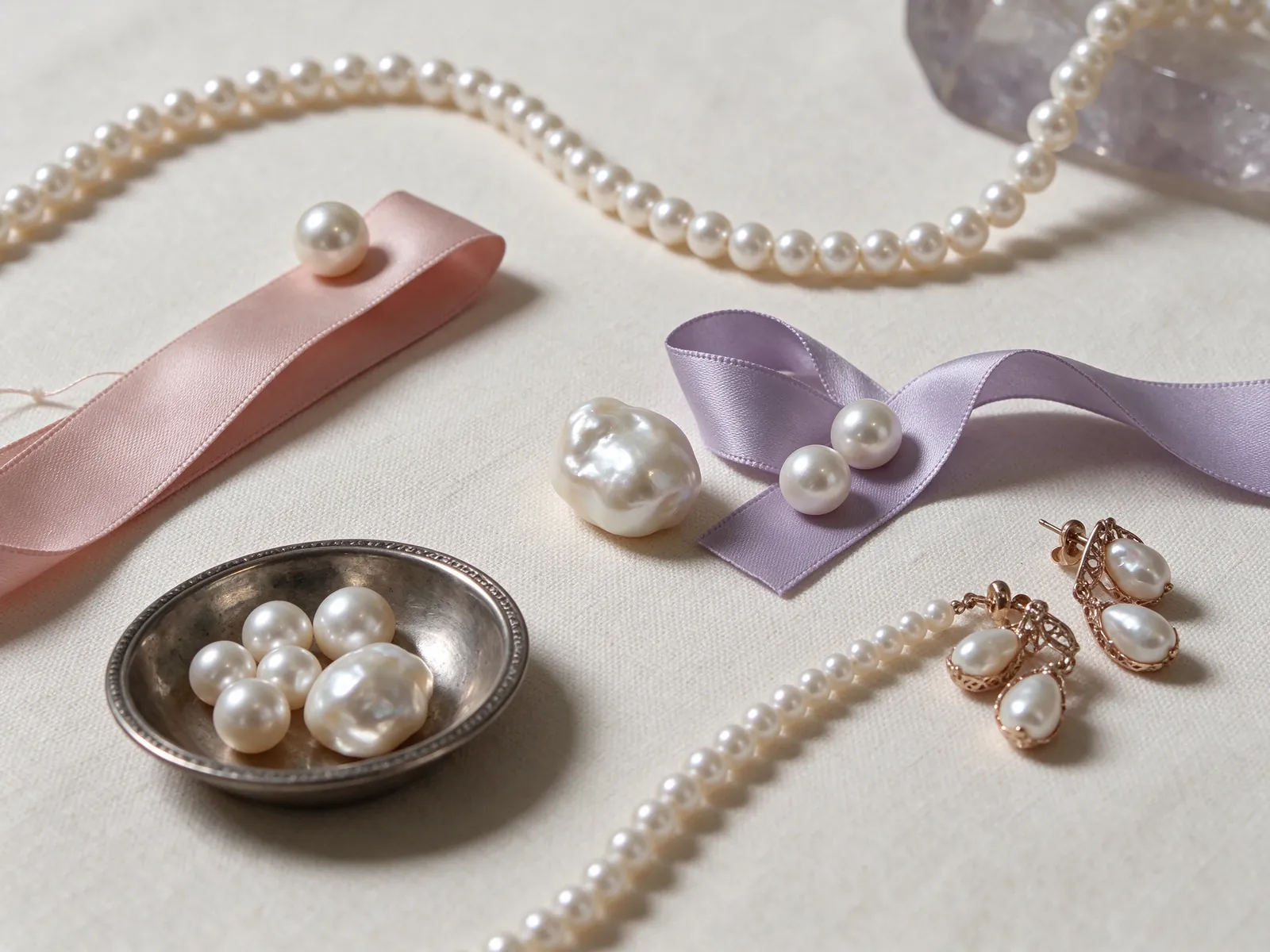
Choose proportions around necklines and everyday outfits
With a work shirt, check whether the pendant falls against a button or disappears beneath the collar. With a round neckline, compare how its outline looks against fabric and against skin. A dainty pearl pendant is a useful design direction for someone seeking a lighter visual presence, but smaller is not automatically better for every wearer. Neckline width, chain placement and the amount of emphasis you enjoy should be considered together. A certificate reference does not determine where the pendant ought to sit.
For an open evening neckline, consider the available space before choosing a more directional silhouette. A crescent moon pearl pendant introduces a curved composition to compare, while a pearl and sapphire pendant raises questions about how a coloured accent relates to your outfit. These are design comparisons, not evidence of stone identity or a particular report. Return to the individual item, its actual documentation and the effect of trying it on before drawing a conclusion.
Check movement and contact before layering necklaces
If you plan to layer another necklace, turn and sit down during a fitting to see whether the chains overlap or another charm touches the pearl. A simple central outline can keep competing focal points under control. Where other jewellery repeatedly rubs against the pearl, wearing the pendant separately may be the more practical option. Its report does not change the need to avoid scratching during ordinary movement.
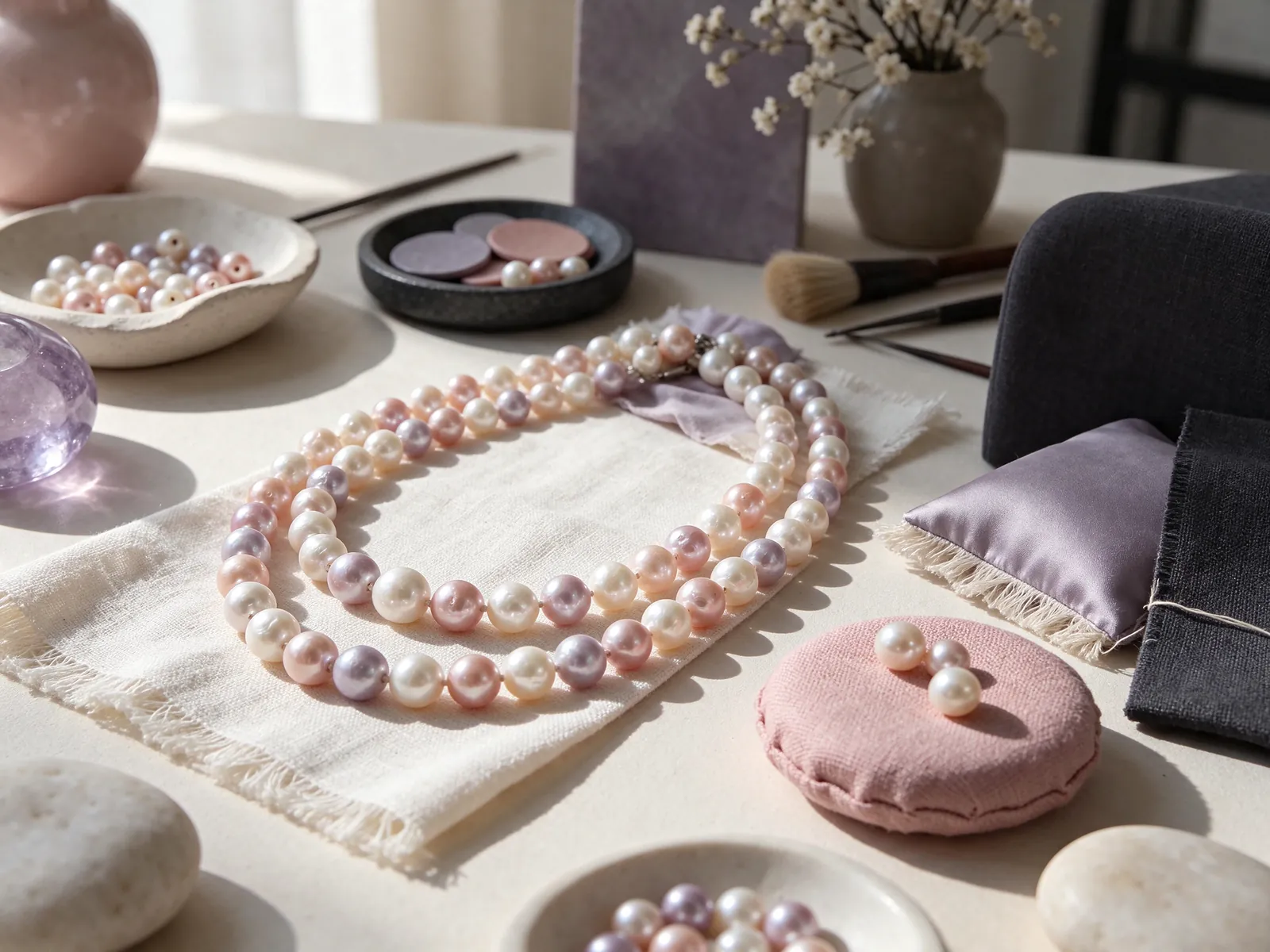
Separate document questions from what will be supplied
Before deciding, list the report subject, issuer, document type, number and the way the item is connected to the document. If viewing a photograph of the paperwork, make sure the descriptive text is readable rather than relying only on a cover. Do not fill in missing conclusions yourself. Keep the complete document and relevant purchase records so you can understand later which information accompanied which item. This is a clearer approach than relying on a remembered sales phrase.
Keep supply and wearing questions in a separate list: whether a chain is included, whether the bail fits the intended chain, which setting profile is being selected and how the complete piece should be cared for. An accompanying report does not answer those questions or imply additional services. When discussing report terminology with Flint Jewellery, clear text and a specific question are helpful. An explanation of wording should not be confused with a new laboratory identification.
For a gift, make the document understandable to the recipient
Consider the recipient's usual necklines, preference for accompanying stones and frequency of wear before choosing a style. Store paperwork separately from the jewellery and explain which item or component it describes. The recipient should not have to guess that the document is a guarantee of every characteristic. If a field is unclear, ask the issuing organisation about reading or checking that type of report rather than relying on a forwarded image or an informal interpretation.

Documented pearls still need gentle care
GIA places pearl at 2.5 on the Mohs hardness scale, making protection from scratching an important part of wearing and storing a pendant. Paperwork does not make a pearl more abrasion-resistant or suitable for repeated contact with perfume and cleaning products. Finish applying perfume and hair products before putting it on, avoiding direct spray onto the pearl. After wear, wipe gently with a very soft, clean cloth. The document's title is not a reason to use a stronger cleaning method.
Pearls should never be cleaned in ultrasonic or steam cleaners. Even when other components seem robust, their preferred cleaning method cannot simply be applied to a whole pearl-set piece. Store the pendant apart from hard objects so that chains, charms and settings do not rub against the pearl. If the pearl appears loose or a clasp or setting is damaged, stop wearing it and seek an appropriate assessment rather than attempting a glue repair or abrasive cleaning at home.
Preserve the paperwork without neglecting present condition
Keep the report number with your own record of the corresponding piece; clear photographs can help you recognise it later. For day-to-day checks, look at the bail, clasp and the pearl's attachment rather than interpreting a visual change as a new grade or identification. Documentation explains recorded information, while gentle care addresses current use. Both matter, but neither replaces the other.
Would you like to separate questions about report wording, chain compatibility and wearing preferences? Contact Flint Jewellery on WhatsApp at +85260106207 with the document fields and design considerations you would like to discuss, so your enquiry can focus on what matters to you.
| Question area | Document reading | Item or styling observation | Useful question |
|---|---|---|---|
| Report subject | Identify the pearl, diamond or mounted item described | Locate the relevant component in the pendant | Which component does this report concern? |
| Document identity | Read issuer, report type and number together | Compare the available description with the item | How is this item connected to the document? |
| Pearl appearance | Use only the findings actually stated | Compare lustre and surface under similar light | Which statements are findings and which are visual descriptions? |
| Design balance | Do not read the report as a styling assessment | Check pearl, bail and neckline proportions | Where does the pendant rest after movement? |
| Everyday care | Paperwork does not change care requirements | Avoid rubbing, perfume, ultrasonic and steam cleaning | How should the complete pearl-set piece be cleaned? |
Pearl knowledge and authoritative references
GIA identifies seven pearl value factors: size, shape, colour, lustre, surface quality, nacre quality and matching. They provide a framework for understanding pearl information, not a blanket guarantee for a complete pendant.
Read the reference for this factFrequently asked questions
Does a GIA reference in the name cover both the pearl and the diamond?
Not necessarily. Establish the subject from the document's description and contents. Findings for one component should not automatically be extended to the pearl, other stones or the complete pendant.
Is Hanadama another name for a GIA report?
No. Read Hanadama terminology and the GIA report independently, asking which documentation supports each description and which item it concerns. Their appearance together in a name does not make them interchangeable credentials.
Can I still read a report if it has no photograph?
Yes: work with its actual description, number and other recorded information. Do not imagine missing details. Ask the provider how the item is connected to the document before deciding whether the information is sufficient for your purchase.
How does matching apply when a pendant has only one pearl?
Matching is especially relevant to groups of pearls within GIA's seven-factor framework. For a single pearl, concentrate first on its appearance, then separately assess the design balance with the setting and chain. That visual balance is not itself a laboratory matching assessment.
Can a pearl pendant with paperwork be cleaned ultrasonically?
No. GIA advises that pearls should never be cleaned in ultrasonic or steam cleaners. A report does not change that guidance; gentle wiping with a very soft, clean cloth after wear is part of routine care.
Updated: