

Which report details matter for an Aurora Phoenix pearl pendant described as an Aurora Phoenix certified pearl pendant or a certified South Sea pearl pendant?
An Aurora Phoenix pearl pendant description gives you a term to investigate, not a complete account of the jewellery. Start with the document that accompanies the pearl. Read the issuing body's name and the actual findings before treating the wording in a product title as a conclusion. Where a document includes a number, date, photograph or measurements, these details can help you organise the comparison. Do not assume that every report follows the same layout or contains every identifying field. For questions about pendant certificate terminology and styling considerations, contact Flint Jewellery on WhatsApp: +85260106207.
The phrases Aurora Phoenix certified pearl pendant and certified South Sea pearl pendant should be read alongside the relevant document, rather than as substitutes for it. Ask what the report describes and how it corresponds to the individual pearl. The pearl pendant with GIA certificate guide provides another way to explore report literacy, including the issuer, recorded findings and correspondence to the pearl. Different documents are not interchangeable. Keeping their scope distinct makes it easier to ask specific questions instead of interpreting a certificate name as one overall score for the pendant.
How do you match an Aurora Phoenix pearl pendant to its report when the description says Aurora Phoenix certified pearl pendant or certified South Sea pearl pendant?
Compare identifying information that is actually present: a photograph, the recorded outline, measurements or visible surface features may provide useful points of reference. A setting can cover part of a pearl, and camera angles can change the appearance of a feature. Similarity in a photograph is therefore a clue, not independent proof of identity. If the document and the displayed description differ, ask about that specific difference before deciding which wording to rely on.

Separate lustre from surface appearance and finished jewellery quality
When looking at lustre, pay attention to the clarity of reflections and the contrast between light and darker areas. Surface appearance asks a different question: what features are visible, and where do they sit? A pearl may have attractive reflections while also showing surface characteristics. Describing those observations separately helps you decide whether your priority is a lively appearance, a cleaner-looking front view, or a balance that works for your style.
GIA identifies seven pearl quality factors: size, shape, colour, lustre, surface quality, nacre quality and matching. This wider framework is helpful when a name draws attention to lustre. For a single pendant, size and outline affect the visual proportion; for a pendant worn with existing pearl earrings, matching becomes a practical consideration. The chain, bail and security of the setting require their own assessment and should not be inferred from a pearl-related designation.
Turn a ranking question into a practical comparison
Instead of asking only which pendant has the better label, compare how each looks in the same lighting, whether visible features fall on the front, and how the outline suits your usual neckline. A larger-looking pendant may be more prominent, but prominence is not everyone's goal. A clear description of your preferences is more useful than a ranking assembled from unrelated names or differently lit photographs.

Judge colour beside your clothes, not only against a display background
A white pearl can look different under warm indoor light and softer daylight. GIA distinguishes bodycolour, overtone and orient, and not every pearl has all three. A pinkish or silvery impression in one photograph should not be used to establish origin, identity or a certificate. Observe the pearl in more than one ordinary lighting condition and consider which aspects of its appearance remain visible rather than selecting the brightest image. Reading about pearl body colour and overtone can help distinguish the overall base colour from a surface colour impression. Photographed colour still cannot establish untreated status or a wild-natural rather than cultured identity.
Place the pendant near a blouse or knit you wear regularly. A white shirt can produce a quieter outline, while a dark fabric may emphasise the pearl's shape and reflections. Fabric texture matters as well: a smooth neckline and a thick knit create different visual weight. This exercise is about finding a pleasing combination, not turning every colour difference into a quality hierarchy or assigning a pearl variety from its appearance.
Keep the viewing conditions comparable
For side-by-side photographs, use a similar background, viewing distance and light. Extreme close-ups can exaggerate surface features, while bright exposure may hide them. When matching a pendant to earrings, view the pieces together from the front and at a slight angle. Photographs can preserve your impressions, but documentary questions still need to be answered by the relevant written information rather than by colour alone.
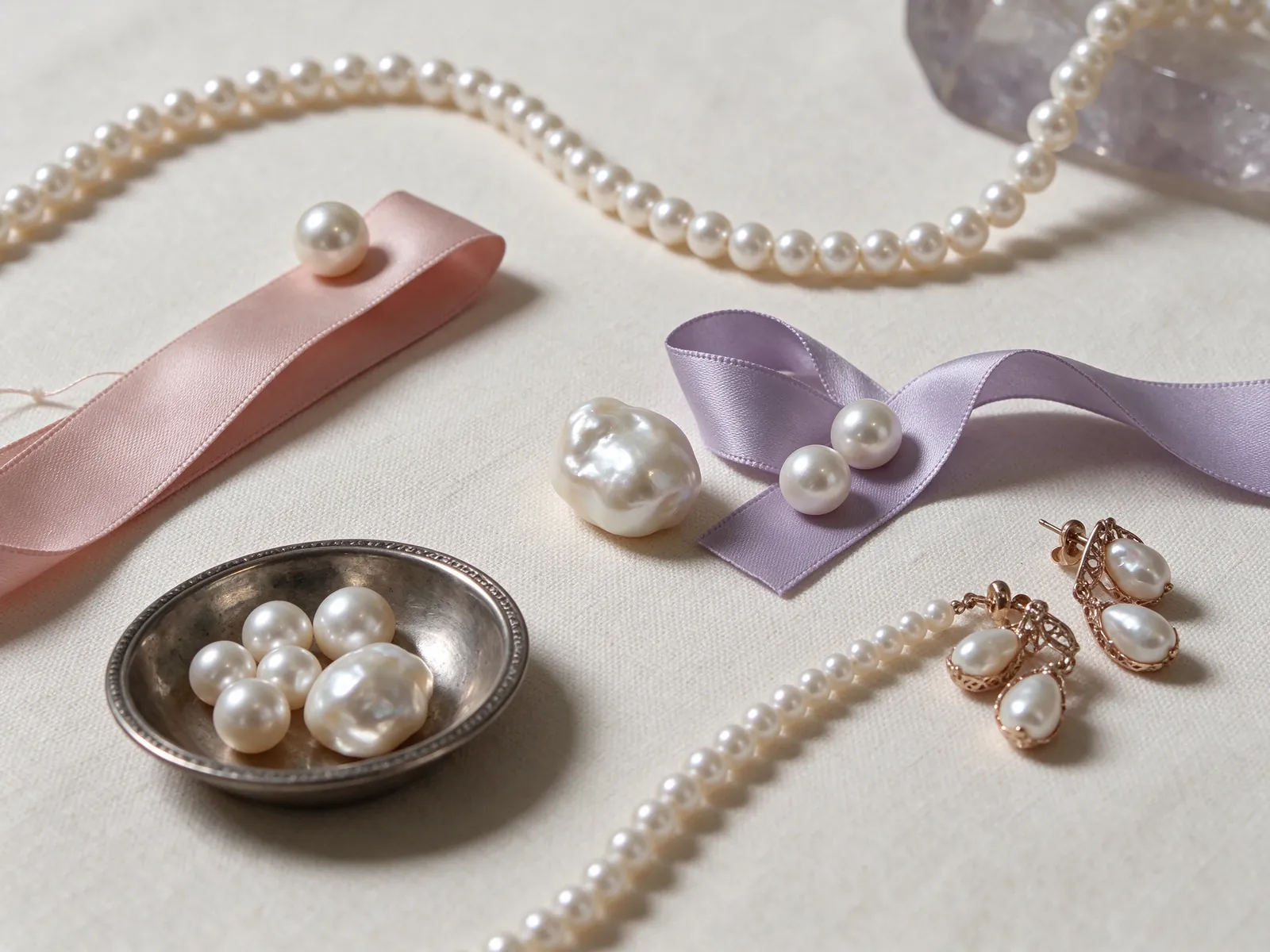
Check the chain, bail and neckline as a separate decision
First establish whether a description refers to the pendant itself or to a pendant with a chain. A chain shown in a photograph does not automatically define what is included. If you intend to use one you already own, consider the chain end and clasp as well as the chain's thickness: these must pass through the bail if the design requires it. Once assembled, watch whether the pendant moves comfortably or tends to turn away from its intended front.
The pearl pendant chain compatibility guide is a way to understand the bail opening and chain ends, not a reason to treat a successful fit as pearl certification. Keep those subjects separate when reading listings. For styling, decide whether the pendant should sit above a collar, in an open neckline or over fabric. Then check its position while sitting and turning; a carefully arranged still photograph does not show every aspect of everyday wear.
Use your most common neckline as the starting point
A round neck that touches the pendant may push it in and out of the garment, whereas an open collar may compete with the pendant's outline. Try another familiar top before making your choice, and consider whether the clasp is convenient to handle. These are concrete wearing questions. A lustre-related name cannot tell you which chain position will feel comfortable or keep the pendant facing as you prefer.
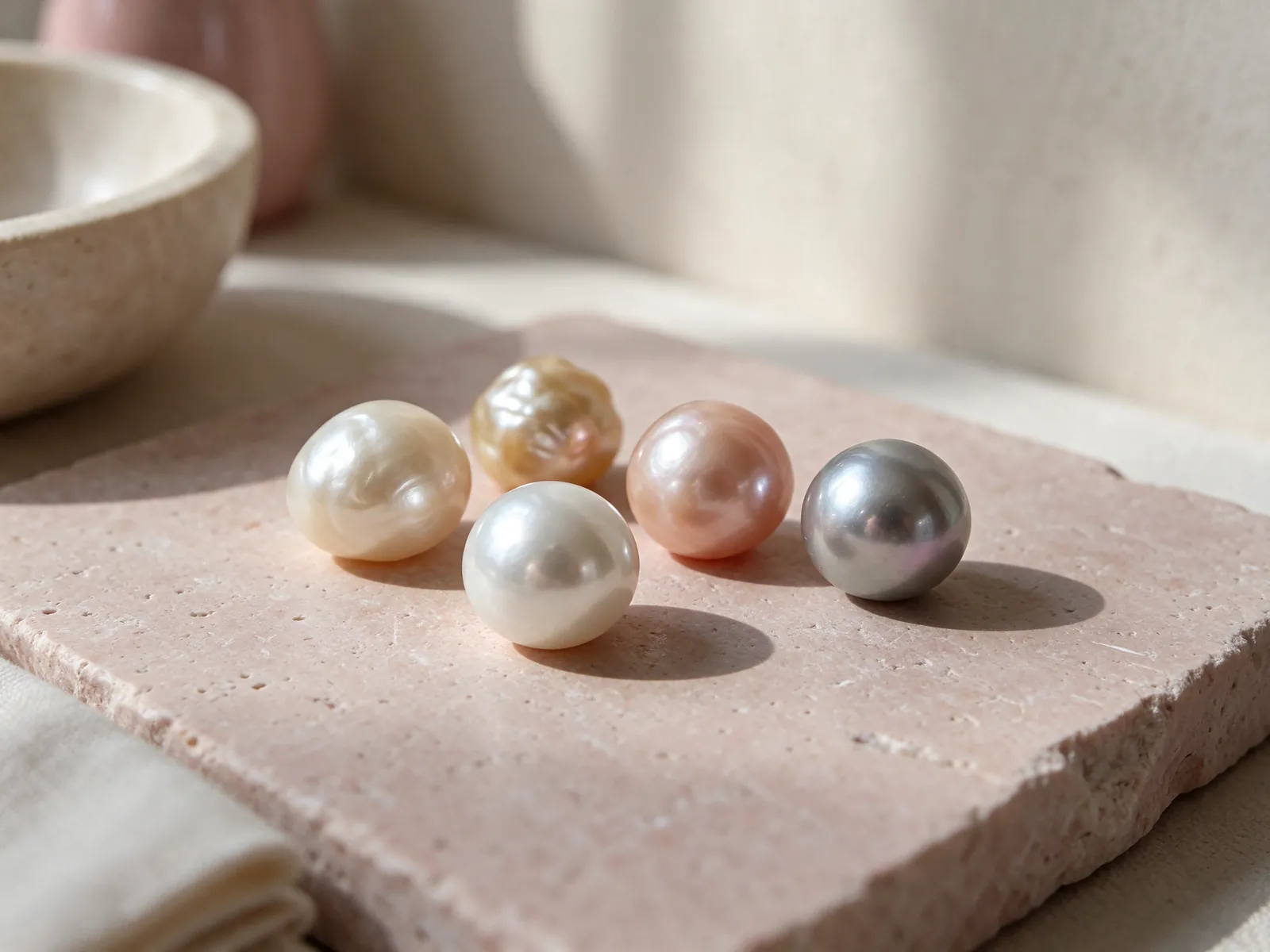
Choose where the pearl should draw attention in an outfit
For workwear, a single pendant can provide a soft point of interest near the neckline while other jewellery stays quieter. If the garment already has a strong print, shiny buttons or embellishment, reduce competing details around that area before judging the result. For an evening outfit, look at the relationship between the pendant and the cut of the garment. An open neckline and a high neckline offer different spaces, so the same piece may read differently in each.
For a quieter neckline, the single pearl pendant guide explores visual proportion, while the pearl pendant without chain guide helps distinguish the pendant top from the chain you may already own. These are wearing and purchase-content questions, not conclusions drawn from a certificate name. Consider how the outline fits your clothing and existing accessories first. Report reading explains the pearl's description; it does not determine which proportion best suits your clothing or whether your own chain will fit.
For a gift, look at the recipient's everyday habits
Notice whether the recipient wears open collars or high necks, and whether their earrings are understated or prominent. Someone who prefers simple outfits may value an uncluttered silhouette more than an elaborate setting. Keep these preferences separate from the document's findings so that you can explain the pearl clearly while choosing jewellery that fits their routine. A certificate name cannot guarantee that a gift will suit someone's taste.
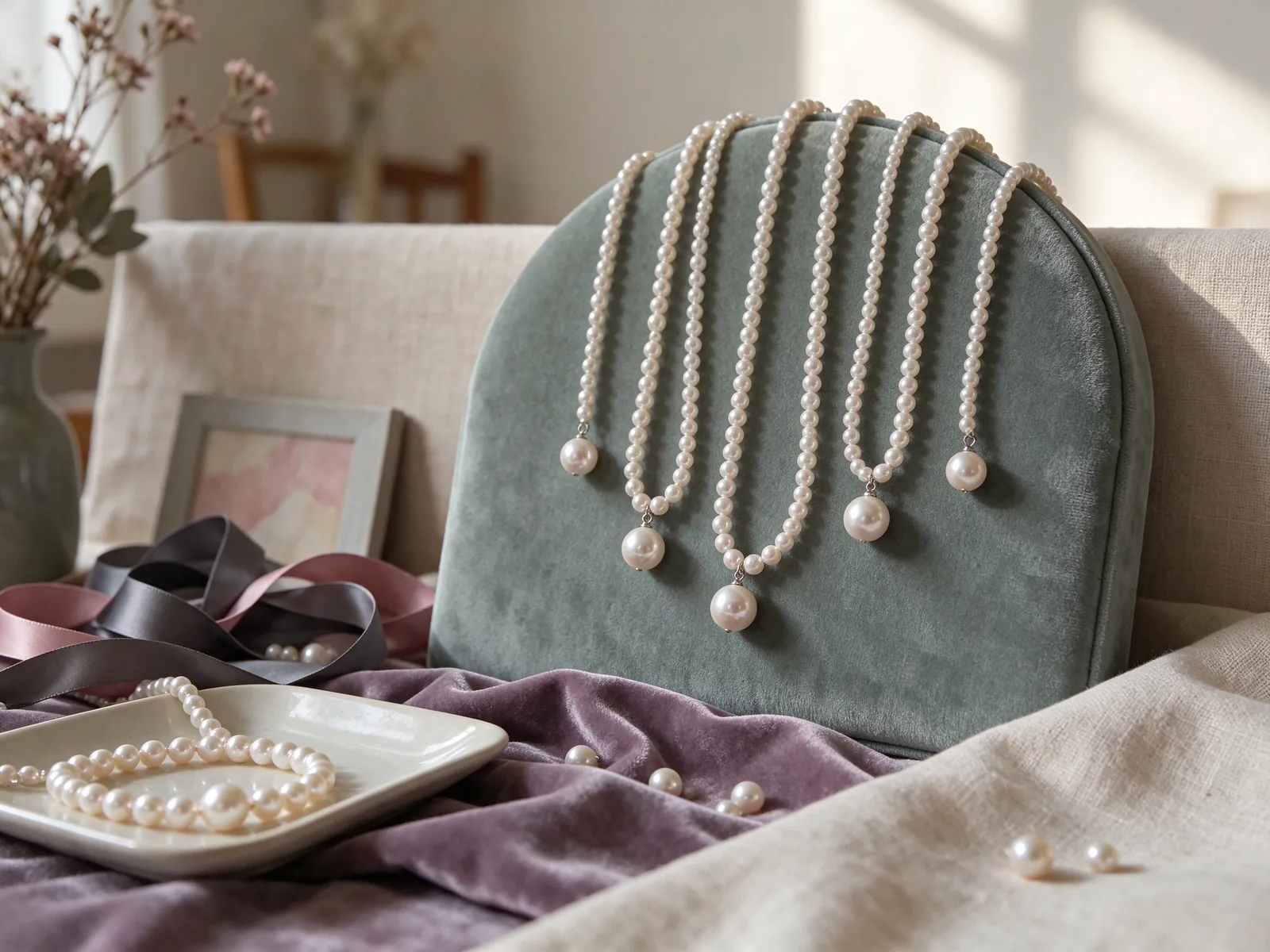
Compare certificate vocabulary without making unlike names interchangeable
The Hanadama pearl pendant guide offers another report-reading topic, but Hanadama, Aurora Phoenix, AAA and GIA should not be treated as interchangeable credentials. Start by understanding the issuing body and what the particular document says. Only then compare the observations relevant to your choice. Putting different names into a single ladder can conceal differences in their meaning and encourage conclusions that the documents themselves do not support.
A silver pearl pendant comparison answers a different kind of question: a metal-related phrase is not a statement about the pearl's report. When browsing descriptions, separate pearl information, certificate wording and jewellery construction into distinct categories. This stops a familiar metal name from being mistaken for a quality grade, and stops a certificate term from being mistaken for a description of the bail or chain. For material comparisons, focus on 18K 750 white gold, 18K 750 yellow gold, 18K 750 rose gold, PT950 platinum and PT900 platinum. Confirm each piece's material from its own description, separately from the pearl document.
Ask what a letter grade actually describes
The same letters in two descriptions do not establish that both sellers use an identical definition. Read whether a label refers to lustre, surface or another feature, and whether supporting documentation is associated with that statement. Combine that reading with comparable viewing conditions. A name alone also cannot calculate a price or promise resale value; the individual pearl and finished jewellery still matter to the decision.

Care for the pearl and keep the paperwork in context
After wearing, gently wipe the pearl with a very soft, clean cloth and store it away from harder jewellery that could rub against its surface. GIA advises avoiding acids, perfume, hair spray and excessive heat, and says pearls should never be cleaned with ultrasonic or steam cleaners. Putting the pendant on after your hair and fragrance routine helps avoid direct spray. Its certificate name does not change those care needs.
Keep the report safely with a clear copy for reading, and retain purchase records separately. If a chain is later changed or work is carried out on a setting, preserve a record of which parts were involved. That makes it easier to understand the jewellery's history without reading a pearl document as a description of every component. For a gift, explain the document together with simple care guidance rather than passing on only a certificate name.
Do not extend a metal-cleaning method to the pearl
A robust-looking metal part does not mean the whole pendant can tolerate the same cleaning treatment. If there is movement in the setting, dirt trapped around it or an unfamiliar cleaning product, stop and ask an appropriate jewellery professional about the specific situation. Good care reduces avoidable damage; it is not a promise of permanent appearance, water resistance or a particular repair outcome.
Comparing pearl pendants or choosing a gift? Contact Flint Jewellery on WhatsApp: +85260106207 and share the styles you enjoy and how you usually wear jewellery.
| Topic | What to read | What to observe | What it does not establish |
|---|---|---|---|
| Issuer and terminology | The issuing body's name and actual findings | Consistency with the displayed description | The quality or price of the entire pendant |
| Correspondence to the pearl | Identifying details present in the document | Outline and visible surface features | Identity from a similar photograph alone |
| Lustre and surface | Each recorded observation separately | Reflections and features under the same light | That attractive lustre means a feature-free surface |
| Bail and chain | Whether the description includes a chain | Fit, movement and neckline position | That a pictured chain is automatically included |
| Gift and ongoing use | Keep the document and purchase records | The recipient's clothing and jewellery habits | A guarantee of taste or future value |
Pearl knowledge and authoritative references
GIA lists seven pearl quality factors: size, shape, colour, lustre, surface quality, nacre quality and matching. Lustre is one factor, not a description of the entire pendant.
Read the reference for this factFrequently asked questions
Does an Aurora Phoenix name in a title replace the report?
No. It points to terminology to investigate. Read the actual accompanying document, its issuing body and its findings, then consider how it corresponds to the individual pearl. The title cannot supply details that are not recorded.
What if the setting hides part of the pearl shown in the document?
Use the identifying information that remains available and read other recorded details alongside the photograph. A hidden area or a different camera angle can limit visual comparison. Similar appearance alone is not independent confirmation of identity.
Can strong lustre coexist with visible surface features?
Yes. Lustre and surface quality are separate factors. Compare the clarity of reflections, then look independently at visible features on the front and sides. One observation should not be used to erase the other.
Should I bring my existing chain when considering a pendant?
It can make the wearing comparison more useful. Consider whether the chain end and clasp can pass through the bail where required, and whether the assembled pendant sits and moves as you prefer. Also establish whether the described purchase includes a chain.
Does a certificate change the cleaning method?
No. GIA says pearls should never be cleaned in ultrasonic or steam cleaners. Use a very soft, clean cloth after wear, and avoid perfume, acids and excessive heat. A certificate name does not make a pearl resistant to unsuitable cleaning.
Updated: