

How do proportion and placement shape the look of an ice cream pearl pendant top or an ice cream cone pearl pendant?
Start with the outline rather than the dessert name. Does the rounded upper area sit comfortably above the narrowing lower form, or does one part dominate? A readable silhouette can express the idea without a crowded surface. Compare a close view with a view against clothing: details that look compelling in a large photograph may become less distinct within a complete outfit.
Visual weight comes from the whole pendant, including the bail, the density of its lines and the balance between width and height. For a quiet everyday accent, look for space around the outline rather than assuming more ornament is better. The wider pearl pendant topic offers a useful comparison: judge how a design reads at conversational distance before focusing on its smallest details.
Which chain length and neckline suit an ice cream pearl pendant top or an ice cream cone pearl pendant?
Decide whether the pendant should sit on skin or entirely against fabric. A crew neck can interrupt the outline if the pendant straddles its edge; a V-neck may crowd the narrowing shape into its own point. Try the garments you actually wear and compare the resting position. There is no single chain length that resolves every neckline or body proportion.

Use side and back views to understand the shape
A three-dimensional motif deserves more than a front photograph. Look at how far the lower outline projects, where the bail sits in relation to the body and which surfaces face your clothing. These observations help you understand possible contact with knitwear or a jacket. They are practical viewing questions, not a promise that a particular silhouette will always lie flat.
Comparing an apple pearl pendant can clarify whether you prefer a compact, rounded centre or the downward movement of an ice cream motif. Keep the background simple so that you are comparing outlines rather than photography. If the pendant turns as you move, the back becomes part of the wearing experience; its finish and connection arrangement matter alongside the attractive front.
Check the position while sitting and turning
Stand naturally, sit down and turn your shoulders during a fitting. Watch whether the neckline pushes the pendant upwards or the lower outline catches against textured fabric. When an in-person fitting is not possible, clear front, side and back photographs can explain the structure. Do not estimate actual thickness from a shadow or a dramatic camera angle alone.

Choose a chain for movement as well as appearance
The chain body is only part of compatibility: its clasp must pass through the bail, and the chain needs room to move once fitted. A chain that looks fine may still have an unsuitable clasp. Read whether the purchase description covers a pendant top alone or includes a chain, then assess your existing chain rather than treating those descriptions as interchangeable.
For layering, let the ice cream motif provide the recognisable shape and keep another chain visually simple. A geometric pearl pendant offers a useful lesson in spacing: rounded areas and vertical lines each need room to be understood. If two pendants repeatedly meet or the chains twist together, reducing the layers may give a cleaner result than adding more decoration.
Think about bag straps when wearing a lower pendant
A lower resting point can bring the pendant into contact with a bag strap, desk edge or coat opening. Test ordinary movements rather than checking only a still mirror view. If the motif falls beneath a strap, change the position or the bag for that outfit. A longer chain is a styling option, not an automatic improvement.
Separate pearl appearance from the dessert story
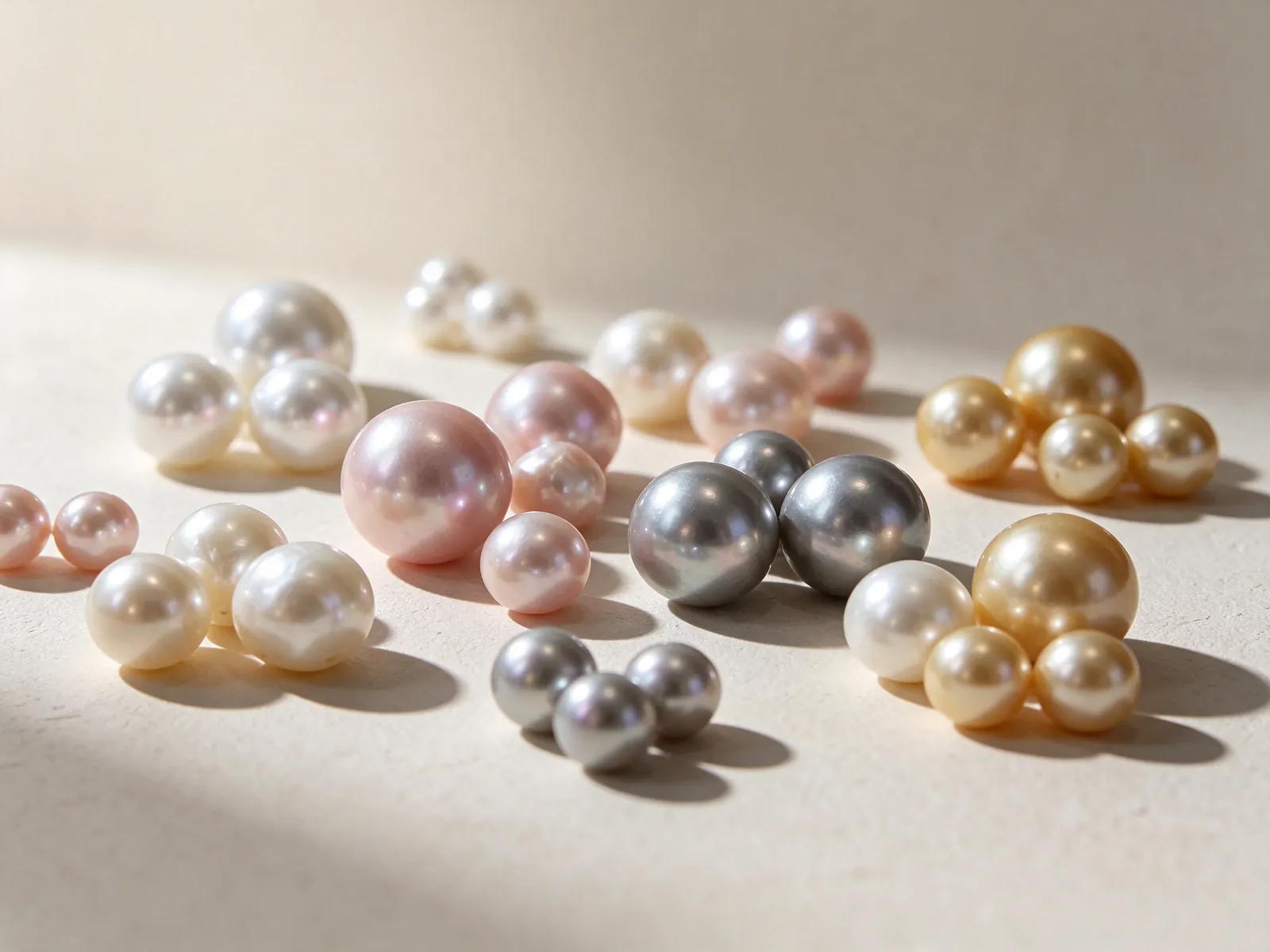
An ice cream name describes a design idea, not a pearl type, origin or natural-versus-cultured identity. Examine the clarity of reflections and visible surface features independently of the motif. Soft light and more than one angle are helpful because clothing and lighting affect what you see. A single bright highlight in a photograph does not describe the lustre of the entire pearl.
GIA identifies seven pearl value factors: size, shape, colour, lustre, surface quality, nacre quality and matching. Matching concerns pearls used together, so it is not a separate comparison for a single-pearl pendant. These factors are a general assessment framework, not a grade or certification for an individual pendant. This framework keeps the pearl assessment separate from the decorative outline. The same distinction is useful when considering a heart diamond pearl pendant: an expressive motif can attract attention without answering questions about the pearl itself or the identity of its accompanying decoration.
Observe overall colour and reflected effects separately
Bodycolour, overtone and orient are distinct colour components, and not every pearl displays all three. Compare the appearance against a pale background and an outfit you wear regularly. A dessert or flavour association can be personally enjoyable, but it cannot establish the cause of a colour. Use the description of the individual pearl to understand its stated characteristics.
Give the playful motif a calm clothing background
A plain top is an easy starting point because it gives the rounded and narrowing forms space. On a shirt, consider whether a pocket, button or print occupies the same area. An open jacket can frame the pendant, provided its lapel or fastening does not cover it. Begin with contrast between the pendant and its background before introducing colour echoes elsewhere.
Playful jewellery does not require several illustrated themes at once. Comparing a smile pearl pendant can help you decide whether you prefer an abstract expression or a recognisable dessert story. Simple earrings and an unpatterned bracelet let the chest area remain the focus. For a more formal outfit, rely on a clean garment shape rather than trying to make every accessory elaborate.
Create breathing room on printed outfits
Dense small prints may obscure the outline, while a large illustration can compete with it. Place the pendant against a quieter area of the outfit or use a plain layer beneath an open cardigan. There is no need to add food-themed clothing simply to echo the motif. One clear reference can express your preference without turning the outfit into a costume.
Make a gift choice around the recipient's habits
A dessert motif can carry a personal memory, but its appeal should not be assumed from age or occasion. Notice whether the recipient already wears recognisable objects or generally prefers plain lines. Their usual necklines and existing chains are also relevant. The strongest gift reasoning connects the story with how the person actually dresses, rather than relying only on the giver's idea of cuteness.
A pyramid pearl pendant provides a contrasting way to think about a narrowing outline: similar directional movement can express an architectural rather than a dessert-led mood. If the recipient rarely wears necklaces, the positioning possibilities of a pearl brooch may be a more useful accessory comparison. These are differences in wearing preference, not a ranking of which theme is more luxurious.
Keep the message and the practical questions distinct
Use a personal note to explain the shared dessert memory. For the jewellery decision, establish what is included, how the pendant is worn and whether an existing clasp fits its bail. If those details are unavailable to you, do not infer them from a picture. Emotional meaning and everyday usability deserve attention separately before they are brought together.
Care for the pearl without stressing the sculptural outline
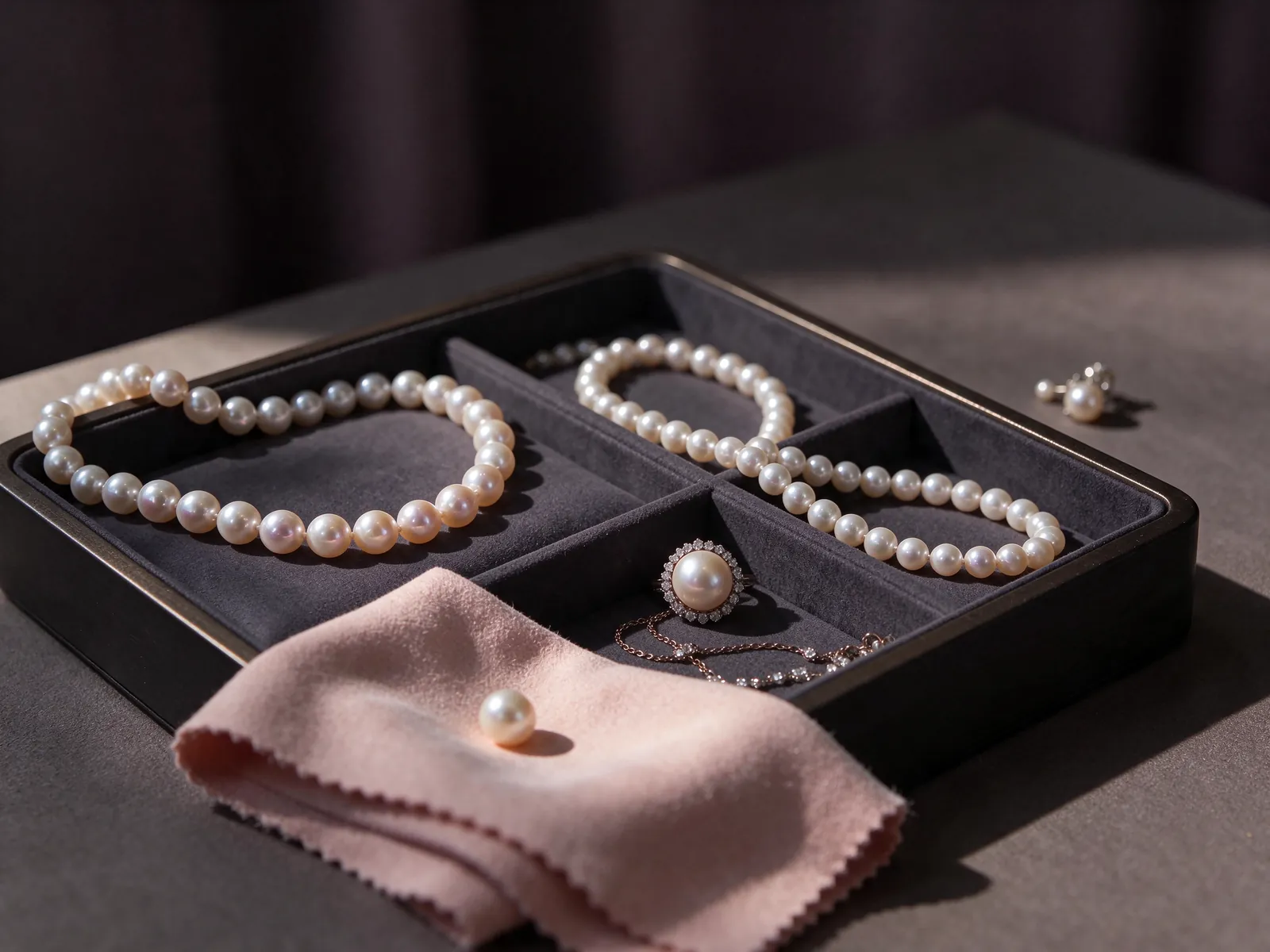
GIA places pearl at 2.5 on the Mohs hardness scale and advises against ultrasonic or steam cleaning. A pendant can still meet zips, garment decorations and other jewellery even though it is not worn on the hand. Store it separately from hard objects and wipe it gently with a very soft clean cloth after wearing. A substantial-looking outline does not make the pearl scratch-resistant.
Keep perfume, hair spray, acids and excessive heat away from the pearl. Finish grooming before putting the pendant on, and remove it before pulling clothing or a scarf across the neck. Do not use a sharp tool to reach dirt in small details. If the bail becomes distorted or the connection behaves unusually, stop wearing it and ask a suitable jewellery professional to examine it.
Untangle the chain without pulling the pendant
Lay the piece on a clean, stable surface before dealing with a knot. Work on the chain itself rather than pulling on the pearl or the lower motif. During storage, avoid winding the chain tightly around projecting details. The aim is to reduce unnecessary friction and strain, not to promise that appearance or colour can remain unchanged indefinitely. For help thinking through your usual necklines, existing chain and personal style, ask about pearl pendant styling on WhatsApp at +85260106207.
| Feature | What to observe | Styling decision |
|---|---|---|
| Upper and lower outline | Whether the rounded and narrowing forms remain readable | Reduce competing accessories on busy clothing |
| Side and back | Projection, contact surfaces and the position of the bail | Test against your usual knitwear, shirt or jacket |
| Chain compatibility | Clasp passage and room for the chain to move | Establish what is included before choosing a chain |
| Neckline and resting point | Whether the garment edge interrupts the motif | Choose skin or a clear fabric area as the frame |
| Pearl appearance | Reflections and visible surface features in soft light | Assess pearl quality separately from the design story |
Pearl knowledge and authoritative references
GIA describes seven pearl value factors: size, shape, colour, lustre, surface quality, nacre quality and matching between multiple pearls. A recognisable dessert outline does not replace assessment of these seven factors.
Read the reference for this factFrequently asked questions
Does an ice cream pearl pendant name identify its pearl type?
No. It describes the motif, not the pearl type, origin or natural-versus-cultured identity. Use the individual pearl description and appropriate documentation for those characteristics rather than inferring them from a rounded form or a colour association.
Must a cone-shaped pendant be worn on a long chain?
No. Try its resting point against your actual neckline while standing and sitting. A lower position may meet a bag strap or desk, while a higher one can be pushed by a collar. Choose the position that frames the outline and works with your normal movements.
Why might a fine chain fail to fit the bail?
The clasp can be wider than the chain body. It must pass through the bail without force, and the fitted chain needs room to move. A photograph of a fine chain is not enough to establish compatibility.
How can I wear the motif with a printed shirt?
Give the pendant a quieter background using a plain inner layer or a less patterned part of the outfit. Reduce other illustrated accessories. You do not need to repeat the food theme across your clothing for the pendant to feel intentional.
Can an ultrasonic cleaner reach the small decorative details?
Do not use ultrasonic or steam cleaning on pearls; GIA explicitly advises against both. Use a very soft clean cloth for routine wiping and seek suitable professional advice when dirt cannot be removed gently without stressing the pearl or its connection.
Updated: