
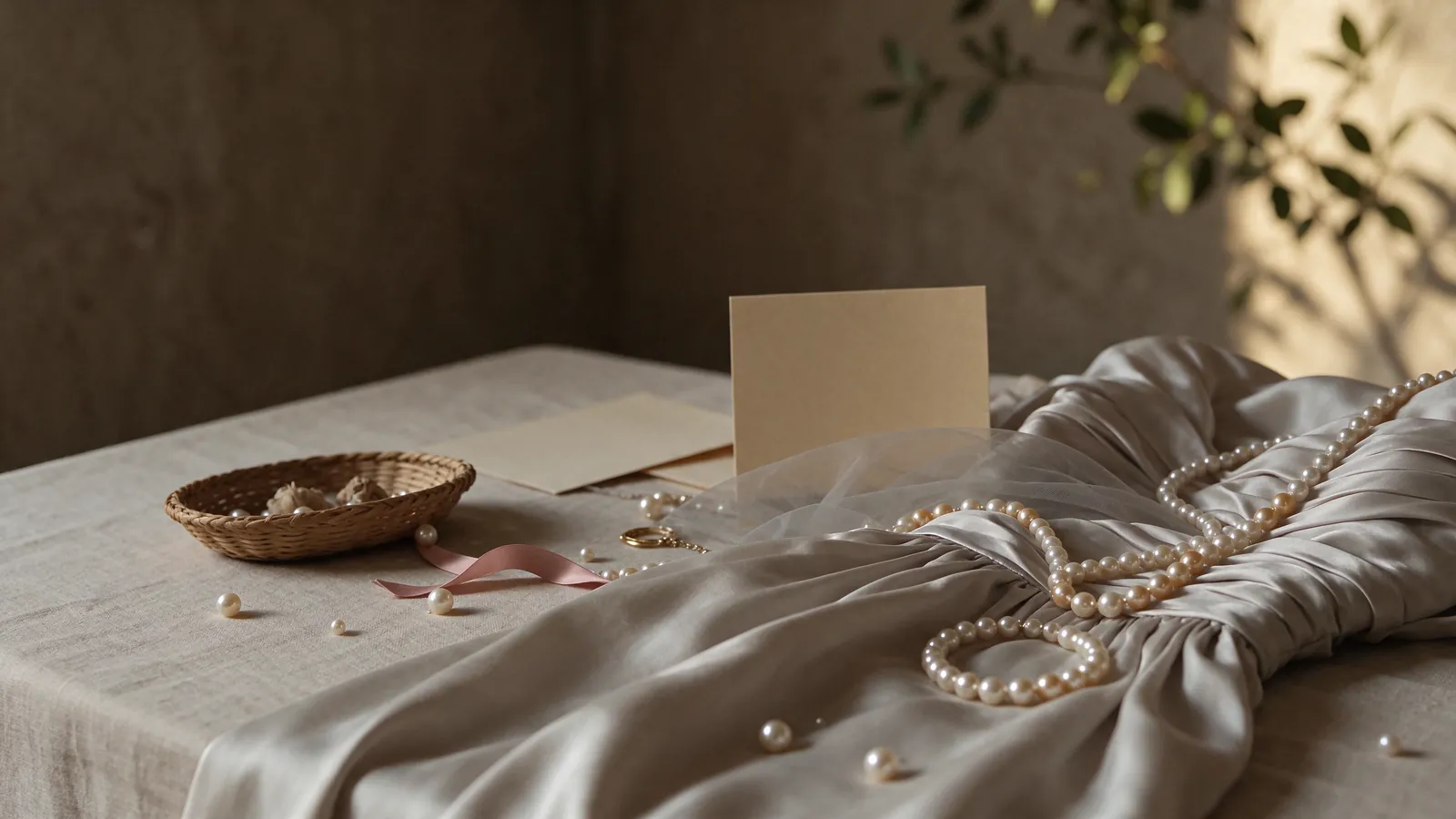
Which everyday styles suit pearl gifts for daughter when a pearl jewellery gift for daughter will be your daughter’s first pearl jewellery?
Begin with the outfits she reaches for in an ordinary week, not just a photograph from a formal dinner. A pendant can disappear against the edge of a crew neckline, while a shirt opening may give it a clearer space. Ask whether she wants the pearl to sit above the fabric or visibly over it. The pearl gift guide helps organise recipient and occasion choices; for your daughter, the useful next step is comparing a regularly worn top with a necklace she already likes. That combination makes the preferred position and proportions easier to describe than a photograph of jewellery alone.
A first pearl piece need not signal a move towards formal dressing. If she enjoys denim, plain tops and relaxed jackets, a simple focal point may suit the wardrobe she already has. If she prefers sculptural clothing or asymmetric details, compare a pearl silhouette that echoes those lines. Invite her to bring a few favourite outfits into the conversation and describe where she wants attention: near the face, at the neckline or on the wrist. Those answers are more useful than a general preference for something timeless.
For pearl gifts for daughter, how can her usual necklines and preferred chain length guide a pearl jewellery gift for daughter chosen as your daughter’s first pearl jewellery?
Use a necklace she frequently wears as a starting point for placement. Lay the chain flat to record its length and note whether your measurement includes the clasp. Then consider the new pendant and its fitting: chain length alone does not describe the full drop. Compare the effect while she is sitting, turning and wearing her usual jacket. This record is a styling reference for discussion, not a guarantee that a named necklace length will fit everyone in the same way.

Choose the jewellery form before the decorative details
A pendant may feel familiar if she already wears necklaces, but consider the whole arrangement rather than the pearl in isolation. Ask how the pendant attaches, whether a chosen chain fits through its fitting and how easily she can operate the clasp. If she layers necklaces, compare their positions so the pendants are not repeatedly knocking together. If she prefers a continuous line of pearls, the single strand pearl necklace guide offers a useful comparison with a single focal pendant. Think about which form works with more of her actual clothes rather than assuming one must be bought before the other.
Earrings raise different questions. Does she have pierced ears, enjoy wearing earrings and prefer a close outline or movement below the ear? Her hair, glasses and headphones can change how a design works in practice. A delicate appearance in a photograph does not establish low weight or comfort. Consider the fastening and how the earrings feel during ordinary movement. If earrings are not part of her routine, a gift should not become a request to change her body or adopt a habit she does not want.
Test the idea against her usual day
Think through commuting, working, meeting friends and getting changed at home. Scarves, bag straps and high collars can all occupy the same space as jewellery. The aim is not to choose the least expressive design, but to find one that needs fewer adjustments in the situations she cares about. A piece she can imagine wearing is a stronger starting point than one selected only for its presentation box.
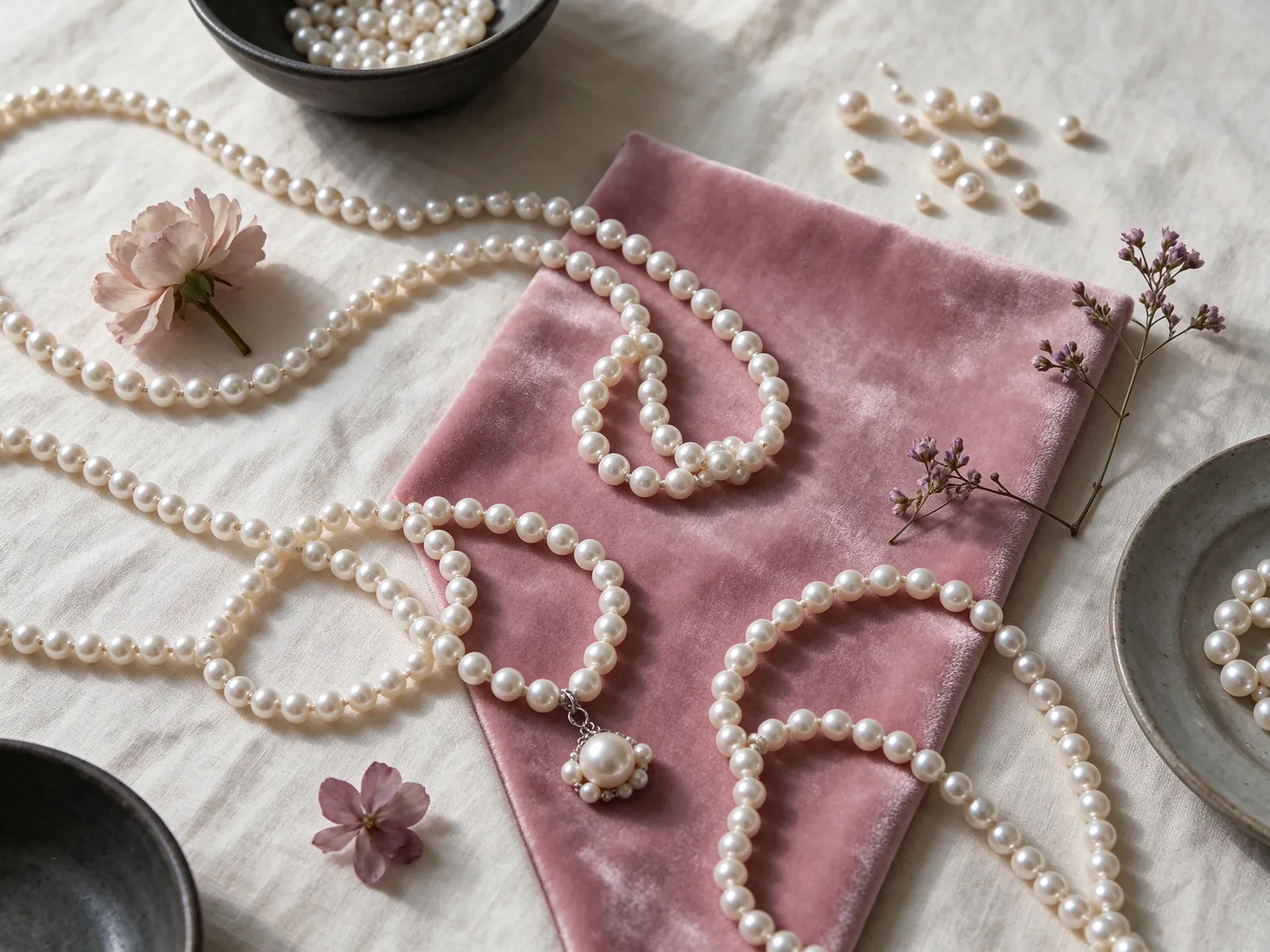
Let her describe the pearl appearance she actually likes
GIA identifies size, shape, colour, lustre, surface quality and nacre quality, with matching also considered when jewellery contains two or more pearls: seven value factors in all. The pearl grading guide can help organise these questions. A seller’s AAA or AAAA label is not a globally standardised grade or a GIA pearl grade. Compare brightness, the clarity of reflections and visible surface features under similar lighting, then ask whether she prefers an orderly outline or a more individual shape. Neither preference belongs to a particular generation, and a larger-looking pearl is not automatically the more thoughtful gift.
Colour is easier to discuss beside her usual clothes than against a heavily filtered image. Compare the pearl against a light top and a dark one, paying attention to the surrounding metal as well. Ask which contrast she likes and why before trying to select a design. This gives her room to distinguish her own preferences from a trend shared with friends. Shape and colour guide an aesthetic choice, but they cannot independently establish pearl type, origin, treatment or natural-versus-cultured identity. A visual preference is the start of a conversation, not the evidence for those claims.
Separate a visual preference from an identity claim
Words such as bright, soft or unusual describe a response to appearance. Pearl type, treatment and natural or cultured identity are different questions to raise when reading the written description. If a laboratory report is supplied, check its correspondence to the piece and the information it actually states. Its name alone is not a price assessment, an investment promise or a service guarantee. For earrings, consider the two pearls together as well as individually. Page images illustrate styling and knowledge; they do not replace confirmation of the actual piece and its documentation.
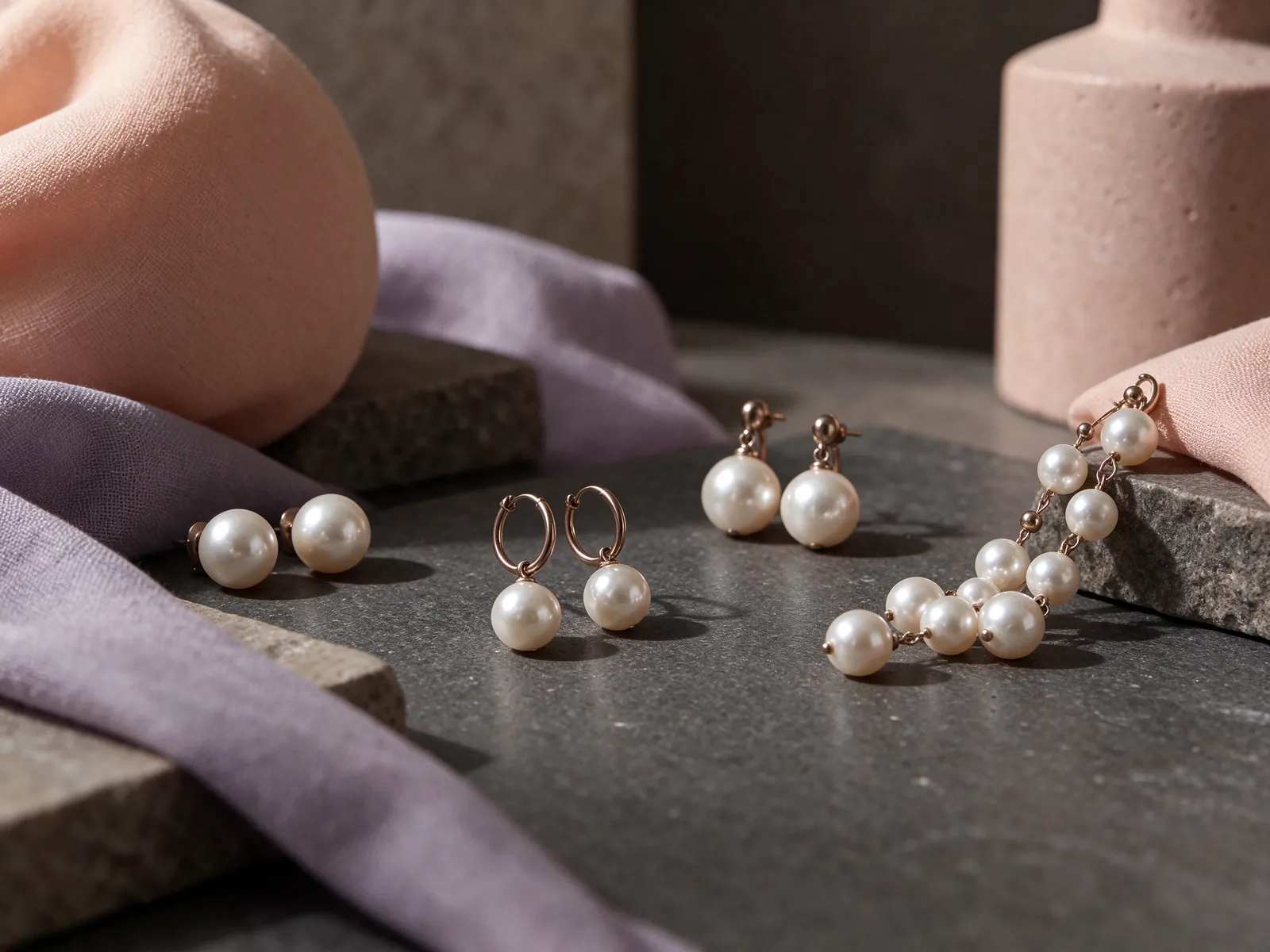
Match metal colour and practical handling to her preferences
Look at the jewellery she wears most often, including her watch, to see whether she favours white, yellow or rose tones. A pearl gift does not have to match everything, but a familiar colour can make the first combination easier. Metal choices to discuss are 18K 750 white gold, 18K 750 yellow gold, 18K 750 rose gold, PT950 platinum and PT900 platinum. Compare their visual direction without assigning a colour to an age group. Mixed metals may already be part of her style, and consistency is not a requirement for a personal gift.
Handling deserves its own conversation. Ask whether she prefers a clasp she can easily grip or an earring back that feels straightforward to secure. Jewellery that appears small is not necessarily comfortable, and a gold or platinum description is not a universal promise against skin reactions. If she has experienced discomfort, ask about relevant materials and components and seek appropriate healthcare advice when needed. Let her identify a familiar piece whose weight and handling she enjoys, then use that as a specific comparison. Include a necessary chain or fitting in the overall budget rather than leaving it as an afterthought.
Notice how she puts jewellery on herself
Her usual routine can reveal more than a front-facing photograph. Long nails, a preferred hand and whether she uses a mirror may affect how she handles a fastening. Ask her to explain what she likes about a piece she already finds easy to wear. The goal is not a claim that one mechanism suits everyone, but a specific understanding of what makes this gift convenient for her.
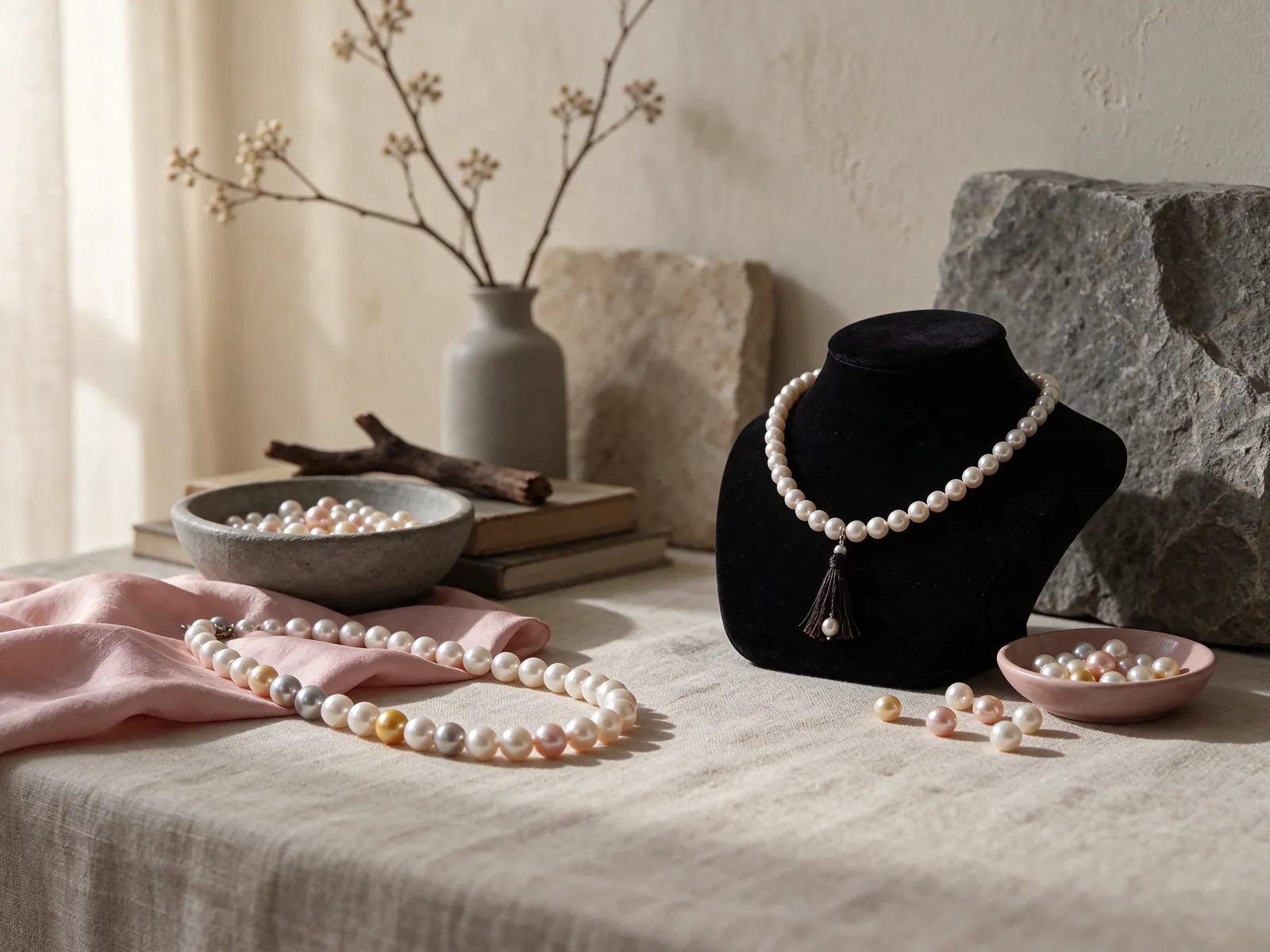
Keep the surprise in the occasion, not necessarily the style
A pearl birthday gift can celebrate her current interests, while graduation may invite a discussion about a changing routine. When considering pearl graduation gifts, look beyond the ceremony gown to the clothes she expects to wear afterwards, whether she is starting work or continuing her studies. A necklace hidden at the ceremony may still become a favourite with ordinary outfits. There is no need to choose a formal design she dislikes simply because graduation is a milestone. Let her next stage inform the conversation without imposing an age-based or professional dress code on it.
You can ask about her preferred form and colours while keeping the moment of giving unexpected. Alternatively, make choosing together part of the gift and save the personal note for later. The pearl gifts by budget guide helps separate the main piece from any necessary chain or fittings before deciding on a comfortable overall range. Extra pieces she may never wear need not make the gift more meaningful. Discuss a specific quotation and arrangements directly with Flint Jewellery on WhatsApp. If an occasion date matters, confirm the actual arrangements rather than assuming a completion or arrival date.
Use the card to carry a specific memory
Write about something you have seen her achieve or a moment you have shared, rather than asking the design to express every part of the relationship. If personalisation interests her, discuss the wording, location and whether she wants it on the jewellery at all. A handwritten card can hold a detailed story while allowing the piece itself to remain simple and easy to style.
Connect family memories without copying a parent's style
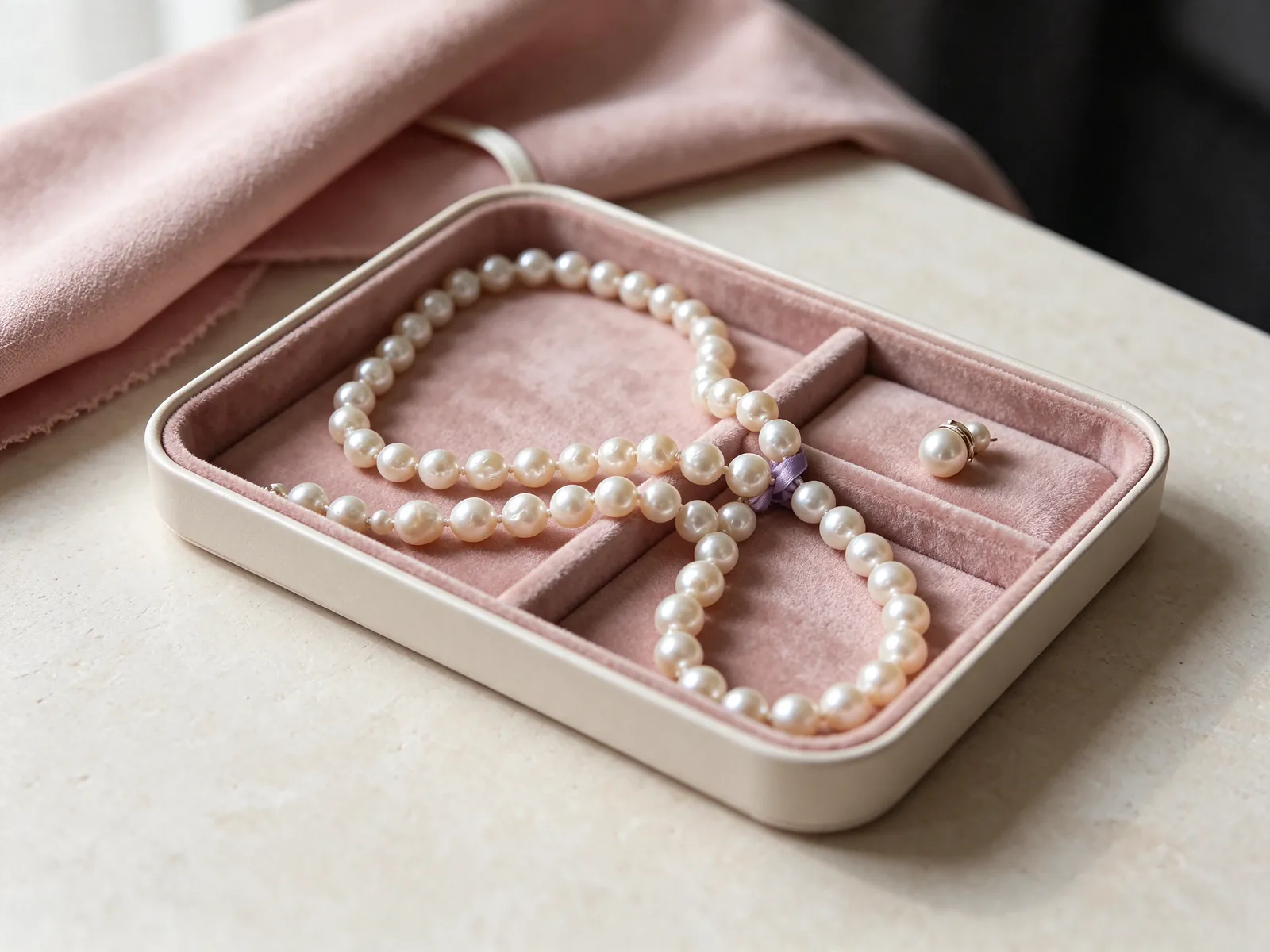
A pearl worn by her mother may begin a lovely conversation, but it need not become the only acceptable model for her own gift. Considering pearl gifts for mother highlights how different routines can lead to different priorities. Your daughter might like a shared colour, a related outline or simply the story behind the gesture. One connecting element can carry family meaning while leaving room for independent taste. Neither matching jewellery nor a traditional silhouette is necessary to demonstrate closeness.
If mother and daughter choose together, let each name her priority before comparing ideas. One person may favour straightforward handling; another may care most about a warm metal colour or occasional evening wear. A shared element can connect their choices without requiring identical pieces. The same applies when choosing for sisters: explain the budget direction and connect the gifts through a common message, not a comparison of size or cost. Give each daughter room to prefer a different form or colour. The everyday life to accommodate is hers, not that of someone whose jewellery she admires.
Distinguish a new gift from passing on an older piece
Passing on jewellery introduces questions about the existing chain, clasps, settings or string, as well as how she wants to preserve its appearance. Check loose parts, worn thread and any previously altered areas before deciding on changes. Repair or redesign needs assessment of the actual piece, not a promise based on its family story. A new gift and an inherited piece do not have to solve the same problem at once. The story supplies meaning, but does not by itself establish quality, value or a guaranteed outcome from alteration.
Make pearl care an approachable part of the gift
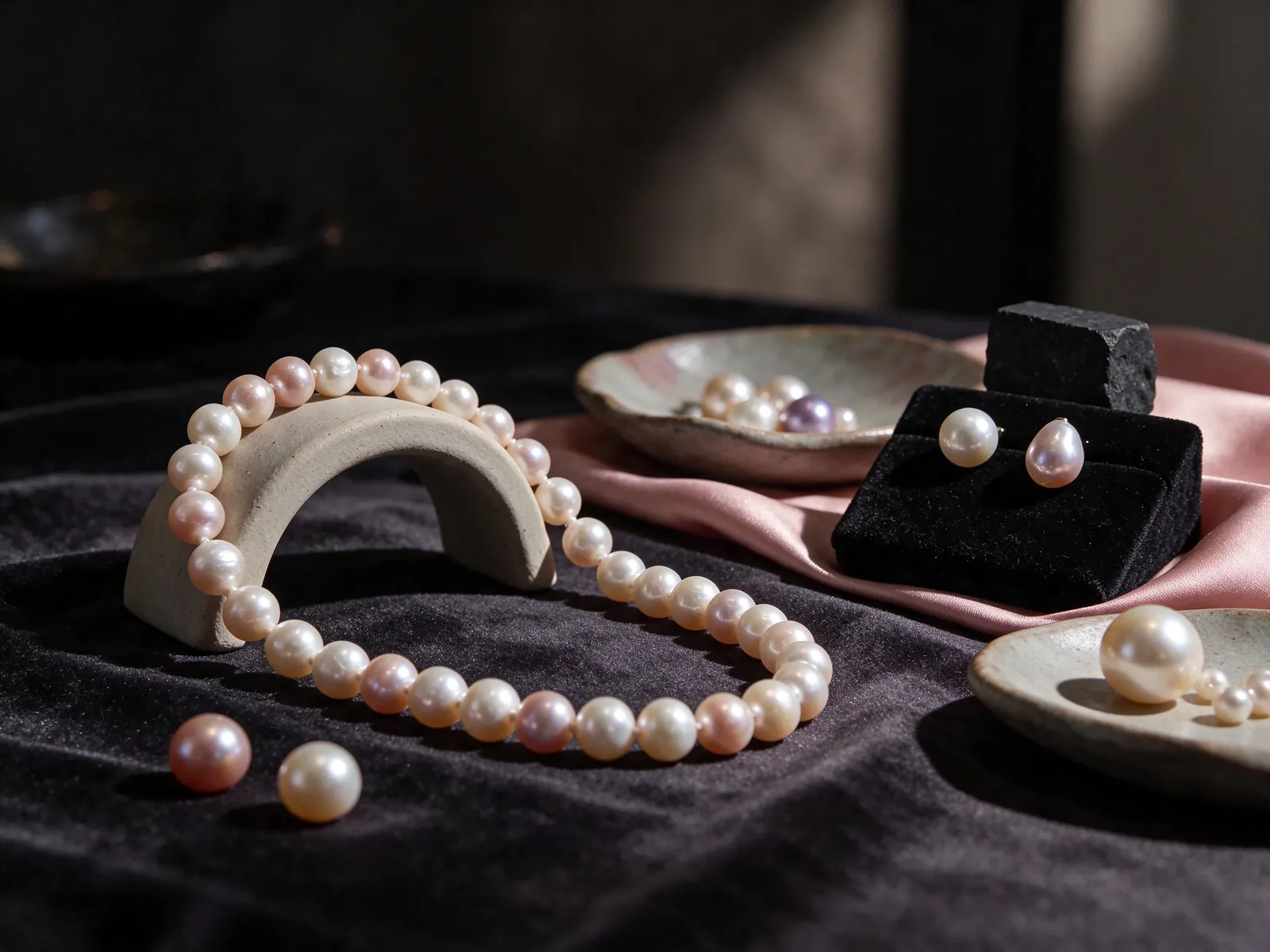
GIA gives pearl a Mohs hardness of 2.5. This is a useful reason to avoid rubbing pearls against harder objects, not a prediction of how many years a gift will last. Show her how to wipe the jewellery after wearing with a very soft, clean cloth and give it a separate, soft storage space. Avoid acids, perfume, hair spray and excessive heat. Practical habits are easier to adopt when demonstrated calmly than when presented as a long list of reasons to be afraid of wearing the piece.
Fit care into her routine: apply fragrance and hair products before putting jewellery on. The pearl care guide extends this discussion, but the needs of the whole piece still matter, including string, adhesive, prongs and metal. Never use ultrasonic or steam cleaners for pearls, do not soak them for long periods, and do not try toothpaste or abrasion to remove yellowing. Choose cleaning according to the actual components. If strung pearls are cleaned with water, the string must dry completely before wearing. A loose clasp, setting or damaged string is a reason to pause wear and ask for advice, not assume continued use or guaranteed restoration.
Finish with a short, personal selection checklist
Record her usual neckline, preferred jewellery form, pearl appearance, metal colour and storage plan. Bring a familiar chain measurement, outfit photographs and a budget range to a discussion with Flint Jewellery if you are comparing directions. The photographs communicate style; they do not certify pearl identity or quality. Most importantly, write down why the choice feels like her. That final check keeps the person wearing the gift at the centre of a decision that might otherwise focus only on its appearance.
| Everyday clue | Form to compare | Styling check | Question to ask | Assumption to avoid |
|---|---|---|---|---|
| She often wears crew-neck tops | Necklace or pendant | Placement above the neckline or over fabric | Where does her favourite chain sit? | One named length fits everyone |
| She enjoys earrings and tied-back hair | Earrings | Contact with glasses, hair and headphones | Which fastening and weight feel comfortable? | Small-looking means comfortable |
| She layers jewellery | A single pearl focal point | Space between necklaces and possible collisions | How does she combine metal colours? | A gift needs a complete set |
| Her routine will change after graduation | A form she can use beyond the ceremony | Future work and weekend outfits | Which parts of her style does she want to keep? | The graduation gown decides everything |
| She values family stories | An individual piece with a connecting element | Each generation's own outline and colour | Does she want a shared look or just a shared memory? | Closeness requires identical jewellery |
Pearl knowledge and authoritative references
GIA places pearl at 2.5 on the Mohs hardness scale. For a daughter's first pearl gift, this supports a practical conversation about avoiding harder objects and using separate soft storage, rather than a promise about lifespan.
Read the reference for this factFrequently asked questions
What if my daughter likes the idea of pearls but rarely wears jewellery?
Ask when she would want to wear them and which form feels familiar. A piece for occasional dinners can be chosen around those outfits; a daily piece needs a place in her routine. If she does not want jewellery, choosing another gift together is more considerate than treating a first pearl as an obligation.
Can I ask about style without giving away the whole surprise?
Yes. Find out whether she prefers necklaces or earrings and which colours she already wears. Keep the date, card or shared activity unexpected. If the remaining choice is still uncertain, invite her to make it rather than relying on an age-based idea of suitable jewellery.
Should her first pearls be round and white?
There is no required first shape or colour. Compare the appearance with clothes she enjoys and ask about the effect she wants. GIA's quality factors help structure observation, but shape and colour alone do not identify species, origin or natural-versus-cultured status.
How can I choose gifts for sisters without comparing the pieces?
Agree on a clear overall budget direction and give each sister room to choose a different form or colour. Connect the gifts through a shared message or occasion. Identical jewellery is only helpful if both actually want it, and pearl size should not become a measure of affection.
What care advice belongs with a first pearl gift?
Demonstrate wiping with a very soft, clean cloth after wearing and separate soft storage. Avoid perfume, hair spray and excessive heat. Never use ultrasonic or steam cleaners, prolonged soaking or abrasive attempts to remove yellowing. Cleaning must suit the string, adhesive and setting too; if strung pearls are cleaned with water, let the string dry completely before wearing.
Updated: